
2027 How to Become a Biotechnologist: Education, Salary, and Job Outlook

Co-Founder and Chief Data Scientist
Becoming a biotechnologist opens a gateway to a world where science meets innovation, allowing you to explore living systems and develop technologies that transform medicine, agriculture, and the environment. This career invites curious minds to experiment with DNA, cells, and proteins to solve pressing global challenges, from curing diseases to creating sustainable solutions.
Biotechnologists blend biology with technology, working in labs to unlock the secrets of life. Their discoveries drive advances in pharmaceuticals, genetic engineering, and biofuels, impacting millions worldwide. As you read on, you'll uncover the educational paths, essential skills, and the evolving landscape of this dynamic profession.
What are the benefits of becoming a biotechnologist?
- The biotechnologist field is projected to grow by 15% through 2025, reflecting high demand for expertise in healthcare, agriculture, and environmental sectors.
- Average annual salaries range from $60,000 to $90,000, with potential increases based on experience and specialized skills.
- Pursuing this career offers innovation-driven work, opportunities in cutting-edge research, and contributions to life-enhancing technologies worldwide.
What credentials do you need to become a biotechnologist?
Embarking on a career as a biotechnologist in the United States requires meeting specific education and certification benchmarks. The field offers diverse pathways to develop expertise and stand out in the competitive biotech job market. Understanding the education requirements for biotechnologists in the US clarifies which credentials best position you for success.
- Bachelor's degree: The essential foundation is a bachelor's degree, typically a Bachelor of Science in biotechnology, biology, chemistry, or related fields. Programs emphasize hands-on lab work and interdisciplinary training, with options to specialize in areas like bioprocessing or bioinformatics.
- Advanced degrees: Many employers value master's or doctoral degrees in biotechnology or closely related disciplines, especially for research, management, or niche roles. These programs often require prior coursework in biology and chemistry, strong academic records, and research experience.
- Graduate certificates and certifications: Professionals may pursue graduate certificates or industry certifications in quality assurance, regulatory compliance, or laboratory management to sharpen expertise and gain competitive advantages in specific biotech sectors.
- Licensure: While licensure is generally not required for biotechnologists in the U.S., exceptions may exist internationally or in regulated industries. Ongoing education reflects biotech's rapid pace of innovation.
For those seeking accelerated paths, considering a fast track program can streamline earning necessary credentials. Understanding the biotechnology degree and certification requirements helps prospective students navigate their options and prepare effectively for a dynamic career ahead.
What skills do you need to have as a biotechnologist?
Thriving in biotechnology demands more than knowledge-it requires mastering a dynamic set of skills that fuel discovery and innovation. Building a versatile skillset is essential for biotechnologists who navigate both the complexities of science and the unpredictability of research environments. Developing these capabilities opens doors to shaping tomorrow's breakthroughs.
Key skills for biotechnologists include:
- Advanced laboratory techniques: proficiency in cell culture, PCR/qPCR, gel electrophoresis, chromatography, and microscopy.
- Bioinformatics and data analysis: using programming tools like Python or R to analyze large biological datasets effectively.
- Molecular biology and genetic engineering expertise: familiarity with CRISPR technology and synthetic biology methods.
- Laboratory automation and digital literacy: operating robotic systems and managing laboratory information systems while troubleshooting complex instruments.
- Regulatory knowledge and compliance: understanding FDA regulations and international standards governing biotech products.
- Project management: coordinating research workflows, managing timelines, and applying strategic planning.
- Communication and collaboration: conveying technical findings clearly across diverse teams and audiences.
- Adaptability and continuous learning: embracing new technologies and evolving methodologies to stay at the cutting edge.
What is the typical career progression for a biotechnologist?
The journey of a biotechnologist unfolds through diverse roles that blend science, innovation, and leadership. Starting with hands-on experience, many professionals gradually expand their expertise and influence within this dynamic field. Career paths can also twist sideways into specialized or interdisciplinary areas, highlighting the vibrant possibilities available.
- Entry-level roles such as Research Associate or Laboratory Technician typically welcome recent graduates with bachelor's or master's degrees in biotechnology or related disciplines. These positions focus on conducting experiments, operating lab instruments, and supporting data analysis under supervision, usually lasting two to five years.
- Mid-career positions like Scientist or Project Lead emerge after gaining three to seven years of experience and sometimes advanced certifications. Here, professionals design studies, mentor junior staff, and take on greater responsibility for project outcomes.
- Senior roles, including Senior Scientist, Principal Investigator, or Director of Research, often require a Ph.D. and a decade or more in the industry. At this level, duties shift toward strategic planning, funding acquisition, and managing multiple teams and milestones.
- Lateral moves into specialties such as bioinformatics, gene therapy, regulatory affairs, clinical research, or bioprocess engineering are common. These pathways reflect the interdisciplinary nature of biotechnology and the value of flexibility and continuous learning.
How much can you earn as a biotechnologist?
A career as a biotechnologist blends intellectual adventure with strong financial rewards. Exploring this field offers an exciting journey where scientific curiosity meets real-world impact. Understanding the average biotechnologist salary in USA 2025 reveals just how valuable this expertise can be.
In the United States, biotechnologists can expect an average annual salary of about $130,500 in 2025. Entry-level professionals typically earn between $50,000 and $72,700 per year, reflecting a period of growth and skill development. As you advance, the biotechnologist salary by experience level USA shows that with five to ten years of industry involvement, earnings can rise to around $134,700. Seasoned experts with more than twenty years of experience may command salaries exceeding $190,000 annually.
Key factors influencing these figures include experience and education. Each year spent managing projects and gaining lab expertise can unlock further earning potential. Advanced degrees like a master's or PhD often lead to more specialized and higher-paying roles. For those still exploring educational paths, considering an easiest doctoral program might be a smart step toward advancing your career. Moreover, the area of specialization-such as pharmaceuticals or medical biotechnology-can also impact compensation, rewarding those who combine skill with curiosity.
What internships can you apply for to gain experience as a biotechnologist?
Embarking on internships is an essential step for anyone eager to explore the dynamic world of biotechnology. These experiences provide hands-on exposure to real-world scientific challenges and offer a glimpse into diverse career paths ahead. From industry leaders to nonprofit sectors, biotechnology internships offer a rich landscape for learning and growth.
- Biotechnology corporations such as Zymo Research and Biogen offer paid biotechnology internships in the US, immersing students in projects like assay development, bioinformatics, R&D, and protein analysis. Interns gain practical lab skills while working alongside experts using cutting-edge technology.
- Nonprofit organizations and government agencies open doors to public health, policy, and regulatory affairs internships. Programs like LifeSci NYC provide roles in research and product development within startups and established companies, helping interns gain a broad industry perspective.
- Healthcare providers and academic research institutions offer internships focused on clinical trials, laboratory research, and data science projects. These experiences sharpen critical thinking and technical skills essential for future biotechnologists.
For students seeking advanced education paths, exploring the cheapest doctorate degree options can be a strategic move to deepen expertise in biotechnology and related fields.
Overall, securing paid biotechnology internships in the US boosts employability by providing a hands-on launchpad into the fast-evolving biotech landscape and connecting students with professional networks that fuel long-term career success.
How can you advance your career as a biotechnologist?
Advancing in biotechnology means embracing a path filled with learning and innovation. Staying ahead requires continuous growth and a willingness to explore new skills and connections. Several routes can help biotechnologists elevate their careers in this fast-changing field.
- Graduate degrees provide deeper expertise, especially in specialties like bioinformatics or bioprocess engineering, areas expected to be highly sought after in 2025.
- Certification programs sharpen professional credentials in focused disciplines such as regulatory affairs or clinical research, often available online to fit busy schedules.
- Building a professional network through industry events, associations, and online forums opens doors to mentorships, collaborations, and job prospects while highlighting the value of interdisciplinary skills.
- Mentorship connects early-career biotechnologists with experienced professionals who share insights on emerging research trends, funding, and strategic career moves, fostering adaptability in a dynamic industry.
Where can you work as a biotechnologist?
Biotechnologists explore a vast range of scientific frontiers across diverse workplaces, each offering unique challenges and opportunities. Your career could lead you into hands-on lab environments or innovative remote roles. Especially prominent are biotech jobs in Boston, San Francisco, and San Diego, hubs where science and technology converge to push boundaries.
- Biomanufacturing facilities and research laboratories: Here, biotechnologists innovate daily, shaping drug development and production processes in companies like Amgen, Genentech (a Roche company), and Gilead Sciences.
- Pharmaceutical industry: Engage in drug discovery, clinical trials, and quality assurance, collaborating with multidisciplinary teams to develop new therapies.
- Clinical research organizations and contract research firms: Employers such as IQVIA and Labcorp Drug Development depend on biotechnologists to design, monitor, and analyze clinical studies.
- Government agencies: Positions at the National Institutes of Health (NIH), Centers for Disease Control and Prevention (CDC), and U.S. Food and Drug Administration (FDA) focus on public health, regulatory policies, and biodefense.
- Academic institutions and universities: Biotechnologists take on teaching and cutting-edge research roles pushing the boundaries of scientific knowledge.
- Nonprofit and global health organizations: Entities like the Bill & Melinda Gates Foundation employ biotech professionals to address worldwide health challenges.
- Bioinformatics and computational biology teams: For those interested in data, remote and hybrid positions with companies like Illumina and 23andMe offer exciting opportunities reflecting the growing importance of computing in biology.
In 2025, remote and hybrid biotechnology careers in the US are expanding, but many roles remain rooted in laboratory settings in innovation hubs. Pursuing your education through accredited online universities with no application fee can provide flexible pathways into this dynamic field.
What challenges will you encounter as a biotechnologist?
The biotechnology field in 2025 is a fast-moving frontier filled with tough competition and constant change. Opportunities are limited, requiring more than just a degree to make a mark. Adapting quickly and embracing diverse skills will be key to unlocking your potential.
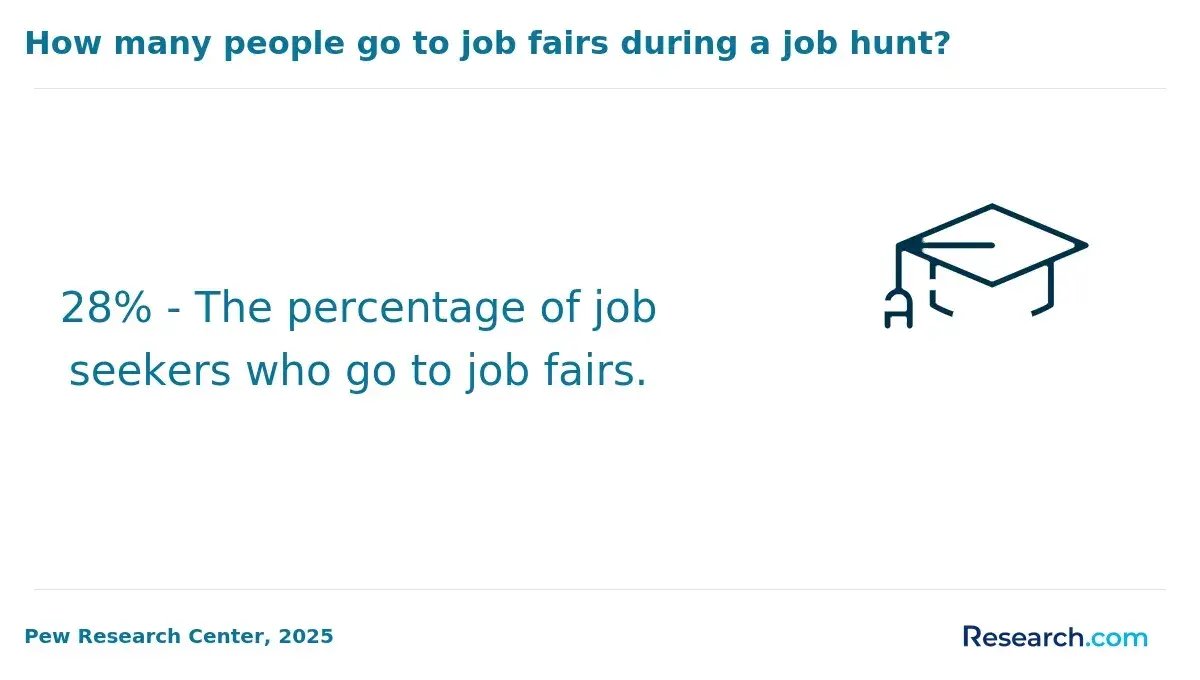
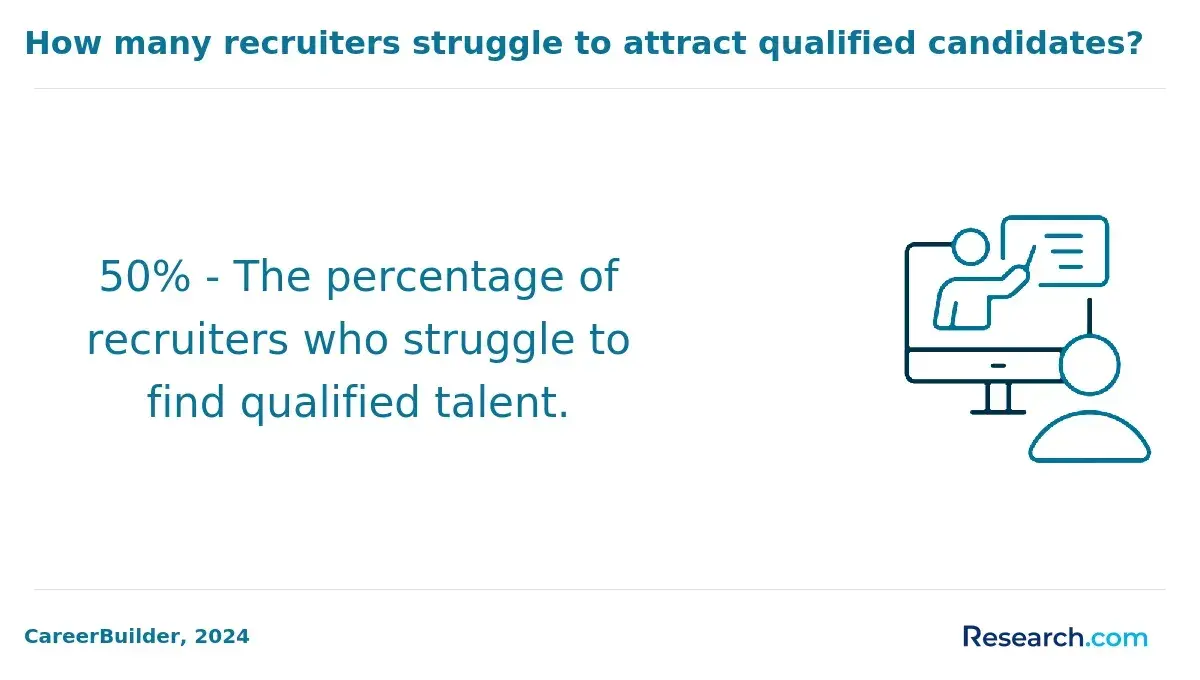
- Fierce competition for limited roles: The U.S. biotech job market has tightened, with fewer openings available as companies operate lean and impose hiring freezes. Entry-level jobs are especially rare, often demanding specialized skills or practical experience beyond a bachelor's degree.
- Emotional and job insecurity: Many professionals face unstable employment or underemployment due to recent layoffs. Staying relevant means continuous learning and resilience in the face of frequent rejections and long job searches.
- Demand for interdisciplinary expertise: Employers expect candidates to blend biology with data science, engineering, or regulatory knowledge. Mastery of new technologies, including AI-driven drug development and automation, is increasingly vital.
- Complex regulatory environment: Success requires familiarity with Good Manufacturing Practices, regulatory affairs, and meticulous documentation-skills often developed through certifications and hands-on industry training rather than solely academic coursework.
- Geographical constraints: Most biotech roles remain clustered in hubs like Boston and San Diego. Remote work is less common, so relocating might be essential to access career opportunities.
What tips do you need to know to excel as a biotechnologist?
Thriving in biotechnology means embracing constant growth and flexibility. This dynamic field demands not only solid scientific know-how but also a readiness to explore emerging technologies and adapt swiftly to changing research landscapes.
- Build a strong base in fundamental sciences while diving into cutting-edge areas like genomics, bioinformatics, and generative AI, which are shaping the future of biotech innovation.
- Develop sharp analytical and problem-solving skills to navigate unexpected challenges that arise during experiments; employers prize those who turn setbacks into new opportunities through data-driven thinking.
- Enhance your communication abilities to clearly convey complex scientific results to diverse audiences, from team members to funding agencies, and learn to collaborate effectively with professionals from varied backgrounds.
- Stay engaged with the biotech community by attending conferences, joining professional groups, and finding mentors who can guide your journey and introduce you to the latest industry trends.
- Adopt a mindset of curiosity and resilience, continuously seeking knowledge beyond your comfort zone to stay ahead in this fast-evolving field.
How do you know if becoming a biotechnologist is the right career choice for you?
Exploring whether biotechnology is your ideal career path involves understanding both your personal traits and professional aspirations. Matching your skills and interests to the demands of this evolving field can reveal if you have the qualities to thrive. Here are key factors to consider when assessing is a career in biotechnology right for me:
- Curiosity and Imagination: A successful biotechnologist often has a strong investigative mindset, driven by curiosity and creative thinking to innovate and solve challenging problems.
- Adaptability: The biotechnology industry is dynamic and constantly evolving with new scientific breakthroughs, so comfort with change and learning is essential.
- Teamwork Skills: Collaborating effectively with diverse research teams is crucial to developing new treatments and products.
- Resilience and Positivity: Handling setbacks, tight deadlines, and intense lab environments requires mental toughness and a positive attitude.
- Hands-on Engagement: Enjoyment of practical, experimental work in laboratory or research settings helps sustain motivation over time.
- Long-term Goals: Aligning your career ambitions with the opportunities in biotechnology can lead to strong career stability and growth.
To build the skills needed to be a successful biotechnologist, consider gaining real-world experience through internships, volunteering, or shadowing professionals. Additionally, pursuing a cheap accelerated bachelor's degree online can be a strategic step for entering this innovative and impactful field.
What Professionals Who Work as a Biotechnologist Say About Their Careers
- Corey: "Pursuing a career as a biotechnologist has provided me with incredible job stability and competitive salary potential. The biotech industry is rapidly expanding, especially in pharmaceutical research, which makes it an exciting and secure field to grow in."
- Forrest: "Working in biotechnology has exposed me to unique challenges that keep every day interesting, from developing new medical treatments to improving agricultural practices. The dynamic nature of this industry truly fosters creativity and innovation that few other fields offer."
- Asher: "Biotechnology offers tremendous opportunities for professional development, including access to advanced training programs and collaborative research environments. I've found that continuous learning and career growth are not just encouraged but essential in this fast-evolving field."
Other Things You Should Know About Becoming a Biotechnologist
In 2027, the job prospects for biotechnologists appear strong, with increasing demand due to advancements in medical research, agricultural development, and environmental conservation. Candidates with expertise in cutting-edge biotechnologies and interdisciplinary skills may have a competitive edge in the job market.
To become a biotechnologist in 2027, a bachelor’s degree in biotechnology or a related field such as biology or biochemistry is essential. Further specialization through a master's or Ph.D. can enhance career prospects and provide a competitive edge for advanced research roles.
References
- Is biotechnology a good career? The pros and cons https://www.labiotech.eu/expert-advice/is-biotechnology-a-good-career/
- Biotechnologist | Explore Careers | National Careers Service https://nationalcareers.service.gov.uk/job-profiles/biotechnologist
- Biotechnology Credentials | InnovATEBIO https://innovatebio.org/biotech-credentials
- Surprising Biotechnology Facts You Didn’t Know - Shoolini University https://shooliniuniversity.com/blog/surprising-biotechnology-facts-you-didnt-know/
- Becoming a Biotechnologist: A Guide to Career Paths and Education | Huzzle https://www.huzzle.app/blog/becoming-a-biotechnologist-a-guide-to-career-paths-and-education
- Interesting Fun Facts About Biotechnology - i3L University https://i3l.ac.id/interestingly-fun-facts-about-biotechnology/
- The Top 7 Skills Needed to Succeed in a Biotech Career - BioPhase Solutions https://biophaseinc.com/top-biotech-skills/
- 9 Reasons to Consider a Career in Biotechnology https://www.pharmiweb.jobs/article/9-reasons-to-consider-a-career-in-biotechnology
- Top 6 issues facing the biotechnology industry - DrugPatentWatch – Transform Data into Market Domination https://www.drugpatentwatch.com/blog/top-6-issues-facing-biotechnology-industry/
- The top 5 challenges faced by scientists in biotech labs - and how choosing the right procurement solution can help - Amici Procurement https://www.amiciprocurement.com/top-5-challenges-lab-scientists-in-biotech-labs-face/


