
2027 How to Become a Healthcare Consultant: Education, Salary, and Job Outlook

Co-Founder and Chief Data Scientist
Healthcare consulting is a career for people who want to solve business, operational, technology, policy, or financial problems inside healthcare organizations. Consultants may help hospitals reduce bottlenecks, insurers improve processes, public agencies evaluate programs, or life sciences companies understand market access. The work can influence cost, quality, compliance, and patient experience, which is why the role matters in a healthcare system where spending in the US exceeds $4 trillion annually.
This guide explains what it takes to become a healthcare consultant, including the credentials employers look for, the skills that matter most, common career paths, salary expectations, internship options, advancement strategies, work settings, challenges, and signs that this career is—or is not—a good fit for you.
What are the benefits of becoming a healthcare consultant?
- Healthcare consulting jobs are projected to grow by 14% through 2025, reflecting increasing demand for expert guidance in a complex healthcare landscape.
- The average salary for healthcare consultants ranges from $70,000 to $120,000 annually, depending on experience, specialization, and location.
- Pursuing this path offers dynamic challenges, opportunities to impact patient care systems, and continuous professional growth in a vital industry.
What credentials do you need to become a healthcare consultant?
Healthcare consulting is not usually a licensed profession in the same way nursing, medicine, or therapy is. Employers instead evaluate your education, healthcare knowledge, analytical ability, consulting experience, and sometimes your certifications. The right credential path depends on the type of consulting you want to do: operations, finance, health IT, public health, compliance, strategy, clinical transformation, or research.
- Bachelor's Degree: A bachelor's degree is typically the minimum starting point. Relevant majors include healthcare administration, business administration, public health, life sciences, economics, statistics, information systems, or a related field. Students from clinical backgrounds may also move into consulting after gaining industry experience.
- Master's Degree: Many employers prefer or require a graduate degree for mid- to senior-level roles. Common options include an MBA for strategy and finance, an MPH for population health and policy, or an MHA for healthcare administration and operations.
- Certifications: Certifications are not always required, but they can strengthen your profile when they match your consulting niche. Examples include Certified Healthcare Financial Professional (CHFP), Project Management Professional (PMP), and Lean Six Sigma. These credentials are most useful when paired with relevant project experience.
- Doctoral Degrees: An M.D. or Ph.D. may be valuable for highly specialized consulting in clinical strategy, medical research, pharmaceutical work, health economics, or academic healthcare systems. These degrees are not necessary for many general consulting roles.
- Continuing Education: Healthcare rules, reimbursement models, technology platforms, and quality standards change often. Continuing education helps consultants stay credible, especially in areas such as compliance, digital health, analytics, and value-based care.
Because healthcare consulting covers many specialties, there is no single required certification for all roles. A student who is still building academic foundations might explore options such as an accelerated online associate degree, then continue toward a bachelor's degree or industry-specific training. For stronger long-term prospects, align your education with the consulting problems you want to solve.
What skills do you need to have as a healthcare consultant?
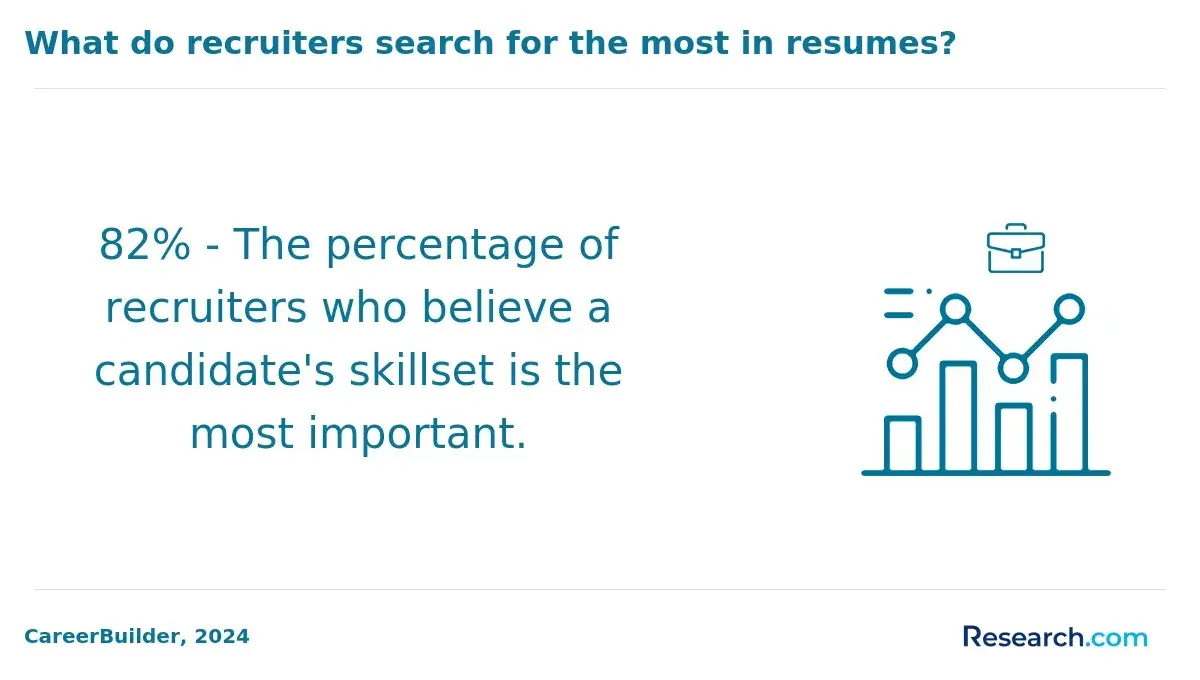
A strong healthcare consultant combines analytical discipline with practical communication. It is not enough to identify a problem; you must explain it clearly, recommend a workable solution, and help stakeholders act on it. The best consultants understand both the business side of healthcare and the realities of patient care, regulation, staffing, reimbursement, and technology adoption.
- Data analysis: Consultants often work with utilization data, financial reports, patient flow metrics, quality measures, survey results, or claims data. Tools such as Excel, Tableau, SAS, or Python can help you identify patterns and present evidence-based findings.
- Financial modeling: Healthcare organizations need consultants who can evaluate budgets, calculate return on investment, compare cost scenarios, and assess whether a proposed change is financially sustainable.
- Regulatory knowledge: Familiarity with HIPAA, Medicare, Medicaid, and the ACA is important for many roles. Consultants should know when a recommendation may raise compliance, privacy, billing, or reporting concerns.
- Healthcare IT proficiency: Many projects involve electronic health records (EHR), analytics platforms, cybersecurity, interoperability, patient portals, or digital workflow tools. Consultants do not always need to be software engineers, but they must understand how technology affects operations and patient privacy.
- Project management: Healthcare consulting projects often have strict timelines, many stakeholders, and operational risk. Skills in Agile methods, Microsoft Project, meeting management, scope control, and status reporting help keep work on track.
- Strategic planning: Frameworks such as SWOT analysis and root cause identification help consultants separate symptoms from underlying problems and recommend realistic next steps.
- Communication skills: You may need to write executive summaries, present to clinical leaders, interview staff, facilitate workshops, and translate technical findings for nontechnical audiences.
- Leadership and adaptability: Consultants frequently guide teams through change. That requires credibility, patience, resilience, and the ability to adjust recommendations when new information emerges.
One common mistake is focusing only on technical tools. Analytics can get you hired, but judgment, stakeholder management, and clear writing often determine whether your recommendations are accepted.
What is the typical career progression for a healthcare consultant?
Healthcare consulting careers usually progress from analysis and research to project ownership, client leadership, and business development. Timelines vary by employer, specialty, performance, and education, but most consultants build credibility by learning how healthcare organizations operate before moving into larger strategic responsibilities.
- Entry Level (0-2 years): Common titles include Junior Healthcare Consultant, Healthcare Analyst, Research Analyst, or Consulting Analyst. Work often includes collecting data, preparing spreadsheets, reviewing policies, conducting interviews, summarizing research, and supporting senior consultants. This stage is where you learn consulting methods and healthcare terminology.
- Mid Level (2-4 years): Titles may include Healthcare Consultant, Associate Consultant, or Senior Analyst. You may manage workstreams, interact more directly with clients, draft recommendations, and support implementation. Certifications such as the Certified Healthcare Business Consultant can be useful if they align with your role and employer expectations.
- Experienced Level (4-7 years): Senior Healthcare Consultant, Manager, or Engagement Manager roles usually involve leading teams, managing complex projects, owning client relationships, and developing specialized expertise in areas such as digital health, regulatory issues, AI in healthcare, revenue cycle, population health, or operations improvement.
- Senior Leadership: Principal, Director, or Partner roles focus less on individual analysis and more on strategy, client development, firm growth, quality control, team leadership, and long-term advisory relationships.
Career movement is not always linear. Some consultants specialize deeply in health IT, regulatory affairs, hospital operations, analytics, or life sciences. Others move from consulting into internal strategy, operations, innovation, or leadership roles at healthcare organizations.
How much can you earn as a healthcare consultant?
Healthcare consultant earnings vary by experience, education, specialty, employer type, location, and performance. Compensation can also differ depending on whether you work for a major consulting firm, a boutique healthcare advisory group, a hospital system, an insurer, a government agency, or as an independent consultant.
In 2025, the average healthcare consultant salary in the United States stands at about $91,200 per year. Entry-level consultants generally start around $65,200 annually, while those with some experience can earn above $84,000. At the top end, seasoned professionals may see salaries as high as $136,000 per year, especially if they move into leadership roles or specialize in high-demand areas.
Education can influence pay, but a degree alone does not guarantee a higher salary. Employers typically reward consultants who can manage clients, deliver measurable results, understand healthcare operations, and handle complex projects. Advanced degrees and targeted credentials may support promotion when they match the work you do. If you are comparing short-term training options, online certification courses that pay well can help you evaluate credentials with stronger labor-market value.
Specialization also matters. Health IT, regulatory compliance, hospital operations, financial performance, and transformation projects can raise your market value when you have credible experience. Location and employer type also affect pay, so compare total compensation, benefits, travel expectations, workload, and promotion structure—not just base salary.
What internships can you apply for to gain experience as a healthcare consultant?
Internships are one of the most useful ways to test whether healthcare consulting fits you. They help you build evidence that you can analyze healthcare problems, work with stakeholders, communicate findings, and handle ambiguity. You do not need an internship with the exact title “healthcare consulting intern” to gain relevant experience; operations, analytics, policy, finance, public health, and health IT internships can all be valuable.
- Consulting firms and healthcare market access agencies: These internships may involve client research, data analysis, slide development, competitive assessments, reimbursement research, or support for strategy projects. They are often a strong fit for students interested in management consulting, life sciences, payer strategy, or provider transformation.
- Nonprofits and healthcare advocacy organizations: These roles can expose you to patient access, community health, program evaluation, policy research, and operational improvement. They are especially useful if you want to understand how healthcare decisions affect underserved populations.
- Government agencies: Internships with public agencies may involve public health analysis, Medicaid program evaluation, policy planning, or regulatory research. These experiences can help you understand large-scale health systems and public-sector constraints.
- Healthcare providers: Hospitals, health systems, clinics, and managed care organizations may offer internships in operational improvement, financial analysis, patient experience, quality improvement, revenue cycle, or process redesign.
- Specialized consulting internships: Some firms offer internships focused on biotech, behavioral health, digital health, market access, health economics, or the business of healthcare. These can help you choose a niche before committing to a full-time path.
When choosing internships, look for roles where you will produce work samples: dashboards, reports, presentations, workflow maps, research briefs, or recommendations. These examples can make future interviews stronger. Students planning an advanced academic route may also compare flexible options such as a cheap online PhD if doctoral study supports their long-term consulting goals.
How can you advance your career as a healthcare consultant?
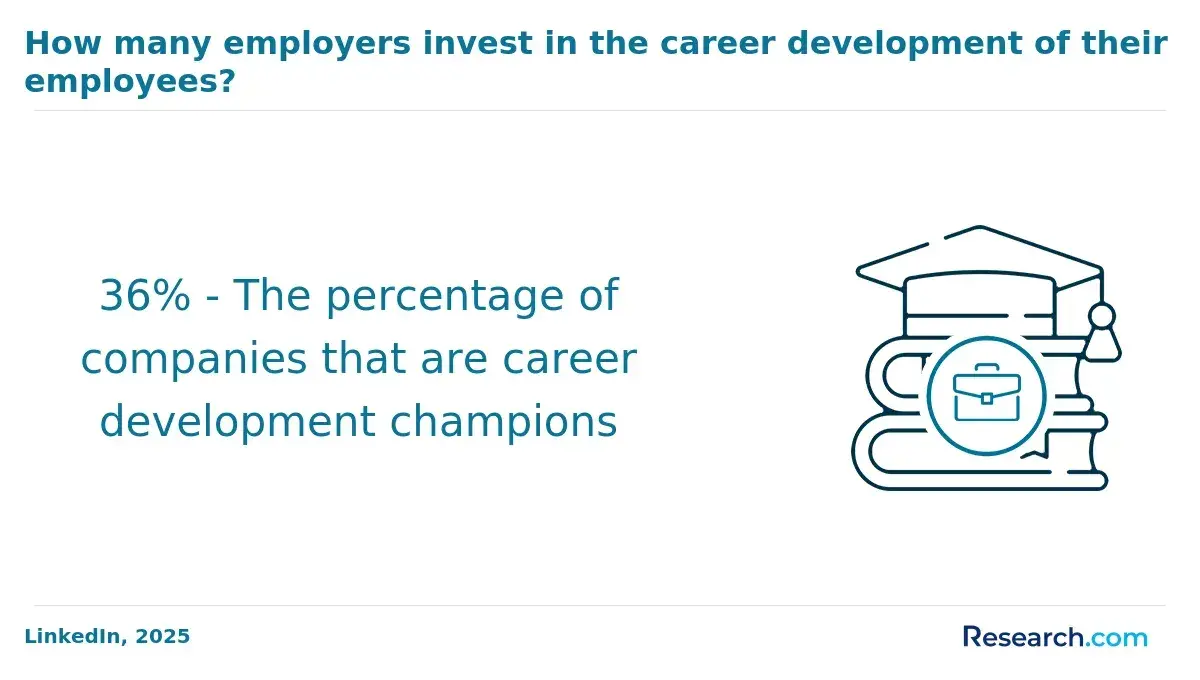
Advancement in healthcare consulting comes from building specialized expertise, delivering results, earning client trust, and showing that you can lead increasingly complex work. Early in your career, focus on analytical accuracy and reliability. Later, promotion depends more on judgment, leadership, business development, and the ability to turn recommendations into results.
- Continuing Education: Take courses or workshops in areas that affect healthcare decision-making, such as artificial intelligence, telemedicine, digital health innovation, reimbursement, population health, quality improvement, or healthcare analytics.
- Certification Programs: Consider credentials that match your specialty. Examples include the HIMSS Certified Professional in Digital Health Transformation Strategy (CPDHTS) or the Certified Associate in Healthcare Information and Management Systems (CAHIMS). Certifications are most valuable when they support skills you use on real projects.
- Networking: Join healthcare associations, attend conferences, participate in industry forums, and build relationships with consultants, clinicians, administrators, analysts, and technology leaders. Many consulting opportunities come through professional trust and visibility.
- Mentorship: Learn from experienced consultants who can help you navigate client dynamics, project scoping, communication problems, promotion expectations, and specialization decisions.
To advance faster, document your impact. Track the problems you helped solve, the size or scope of the projects, the tools you used, and the outcomes your team supported. Concrete examples are more persuasive than broad claims about being strategic or analytical.
Where can you work as a healthcare consultant?
Healthcare consultants work across the healthcare ecosystem. Your work setting affects your schedule, travel, project type, specialization, and career path. Some roles are fast-paced and client-facing, while others are internal advisory positions with more consistent operations work.
- Major consulting firms: Companies like Accenture, FTI Consulting, and Deloitte work with hospital systems, pharmaceutical companies, insurers, and other healthcare organizations on strategy, transformation, technology, compliance, and performance improvement.
- Healthcare providers: Organizations such as Kaiser Permanente, Cleveland Clinic, and Mayo Clinic may use consultants or internal strategy teams for digital transformation, operational performance, patient experience, quality improvement, and regulatory compliance.
- Government agencies: The Centers for Medicare & Medicaid Services (CMS), state health departments, and other public entities may rely on consultants for policy, compliance, program evaluation, public health initiatives, and large-scale system improvement.
- Nonprofits and international organizations: Groups like the World Health Organization (WHO) and the American Red Cross may use consultants to support health programs, humanitarian operations, research, planning, and organizational improvement.
- Remote and hybrid roles: Many healthcare consulting jobs now include remote or hybrid work, especially for analytics, research, documentation, project coordination, and virtual client meetings. Some roles still require travel for stakeholder workshops, implementation support, or onsite assessments.
If you are looking for a faster entry point, quick schooling for good paying jobs can be a practical strategy when it builds marketable skills in analytics, project management, healthcare administration, or health IT. However, most consulting roles still require a strong combination of education, experience, and communication ability.
What challenges will you encounter as a healthcare consultant?
Healthcare consulting can be rewarding, but it is not a low-pressure career. Consultants often work on sensitive problems involving cost, staffing, technology, compliance, patient access, or quality of care. The work requires professionalism, discretion, and the ability to give honest recommendations even when stakeholders disagree.
- Heavy workload: Consultants may manage several projects or workstreams at once, often with tight deadlines and changing client expectations. Good organization and clear scope management are essential.
- Emotional intensity: Healthcare problems affect patients, clinicians, administrators, and communities. Projects involving staff shortages, regulatory pressure, financial stress, or service redesign can be emotionally demanding.
- Strong competition: Healthcare consulting attracts candidates from business, public health, medicine, analytics, and policy. Standing out requires a clear specialty, strong project examples, and continuous learning.
- Constant industry evolution: Developments in AI applications, telehealth approaches, reimbursement, data privacy, and care delivery models mean consultants must keep updating their knowledge.
- Ethical and regulatory complexities: Consultants may face tension between financial goals and patient-centered care. Strong judgment, transparency, and respect for compliance requirements are critical.
A good consultant does not treat healthcare as just another business sector. Recommendations must consider patient safety, privacy, clinical workflows, regulatory obligations, and the human impact of operational change.
What tips do you need to know to excel as a healthcare consultant?
To excel as a healthcare consultant, build habits that make you useful in complex, high-stakes environments. Clients value consultants who are accurate, practical, calm under pressure, and able to turn messy information into clear decisions.
- Strengthen critical thinking: Learn to question assumptions, test data quality, identify root causes, and separate urgent symptoms from strategic problems.
- Translate complexity clearly: Your analysis only matters if people understand it. Practice writing concise executive summaries, presenting recommendations, and adapting your message for clinicians, executives, finance teams, and technical staff.
- Develop independence: Consultants are expected to move work forward without constant direction. Build a reputation for reliability, follow-through, and sound judgment.
- Lead without overstepping: Many projects require influence rather than formal authority. Listen carefully, respect local expertise, and bring people into the solution.
- Stay current on healthcare trends: Read reliable healthcare news, follow regulatory changes, and participate in professional organizations so your recommendations reflect current realities.
- Network with purpose: Speak with current consultants, attend industry events, and seek mentorship to understand what the work is like beyond job descriptions.
- Master project management: Use timelines, risk logs, meeting notes, decision trackers, and clear responsibilities to keep projects organized in fast-moving environments.
- Build a portfolio of examples: Keep nonconfidential records of projects, methods, tools, and outcomes. These examples can support interviews, promotions, and client conversations.
How do you know if becoming a healthcare consultant is the right career choice for you?
Healthcare consulting may be a strong fit if you enjoy solving complex problems, working with data, communicating with different types of stakeholders, and improving how healthcare organizations operate. It may be less appealing if you prefer predictable routines, narrow responsibilities, or work that rarely changes.
- Enjoyment of Data and Problem-Solving: You should be comfortable analyzing information, finding patterns, testing options, and turning evidence into practical recommendations.
- Thriving in Fast-Paced, Team Environments: Consultants often manage shifting priorities, multiple stakeholders, and collaborative deadlines. If variety energizes you, the work may fit your style.
- Core Values of Curiosity and Resilience: Successful healthcare consultants tend to be curious, ethical, adaptable, and able to build trust quickly while making decisions with incomplete information.
- Passion for Impact: If you care about improving healthcare systems, patient access, operations, or quality, consulting can offer meaningful ways to contribute.
- Real-World Fit Indicators: You may be suited to consulting if people ask you to organize group work, explain complicated topics, solve process problems, or help teams make decisions under pressure.
If you are asking whether healthcare consulting is a good career choice, test the fit before committing. Apply for internships, shadow professionals, complete healthcare analytics or operations projects, and talk with consultants about workload and expectations. Some students also compare skill-building options at the most popular online trade schools when they want practical training that can support entry-level career goals.
What Professionals Who Work as a Healthcare Consultant Say About Their Careers
- : "Healthcare consulting has given me strong job stability in an industry that keeps changing. Organizations continue to need help improving patient care and operational efficiency, and that creates real salary potential. I also like that the work crosses different healthcare settings, so the projects rarely feel repetitive. — Zayd"
- : "The work is challenging because every assignment brings a new mix of regulations, technology, people, and constraints. That is also what makes it rewarding. I have to keep learning, think creatively, and adapt quickly, which has helped me grow professionally. — Wayne"
- : "Healthcare consulting opened more development opportunities than I expected. Specialized training, leadership responsibilities, and exposure to both clinical and business issues have all shaped my career. The combination of healthcare knowledge and business thinking has been especially valuable. — Matteo"
Other Things You Should Know About Becoming a Healthcare Consultant
In 2027, certification remains an important aspect of advancing in the healthcare consulting field. Certifications, such as the Certified Healthcare Business Consultant (CHBC) or others recognized by reputable organizations, can enhance credibility and showcase expertise, leading to increased job opportunities and potential salary growth.
Yes, there are several professional organizations dedicated to healthcare consultants, such as the National Society of Certified Healthcare Business Consultants and the Healthcare Financial Management Association. These groups provide networking opportunities, resources for continuing education, and industry updates. Joining such organizations can enhance credibility and help consultants stay current with healthcare trends.
In 2027, certification in healthcare consulting enhances credibility and demonstrates expertise in the field. While not mandatory, certifications like the Certified Healthcare Business Consultant (CHBC) can provide a competitive edge by highlighting specialized knowledge and commitment to career development.
References
- Bain & Company. (n.d.). Associate consultant internship.
- Claremont Lincoln University. (n.d.). Healthcare consultant: Role and responsibilities explained.
- Genesys Health. (n.d.). Essential skills every healthcare consultant should have.
- Himalayas. (n.d.). How to become a healthcare consultant: Career path & guide.
- KanBo. (n.d.). 7 key challenges in healthcare consulting and how to overcome them.
- Management Consulted. (n.d.). Healthcare consultant salary.
- MHA Online. (n.d.). Becoming a healthcare consultant: Education, skills & certifications.
- Potomac University. (n.d.). What is a healthcare consultant? Duties and types.
- Umbrex. (n.d.). What are the most common challenges in healthcare consulting?
- Western Governors University (WGU). (n.d.). How to become a healthcare consultant.


