
2027 How to Become a Soccer Coach: Education, Salary, and Job Outlook

Co-Founder and Chief Data Scientist
Becoming a soccer coach is a career decision about more than enjoying the sport. It means taking responsibility for player development, team culture, safety, practice design, game strategy, and communication with athletes, parents, school administrators, club directors, or front-office staff. The role can be part-time, volunteer-based, school-based, academy-level, collegiate, or professional, and each setting expects a different mix of credentials and experience.
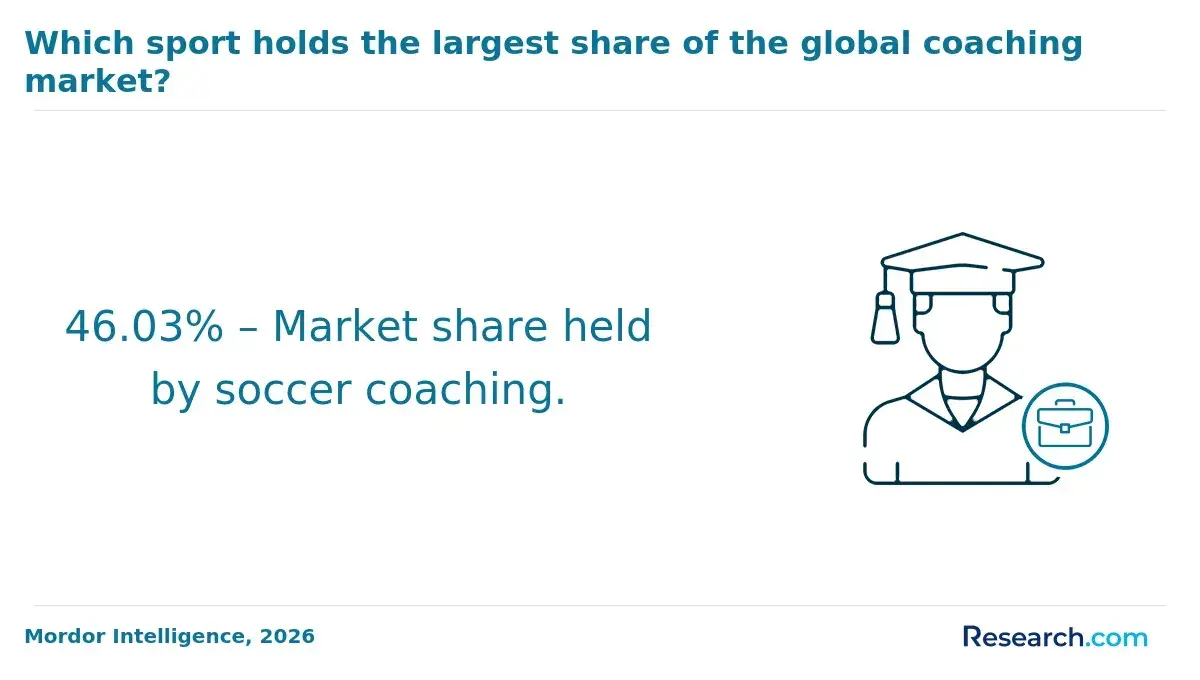
Soccer coaching matters because participation remains broad, with over 3 million in the U.S. alone, and players at every level need coaches who can teach the game well while supporting confidence, discipline, teamwork, and resilience. This guide explains the credentials, skills, career path, earning potential, internships, work settings, challenges, and practical steps that can help you decide whether coaching soccer is the right long-term direction for you.
What are the benefits of becoming a soccer coach?
- The coaching field is projected to grow 6% from 2024 to 2034, reflecting increased youth sports participation and professional league expansions.
- Average annual salaries hover around $43,000, with top coaches earning upwards of $80,000 in collegiate or professional settings.
- This career blends strategic intellect with mentorship, offering dynamic opportunities to shape athletes' futures while enjoying steady industry demand.
What skills do you need to have as a soccer coach?
A strong soccer coach combines technical knowledge with leadership, planning, communication, and emotional control. Knowing the game is important, but it is not enough. Coaches must teach skills clearly, build trust, evaluate performance honestly, adjust tactics under pressure, and create an environment where players improve without fear of failure.
- Technical mastery: Coaches need a solid command of ball control, passing, dribbling, shooting, defending, movement off the ball, and positional play. At advanced levels, this also includes understanding pressing, transitions, build-up play, compactness, and set-piece organization.
- Strategic insight: Effective coaches can prepare a game plan, read an opponent, recognize patterns during a match, and make timely adjustments. This includes knowing when to change formations, substitutions, tempo, or pressing intensity.
- Training design: Good practice sessions have a clear objective. A coach should be able to design drills that connect to match situations, progress from simple to complex, and keep players engaged while developing individual and team habits.
- Player evaluation: Coaches must assess technical ability, tactical understanding, physical readiness, attitude, decision-making, and development over time. Evaluation should be specific enough to guide improvement, not just label players as good or weak.
- Health and safety awareness: Coaches need to understand warm-ups, workload, hydration, recovery, injury prevention, concussion awareness, and emergency procedures. Player safety is a core responsibility, not an administrative detail.
- Communication excellence: Players need clear instructions, consistent expectations, and feedback they can act on. Coaches also communicate with parents, referees, administrators, assistant coaches, scouts, or athletic directors depending on the setting.
- Leadership and influence: A coach sets the standard for effort, discipline, respect, and accountability. Strong leadership means being firm without being demeaning and supportive without lowering expectations.
- Patience and persistence: Player development is rarely linear. Coaches must stay steady through losses, mistakes, uneven progress, injuries, roster changes, and pressure from outside the team.
- Organizational expertise: Coaching includes scheduling, travel coordination, equipment, registration, compliance, practice plans, match reports, communication systems, and sometimes budgets. Poor organization can damage trust even when the coaching itself is strong.
The best coaches keep improving in all four areas: teaching the game, managing people, building systems, and making decisions under pressure.
What is the typical career progression for a soccer coach?
Most soccer coaches do not move straight into high-level paid roles. Career progression usually starts with volunteer or assistant work, then moves through youth, school, club, academy, college, or professional roles as the coach gains licenses, experience, references, and a record of player development. Advancement depends less on one title and more on the quality of your results, relationships, and credibility.
- Volunteer or Assistant Coach: Many coaches begin by helping with a youth team, school program, camp, or local club. Basic certification, such as the U.S. Soccer Grassroots license, is often the first step. These roles help you learn how to run warm-ups, explain drills, manage small groups, communicate with parents, and support a head coach over one to three seasons.
- Youth Club or High School Head Coach: At this stage, coaches take more ownership of training plans, team selection, match management, player feedback, and parent or administrator communication. Formal licenses such as the USSF "D" or "C" may help. Some high school positions may also require a bachelor's degree or teaching credentials.
- Collegiate or Academy Coach: These roles usually demand advanced tactical knowledge, recruiting or talent-identification ability, and a strong professional network. Advanced licenses such as USSF "B" or "A" can become more important. Coaches also need to manage schedules, scouting, player pathways, compliance expectations, and performance analysis.
- Professional Coach: Professional coaches operate in high-pressure environments where results, media scrutiny, staff leadership, contracts, analytics, and player management all matter. Some have professional playing backgrounds, but many build their careers through years of coaching experience and demonstrated leadership.
- Specialized and Lateral Roles: Coaches can also move into goalkeeper coaching, strength and conditioning, video analysis, scouting, academy leadership, technical director roles, program administration, sports science, or mental performance support. These paths can be especially useful for coaches who want to stay in soccer but prefer a specialized role.
This chart from the World Economic Forum shows the global hiring priorities.
How much can you earn as a soccer coach?
Soccer coach earnings vary widely because the job market includes unpaid volunteers, part-time youth coaches, school stipends, private trainers, club staff, college coaches, academy staff, and professional managers. Location, level of play, employer budget, credentials, playing or coaching background, and whether the role is full-time all affect pay.
When considering the average soccer coach salary in the United States, the midpoint typically rests between $45,000 and $48,000 annually. Entry-level coaches might earn as little as $26,000, while top-tier professionals in prestigious roles can command salaries soaring up to $180,000. Hourly wages generally range from $15 to $22, though rare, high-profile roles might pay as much as $100 per hour.
The highest paying cities for soccer coaches USA are often large markets with competitive clubs, private training demand, strong school systems, college programs, or professional teams. However, a higher salary in an expensive city may not always mean better financial value. Coaches should compare cost of living, benefits, contract length, travel expectations, and whether the role includes health insurance, retirement contributions, housing support, or only seasonal pay.
Education and certification can also influence earnings. Coaches with advanced licenses, degrees, a strong player-development record, and experience managing competitive teams are generally better positioned for collegiate, academy, or professional opportunities. If you want to add a short credential without committing to a long degree program, reviewing short certificate programs that pay well online may help you evaluate options that complement coaching skills.
Before accepting a coaching offer, ask whether the pay is annual, seasonal, hourly, stipend-based, or contract-based. Also clarify expectations for travel, weekend work, recruiting, camps, administrative tasks, and off-season availability, because those duties can change the real value of the compensation.
What internships can you apply for to gain experience as a soccer coach?
Internships can help aspiring soccer coaches gain supervised experience before taking full responsibility for a team. The best internships expose you to practice planning, player communication, safety procedures, game-day operations, video review, athlete development, and program administration. In 2025, soccer coaching internship programs 2025 may be available through schools, clubs, academies, camps, nonprofits, professional organizations, and league offices.
Useful internship options include:
- After-school youth programs: These internships are often based in public schools or community programs. Interns may help teach dribbling, passing, movement, teamwork, and basic rules while learning how to manage different ages and skill levels.
- Soccer Shots and Skyhawks Sports: These corporations and nonprofits may offer opportunities that combine coaching support, program coordination, scheduling, customer service, and marketing. They can be helpful if you want to understand both coaching delivery and the business side of youth sports.
- D.C. United academy internships: Academy environments can expose interns to higher-level player development, coaching meetings, performance standards, training structure, and talent identification. Shadowing experienced staff can help you refine your own coaching philosophy.
- United Soccer League (USL) league office internships: These opportunities may suit candidates interested in operations, analytics, competition management, league strategy, or administrative roles connected to the sport.
- Healthcare and community wellness programs: These internships connect coaching with health education, inclusion, fitness, and community engagement. They can be valuable for coaches who want to work with diverse populations or use soccer as a tool for wellness and youth development.
When comparing internships, look for hands-on coaching time, mentorship, feedback, player age groups, schedule expectations, travel, compensation, and whether the experience can lead to references or future employment. Many aspiring coaches also explore youth soccer coach internship opportunities because early youth coaching builds the communication and patience needed at every level.
If you are pairing education with field experience, reviewing how long does it take to get a associate degree can help you plan a realistic timeline for academic progress and coaching experience.
How can you advance your career as a soccer coach?
Career advancement in soccer coaching comes from a deliberate mix of licensing, documented experience, mentorship, networking, and measurable player or team development. A single certificate rarely changes a career by itself. What matters is how well you apply what you learn and whether other coaches, directors, athletes, and administrators trust your work.
- Continuous Learning: Soccer tactics, training methods, technology, and athlete expectations keep changing. Advanced certification courses, including those from U.S. Soccer, can help you improve session design, tactical analysis, leadership, and player development. Keep records of the courses, clinics, and workshops you complete so you can show steady professional growth.
- Networking: Coaching jobs often come through trust and visibility. Attend coaching summits, workshops, local association events, and organizations such as United Soccer Coaches. Build relationships with club directors, athletic directors, academy staff, college coaches, referees, and other coaches. Good networking is not just asking for jobs; it is contributing, learning, and staying professionally reliable.
- Mentorship: Working with an experienced coach can accelerate your development. A mentor can help you review training sessions, handle player conflict, manage parents, adapt tactics, prepare for interviews, and avoid common mistakes. Seek feedback from coaches who have worked at the level you want to reach.
You can also advance by building a coaching portfolio. Include your licenses, sample training plans, video analysis examples, player-development philosophy, references, tournament or league experience, and measurable outcomes. This gives employers more than a resume; it shows how you think and work.
This chart from the American Psychological Association displays the mental being of workers.
Where can you work as a soccer coach?
Soccer coaches work in many environments, and each setting has different expectations. Some roles focus on participation and fun. Others focus on player development, school athletics, recruitment, competition, private training, or professional results. Choosing the right setting depends on your credentials, schedule, temperament, and career goals.
- Youth Leagues and Clubs: Grassroots and competitive clubs are common entry points. Coaches teach fundamentals, build team culture, communicate with families, and help players develop a love for the game. The U.S. Youth Soccer Association offers roles nationwide, making this a practical place to explore soccer coaching opportunities in the United States.
- Educational Institutions: Middle schools, high schools, and colleges hire coaches for seasonal, part-time, stipend, assistant, and full-time roles. Some positions combine coaching with teaching, advising, recruitment, or athletic department duties.
- Professional Clubs and Leagues: Coaches seeking elite environments may pursue professional soccer coaching jobs in Illinois and beyond, including leagues such as Major League Soccer (MLS) and clubs like LA Galaxy. These roles require strong tactical knowledge, leadership, staff coordination, and comfort with performance pressure.
- Non-Profit Organizations: Development-focused programs, including elite youth pathways such as the former U.S. Soccer Development Academy integrated into MLS Next, may offer structured roles focused on talent development, access, inclusion, and long-term player growth.
- Summer Camps and Community Programs: Camps and community programs provide flexible experience with different age groups and skill levels. These roles can be useful for students, beginning coaches, and coaches who want additional seasonal income or broader teaching experience.
Other possible settings include private training businesses, indoor soccer facilities, recreation departments, international programs, performance centers, and specialist roles such as goalkeeper training or video analysis. If you need an education path that fits around coaching, reviewing a list of best online schools can help you compare programs that may offer more scheduling flexibility.
What challenges will you encounter as a soccer coach?
Soccer coaching can be rewarding, but it is not an easy career path. Coaches often manage long hours, emotional pressure, limited resources, unclear job security, difficult conversations, and high expectations from players, parents, administrators, or owners. Understanding these challenges early can help you prepare realistically.
- Administrative Avalanches: Coaches may be responsible for rosters, eligibility, training logs, travel forms, safety documentation, budgets, equipment, communication platforms, and compliance rules. In some settings, this can include staying current with evolving NCAA video review rules. Administrative discipline is part of the job.
- The Talent Tug-of-War: Soccer's popularity creates demand, but desirable paid coaching roles can still be competitive. Out of millions of youth coaches, less than a third possess formal training, which means credentials can help you stand out while also raising expectations for professionalism.
- Emotional Architecture: Coaches manage player confidence, disappointment, injuries, playing-time concerns, parent expectations, team conflict, and their own career uncertainty. Emotional intelligence is as important as tactical knowledge.
- Resource Scarcity: Many coaches work with tight budgets, limited field space, old equipment, inconsistent attendance, and small staffs. Creative planning matters, but coaches should also learn how to advocate for resources professionally.
Common mistakes include overcoaching during games, ignoring recovery, communicating only with the best players, avoiding difficult conversations, copying drills without a purpose, and treating every age group the same. Coaches who succeed usually build repeatable systems for planning, communication, safety, and feedback.
What tips do you need to know to excel as a soccer coach?
Excellent soccer coaches are clear teachers, consistent leaders, and careful observers. They know when to instruct, when to let players solve problems, and when to adjust the environment so learning happens naturally. Winning matters in competitive settings, but long-term credibility comes from helping players improve and building teams that trust the process.
- Commit to lifelong learning. Study current coaching philosophies, match trends, training methods, and sport science. Review your own sessions and games. Ask what worked, what confused players, and what should change next time.
- Embrace player-focused development. Design sessions that connect to real game decisions. Use guided questions, small-sided games, and progression-based drills so players learn to read the game instead of waiting for constant instructions.
- Master the art of inspiring dialogue. Speak clearly, listen carefully, and keep feedback specific. Players respond better to actionable guidance than vague criticism. Your tone, body language, and timing can either build confidence or create fear.
- Forge authentic connections. Learn who your players are beyond their statistics. A coach who understands a player's motivation, confidence level, school stress, family context, or injury history can communicate more effectively and build stronger trust.
To keep improving, create a simple coaching routine: plan every session, define the main learning objective, observe player decisions, record key takeaways, and follow up with feedback. Small, consistent habits often separate effective coaches from those who rely only on enthusiasm.
How do you know if becoming a soccer coach is the right career choice for you?
Soccer coaching may be a good fit if you enjoy teaching, leading, analyzing performance, and helping people grow through competition. It may not be the right fit if you want predictable hours, quick career advancement, limited interpersonal conflict, or a role focused only on tactics. The soccer coach career path in the United States often includes evening practices, weekend games, travel, seasonal work, continuing education, and constant communication.
Consider these factors if you are asking whether is soccer coaching a good career in 2025 for you:
- Passion for mentorship: You should enjoy helping players learn from mistakes, build confidence, and define success beyond wins and losses.
- Communication skills: Coaching requires clear speaking, active listening, written communication, and the ability to adapt your message to children, teenagers, adults, parents, administrators, and staff.
- Patience and resilience: Development takes time. You must handle losses, criticism, injuries, roster issues, and slow progress without becoming reactive or discouraged.
- Lifelong learning: Coaches who stop learning usually fall behind. Tactics, technology, training methods, and player expectations continue to evolve.
- Enjoyment of unpredictability: Schedules can change, games can be emotional, and career progression is not always linear. Flexibility is essential.
- Collaborative spirit: Coaches work with assistants, directors, athletic trainers, teachers, parents, referees, and administrators. You need to be comfortable receiving feedback and working in public-facing environments.
- Career fulfillment: The work is most meaningful when you genuinely value helping others improve, even when the pay, pressure, or schedule is challenging.
A practical way to test the fit is to volunteer, assist at a camp, shadow an experienced coach, or complete an entry-level coaching course before committing to a degree or advanced license. If you want credentials that broaden your professional options, exploring high paying certificate programs may complement your coaching journey and support related career paths.
What Professionals Who Work as a Soccer Coach Say About Their Careers
- Jorge: "Pursuing a career as a soccer coach has offered me incredible job stability, especially with the growing demand for youth and professional teams worldwide. The salary potential is promising, and the role allows me to combine my passion for the sport with a rewarding profession. I'm constantly motivated by the impact I have on players' development and team success."
- Remington: "Working as a soccer coach presents unique challenges that keep me engaged every day, from strategizing against diverse opponents to adapting training methods for players of varying skill levels. These dynamic experiences have broadened my understanding of the game and taught me resilience and creativity. This career truly pushes your limits in the most exciting ways."
- Derek: "The professional growth opportunities in soccer coaching are substantial, with access to specialized certifications, international clinics, and leadership roles within clubs and leagues. It's fulfilling to see how continuous learning elevates my coaching techniques and opens doors to advanced positions in the industry. Coaching isn't just a job; it's a lifelong career path dedicated to expertise and excellence."
Other Things You Should Know About Becoming a Soccer Coach
In 2027, the job outlook for soccer coaches appears promising due to increased interest in soccer across various age groups. Schools, clubs, and professional teams are likely to expand their coaching staff. Additionally, the growing popularity of women's soccer is creating more opportunities for qualified coaches.
The demand for soccer coaches is expected to grow by 2026 due to increased participation in soccer at all levels and a rise in academies focusing on youth development. The sport's continued popularity in the U.S. and globally also contributes to this positive job outlook.
Modern coaches increasingly incorporate technology like GPS trackers, heart rate monitors, and video analysis software to optimize training and player performance. These tools provide detailed data on fitness, positioning, and tactics, allowing for tailored practice plans. Familiarity with such technologies is becoming essential in the profession.
References
- Soccer Coach Salary (October 2025) | AFTA https://jobbank.artsusa.org/salary/soccer-coach
- Top 12 Soccer Coach Skills to Put on Your Resume | ResumeCat https://resumecat.com/career/soccer-coach/skills
- Soccer Coach in the USA — UK International Soccer https://www.uksoccer.com/international-coaches
- How to become a Soccer (Football) Coach? - Soccer HUB https://www.hub-soccer.com/courses-2/how-to-become-a-soccer-coach/
- How to Become a Soccer Coach (At Any Level) https://www.soccer.com/guide/how-to-become-a-soccer-coach
- Soccer Coach Salary in Poland (2025) - SalaryExpert https://www.salaryexpert.com/salary/job/soccer-coach/poland
- Coach Internship Program – The Marin Football Club https://marinfc.org/coach-internship-program/
- Soccer Coach jobs | Jobs In Football https://jobsinfootball.com/categories/soccer-coach/
- Soccer Coaching 101: Fundamental Lessons for Beginner Coaches - Player Development Project https://playerdevelopmentproject.com/soccer-coaching-101/
- Top 10 Reasons To Coach Youth Soccer https://www.ayso98.org/Default.aspx


