2027 How to Compare Clinical Mental Health Counseling Degree Programs Effectively

Co-Founder and Chief Data Scientist
Choosing the right clinical mental health counseling degree program can be overwhelming, especially when each program offers unique curriculum structures, practicum requirements, and licensure preparation paths. This complexity often causes prospective students to commit to programs that do not fully align with their career goals or personal circumstances. According to the U. S. Bureau of Labor Statistics, employment for mental health counselors is projected to grow 23% from 2022 to 2032, highlighting increasing demand. This article will guide readers through essential comparison factors, helping them evaluate programs effectively to select one that matches their professional aspirations, budget, and schedule.
Key Benefits of Comparing Clinical Mental Health Counseling Degree Programs Effectively
- Ensure the program holds accreditation from CACREP or a recognized body to guarantee credibility and meet licensure requirements in most states.
- Evaluate curriculum focus and specializations to align with your career goals, such as trauma counseling or substance abuse treatment.
- Consider tuition costs alongside graduation rates and employment statistics; programs with higher job placement typically offer better return on investment.
What Types of Accreditation Should a Clinical Mental Health Counseling Degree Program Have?
Accreditation serves as a key indicator for prospective students evaluating the quality, credibility, and long-term value of clinical mental health counseling degree programs. Studies show that 82% of employers in mental health services prefer applicants with degrees from accredited institutions, highlighting the importance of accreditation in career outcomes.
Below are the main types of accreditation to consider when comparing regional and national accreditation for clinical mental health counseling degrees.
- Regional Accreditation: This institutional accreditation applies to the entire college or university, ensuring broad quality standards in education, faculty, and administration. It is vital for financial aid eligibility, credit transfer, and overall academic recognition, making programs more comparable and trustworthy for students.
- Specialized Accreditation: Focused directly on clinical mental health counseling programs, the Council for Accreditation of Counseling and Related Educational Programs (CACREP) sets standards for curricula, faculty qualifications, and clinical training. Programs with CACREP accreditation better prepare students for licensure and professional practice.
Choosing a program with both regional and specialized accreditation offers reassurance about meeting licensure requirements and employer expectations. For those balancing work or career changes, this dual accreditation supports smoother transfers and a stronger educational investment.
Prospective students can also explore options like online EdD programs to fit diverse scheduling needs while ensuring quality accreditation standards.
What Specializations Are Offered in Clinical Mental Health Counseling Degree Programs?
Specializations in clinical mental health counseling programs enable students to tailor their academic experience toward specific career paths, enhancing their job readiness and marketability. This focused approach helps prospective students compare clinical mental health counseling degree programs based on career alignment and academic interests.
Employment for mental health counselors is expected to grow 22% from 2020 to 2030, reflecting strong demand for diverse expertise in the field.
Here are some common specialization options:
- Substance Abuse Counseling: Focuses on addiction treatments, relapse prevention, and behavioral therapies, preparing graduates for roles in rehabilitation centers.
- Marriage and Family Therapy: Emphasizes systemic approaches to relationships, equipping counselors to work with couples and family units.
- Trauma Counseling: Concentrates on treating PTSD and trauma-related disorders, developing skills in crisis intervention and coping strategies.
- Child and Adolescent Counseling: Centers on developmental psychology and therapeutic techniques suited for younger clients, influencing careers in schools or youth services.
Exploring these specializations can clarify distinct career paths in clinical mental health counseling degrees. The right choice aligns with your interests and strengths, guiding your professional development.
Students considering how to balance their academic workload and career goals might also explore affordable programs or flexible offerings, such as the online engineering degree options available in related fields.
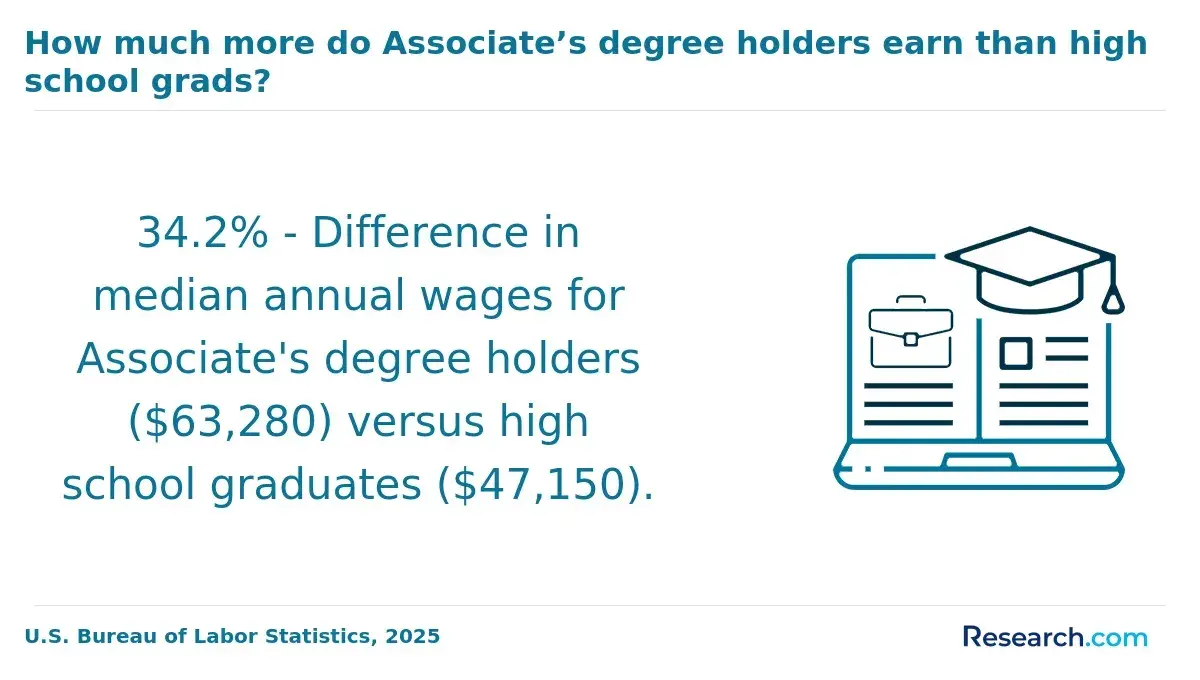
How Can You Compare Courses Across Clinical Mental Health Counseling Degree Programs?
Comparing courses across clinical mental health counseling degree programs is essential for prospective students to gauge academic rigor, skill development, and how well a program supports career goals. Programs with deeper curriculum content have shown a 15% increase in student retention and course completion rates, emphasizing curriculum quality's impact.
Below are effective strategies to evaluate and compare these courses.
- Review Detailed Syllabi: Examining course syllabi reveals topics, teaching methods, and required readings, helping assess academic rigor and relevance to professional practice.
- Assess Practicum Opportunities: Hands-on fieldwork enhances practical skills and readiness for clinical settings, making strong practicum components a key factor.
- Compare Credit Requirements: More credit hours often indicate comprehensive study but also affect workload and program duration.
- Evaluate Faculty Qualifications: Skilled instructors enrich learning experiences through mentorship and expert insights.
- Check Licensure Alignment: Ensuring courses meet state or national counseling certification standards supports timely professional licensing.
These methods allow students evaluating mental health counseling program curriculum to find programs that best fit their educational, professional, and scheduling needs. For additional guidance on affordable online degrees that can complement your mental health counseling education, consider exploring options like MLIS.
What Scheduling Options Are Available in Clinical Mental Health Counseling Degree Programs?
Flexible scheduling plays a crucial role for students selecting clinical mental health counseling degree programs, as it helps accommodate various personal and professional commitments. The following options highlight common formats that cater to different lifestyles and learning preferences.
- Full-Time Day: These classes typically follow a traditional weekday schedule, allowing students to immerse themselves fully in their studies. This format suits those who can dedicate consistent daytime hours and aim for a faster degree completion.
- Part-Time Evening/Weekend: Designed for working professionals or individuals with daytime obligations, these classes occur outside standard business hours. This option provides students with a manageable balance between education and life responsibilities.
- Fully Online: Entirely remote coursework offers maximum flexibility, especially for those living far from campus or requiring self-paced study. It enables learners to integrate education seamlessly with personal schedules and geographic constraints.
- Hybrid Programs: Combining online instruction with occasional in-person sessions, hybrid formats deliver both flexibility and hands-on experience. This approach benefits students seeking a blend of convenience and direct engagement.
What Are the Pros and Cons of Online vs Campus-Based Clinical Mental Health Counseling Degrees?
Choosing the delivery format for clinical mental health counseling degrees greatly influences flexibility, networking, and skill-building. Recent data shows about 37% of U.S. graduate students enroll in online programs, signaling growing acceptance of distance learning.
Below is a balanced look at online and campus-based options.
Online Programs
- Flexibility: Students can study on their own schedules, which supports balancing work or family duties.
- Accessibility: Geographic barriers are removed, allowing access to programs unavailable locally.
- Limited Interaction: Reduced face-to-face engagement may make it harder to build professional relationships and develop counseling skills.
Campus-Based Programs
- Hands-On Learning: In-person settings provide opportunities for live practice, such as role-playing, enhancing real-world skills.
- Networking: Direct contact with peers and faculty fosters stronger professional connections.
- Scheduling Constraints: Fixed class times and the need to commute or relocate reduce convenience for some students.
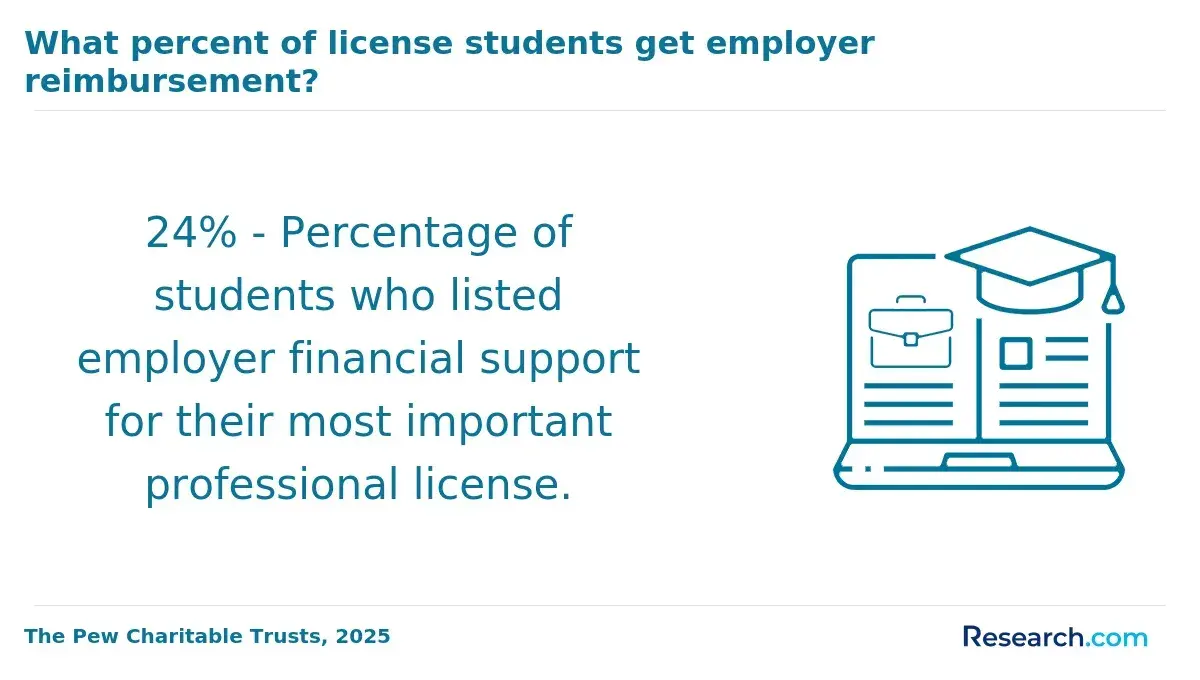
How Do GPA Requirements Vary Among Clinical Mental Health Counseling Degree Programs?
GPA requirements are a crucial factor when comparing clinical mental health counseling degree programs, as they influence admission chances and reflect each program's selectivity. The following points highlight how these requirements can differ among programs.
- Range of Minimum GPA: Many programs set minimum GPA standards typically between 2.5 and 3.0 on a 4.0 scale. However, some programs may allow more flexibility depending on other strengths in an applicant's profile.
- Holistic Admissions: Several schools evaluate candidates by considering more than GPA alone. Factors like professional experience, personal statements, letters of recommendation, and interviews can offset a lower GPA to provide a more rounded assessment.
- GPA Calculation Differences: Requirements often vary in how GPA is assessed. Some programs focus on the last 60 credit hours, others emphasize coursework related to psychology or counseling, while some may allow grade forgiveness or weigh upward grade trends.
- Flexibility Based on Background: Programs may show leniency toward applicants with relevant work experience or strong recommendations, especially those returning to education after a career break or switching fields. In these cases, the strictness of GPA cutoff points can soften.
How Can You Compare Tuition Across Clinical Mental Health Counseling Degree Programs?
Comparing tuition is a vital step for prospective students seeking clinical mental health counseling degrees, as program costs can vary widely and impact long-term financial stability. In 2023, the average graduate student loan debt reached $71,000, highlighting the need to carefully evaluate all expenses.
Below are key factors to consider when comparing tuition across programs.
- Total Program Cost: Beyond tuition, factor in mandatory fees, textbooks, and technology expenses to get a comprehensive view of what you'll owe.
- Cost Per Credit: Many programs bill by the credit hour, so understanding this rate and the total credit requirement clarifies the overall financial commitment.
- Additional Fees: Be aware of application, enrollment, lab, or practicum fees that can significantly raise your final bill.
- Financial Aid Availability: Scholarships, grants, and loan forgiveness opportunities tailored to counseling students can lower your out-of-pocket costs substantially.
- Employer Tuition Benefits: If you're currently employed, investigate whether your employer offers tuition reimbursement or assistance programs to reduce your expenses.
- Long-Term Value: Consider program reputation, graduation rates, and licensure support, which can affect your career prospects and return on investment.
Does a Clinical Mental Health Counseling Degree Meet Licensure Requirements?
Ensuring that a clinical mental health counseling degree aligns with licensure requirements is vital for students targeting careers in regulated fields or considering professional transitions. Research shows that nearly 60% of U.S. jobs necessitate some form of certification or licensure, highlighting the importance of meeting these standards.
Below are key aspects to evaluate when comparing programs:
- Curriculum Alignment: Verify that the program follows standards set by the Council for Accreditation of Counseling and Related Educational Programs (CACREP), as many states require adherence to these guidelines for licensure eligibility.
- Accreditation Status: Attendance at an accredited institution often determines qualification for licensure exams and the ability to accrue supervised practice hours necessary for certification.
- State Requirements: Licensure criteria vary widely by state, including differences in credit hour minimums, practicum and internship mandates, and specific coursework areas, making it essential to review local regulatory demands.
- Supervised Clinical Experience: Programs must offer opportunities to complete required post-graduation clinical hours under supervision, which is a critical component of licensure preparation.
- Exam Eligibility: Confirm that the degree makes graduates eligible to sit for national examinations such as the National Counselor Examination for Licensure and Certification (NCE), often required for state licensure.
Which Clinical Mental Health Counseling Programs Have the Best Career Placement Rates?
Career placement rates serve as a vital indicator of how well clinical mental health counseling degree programs prepare graduates for employment. For example, some accredited programs report employment rates exceeding 85% within six months after graduation.
Considering such outcomes is crucial when comparing clinical mental health counseling programs with highest career placement rates. Below are key aspects to evaluate:
- Employer Partnerships: Strong collaborations with clinical sites and mental health agencies provide students with practical experience and direct job opportunities. Programs with established relationships often facilitate smoother transitions into the workforce.
- Internship Pipelines: Internship placements that integrate closely with local providers give hands-on training and frequently serve as a pathway to employment. The quality and location of internships can significantly impact career prospects.
- Alumni Outcomes: Reviewing alumni success stories and employment statistics offers insight into typical career trajectories and industry demand. Programs that track and share these data help prospective students gauge potential career outcomes.
- Support Services: Career counseling, job placement assistance, resume workshops, and networking opportunities enhance graduates' ability to secure relevant positions. Robust support services often correlate with improved post-graduation employment rates.
Prospective students seeking top career outcomes for clinical mental health counseling graduates are encouraged to request detailed graduate employment data and ask about how internship experiences connect with local mental health providers. This approach ensures programs align with both academic and career advancement goals.
For those balancing education costs, exploring options such as fully funded EdD programs online can be a strategic way to support continued learning without financial strain.
How Do Salaries Compare Across Clinical Mental Health Counseling Degree Program Graduates?
Post-graduation salary outcomes are a vital metric for prospective students evaluating clinical mental health counseling degree programs, as they help gauge potential financial returns and career prospects. The average annual earnings for clinical mental health counseling program graduates in the U.S. typically range between $40,000 and $60,000.
Key factors influencing salary differences include job role, industry, location, and experience, summarized as follows:
- Job Role: Specialized roles or private practice counselors often command higher salaries compared to those employed in general social service agencies or community organizations.
- Industry Settings: Employment in healthcare facilities and private practices generally offers better compensation than government or nonprofit sectors, which tend to have more stable but sometimes lower pay scales.
- Geographic Location: Salaries reflect regional cost of living and demand; states like California and New York usually provide higher wages compared to rural areas or regions with lower living expenses.
- Experience Level: Entry-level counselors usually start near the lower end of wage scales, while those with several years of experience can earn upwards of $70,000 annually, demonstrating the significant impact of tenure on earnings.
Prospective students balancing program quality with salary expectations may also explore accelerated options such as 1 year masters programs online to enter the workforce faster. Considering these variables alongside the clinical mental health counseling graduate salary comparison will better align educational choices with long-term financial and career goals.
What Graduates Say About Comparing Clinical Mental Health Counseling Degree Programs Effectively
- Emrys: "Before deciding to pursue a clinical mental health counseling degree, I weighed several programs, mainly focusing on the cost since the average attendance can be quite high. Finding an affordable program made a huge difference because I didn't want to accumulate excessive debt. Completing the degree has been transformative in my career, allowing me to confidently support clients and advance in counseling roles. "
- Yarin: "I was quite reflective about my choice, comparing program curricula and considering budget constraints since many clinical mental health counseling degrees average a significant cost. The financial aspect was crucial, and I ultimately selected a program that balanced quality and affordability. Graduating expanded my professional opportunities and deepened my understanding of client care, which has been invaluable."
- Fenn: "Professionally, I needed a clinical mental health counseling degree that wouldn't break the bank but still offered rigorous training. I carefully considered programs with competitive tuition costs, knowing the average could be a barrier. Earning this degree propelled my career, enabling me to take on more complex cases and contribute meaningfully to mental health services. "
Other Things You Should Know About Clinical Mental Health Counseling Degrees
In 2027, consider the variety of practicum and internship settings available, supervision quality, and alignment with career goals in mental health counseling programs. It's also important to assess if the program provides support in securing placements and if they meet state licensure requirements.
When comparing programs in 2027, look for practicum and internship opportunities that offer diverse clinical experiences. Assess the availability of placements, supervision quality, and alignment with your career goals to ensure comprehensive hands-on training.
Yes, programs vary in how well they prepare students to meet specific state licensure requirements. Some programs offer dedicated licensure prep courses, guidance on documentation, and assistance with supervised hours tracking. Investigate how each program supports students in fulfilling their state's Clinical Mental Health Counseling licensure process to ensure a smoother transition into professional practice.
References
- Mental Health Counseling/Counselor Program Tuition and Statistics https://www.collegetuitioncompare.com/health-professions/mental-health-counseling-counselor/
- Mental Health Counselor Job Outlook and Salary | Bradley University Online https://onlinedegrees.bradley.edu/blog/mental-health-counselor-job-outlook
- Best Online Master's In Mental Health Counseling 2025 https://www.psychology.org/rankings/best-mental-health-counseling-programs/
- Clinical Mental Health Counseling, M.S. https://catalog.uvu.edu/humanities-social-sciences/psychology-and-counseling/clinical-mental-health-counseling-ms/
- Clinical Mental Health Counseling MS | Piedmont University https://www.piedmont.edu/program/clinical-mental-health-counseling-ms/
- State Licensure Requirements for MSC/CCMH - University of Phoenix https://www.phoenix.edu/state-licensure-requirements/ccmh.html
- NBCC | National Board for Certified Counselors & Affiliates https://nbcc.org/certification/ccmhc
- 50 Most Affordable Mental Health Counseling School Programs | UniversityHQ https://universityhq.org/best-colleges/rankings/most-affordable-mental-health-counseling-schools/
- Clinical Mental Health Counseling Program https://www.utc.edu/health-education-and-professional-studies/school-of-professional-studies/counselor-education-program/clinical-mental-health
- Clinical Mental Health Counseling | Professional Advancement https://professionaladvancement.mercer.edu/academic-programs/graduate-and-professional/counseling-programs/clinical-mental-health-counseling/