
2027 Can You Get Licensed With an Online Clinical Mental Health Counseling Degree? Requirements, Rules, and What to Know

Co-Founder and Chief Data Scientist
Many prospective counselors wonder if earning an online clinical mental health counseling degree qualifies them for licensure. This concern is critical as licensing boards have varying standards for online education. According to the 2023 Bureau of Labor Statistics, the counseling workforce is projected to grow 23% over the next decade, emphasizing the rising demand for qualified professionals. However, graduates must navigate complex state-specific licensure requirements that can include accreditation, supervised hours, and exam passage.
This article explains these requirements, clarifies how online degrees are viewed by licensing authorities, and guides readers on securing licensure to practice legally and effectively.
Key Benefits of Getting Licensed with an Online Clinical Mental Health Counseling Degree
- Licensure with an online clinical mental health counseling degree ensures eligibility for professional practice, enhancing credibility and meeting state regulatory requirements across various mental health settings.
- Licensed counselors enjoy broader employment options, including private practice, hospitals, and schools, supporting career mobility and flexibility geographically and across sectors.
- Holding a license correlates with higher earning potential and access to leadership roles, with studies showing licensed counselors earn up to 20% more than non-licensed peers over time.
Can You Get Licensed With an Online Clinical Mental Health Counseling Degree?
Licensure eligibility for online mental health counseling degrees depends primarily on completing a graduate program accredited by recognized bodies like the Council for Accreditation of Counseling and Related Educational Programs (CACREP). These online programs cover essential coursework in areas such as counseling theories, ethics, assessment, and intervention techniques, closely matching the rigor of traditional on-campus degrees. Practical training through supervised fieldwork or clinical internships, which reputable online programs facilitate locally, is crucial to meeting state licensure requirements and ensures graduates are prepared for professional practice.
Obtaining licensure with an online clinical mental health counseling degree opens access to regulated career paths, including private practice and community mental health centers. Licensed professionals often gain opportunities for increased responsibilities, such as diagnosis and treatment planning, alongside enhanced salary potential and job security in a growing mental health field. Prospective students should carefully verify program accreditation and state requirements to ensure eligibility. Those exploring advanced credentials might also consider related bcba master's programs online as complementary qualifications in behavioral analysis.
Do Licensing Requirements for Clinical Mental Health Counseling Vary by State?
Licensing rules for clinical mental health counseling are established to ensure counselors maintain professional competence and provide safe, effective care. However, these licensure requirements vary by state, with about 20% of states mandating additional exams beyond the national counseling test. This variation can significantly affect the pathway to becoming licensed in different locations.
Key areas where state specific licensing rules for mental health counselors differ include:
- Exam Requirements: While most states accept a national counseling exam, some require additional state-specific or specialty exams. This can influence how quickly candidates become eligible for licensure and where they choose to practice.
- Supervised Clinical Hours: The amount of required supervised experience varies widely, often ranging from 2,000 to over 4,000 hours. These differences impact the time and resources needed to meet licensure criteria across states.
- Continuing Education: States impose various continuing education mandates that affect license renewal frequency and the educational content required. These ongoing learning obligations help maintain competency but differ in scope and cost.
- Scope of Practice: Licensing rules define what services a clinical mental health counseling license permits. Limits on practice scope can vary, affecting job roles and settings available to licensed counselors.
- Renewal Policies: Renewal fees, deadlines, and procedures differ among states, influencing the ease and expense of maintaining licensure over time.
Prospective students should closely examine clinical mental health counseling licensure requirements by state to align their educational decisions accordingly. For those exploring flexible educational paths, options like online engineering degrees demonstrate the growing availability of accredited online programs, a trend that increasingly extends to counseling degrees as well.
Are Online Clinical Mental Health Counseling Programs Different From Campus Programs for Licensure?
The format of a clinical mental health counseling program, whether online or campus-based, does not inherently affect eligibility for licensure. Accreditation and curriculum standards are the primary factors, with over 40% of accredited counseling programs now providing online options, reflecting growing acceptance.
- Curriculum coverage: Both online and in-person programs adhere to the same accreditation requirements, ensuring students acquire essential knowledge in counseling theories, ethics, and interventions.
- Practical training: Regardless of delivery format, students must complete on-site internships or practicum hours supervised by licensed professionals to fulfill licensure demands.
- Skills development: Online programs incorporate interactive tools that enhance learning, complementing traditional hands-on experiences.
- Assessment methods: Evaluations may include online exams or remote assessments but maintain rigorous standards to confirm competence consistent with campus programs.
- Employer perceptions: Attitudes toward online counseling degrees have improved notably, with many employers viewing online credentials as equivalent to those earned on campus.
A licensed professional who earned his clinical mental health counseling degree online shared that selecting elective classes required careful consideration to ensure they aligned with his career goals and licensure requirements. He noted, "Navigating the balance between flexibility and meeting practical hours was challenging at times." He appreciated the accessibility of digital resources but emphasized the importance of proactive communication with supervisors during his internship. His experience highlights that while online programs offer convenience, they also demand dedication and self-discipline to meet licensure prerequisites fully.
Does an Online Clinical Mental Health Counseling Degree Require Clinical or Practicum Hours?
Online clinical mental health counseling degree programs commonly require completing clinical or practicum hours to equip students with practical experience crucial for professional practice and meeting licensure standards. These hours allow learners to apply theoretical knowledge directly in real-world settings under supervision.
Key aspects of the clinical hours requirement for online mental health counseling degree programs include:
- Required Hours: Typically, programs mandate between 600 and 1,000 supervised clinical hours. This range varies based on state licensure boards and specific program criteria, ensuring alignment with professional standards.
- Practicum and Internship Obligations: Students must engage in direct client contact during practicum or internship experiences. These placements occur in diverse settings such as community mental health centers, schools, hospitals, or private practices, offering broad exposure to real clinical environments.
- Supervised Experience: All clinical hours are conducted under the guidance of licensed professionals. This supervision guarantees adherence to ethical standards and promotes the development of professional competencies.
- Skill Development: Key skills emphasized include assessment, diagnosis, treatment planning, counseling techniques, client rapport building, and effective documentation and case management.
- Facilitating In-Person Experiences: Online programs partner with local agencies to facilitate the necessary face-to-face practicum hours near the student's location, blending online learning with hands-on practice to fulfill licensure requirements.
Prospective students looking to pursue a psychology degree online should carefully consider these practicum and internship obligations for online clinical mental health counseling licensure, as they are integral to qualifying for professional credentialing.
What Licensing Exam Is Required After Earning an Online Clinical Mental Health Counseling Degree?
Licensing exams serve a vital role in confirming that counseling candidates possess the professional skills required for effective mental health care. Successfully passing these exams is essential for eligibility to obtain state licensure and practice independently. About 70% of test-takers pass the national clinical mental health counseling exam on their first attempt, reflecting its challenging yet attainable standard. Below are key points about this important licensing exam.
- Exam Name: The National Clinical Mental Health Counseling Examination (NCMHCE) is the required test for licensure after earning an online clinical mental health counseling degree.
- Content Areas: The exam emphasizes applied knowledge in psychotherapy, clinical assessment, crisis intervention, diagnosis, and ethical decision-making, ensuring competence in handling real-world counseling scenarios.
- Format: Test-takers face case simulations that assess critical thinking, problem-solving, and treatment planning skills relevant to professional counseling practice.
- Preparation Strategies: Candidates typically engage in months-long study using clinical theories, ethics, and practice exams. Group study and mock simulations are common techniques to build confidence and mastery.
- Retake Policies: States generally permit multiple attempts if the exam is not passed initially, although waiting periods and specific rules vary by jurisdiction.
- Relevance for Online Graduates: Graduates from online clinical mental health counseling programs encounter the same exam content and licensure standards as those from traditional programs, with no distinctions in credentialing requirements.
I spoke with a licensed professional who completed her clinical mental health counseling degree online about the licensing exam experience. She described the preparation phase as intense but manageable, noting that balancing work, study, and personal life required disciplined scheduling. "The case simulations felt daunting at first," she recalled, "because they mimicked real clients' complexities, but practicing through sample tests really helped me develop a structured approach." She also emphasized the encouragement she received from study groups, which provided accountability and diverse perspectives on ethical dilemmas. Reflecting on passing the exam, she shared, "It was a huge relief and a milestone that affirmed I was ready to step into professional counseling confidently." Her experience highlights how comprehensive preparation and persistence are key to succeeding after completing an online clinical mental health counseling degree.
Is Supervised Work Experience Required After an Online Clinical Mental Health Counseling Degree?
Yes, supervised work experience is required after earning an online clinical mental health counseling degree to become licensed. This hands-on training is vital for developing clinical skills and ensuring counselors are prepared to provide effective client care. More than 90% of states require graduates to complete post-degree supervised hours, typically ranging between 2,000 and 4,000 hours.
Key aspects of supervised work experience include:
- Duration and hours: Licensure boards usually mandate a set number of direct client contact hours completed over one to two years of supervision to meet state requirements.
- Common settings: Supervised experience is gained in environments such as community mental health centers, private practices, hospitals, and nonprofit agencies where diverse client needs can be addressed.
- Mentorship: Licensed supervisors guide new counselors by providing constructive feedback, assessing counseling techniques, and promoting ethical standards.
- Skill development: This phase sharpens essential counseling abilities, including case documentation, crisis intervention, and applying therapeutic strategies in real-world scenarios.
- Career readiness and licensure: Supervision prepares graduates to work independently and meet licensing board requirements, ensuring they are competent and confident as professional counselors.
Does Licensure Reciprocity Apply to Online Clinical Mental Health Counseling Graduates?
Licensure reciprocity allows mental health counselors licensed in one state to obtain licensure in another state with reduced requirements or a streamlined process. This flexibility is essential for professionals aiming to practice across state lines without repeating the entire licensing procedure. Below are key factors that influence how reciprocity applies to graduates of online clinical mental health counseling programs.
- Eligibility Criteria: Each state licensing board sets specific criteria, often including educational accreditation, supervised clinical experience, and examination standards. Graduates must meet these benchmarks to qualify for reciprocity, impacting interstate license transfer for mental health counseling graduates.
- Program Requirements: Some states accept online degrees if the program meets their accreditation and curriculum standards, while others require in-person training components. Understanding whether your online clinical mental health counseling degree is recognized is vital for licensure portability.
- State Agreements: Interstate compacts or mutual recognition agreements can simplify licensure transfers, but their availability varies. Graduates should verify if their state participates in such agreements and if their program complies with these provisions.
- Application Process: Reciprocity typically requires submitting academic transcripts, proof of supervised hours, exam scores, and sometimes completing additional state-specific jurisprudence exams. This administrative step is crucial for legal practice across jurisdictions.
- Potential Limitations: Restrictions may include limits on the scope of practice, mandatory continuing education, or provisional licensure periods. Awareness of these conditions helps graduates plan their career mobility proactively.
For those considering flexible educational paths, an accelerated bachelor's degree online can be a strategic choice, providing foundational knowledge while preparing for the complexities of licensure. Navigating licensure reciprocity for online clinical mental health counselors requires careful research of state regulations and program credentials to ensure smooth professional transitions.
What Are the Pros and Cons of Online Clinical Mental Health Counseling Programs for Licensure?
Online clinical mental health counseling programs have surged in popularity, with enrollment rising by over 30% recently. Many students prioritize licensure outcomes when choosing programs to ensure their education aligns with state clinical requirements. Below, we explore key advantages and drawbacks related to licensure and professional readiness.
Pros
- Flexible Scheduling: Allows students to balance work, family, and studies, facilitating on-time program completion essential for licensure progression.
- Greater Accessibility: Enables learners in remote or underserved areas to pursue counseling education without relocating, broadening career opportunities.
- Cost Efficiency: Often lower tuition and ancillary costs help reduce financial barriers, making licensure more attainable for diverse populations.
Cons
- Limited In-Person Training: Fewer hands-on practicum hours may hinder skill development and licensure eligibility where state boards require supervised clinical experience.
- Supervision Challenges: Online formats can complicate securing high-quality supervision crucial for fulfilling licensure mandates.
- Networking Restrictions: Reduced face-to-face interaction may limit professional connections, potentially impacting career advancement post-licensure.
Does Getting Licensed With an Online Clinical Mental Health Counseling Degree Affect Salary?
Obtaining licensure with an online clinical mental health counseling degree significantly enhances earning potential. Licensed counselors earn between 20% and 30% more annually compared to non-licensed professionals, reflecting the value of meeting regulatory standards and possessing verified competencies. Understanding how licensure affects salary helps clarify why many graduates pursue this credential.
The impact of licensure on counseling salary can be seen in several key career benefits:
- Access to Higher-Paying Roles: Licensure qualifies counselors for a wider range of employment opportunities, typically with better compensation. Employers often reserve these roles for licensed professionals, recognizing their advanced training and adherence to ethical guidelines.
- Eligibility for Leadership Positions: Licensed clinical mental health counselors are more likely to be considered for supervisory and administrative roles. These positions usually come with increased salaries and greater influence on clinical practices.
- Specialized Clinical Responsibilities: Licensure enables counselors to take on specialized duties requiring advanced skills, such as trauma therapy or substance abuse counseling. Such specialization can lead to higher pay and enhanced career advancement.
- Job Stability and Marketability: Holding a license improves professional credibility and trust with clients and employers, increasing job security. Licensed counselors may experience sustained income growth due to their recognized qualifications in the job market.
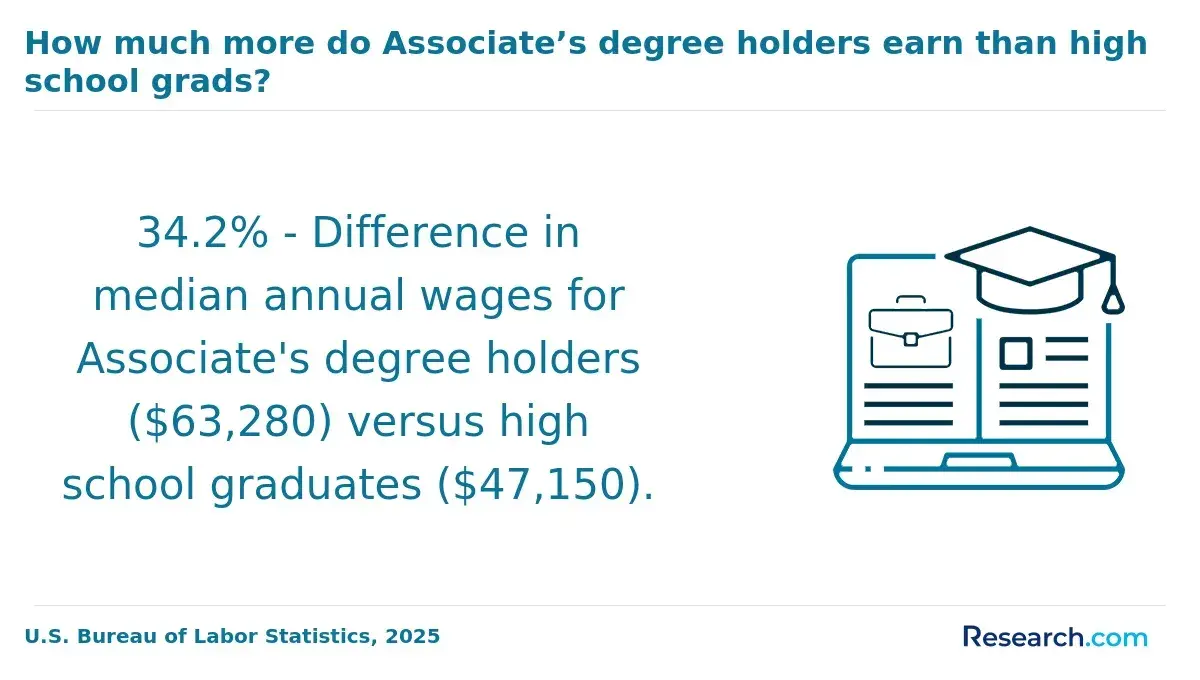
For those deciding to earn an online clinical mental health counseling degree, the decision to pursue licensure directly influences salary and career trajectory. It is also worth noting that some start with an associate's degree as a stepping stone in the counseling field before advancing to licensure-eligible programs.
What Jobs Can You Get With or Without a License as an Online Clinical Mental Health Counseling Degree Holder?
Holding a license significantly broadens the career opportunities available to graduates with an online clinical mental health counseling degree. Some may choose to work without a license due to exam challenges or personal goals, but licensure usually unlocks higher earnings and more advanced roles. According to a 2022 U.S. Bureau of Labor Statistics study, licensed counselors earn about 20% more annually than those without a license. Below are common job options based on licensure status.
Jobs With a License
- Licensed professional counselor (LPC): Provides direct therapy, conducts assessments, and develops treatment plans, allowing for independent practice and client billing.
- Mental health therapist: Delivers individual and group counseling, often collaborating with other healthcare providers to support client well-being.
- Clinical supervisor: Oversees counselors and therapists, guiding clinical practice and often accessing higher pay and leadership roles within organizations.
Jobs Without a License
- Mental health technician: Supports clinical teams by assisting with patient care tasks and monitoring client progress, typically involving less autonomy.
- Case manager: Coordinates resources and care plans to help clients navigate mental health services, focusing on administrative and support functions.
- Behavioral health specialist: Engages clients in behavioral interventions and community support activities, providing essential assistance without delivering licensed therapy.
What Graduates Say About Getting Licensed with an Online Clinical Mental Health Counseling Degree
- Bryson: "The online clinical mental health counseling degree program was surprisingly affordable, especially compared to traditional schools. I appreciated the flexibility to balance work and study, which made earning my license manageable without sacrificing my job. Since graduating, this program has truly propelled my career forwards, allowing me to make a meaningful difference in my clients' lives."
- Demi: "Cost was a major consideration for me, and this program's reasonable tuition and licensure fees made advanced education feel reachable without overwhelming debt. Navigating the courses online challenged me to develop strong self-discipline, which translated well into my professional practice. Reflecting back, the program's comprehensive curriculum has been instrumental in shaping my approach as a licensed counselor."
- Chelsea: "Choosing an online clinical mental health counseling degree was both a practical and strategic decision for me, especially given the lower overall expenses compared to on-campus options. The program's well-structured format allowed me to absorb critical concepts while working full time, ultimately streamlining my path to licensure. Now as a licensed professional, I see how this education opened doors and expanded my career opportunities within clinical settings."
Other Things You Should Know About Clinical Mental Health Counseling Degrees
In 2027, licensing processes for clinical mental health counseling degrees typically remain the same regardless of whether the degree was earned online or through traditional on-campus programs. Both types of programs must meet accreditation standards, ensuring that graduates are equally qualified to pursue licensure exams.
In 2027, most licensing exams for clinical mental health counselors, like the NCE, are still administered in testing centers to adhere to proctoring requirements. However, some smaller boards might offer online proctored exams. Always check with your state’s licensing board for specifics.
Graduates of accredited online clinical mental health counseling programs are generally eligible to join professional associations such as the American Counseling Association (ACA) or the National Board for Certified Counselors (NBCC). Membership criteria focus on accreditation and degree level rather than delivery method. Joining these organizations provides networking opportunities, continuing education, and credential recognition.
References
- How to Choose the Right Online Master’s in Counseling Program - Counseling Degrees Online https://www.counselingdegreesonline.org/faq/how-to-choose-right-online-masters-counseling-program
- Mental Health Counselor Salary and Career Outlook https://teach.com/online-ed/counseling-degrees/online-masters-mental-health-counseling/careers-and-salary/
- Clinical Mental Health Counseling, MA (Online) https://programs.tcnj.edu/graduate/clinical-mental-health-counseling-ma-online
- Clinical Mental Health Counseling | On Campus or Online Master's | Merrimack College https://online.merrimack.edu/ms-in-clinical-mental-health-counseling/
- Master of Arts in Clinical Mental Health Counseling (Online) https://catalog.rivier.edu/preview_program.php
- What can you do with an online master's in clinical psychology? | edX https://www.edx.org/resources/what-can-you-do-with-a-masters-in-clinical-psychology
- M.A. Clinical Mental Health Counseling | CMHC Online Program https://www.thechicagoschool.edu/programs/counseling/clinical-mental-health-counseling/ma-online/
- Master's Degree in Mental Health Counseling https://www.ccu.edu/ccu/counseling/mental-health-counseling/
- Counseling Licensure https://onlinecounselingprograms.com/become-a-counselor/counseling-licensure/
- Master's in Clinical Mental Health Counseling https://www.ucumberlands.edu/academics/graduate/masters-clinical-mental-health-counseling


