2027 Online Clinical Mental Health Counseling Degree Programs Costs: Tuition & Fees

Co-Founder and Chief Data Scientist
Choosing an online Clinical Mental Health Counseling degree is not only an academic decision; it is a licensing, career, and debt decision. Most students need a graduate program that meets counseling licensure expectations, fits around work or family responsibilities, and does not create a loan burden that is hard to manage on an early-career counselor salary.
This guide breaks down what students can expect to pay for an online Clinical Mental Health Counseling program, what tuition usually includes, which costs are easy to overlook, and how prices differ by school type, residency status, and delivery format. It also explains how to compare affordable and high-cost programs, what financial aid may be available, and how to think realistically about return on investment.
Because counseling licensure requirements vary by state, cost should never be the only factor. Before enrolling, students should confirm accreditation, practicum and internship requirements, state board alignment, residency obligations, and total program cost after fees and aid.
Key Points About Online Clinical Mental Health Counseling Degree Costs
- The average tuition for online Clinical Mental Health Counseling degrees ranges from $10,000 to $30,000, varying by institution type and program length.
- Factors influencing costs include accreditation, faculty expertise, technology fees, and clinical practicum requirements.
- Investing in these programs offers valued licensure preparation, flexible learning, and competitive job prospects in the mental health field.
What Is the Average Cost of an Online Clinical Mental Health Counseling Degree?
The average tuition for an online Clinical Mental Health Counseling master's degree in 2025 typically falls between $19,000 and over $32,000 for the full 60-credit curriculum. Many programs fall in the $24,000 to $30,000 range before scholarships, grants, employer assistance, military benefits, or federal aid are applied. When schools publish per-credit pricing, rates generally range from $317 to $660.
The most important cost driver is the institution itself. Public universities often offer lower tuition than private universities, although online pricing policies differ by school. For example, Central Michigan University, a public institution, lists the degree at around $19,032, while Methodist University, a private institution, can cost about $32,700.
Students should also pay attention to the required credit total. A master's in Clinical Mental Health Counseling commonly requires 60 credits because programs are designed to prepare students for professional counseling licensure. Doctoral programs are usually more expensive, but fully online doctoral options in this specific field are less common than online master's programs.
Compared with other counseling and social science graduate programs, Clinical Mental Health Counseling is often a mid-to-upper-cost option. That is partly because programs must include supervised clinical preparation, practicum and internship coordination, faculty oversight, and coursework aligned with professional counseling standards.
What Is Typically Included in the Tuition for an Online Clinical Mental Health Counseling Degree?
Tuition for an online Clinical Mental Health Counseling degree usually covers the academic portion of the program: enrollment in required courses, faculty instruction, access to the online learning platform, and standard academic services. It does not always cover every expense required to finish the degree or prepare for licensure.
Students should ask each school for a full cost-of-attendance estimate, not just the per-credit tuition rate. A program with a lower advertised tuition can become more expensive if it has high fees, travel requirements, or costly residency components.
- Coursework and instruction: Tuition generally includes access to required classes, faculty-led instruction, assignments, assessments, and program materials delivered through the university.
- Online learning platform access: Many programs include access to virtual classrooms, learning management systems, discussion boards, library databases, and student portals. Some schools separate these costs as technology or platform fees.
- Academic advising: Students typically receive help with degree planning, course sequencing, registration, and progress toward program completion.
- Career and student support: Some universities include career guidance, tutoring, writing support, disability services, and counseling-specific advising in the standard student services package.
- Clinical placement support: Programs may help students understand practicum and internship requirements, though the level of placement assistance varies. Some schools provide direct placement support, while others expect students to identify approved sites with faculty approval.
Several costs are commonly outside base tuition. These may include textbooks, testing materials, application fees, graduation fees, background checks, liability insurance, software, equipment, and professional membership costs. Students may also pay for state licensing applications, exam preparation, and credential evaluation after graduation.
Residency, practicum, or internship requirements can add meaningful expenses even in an online program. If a program requires students to attend campus-based intensives, workshops, or residencies, learners may need to budget for transportation, lodging, meals, childcare, and time away from work.
What Factors Influence the Cost of Pursuing an Online Clinical Mental Health Counseling Degree?
The cost of an online Clinical Mental Health Counseling degree depends on more than the published tuition rate. Students should compare the total price of attendance, the program's licensure alignment, and the likely out-of-pocket cost after aid.
- Type of school: Public and private universities may price online counseling programs very differently. Private universities generally charge higher per-credit rates, with examples ranging from about $342 at some public institutions to over $2,200 at top private schools.
- Residency status: Some public universities charge lower tuition to in-state students and higher tuition to out-of-state students. Other schools use one online tuition rate for all distance learners.
- Credit-hour requirements: Most programs require between 60 and 63 credits for graduation. Depending on the school's pricing structure, total tuition can range from under $20,000 to over $130,000.
- Program fees: Application fees, graduation fees, technology fees, online platform costs, clinical coordination fees, and student service charges can increase the final bill.
- Residencies and immersions: Some online programs require in-person learning experiences. These can add travel, lodging, meal, parking, and missed-work costs.
- Program length: Programs commonly take two to three years full-time or up to four years part-time. A longer timeline may make tuition payments easier to manage but can delay full-time entry into the counseling workforce.
- Clinical requirements: Practicum and internship obligations may affect work schedules. Students should consider whether they can reduce work hours while completing supervised clinical training.
- Support services and reputation: Schools with extensive advising, clinical placement help, highly credentialed faculty, or strong brand recognition may charge more. Higher cost is not automatically better, but stronger support can matter for students who need help navigating licensure preparation.
Financial aid, scholarships, employer benefits, and military education benefits can reduce the amount a student pays out of pocket. Students comparing timelines and cost-saving pathways may also find broader planning ideas in Research.com's guide to accelerated online bachelor degree programs for working adults, especially if they are still mapping a long-term education plan.
Are Online Clinical Mental Health Counseling Programs Cheaper Than Traditional Programs?
Online Clinical Mental Health Counseling programs can be cheaper than traditional on-campus programs, but they are not automatically the lowest-cost option. The real answer depends on tuition policy, residency rules, fees, travel requirements, and how much income a student can continue earning while enrolled.
The average tuition for online Clinical Mental Health Counseling degree programs in the United States typically falls between $429 and $825 per credit hour. For a full master's program, that can place total tuition around $25,740 to $50,265. Some on-campus programs, especially at prestigious urban universities, can surpass $100,000 for the graduate degree.
Online programs often reduce indirect costs. Students may avoid relocating, commuting, campus parking fees, and some facility-based charges. They may also be able to remain employed while studying, which can make the degree more financially manageable.
However, online learning can still include added expenses. Technology fees, clinical placement costs, liability insurance, background checks, textbooks, and required in-person residencies may apply. A low per-credit rate can also be offset by high mandatory fees or a longer credit requirement.
Students comparing online and traditional formats should ask three questions: What is the total program cost? Does the program meet licensure expectations in the state where I plan to practice? Can I complete practicum and internship hours without disrupting my income beyond what I can afford?
Applicants seeking flexible admission pathways can also review Research.com's overview of open college admission options, though counseling master's programs may still have selective admission standards because of clinical training requirements.
Are There In-state and Out-of-state Tuition for Online Clinical Mental Health Counseling Programs?
Yes, some online Clinical Mental Health Counseling programs charge different in-state and out-of-state tuition rates, especially at public universities. Other programs use a flat online tuition rate for all distance learners, regardless of where they live.
At many public universities, state residents receive lower tuition because state funding helps subsidize their education. Out-of-state students may pay more if the school applies traditional residency-based pricing to online programs. Augusta University, for example, sets a higher out-of-state tuition rate for its online Master of Education in Clinical Mental Health Counseling program than its in-state rate.
Private universities usually do not use in-state and out-of-state tuition categories in the same way because they are not funded through state residency subsidies. Methodist University is an example of a school that uses a single per-credit tuition price without distinguishing by residency.
Some public institutions also offer special online tuition rates that apply to all distance learners. In addition, regional agreements, including arrangements facilitated by the Western Interstate Commission for Higher Education (WICHE), may reduce tuition for eligible out-of-state students from participating states.
Before applying, students should confirm how the school classifies online learners, whether residency affects tuition, and whether moving during the program changes the rate. They should also ask whether the program is authorized to enroll students from their state and whether it meets that state's counseling licensure requirements.
Which Schools Offer the Most Affordable Clinical Mental Health Counseling Degree Programs?
The most affordable online Clinical Mental Health Counseling programs are usually found at public universities, regional institutions, and schools with flat online tuition. Cost should be weighed alongside accreditation, clinical training support, faculty qualifications, state licensure alignment, and completion requirements.
Several programs stand out for low listed tuition among online Clinical Mental Health Counseling options:
- University of the Cumberlands: This online Master of Arts in Clinical Mental Health Counseling lists total tuition around $4,260 for both in-state and out-of-state students, making it one of the lowest-cost CACREP-accredited programs available.
- North Carolina Central University: Its Master of Arts in Clinical Mental Health Counseling lists in-state tuition near $4,740 and out-of-state tuition at $18,048, making it especially cost-effective for eligible in-state learners.
- Northern State University: This Master of Science in Education in Clinical Mental Health Counseling lists roughly $5,999 in-state and $11,199 for out-of-state students, offering a lower-cost option for students comparing public university programs.
Low tuition does not remove the need for careful review. Students should confirm whether the listed amount includes fees, whether online students pay the same rate, whether the program requires campus visits, and whether clinical placements are available in their location.
Most programs require about 60 credit hours and can be completed within two to three years, which can work well for students balancing graduate study with employment. Learners comparing affordability across advanced degrees can also review Research.com's guide to the most affordable phd programs for broader context on low-cost graduate education.
Which Schools Offer the Most Expensive Clinical Mental Health Counseling Degree Programs?
The most expensive online Clinical Mental Health Counseling programs are often associated with higher per-credit tuition, private university pricing, extensive student services, residencies, specialized faculty, or additional clinical training requirements. A higher price may reflect added resources, but students should still evaluate whether the extra cost improves licensure preparation, support, and career outcomes.
Examples of higher-cost online Clinical Mental Health Counseling programs include:
- North Carolina Central University: The online Master of Arts in Clinical Mental Health Counseling has an estimated tuition of $62,314.20 for non-residents, charged at $1,038.57 per credit for 60 credits.
- University of New Haven: This Connecticut institution offers an online Master of Arts in Clinical Mental Health Counseling costing approximately $46,140 for 60 credits at $769 each. The program emphasizes advocacy and social justice, includes 700 hours of supervised training, and requires two residencies.
- Pennsylvania Western University: Its online Master's in Counseling lists tuition around $31,560 for out-of-state students. The program is regionally accredited and includes comprehensive student services that may affect pricing.
Students considering a higher-cost program should ask what they receive for the additional expense. Important factors include accreditation status, state licensure alignment, supervised training structure, faculty access, clinical placement support, student outcomes, and whether residencies are required.
For students comparing institutional quality and online delivery models, Research.com's resource on top accredited online non profit universities may be useful when evaluating nonprofit schools that offer advanced counseling degrees.
How Long Does It Take to See a Return on an Online Clinical Mental Health Counseling Degree?
The return on an online Clinical Mental Health Counseling degree depends on tuition paid, debt borrowed, salary after graduation, time to licensure, and whether the graduate can keep earning income while completing the program. Many students may begin to recover their educational investment within a few years of entering counseling roles, but the timeline can vary significantly.
Many new counseling professionals earned close to $61,600 annually in 2023. That level of income can help shorten the payback period for students who choose a lower-cost program or graduate with limited debt. Employment growth in the field is also projected at 19% from 2023 to 2033, which may support job opportunities for graduates who meet licensure and employer requirements.
Tuition is one of the largest variables. Online master's programs commonly cost between $21,900 and $50,700 for a two-year degree. A student who pays cash, receives scholarships, or uses employer assistance will usually see a faster return than a student who finances most costs through loans.
Licensure timing also matters. Graduates may need supervised post-degree experience, exams, and state approval before they can qualify for independent counseling roles. During this period, income may be lower than it is after full licensure. Students should build this transition into their financial planning rather than assuming immediate access to the highest-paying roles.
To estimate return on investment, compare the total cost after aid with realistic early-career earnings, expected loan payments, and the time required to complete supervised experience. The lowest-cost program is not always the best value, but unnecessary debt can limit career flexibility after graduation.
Are Online Clinical Mental Health Counseling Students Eligible for Financial Aid?
Yes. Students in accredited online Clinical Mental Health Counseling programs may be eligible for financial aid, including federal student aid, institutional scholarships, employer tuition assistance, and other funding sources. Eligibility depends on the school, the program, enrollment status, citizenship or eligible noncitizen status, financial need, and other aid rules.
The first step is usually completing the Free Application for Federal Student Aid (FAFSA). Students should confirm that the university participates in federal student aid programs and that the online counseling degree is an eligible program.
- Federal loans and grants: Federal aid may help cover tuition and required fees for eligible students. Grants do not require repayment, while loans must be repaid with applicable terms and interest.
- Scholarships and institutional aid: Universities may offer merit-based or need-based scholarships for counseling students. For example, Capella University provides scholarships up to $2,500 for qualifying master's students in counseling.
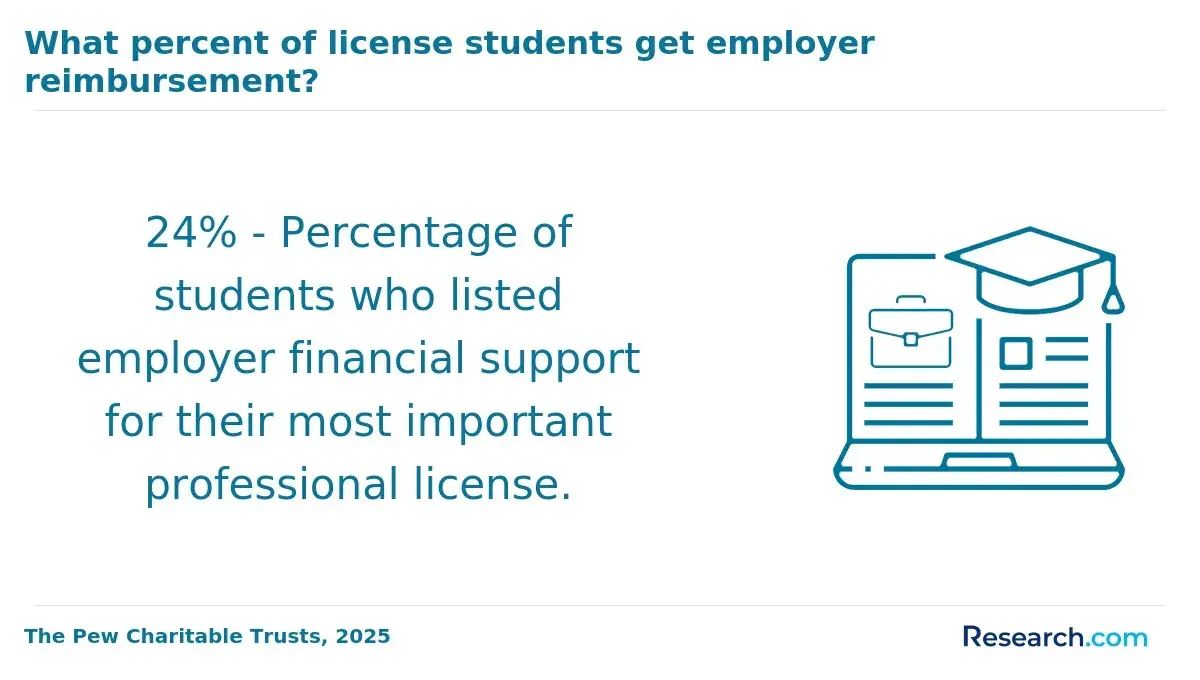
- Employer tuition assistance: Some employers offer reimbursement, tuition discounts, or education benefits. These programs often cover about 10% of tuition, though policies vary by employer and school partnership.
- Military and veteran benefits: Eligible service members, veterans, and family members may be able to use education benefits to reduce out-of-pocket costs.
- Loan forgiveness pathways: Graduates who work in public service or underserved settings may qualify for programs that help reduce student loan debt, depending on employment, loan type, and repayment plan.
Students should contact both the financial aid office and the counseling department before enrolling. The financial aid office can explain funding options, while the department can clarify fees, residency costs, clinical placement expenses, and whether students commonly work while enrolled.
For readers comparing cost-conscious education paths beyond counseling, Research.com's guide to top trade colleges online provides additional information on affordable programs and funding options.
Are Online Clinical Mental Health Counseling Programs Expected to Increase in the Coming Years?
Online Clinical Mental Health Counseling programs are likely to remain in demand as students look for flexible graduate pathways into mental health careers. At the same time, tuition may continue to vary widely by institution, and students should not assume that online programs will stay inexpensive simply because they are delivered remotely.
Public universities generally remain more affordable, especially when in-state or flat online tuition applies. Private institutions often charge higher rates, though they may offer scholarships, structured support, or specialized training features that appeal to certain students.
Students should expect schools to continue adjusting online tuition, fees, and program formats. Some programs may add technology fees, residency requirements, or clinical coordination costs. Others may use scholarships, employer partnerships, or accelerated scheduling to make enrollment more accessible.
The best strategy is to compare current total costs rather than relying on broad tuition trends. Prospective students should request a full cost breakdown, ask whether rates are locked or subject to annual increases, confirm the cost of residencies and clinical requirements, and calculate the expected net price after aid.
What Students Say About The Cost of Pursuing Online Clinical Mental Health Counseling Programs
- Brianna: "Pursuing my Clinical Mental Health Counseling degree online was a game-changer for my career. While the average cost of attendance was a significant consideration, the flexible schedule and affordable tuition made it manageable. I'm confident that the investment will pay off as I advance into higher-paying counseling roles."
- Lawrence: "The cost of earning an online Clinical Mental Health Counseling degree initially gave me pause, but reflecting on the personal growth and expanded career options, I see it as a worthwhile investment. Balancing work and study was easier without relocating, and now I'm prepared to make a real difference in mental health care."
- Jackie: "Financing my Clinical Mental Health Counseling program online took some planning, especially with tuition averaging in the mid-range for similar degrees. However, the professional skills and credentials I gained provide long-term value, making it a smart decision financially and career-wise. The flexibility helped me maintain a steady income while advancing my education."
Other Things You Should Know About Clinical Mental Health Counseling Degree Program Costs
Financial aid can significantly reduce the overall cost of online Clinical Mental Health Counseling degree programs in 2027. Grants, scholarships, and federal loans can lower the initial tuition and fee expenses, with some students potentially covering their studies entirely through financial aid packages.
Yes, attending part-time can impact the cost. Full-time students might pay a flat rate, while part-time students usually pay per credit hour, affecting total tuition. It's important to verify specific policies with the program to understand how part-time enrollment influences overall expenses.
In 2027, the average tuition and fees for online Clinical Mental Health Counseling degree programs range from $15,000 to $35,000 per year. Costs may vary based on the institution, residency status, and program specifics, so it's essential to check each university's current rates for precise information.
References
- Tuition, Fees, and Scholarship Information for Clinical Mental Health Counseling https://www.williamjames.edu/academics/counseling/clinical-mental-health-counseling-ma-online/paying-for-school.html
- Online Vs. In-Person Therapy: Pros, Cons, And How To Choose The Right Option | Psychology.org https://www.psychology.org/resources/virtual-therapy-vs-in-person/
- Online Medical Billing and Coding Programs https://www.ultimatemedical.edu/program/medical-billing-and-coding/
- Masters in Clinical Mental Health Counseling Online or Onsite | Huntington University https://www.huntington.edu/graduate/master-of-arts-in-counseling
- Online M.A. in Clinical Mental Health Counseling Tuition & Aid | SHU https://onlineprograms.sacredheart.edu/programs/masters-clinical-mental-health-counseling/tuition/
- MS in Clinical Mental Health Counseling https://www.waldenu.edu/online-masters-programs/ms-in-clinical-mental-health-counseling
- Online Masters in Clinical Mental Health Counseling https://online.aic.edu/programs/online-masters-clinical-mental-health-counseling
- Clinical Mental Health Counseling https://online-distance.ncsu.edu/program/clinical-mental-health-counseling/tuition/