
2027 How to Compare Surgical Tech Degree Programs Effectively

Co-Founder and Chief Data Scientist
Choosing a surgical tech degree program can be overwhelming due to varying curriculum quality, costs, and clinical experience opportunities. Some programs may lack accredited clinical placements, causing delays in certification and employment. The Bureau of Labor Statistics projects a 12% growth in surgical tech jobs through 2031, intensifying competition for quality training.
Understanding these differences is crucial for securing a meaningful career path. This article examines key factors such as accreditation, hands-on training, and program flexibility to help prospective students compare surgical tech degrees effectively and select the best fit for their career goals, budget, and schedule.
Key Benefits of Comparing Surgical Tech Degree Programs Effectively
- Check accreditation by reputable organizations like the CAAHEP to ensure program credibility and eligibility for certification exams.
- Analyze curriculum alignment with your career goals, focusing on specialization options and hands-on clinical experience.
- Compare costs with potential salary outcomes; the Bureau of Labor Statistics projects a 12% growth in surgical tech employment by 2030.
What Types of Accreditation Should a Surgical Tech Degree Program Have?
Accreditation helps prospective students compare the quality, credibility, and long-term value of different surgical tech degree programs by confirming they meet established professional standards. Over 95% of employers prefer or require certification from graduates of accredited programs, highlighting the significance of recognized surgical tech program accreditation agencies.
Below are key accreditation standards for surgical tech programs to consider.
- Institutional Accreditation: Granted to colleges or universities by regional or national accrediting bodies, it ensures the overall quality and legitimacy of an educational institution. It impacts credit transfer options and eligibility for federal financial aid, which is essential when planning further education or managing costs.
- Programmatic Accreditation: Specific to the surgical tech program, commonly awarded by the Commission on Accreditation of Allied Health Education Programs (CAAHEP), this accreditation verifies the curriculum, faculty, and clinical training meet industry and regulatory standards. It is crucial for licensure preparation and certification eligibility, ensuring the program meets employer expectations.
- State Approval: Certain states require official approval for surgical tech programs to operate legally within their jurisdiction. This affects licensure outcomes and local employer recognition, making it vital to confirm state approval when comparing programs.
For students balancing education with work or considering career changes, selecting programs with both institutional and programmatic accreditation protects access to financial aid and smooth credit transfers. Those interested in related healthcare pathways may also explore RN to BSN online no clinicals options that align with flexible scheduling and recognized accreditations.
What Specializations Are Offered in Surgical Tech Degree Programs?
Specializations within surgical tech degree programs allow students to tailor their education to specific surgical areas, making it easier to compare programs based on career alignment and academic focus. According to the Bureau of Labor Statistics, demand for surgical technologists with specialized skills, particularly in cardiovascular or orthopedic surgery, is expected to grow faster than the average for all occupations through 2032.
These trends highlight the importance of advanced surgical tech certification options for workforce readiness. Common specializations include:
- General Surgery: Emphasizes broad surgical procedures and foundational operating room skills, preparing students for a wide range of surgical environments and enhancing baseline employability.
- Cardiovascular Surgery: Focuses on assisting with heart and vascular procedures, requiring knowledge of specialized instruments and strict sterile techniques commonly used in complex cardiovascular operations.
- Orthopedic Surgery: Develops expertise in bone, joint, and musculoskeletal surgeries, including the use of implants and fixation devices, supporting growing employer demand in trauma and reconstructive care.
- Neurosurgery: Prepares students to assist in delicate brain and spinal operations, demanding precision and advanced technical skills suited for specialized surgical teams.
Programs offering relevant specializations not only enhance career opportunities but also better prepare students for evolving surgical technologies and complex healthcare environments. For students interested in related healthcare fields, researching options at a medical coding school can also be beneficial in developing complementary skills.
How Can You Compare Courses Across Surgical Tech Degree Programs?
Comparing courses across surgical tech degree programs is vital for prospective students to gauge program rigor, skill development opportunities, and how well curricula align with career goals. Research indicates that programs with course completion rates above 85% often better prepare students for professional success.
To identify the best fit, consider the following key areas.
- Course Syllabi And Objectives: Examine syllabi to determine the balance between theory and hands-on practice. This insight reveals how effectively a program equips you for real-world surgical environments.
- Clinical Experience Requirements: Evaluate the extent of clinical hours and externships. Programs that integrate extensive practical training enhance career readiness and skill application.
- Course Sequencing And Workload: Review how courses are structured and paced. A program that builds progressively supports learning without overloading students, promoting better retention.
- Certification Alignment: Ensure the curriculum covers content essential for the Certified Surgical Technologist (CST) exam, improving employability after graduation.
- Student Outcomes And Flexibility: Look for data on graduation rates, job placement, and employer feedback. Also, consider programs offering flexible course schedules to accommodate varying student needs, especially when evaluating surgical tech course schedules and flexibility options.
When comparing programs, also review related costs by exploring medical billing and coding online courses cost to understand financial commitments linked to allied health pathways.
What Scheduling Options Are Available in Surgical Tech Degree Programs?
Flexible scheduling plays a crucial role for students weighing surgical tech degree programs, enabling them to manage coursework alongside work and personal responsibilities. Various formats exist to suit different lifestyles and learning preferences.
Common options include:
- Full-Time Day Classes: These traditional schedules provide immersive, in-person learning during daytime hours, ideal for students able to dedicate consistent weekday availability.
- Evening Sessions: Programs offering classes in the evening support students who work or have daytime obligations, helping them attend without disrupting daily routines.
- Weekend Courses: Weekend formats accommodate those unable to attend weekday classes, providing hands-on labs and clinical experiences when it's convenient.
- Hybrid Models: Combining online coursework with on-site sessions, hybrids give students flexibility in pacing studies while maintaining essential practical training.
- Part-Time Enrollment: This option extends program duration but allows students to balance education with ongoing work or family duties more easily.
- Accelerated Paths: For those eager to enter the workforce quickly, some programs offer condensed timelines, enabling faster completion without sacrificing essential skills development.
- Multiple Start Dates: Several programs allow enrollment at various points throughout the year, offering flexibility to begin when it best fits personal circumstances.
What Are the Pros and Cons of Online vs Campus-Based Surgical Tech Degrees?
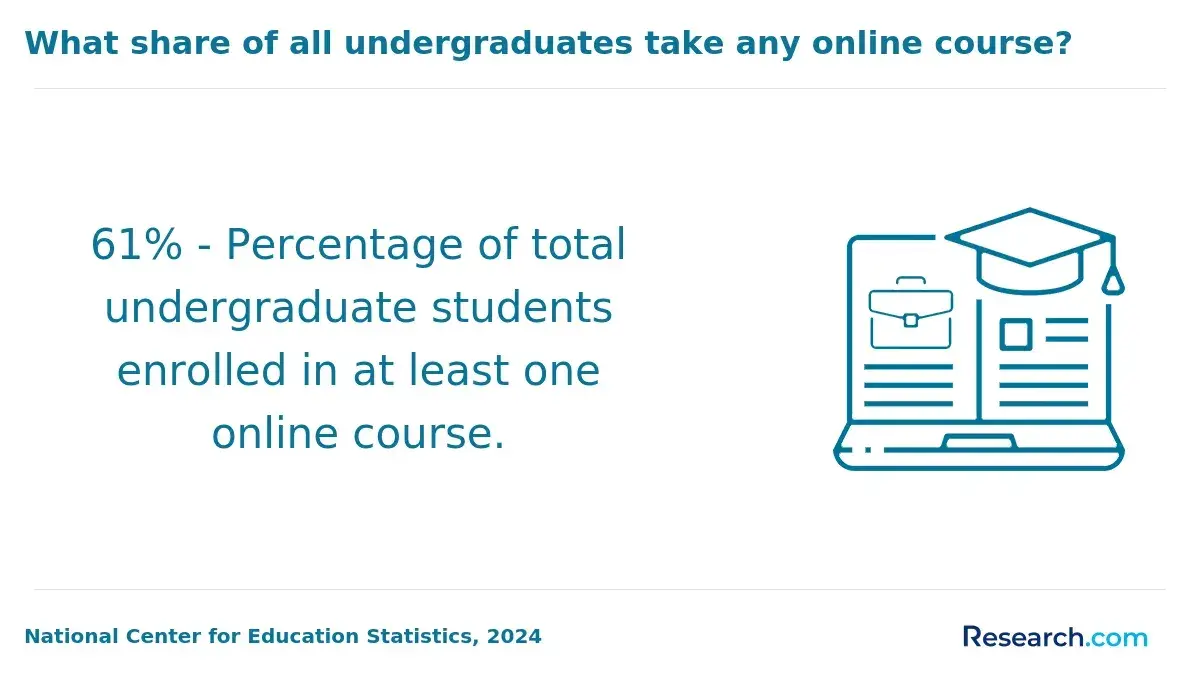
Choosing between online and campus-based delivery formats can greatly influence how students manage their time, learning experience, and professional readiness in Surgical Tech degree programs. Recent data from the National Center for Education Statistics shows that around 37% of undergraduates have taken at least one online course, reflecting a shift toward digital education options.
Below, the main distinctions between these formats are outlined.
Online Programs
- Flexible Scheduling: Students can access courses anytime, making it easier to juggle work, family, and study. This flexibility is ideal for those with unpredictable commitments.
- Limited Hands-On Training: Direct clinical practice is often reduced, which may impact skill development needed for surgical environments.
- Reduced Networking: Interaction with instructors and peers is less frequent, potentially affecting connections important for clinical placements and job opportunities.
Campus-Based Programs
- Practical Experience: Hands-on labs and in-person clinical practice provide critical skill-building that supports career readiness.
- Enhanced Collaboration: Face-to-face engagement with faculty and classmates fosters stronger professional relationships and immediate feedback.
- Scheduling Constraints: Fixed class times and the need to commute can pose challenges for students balancing other responsibilities.
When I spoke with a graduate who completed an online surgical tech degree, he shared that weighing the convenience of remote learning against fewer practical hours was difficult. "I spent a lot of time researching programs that offered hybrid options or strong simulation labs," he explained.
He recalled feeling uncertain about building professional connections virtually but found alternative ways to network through clinical rotations arranged locally. His advice was to carefully assess how each program's structure aligns with one's personal situation and career goals, since "it's not just about getting the degree but actually feeling prepared for the operating room."
How Do GPA Requirements Vary Among Surgical Tech Degree Programs?
GPA requirements serve as a key metric for applicants assessing surgical tech degree programs, reflecting academic expectations while signaling how selective a program might be. Below are several important aspects that showcase the range and flexibility in GPA criteria across different programs.
- Variability in Thresholds: Some programs enforce a firm minimum GPA, typically between 2.5 and 3.0 on a 4.0 scale, to ensure students possess a foundational level of academic aptitude before admission.
- Flexible Admissions: Other programs may offer leniency with GPA cutoffs when candidates demonstrate strengths in relevant areas such as healthcare experience or coursework directly related to surgical technology.
- Holistic Evaluation: Many programs incorporate multiple factors alongside GPA-including letters of recommendation, personal statements, and test scores-allowing candidates with lower GPAs to present a more comprehensive profile.
- Focus on Coursework: Several institutions emphasize grades in math and science classes more heavily than overall GPA, reflecting the technical nature of surgical tech training and expectations in these subjects.
- Program Structure Impact: GPA standards can differ depending on whether the program is accelerated, part-time, or traditional full-time, since these formats attract varied demographics and academic readiness levels.
How Can You Compare Tuition Across Surgical Tech Degree Programs?
Comparing tuition is a crucial step for students seeking surgical tech degrees to ensure financial feasibility over the program's duration. The average tuition and fees for public two-year colleges stand around $3,770 annually, yet costs vary significantly across regions and institutions.
Consider the following factors when evaluating program expenses:
- Total Program Cost: Look beyond tuition to include mandatory fees, required supplies, and clinical expenses, which can substantially increase overall costs.
- Cost Per Credit: Some programs might charge lower per-credit rates but require more credits, impacting the final price. Calculating total credit requirements helps reveal true affordability.
- Additional Fees: Administrative, technology, and lab fees differ widely and should be factored into budgeting to avoid unexpected charges.
- Financial Aid Options: Scholarships, grants, and federal aid can dramatically reduce out-of-pocket costs, making higher-priced programs more accessible.
- Employer Tuition Benefits: Students already employed in healthcare may leverage employer assistance programs that cover tuition and fees, influencing program choice.
- Long-Term Value: Assess how tuition aligns with graduation rates and job placement success to estimate return on investment and career prospects.
When asking a graduate who completed a surgical tech degree about tuition comparison, she reflected on the challenge of balancing cost with program quality. "I initially focused on sticker prices, but after deeper research, I realized that some programs with slightly higher tuition offered better clinical experience and job placement assistance," she shared.
She emphasized how calculating total costs, including hidden fees, helped prevent surprises later. Financial aid made a difference but required proactive applications and careful timing. Ultimately, she found that understanding the full financial picture and potential career outcomes guided her toward a program that felt like a worthwhile investment rather than just the cheapest option.
Does a Surgical Tech Degree Meet Licensure Requirements?
Aligning a surgical tech degree with licensure requirements is essential for students seeking careers in regulated healthcare fields or considering career transitions. Around 70% of healthcare jobs require certification or licensing, making it vital to attend an approved program.
Below are key factors to evaluate when comparing surgical tech degree programs:
- Accreditation: Ensure the program is accredited by recognized entities, such as the Commission on Accreditation of Allied Health Education Programs (CAAHEP), to guarantee educational quality and eligibility for certification exams.
- Curriculum Alignment: Look for courses that meet or surpass the core clinical competencies established by certifying organizations, which prepare students for both practical skills and theoretical knowledge.
- State-Specific Requirements: Different states may mandate additional criteria, such as minimum supervised clinical hours or specific coursework, to qualify for licensure or certification.
- Supervised Clinical Experience: Verify that the program includes sufficient hands-on training under professional supervision, as this is often a prerequisite for licensure boards.
- Exam Eligibility: Confirm that completing the program makes students eligible to sit for nationally recognized certification exams, like those offered by the National Board of Surgical Technology and Surgical Assisting (NBSTSA).
Choosing a degree aligned with these aspects supports a smoother path to licensure and improves employability after graduation.
Which Surgical Tech Programs Have the Best Career Placement Rates?
Career placement rates are a vital indicator of how well surgical tech programs prepare graduates for employment in healthcare. Studies show that top surgical tech programs by employment success often achieve placement rates exceeding 90% within six months of graduation.
Considering several factors can help prospective students better evaluate these programs:
- Graduate Employment Data: Reliable programs provide clear statistics on how many graduates find jobs in surgical tech or related fields, reflecting their effectiveness in career preparation.
- Employer Partnerships: Programs with strong connections to local hospitals, clinics, and surgical centers offer internship pipelines that give students hands-on experience and improve job prospects.
- Alumni Outcomes: Success stories and tracked alumni achievements highlight programs with the highest job placement rates for surgical tech graduates, offering insight into long-term career opportunities.
- Career Support Services: Access to career counseling, job placement assistance, and professional networks enhances students' ability to transition from education to employment in a competitive market.
Prospective students should also consider exploring options like online nursing programs when researching related healthcare educational paths. Evaluating these key elements ensures an informed choice among surgical tech programs with proven career placement records.
How Do Salaries Compare Across Surgical Tech Degree Program Graduates?
Post-graduation salary outcomes offer valuable insight for prospective students when evaluating surgical tech degree programs, as they reflect differences in career opportunities and earning potential. According to the U.S. Bureau of Labor Statistics, the median annual wage for surgical technologists is approximately $49,710.
Here are key factors affecting salary variations among surgical tech program graduates:
- Role and Workplace: Surgical tech salary ranges vary notably by role and workplace setting. Those employed in outpatient care centers or specialty hospitals generally earn more than their counterparts in general hospitals or physician offices.
- Geographic Location: Location impacts wage levels significantly. States like California and Massachusetts often provide salaries above the national median due to higher costs of living and stronger job demand.
- Experience Level: Entry-level surgical techs typically start near the median wage, but individuals with five or more years of experience can expect salaries 10-20% higher. Advanced certifications also contribute to increased earnings.
Understanding how surgical tech graduate salaries vary by region is essential for aligning education choices with long-term financial goals. Prospective students can find additional valuable information by exploring the cheapest BSN programs, which may complement or enhance healthcare career pathways beyond surgical technology.
What Graduates Say About Comparing Surgical Tech Degree Programs Effectively
- Jason: "Before choosing the surgical tech degree program, I was weighing several career options, but the affordability of this program really stood out to me since the average cost was substantially lower than other healthcare paths. Completing the program gave me the hands-on experience and certification that boosted my confidence in the operating room, opening doors to stable employment quickly. I'm thrilled with how cost-effectiveness and quality combined to shape my career. "
- Chris: "Reflecting on my decision to pursue a surgical tech degree, the financial aspect was undeniably crucial. With tuition averaging less than many other medical fields, it made advancing in healthcare more accessible without accumulating overwhelming debt. This degree has transformed my professional path, allowing me to contribute meaningfully in surgical settings and grow continuously. "
- Gale: "As someone adopting a very pragmatic approach, I analyzed the cost versus return on investment before enrolling in the surgical tech program, which averaged an affordable attendance cost. The comprehensive training I received not only equipped me with essential skills but significantly elevated my professional credibility, leading to better job opportunities and career satisfaction. "
Other Things You Should Know About Surgical Tech Degrees
Yes, clinical training is a mandatory component of surgical tech programs, with most requiring between 400 and 600 hours of hands-on experience in an operating room setting. These clinical hours provide essential practical skills and exposure to real-world surgical environments. Accrediting bodies often set minimum clinical hour requirements to maintain program standards.
Students should consider program length by evaluating their career goals, time availability, and financial situation. Shorter programs often lead to quicker entry into the workforce, while longer programs may provide more comprehensive training. Balance these factors to determine which aligns best with your personal and professional objectives.
References
- How to Choose the Best Surgical Tech Program | Your Guide https://www.brooklinecollege.edu/blog/how-to-choose-the-best-surgical-tech-program/
- SVSTI https://svsti.com/surgical-technology
- Surgical Tech vs. Nursing: Which Path Is Right for You? | Miller-Motte College https://www.miller-motte.edu/blog/healthcare/surgical-tech-vs-nursing-which-path-is-right-for-you/
- How Much Do Surgical Techs Make? https://nurse.org/healthcare/surgical-tech-salary/
- How Much Does a Surgical Technologist Make? https://www.herzing.edu/salary/surgical-technologist
- Online Surgical Tech Programs: Finding the Right School https://www.edumed.org/online-schools/surgical-tech-programs/
- Surgical Tech Online School: Online vs Hybrid Courses - CBD College https://www.cbd.edu/blog/surgical-technology/surgical-tech-online-school-online-vs-hybrid-courses/
- Surgical Tech Salary Guide | How Much Can You Make? https://www.learnhowtobecome.org/surgical-tech-salary/
- Online Surgical Tech Programs - What You Need To Know Before Enrolling! https://preppy.org/online-surgical-tech-programs-what-you-need-to-know/
- Certified Surgical Technologist Programs: In-Person vs. Online CST Programs | Vivian Community Hub https://www.vivian.com/community/allied-health/certified-surgical-technologist-programs-in-person-vs-online-cst-programs/


