
2027 Online Surgical Tech Degree Programs for Veterans: GI Bill Benefits, Costs & Top Considerations

Co-Founder and Chief Data Scientist
Many veterans face uncertainty about how to effectively use their GI Bill benefits when enrolling in online surgical tech degree programs. Despite military discipline and experience, navigating tuition coverage and housing allowances can be complex. Approximately 45% of veterans seeking healthcare certification enroll in online programs but often lack clear guidance on maximizing financial aid.
This uncertainty may delay career entry or lead to higher out-of-pocket costs. This article examines GI Bill benefits, associated costs, and key considerations to help veterans make informed choices that streamline their path from military service to surgical tech careers.
Key Benefits of Online Surgical Tech Degree Programs for Veterans
- The GI Bill covers tuition and fees for many online surgical tech programs, enabling veterans to pursue education with reduced financial burden, often including housing and book stipends.
- Online surgical tech degrees offer flexible schedules, crucial for veterans balancing family, work, and service commitments while advancing their careers.
- Career support services tailored to military-connected students improve job placement rates, with 85% of veterans reporting successful employment within six months post-graduation.
Who Qualifies as a Veteran for Online Surgical Tech Degree Programs?
Maximizing GI Bill benefits when applying to online surgical tech degree programs depends heavily on veteran eligibility. Approximately 40% of veterans pursue some form of postsecondary education, highlighting the importance of understanding specific qualification criteria.
The following categories outline typical eligibility qualifications for veterans seeking GI Bill benefits in surgical tech online programs:
- Active Duty and Veterans: Individuals who have served in the U.S. Armed Forces and received an honorable or general discharge generally qualify for GI Bill benefits, which can apply to tuition and housing allowances within surgical tech online programs.
- Discharge Status: Eligibility usually requires an honorable or general discharge. Veterans with dishonorable discharges are typically excluded from these education benefits.
- Reservists and National Guard: Members who completed qualifying service or deployments, including activation under Title 10 orders, may be eligible for GI Bill assistance toward online surgical tech degrees.
- Dependents: Spouses and children of eligible veterans might access transferred or survivor GI Bill benefits to fund surgical tech education, expanding financial support options for military families.
Confirming veteran status, discharge classification, and dependent eligibility beforehand helps better assess financial aid, tuition coverage, and housing stipends for surgical tech programs. For individuals considering healthcare careers, including those interested in a surgical tech path, exploring related fields such as a pharmacist degree may provide additional educational opportunities with GI Bill benefits.
Do Online Surgical Tech Degree Programs Accept Military Training for College Credit?
For veterans and active-duty service members pursuing online surgical tech degrees, transfer and prior learning credits are vital for reducing both time and costs of education. Approximately 85% of colleges offer credit for military training through prior learning assessments or transfer of credits, which can accelerate degree completion.
Here are some common methods used to evaluate military training for credit:
- Joint Services Transcripts (JST): These transcripts document a service member's military education and training in detail. Programs often review JSTs to identify coursework and experiences that align with surgical tech program requirements.
- ACE Credit Recommendations: The American Council on Education provides credit equivalency recommendations for various military training courses. Colleges use these guidelines to award appropriate college credit.
- Competency-Based Assessments: Some programs offer assessments that allow veterans to demonstrate skills acquired during military service. Successfully passing these assessments can lead to credit recognition without traditional coursework.
- Policy Limitations: While many institutions accept military credits, there are often caps on the number of credits transferable to maintain academic standards in surgical tech programs.
Veterans exploring surgical tech training options should also consider related opportunities, like those available through a reputable medical coding school, to maximize GI Bill benefits and career flexibility.
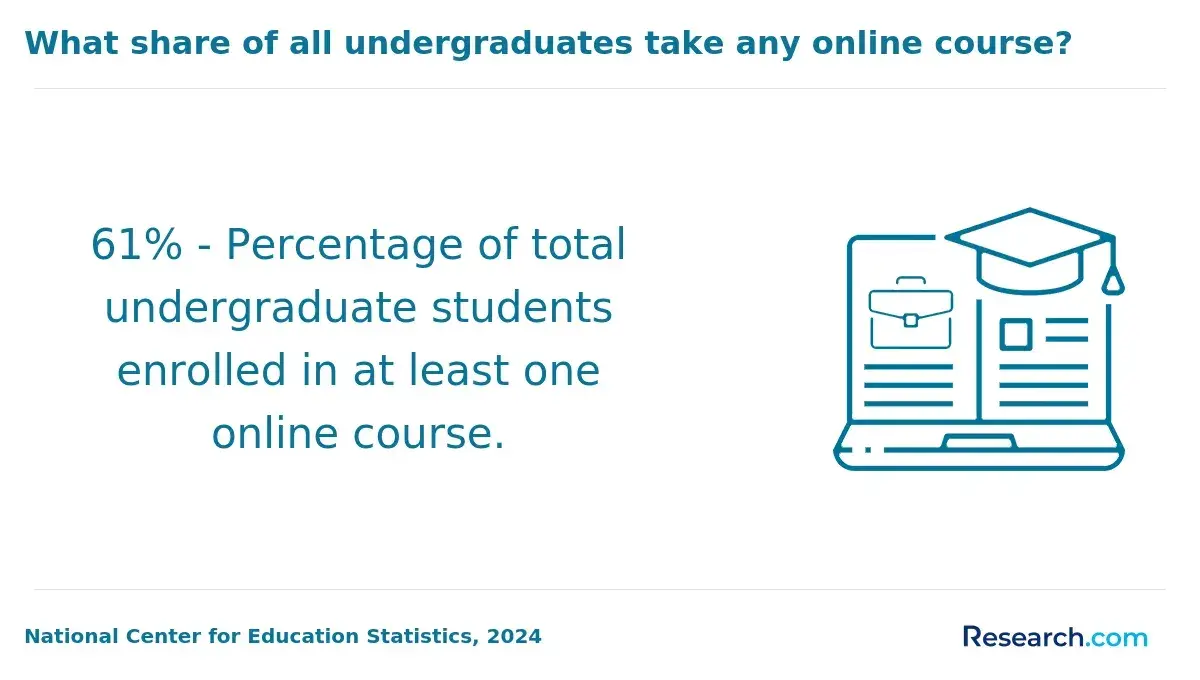
How Do Online Surgical Tech Degree Programs Work for Veterans?
Online surgical tech degree programs offer the flexibility veterans need to juggle education alongside work, family, or military responsibilities. The following points highlight key features that make these programs accessible and supportive for veterans.
- Flexible Course Delivery: Programs use asynchronous lectures, recorded demos, and virtual labs, allowing veterans to study at convenient times from any location without strict schedules.
- Pacing Options: Veterans can choose self-paced tracks or join cohort-based classes, enabling them to speed up or extend their studies depending on personal circumstances.
- Academic Support: Dedicated advisors, tutoring, and counseling focused on veterans help address their unique educational and military-related challenges.
- Benefit Utilization: GI Bill benefits often cover full or partial tuition, and many programs provide monthly housing allowances to ease living costs during coursework.
- Veteran Resources: Online programs connect students to veteran organizations, career placement services, and transition support tailored to healthcare roles, strengthening their career prospects.
When speaking with a veteran enrolled in one of these programs, he shared how balancing study with active duty and family was initially overwhelming. "At first, keeping up with coursework while on deployment felt impossible," he said.
However, the ability to access lectures whenever free and reach out to veteran-focused advisors made a significant difference. He noted, "Having that flexibility and knowing support was there gave me the confidence to stick with it." This firsthand insight underscores how online surgical tech programs are designed with veterans' needs firmly in mind.
Are Online Surgical Tech Degree Programs for Veterans Accredited?
Veterans using GI Bill benefits must ensure that online surgical tech degree programs they consider are properly accredited and VA-approved. Institutional accreditation evaluates the overall quality of a college or university, while programmatic accreditation, such as from the Commission on Accreditation of Allied Health Education Programs (CAAHEP), specifically assesses surgical tech programs.
This dual accreditation is critical, as VA benefits only apply to programs offered by approved institutions, ensuring that tuition and housing allowances are valid and protected.
Programmatic accreditation is especially vital for veterans seeking certification and licensure in surgical technology, since it guarantees the curriculum meets industry standards. Without it, students may face difficulties transferring credits or qualifying for certification exams, which can hinder employment opportunities.
According to the Department of Veterans Affairs, more than 85% of healthcare employers prefer graduates from accredited programs, highlighting the significant advantage accreditation offers for long-term career success.
How Much Do Online Surgical Tech Programs for Veterans Cost?
Knowing the total cost of an online surgical tech program helps veterans plan their finances and leverage military benefits effectively. On average, veterans pursuing education through the Post-9/11 GI Bill spend about $19,000 annually on tuition and fees before applying benefits.
Here are key expense factors veterans should consider when comparing options:
- Tuition Per Credit: Tuition rates typically range from $200 to $500 per credit hour, depending on the institution. Most surgical tech programs require around 50 to 60 credit hours.
- Total Program Cost: Because of credit requirements, total tuition may range between $10,000 and $30,000. This does not include additional fees or living expenses.
- Mandatory Fees: Students often pay technology, lab, and testing fees that can add several hundred to over a thousand dollars annually to tuition costs.
- Housing Allowance: While the Post-9/11 GI Bill frequently covers tuition fully, housing stipends for online learners are often prorated or reduced, which may increase out-of-pocket living expenses.
- Out-of-Pocket Expenses: Veterans should account for expenses not covered by benefits, such as textbooks, certification exam fees, and required medical equipment, when calculating the full cost.
Veterans exploring how much online surgical tech programs cost often seek clear estimates tailored to military applicants. For those interested in broader healthcare education options, online healthcare administration degree programs can also offer valuable career pathways.
What GI Bill Benefits Can Be Used for Online Surgical Tech Degrees?
Veterans exploring online surgical tech degree programs benefit greatly by understanding how GI Bill provisions apply to their studies. More than 1.5 million veterans have accessed education benefits through the GI Bill, underscoring its vital support role.
The following points clarify essential aspects of GI Bill coverage relevant to these programs.
- Post-9/11 GI Bill Coverage: This is the primary benefit many veterans use, covering up to 100% of in-state tuition and fees at approved institutions, including online programs that meet accreditation standards.
- Tuition and Fees: Payments are made directly to the school based on actual tuition charges. Eligible veterans should verify that their chosen program qualifies to maximize this benefit.
- Housing Allowance: While on-campus students often receive the full Monthly Housing Allowance (MHA), those attending strictly online get MHA at roughly 50% of the national average Basic Allowance for Housing (BAH) rate, calculated according to the school's location.
- Book and Supplies Stipend: Veterans may receive up to $1,000 annually to help offset costs of necessary educational materials, which can ease the financial burden of textbooks and equipment.
- Eligibility Requirements: Benefit access depends on military service length and discharge status. Veterans should confirm their entitlement with the Department of Veterans Affairs before enrolling to ensure they receive full benefits.
When I spoke with a veteran who recently earned her surgical tech degree online using GI Bill benefits, she shared insightful reflections. She described navigating the initial application for benefits as "overwhelming" but found that thorough research and VA support simplified the process.
She emphasized the advantage of the book stipend, saying it "covered textbooks and even extra supplies that weren't initially planned." However, adjusting to the reduced housing allowance for online study presented challenges in budgeting daily expenses.
Despite that, she praised the flexibility of the program and how GI Bill funding made pursuing her career goal feasible without adding financial stress. Her experience highlights how understanding the nuances of GI Bill benefits can empower veterans to confidently manage their education journey in surgical tech.
What Veteran Support Services Are Offered in Online Surgical Tech Degree Programs?
Veterans pursuing online surgical tech degrees benefit greatly from specialized support services that address the complexities of transitioning from military to academic environments. Research indicates that veterans engaging with these tailored resources experience a retention rate more than 10% higher than their peers who do not.
Below are key veteran-focused services commonly available in online surgical tech programs.
- Academic Advising: Advisors with expertise in military-to-college transitions help veterans convert military training into academic credits and select the most suitable courses to align with their career goals.
- Benefits Counseling: Dedicated counselors assist veterans in maximizing GI Bill benefits for tuition payments, housing stipends, and related educational expenses, ensuring efficient use of available funds.
- Mental Health Resources: Emotional and psychological support is provided through virtual counseling sessions and peer networks designed specifically for military-connected students facing unique stressors.
- Career Services: Support includes job placement assistance, resume optimization, and interview preparation tailored to the healthcare field, enhancing veterans' employment prospects post-graduation.
- Peer Support: Veteran-only online groups and mentorship programs cultivate a sense of community, offering mutual encouragement and shared experiences throughout the learning journey.
How Long Does It Take to Complete an Online Surgical Tech Degree as a Veteran?
Veterans planning to pursue an online surgical tech degree need to consider program duration carefully to balance their education with work, family, or service responsibilities. The length of a program also plays a key role in managing GI Bill benefits effectively.
Here are several factors that affect how long it takes to complete an online surgical tech degree program for veterans.
- Enrollment Status: Choosing full-time versus part-time enrollment significantly impacts completion time. Veterans enrolled full-time can finish more quickly, often within 12 months, while part-time students may take up to 24 months due to the need for greater flexibility.
- Credit Transfer: Transferring existing college credits or military training experience can reduce required coursework. This shortening of the curriculum helps veterans expedite their program completion.
- Military Training: Prior relevant military training may be recognized by programs, which can further decrease the time needed by fulfilling certain course requirements.
- Course Scheduling Flexibility: Online surgical tech programs often offer asynchronous classes, allowing veterans to study on their own schedule. This flexibility helps accommodate unique service or personal obligations but can either speed up or slow down progress depending on the individual.
- Program Length Variations: Each institution designs its curriculum and clinical requirements differently, contributing to variations in program length. Veterans should compare these elements carefully to find a program that suits their timeline and maximizes the use of their GI Bill benefits.
For veterans seeking additional educational opportunities or considering related healthcare fields, exploring options such as an affordable healthcare administration degree online can provide valuable alternatives with flexible formats and competitive costs.
What Jobs Can Veterans Get With an Online Surgical Tech Degree?
Veterans considering online surgical tech programs should explore the variety of career paths available to align their education with viable job opportunities. A 2019 U.S. Department of Veterans Affairs survey found that about 65% of veterans pursuing healthcare certifications, including surgical tech roles, successfully transitioned to civilian medical positions within a year.
Below are common veteran surgical tech career opportunities in the U.S. that highlight transferable skills and job growth.
- Surgical Technologist: Veterans often excel as surgical technologists, assisting in operating rooms by preparing equipment, sterilizing instruments, and supporting surgeons during procedures. Military discipline and attention to detail enhances performance in this critical role.
- Operating Room Technician: This role focuses on managing the operating room environment, ensuring everything meets strict cleanliness and readiness standards. Veterans' experience in high-pressure and protocol-driven settings adapts well to these demands.
- Sterile Processing Technician: Veterans can also specialize in sterilizing and maintaining surgical tools, a key responsibility to prevent infection and ensure patient safety. This job requires precision and thoroughness learned during military service.
- Outpatient Surgery Center Roles: Jobs in outpatient centers or specialty clinics offer diverse work environments with often more regular hours, appealing to veterans seeking stability and family-friendly schedules.
Many veterans benefit from the best surgical tech jobs for veterans using GI Bill benefits, which cover tuition and housing allowances, making these career paths financially accessible. For those weighing education investments, it's helpful to consider programs alongside options like the cheapest DNP programs to understand broader healthcare education costs and benefits.
What Salary Can Veterans Earn With an Online Surgical Tech Degree?
Veterans assessing online surgical tech programs should consider potential earnings, as this directly affects how they value tuition costs and GI Bill housing benefits. The median annual wage for surgical technologists was about $49,710 as of May 2022, according to the U.S. Bureau of Labor Statistics.
Below are key factors influencing what veterans might earn in this field.
- Geographic Location: Salaries often vary widely by region, with urban and high-demand areas generally offering higher pay for surgical techs.
- Experience Level: Entry-level surgical techs usually earn less than those with several years of experience or specialized training, impacting overall salary potential.
- Industry Setting: Earnings differ based on the healthcare environment; hospitals, outpatient centers, and specialty clinics may all offer varying compensation scales.
- Military Skills: Veterans' discipline, attention to detail, and teamwork can enhance employability and open doors to leadership or technical roles that command higher wages.
What Graduates Say About Their Online Surgical Tech Degree for Veterans
- Kyle: "Choosing to pursue an online surgical tech degree was a game changer for me after leaving the military. The affordable cost, averaging around $15,000, allowed me to invest in my future without added financial stress. This program made the transition smoother by giving me hands-on skills remotely, which boosted my confidence as I stepped into the civilian healthcare world. Thanks to this degree, I now excel in my role at a major hospital. "
- Jeanine: "Pursuing an online surgical tech degree was a thoughtfully made decision during my transition from service. The flexibility of the program allowed me to balance family and studies efficiently, which was essential given the demands of adjusting to civilian life. The education I received not only equipped me with technical skills but also opened new career opportunities that I had not imagined possible. The average cost felt reasonable compared to traditional routes, making this degree a wise investment in my professional growth."
- Ashley: "In evaluating options post-military, the online surgical tech degree stood out because of its comprehensive curriculum and affordability. The program's design helped me apply discipline from my service days effectively, ensuring I mastered the clinical knowledge and workflows. Graduating with this degree has positioned me strongly in the healthcare sector, proving that veterans can thrive outside the armed forces when given the right tools. The cost, about $15K on average, was a small price for the long-term career benefits. "
Other Things You Should Know About Surgical Tech Degrees
Yes, veterans can generally apply Post-9/11 GI Bill benefits toward fees for certification exams such as the CST test, as these are considered needed for professional licensure. However, coverage specifics may vary based on the program and certifying body, so veterans should verify eligibility with their school's VA certifying official.
Several programs provide additional veteran support such as dedicated advisors, counseling resources, and career placement services focused on transitioning military personnel. These resources help veterans navigate education and employment pathways, ensuring they make the most of their GI Bill benefits and clinical training opportunities.
References
- Surgical Technician Online Training Program ACTS https://www.americation.org/surgical-technician-online-program
- Medical Education and Training Campus > Academics > Courses > Nursing and Specialty Medical > Surgical Technologist https://www.metc.mil/Academics/Courses/Nursing-and-Specialty-Medical/Surgical-Technologist/
- Surgical Technology Program | Berkeley College https://berkeleycollege.edu/academics/undergraduate-degrees/surgical-tech-program/index.html
- Military Resources https://www.ast.org/Members/Military/
- Surgical Technologists at My Next Move for Veterans https://www.mynextmove.org/vets/profile/summary/29-2055.00
- Surgical Technician | Online National Certification https://www.americanalliedhealth.com/certification/surgical-technician-certification
- Enlisted SURGICAL TECHNOLOGIST https://www.airforce.com/careers/healthcare/surgical-technologist
- Surgical Technologist Training Program https://medcerts.com/programs/healthcare/surgical-technologist/
- MyCompass Patent pending https://www.credits2careers.org/degrees/4A9C590405DC11F09DAE0242AC15010A
- Surgical Technologist https://www.mycaaformilitaryspouse.com/courses/medical-healthcare/surgical-technologist


