
2027 Best Surgical Tech Degrees for Working Adults

Co-Founder and Chief Data Scientist
Balancing full-time employment with advancing education creates a significant barrier for many adults seeking surgical tech degrees. Approximately 45% of surgical tech students are over 25 and require flexible course options to fit work schedules. Limited in-person class availability often delays degree completion and workforce entry.
With the surgical tech field expected to grow 7% through 2030, timely credentialing becomes crucial for job security and career growth. This article explores accredited surgical tech degree programs designed specifically for working adults, highlighting flexible formats and support systems that help overcome time constraints and accelerate credential attainment.
Key Things to Know About Surgical Tech Degrees for Working Adults
- Many surgical tech programs offer flexible scheduling with evening, weekend, or part-time options to accommodate working adults balancing jobs and family commitments.
- Online or hybrid formats combine remote coursework with hands-on clinical practice, enabling students to complete theory components without disrupting their work routine.
- Accelerated programs and dedicated support services, such as career advising, help working professionals transition quickly and meet employer demand for qualified surgical techs.
What Are the Best Surgical Tech Degrees for Working Adults?
The best surgical tech degrees for working adults vary depending on schedule flexibility, alignment with career goals, and return on investment. A key trend among adult learners is the increasing availability of online and hybrid programs, enabling part-time enrollment while maintaining full-time employment.
Several options stand out for their suitability to employed students balancing multiple responsibilities:
- Associate Degree in Surgical Technology (AS): Commonly offered in hybrid or evening formats, this degree delivers foundational skills and knowledge, allowing students to gain clinical experience while working part-time.
- Certificate Programs in Surgical Technology: These accelerated programs provide a direct path for career changers or professionals aiming for swift entry or advancement, featuring focused curricula and flexible pacing.
- Bachelor's Degree in Surgical Technology or Related Health Sciences: Often available fully online, these degrees support working adults in expanding leadership skills and advancing within healthcare settings.
- Specialized Training in Orthopedic or Cardiovascular Surgical Technology: These niche programs offer career growth opportunities with flexible schedules tailored to employed students' needs.
Choosing the best accredited surgical tech degrees for working adults means prioritizing adaptable formats and practical content while addressing employer demands. Those interested in further advancement may also consider pathways like the RN to BSN with least prerequisites to complement their surgical tech qualifications.
Top surgical technician programs with flexible schedules help adult learners balance education with work and family obligations, ensuring sustained career development in a dynamic healthcare environment.
What Are the Admission Requirements for Working Adults in Surgical Tech Degree Programs?
Admission requirements for working adults in surgical tech degree programs are tailored to accommodate the unique needs of those balancing full-time employment and education. With nearly 40% of graduate students enrolled part-time, programs increasingly focus on flexibility and relevance for adult learners.
This shift recognizes that working professionals often bring valuable experience that differs from traditional academic credentials.
Common criteria for how to qualify for surgical tech degree as a working professional include the following considerations:
- Work Experience: Prior healthcare or related work experience is highly valued, sometimes substituting for more traditional academic prerequisites to highlight real-world skills.
- GPA Flexibility: Minimum GPA requirements are often slightly relaxed for adult learners, reflecting their established career paths and practical knowledge alongside academic performance.
- Test Waivers: Many programs waive standardized tests like the GRE or SAT to reduce barriers for working adults, acknowledging professional competence over test scores.
- Recommendations: Professional references from employers or colleagues can support applications by verifying work ethic, skill level, and readiness for the program.
- Flexible Scheduling: Offering part-time, evening, or online course options helps accommodate the busy schedules of working students pursuing surgical tech degree programs.
Adult learners interested in accelerated pathways can also explore options such as the fastest medical assistant program, which may complement their surgical tech training or provide shortcuts in healthcare certification.
What Coursework Is Required in Surgical Tech Degree Programs for Working Adults?
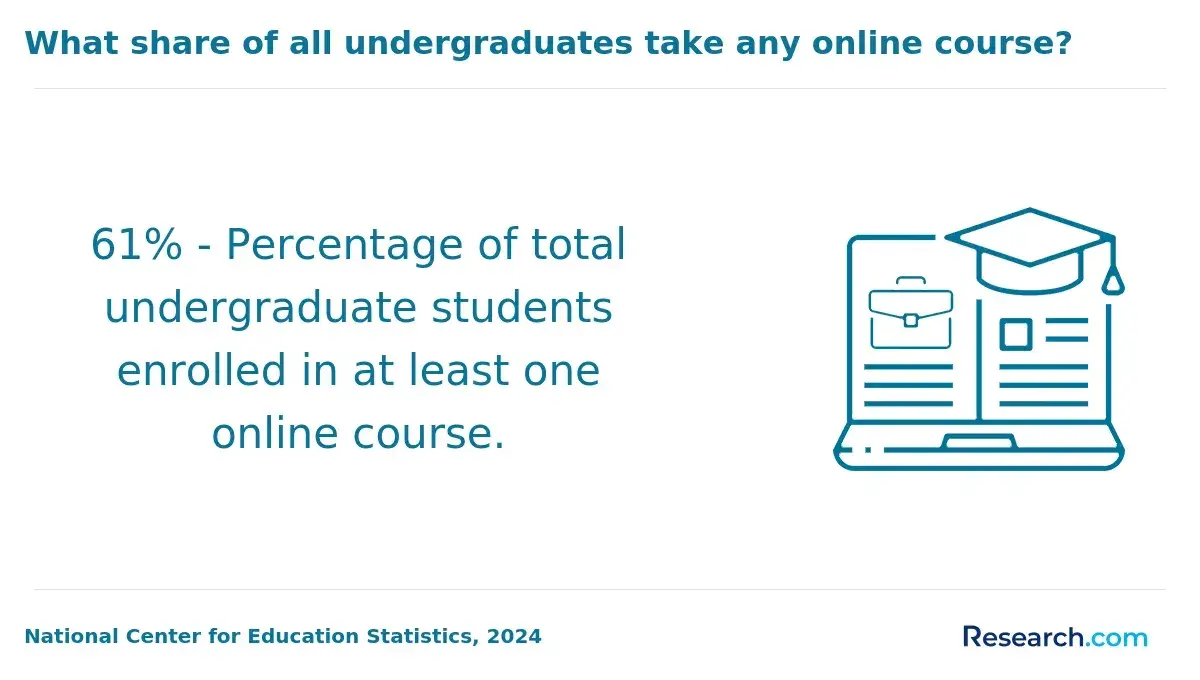
Coursework in surgical tech degree programs for working adults is designed to balance career relevance, practical skills, and flexible learning formats that accommodate full-time employment. Over 60% of surgical tech students are adult learners managing both work and study, emphasizing the need for adaptable curriculums that fit busy schedules and support career advancement.
This coursework typically includes foundational and applied subjects essential for competent performance in surgical settings. Common coursework areas include:
- Introduction to Surgical Technology: Covers basic concepts, surgical instruments, and the technician's role in various operating room environments. This foundational course prepares working professionals to perform effectively and confidently.
- Anatomy and Physiology: Focuses on human body systems relevant to surgery, providing crucial knowledge to enhance clinical decision-making and patient care skills.
- Microbiology and Infection Control: Emphasizes sterilization methods, infection prevention, and sterile techniques critical for maintaining a safe surgical environment and improving patient outcomes.
- Surgical Procedures and Pharmacology: Introduces common surgical interventions and medication management, enabling learners to anticipate surgical needs and collaborate efficiently with healthcare teams.
- Clinical Practicum: Offers supervised hands-on experience in real surgical settings with flexible scheduling options, helping working adults apply theoretical knowledge while advancing their practical skills.
For adults balancing work commitments, finding accredited programs with flexible formats is crucial. Those interested in similar flexible health-related programs can explore online healthcare degrees that provide comparable convenience and career focus.
How Long Does It Take to Complete a Surgical Tech Degree While Working?
The length of time required to earn a surgical tech degree while working varies significantly among individuals, influenced by multiple factors related to personal circumstances and program design. On average, adults balancing employment can expect to complete their training within 12 to 24 months.
Many modern programs now provide flexible and accelerated pathways, helping students manage work and study simultaneously without extending their timeline excessively.
Several key elements shape how quickly working learners can finish their surgical tech education:
- Program Format: Options like online or hybrid classes allow students to study around their work hours, but part-time enrollment can stretch completion beyond traditional timelines.
- Course Load: Taking fewer courses each term reduces immediate pressure but naturally elongates the overall duration needed to graduate.
- Prior Credits: Transferring applicable coursework earned earlier often decreases the number of classes needed, shortening time in the program.
- Work Schedule: Irregular or demanding shifts limit available study time, potentially delaying progress depending on individual balance and discipline.
- Accelerated Options: Some schools offer intensive tracks that condense coursework, designed for motivated working adults who can dedicate more hours despite busy jobs.
I spoke with a professional who completed an online surgical tech degree while maintaining a full-time job. He shared that balancing night shifts with studying was "exhausting but manageable," relying heavily on strict scheduling and self-motivation.
He found the online format "liberating" because it allowed access to lectures and assignments anytime. Despite occasional stress, he emphasized that seeing incremental progress and having clear goals helped sustain his focus.
"It wasn't quick, but every hour invested felt worthwhile," he reflected, highlighting that perseverance and flexible program structures were key to finishing on his terms.
How Much Does a Surgical Tech Degree Cost for Working Adults?
For working adults juggling jobs and education, the cost of a surgical tech degree plays a vital role in deciding whether to pursue such a program. Recent trends indicate that part-time enrollment among adult students in health-related fields has increased by more than 20%, underscoring the need for affordable and flexible learning options.
Several key factors shape the overall expenses for these students.
- Tuition per Credit: Many part-time learners pay tuition based on individual credits, which can vary significantly across institutions. This pay-as-you-go model makes the cost per credit one of the most important cost drivers.
- Program Duration: Shorter certificate programs may demand intensive attendance over less time, potentially increasing near-term expenses. Conversely, associate degrees extend over a longer period, allowing payments to be spread out.
- Additional Fees: Beyond tuition, costs for labs, clinical placements, and technology can add up, sometimes substantially impacting the total price of the program.
- Learning Format: Online courses often lower tuition and cut commuting costs, but may include extra fees for technology or remote access to resources.
- Financial Aid Opportunities: Many adult learners benefit from employer tuition assistance programs, grants, or scholarships aimed specifically at part-time students in healthcare, helping reduce their net costs.
What Financial Aid Options Are Available for Working Adults in Surgical Tech Degree Programs?
Balancing work, school, and personal life makes financial aid vitally important for adults pursuing surgical tech degrees. Managing education expenses while maintaining a job and other commitments requires accessible funding solutions tailored to their unique needs.
Several financial aid options can support these students:
- Federal Financial Aid: Programs such as Pell Grants and Federal Direct Loans provide need-based assistance, easing the initial financial burden of tuition and related costs for eligible students.
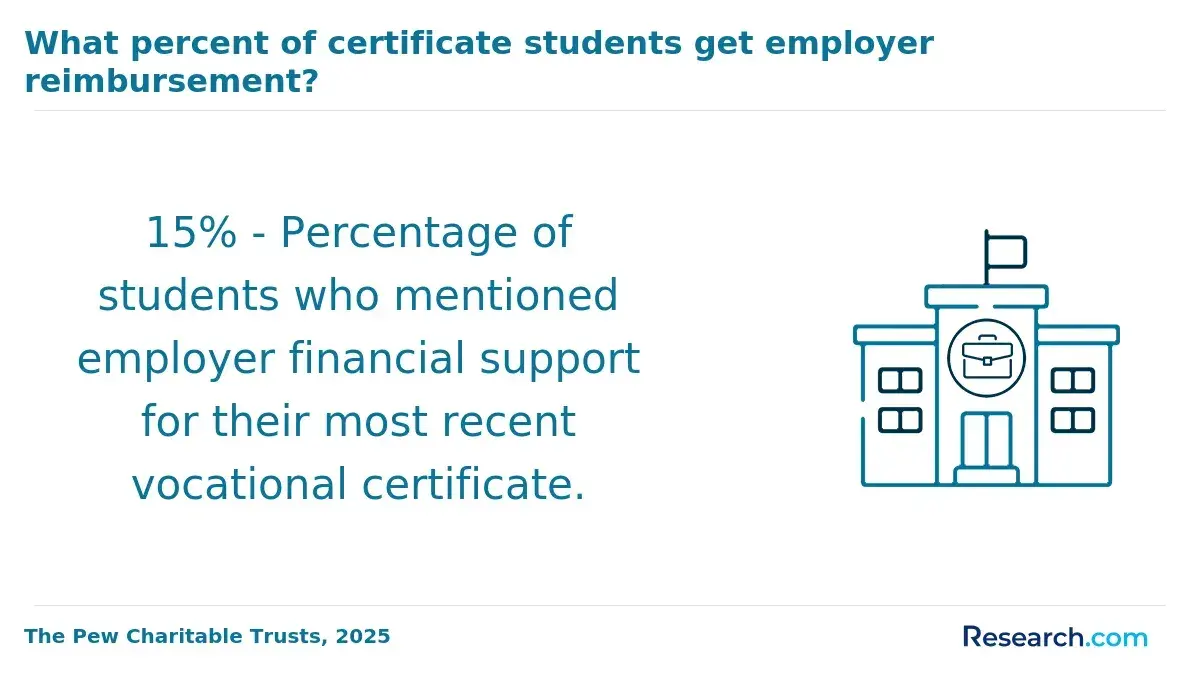
- Employer Tuition Assistance: Many companies offer tuition reimbursement or assistance plans to encourage employees' professional development, often requiring the employee to stay with the company during or after completing the program.
- Scholarships for Adult Learners: Specifically designed for nontraditional students, these scholarships acknowledge the challenges faced by working adults reentering education by offering funds that do not require repayment.
- Grants: State and private grants target qualified students based on factors like residency, enrollment status, or demographic background, providing cost relief that does not add to loan debt.
- Payment Plans: Flexible payment arrangements allow students to divide tuition costs into manageable installments, reducing immediate financial strain without the interest associated with loans.
One professional who completed a surgical tech degree while working shared her experience: "Juggling shifts and school wasn't easy, but knowing I had access to an employer tuition program made a huge difference.
The reimbursement helped cover fees, and spreading payments out kept me from feeling overwhelmed financially." She added that combining different aid sources required a lot of coordination but ultimately made her goal achievable.
"It was clear that without these options, balancing everything would have been nearly impossible. The financial support didn't just ease money worries-it gave me the confidence to stay focused and succeed."
What Support Services Help Working Adults Succeed in a Surgical Tech Program?
Balancing coursework, jobs, and personal life creates distinct hurdles for working adults pursuing a surgical tech degree. Institutional support services are essential to help these students manage responsibilities and maintain steady academic progress.
- Academic Advising: Personalized advising assists students in choosing courses that fit their work hours and career objectives, reducing scheduling conflicts and improving focus.
- Flexible Scheduling: Offering evening, weekend, or online classes accommodates diverse schedules, enabling students to continue working while attending school without sacrificing their education.
- Online Learning Support: Access to digital tools and technical help ensures students can effectively engage with course materials remotely, which is crucial for those balancing multiple priorities.
- Cohort-Based Learning: Group-based classes build community and peer accountability, fostering collaboration that motivates students to stay committed and succeed together.
- Career Services: Assistance with job placement and certification exam preparation helps students transition smoothly into the workforce or advance within their current careers.
Are Surgical Tech Degrees for Working Adults Accredited?
Accreditation for surgical tech programs involves an independent review process that ensures the curriculum, faculty, and clinical training meet established national standards. For working adults, this validation is crucial as it guarantees the degree's quality and boosts employer confidence.
Graduates from accredited programs often have an advantage in the job market, as many employers prefer or require credentials from such programs. Additionally, accreditation is key to accessing federal and state financial aid, which is essential for adults balancing education expenses with work responsibilities.
Recent studies show that adult learners make up more than 30% of graduate students, underscoring the demand for accredited programs that offer flexibility and recognized standards.
The benefits of accreditation extend beyond graduation by enhancing a degree's long-term value. Credits earned in accredited programs are more easily transferred between schools, facilitating continued education or specialization.
Completing an accredited surgical tech program is also a prerequisite for sitting for certification exams like the Certified Surgical Technologist credential, a requirement in many states. This recognized qualification supports career growth by validating skills and improving prospects for promotions or higher pay within healthcare settings.
Does a Surgical Tech Degree Increase Salary for Working Adults?
Salary growth is a primary motivator for working adults considering a surgical tech degree, with median annual wages around $48,000 and experienced professionals often earning over $65,000. This increase in surgical tech salary for working adults offers financial stability and supports long-term career advancement in healthcare.
- Industry demand: The expanding need for surgical techs in hospitals and outpatient centers creates upward wage pressure. Growing healthcare facilities require more skilled professionals, increasing opportunities for salary improvement.
- Role advancement: Progressing to lead surgical tech positions or specializing in fields like orthopedic or cardiovascular surgery can significantly boost earnings. Additional responsibilities and expertise often come with higher pay.
- Employer policies: Some healthcare organizations offer incentives like bonuses, tuition reimbursement, or salary increases for obtaining certifications or completing degrees. These policies can enhance salary growth prospects for working adults.
- Years of experience: Seasoned surgical techs typically command higher wages due to their developed skills and reliability in surgical environments. Experience remains a critical factor in earning potential.
- Specialization: Developing expertise in niche surgical areas may attract premium pay rates, reflecting the value of specialized knowledge in the operating room.
Working adults aiming to maximize salary growth with surgical tech degree programs benefit from choosing accredited, flexible options that accommodate full-time employment. Programs such as online nursing school offerings can provide the balance needed to pursue education and career goals simultaneously.
What Jobs Can Working adults Get With a Surgical Tech Degree?
A surgical tech degree enables working adults to qualify for higher-level, specialized, and leadership roles beyond entry-level positions. This degree builds on existing clinical skills and healthcare knowledge, opening pathways to career advancement in the medical field.
Below are several high demand surgical tech jobs for working adults that reflect upward mobility and expanded responsibilities in surgical services.
- Surgical Technologist Supervisor: This role involves overseeing surgical tech teams, coordinating schedules, and ensuring strict adherence to safety and procedural standards. It requires leadership abilities supported by advanced surgical tech education combined with practical experience.
- Certified Surgical First Assistant: Acting as a vital extension of the surgical team, this position provides direct intraoperative support to surgeons, including tissue handling and suturing. It demands specialized training that builds on a surgical tech degree foundation for enhanced clinical expertise.
- Operating Room Coordinator: Focused on the efficient management of surgical case logistics, equipment, and supply chains, this role leverages an in-depth understanding of procedural workflows that a surgical tech degree imparts, optimizing operating room performance.
- Clinical Educator or Trainer: Professionals in this position provide training and continuing education for new and existing surgical tech staff, combining surgical knowledge with communication skills to enhance team competency and patient care standards.
- Medical Device Sales Representative: Using technical insight from surgical tech training, this role advises healthcare providers on medical equipment products, offering a credible and knowledgeable perspective that supports effective medical technology sales.
Working adults exploring career opportunities with surgical tech degree credentials should consider their interests and professional goals, as these roles require a blend of clinical skill, leadership, and specialized training. For those interested in advancing further in healthcare education, exploring related fields such as nursing may be beneficial, with options like the cheapest DNP programs online providing flexible pathways for career growth.
What Graduates Say About Their Surgical Tech Degrees for Working Adults
- Alfred: "Choosing an online surgical tech degree program while working full-time was challenging but absolutely worth it. The flexibility allowed me to balance my job and studies without overwhelming my schedule. Considering the average cost of attendance around $10,000, it felt like a sound investment. Since graduating, my confidence and skills have improved significantly, opening doors to better positions. "
- Serena: "Enrolling in a part-time surgical tech program was a deliberate decision to grow professionally without quitting my job. The tuition, which averaged about $12,000, was manageable when spread out over semesters. Looking back, completing the program has been transformative, enhancing my technical expertise and job stability. I'm glad I took this step while continuing to earn. "
- Roy: "Balancing work with a surgical tech degree program required discipline and foresight, especially when considering the $8,000 to $14,000 cost range. I approached it as a strategic career advancement. Graduating has enabled me to contribute more effectively in the operating room and has made me a valued member of my team. Professionally, it was a significant milestone. "
Other Things You Should Know About Surgical Tech Degrees
Yes, many accredited surgical tech programs offer hybrid or fully online coursework designed for working adults. However, clinical practice and hands-on training must be completed in person at a healthcare facility, often arranged locally by the program. This format balances flexibility with essential practical experience.
Programs designed for working adults often offer evening, weekend, or part-time scheduling to accommodate employment commitments. Students should ensure their chosen program provides flexible clinical rotation scheduling or allows for health facility placement near their residence or workplace.
References
- Best Specialties in Surgical Technology | Brookline College https://www.brooklinecollege.edu/blog/best-specialties-in-surgical-technology/
- Surgical Technology, A.A.S. https://sunyniagara.edu/courses/surgical-technology-a-a-s/
- Surgical Tech School - Moore Norman Technology Center https://www.mntc.edu/long-term-programs/health/surgical-technology
- Frequently Asked Questions – Surgical Technology (AAS) – Virginia Western Community College https://www.virginiawestern.edu/academics/health-professions/surgical-technology/faq/
- Surgical Technology - Program Overview https://www.clcillinois.edu/programs/biodv/surgical-technology
- Surgical Technologist CSN Partnership Program https://www.tmcc.edu/csn-partnerships/surgical-technologist
- Exploring 5 Exciting Career Paths for Surgical Techs Outside the Operating Room https://www.surgicaltechinsights.com/post/exploring-5-exciting-career-paths-for-surgical-techs-outside-the-operating-room
- Surgical Technology (Accredited Programs) https://tulsatech.edu/full-time-programs/health-science/surgical-technology-accredited-programs/
- Admission Criteria https://www.mclennan.edu/health-professions/surgical-technology/admission.html
- Surgical Technology Admission Requirements https://www.rctc.edu/program/st/admission/


