2027 Can You Complete an Online Surgical Tech Degree Program While Working Full-Time?

Co-Founder and Chief Data Scientist
Many full-time professionals struggle to find time for an online surgical tech degree while managing work and family responsibilities. According to the National Center for Education Statistics, nearly 40% of online college students in the U.S. are working full-time, highlighting the growing need for flexible learning options. Surgical tech programs require focused study and clinical practice, which can challenge busy adults' schedules.
This article explores key factors influencing whether completing an online surgical tech degree while working full-time is feasible. It offers practical advice on time management, program demands, and balancing clinical hours to help you decide if this path fits your lifestyle and career goals.
Key Benefits of Completing an Online Surgical Tech Degree Program While Working Full-Time
- Flexible scheduling in online surgical tech programs allows full-time workers to study during evenings or weekends, fitting education around demanding hospital or clinical shifts.
- Many programs offer asynchronous lectures and digital resources, enabling students to revisit complex surgical procedures at their own pace, reinforcing learning despite irregular work hours.
- Online training often includes virtual simulations, providing critical hands-on practice remotely, which supports skill development without needing full-time job interruptions or relocation.
How long does it take to complete an online surgical tech degree while working full-time?
The time required to complete an online surgical tech degree while working full-time varies based on multiple factors such as program structure, enrollment status, and course format. These variables shape the total duration, which often extends beyond the standard timeline for full-time students.
Key factors influencing the online surgical tech program duration for working adults include:
- Enrollment Status: Part-time enrollment is most common for full-time professionals and typically extends program length to between 18 and 28 months. For example, evening students at Southeastern College require about 28 months to complete the program, compared to 20 months for full-time students.
- Course Format: Programs offering asynchronous or self-paced online courses provide flexibility to adjust study hours around work but may lengthen completion time. Accelerated tracks, such as Preppy's, can finish in four to six months, although they demand intensive daily study and may not suit those working 40+ hours weekly.
- Transfer Credits: Students with prior general education or healthcare coursework can reduce their required months by bypassing select classes, accelerating progress toward degree completion.
- Work Schedule and Weekly Study Hours: Balancing a full-time job often requires spreading coursework over a longer period, as study time varies with daily work commitments.
- Program-Specific Requirements: Capstone projects, internships, or practicums frequently require daytime participation, potentially complicating schedules for employed students and prolonging their program duration.
Most students who attempt to complete surgical technologist degree while employed full-time finish in approximately two to two-and-a-half years depending on their circumstances and program flexibility. Those seeking a compressed timeline might explore options for an associate's degree online in 6 months, though these intensive programs may be less feasible alongside full-time work.
Is an asynchronous or synchronous online surgical tech program easier for students working full-time?
For students working full-time, asynchronous online surgical tech programs are generally easier to manage because they offer greater flexibility. This course format allows learners to access lectures, assignments, and materials at any time, which helps fit study sessions around demanding work shifts and personal commitments.
In contrast, synchronous programs require attendance at live virtual classes, which can be challenging for professionals with unpredictable schedules. The format chosen significantly impacts a student's ability to balance coursework with everyday responsibilities, making asynchronous online surgical tech programs for working professionals a more practical choice.
Comparing synchronous vs asynchronous surgical technologist programs flexibility reveals distinct advantages for each. Asynchronous programs offer the freedom to study during off-hours, ideal for surgical techs working evening or weekend shifts who can complete quizzes or review materials at their convenience.
Synchronous programs enhance engagement through real-time discussions and immediate instructor feedback, benefiting those who prefer structured interaction. However, synchronous formats demand consistent attendance, which may not suit all full-time workers.
Regardless of the format, effective time management is essential. For those exploring educational options, understanding what is the easiest associate degree to get can also aid in making informed decisions about their path forward.
What time management strategies help online surgical tech students working full-time?
Managing time effectively is essential for online surgical tech students working full-time jobs, as they must balance coursework, clinical hours, and job responsibilities without falling behind. The following strategies are proven to help maintain focus and productivity amid these demands:
- Structured weekly planning: Allocate dedicated blocks for studying, assignments, and clinical tasks alongside work shifts. Establishing consistent routines minimizes stress and improves task prioritization.
- Breaking down tasks: Segment large projects or study goals into smaller, achievable steps. This method reduces overwhelm and enables steady progress despite a busy schedule.
- Using digital tools: Employ calendars and apps like Google Calendar or Trello to organize deadlines, set reminders, and manage priorities efficiently.
- Pomodoro Technique: Study in focused intervals of 25 minutes followed by short breaks to sustain concentration and prevent burnout during intense learning periods.
- Collaborative learning: Join virtual study groups to exchange resources and discuss complex material, fostering better understanding and peer support.
One student who worked full-time while completing her online surgical tech degree shared her experience: she often felt overwhelmed juggling clinical rotations and job duties but found scheduling every hour crucial. "I treated my study time like a work shift," she explained.
She also emphasized how breaking assignments into smaller tasks helped her stay motivated and track progress. Participating in online study groups provided her not only academic help but also emotional encouragement. Reflecting on her journey, she noted, "Balancing it all was tough, but having clear plans and support made it possible."
What are the biggest challenges full-time workers face in online surgical tech programs?
Full-time professionals frequently find it difficult to juggle job duties alongside the demands of an online surgical tech degree. The combination of unpredictable work hours and the rigorous training involved creates several obstacles for those attempting to succeed in this field. Key challenges full-time workers face include:
- Lack of Hands-On Experience: Many programs focus heavily on theory but provide limited clinical practice opportunities. Since surgical tech roles require precise skills like sterilizing instruments and assisting in surgeries, insufficient practical training can leave students unprepared for real clinical settings.
- Time Management and Burnout: Managing full-time employment while completing intense coursework and clinical rotations is highly stressful. This pressure can lead to fatigue and burnout, which negatively affect both job and academic performance.
- Scheduling Conflicts with Clinical Rotations: Even online surgical tech programs usually mandate in-person clinical hours. Full-time workers often encounter difficulties attending these due to rigid work schedules, hampering completion of essential hands-on experiences needed for certification and employment.
How do online surgical tech programs handle internships for full-time workers?
Balancing a full-time job while completing the clinical internship required for certification in many online surgical tech programs can be highly demanding. However, this hands-on experience is vital for developing the practical skills employers expect, making it impossible to skip despite scheduling difficulties.
The following strategies help students manage these challenges effectively.
- Flexible Scheduling: Online surgical tech programs often collaborate with various clinical sites that offer shifts outside traditional hours, such as evenings and weekends. This flexibility enables working students to complete required hours without conflicting with their primary employment.
- Local Placement Assistance: Many programs help arrange internships close to students' homes or jobs, decreasing commute times and logistical hurdles. This localized approach supports better balance between work, study, and clinical requirements.
- Part-Time Internship Options: To accommodate different schedules, some programs allow students to spread clinical hours over several months. This option reduces pressure, making it feasible for those who cannot commit to full-time externships.
- Dedicated Support and Coaching: Personalized guidance from coordinators assists students in navigating placement approvals and paperwork. This targeted support eases the burden of managing clinical requirements alongside professional commitments.
- Hybrid or Self-Paced Curriculum: The online coursework is generally self-directed, allowing learners to progress at their own speed before starting the hands-on internship when they have availability. This model reduces academic stress during busy work periods.
When asked about how his program managed the internship while working full-time, one student described the process as challenging but manageable thanks to the support network provided. He explained, "Having the coordinator find a clinical site nearby made a huge difference, especially with my unpredictable shift work."
He appreciated being able to complete the academic portion independently, stating, "I could study at night or on days off, which helped me keep up without falling behind." The part-time internship option allowed him to gradually accumulate hours over several months, which lessened the stress of balancing school and job demands.
Although at times it was tough to juggle everything, he reflected that the program's flexible structure and personalized assistance were crucial in making his goal achievable without sacrificing his career or personal life.
What technology do you need for an online surgical tech degree while working full-time?
Having the right technology is essential for busy working students balancing full-time job responsibilities with online surgical tech coursework. Reliable and up-to-date tools not only enable smooth access to learning materials but also support effective time management, reducing stress during intense study periods.
Below are the key technology requirements that help full-time professionals succeed in surgical tech programs.
- Reliable Computer or Laptop: A modern computer with a current operating system and adequate memory is critical for participating in classes, viewing videos, and submitting assignments. Many programs specify computer requirements for online surgical tech program students, often recommending Windows systems for compatibility with healthcare simulation software and Office365 tools, though Mac or Linux may be acceptable if Office365 is used.
- High-Speed Internet Connection: Fast, stable internet is vital for uninterrupted streaming of surgical procedure videos, joining live virtual labs, and downloading large simulation files. Reliable internet for working professionals in surgical technology minimizes disruptions during critical learning activities such as live faculty sessions or interactive modules.
- Webcam and Microphone: A functional webcam and microphone are necessary for virtual labs, oral presentations, and collaborative discussions. These devices ensure clear communication with instructors and peers, helping students demonstrate hands-on skills and engage fully in group assignments.
- Learning Management System (LMS) Access: Access to platforms like Canvas, Blackboard, or proprietary LMS is essential to track coursework, submit assignments on time, and get feedback efficiently-particularly important for students juggling busy work schedules alongside their studies.
- Specialized Simulation Software: Virtual simulation tools such as SimNet or dedicated surgical VR modules enable students to practice surgical procedures, instrument handling, and aseptic techniques. These resources help working professionals gain practical experience needed to meet clinical requirements without compromising their job duties.
For those exploring affordable pathways to meet these technical needs and pursue their career goals, considering low cost online master's programs can be an accessible option to advance education within budget.
Can you qualify for financial aid if you study online and work full-time?
For full-time professionals balancing work with earning an online surgical tech degree, financial aid eligibility can be a crucial factor. The combined costs of tuition, fees, and other expenses may determine whether pursuing higher education is feasible alongside a demanding job. Here are key considerations for full-time workers evaluating financial aid options for online surgical tech programs:
- Federal Financial Aid (FAFSA): Full-time workers enrolled in accredited online surgical tech programs can apply for federal financial aid by submitting the Free Application for Federal Student Aid (FAFSA). Eligibility depends on factors such as income, household size, and enrollment status rather than employment, making it possible to receive support regardless of working full-time. This addresses the common question: can you get federal student aid for online surgical tech programs?
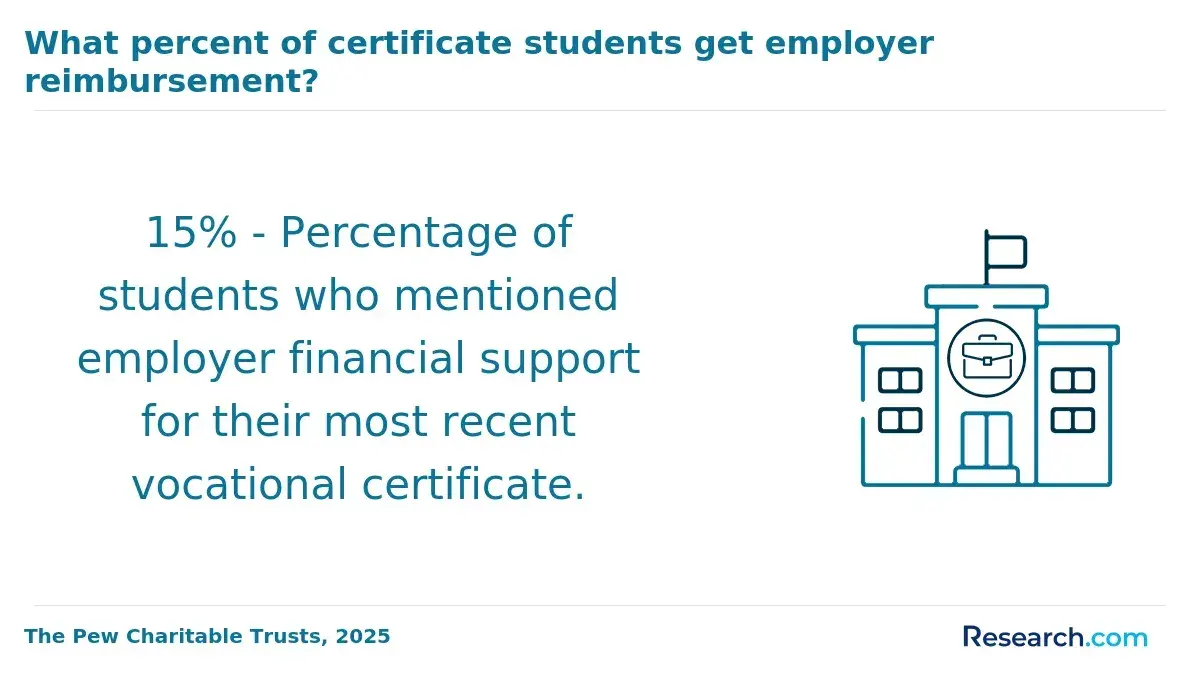
- Employer Tuition Assistance: Many healthcare employers provide tuition reimbursement or direct assistance for staff pursuing degrees relevant to their roles. Surgical tech students may qualify for partial or full coverage of tuition costs in exchange for continued employment or service commitments, thereby reducing out-of-pocket expenses.
- Enrollment Status (Full-time vs. Part-time): Certain federal grants, like Pell Grants, and scholarships require minimum enrollment levels, usually at least half-time. Full-time workers studying part-time may still qualify for aid, but award amounts could be smaller. Understanding these credit-hour requirements is essential for financial aid eligibility for online surgical tech students working full-time.
- Scholarship Opportunities: Numerous scholarships for surgical tech students are awarded based on merit, need, or organizational affiliation. These scholarships generally do not restrict applicants due to full-time work but require enrollment in accredited programs and sometimes academic or service-related criteria.
- State and Institutional Aid: Apart from federal programs, state and college-specific grants or scholarships may support healthcare students, including online learners. Residency, GPA, or degree type requirements apply, but working full-time seldom disqualifies candidates. For those seeking efficient program options, consider a 12 month doctoral program to maximize study and work balance.
Do employers support employees pursuing online surgical tech degrees in 2027?
Employer support has become crucial for full-time professionals pursuing an online surgical tech degree, as balancing work demands with academic and clinical requirements is challenging. Workplace policies that provide flexibility and financial assistance significantly impact a student's ability to succeed while maintaining job responsibilities. These factors shape how well employees can manage both roles and complete their programs.
Key ways employers either support or limit employees pursuing online surgical tech degrees include:
- Tuition Assistance: Many healthcare employers offer tuition reimbursement or scholarships to reduce education costs. This employer tuition reimbursement for online Surgical Tech programs eases financial burdens and encourages continued learning in a high-demand field.
- Flexible Schedules: Adjusting shifts, allowing reduced hours, or job-sharing enables students to attend classes and clinical rotations without compromising job performance. Such flexibility is vital for working surgical technologist students balancing multiple commitments.
- Paid Time Off for Clinicals: Since in-person clinical externships are required for certification, some employers provide paid or unpaid leave to meet these obligations, helping employees fulfill program requirements without losing income.
- Career Advancement Incentives: Organizations may offer promotions or bonuses to employees who complete surgical tech certifications, recognizing the value of skill advancement and motivating ongoing education and professional growth.
- Performance Concerns: Some employers hesitate to support education efforts due to worries about absenteeism or decreased work quality. Support may be contingent on maintaining certain performance levels, creating conditional backing that students must navigate.
Employer policies continue to evolve alongside labor shortages and online learning successes, making it easier for many adults to pursue recognized surgical tech credentials. For those interested in reputable options, programs at a top school for trade skills online offer flexible pathways to certification.
Does completing an online surgical tech degree while working full-time improve your salary?
Completing an online surgical tech degree while working full-time can lead to higher earnings, but several factors affect the outcome. The demand for surgical technologists is expected to grow 5% through 2034, with median salaries ranging approximately from $60,290 to $71,864 depending on location, certification, and specialty. Higher degrees and certifications like Certified Surgical Technologist (CST) often result in better pay, with CSTs earning hourly rates exceeding $34 in some states.
Employer views on online degrees depend largely on accreditation and program quality; however, certification and hands-on experience usually weigh more in hiring decisions. Relevant work experience, whether gained before or during the program, significantly boosts earning potential, as employers value candidates who can contribute effectively to clinical environments.
Working full-time during the online program can provide several benefits, such as increased chances for promotions, improved job security, and the ability to apply new skills immediately in the workplace. These advantages may prepare students for advanced roles like Certified Surgical First Assistant, potentially increasing annual income by over $10,000.
Compensation outcomes depend on specific industries, employer policies, and regional economic conditions. Additional pay elements such as shift differentials, overtime, and bonuses may further raise salaries for credentialed professionals balancing education with full-time employment.
What should full-time workers look for when choosing an online surgical tech program?
For busy working adults, choosing the right online surgical tech program is critical since a flexible structure directly impacts the ability to balance work, study, and clinical hours successfully. Programs that accommodate full-time schedules can make the difference between completing the credential or falling behind. Consider these essential factors when evaluating your options:
- Flexible Course Schedules: Programs offering asynchronous learning or self-paced formats provide essential adaptability for professionals with unpredictable hours. This flexibility helps avoid conflicts between work shifts and coursework deadlines.
- Clinical Externship Support: Certification often requires numerous hands-on clinical hours, so verify if the program offers assistance securing externship sites or expects students to arrange their own placements. Employer sponsorship requirements may limit access for those without hospital connections.
- Comprehensive Student Services: Robust support like 24/7 assistance, dedicated coordinators, and job placement resources can ease scheduling challenges and help navigate certification and employment processes effectively.
- Accreditation and Certification Readiness: Choose accredited programs that prepare you for recognized credentials such as TS-C or CST, ensuring your qualification meets industry standards and increases job prospects.
- Transparent Costs: Understanding total tuition, included materials, exam fees, and availability of financial aid helps in budgeting and avoids unexpected expenses during the program.
What Graduates Say About Completing an Online Surgical Tech Degree While Working Full-Time
- Sam: "Balancing a full-time job while earning my online surgical tech degree was challenging, but the flexible pacing made it manageable. The affordable tuition allowed me to invest in my future without overwhelming debt. This program not only enhanced my skills but also opened new career doors I hadn't imagined."
- Steven: "Enrolling in an online surgical tech degree while working full-time pushed me to develop better time management and self-discipline. Though the coursework was rigorous, the convenience of studying remotely helped me stay committed. Reflecting on the moderate cost, I'm grateful for an accessible path to advancing my career in healthcare. "
- Aaron: "As a busy professional, I appreciated the structured yet flexible online surgical tech degree that fit around my work schedule. The program's relatively low cost compared to traditional college made this career transition financially viable. Completing this degree has significantly elevated my position and confidence in the medical field. "
Other Things You Should Know About Surgical Tech Degrees
Balancing clinical hours with full-time work involves proactive scheduling. Many programs offer flexible clinical placement options, allowing students to complete hours during evenings or weekends. Effective time management and early communication with employers and academic advisors are also crucial in managing these commitments.
In 2027, online surgical tech programs often provide support services such as academic advising, career counseling, and technical support. Additionally, some programs may offer peer mentoring and flexible scheduling options to help students balance work and study commitments effectively.
Yes, online surgical tech students can complete their degree while working full-time in 2027 through effective time management and utilizing flexible program options. Many programs offer asynchronous coursework, allowing students to complete assignments at their convenience, thus balancing clinical hours and job responsibilities.
References
- Problems With Surgical Tech Programs Online https://preppy.org/problems-with-surgical-tech-programs-online/
- Asynchronous vs. Synchronous Learning | Brookline College https://www.brooklinecollege.edu/blog/asynchronous-vs-synchronous-learning-whats-the-difference-and-which-is-right-for-you/
- Online Surgical Technologist Program https://www.stepful.com/surgical-tech
- Surgical Technology - Balancing School, Work & Life - Cincinnati State https://www.cincinnatistate.edu/surgical-technology-balancing-school-work-and-life/
- Surgical Technologist CSN Partnership Program https://www.tmcc.edu/csn-partnerships/surgical-technologist
- Beyond the discussion board: A scoping review of asynchronous online active learning - ScienceDirect https://www.sciencedirect.com/science/article/abs/pii/S8755722325000195
- Mastering the Juggle: Time Management Tips for Online Healthcare Workers https://www.healthtechzone.com/topics/healthcare/articles/2024/08/06/460366-mastering-juggle-time-management-tips-online-healthcare-workers.htm
- Online vs Hybrid vs Campus Learning in Healthcare: Which Is Right for You? https://www.edumed.org/articles/online-vs-hybrid-vs-campus/
- Program Overview https://healthcare.seattlecentral.edu/programs/surgical-technology
- Asynchronous Technical Feedback: A Workshop for Training Surgical Instructors | MedEdPORTAL https://www.mededportal.org/doi/10.15766/mep_2374-8265.11519