2027 How to Pay for a Communication Master's Degree with Financial Aid

Co-Founder and Chief Data Scientist
Many prospective students face rising tuition costs when pursuing a Communication master's degree, making enrollment financially daunting. According to the National Center for Education Statistics, graduate tuition has increased by nearly 29% over the past decade, disproportionately affecting fields like communication where mid-career salary growth can vary widely. This financial pressure often leads applicants to delay or forgo advanced study entirely.
This article explains how to effectively utilize financial aid options tailored to Communication master's programs. It guides readers through federal aid, fellowships, employer assistance, and loan strategies to reduce debt and fund their education confidently.
Key Benefits of Knowing How to Pay for a Communication Master's Degree with Financial Aid
- Understanding financial aid options allows students to invest wisely in their professional future by accessing federal programs, institutional fellowships, and employer sponsorships tailored to communication master's degrees.
- Leveraging diverse aid sources reduces the immediate financial burden, enabling students to pursue their degree with less debt and greater peace of mind.
- Developing a comprehensive funding strategy combining scholarships, assistantships, and loan repayment plans makes achieving a communication master's degree financially realistic and sustainable long term.
What Is a Communication Master's Degree, and Why Does Funding It Matter?
Financing a communication master's degree requires careful planning due to the complexity and costs involved in advanced graduate study. This section outlines essential points to consider when managing the financial requirements of this degree. Key details include:
- Degree Scope and Requirements: A communication master's degree typically involves in-depth coursework across media theory, interpersonal and organizational communication, as well as research methodologies. Programs generally last one to two years full-time, culminating in projects like a thesis or capstone.
- Academic Rigor and Skill Development: Students develop critical skills in areas such as public speaking, conflict resolution, and digital media through rigorous academic training that demands both intellectual and time commitments.
- Financial Considerations: Tuition often ranges from $20,000 to $40,000 annually at public universities with private institutions charging higher, creating significant financial challenges. Living expenses add to the overall burden, emphasizing the importance of financial aid.
- Graduate Student Debt Trends: Approximately 56% of graduate students finance their studies with loans, accumulating an average debt exceeding $66,000, highlighting the need for strategic funding plans.
- Variety of Funding Sources: Financial aid options include federal loans and grants, institutional fellowships, graduate assistantships, employer-sponsored programs, and scholarships from professional associations. Recognizing these options empowers students to build a robust funding strategy.
By understanding these financial dimensions, prospective students pursuing a communication master's degree benefits and career opportunities can approach their funding search with confidence.
Graduate applicants should actively explore diverse aid avenues, including comprehensive resources available through FAFSA and consider combining support mechanisms. Some may also research related fields via programs such as online speech pathology programs masters for complementary career insights.
What Types of Financial Aid Are Available for Communication Master's Students?
Prospective communication master's degree students face a complex landscape when exploring financial aid options to fund their studies. Successfully navigating this terrain requires knowledge of the various funding sources available to communication graduate students. Below is an outline of the key categories of financial aid relevant to communication master's programs.
- Grants: Grants are funds that do not require repayment and are often awarded based on financial need. While more frequently offered at the undergraduate level, certain federal and institutional grants may be accessible to communication master's students to help reduce tuition expenses.
- Scholarships: Scholarships are merit-based awards that recognize academic excellence, leadership, or specialized skills in communication. Many universities and professional organizations provide communication-specific scholarships that do not need to be repaid, offering valuable financial relief for graduate students.
- Fellowships: These competitive awards supply financial support, sometimes including stipends, to communication graduate students engaged in advanced study or research. Fellowships typically require maintaining strong academic progress but often allow recipients to focus more on their studies than on work obligations.
- Assistantships: Graduate assistantships frequently combine tuition waivers with stipends in exchange for teaching, research, or administrative duties within communication departments. These positions offer professional experience but require balancing work responsibilities alongside academic commitments.
- Loans: Federal and private loans must be repaid with interest. Graduate students typically apply for federal direct unsubsidized loans and Grad PLUS loans through the FAFSA. Understanding loan repayment plans, such as income-driven options and forgiveness programs, is crucial for managing future debt. Communication students may find it helpful to explore funding at cheap online colleges that accept FAFSA as part of their overall financing strategy.
- Work-Study Programs: Work-study opportunities enable students to earn money through part-time employment, often on or near campus. Although less common for graduate students, some communication students secure federally or institutionally funded positions related to their academic field, assisting with educational expenses.
Graduate financial aid options for communication students often differ from general graduate aid due to the specific career pathways and skillsets involved. To optimize funding, pursuing multiple aid types simultaneously, such as combining scholarships, assistantships, and loans thoughtfully, can minimize out-of-pocket costs and debt.
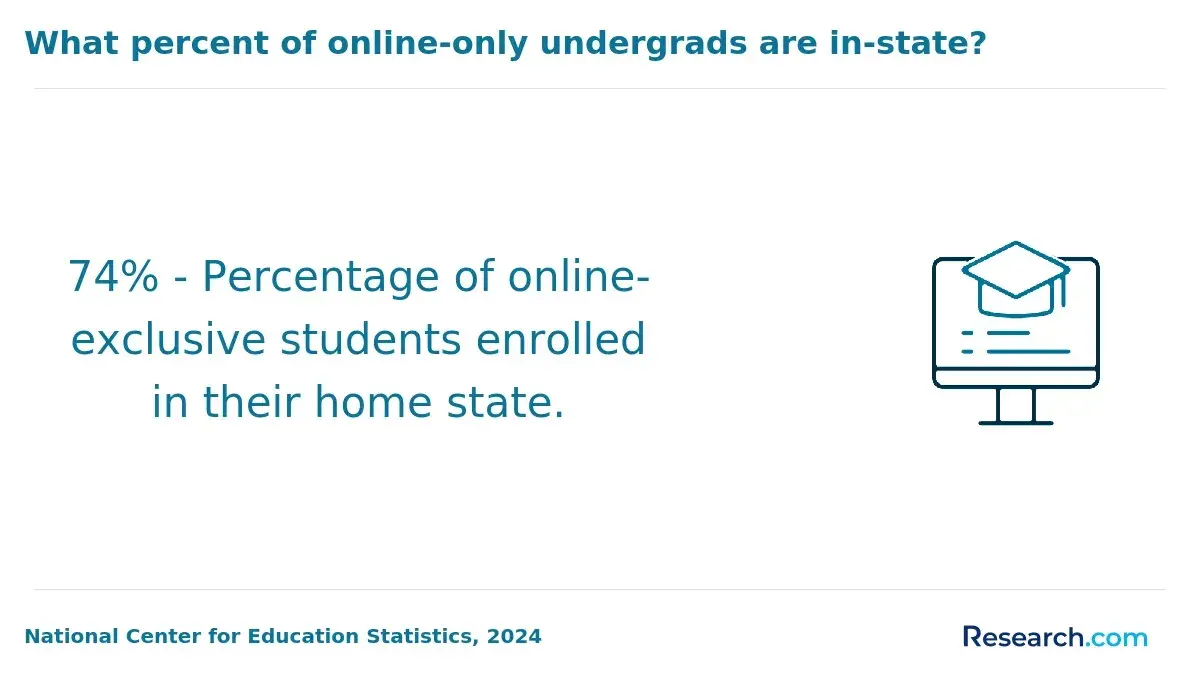
How Does the FAFSA Process Work for Communication Graduate Students?
For those pursuing a master's degree in communication, understanding the FAFSA process is crucial for accessing federal financial aid. This application primarily enables graduate students to obtain federal loans and work-study positions. Below are important aspects to keep in mind when completing the FAFSA for graduate communication studies.
- Graduate Student Independence: Communication graduate students are treated as independent applicants, which means only your personal financial details are required on the FAFSA, simplifying the reporting compared to undergraduate applications.
- Limited Grant Eligibility: Unlike undergraduate students, most federal grants are not available to graduate students. FAFSA chiefly serves as a pathway to federal Direct Unsubsidized Loans, Grad PLUS Loans, and specific work-study options for graduates.
- Early Filing Advantage: FAFSA becomes available every October 1. Submitting promptly can improve chances of receiving aid, especially from states or institutions with first-come, first-served policies.
- Variable Deadlines: Federal deadlines differ from those set by states or universities. It's important to review all relevant deadlines to ensure your application is timely and fully considered.
- Graduate Aid Usage Trends: Recent data from the National Postsecondary Student Aid Study (2023) reveals that over 65% of graduate students depend on federal loans accessed through FAFSA, underscoring the process's significance for communication master's candidates.
A professional who enrolled in a communication master's program shared that navigating the FAFSA felt daunting at first, especially balancing deadlines with other application requirements. He recalled, "It wasn't just the paperwork but understanding which loans I qualified for and what I'd need to repay later." His persistence in submitting early helped avoid last-minute stress, and he valued having clear guidance on dependent status and loan options. He emphasized that gaining confidence in the process was key to managing financial concerns while focusing on his studies and career goals.
replaced chart sources from compe
What Federal Loans Are Available for Financing a Communication Master's Degree?
Federal student loans remain a vital option for financing a communication master's degree after grants and scholarships. Prospective students should carefully evaluate their federal loan choices and repayment obligations before borrowing. Key considerations include the following:
- Direct Unsubsidized Loans: Available to all graduate students regardless of financial need, these loans have fixed interest rates higher than undergraduate loans and allow borrowing up to $20,500 annually. Interest begins accruing immediately, increasing the total repayment amount compared to subsidized undergraduate loans.
- Graduate PLUS Loans: Designed to cover remaining education costs beyond the Direct Unsubsidized Loan limit, Graduate PLUS Loans carry higher interest rates and require a credit check. Borrowers should be aware of origination fees and stricter eligibility criteria.
- Loan Disbursement Timing: Funds are usually released at the start of each semester and sent directly to the institution. Disbursement amounts depend on enrollment status, so planning is necessary to align funds with tuition deadlines.
- Budgeting Borrowing Amounts: Students should realistically calculate the total needed for tuition, fees, and living expenses, factoring in all income sources and scholarships. Over-borrowing can lead to long-term financial challenges and should be avoided.
- Repayment Options and Strategy: Graduate federal loans offer multiple repayment plans, including income-driven options to tailor payments based on earnings. Unlike undergraduate loans, interest is never subsidized, so understanding these terms is essential for managing loan repayment responsibly.
Graduate applicants aiming to minimize debt can also explore a variety of funding choices, such as fellowships, assistantships, and employer support, to complement federal aid. For more information on affordable options for graduate studies, consider resources like business degree online programs that offer cost-effective pathways. Navigating federal student loans for communication master's degree programs requires strategic planning to balance finances and educational goals efficiently.
What Scholarships and Fellowships Exist Specifically for Communication Master's Students?
Prospective communication master's students can significantly reduce their educational expenses by targeting specific scholarships and fellowships tailored to their field. These financial aids often come from professional groups, academic foundations, and government initiatives. Below are essential considerations for locating and applying for such awards.
- Distinguishing Scholarships and Fellowships: Scholarships are typically awarded based on merit or financial need and do not require repayment. Fellowships, on the other hand, usually involve commitments like research projects or teaching responsibilities during the degree program.
- Application Requirements: Scholarship applications frequently ask for transcripts and personal statements, whereas fellowships often demand detailed research proposals or project plans. It's crucial to align the application materials with the specific award's criteria.
- Early Deadlines: Funding opportunities related to communication studies often have application deadlines that occur well before the university's financial aid cutoff, making timely research and submission a priority.
- Specialized Resources: Utilizing databases focused on communication and consulting organizations such as the National Communication Association can expose lesser-known scholarships and fellowships not available through mainstream platforms.
- Multiple Funding Streams: Students are encouraged to combine national, regional, and institution-based awards to maximize financial support and reduce reliance on loans.
A professional who completed a communication master's recalled the initial overwhelm when searching for funding. She shared, "The hardest part was discovering which scholarships aligned truly with my focus area." She emphasized how joining a communication association early helped her find fellowships that perfectly matched her research interests.
"These awards not only eased financial stress but also connected me to mentors and peers," she reflected. Her experience highlights how strategic exploration and early engagement with discipline-specific resources can create a strong foundation for both funding and career growth.
How Can Graduate Assistantships Help Pay for a Communication Master's Degree?
Graduate assistantships play a crucial role for prospective communication master's degree students seeking to lower educational expenses. They offer a mix of financial support options that can ease the burden of tuition and everyday costs. The following points highlight the main aspects of these opportunities.
- Types of Assistantships: Teaching assistantships involve supporting faculty through leading discussions or grading, research assistantships focus on aiding scholarly projects, and administrative assistantships handle organizational duties within the department. Each provides financial relief by offsetting some tuition and living expenses.
- Awarding Process: Rather than coming from the university's financial aid office, assistantships are usually granted by academic departments. Applicants should reach out directly to communication program directors early in the application cycle to learn about available positions.
- Financial Value: Most assistantships include a stipend to assist with living costs and often offer full or partial tuition waivers. This combined compensation frequently makes them among the most comprehensive funding sources for graduate students.
- Time Commitment Considerations: These roles typically require between 10 and 20 hours per week, which can affect the pace of degree completion. Students must balance these demands against the financial benefits when deciding whether to pursue an assistantship.
- Recent Trends: Nearly 30% of communication graduate students receive assistantships, demonstrating their prevalence and significance within graduate funding strategies.
Are There Employer Tuition Reimbursement Options for Communication Master's Programs?
Working professionals pursuing a communication master's degree can significantly reduce their educational expenses by utilizing employer tuition assistance programs. These programs often represent an excellent financial resource when combined with other funding options. Below are key points to consider when seeking employer-sponsored tuition reimbursement.
- IRS Section 127 Benefits: Employers may provide up to $5,250 annually in tax-free tuition assistance under IRS Section 127. This allows your employer to contribute toward your communication master's degree without adding to your taxable income.
- Employment Commitment Requirements: Many companies require employees to stay with the organization for a specific period after degree completion. Review any contractual obligations carefully to avoid unexpected repayment or penalties.
- Aligning Degree with Job Role: When requesting tuition assistance, submit a formal proposal to HR that clearly explains how your communication master's degree enhances your current responsibilities and benefits the company's objectives. Demonstrating this connection improves your chances of approval.
- Review Employee Benefits Package Thoroughly: Tuition reimbursement offerings vary significantly across employers. Consult your benefits documentation or speak directly with HR representatives to understand eligibility criteria, reimbursement limits, and application procedures.
- Professional Trends: Recent reports from the Society for Human Resource Management indicate that approximately 60% of U.S. employers now offer some form of tuition assistance, reflecting broader support for employee education.
What State-Based Financial Aid Opportunities Exist for Communication Graduate Students?
State financial aid programs for communication graduate students can significantly offset the cost of earning a master's degree by providing targeted funding through various grants, scholarships, and loan forgiveness initiatives. These programs often prioritize in-state enrollment and specific career commitments. Below are key types of state aid that prospective students should consider when planning their financing strategy.
- Residency-Based Grants and Scholarships: Many states offer grants and scholarships exclusively for residents attending accredited in-state institutions. Eligibility usually requires proof of residency and enrollment in a communication master's degree scholarships by state.
- Loan Forgiveness Programs: Some states provide loan repayment assistance for graduates who work in high-need areas or underserved regions, especially in fields related to community outreach, public relations, or education. These are valuable options for communication students pursuing public service careers.
- Tuition Equity Initiatives: Certain states extend aid to undocumented students or those without permanent residency, enabling broader access to graduate programs through tuition equity laws.
- Workforce Development Incentives: State agencies sometimes create incentives for careers in emerging communication-related fields such as media, public health communication, and public relations to strengthen local workforce talent pipelines.
- Application Timing and Funding Limits: State funding is often competitive and limited, so early application and researching state higher education websites are essential steps to maximize aid availability.
According to the National Association of State Student Grant and Aid Programs, over 80% of states increased their higher education funding budgets recently, reflecting growing support for graduate students. For those exploring various graduate funding options, understanding state aid complements federal and institutional sources. Some may also consider alternative programs such as employer tuition assistance or fellowships.
Prospective students should also explore specialized graduate programs such as the easiest MSW online program, which can provide flexibility alongside financial aid opportunities.
How Do Institutional Grants and University Fellowships Factor Into Communication Funding?
Prospective communication master's degree students should recognize the important role institutional grants and university fellowships play in funding their education. These awards can substantially reduce your costs and improve your ability to finance graduate studies. Consider the following key points about institutional funding opportunities available to communication graduate students.
- Merit-Based and Need-Based Funding: Many universities and graduate schools offer financial support such as tuition remission or partial grants to attract high-quality communication master's candidates. These awards are often based on academic achievements, professional experience, or financial need and are designed to lower your tuition burden.
- Departmental Fellowships: Some funding comes directly from the communication department or graduate school rather than the central financial aid office. These fellowships typically reward research potential or leadership qualities and may have unique application requirements.
- Distinguishing Funding Sources: It is essential to distinguish between institutional grants managed by the university's financial aid office and those administered by specific academic programs. Each source has separate deadlines, eligibility criteria, and application protocols that should be carefully followed.
- Direct Inquiries to Admissions: Reaching out proactively to admissions contacts or program coordinators can uncover school-specific institutional funding options that may not be widely advertised, ensuring you maximize available support.
- Comparing Institutional Aid Packages: Applying to multiple programs and reviewing their awards allows you to compare funding offers strategically. This approach helps minimize out-of-pocket expenses and optimize the overall financial aid package for your communication master's degree.
In addition to institutional aid, graduate students should explore federal aid through FAFSA and consider combining multiple funding sources, including assistantships and scholarships, to reduce debt. For those interested in technology fields, exploring a well-regarded cyber security degree may present similar funding opportunities. Leveraging all available financial resources can provide a more affordable path to graduate education in communication and related disciplines.
What Role Do Professional Associations Play in Funding a Communication Master's Degree?
For students pursuing a master's degree in communication, professional associations provide valuable funding opportunities that extend beyond traditional financial aid. These organizations offer multiple forms of financial support tailored specifically to graduate students. Key benefits include the following:
- Scholarships and Grants: Many communication-focused associations award scholarships based on academic merit, leadership skills, or research promise. These awards often require active membership and help offset tuition and related expenses.
- Travel Grants: Associations frequently offer funding to cover travel costs for presenting research or attending conferences, which are essential for networking and professional growth.
- Research Funding: Some groups provide stipends or grants to support graduate-level research projects, offering both financial aid and professional validation.
- Mentorship Stipends: Graduate members may qualify for stipends tied to mentorship programs or professional development activities that enhance both skills and financial resources.
- Membership and Application Strategy: Joining relevant organizations early is crucial since many awards require membership. Applying well ahead of deadlines and submitting a focused, persuasive personal statement related to the communication discipline increases the likelihood of success.
How Can Income-Driven Repayment and Loan Forgiveness Programs Apply to Communication Graduates?
Managing federal student loan repayment is a crucial step for communication master's degree graduates aiming to reduce financial stress while building their careers. Several income-driven repayment (IDR) options and loan forgiveness programs exist to help align payments with income. Below are important aspects tailored to communication professionals navigating these federal plans.
- Income-Driven Repayment Plans: Programs such as SAVE, IBR, PAYE, and ICR set monthly payments based on your income and family size, offering flexibility for communication graduates whose earnings might fluctuate across various sectors including media, nonprofit, or academia.
- Public Service Loan Forgiveness (PSLF): Full-time work in qualifying public service roles-like government agencies, nonprofit organizations, or educational institutions-can make graduates eligible for PSLF. After 120 qualifying payments under an IDR plan, the remaining federal loan balance may be forgiven, providing significant financial relief without tax penalties.
- Eligible Communication Careers: Positions in government communication offices, nonprofit advocacy, public relations within education, and academic research often qualify for PSLF. It is essential to confirm employer eligibility to ensure payments count toward forgiveness.
- Private Loan Exclusions: Private student loans do not qualify for IDR or PSLF benefits. Prospective borrowers should prioritize federal loans to maintain access to these programs and limit private debt burdens.
- Repayment Planning Resources: Utilizing the Federal Student Aid website and consulting with financial counselors helps to forecast repayment based on expected income in communication fields, aiding in selecting suitable repayment strategies and understanding forgiveness timelines.
What Graduates Say About Paying for a Communication Master's Degree with Financial Aid
- Jane: "I chose to pursue a communication master's degree primarily because I wanted to deepen my understanding of media strategies and enhance my leadership skills in the digital age. While the program was a significant financial investment, the value I gained far outweighed the cost. This degree opened doors to new professional opportunities and helped me transition smoothly into a managerial role within my company."
- Ishi: "Reflecting on my decision to earn a communication master's degree, I can say it was driven by a desire to refine my public speaking and organizational skills. The tuition was on the higher end, but scholarships and financial aid made it manageable. Professionally, the degree gave me a competitive edge, allowing me to contribute more effectively in cross-functional teams and advance my career steadily."
- Nitu: "My motivation for getting a communication master's degree was to establish a strong foundation in interpersonal and corporate communication, which is crucial in my field. Although I was cautious about the cost, I considered it a worthwhile investment toward career advancement. Since graduating, I've noticed substantial growth in my network and professional credibility, which has directly impacted my success."
Other Things You Should Know About Communication Degrees
Crowdfunding and peer-to-peer lending platforms present viable alternatives for financing a communication master's degree, especially when traditional financial aid falls short. Students can create campaigns to raise funds from friends, family, and communities who support their educational goals. Peer-to-peer loans often come with lower interest rates and flexible repayment options, making these options attractive for self-directed financing.
Effective financial planning for a communication master's degree involves budgeting for tuition, living expenses, and related costs well in advance. Students should explore combining federal aid, scholarships specific to communication fields, employer sponsorships, and assistantships. Comparing program costs, choosing part-time or online options, and using income-driven repayment plans after graduation can also manage long-term debt efficiently.
References
- Some student loan borrowers pay 'more than necessary,' advisor says. What to know about relief programs https://www.cnbc.com/2025/12/14/student-loan-borrowers-forgiveness-idr-plans.html
- How Communication About Financial Aid Can Improve Enrollment https://aperturecm.com/communication-financial-aid-options-improve-enrollment
- Completing the FAFSA for Graduate School - ELFI https://www.elfi.com/completing-the-fafsa-for-graduate-school/
- Digital Media and Communications (Online) MA https://www.tees.ac.uk/postgraduate_courses/media_&_journalism/ma_digital_media_and_communications_(online).cfm
- What can you do with a master's in communication? | edX https://www.edx.org/resources/what-can-you-do-with-a-masters-in-communication
- 2034+ Masters Scholarships in Journalism, Media And Mass Communication globally 2026-27 [Updated] https://www.wemakescholars.com/masters-scholarships-in-journalism-and-mass-communication-to-study-abroad
- Income-Based Repayment and Loan Forgiveness: Implications on Student Loan Debt https://www.financialplanningassociation.org/article/journal/APR15-income-based-repayment-and-loan-forgiveness-implications-student-loan-debt
- Graduate Scholarships and Resources for Communications Students https://www.onlinemastersdegrees.org/student-resources/communications/
- Income-Driven Repayment Plan Loan Forgiveness - Student Loan Borrowers Assistance https://studentloanborrowerassistance.org/for-borrowers/dealing-with-student-loan-debt/loan-cancellation-forgiveness-bankruptcy/cancellation-forgiveness-options/idr-cancellation/
- Private Graduate Student Loans - Finaid https://finaid.org/loans/graduate-student-loans/