
2027 How to Verify Accreditation for Educational Technology Degree Programs

Co-Founder and Chief Data Scientist
Prospective students often face uncertainty when choosing an educational technology degree program due to unverified accreditation claims. Without accredited status, graduates risk ineligibility for federal financial aid and diminished employment prospects. Recent studies show that nearly 30% of educational technology graduates encounter job placement challenges linked to attending nonaccredited institutions.
Confirming accreditation assures academic credibility and aligns with employer and licensure standards. This article will guide readers through verifying accreditation for educational technology degree programs, offering clear steps and resources to ensure their investment supports meaningful career advancement and meets regulatory requirements.
Key Benefits of Accredited Educational Technology Degree Programs
- Accreditation confirms academic quality assurance, ensuring degree programs meet rigorous standards and effectively prepare students for current educational technology challenges.
- Only accredited programs qualify students for federal financial aid, increasing affordability and access to educational technology degrees amid rising tuition costs.
- Employers and licensure boards often recognize only accredited programs, enhancing graduates' job prospects and eligibility for professional certifications in educational technology.
What Does Accreditation Mean for Educational Technology Degree Programs?
Accreditation is a formal evaluation process that ensures higher education institutions and their programs meet established academic standards, typically overseen by regional or national agencies recognized by the U.S. Department of Education or the Council for Higher Education Accreditation (CHEA). This process is essential when assessing educational technology degree program accreditation benefits, as it verifies quality factors such as curriculum rigor, faculty qualifications, institutional resources, and student support services.
More than 90% of students enroll in accredited programs, reflecting the significant trust placed on accredited education within the educational community. Choosing accredited programs signals that a curriculum is thoroughly vetted and continually improved to meet industry and academic requirements.
For students, accreditation impacts educational technology program quality by assuring a reliable academic environment led by qualified faculty and supported by adequate resources. This fosters skill development aligned with the evolving demands of the field.
Accreditation confirms that a degree holds academic credibility and is widely recognized, helping students select programs that align with their professional goals. Prospective learners exploring pathways such as an artificial intelligence degree online should also prioritize accredited programs to ensure similar standards of academic integrity and outcomes.
What Types of Accreditation Should a Educational Technology Degree Program Have?
Confirming the accreditation of an educational technology degree program is essential for gauging the program's quality and legitimacy, as well as ensuring eligibility for financial aid and academic credit transfer. Different accreditation types play distinct roles in validating academic standards and professional readiness.
The key types to consider include:
- Institutional Accreditation: This evaluates the entire college or university, verifying that overall academic quality, resources, and governance meet established criteria. Institutional accreditation heavily influences credit transferability between schools and qualifies students for federal financial aid programs.
- Programmatic Accreditation: Also known as specialized accreditation, this focuses directly on the educational technology program itself. It assesses curriculum relevance, faculty expertise, and student outcomes to ensure the program meets industry standards and prepares students for professional roles.
- Regional vs. National Accreditation: Regional accreditation, often regarded as more prestigious in the U.S., typically applies to nonprofit and degree-granting institutions and impacts employer recognition and graduate school acceptance. In contrast, national recognized accrediting agencies for educational technology degree programs generally accredit for-profit or vocational schools and may limit credit transfers.
- Licensure and Professional Practice Accreditation: Programs aligned with certification or licensure requirements may have additional accreditation tied to state or national standards. This ensures graduates are adequately prepared for certification exams and employment in relevant educational technology fields.
Students researching programs might also explore options related to an accelerated psychology bachelors degree online to complement their educational technology studies or career paths.
How Can You Verify If a Educational Technology Degree Program Is Accredited?
Confirming a program's accreditation is vital to guarantee educational quality, access to federal financial aid, and positive career or licensure prospects. Ensuring a degree comes from a legitimate source can prevent costly mistakes in time and resources.
Here are key methods to verify accredited educational technology degree programs verification process:
- U.S. Department of Education Database: Use the official U.S. Department of Education website to search for accredited schools and programs. This database lists authorized accrediting agencies and helps students quickly identify legitimate institutions offering educational technology degrees.
- Council for Higher Education Accreditation (CHEA): Visit CHEA's site for a comprehensive registry of recognized accreditors and their accredited institutions. CHEA's independent validation ensures the quality of the accrediting organizations themselves.
- School Verification: Reach out directly to the admissions or registrar's office of the educational technology program to request official documentation or a link confirming current accreditation status, including details about the accrediting body and the accreditation timeframe.
- Specialized Accreditation Checks: Some programs may have additional programmatic accreditation beyond institutional approval. Confirm whether the educational technology degree holds such specific accreditation from relevant education or technology agencies, reflecting focused quality assurance.
- Additional Resources: For broader context and comparison, prospective students might explore resources like accredited marriage and family therapy programs online, showcasing how rigorous accreditation verification supports academic and professional success.
What Red Flags Indicate a Educational Technology Program May Not Be Accredited?
Identifying warning signs of unaccredited educational technology programs is essential to safeguard academic integrity, qualify for financial aid, and secure future career opportunities. Below are key indicators to watch for when assessing a program's legitimacy.
- Claims of "Lifetime" Accreditation: Genuine accreditation requires periodic review and renewal by reputable organizations. Assertions of permanent or "lifetime" accreditation often indicate questionable practices or affiliation with unrecognized agencies.
- Unrecognized Accrediting Bodies: Legitimate programs clearly state their accreditor, typically one acknowledged by the U.S. Department of Education or the Council for Higher Education Accreditation. If a program references an unfamiliar or unofficial accreditor, its validity is doubtful.
- Exceptionally Low Tuition: While affordability matters, tuition fees that are considerably lower than typical standards may reflect compromised academic quality or failure to meet criteria necessary for federal financial aid.
- Vague or Misleading Descriptions: Programs that evade clear disclosure of accreditation status or use ambiguous language should raise suspicion. Transparent programs encourage independent verification of their credentials.
Students should verify accreditation through official USDE or CHEA resources and confirm status directly with institutions to avoid investing in degrees that lack employer recognition or eligibility for licensure and advanced study.
Are Online Educational Technology Degree Programs Accredited?
Online educational technology degree programs can indeed be accredited, which is essential for maintaining high academic standards and ensuring that institutions meet rigorous criteria for instructional quality, learning outcomes, and institutional oversight. Accreditation also plays a critical role in a student's eligibility for federal financial aid and the acceptance of degrees by employers and licensing agencies.
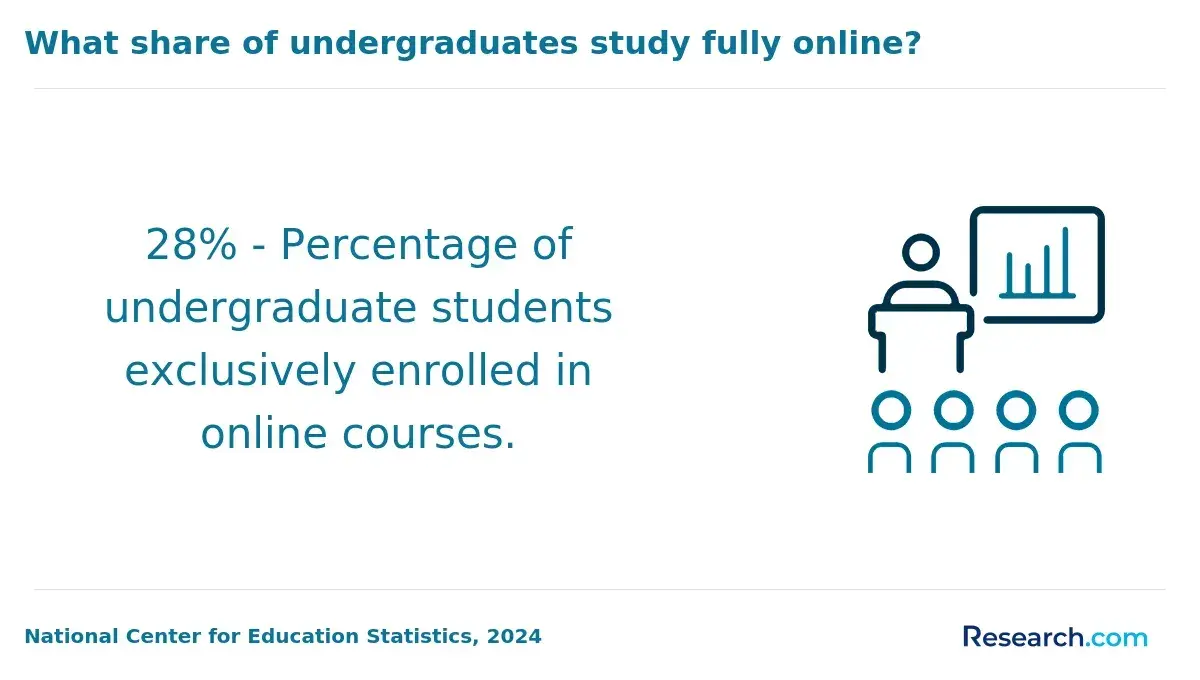
Data from the National Center for Education Statistics reveals that more than 75% of students enrolled in online courses choose accredited programs, underscoring the importance and prevalence of recognized accreditation in the digital learning space. The same stringent standards used to assess campus-based programs apply equally to online degrees, guaranteeing students a consistent level of academic rigor regardless of the learning format.
When asked about his experience, a graduate of an online educational technology degree program shared that navigating the balance between work, personal life, and coursework was initially overwhelming but ultimately rewarding. He noted, "It was challenging to stay motivated without a physical classroom environment, but the program's structure and instructor support helped me stay on track."
He also emphasized that earning an accredited degree significantly boosted his confidence when applying for roles, knowing that employers recognized the program's credibility. "That recognition made a real difference in my career progression," he added, reflecting on how accreditation influenced both his academic journey and professional opportunities.
Does Accreditation Affect Licensure Eligibility for Educational Technology Careers?
Accreditation is a crucial factor for students pursuing licensure or regulated careers in educational technology, as it often determines eligibility for certification and professional advancement. The following points highlight how accreditation influences licensure and career opportunities in this field.
- Licensure Exam Eligibility: Many states and licensing agencies require candidates to graduate from accredited programs before allowing them to sit for professional licensure exams. This ensures candidates have met established academic standards necessary for competent practice.
- State and Regional Licensing Requirements: Licensing boards commonly mandate completion of accredited degree programs to verify the quality and rigor of education, which is vital for grant of licenses within specific jurisdictions.
- Employer and Regulatory Recognition: Degrees from accredited institutions typically carry more weight with employers and regulatory bodies, signaling consistent educational quality and preparedness for professional responsibilities.
- Limitations of Non-Accredited Programs: Graduates from programs without proper accreditation may face barriers such as ineligibility for licensure exams, difficulty transferring credits, limited access to federal financial aid, and reduced job market recognition.
Confirming the accreditation status of educational technology programs helps ensure that students can meet licensure criteria, access financial support, and advance their careers without unnecessary restrictions.
Will Credits From an Accredited Educational Technology Program Transfer to Another School?
Credits earned from an accredited educational technology program are important for students who may transfer schools, pursue advanced degrees, or relocate, as they want to ensure their prior coursework is recognized. Several essential factors influence whether these credits transfer successfully.
Here are the primary considerations:
- Institutional Accreditation Type: Credits from regionally accredited institutions generally transfer more easily than those from nationally accredited schools since regional accreditation is widely accepted and trusted across most universities.
- Course Equivalency and Curriculum Alignment: The institution receiving the credits will assess how closely completed courses match its own curriculum in terms of content and academic rigor. Greater alignment increases the likelihood of acceptance.
- Receiving School Transfer Policies: Each college or university sets its own rules about transfer credits, including how many credits are accepted and how they apply to specific degree requirements, which may limit credit recognition.
- Limits on Transfer Credits: Some institutions impose caps on the number or percentage of credits that can be transferred toward a degree, potentially restricting the number of credits applied from an educational technology program.
An educational technology program graduate shared her experience with credit transfer challenges and insights. She explained that while her initial hope was to transfer most of her credits, the receiving school required detailed course descriptions and syllabi before deciding. "It was a bit nerve-wracking waiting," she said, reflecting on the process.
Ultimately, some credits transferred smoothly, but others had to be retaken due to curriculum differences. She emphasized the value of proactive communication with advisors and thoroughly researching transfer policies early on, noting, "Understanding the nuances made all the difference in planning my academic path without unnecessary delays or expenses."
This real-world example highlights how navigating credit transfer can be complex but manageable with careful preparation.
Does a Educational Technology Program Need Accreditation to Qualify for Financial Aid?
Accreditation is a crucial factor impacting federal, state, and institutional financial aid eligibility for students pursuing educational technology programs. About 85% of students receiving federal aid attend accredited programs, highlighting its significance.
Key considerations revolve around how accreditation affects various aid sources and student costs.
- Federal Aid Eligibility: Only programs accredited by agencies recognized by the U.S. Department of Education qualify students for Title IV federal aid such as Pell Grants and Direct Loans. Without accreditation, students generally cannot access these critical funding options.
- State and Military Benefits: Many states mandate enrollment in accredited programs to qualify for state grants. Military service members and veterans also depend on accreditation to use education benefits like the GI Bill, ensuring support through their educational journey.
- Institutional Scholarships: Colleges and universities often require accreditation to award merit-based scholarships and grants. This status serves as proof of program quality, helping reduce out-of-pocket expenses for students.
- Investment Protection: Verifying accreditation safeguards students by maintaining access to diverse aid options, reducing financial risk, and supporting career and licensure prospects post-graduation.
How Does Program Accreditation Influence Employability in Educational Technology Fields?
Accreditation is a critical factor for students pursuing careers in educational technology, directly impacting their job prospects and professional reputation. Data from the National Center for Education Statistics shows that graduates from accredited programs enjoy an employment rate nearly 15% higher than those from non-accredited ones. This advantage underscores how accreditation influences career outcomes.
The following points highlight key ways accreditation affects employability in this field.
- Employer Recognition: Accreditation signals academic rigor and program legitimacy to hiring managers, increasing confidence in a candidate's preparation. Many employers specifically seek graduates from accredited educational technology degrees for the assurance of quality and relevant skills.
- Professional Credibility: Completing an accredited program enhances a graduate's standing among peers and supervisors by validating their expertise. This professional credibility often leads to better job placements and advancement opportunities within educational technology careers.
- Certification Eligibility: Accreditation often determines access to advanced certifications and licensure required for career progression. Many certification bodies mandate completion of an accredited curriculum to maintain consistent standards across the industry.
- Job Market Competitiveness: Accreditation differentiates candidates in a crowded job market, helping graduates stand out when applying for roles in schools, corporations, or government agencies focused on technology-driven learning solutions. Those with an accredited degree frequently have an edge in securing coveted positions.
For prospective students seeking affordable options, programs labeled as the cheapest online EdD often emphasize accreditation to ensure both cost-effectiveness and quality. Choosing an accredited educational technology degree is key to maximizing benefits such as job placement and eligibility for financial aid.
Do Graduates From Accredited Educational Technology Programs Earn Higher Salaries?
Accreditation can significantly influence the earnings potential of graduates from educational technology programs because it validates the quality and rigor of the academic experience. Data indicates that graduates from accredited educational technology programs earn average salaries between $60,000 and $75,000 annually, whereas those from non-accredited programs typically earn from $45,000 to $55,000.
Several key factors explain this disparity.
- Employer Preference: Many employers favor candidates with degrees from accredited programs as these credentials reflect verified standards of education and relevant skills, increasing hiring prospects.
- Higher-Level Positions: Graduates with accredited degrees are more likely to qualify for leadership or specialized roles that offer greater compensation due to the advanced knowledge and training acquired.
- Industry Recognition: Accreditation serves as an endorsement acknowledged by professional organizations and industry bodies, enhancing job opportunities and overall salary potential.
- Long-Term Career Growth: Holding an accredited credential often provides a stronger foundation for further education and certification, supporting sustained salary increases and career advancement over time.
Prospective students searching for reliable pathways to boost their salary potential should carefully consider accreditation status before enrolling. Choosing accredited programs can also affect eligibility for financial aid and licensure requirements, making it worthwhile to explore options through resources like cheapest online colleges that accept FAFSA.
This factor relates directly to the impact of accreditation on educational technology degree earnings and long-term career success.
What Graduates Say About Their Accredited Educational Technology Degree
- Alison: "Enrolling in an accredited educational technology degree opened my eyes to the crucial role accreditation plays in ensuring program quality and recognition. I carefully checked the accrediting body's official website to confirm the program's status before applying, which gave me confidence in the value of my investment. Completing the accredited degree has truly accelerated my career growth, giving me credibility in the field and opening doors to leadership roles. "
- Joanne: "I reflect often on how important it was to verify the accreditation of my educational technology program before committing to it. I researched the specific accrediting agencies and cross-referenced their listings to ensure authenticity, which felt like a necessary step toward professional integrity. Finishing the accredited program has enhanced my job prospects and provided me with a solid foundation of knowledge that continues to influence my work in instructional design."
- Rhea: "From a professional standpoint, understanding accreditation transformed how I approached my educational technology studies. I meticulously validated the program's accreditation status through official channels to avoid any doubts about its legitimacy. This diligence paid off profoundly, as holding an accredited degree has boosted my network opportunities and described me as a qualified expert in educational technology. "
Other Things You Should Know About Educational Technology Degrees
In 2027, to verify the accreditation of an educational technology degree program, check the U.S. Department of Education’s Database of Accredited Postsecondary Institutions and Programs or the Council for Higher Education Accreditation’s website. Ensure the program is recognized by an accrediting agency approved by these bodies.
In 2027, verifying accreditation involves checking the U.S. Department of Education's database of accredited programs and schools, confirming the program's listing, and reviewing accrediting agencies recognized by the Council for Higher Education Accreditation (CHEA) to ensure the program's credibility.
Programmatic accreditation, which targets specific departments or disciplines within an institution, is crucial for educational technology programs offering specialized certifications. It ensures the curriculum aligns with industry standards and prepares students for particular career paths. Without this accreditation, certain certifications may not be recognized by employers or professional organizations.
References
- How to Check if a Graduate Program is Accredited (and Why This Matters) | ProFellow https://www.profellow.com/tips/how-to-check-if-a-graduate-program-is-accredited-and-why-this-matters/
- How Accreditation Impacts Student Success and Employability https://ukeducationbridge.co.uk/how-accreditation-impacts-student-success-and-employability/
- Eligible educational institution | Internal Revenue Service https://www.irs.gov/credits-deductions/individuals/eligible-educational-institution
- 7 Unlocking Epic Accreditation Benefits for Your Success! https://www.actd.us/accreditation-benefits/
- Academic accreditation https://www.theiet.org/career/accreditation/academic-accreditation
- Verifying Accreditation for Online Degree Programs - Higher Ed Guide https://higheredme.com/verifying-accreditation-online-degree-programs-and-status-checks/
- Accreditation processes for technical programs https://edquip.co/blog/accreditation-processes-for-technical-programs
- The Importance of Accreditation for EdTech Companies: Ensuring Quality and Trust https://www.qahe.org/article/the-importance-of-accreditation-for-edtech-companies-ensuring-quality-and-trust/


