2027 Industries Hiring Graduates With an Agriculture Degree

Co-Founder and Chief Data Scientist
Where can graduates with an agriculture degree find rewarding career opportunities? As the demand for sustainable farming, food safety, and environmental management grows, industries seek skilled professionals with expertise in agriculture.
Recent labor statistics reveal that employment in agriculture-related fields is projected to increase by 8% over the next decade, highlighting expanding job prospects. Agriculture degree holders possess versatile skills applicable in diverse sectors such as agribusiness, biotechnology, government agencies, and environmental consulting.
This article explores key industries hiring agriculture graduates and aims to guide job seekers toward viable career paths and employment trends within this dynamic field.
Key Benefits of Industries Hiring Graduates With a Agriculture Degree
- Diverse industries hiring graduates with an agriculture degree offer broader career paths and employment flexibility, spanning sectors such as food production, environmental management, and biotechnology.
- High industry demand for agriculture expertise ensures strong long-term career growth and stability, with projected job growth of 8% over the next decade.
- Working across various fields helps graduates develop transferable skills in research, analysis, and project management, enhancing their adaptability and professional experience.
What Industries Have the Highest Demand for Agriculture Majors?
Employer demand for agriculture majors varies notably across several industries, reflecting the diverse applications of agricultural expertise. For instance, the food production and agribusiness sector continues to see strong recruitment due to the critical need for sustainable farming and supply chain innovation.
Here are some of the highest demand sectors where agriculture graduates find valuable career opportunities.
- Food Production and Agribusiness: This industry has the largest demand for agriculture degree holders as it focuses on crop cultivation, livestock management, and sustainable farming practices. Graduates apply their knowledge to optimize resource use, improve yields, and ensure compliance with food safety regulations, which are essential for maintaining a robust food supply chain.
- Environmental Consultancy: Firms in this sector require expertise in soil health, water conservation, and land management to meet regulatory and sustainability goals. Agriculture majors provide important data analysis and research skills to develop evidence-based plans that help businesses and governments manage natural resources responsibly.
- Biotechnology: Biotechnology companies hire agriculture graduates to work on projects involving crop genetics, pest resistance, and bioengineering solutions. The sector relies on their understanding of plant biology and genetics to innovate products that address food security challenges and support climate resilience.
- Government and Public Policy: Many government agencies recruit agriculture majors to design agricultural policies, manage rural programs, and build sustainable regulatory frameworks. Their comprehensive knowledge of agricultural systems enables effective policymaking that promotes equitable and sustainable resource use.
- Agricultural Finance: This sector seeks agriculture graduates to analyze commodity markets, develop investment strategies, and assess risks linked to farming and agribusiness. Their technical insight into crop cycles and market dynamics helps financial institutions make informed decisions in agricultural investments.
Exploring these industries can provide agriculture students with a clear view of where their skills are most valued and where employment opportunities are growing in the United States.
For those looking into quick degrees that pay well, agriculture offers pathways in several high-demand sectors with strong workforce needs.
Which Industries Have the Strongest Job Outlook for Agriculture Graduates?
Job outlook for agriculture graduates is typically assessed through factors like industry growth trends, workforce demand, and projected hiring needs.
According to the U.S. Bureau of Labor Statistics, employment in agricultural and food science fields is expected to increase by 5% from 2020 to 2030, surpassing the average growth rate for all occupations. Various sectors within agriculture show strong potential for sustained demand due to technological advances, environmental concerns, and evolving consumer preferences.
Key industries driving this growth include:
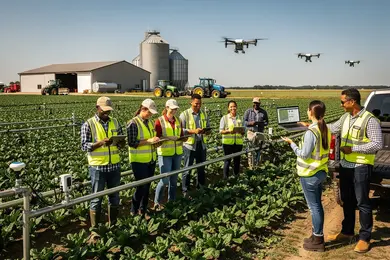
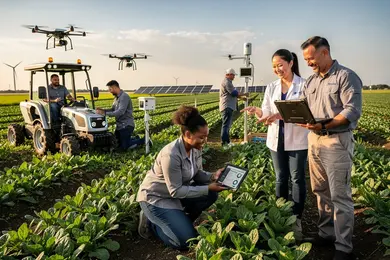
- Agricultural Technology: The rise of precision farming and related technologies such as drones, sensors, and artificial intelligence creates a need for professionals who can analyze data to enhance crop yields and resource efficiency.
- Environmental Consulting: Growing emphasis on climate resilience, sustainable land use, and regulatory compliance fuels demand for experts in soil conservation and ecosystem management.
- Food Production and Processing: Population growth and increased interest in organic and sustainable foods drive hiring in food safety, quality control, and supply chain management roles within this sector.
- Biotechnology: Innovations in genetically improved crops, biofuels, and agricultural inputs require skilled graduates combining biology and agriculture expertise to support research and development.
- Government and Non-Profit Policy: Agencies and organizations focused on rural development and agricultural policy increasingly recruit graduates to assist with economic development and food systems planning on multiple levels.
What Entry-Level Jobs Are Available for Agriculture Graduates?
Entry-level positions allow agriculture graduates to apply their academic knowledge in real-world settings and gain essential skills for their careers. About 65% of graduates secure jobs in the agriculture sector within six months, highlighting steady opportunities for beginners.
Below are several common roles that help build foundational expertise.
- Farm Assistant: This role involves supporting day-to-day farm activities such as planting, irrigation, and livestock care. It provides practical experience with crop and animal management, essential for understanding farm operations.
- Agricultural Technician: Technicians assist with fieldwork, including conducting soil tests and collecting samples for research. Their work offers hands-on experience with environmental assessments and crop science applications.
- Crop Scout: Entry-level crop scouts monitor fields to identify pests or diseases, collecting data critical for pest control strategies. This role fosters skills in observation and sustainable agricultural practices.
- Agribusiness Sales Representative: Graduates in this position learn about agricultural products and equipment while engaging with farmers and retailers. It develops commercial insight and communication abilities.
- Extension Associate: These associates work within outreach programs to share research findings and best practices with farming communities. The role hones skills in education and applied agricultural sciences.
When asked about entry-level opportunities, a recent agriculture graduate shared that starting out was both exciting and overwhelming. "The challenge was balancing practical tasks with understanding broader farming systems," he said.
He emphasized the importance of patience and continuous learning, recalling how hands-on roles provided not only technical skills but also a deeper appreciation of the agricultural industry's complexity. "Each day on the farm or in the field taught me something new, and that made the transition from school to work feel less daunting," he added.
What Industries Are Easiest to Enter After Graduation?
Industries that are generally easier for graduates to enter tend to have high volumes of entry-level hiring, welcome a variety of related degrees, and require limited specialized experience.
According to the National Association of Colleges and Employers, roughly 60% of employers across different sectors recruit graduates straight into beginner roles.
The following sectors commonly provide accessible opportunities for agriculture degree holders.
- Food Production and Processing: This sector values knowledge in crop science, quality assurance, and supply chain processes, all familiar to agriculture graduates. Its ongoing need for operational personnel and established training initiatives create many entry-level openings.
- Agri-Business and Retail: Encompassing companies that sell farm equipment or distribute seeds and fertilizers, this industry suits graduates with strong communication and product knowledge. The customer-oriented nature of these roles frequently matches graduates' practical skills.
- Environmental and Natural Resource Management: Jobs in conservation, sustainability, and resource monitoring are often open to newcomers with agricultural backgrounds. Public agencies and nonprofits actively seek entry-level staff for project support in these areas.
- Government and Extension Services: Agriculture graduates find opportunities in outreach, education, and regulation through government programs. These roles emphasize community engagement and applying agricultural principles in practical settings.
What Industries Offer the Best Starting Salaries for Agriculture Graduates?
Entry-level salaries for agriculture graduates vary significantly by industry, influenced by factors like demand for specialized expertise, funding availability, and workforce shortages.
On average, starting pay across agriculture-related fields hovers around $52,000, but some sectors consistently offer notably higher compensation.
Below are industries with the highest starting salaries for agriculture graduates.
- Agribusiness Firms typically provide annual starting salaries between $50,000 and $60,000. These roles demand a strong grasp of agricultural science and technology to improve production efficiency and innovate farming methods, which drives competitive pay.
- Biotechnology Companies focus on genetic modification, crop protection, and sustainable agriculture technologies, offering some of the best-paying agriculture degree jobs by industry. Entry salaries usually range from $55,000 to $65,000 due to the technical complexity and research intensity involved.
- Food Production and processing companies pay between $48,000 and $58,000 at the entry level. Graduates in this sector play vital roles in maintaining product quality and optimizing supply chains, areas critical to profitability and growth.
- Agricultural Consulting combines scientific knowledge with practical experience to advise clients, often starting near $50,000 to $60,000. Analytical skills and adaptability in this revenue-driven sector contribute to its attractive salary offerings.
For those exploring further education options, it's helpful to understand how much does it cost to get a business degree online, which can complement agriculture expertise and expand career opportunities.

Which Skills Do Industries Expect From Agriculture Graduates?
Employers across various sectors hiring agriculture graduates expect a versatile skill set that balances technical expertise with practical workplace abilities.
A 2023 survey revealed that over 75% of employers prioritize candidates who merge strong problem-solving and communication skills with technical knowledge.
The combination of these attributes ensures graduates can adapt and thrive in complex and evolving agricultural environments.
- Data Analysis and Technology: Proficiency with digital tools such as GIS, precision agriculture systems, and statistical software is increasingly vital. Graduates must interpret and leverage data to guide decisions, optimize yields, and improve operational efficiency in fast-paced settings.
- Problem-Solving: Agriculture professionals frequently confront unpredictable challenges like pest management, climate impacts, or supply disruptions. The ability to swiftly diagnose problems and implement creative solutions supports sustainability and maintains productivity.
- Effective Communication: Conveying scientific information clearly to farmers, team members, and stakeholders is critical. Strong communication fosters collaboration, eases training, and enhances client relationships across interdisciplinary teams.
- Project Management: Coordinating multifaceted projects demands planning, organization, and time management. These skills help ensure research initiatives or field operations meet deadlines and resource goals.
- Sustainability Awareness: Employers value graduates who understand environmental stewardship and can integrate eco-friendly practices into agriculture. This mindset aligns with growing industry emphasis on responsible resource use and long-term ecosystem health.
A professional with an agriculture degree shared her experience adapting these skills in the workforce. "Early in my career, I faced a situation where unexpected weather changes threatened crop cycles," she recalled. "I had to quickly analyze data from multiple sources and communicate potential impacts to growers and logistic teams."
"Coordinating the response required managing several moving parts under pressure." She emphasized how blending technical insight with clear communication and flexible problem-solving was crucial, adding, "Those abilities didn't just help solve the immediate crisis. They built trust and smoother collaboration for future projects."
Which Industries Require Certifications for Agriculture Graduates?
Many industries hiring agriculture graduates require certifications to ensure compliance with regulatory standards, technical competency, and professional ethics.
According to industry surveys, over 60% of employers prefer candidates with relevant certifications to guarantee current knowledge and skills. These credentials help graduates meet evolving industry expectations and improve their job prospects.
Below are key industries where certifications are particularly valued.
- Agribusiness and Crop Production: Certifications in areas like pesticide application and sustainable farming are driven by government regulations aimed at protecting ecosystems and public health. Licensed credentials ensure safe handling of chemicals and adherence to environmental standards, making certified graduates more attractive in this sector.
- Food Safety: This industry prioritizes certifications linked to quality assurance and hygiene compliance. Regulatory frameworks at federal and international levels promote credentials that demonstrate expertise in food safety protocols, which enhances trust among employers and consumers alike.
- Environmental Management: Certifications verifying skills in soil conservation, water resources, and environmental impact assessments are essential here. These credentials help professionals comply with environmental legislation and adopt best practices to support sustainable agriculture and natural resource stewardship.
- Agricultural Consulting: Specialized certifications signify advanced knowledge and project management abilities. Such credentials boost credibility for consultants advising on agricultural technologies, sustainability initiatives, and policy implementation, increasing their effectiveness and marketability.
Which Industries Offer Remote, Hybrid, or Flexible Careers for Agriculture Graduates?
Workplace flexibility has grown across many industries due to advancements in digital tools and shifting workforce expectations.
Recent studies show that over 40% of professional roles now offer remote or hybrid options, reflecting a broad change in how and where work is performed. This trend is especially relevant for graduates exploring industries offering flexible jobs for agriculture graduates.
Below are key industries that commonly support remote, hybrid, or flexible career options in agriculture fields.
- Technology and Agritech: This industry supports flexible work through roles in smart farming, agricultural software, and data analytics. Agriculture graduates can work remotely on cloud-based platforms and virtual collaboration tools, enabling project-based tasks without on-site presence.
- Environmental Consulting: Many environmental consultants maintain hybrid schedules, performing remote research, reporting, and sustainability planning. Periodic field visits balance the flexible workflow with hands-on project demands.
- Government and Non-profits: Agencies focused on agricultural policy and rural development often enable hybrid roles. Community outreach and policy analysis combine online tasks with occasional in-person collaboration, fitting varied schedules.
- Academic and Research Institutions: Remote and hybrid options are increasing for agriculture graduates involved in literature reviews, grant writing, and data interpretation. While some lab and fieldwork require physical presence, much research adapts well to virtual environments.
- Agricultural Media and Communications: This sector offers remote opportunities in content creation, educational outreach, and technical writing. Graduates can produce and coordinate materials from any location using digital platforms.
Prospective students interested in flexible career paths may consider exploring online colleges that specialize in agriculture degrees with adaptable study formats.
What Industries Have the Strongest Promotion Opportunities?
Promotion opportunities within industries are closely tied to factors such as industry growth, organizational structure, and demand for skilled professionals.
Studies indicate that companies with well-defined leadership pipelines report up to 25% higher rates of internal promotion, benefiting employees seeking career advancement.
Below are some sectors where agriculture graduates find particularly strong promotion pathways and career advancement potential in agriculture sectors.
- Agribusiness: This industry is marked by its expanding global markets and diverse operational areas. Companies prioritize developing leadership pipelines, enabling agriculture graduates to progress from entry-level roles to management through structured internal mobility programs.
- Food Production and Processing: With a focus on cross-functional skill development, this sector offers promotion chances as organizations grow. Agriculture graduates who understand both the field and processing gain advantages moving into supervisory and executive positions.
- Agricultural Technology (AgTech): Driven by rapid innovation and startup expansion, the agtech sector rewards technical expertise and strategic insight. Graduates can quickly ascend to leadership roles through merit-based advancement within these dynamic companies.
- Government and Public Sector: Agencies focused on agriculture provide steady promotion through formal evaluation and tenure-based systems. Experience and academic qualifications are highly valued, supporting career advancement in administration and policy-making.
- Environmental and Natural Resource Management: Growing emphasis on sustainability initiatives has increased demand for leaders with agricultural science knowledge. Advancement is linked to demonstrated project management success and interdisciplinary collaboration.
For agriculture students exploring professional pathways, combining technical expertise with leadership development is essential. Those interested may also consider an online administration degree to enhance career advancement potential in agriculture sectors.
How Do You Choose the Best Industry With a Agriculture Degree?
Choosing the best industry after earning an agriculture degree requires careful consideration of individual career interests, preferred work environments, long-term growth potential, and alignment with personal strengths. Graduates should evaluate whether they thrive in research, fieldwork, management, or innovation roles, as this influences job satisfaction significantly.
For instance, data from workforce studies indicate that alignment between personal interests and job roles leads to higher career satisfaction and retention. Exploring top agriculture degree career paths and job opportunities can reveal which sectors match a graduate's aspirations and offer sustainable demand over time.
Graduates can further compare industries by examining advancement potential, industry stability, workplace flexibility, and access to professional development. Researching employer expectations, networking, and reviewing industry reports help clarify these factors and how they fit with long-term career goals.
Prioritizing environments that provide clear career progression and support continuous learning ensures enduring fulfillment. For those interested, resources like what can you do with an environmental studies degree offer additional insight into aligning education with career opportunities across related fields.
What Graduates Say About Industries Hiring Graduates With a Agriculture Degree
- Lester: "Starting my career in the agriculture industry was eye-opening; it's diverse with opportunities ranging from sustainable farming to tech-driven crop management. This field really sharpened my problem-solving skills as I tackled challenges like soil health and pest control. Being part of an industry that feeds the world has given me a profound sense of purpose and pride in my professional journey."
- Fiona: "Reflecting on my time as an agriculture graduate, I realize how crucial it is to select a niche within the industry early on. Whether it's agribusiness, research, or environmental management, each path offers unique growth. Working in agriculture helped me develop critical analytical skills and adaptability, which have been invaluable throughout my career."
- Leo: "The agriculture sector provided me with more than just technical knowledge; it cultivated leadership and teamwork abilities essential in any professional setting. Early career experiences gave me exposure to both fieldwork and data analysis, which broadened my understanding of the industry. Pursuing a career in agriculture truly shaped my approach to problem-solving and long-term planning in my profession."
Other Things You Should Know About Agriculture Degrees
Agriculture graduates often work in diverse environments, ranging from outdoor farm settings to laboratories and corporate offices. Many roles require fieldwork involving crop management or livestock care, while others focus on research, data analysis, or policy development indoors. The ability to adapt to various settings is common in this field.
Yes, internships play a crucial role in gaining practical experience and industry connections within agriculture-related sectors. They provide hands-on learning opportunities in areas like farm management, agribusiness, or environmental consulting. Completing internships can improve employability and provide clearer insights into specific career paths.
Graduates often engage in continuous learning through professional organizations, agricultural journals, and industry conferences. Advances in technology such as precision farming and biotechnology require staying informed about new tools and methods. Networking with industry professionals also supports knowledge exchange and career growth.
References
- Highest-Paying Jobs in Agriculture With Salaries | gpac https://gogpac.com/knowledge-center/highest-paying-jobs-in-agriculture/
- 10 of the Most Unique Agricultural Jobs https://www.agrirs.co.uk/blog/2023/09/10-of-the-most-unique-agricultural-jobs
- Top Skills Employers in Food and Agriculture Want - and How to Develop Them - Management Development Services https://www.mds-ltd.co.uk/news/top-skills-food-agriculture/
- Top 12 Jobs After an MSc in Agriculture with Salary [2026 Updated] https://internshala.com/blog/jobs-after-msc-agriculture/
- How to choose agricultural courses to advance your career - Skills for Agriculture https://agricultureskills.org/how-to-choose-agricultural-courses-to-advance-your-career/
- What skills do agricultural employers really want? - Farmers Weekly https://www.fwi.co.uk/careers/caareers-skills-agricultural-employers-really-want
- High Demand Jobs in Agriculture | Farm Bureau Financial Services https://www.fbfs.com/learning-center/high-demand-jobs-in-agriculture
- Employability Skills in Agriculture & Natural Resources - APLU https://www.aplu.org/our-work/1-driving-student-success/preparing-students-for-the-workforce-and-post-collegiate-success/employability-skills-in-agriculture/
- 5 Benefits of a Career in Agriculture https://www.kangan.edu.au/study-with-us/our-blog/5-benefits-of-a-career-in-agriculture