
2027 Information Technology vs. Information Systems: Explaining the Difference

Co-Founder and Chief Data Scientist
Choosing between Information Technology (IT) and Information Systems (IS) is not just a question of which major sounds more technical. It is a decision about the type of work you want to do: build, secure, and maintain technology environments, or use technology to improve business processes, data use, and organizational decisions.
In 2024, the distinction matters for students comparing degree programs, transfer options, online formats, and career pathways. IT programs usually focus on hardware, software, networks, cybersecurity, cloud tools, and technical support. IS programs still teach technology, but they place it in a business and organizational context, with more attention to systems analysis, data management, project coordination, and decision-making.
This guide explains how IT and IS programs compare in curriculum, skills, difficulty, cost, and career outcomes. It is designed for prospective college students, working adults considering a degree, and professionals deciding whether a technical or business-technology pathway better fits their goals.
Key Points About Pursuing an Information Technology vs. Information Systems
- Information Technology programs typically focus on hardware, software, and networking, offering careers in system administration and cybersecurity, with average tuition around $15,000 and program length of two to four years.
- Information Systems programs emphasize business processes and data management, preparing students for roles in IT management and analytics, often costing slightly less, about $12,000 to $14,000, with similar durations.
- Both fields offer strong job growth, but IT leans technical, while IS integrates technology with business strategy, making program choice dependent on career goals and interests.
What are Information Technology Programs?
Information Technology programs prepare students to plan, install, secure, troubleshoot, and manage the computing systems organizations rely on every day. Compared with computer science, IT is usually less focused on computing theory and more focused on practical implementation: networks, servers, operating systems, databases, cloud platforms, endpoint devices, security tools, and user support.
A typical bachelor's degree requires around 120 credit hours, with approximately 42 to 45 hours dedicated specifically to IT subjects. Students often begin with foundation courses in programming, platform technologies, information management, and basic systems concepts. As they move through the program, they may choose electives or concentrations in networking, cybersecurity, software development, systems administration, database management, or related technical areas.
Associate degree programs are usually more career-entry focused. They generally include about 15 semester hours of general education, including math and communications, along with applied technical coursework. These programs can be useful for students who want to enter the workforce sooner, prepare for industry certifications, or later transfer into a bachelor's program.
Admissions expectations vary by institution. Many schools look for a high school diploma or equivalent, evidence of college readiness, basic computer literacy, and adequate preparation in mathematics. Some programs are open to beginners, while others assume that students have already used common productivity software, basic operating system tools, or introductory coding concepts.
What students typically learn in IT programs
- Infrastructure management: Configuring, maintaining, and troubleshooting networks, servers, workstations, and cloud-based systems.
- Cybersecurity fundamentals: Protecting systems, accounts, devices, and data from common threats and vulnerabilities.
- Technical support and operations: Diagnosing user problems, documenting solutions, managing tickets, and keeping systems available.
- Applied programming and scripting: Using code to automate tasks, support applications, and solve technical problems.
- Database and platform administration: Working with data storage, access controls, backups, and system performance.
Strong IT programs usually include labs, projects, simulations, or internship options because employers often want evidence that graduates can work with real tools, not only explain technical concepts. Many programs also align parts of the curriculum with industry-recognized certification exam objectives. Graduates commonly pursue entry-level roles such as system administrator, developer, support technician, network technician, cybersecurity assistant, or database professional in business, education, government, healthcare, and nonprofit settings.
What are Information Systems Programs?
Information Systems programs focus on how organizations use technology to collect, process, protect, analyze, and act on information. Students still learn technical subjects, but the central question is different from IT: instead of asking only “How does this system work?” IS asks “How should this system support people, operations, strategy, and decision-making?”
Most bachelor's programs take four years, although some schools offer accelerated formats or pathways into graduate study. The curriculum typically combines technical coursework with business, management, communication, analytics, and social science topics. This blend is intended to prepare graduates who can speak with both technical teams and business stakeholders.
Core courses often include application design, systems analysis, database development, project management, and information management. Many programs also include organizational theory, business process improvement, communication, ethics, and the social impact of technology. Depending on the school, students may choose electives in cybersecurity, data analytics, enterprise systems, digital transformation, or technology management.
Admission usually requires a high school diploma and standardized test scores, with some schools recommending prior programming experience. Graduate or advanced IS programs may expect previous coursework in business, computing, statistics, or a related field. Accreditation standards often require a substantial credit load in both technical and business-related topics, along with a capstone project that demonstrates applied knowledge.
What students typically learn in IS programs
- Systems analysis: Studying business needs, documenting requirements, and recommending technology-enabled solutions.
- Business process design: Understanding workflows and identifying where systems can reduce errors, delays, or inefficiencies.
- Database and data management: Organizing information so it can support reporting, compliance, operations, and decision-making.
- Project coordination: Planning technology projects, managing stakeholders, tracking deliverables, and communicating progress.
- Technology strategy: Evaluating how information systems support organizational goals, customer needs, and long-term performance.
IS programs are often a strong fit for students who like technology but do not want a career limited to hands-on infrastructure work. They can also suit students interested in business analysis, consulting, enterprise software, data-informed decision-making, and technology leadership.
What are the similarities between Information Technology Programs and Information Systems Programs?
Information Technology and Information Systems programs overlap because both prepare students to solve organizational problems using computing tools. In many colleges, the first part of each degree can look similar: students build a shared foundation in programming, databases, networks, security, and systems thinking before moving into more specialized coursework.
- Shared technical foundation: Both IT and IS programs commonly introduce programming, databases, networking, cybersecurity, and systems analysis. Even business-oriented IS students need enough technical knowledge to evaluate systems, and IT students need enough organizational awareness to support users effectively.
- Applied learning model: Most universities offer four-year bachelor's degrees and one- to two-year master's degrees that combine lectures, labs, team assignments, case work, and projects. Both fields reward students who can apply concepts to realistic technology problems.
- Similar entry requirements: Undergraduate admission typically requires a high school diploma or equivalent. Graduate programs usually expect a related bachelor's degree and relevant test scores like the GRE or GMAT, depending on the institution and program policy.
- Overlapping career preparation: Graduates from both fields learn to analyze problems, evaluate technology options, communicate with stakeholders, and support organizational performance. Both can lead to roles in technology departments, consulting firms, healthcare organizations, financial institutions, schools, and government agencies.
- Flexible early coursework: The first one or two years often include enough overlap that students can compare both pathways before committing to a specialization, especially at schools that house IT and IS in the same college or department.
The practical takeaway is that students do not always need to know their final career title before starting. If you are still exploring, review the first-year curriculum, transfer policies, internship options, and concentration choices. Students who want a faster route may also compare quick college degrees, but should confirm that speed does not come at the expense of accreditation, hands-on learning, or career support.
What are the differences between Information Technology Programs and Information Systems Programs?
The main difference is emphasis. Information Technology programs are typically more technical and operations-focused; they prepare students to keep systems secure, available, and functioning. Information Systems programs are more business-technology focused; they prepare students to design, evaluate, and manage systems that improve organizational work.
| Comparison area | Information Technology Programs | Information Systems Programs |
| Primary focus | Technology infrastructure, support, security, networks, systems, and applications. | Technology use in business processes, data management, decision-making, and organizational strategy. |
| Curriculum emphasis | Hardware, software, networking, cybersecurity, systems administration, and applied programming. | Systems analysis, databases, project management, business processes, analytics, and technology management. |
| Typical student fit | Students who enjoy troubleshooting, configuring tools, securing systems, and working directly with technical environments. | Students who like technology but also want to work with business users, data, requirements, workflows, and strategy. |
| Common work setting | IT operations, help desk, cybersecurity teams, network teams, infrastructure groups, or technical support units. | Business analysis teams, enterprise systems groups, consulting teams, project offices, analytics units, or technology management roles. |
| Career direction | Often leads toward technical specialist or infrastructure-focused positions. | Often leads toward analyst, consultant, project, or management-oriented positions. |
- Technical depth differs: IT programs usually require more direct work with systems, networks, security tools, and troubleshooting labs. IS programs include technical coursework but often use it to support broader business and organizational analysis.
- Business content differs: IS programs usually include more coursework in management, operations, communication, project work, and business decision-making. IT programs may include some business context, but it is usually not the center of the degree.
- Problem-solving context differs: IT students may be asked to fix a network, secure a server, deploy software, or support a cloud environment. IS students may be asked to map requirements, improve a workflow, evaluate an enterprise system, or translate business needs into technology specifications.
- Career language differs: IT job titles often include administrator, technician, engineer, developer, support specialist, or cybersecurity analyst. IS job titles often include business analyst, systems analyst, ERP consultant, project manager, or information systems manager.
Neither field is automatically better. The better choice depends on whether you want your daily work to center more on technical implementation or on connecting technology to business needs.
What skills do you gain from Information Technology Programs vs Information Systems Programs?
Both programs build technology fluency, but they develop different strengths. IT programs emphasize hands-on technical execution. IS programs emphasize translating organizational needs into effective technology and data solutions. Students should compare the skills not only by course title, but by the work they want to do after graduation.
Skill Outcomes for Information Technology Programs
- Programming: Building, testing, maintaining, and troubleshooting software applications or scripts used to solve technical problems.
- Computer networking: Setting up, monitoring, and managing network infrastructure that supports secure data communication.
- Cybersecurity: Identifying risks, applying controls, responding to threats, and protecting systems and data from vulnerabilities.
- Systems administration: Managing users, devices, operating systems, servers, backups, updates, and access permissions.
- Technical troubleshooting: Diagnosing hardware, software, connectivity, and performance issues with a structured problem-solving process.
Information Technology programs tend to suit students who want practical technical responsibilities early in their careers. The work often requires patience, precision, documentation, and the ability to learn new tools as platforms change. According to the US Bureau of Labor Statistics, IT professionals will see approximately 317,700 job openings annually from 2024 to 2034, reflecting strong demand in this field.
Skill Outcomes for Information Systems Programs
- Data analytics: Interpreting data, building reports, and using information to support business decisions and strategy.
- Project management: Coordinating technology projects, timelines, teams, risks, requirements, and stakeholder expectations.
- Strategic technology integration: Aligning systems with organizational goals, operational needs, and long-term performance priorities.
- Business analysis: Gathering requirements, mapping processes, identifying gaps, and recommending technology-enabled improvements.
- Communication and stakeholder management: Explaining technical options to nontechnical audiences and translating business needs for technical teams.
IS programs are often a better fit for students who want to work across departments, lead implementation projects, analyze enterprise systems, or move toward management. Graduates may work with executives, operations teams, vendors, and IT staff to make sure technology investments support business objectives. A combination of technical, analytical, and leadership skills can lead to advanced positions such as chief information officer.
If flexibility is a priority, compare program format carefully before enrolling. An easiest online college degree may be appealing, but students should still review accreditation, course rigor, employer recognition, internship access, and whether the curriculum matches IT or IS career goals.
Which is more difficult, Information Technology Programs or Information Systems Programs?
Neither Information Technology nor Information Systems is universally harder. The more difficult program is the one that places heavier demands on your weaker skill areas. IT can feel harder for students who struggle with technical troubleshooting, labs, programming, networks, or cybersecurity tools. IS can feel harder for students who dislike business analysis, writing, presentations, group projects, data interpretation, or ambiguous organizational problems.
Information Technology programs are often considered more technically demanding because students spend more time configuring systems, debugging code, managing networks, working through security scenarios, and completing hands-on labs. These assignments can be time-consuming because a small configuration error may break an entire setup. Students who enjoy methodical problem-solving and independent technical practice may find this challenge satisfying rather than discouraging.
Information Systems programs usually create a different kind of challenge. Instead of focusing only on whether a system works, IS students must explain whether the system solves the right problem, fits the organization, supports users, and delivers useful information. Case studies, business requirements, data projects, presentations, and group assignments are common. The difficulty often comes from balancing technical feasibility with cost, usability, workflow, stakeholder expectations, and strategic value.
| If this describes you | Program that may feel easier | Program that may feel harder |
| You like labs, devices, networks, security tools, and troubleshooting. | Information Technology | Information Systems, if business analysis feels abstract. |
| You like business cases, data, communication, and process improvement. | Information Systems | Information Technology, if deep technical configuration feels frustrating. |
| You prefer clear technical tasks with measurable outcomes. | Information Technology | Information Systems, if open-ended projects are difficult. |
| You prefer collaborative projects and stakeholder-focused problem-solving. | Information Systems | Information Technology, if independent technical labs are difficult. |
Students considering advanced study should also remember that difficulty increases with degree level. Options such as the cheapest doctoral degree online may reduce cost concerns, but doctoral-level work still requires sustained research ability, discipline, and a clear academic or professional purpose. For most students, the best choice is not the program that sounds easier; it is the one whose challenges match their interests and long-term goals.
What are the career outcomes for Information Technology Programs vs Information Systems Programs?
Both IT and IS programs can lead to strong career options, but the roles differ in focus. IT graduates usually move toward technical infrastructure, cybersecurity, systems support, and operations. IS graduates more often move toward analysis, enterprise systems, consulting, project coordination, and technology management. Actual outcomes depend on degree level, experience, location, internships, certifications, employer demand, and the specific curriculum completed.
Career Outcomes for Information Technology Programs
Demand for IT professionals remains strong because organizations depend on secure, reliable, and scalable digital infrastructure. The U.S. Bureau of Labor Statistics projects much faster than average growth for these roles through 2033. IT specialists typically earn between $56,800 and $130,000 annually, with senior roles offering even higher salaries. This range reflects differences in specialization, experience, industry, and responsibility.
- Network administrator: Manages and maintains an organization's computer networks to support reliable communication, connectivity, and security.
- Cybersecurity analyst: Protects digital assets by identifying, monitoring, and mitigating security threats and vulnerabilities.
- Systems engineer: Designs and integrates complex IT systems to improve performance, reliability, and scalability.
IT career paths often reward candidates who build a portfolio of practical experience. Labs, internships, help desk work, certification preparation, and documented projects can help students show employers that they can work with real systems under real constraints.
Career Outcomes for Information Systems Programs
Information Systems careers combine technology knowledge with business decision-making. IS graduates are often hired to improve workflows, manage information, support enterprise applications, coordinate technology projects, or help leaders use data more effectively. Salaries range widely but generally fall between $65,000 and $160,000+, with elevated pay for executive roles. This reflects the strategic influence IS professionals can have within organizations.
- Business analyst: Studies organizational needs and recommends technology solutions that improve processes, reporting, or performance.
- ERP consultant: Implements enterprise resource planning software to streamline business operations and integrate data across functions.
- Information systems manager: Oversees technology strategy and aligns IT initiatives with business goals.
IS career paths often reward communication, business knowledge, analytics, and project experience. Internships, capstone projects, enterprise software exposure, and experience translating requirements can be especially valuable.
Students seeking the shortest degree with highest pay should compare job outcomes carefully rather than relying on degree title alone. A short program may be useful if it builds marketable skills, but long-term advancement often depends on experience, specialization, professional credibility, and the ability to adapt as technology changes.
How much does it cost to pursue Information Technology Programs vs Information Systems Programs?
The cost of Information Technology and Information Systems programs varies widely by degree level, school type, delivery format, residency status, and whether the program is housed in a public university, private institution, business school, or technology-focused college. In many cases, IT and IS tuition is comparable, although some business-focused IS programs may cost more.
For bachelor's degrees in IT, public universities usually charge between $8,000 and $15,000 annually for in-state students, while out-of-state tuition ranges from $20,000 to $35,000. Private institutions typically charge higher fees, averaging from $30,000 to $50,000 per year. Graduate-level IT programs tend to be more expensive, with master's degrees costing around $20,000 to $45,000 at public universities and up to $40,000 to $70,000 at private schools for the full program.
IS bachelor's programs generally follow similar cost patterns, though programs offered through business schools may carry slightly higher tuition. Master's degrees in Information Systems usually fall within the same price range as IT master's programs. Doctoral programs in both areas can exceed $100,000 in total tuition costs, but assistantships or fellowships may reduce expenses for some students. Certificate courses and online options generally provide more affordable alternatives, typically ranging from $2,000 to $15,000, depending on program length and provider.
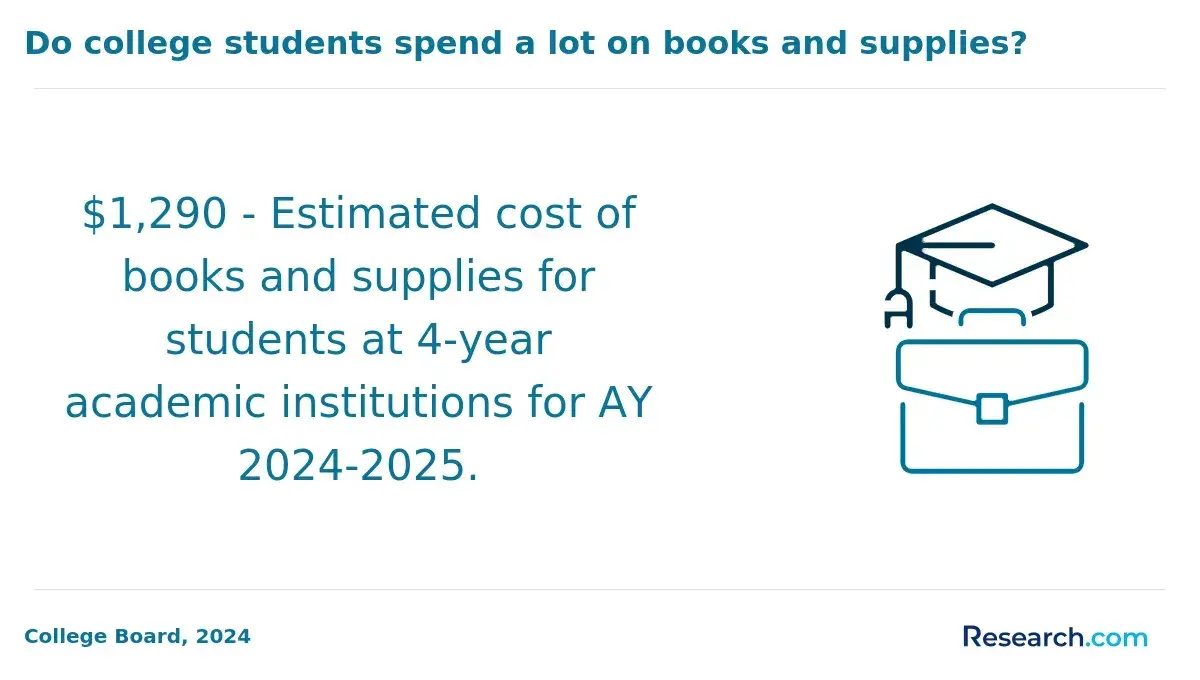
Students should also budget for costs beyond tuition. Additional yearly expenses such as technology fees, textbooks, and equipment generally add between $1,000 and $3,000. Online students may still need a capable computer, software subscriptions, proctoring fees, lab kits, or travel for occasional campus requirements.
Cost factors to compare before enrolling
- Accreditation and institutional reputation: Lower tuition is less valuable if the program lacks recognition, transferability, or employer credibility.
- Residency and transfer credits: Public in-state tuition and accepted transfer credits can significantly reduce the total amount paid.
- Program format: Online programs may reduce commuting or housing costs, but they can still include technology and course-specific fees.
- Financial aid: Compare grants, scholarships, loans, employer tuition assistance, assistantships, and fellowships before judging affordability.
- Career services and internships: A program with stronger placement support may offer better value even if the sticker price is higher.
The best cost comparison uses total program cost, not only annual tuition. Students should ask each school for a full cost estimate, including fees, required equipment, transfer credit policies, and typical aid packages.
How to choose between Information Technology Programs and Information Systems Programs?
Choose Information Technology if you want a more technical path centered on systems, networks, cybersecurity, infrastructure, support, and implementation. Choose Information Systems if you want to connect technology with business goals, data, workflows, project management, and organizational decision-making. The right choice depends on the work you want to do most days, not only the name of the degree.
- Clarify your career goals: IT is a stronger fit for roles such as cybersecurity, network management, systems administration, and technical support. IS is a stronger fit for roles such as business analyst, systems analyst, ERP consultant, project manager, or information systems manager.
- Match the program to your interests: If you enjoy hands-on technical problem-solving, IT may feel more natural. If you are interested in how technology supports business strategy and operations, IS may be a better match.
- Review the actual curriculum: Do not rely on the program title alone. Compare required courses, electives, labs, capstones, internship options, and concentration areas. Some IT programs include business coursework, and some IS programs are highly technical.
- Consider your learning style: IT often involves labs, troubleshooting, technical documentation, and tool-based assignments. IS often involves case studies, process analysis, group projects, presentations, and stakeholder-focused work.
- Think about long-term advancement: IT can lead to specialized technical roles and senior infrastructure or security positions. IS can prepare students for leadership pathways, including roles such as chief information officer.
- Compare flexibility: Some students may benefit from joint degree programs undergraduate that combine technical and business study, especially if they want broader career options.
| Choose this path | If your priority is | Watch out for |
| Information Technology | Building practical technical skills in infrastructure, cybersecurity, networking, support, and systems operations. | Programs that are too broad but do not provide enough labs, applied projects, or technical depth. |
| Information Systems | Using technology to improve business processes, data use, systems planning, and organizational performance. | Programs that are too business-heavy if you still want strong technical preparation. |
Before deciding, read course descriptions, talk with admissions staff, ask about recent graduate outcomes, and compare internship or capstone requirements. If possible, speak with current students or alumni. Their experience can reveal whether the program is truly technical, business-oriented, flexible, supportive, and aligned with your goals.
What Graduates Say About Their Degrees in Information Technology Programs and Information Systems Programs
- : "Completing the Information Technology program challenged me academically, but the hands-on projects made the coursework feel connected to real workplace problems. Cybersecurity and cloud computing tools were especially valuable because they helped me enter the job market with practical confidence. I landed a role at a leading tech firm shortly after graduation, and my income has steadily increased ever since. — Brayan"
- : "The Information Systems curriculum gave me the mix I was looking for: business processes, technical skills, and a clearer understanding of strategic IT management. Internship opportunities let me work directly with enterprise software systems in different workplace settings, which strengthened what I learned in class. That experience helped me secure a stable position at a multinational corporation. — Gustavo"
- : "The program was intense but rewarding, especially the collaborative projects that felt like working inside a real IT department. I also valued the career counseling because it helped me identify certifications that employers were asking for. That combination of coursework, projects, and advising improved my confidence and helped me move into a well-paying IT analyst role. — Sawyer"
Other Things You Should Know About Information Technology Programs & Information Systems Programs
In 2027, Information Technology focuses on the infrastructure and tools for managing digital data, whereas Information Systems integrate these technologies with business processes to support decision-making and problem-solving.
In 2027, Information Technology primarily focuses on the hardware and software tools needed to manage and process information. In contrast, Information Systems integrates these tools with processes and people to solve business problems. While IT leans more toward tech infrastructure, IS emphasizes the strategic use of technology in business contexts.
Yes, Information Systems careers typically require a balanced combination of business knowledge and technical skills. Professionals in IS must understand organizational goals, process optimization, and how technology supports business strategies. This dual focus differentiates IS roles from purely technical IT roles, which may prioritize technical expertise over business acumen.
References
- MS Information Systems Versus MS Information Technology | University of Cincinnati https://online.uc.edu/blog/ms-information-systems-vs-ms-information-technology-which-program-is-right-for-you/
- Difference between Information System and Information Technology - GeeksforGeeks https://www.geeksforgeeks.org/software-engineering/difference-between-information-system-and-information-technology/
- What Can You Actually Do With a Degree in Information Technology? https://www.ucumberlands.edu/blog/what-you-can-do-with-an-information-technology-degree
- Computer Information Systems vs. Computer Science | CMU https://www.calmu.edu/news/computer-information-systems-vs-computer-science
- What Are the Issues and Challenges in Information Technology? https://reinvent-hit.com/what-are-the-issues-and-challenges-in-information-technology/
- Journal of Family Medicine and Primary Care https://journals.lww.com/jfmpc/fulltext/2024/13020/levels_of_work_stress_among_information_technology.42.aspx
- Computer Information Systems vs. Computer Science https://semo.edu/blog/blog-posts/computer-information-systems-vs-computer-science
- IT Degrees Tuition and Fees | Online College Degree Costs | WGU https://www.wgu.edu/financial-aid-tuition/tuition-it-degrees.html
- Information Technology vs. Information Systems | University of Phoenix https://www.phoenix.edu/blog/information-technology-vs-information-systems.html
- Information Technology vs. Information Systems: Careers | LU https://online.lindenwood.edu/blog/information-technology-vs-information-systems-a-career-outlook/


