
2027 Is a 2-Year Mechanical Engineering Degree Worth It: Accelerated Bachelor's ROI & Time Trade-Offs

Co-Founder and Chief Data Scientist
Choosing to pursue a 2-year accelerated mechanical engineering degree raises questions about whether the shortened timeline justifies potential sacrifices. According to the National Center for Education Statistics, accelerated STEM degrees have surged by 15% over the past five years, reflecting growing demand for faster credentials. However, the challenge remains balancing time savings with thorough skill acquisition and market readiness.
This article analyzes the return on investment of accelerated bachelor's programs in mechanical engineering, comparing cost, time, and career outcomes. It aims to help prospective students determine if accelerated paths align with their professional ambitions and financial goals.
Key Benefits of a 2-Year Mechanical Engineering Degree
- Accelerated 2-year mechanical engineering degrees reduce time to entry-level jobs, enabling graduates to start earning roughly 25% sooner than traditional 4-year paths.
- These programs often cost less overall, improving ROI by minimizing tuition and associated expenses while maintaining core technical skill development.
- Graduates typically enter competitive fields with sufficient foundational knowledge, though specialization may require later certifications or education for advanced roles.
How Do 2-Year Mechanical Engineering Programs Work?
Two-year mechanical engineering programs offer an accelerated path that condenses foundational and technical coursework into a shorter timeframe than traditional degrees. This structure is important for students evaluating whether a faster completion can align with their career goals and financial commitments. Understanding how these programs operate helps prospective students gauge the intensity and design of the curriculum.
- Accelerated pacing and year-round enrollment: These programs typically operate year-round, including summer sessions, allowing students to bypass long academic breaks and complete credits faster.
- Condensed course terms: Coursework is often delivered in terms lasting 7 to 10 weeks, requiring students to adapt to a rapid learning rhythm.
- Credit load expectations: Students usually carry 15 to 20 credits per term, which is heavier than the usual semester load, demanding strong time-management skills.
- Instructional formats: Programs blend lectures with hands-on labs, simulations, and project-based learning to cover topics like statics, dynamics, thermodynamics, materials science, and computer-aided design.
- Assessment methods: Frequent quizzes, exams, practical labs, and major projects ensure mastery of concepts within the compressed timeline.
- Curriculum progression: A tightly sequenced curriculum requires on-schedule completion of prerequisites to advance through increasingly complex subjects.
Students interested in efficient pathways might also explore online DNP programs as alternative accelerated options in related fields.
The structure of the mechanical engineering associate degree curriculum in these programs supports saving 12 to 18 months compared to traditional timelines. This accelerated route translates to potential tuition savings and quicker workforce entry, which is significant given median mechanical engineering salaries often exceed $90,000 annually.
What Are the Admission Requirements for a 2-Year Mechanical Engineering Degree?
Knowing the admission requirements for a 2-year mechanical engineering degree is essential for students aiming to pursue an accelerated path in this demanding field. These criteria ensure candidates possess the academic foundation and skills necessary to succeed in a compressed timeline. Below is a detailed breakdown of key considerations when evaluating 2-year mechanical engineering degree admission requirements.
- Prior Education: Applicants typically must have completed a high school diploma or equivalent, including a background in relevant math and science subjects. This foundational education prepares students for the technical coursework ahead.
- Prerequisite Courses: Strong preparation in algebra, geometry, trigonometry, physics, and chemistry is commonly required. These courses build critical skills needed for understanding complex engineering concepts.
- GPA Expectations: Many programs set a minimum GPA, often between 2.5 and 3.0, to ensure students are ready for rigorous academic demands.
- Standardized Tests: While SAT or ACT scores may be optional, submitting competitive results can strengthen an application, particularly for accelerated programs.
- Work Experience and Certifications: Some accelerated mechanical engineering programs consider relevant technical certifications or professional experience. This is especially true for working adults returning to education, emphasizing time-management and readiness for an accelerated pace.
Accelerated degrees can significantly reduce the time required to earn a bachelor's degree, making them attractive options for those wanting to enter the workforce sooner. For prospective students exploring eligibility criteria for accelerated mechanical engineering program pathways, it is important to match their qualifications with these standards. Additionally, comparing program options alongside others, such as accredited medical billing and coding schools online with financial aid, can provide insights into accelerated educational models and financial planning.
What Does a Typical Week Look Like in a 2-Year Mechanical Engineering Program?
Prospective students should grasp the intensity and structure of a two-year mechanical engineering program to assess whether its pace suits their personal and professional ambitions. Knowing how weekly activities are organized helps manage expectations around time commitments and skill development. Below is an overview of the common components shaping such an accelerated curriculum.
- Class Sessions and Labs: Students encounter multiple daily lectures and laboratory sessions that together demand 15 to 20 hours per week. These combine fundamental theory with practical experiments to solidify understanding.
- Assignments and Testing: Regular homework, design tasks, and exams occur frequently, often weekly or biweekly, requiring constant study and application of concepts.
- Collaborative Projects: Group assignments are integral, providing experience in teamwork and exposing students to diverse engineering problem-solving techniques.
- Independent Study: Outside class, students devote substantial time to reviewing materials, completing tasks, and preparing for assessments, fostering deeper mastery of the coursework.
- Instructor Access: Faculty support is generally accessible through office hours and supplemental sessions, offering essential guidance and feedback.
- Time Management Challenges: Balancing theoretical and practical work, group responsibilities, and personal obligations in a condensed timeline demands disciplined scheduling and prioritization skills.
In a conversation with a professional who completed an accelerated bachelor's in mechanical engineering within two years, he emphasized the relentless intensity of the schedule. "There were days when I was running from class to lab, then straight into group meetings," he recalled. "The biggest challenge wasn't just the volume of work, but maintaining focus and energy over months of nonstop deadlines." He shared that developing a strict routine and learning to delegate in teams were crucial to sustaining both performance and well-being. "It wasn't easy, but the fast pace taught me adaptability and resilience that proved invaluable in my engineering career."
Are 2-Year Mechanical Engineering Programs Available Online?
Delivery format significantly influences flexibility, accessibility, and time management for students pursuing an accelerated mechanical engineering degree. Choosing between fully online or hybrid formats can impact how effectively students balance coursework with other commitments. The following points explore key aspects of available two-year program options and their unique features.
- Fully online vs. hybrid formats: Fully online two-year mechanical engineering programs are uncommon due to the field's practical demands. Most offerings blend online learning with on-site labs or workshops to ensure hands-on experience.
- Asynchronous and synchronous learning: Programs often combine self-paced lectures with live sessions, enabling students to adapt study schedules while participating in real-time discussions or collaborations.
- Technology requirements: Students need a reliable high-speed internet connection, a computer capable of running specialized software, and access to virtual labs to fully engage with coursework.
- Student support services: Many programs provide online tutoring, career counseling, and technical assistance to sustain motivation and help overcome academic challenges.
- Impact on pacing and engagement: Online delivery can accelerate degree completion by allowing flexible course loads and year-round study. However, balancing rapid progression with essential practical experience remains vital for career readiness.
How Much Does a 2-year Mechanical Engineering Degree Cost?
Evaluating the total cost of an accelerated mechanical engineering degree is essential for assessing its return on investment (ROI). Understanding financial commitments can help students determine if faster completion aligns with their career and financial goals. Below is a breakdown of key cost factors involved in a 2-year mechanical engineering degree.
- Tuition structure: Accelerated programs often charge tuition per credit or semester but condense what would be four years of coursework into two. This results in a quicker accumulation of tuition costs, which for many programs ranges between $20,000 and $40,000, excluding additional fees and materials.
- Mandatory fees: Alongside tuition, students pay fees for administration, technology access, and campus resources. These charges can add up quickly and vary by institution, especially in accelerated or transfer-focused programs.
- Textbooks and learning materials: Intense pacing means acquiring textbooks, software licenses, and supplemental learning tools at a faster rate. These upfront costs can be significant, requiring strategic budgeting.
- Technology and lab expenses: Hands-on training in mechanical engineering necessitates access to labs and specialized equipment, which may come at extra cost or require specific software, raising overall expenses.
- Impact of accelerated pacing: Although compressed programs can reduce living expenses and opportunity costs by entering the workforce sooner, the rapid course load often leads to more immediate spending on learning materials and technology compared to traditional programs.
Prospective students seeking affordable accelerated mechanical engineering programs should also compare these estimated costs with median mechanical engineering salaries, which hover around $90,000 annually. For those interested in managing education pathways, options such as a health administration degree online can offer insights into accelerated program structures across disciplines.
Can You Get Financial Aid for 2-Year Mechanical Engineering Programs?
Access to financial aid is a critical factor for many students considering an accelerated mechanical engineering degree. The condensed nature of these programs often means tuition and fees must be managed carefully, making financial support essential. Below is an overview of common aid options and how the fast pace may influence availability and disbursement.
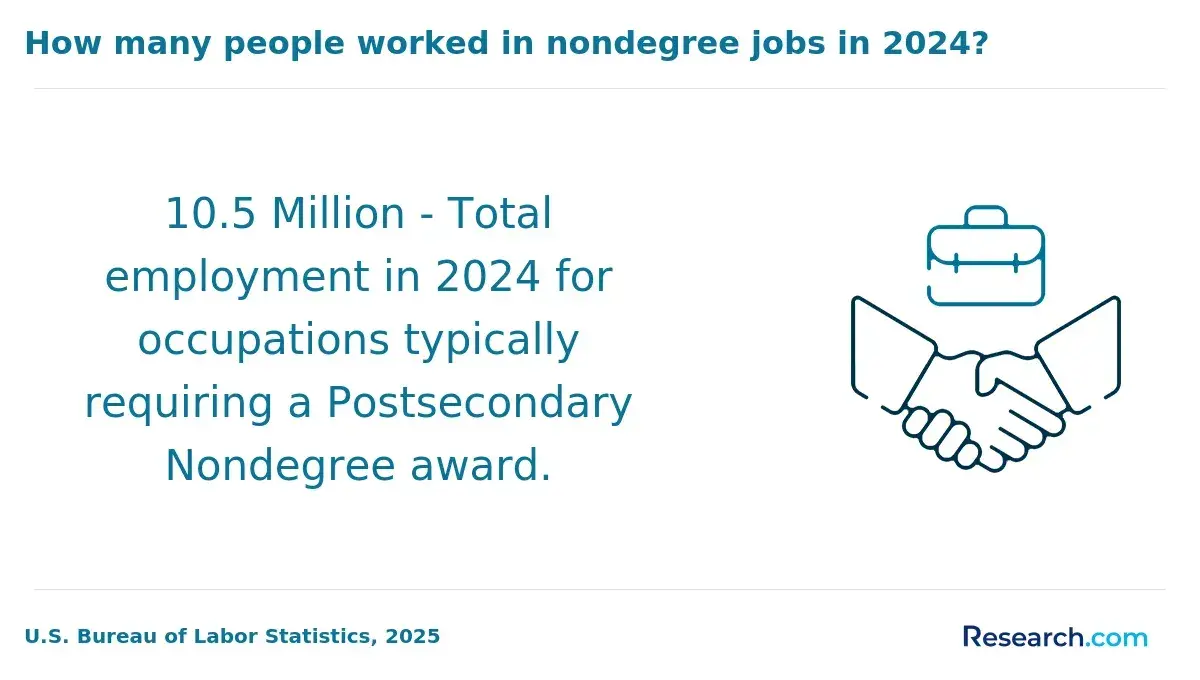
- Federal Student Aid Eligibility: Students enrolled full-time in 2-year mechanical engineering programs, including accelerated tracks, typically qualify for federal aid by completing the FAFSA. This includes Pell Grants and federal loans, which can offset both tuition and living costs during an intensive study schedule.
- Scholarships and Grants: Numerous merit- and need-based awards target STEM disciplines, including mechanical engineering. Professional groups and private foundations often provide funding opportunities aimed at supporting students pursuing technical fields.
- Employer Tuition Assistance: Working adults can leverage employer-sponsored tuition reimbursement or direct payment programs. These benefits can significantly reduce out-of-pocket expenses, especially when course content aligns with job skills or career advancement.
- Impact of Accelerated Format on Aid: Because of shortened semesters, aid disbursements may differ from traditional programs. Students should engage with financial aid offices early to understand payment timelines and whether installment plans are necessary to manage cash flow during rapid course progression.
Reflecting on her experience, a professional who earned an accelerated bachelor's degree in mechanical engineering shared how navigating financial aid was both critical and challenging. "The compressed schedule meant I had to stay extremely organized with deadlines for FAFSA and scholarship applications," she explained. "I relied heavily on a combination of federal loans and employer assistance to cover costs. There were moments when cash flow was tight, but setting up a payment plan with the financial aid office made a big difference." She added, "Having access to multiple aid sources allowed me to focus on the coursework instead of worrying constantly about tuition. It took effort and proactive communication, but in the end, the financial aid I secured was essential for completing the degree on an accelerated timeline."
What Jobs Can You Get With a 2-Year Mechanical Engineering Degree?
Evaluating career outcomes is crucial when considering the value of an accelerated mechanical engineering bachelor's degree, especially given the investment of time and resources. Understanding the types of jobs available with shorter degree pathways helps prospective students align their education with achievable career goals. Below is an overview of common roles and industries suitable for graduates with a 2-year mechanical engineering degree or accelerated associate's pathways.
- Mechanical engineering technician careers: These roles focus on supporting engineering projects through design assistance, testing, and equipment maintenance. Graduates often work closely with engineers to implement solutions in manufacturing, automotive, aerospace, and energy sectors.
- Entry-level mechanical engineering jobs: Positions like CAD (computer-aided design) drafters and quality control inspectors offer hands-on opportunities to apply technical skills in product development and operational efficiency, making them ideal for those freshly entering the workforce.
- Manufacturing and construction support: Many graduates find roles as manufacturing assistants or technical staff within construction, where practical knowledge of machinery and system operations is vital to daily activities and project execution.
- Accelerated degree workforce readiness: The compressed format emphasizes intensive coursework and applied learning, allowing students to engage in real-world projects and hands-on labs early, which enhances adaptability and job preparedness.
- Advancement and further education: While initial advancement might be limited without a bachelor's degree, many graduates use the 2-year mechanical engineering degree as a foundation for apprenticeships, industry certifications, or continuing education to climb the professional ladder.
Industries actively seeking candidates with these credentials include manufacturing, aerospace, and energy sectors, reflecting steady growth in technician roles. Prospective students interested in related fields might also consider programs like the cheapest online health science degree to explore broader healthcare career pathways alongside technical training.
How Do Salaries Compare for 2-year Mechanical Engineering Degree vs. Traditional Bachelor's Degrees?
Salary outcomes are a critical factor when evaluating the return on investment (ROI) of accelerated versus traditional degree paths in mechanical engineering. Understanding how early-career earnings and long-term salary growth compare can help prospective students make informed decisions about their education and career trajectories. Below is a detailed comparison that sheds light on these financial differences for graduates.
- Early-career earnings: Graduates with a 2-year mechanical engineering degree, often an associate or accelerated degree, typically earn median starting salaries between $55,000 and $65,000. In comparison, those with traditional bachelor's degrees in mechanical engineering generally report starting salaries closer to $70,000-$75,000, reflecting higher technical qualifications and employer expectations.
- Long-term earning potential: Over a 20- to 30-year career, bachelor's degree holders tend to experience greater wage growth due to access to advanced roles and management opportunities. This can result in cumulative earning differences of several hundred thousand dollars or more compared to 2-year degree holders, who may have a more limited promotion pathway.
- Employer perception and licensure: Employers often prefer candidates with a bachelor's degree due to ABET accreditation standards, which affect eligibility for professional engineering (PE) licensure. Licensure is key for securing higher responsibility positions and salary increases, making the bachelor's degree more valuable in the long run.
- Career progression timeline: While 2-year degree holders enter the workforce about 1-2 years earlier, gaining quicker income, their salary growth can be slower. Bachelor's degree graduates may start later but generally have faster advancement and higher wage ceilings.
- Trade-offs and considerations: Choosing an accelerated mechanical engineering bachelor's earnings path requires weighing the benefits of faster degree completion against potential long-term salary differences. Students must consider whether earlier workforce entry or higher lifetime earnings align better with their goals.
This salary comparison for a 2-year mechanical engineering degree salary comparison is supported by data from the U.S. Bureau of Labor Statistics and education research. For those exploring further education options with cost-effectiveness in mind, exploring the cheapest DNP programs online may offer additional insights into accelerated degree benefits across disciplines.
Which Factors Most Affect ROI for Accelerated Mechanical Engineering Degrees?
Evaluating the return on investment (ROI) is essential when considering accelerated mechanical engineering degree programs, as it helps students weigh the financial and career benefits against the demands of an intensive curriculum. Accelerated degrees offer the promise of faster entry into the workforce, but understanding what truly affects ROI can guide better decisions. Below are key factors that shape the overall value of completing a mechanical engineering degree in a shortened time frame.
- Time-to-completion: Cutting the degree duration by up to half enables graduates to start earning wages sooner and reduces time out of the workforce. This accelerated timeline often leads to significant opportunity cost savings by minimizing lost income and the time spent accumulating student debt.
- Tuition and total cost: While fewer semesters may lower overall tuition expenses, some accelerated programs charge higher per-term rates due to intensive coursework. It's important to consider all associated costs, including fees, supplies, and living expenses during the compressed study period.
- Employment outcomes: Mechanical engineering remains a stable and growing field, with job growth projected to keep pace with national averages. Strong hiring prospects and competitive salaries contribute positively to ROI after graduation.
- Salary growth potential: Long-term financial benefits depend on continued career advancement. Earning an accelerated degree should not limit promotion opportunities, as employers often prioritize the practical skills and knowledge gained.
- Industry demand: The consistent need for mechanical engineers supports steady employment, reinforcing the value of investing in this field even through an expedited program.
- Transferability of skills: Core competencies like problem-solving, design expertise, and technical understanding gained in accelerated programs remain relevant and valuable, ensuring graduates can adapt to various roles and sectors.
How Do You Decide If a 2-year Mechanical Engineering Degree Is Right for You?
Choosing whether a 2-year mechanical engineering degree suits you requires reflection on several personal and academic factors. Consider if you thrive in a fast-paced environment, as these programs condense material typically spread over four years into just two. Evaluate your current schedule and urgency to start working, since accelerated programs demand strong discipline and time management. Understanding your preferred learning style and ability to manage stress is essential. Also, think about how quickly you want to transition into the workforce or change career paths.
On the practical side, accelerated degrees can lower total tuition and reduce opportunity costs by shortening study time. However, keep in mind that bachelor's degree holders generally earn higher median salaries and may find broader employer acceptance for engineering roles. This makes it important to balance upfront cost savings with potential income differences. Additionally, consider whether the shorter program fits your long-term goals, since it may limit access to advanced positions or graduate education without further study.
What Graduates Say About Their 2-Year Mechanical Engineering Degree
- Liano: "Choosing a 2-year accelerated bachelor's program in mechanical engineering was a strategic move for me, especially given the average cost of attendance which was significantly less than traditional programs. The intense schedule demanded my full commitment, balancing coursework and projects tightly, but it taught me incredible time management skills that I rely on daily as a design engineer. This degree has fast-tracked my career, opening doors to opportunities I might have waited years to access otherwise."
- Jared: "I opted for the 2-year program because I wanted to minimize student debt and quickly transition into the workforce. Managing the fast-paced curriculum was challenging but also deeply rewarding; it required me to stay disciplined and focused, developing a routine that prioritized learning and practical application. Since graduating, my compact degree has proven valuable to employers who appreciate my ability to learn efficiently and perform under pressure."
- Ami: "The accelerated bachelor's in mechanical engineering appealed to me due to its affordability and the prospect of completing my studies in half the time. The demanding timeline pushed me to prioritize and develop resilience, mastering complex concepts without compromise. Professionally, this degree set me apart in the competitive job market, providing a robust foundation that helped me secure a specialized engineering role shortly after graduation."
Other Things You Should Know About Mechanical Engineering Degrees
While a 2-year mechanical engineering degree can prepare students for entry-level technician jobs, it usually limits access to professional engineer (PE) licensure and managerial positions. Career advancement beyond technician roles often requires completing a bachelor's degree. Employers may also prefer candidates with more comprehensive education and experience for roles involving design, analysis, or project leadership.
In 2027, a 2-year mechanical engineering degree offers faster entry into the workforce, enabling students to earn sooner. However, an accelerated bachelor's program provides deeper knowledge and potentially higher long-term earnings, balancing initial speed against comprehensive education.
References
- Engineering Salary Statistics https://www.mtu.edu/engineering/about/salary/
- Engineering Scholarships for College Students https://blog.iefa.org/2023/08/03/engineering-scholarships-2/
- Can You Get a Bachelor's Degree in 2 Years or Less? https://www.coursera.org/articles/can-you-get-a-bachelors-degree-in-2-years
- Mechanical Engineering Accelerated Degree Apprenticeship https://jobs.babcockinternational.com/Cavendish-Nuclear/job/Warrington-Mechanical-Engineering-Accelerated-Degree-Apprenticeship-WA3-6YD/1252835001/
- Find Mechanical Engineering Degree Programs | All Engineering Schools https://www.allengineeringschools.com/engineering-careers/career/mechanical-engineering/
- 2026 Best Accelerated Engineering Degree Programs - Educating Engineers https://educatingengineers.com/degrees/accelerated-engineering-degree-programs/
- Engineering Career Accelerated Program in Canada https://bombardier.com/en/careers/new-graduate-programs/engineering-career-accelerated-program-canada
- Two year accelerated degrees https://www.staffs.ac.uk/courses/undergraduate/study-options/two-year-accelerated-degrees
- How Many Hours a Week Do Mechanical Engineers Work? https://climbtheladder.com/how-many-hours-a-week-do-mechanical-engineers-work/
- Mechanical Engineering Associate Degree (Online/In Person) | NEIT https://www.neit.edu/academics/associate-degrees/mechanical-engineering-technology-as


