
2027 Is a 2-Year Medical Assisting Degree Worth It: Accelerated Bachelor's ROI & Time Trade-Offs

Co-Founder and Chief Data Scientist
Many prospective students face uncertainty when deciding if a 2-year medical assisting degree is worth pursuing compared to an accelerated bachelor's program. With employment in healthcare support roles expected to grow 16% from 2021 to 2031, understanding time and financial investments is critical.
Graduates often question whether the shorter degree accelerates workforce entry without sacrificing income potential or advancement. This article examines the return on investment of accelerated bachelor's degrees in medical assisting, analyzing salary differences, career opportunities, and time trade-offs. It offers data-driven insights to help readers determine the best educational path for their long-term goals.
Key Benefits of a 2-Year Medical Assisting Degree
- The 2-year accelerated medical assisting degree offers a quicker entry into the workforce, reducing opportunity costs compared to longer programs.
- Graduates typically earn competitive salaries with a strong job placement rate, enhancing return on investment within a few years.
- The focused curriculum balances clinical and administrative skills, broadening employability and career advancement potential in healthcare settings.
How Do 2-Year Medical Assisting Programs Work?
Two-year medical assisting programs offer a streamlined path to entry-level healthcare roles by combining essential coursework with practical experience. Prospective students benefit from understanding the typical program structure to assess whether this accelerated degree option meets their time and career investment goals.
Here is a breakdown of how these programs generally operate to help guide decisions about an accelerated bachelor's or certificate track.
- Accelerated pacing and year-round enrollment: Many programs feature continuous enrollment cycles and shorter academic terms, often lasting 6 to 8 weeks, enabling completion within 18 to 24 months compared to traditional timelines.
- Condensed course terms and credit load expectations: Students handle a heavier credit load each term to maintain progress, balancing intensive study of subjects like anatomy and medical terminology alongside clinical practice.
- Instructional format: Coursework typically blends in-person clinical sessions with online or hybrid classes, offering flexibility for working adults and diverse learner needs.
- Assessment methods: Evaluations include written exams, practical skill demonstrations, and supervised clinical work to ensure students meet professional competency standards.
- Curriculum progression: Courses usually proceed sequentially, starting with foundational medical knowledge, advancing to clinical skills and office administration, and culminating in a certificate or associate degree that qualifies graduates for certification exams.
The 2-year medical assisting program structure offers a focused route that aligns well with students seeking an accelerated medical assisting degree coursework path. Graduates often enter the workforce sooner, taking advantage of steady industry demand.
For those considering further education in healthcare, exploring online PharmD programs can be a valuable next step.
What Are the Admission Requirements for a 2-Year Medical Assisting Degree?
When considering an accelerated bachelor's in medical assisting, knowing the admission requirements is essential to evaluate your readiness and plan effectively. These requirements help ensure candidates possess the foundational skills needed for both technical and clinical training.
Below is a detailed overview of common criteria to help clarify how to qualify for medical assisting degree admissions.
- Educational background: Most programs require applicants to have a high school diploma or GED as the minimum credential. This baseline ensures students are prepared for the program's academic demands.
- GPA expectations: Admissions committees typically look for a minimum GPA between 2.0 and 2.5, although this can vary by institution. Maintaining a competitive GPA improves chances of acceptance.
- Standardized tests: Unlike many accelerated bachelor's programs, these 2-year medical assisting programs generally do not require SAT or ACT scores, making admission more accessible to a broad range of applicants.
- Prerequisite skills: Applicants may need to pass placement exams or complete prerequisite courses in basic math and English to demonstrate proficiency essential for success in clinical settings.
- Work experience and health documentation: Some programs prefer or require prior healthcare or customer service experience to strengthen applications. Additionally, immunization records and background checks are often mandatory due to clinical practicum requirements.
Data from the U.S. Bureau of Labor Statistics highlights a median annual wage of about $38,000 for medical assistants, with a positive employment outlook growing 16% from 2021 to 2031.
For those interested in exploring further educational options beyond a 2-year medical assisting degree, reviewing trusted information on DNP programs can provide insight into advanced healthcare career pathways.

What Does a Typical Week Look Like in a 2-Year Medical Assisting Program?
Knowing the weekly demands and structure of a 2-year medical assisting program helps students gauge the intensity and commitment needed for success. This insight allows prospective students to better plan their schedules and expectations before committing.
Below is an overview of the typical components that fill each week in such an accelerated program.
- Class sessions and lectures: Students attend multiple classes weekly, blending theory with practical labs to build comprehensive skills. These sessions cover essential topics such as anatomy, clinical procedures, and administrative tasks.
- Assignments and assessments: Regular tasks like quizzes, reports, and practical checklists reinforce learning and ensure steady progress. Frequent evaluations help students identify areas needing improvement throughout the program.
- Group collaboration: Team-based case studies and simulated patient scenarios encourage communication and cooperative problem-solving, mirroring real-world medical office environments.
- Independent study: Outside of classroom hours, students dedicate time to reviewing materials, prepping for exams, and completing projects. This self-directed work is crucial for mastering the course content.
- Instructor support: Access to educators through office hours, emails, and virtual meetings offers personalized help and clarifies difficult concepts. Continuous instructor interaction fosters a supportive learning environment.
- Time management: Balancing frequent classes, study, and sometimes jobs requires strong organizational skills. The accelerated pace demands efficient scheduling and prioritization to avoid burnout.
When discussing a typical week with a professional who completed an accelerated bachelor's in medical assisting within two years, he reflected on the intensity. "The workload was relentless, especially juggling lectures and labs back-to-back. There were moments I questioned if I could keep up, but having a clear plan and sticking to study routines made the difference," he shared.
He appreciated how group projects helped build confidence and real-world readiness, though managing personal time was often the toughest hurdle. "It wasn't just about attending classes; it was about constantly adapting and pushing through every challenge."
Are 2-Year Medical Assisting Programs Available Online?
Choosing the right delivery format is crucial for students pursuing an accelerated two-year medical assisting degree, as flexibility and accessibility greatly impact time management and learning success. Online options offer varied structures designed to accommodate different schedules and learning preferences.
Below is an overview of key aspects relevant to online medical assisting programs.
- Program formats: Many two-year medical assisting programs use a hybrid model, combining online coursework with on-site clinical practice essential for hands-on skills. Fully online courses are available but usually require an in-person externship or lab to fulfill certification standards.
- Learning styles: Online programs often blend asynchronous classes, allowing students to study materials anytime, with synchronous sessions via live video to interact directly with instructors and peers. This mix supports flexibility while fostering real-time engagement.
- Technology needs: Students typically need a stable internet connection, a computer equipped with a webcam and microphone, and sometimes specialized software for virtual labs. Reliable technology is vital to fully participate in course activities and online simulations.
- Support services: Academic advising, tutoring, and technical assistance are commonly offered to help students stay on track in a condensed timeline. These resources enhance the learning experience and address challenges promptly.
- Impact on pacing and engagement: The online delivery often accelerates the curriculum compared to traditional programs, enabling completion in two years. Structured synchronous sessions promote interaction, while asynchronous flexibility helps balance study with other commitments.
How Much Does a 2-year Medical Assisting Degree Cost?
Evaluating the total cost of a 2-year medical assisting degree is essential when determining its return on investment, particularly for those considering accelerated options. Understanding all expenses ensures informed decisions about time and money commitments.
Below is a breakdown of the most significant factors affecting the overall cost of these programs.
- Tuition Structure: Tuition usually represents the largest expense and varies depending on the institution type. Community colleges often offer lower tuition compared to private or four-year universities, influencing the total cost of 2-year medical assisting degree programs.
- Fees: In addition to tuition, students must budget for institutional fees such as registration, lab usage, and technology charges. These extra costs can add several hundred dollars each term, impacting overall affordability.
- Textbooks and Learning Materials: Medical assisting programs require specialized textbooks and supplies due to the practical skills training involved. These costs can be substantial, as hands-on labs often demand clinical equipment and materials.
- Technology or Lab Costs: Many programs impose additional charges for access to labs and technology resources needed for coursework and clinical practice, contributing to program expenses.
- Accelerated Pacing Impact: Accelerated degree programs shorten the study period, potentially reducing living expenses and tuition over time. However, the intense course load may increase per-term fees and material costs, balancing some of those savings. According to the National Center for Education Statistics, accelerated students often save one to two years of tuition and fees, though individual term expenses tend to be higher.
Those researching tuition and fees for medical assisting programs may also consider related paths, such as the easiest BSN program, to compare investment and time commitments across healthcare education options.
Can You Get Financial Aid for 2-Year Medical Assisting Programs?
Financial aid plays a critical role for students considering accelerated medical assisting degrees, especially those compressed into shorter timeframes like two years. Understanding the availability and types of aid can influence decisions about program affordability and long-term financial planning.
Below is an overview of key financial support options and how the fast pace of these programs may impact funding.
- Federal Student Aid Eligibility: Students who complete the FAFSA can access federal grants and loans such as Pell Grants and Direct Loans. These funds can greatly reduce out-of-pocket tuition costs and offer repayment flexibility, but maintaining at least half-time enrollment is typically required to stay eligible.
- Scholarships and Grants: Various private organizations, healthcare groups, and community foundations offer need- and merit-based scholarships or grants for medical assisting students. These awards do not require repayment and can supplement federal aid, easing financial burdens.
- Employer Tuition Assistance: Some employers support employees seeking medical assisting credentials through tuition reimbursement or assistance programs. This option allows working adults to continue earning while advancing their education without shouldering the full cost upfront.
- Impact of Accelerated Pacing: Because accelerated programs condense coursework, financial aid disbursement may occur in smaller, more frequent installments. Students should confirm schedules with financial aid offices to manage living expenses and avoid cash flow challenges during shorter academic terms.
- Enrollment Requirements: Most aid programs mandate minimum enrollment, which accelerated programs generally fulfill despite their compressed timelines. This ensures students can maintain access to aid while completing their studies more quickly than traditional degrees.
When I asked a professional who completed her accelerated bachelor's degree in medical assisting about her financial aid experience, she described a rollercoaster of emotions. "I was initially overwhelmed by how quickly everything moved and worried if my aid would keep pace with tuition deadlines," she recalled.
Navigating multiple funding sources, she found regular communication with her school's financial aid office essential. "Having clarity on when payments would arrive helped me budget better and reduce stress," she explained. Despite the fast track, she appreciated how combining federal loans, scholarships, and employer assistance made the intensive program financially manageable and ultimately worth the investment.
What Jobs Can You Get With a 2-Year Medical Assisting Degree?
Evaluating career outcomes is essential when considering the value of an accelerated medical assisting bachelor's degree. Knowing the types of jobs available after graduation helps prospective students align their time and financial investment with realistic employment opportunities.
Below is an overview of common roles and career paths accessible with a 2-year medical assisting degree.
- Medical assistant: This entry-level position involves a blend of clinical and administrative duties, such as taking patient histories, measuring vital signs, and assisting with minor procedures. Medical assistants often serve as the backbone of outpatient care centers and physicians' offices.
- Clinical assistant: Clinical assistants primarily support medical staff with patient care tasks, helping to ensure the smooth operation of medical facilities. Their responsibilities often include preparing examination rooms and assisting during exams, which builds hands-on skills valuable in fast-paced healthcare environments.
- Administrative medical assistant: Focused on office management, scheduling, and maintaining patient records, these professionals handle the organizational aspects of medical offices, allowing clinicians to concentrate on patient care. The 2 year medical assisting degree job opportunities often emphasize this balance of clinical and clerical expertise.
- Patient care coordinator: With additional certifications or education, medical assistants can become coordinators who help guide patients through the healthcare process by scheduling services, coordinating referrals, and supporting communication between patients, providers, and insurance teams.
- Career advancement and specialization: Although many graduates start in entry-level roles, a 2-year degree can serve as a foundation for further education or certifications. This credential supports pathways into specialized areas like medical office management or facilitates progression toward an accelerated bachelor's degree in healthcare fields.
For those evaluating education options that combine affordability and flexibility to support career goals, exploring affordable online nursing programs can provide additional pathways within the healthcare sector.
How Do Salaries Compare for 2-year Medical Assisting Degree vs. Traditional Bachelor's Degrees?
Salary outcomes are a crucial factor when evaluating the return on investment (ROI) of accelerated versus traditional degree paths, especially for those considering medical assisting careers. Comparing earnings helps clarify how quickly one can start earning and how income grows over time.
Below is a detailed comparison of 2-year medical assisting salary comparison with traditional bachelor's degree earnings to guide these decisions.
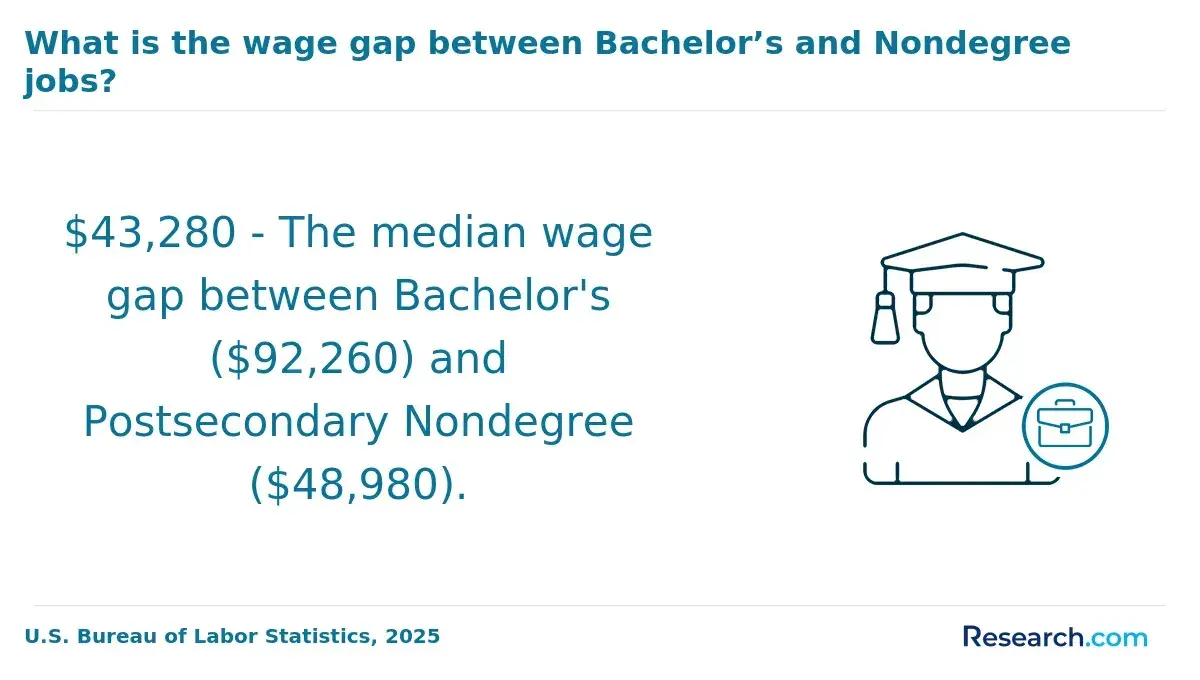
- Early-career earnings: Medical assistants with 2-year degrees typically earn a median annual wage near $39,000, reflecting entry-level roles accessible soon after graduation. In contrast, traditional bachelor's degree holders often start between $50,000 and $60,000, benefiting from degree recognition and advanced skills.
- Long-term earning potential: While 2-year graduates begin working sooner, bachelor's degree holders generally see higher wage growth, with median salaries climbing to $70,000-$90,000 over 10 to 20 years in healthcare administration or specialized clinical roles.
- Employer perception: Bachelor's degrees are frequently viewed as indicators of advanced training and leadership ability, creating faster pathways to promotions and higher-paying management positions not typically available to medical assisting grads without further education.
- Career progression timelines: Medical assistants face limited upward mobility without additional certification or degrees, whereas bachelor's degree holders can pursue multiple certifications and leadership roles, accelerating their career trajectory significantly.
- Impact of faster workforce entry: Graduates of 2-year programs start earning earlier, which can somewhat offset lower starting salaries. However, accelerated bachelor's programs and the cheapest BSN programs often result in higher cumulative lifetime earnings despite requiring more initial education time.
Those exploring medical assisting vs bachelor's degree earnings should weigh these factors carefully in light of their personal career goals. The balance between early income and long-term salary growth varies based on individual priorities and opportunities within healthcare fields.
Which Factors Most Affect ROI for Accelerated Medical Assisting Degrees?
When deciding on an accelerated medical assisting degree, assessing the return on investment (ROI) is essential to ensure that the time and money spent will lead to worthwhile career and financial outcomes. ROI analysis helps students weigh the costs against expected benefits like quicker workforce entry and higher earning potential.
The following factors offer a clear picture of what shapes the ROI for these programs.
- Time-to-completion: Accelerated programs typically allow students to finish in about half the time of traditional degrees, usually around two years. This faster track means students can begin earning sooner, reducing income lost to extended schooling.
- Tuition and total cost: While cost per credit may be higher in some accelerated programs, the overall expense tends to be lower because of fewer total credits or semesters. Graduates can often avoid accumulating as much debt, easing financial strain after graduation.
- Opportunity cost savings: Entering the job market earlier helps students offset education expenses by earning income sooner. This advantage is particularly valuable for those balancing school with family or work responsibilities.
- Employment outcomes and industry demand: The medical assisting field is expected to grow significantly, with job opportunities expanding faster than average. This steady demand offers greater job security, contributing positively to ROI.
- Salary growth: Medical assistants with more advanced training or credentials typically start at higher salaries and experience better wage progression over time. This can increase long-term financial returns.
- Transferability of skills: Programs that teach versatile healthcare and technical competencies prepare graduates for a broad range of roles. This flexibility can improve job prospects and adaptability to changes in the healthcare sector.
How Do You Decide If a 2-year Medical Assisting Degree Is Right for You?
Choosing a 2-year medical assisting degree depends on several personal and academic factors. Consider whether you thrive in a fast-paced learning environment, as these programs often require strong time management and quick comprehension.
If you prefer a more gradual approach or need more flexibility, a longer program might be better suited. Your availability and urgency to start a career also influence this choice. Assessing these elements helps align your educational path with your lifestyle and goals.
From a financial perspective, compare tuition costs with potential earnings and advancement opportunities. While accelerated bachelor's programs may have higher per-credit costs, they can reduce overall expenses by shortening time to completion.
Median wages for medical assistants hover around $39,000 annually, according to the U.S. Bureau of Labor Statistics, with bachelor's degrees potentially leading to higher pay and specialized positions. Employer preferences vary by region, with some favoring associate degrees and others prioritizing bachelor's credentials, which also offer greater long-term career flexibility and leadership prospects.
What Graduates Say About Their 2-Year Medical Assisting Degree
- Cole: "Professionally, the accelerated 2-year medical assisting degree met my expectations by balancing speed and comprehensive training. Handling an intense schedule demanded dedication, but it prepared me well for real-world clinical environments. With affordable costs relative to other degrees, it was a smart choice that quickly propelled my career forward."
- Ari: "Reflecting on my experience, the 2-year program was the perfect fit since I needed to switch careers efficiently. The rigorous timeline required strong time management, but I appreciated the focus and rapid skill development. Now, as a professional medical assistant, I find the knowledge gained invaluable, especially knowing it was a cost-effective alternative compared to longer programs."
- Winona: "I chose the 2-year accelerated degree in medical assisting because I wanted to enter the workforce quickly without sacrificing quality education. Balancing the intensive schedule was challenging, but the structured courses and support made it manageable. Graduating has opened doors for me in clinical settings, and considering the average cost of attendance, it was a worthwhile investment for my career."
Other Things You Should Know About Medical Assisting Degrees
An accelerated bachelor's program may offer higher earning potential and career advancement opportunities than a 2-year medical assisting degree. While it requires a greater time and financial commitment upfront, the long-term career prospects and salary potential may justify the initial investment.
In 2027, an accelerated bachelor's program typically takes about 18 months, offering quicker access to advanced roles with possibly higher wages. In contrast, a 2-year degree allows for immediate workforce entry, accumulating valuable real-world experience and earnings over time.
In 2027, graduates of accelerated bachelor’s programs often have broader career prospects, qualifying for roles that demand advanced skills or lead to higher-paying positions. A 2-year medical assisting degree typically prepares students for entry-level positions, focusing more narrowly on immediate employment rather than long-term career growth.
References
- Finding the Right Medical Assistant Training Program | CHCP https://www.chcp.edu/blog/how-to-find-the-right-medical-assistant-training-program/
- Evaluating the ROI of Medical Assistant Training https://www.athenacareers.edu/assessing-the-roi-of-medical-assistant-education/
- Medical Assisting Online Associate Degree Program https://www.herzing.edu/healthcare/medical-assisting/associate-degree
- How Much Do Medical Assistants Make? A Salary Guide https://www.edumed.org/medical-careers/medical-assistant/salary-and-pay/
- Accelerated Medical Assistant Programs – Are They Worth It? https://preppy.org/accelerated-medical-assistant-programs-are-they-worth-it/
- Medical Assisting https://www.mchs.edu/academics/associate-degrees/medical-assisting/


