
2027 Is a 2-Year Sports Science Degree Worth It: Accelerated Bachelor's ROI & Time Trade-Offs

Co-Founder and Chief Data Scientist
Choosing a 2-year accelerated sports science degree raises significant questions about whether the shortened timeframe sacrifices quality or earning potential. Recent data shows that professionals with bachelor's degrees in sports science earn a median annual wage 15% higher than those with only an associate degree.
This article examines the financial return on investment and time trade-offs of accelerated sports science degrees, analyzing career trajectories, salary outcomes, and program rigor. It aims to help prospective students determine if this path aligns with their goals and justifies the compressed commitment.
Key Benefits of a 2-Year Sports Science Degree
- Accelerated 2-year sports science degrees reduce time to enter the workforce, increasing potential lifetime earnings compared to traditional 4-year programs.
- Graduates often benefit from lower tuition costs, enhancing overall ROI by minimizing student debt and financial burden.
- Industry demand for sports science professionals is growing, with a 10% projected job growth, supporting quicker career advancement post-degree.
How Do 2-Year Sports Science Programs Work?
Accelerated two-year sports science degree programs offer an intensive path to earning a bachelor's degree in roughly half the traditional time. This fast-paced structure appeals to students eager to enter the workforce quickly or reduce educational costs.
Understanding how these programs operate is crucial for anyone evaluating the time commitment and workload involved before pursuing this condensed educational format.
- Accelerated pacing: These programs compress four years of study into two by increasing course intensity and shortening breaks, requiring consistent focus and discipline.
- Year-round enrollment: Instead of extended summer breaks, students study continuously across all seasons, allowing steady progression through the curriculum.
- Condensed course terms: Terms often last 8 to 10 weeks rather than the standard 15 weeks, demanding rapid comprehension and application of material.
- Credit load expectations: Students typically take between 12 and 18 credits per term, sometimes more, reflecting the program's demanding schedule and workload.
- Instructional format: Courses blend online and in-person classes to provide flexibility, though effective time management remains essential.
- Assessment methods: Frequent exams, lab work, projects, and presentations are common, designed to ensure mastery of sports science principles.
- Curriculum progression: The sequence is intensified with prerequisites completed early, covering core topics like exercise physiology, biomechanics, nutrition, kinesiology, and sports psychology within a short timeframe.
For those exploring health-related accelerated degrees, comparing options like a pharmacist degree can provide perspective on time commitments and career outcomes across disciplines.
What Are the Admission Requirements for a 2-Year Sports Science Degree?
For students considering an accelerated bachelor's in sports science, grasping the admission requirements is crucial to ensure smooth entry and alignment with their career timelines.
Below is a detailed breakdown of typical criteria for enrollment in a 2-year sports science degree program.
- Prior Education: Most programs require a high school diploma or equivalent as a baseline. This foundational credential verifies that applicants have completed secondary education necessary for college-level coursework.
- GPA Expectations: A minimum GPA ranging from 2.5 to 3.0 on a 4.0 scale is generally expected, reflecting consistent academic performance. Some accelerated sports science degrees, designed for quicker completion, may demand higher GPAs to manage the intensified pace.
- Standardized Tests: Submission of SAT or ACT scores is becoming more optional, though certain institutions may still require them based on specific policies. It's important to confirm this with the program of interest.
- Prerequisite Courses: Foundational classes such as biology, chemistry, and introductory physical education or health are frequently required. These prerequisites prepare students for the specialized sciences embedded in the curriculum.
- Work or Volunteer Experience: Some programs value practical experience in related fields like sports, fitness, or rehabilitation. This background can demonstrate commitment and provide useful real-world insight during studies.
- Accelerated Program Considerations: To enroll in an accelerated sports science program, prior college credits or relevant certifications are often leveraged to reduce the time to degree completion by up to two years. Reviewing specific admissions criteria helps ensure qualifications align well with program demands.
Prospective students searching for the easiest pathways might also explore resources such as easiest DNP programs, which provide guidance on accelerated degree options in other disciplines to compare time commitments and admissions strategies.
What Does a Typical Week Look Like in a 2-Year Sports Science Program?
Knowing how a typical week unfolds in an accelerated 2-year sports science program is essential for students weighing the demands and benefits of this intensive pathway. The fast pace requires careful balancing of coursework, practice, and study to maintain progress without burnout.
Here's a closer look at the key elements shaping a student's weekly experience.
- Class sessions and lectures: Students attend multiple daily classes, blending lectures and hands-on labs. These typically cover both fundamental areas like anatomy and physiology, and advanced topics such as sports psychology and exercise programming.
- Frequent assessments: Weekly quizzes, written reports, and practical exams keep learners consistently engaged, ensuring concepts are mastered swiftly and retention remains high under the compressed schedule.
- Group projects: Collaborative assignments foster skills in communication and teamwork, reflecting real-world professional environments and promoting peer learning amid demanding workloads.
- Independent study: Outside class, students devote significant hours-often exceeding 15 weekly-to reading, reviewing, and additional research. This focused study time is vital to grasp complex material within the limited timeframe.
- Instructor interaction: While office hours are brief, guidance remains purposeful, targeting problem-solving and clearing up challenging concepts to support steady academic progress.
- Time management: Efficient planning becomes indispensable given the fast tempo, as students must juggle intensive academic responsibilities with self-study without the extended duration typical of traditional degrees.
When asked about his experience completing a sports science bachelor's degree in two years, one professional recalled feeling the relentless pressure from day one.
"It wasn't just about attending classes; I had to be constantly 'on' mentally," he shared.
The rapid succession of tests and projects left little room for downtime, making prioritization a daily necessity. He described late nights spent synthesizing research while preparing for practical assessments, often relying on study groups to stay motivated.
Despite the intensity, he emphasized that the accelerated path built resilience and adaptability, crucial traits in his career.
"Looking back, it was challenging but incredibly rewarding-it taught me how to manage stress and stay focused under tight deadlines."
Are 2-Year Sports Science Programs Available Online?
Choosing the delivery format for an accelerated two-year sports science degree is crucial for students aiming to balance flexibility, accessibility, and effective time management. Online programs offer varied approaches that can cater to busy schedules without compromising educational quality.
The following points highlight key aspects of these online formats.
- Fully online vs. hybrid formats: Some programs are entirely online, while others blend online coursework with occasional in-person sessions, allowing hands-on experience alongside flexible learning.
- Asynchronous and synchronous learning: Students often complete assignments at their own pace asynchronously but also participate in scheduled live discussions or labs, promoting interaction and real-time feedback.
- Technology requirements: Reliable internet access and a dependable computer are essential, with some courses demanding specialized software for data analysis or virtual lab simulations.
- Student support services: Virtual tutoring, academic advising, and career counseling are commonly available to ensure students stay on track throughout the accelerated timeline.
- Impact on pacing and engagement: Condensed two-year schedules require disciplined time management, with programs encouraging active learning through multimedia, group projects, and interactive assignments to maintain student engagement.
How Much Does a 2-year Sports Science Degree Cost?
Evaluating the total cost of a 2-year sports science degree is essential for determining its return on investment, especially when comparing accelerated programs to traditional four-year routes.
Below is a detailed breakdown of key cost components to consider.
- Tuition structure: Tuition fees vary depending on whether you pay per credit hour or a flat semester rate. Accelerated programs often charge per credit, which may increase short-term expenses due to a heavier course load each term, impacting the overall cost of an accelerated sports science degree.
- Additional fees: Beyond tuition, expect lab fees, technology access charges, and course-specific expenses for equipment or software. These costs ensure access to essential resources but can add significantly to total expenses.
- Textbooks and learning materials: Accelerated formats usually require faster acquisition of more materials within a shorter timeframe, potentially increasing textbook costs. These expenses are often underestimated but crucial for successful coursework.
- Technology and lab costs: Some courses require specialized software or lab equipment access, which may carry extra fees. These necessary tools support practical learning but should be factored into your budget.
- Accelerated pacing benefits: A shorter program duration reduces indirect costs like housing and transportation. Additionally, spending less time enrolled can lower opportunity costs by allowing earlier entry into the workforce.
Considering these factors alongside tuition fees for 2-year sports science programs enables realistic financial planning. For students exploring affordable options in healthcare education, you might also find value in a low cost medical coding and billing online program as a complementary pathway.
Can You Get Financial Aid for 2-Year Sports Science Programs?
Considering financial aid is crucial for students exploring accelerated sports science degrees, as funding options significantly impact affordability and program feasibility. Understanding how aid works with condensed timelines helps in planning educational expenses more effectively.
Below is an overview of common financial assistance relevant to two-year sports science programs and how acceleration may influence eligibility and distribution.
- Federal Student Aid Eligibility: Students attending accredited institutions that offer accelerated programs can often access Pell Grants and Direct Loans. However, faster course delivery may affect when funds are disbursed, requiring students to stay organized to meet aid conditions.
- Scholarships and Grants: Many organizations provide awards targeted at sports science or allied health fields. These sources offer non-repayable aid that can reduce tuition costs and ease financial burdens.
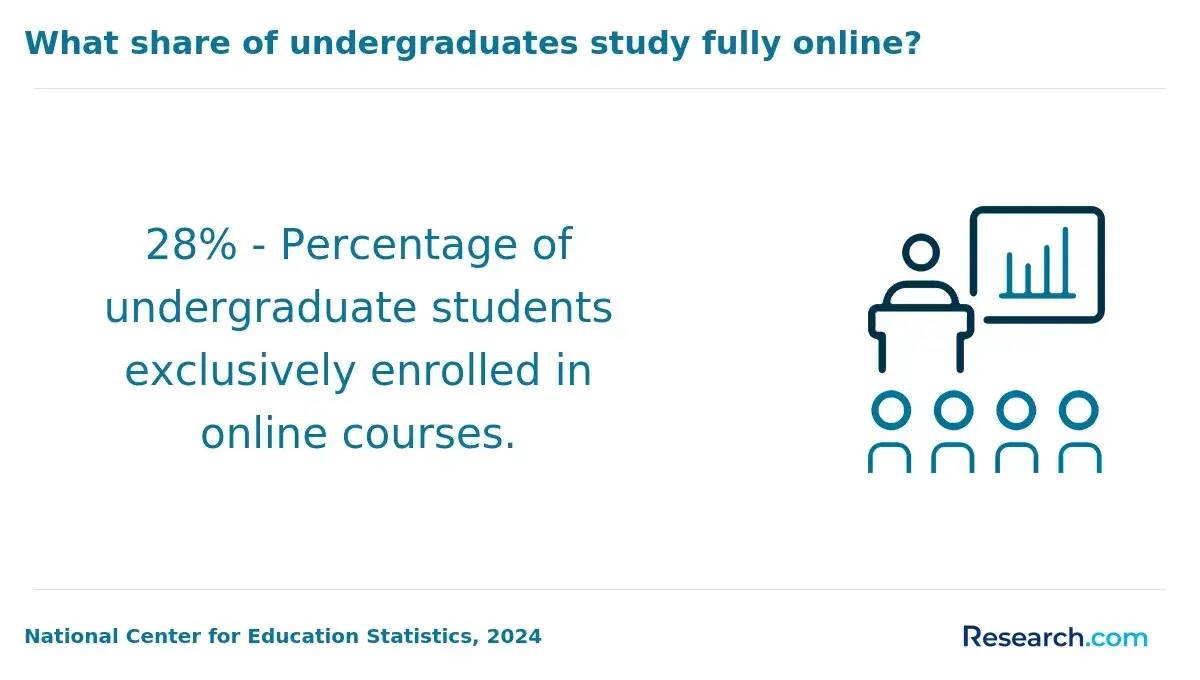
- Employer Tuition Assistance: Working adults often benefit from employer-sponsored programs, especially when employed in health, fitness, or rehabilitation industries. Such support can supplement or cover education costs while students maintain employment.
- Flexible Payment Plans: Some programs or third-party providers offer installment options that align with accelerated terms. These plans allow spreading payments over shorter periods, making upfront costs more manageable.
- Acceleration Impact on Aid: Accelerated pacing may influence eligibility maintenance, such as full-time enrollment or academic progress standards. Students should confirm how compressed schedules affect continuing aid to avoid unexpected interruptions.
When discussing whether financial aid can support a rapid sports science degree, a professional who completed an accelerated bachelor's shared her perspective. She recalled feeling initially anxious about balancing intensive coursework with financial management but found that careful planning was key.
"Navigating the timeline for federal aid disbursement took some adjustment," she explained, noting she had to coordinate loan and grant receipt carefully with her semester start dates.
She also emphasized the value of employer tuition assistance that significantly eased the financial strain during her studies. Reflecting on her experience, she described the sense of accomplishment that came with finishing in two years, made possible only by effectively leveraging available aid.
Her journey highlights that while challenges exist, diligent organization and exploring all financial resources can make accelerated sports science degrees both attainable and affordable.
Breakdown of All 2-Year Online Title IV Institutions

What Jobs Can You Get With a 2-Year Sports Science Degree?
Evaluating career outcomes is essential when considering the value of an accelerated bachelor's degree in sports science, as it helps clarify the potential return on investment and time commitment required.
The following overview highlights common roles and how the condensed format fosters practical readiness for the workforce.
- Fitness trainers and exercise specialists: Graduates often start as fitness trainers or exercise specialists, designing and implementing exercise programs to improve health or athletic performance in gyms and wellness centers.
- Strength and conditioning coaches: These roles focus on enhancing athletic abilities through customized training regimens, often supporting sports teams or individual athletes at various levels.
- Rehabilitation aides and wellness coordinators: Working primarily within rehabilitation clinics or community centers, graduates assist with recovery programs and wellness initiatives that promote long-term health.
- Sports program assistants: Often employed in community or recreational sports organizations, these professionals help organize and manage events, supporting overall program operations.
- Youth and amateur coaching: The degree provides a foundation for coaching roles at youth or amateur levels, contributing to athlete development and mentoring under supervision.
- Accelerated degree benefits: The two-year format condenses coursework to save time, emphasizing hands-on experience and practical skills essential for immediate entry into careers requiring workforce readiness and adaptability.
According to the U.S. Bureau of Labor Statistics, jobs related to fitness training and wellness are expected to grow significantly, creating a favorable job market for those with a 2-year sports science degree jobs. While many entry-level positions welcome degree holders, career advancement often necessitates additional certifications or experience.
Students interested in career opportunities with accelerated sports science degrees should consider the benefits of completing their education sooner, which allows earlier workforce entry and potential for faster career growth.
For some, pursuing affordable online nursing programs might also complement their skill set for broader healthcare roles in the future.
How Do Salaries Compare for 2-year Sports Science Degree vs. Traditional Bachelor's Degrees?
Understanding how earnings compare between 2-year sports science degree graduates and bachelor's degree holders helps prospective students make informed decisions about their education and career trajectory.
Below is a detailed comparison of salary outcomes, factoring in early-career wages, long-term potential, and overall career impact.
- Early-career earnings: Graduates with a 2-year sports science degree typically earn a median annual salary of approximately $45,000 shortly after entering the workforce. In comparison, bachelor's degree holders in related fields generally start with salaries ranging from $50,000 to $60,000, reflecting the broader qualifications associated with a four-year education.
- Long-term earning potential: Over time, bachelor's degree holders often see their median salaries grow to $75,000 or more, driven by eligibility for managerial and specialized roles. This long-term advantage can result in earnings that are 20% to 40% higher than those earned by associate degree holders.
- Employer perception and career progression: Employers tend to favor candidates with bachelor's degrees for promotions and advanced positions, which accelerates career progression for these graduates. Those with 2-year degrees may experience slower advancement due to credential preferences and job requirements, affecting lifetime earnings potential.
- Faster workforce entry: Completing a 2-year sports science degree enables graduates to enter the workforce up to two years earlier than bachelor's degree holders. This head start can lead to increased cumulative earnings, particularly in steady-growth fields like sports coaching and fitness training.
- Salary outcomes for accelerated sports science degrees: The accelerated nature of many 2-year programs allows individuals to begin their careers more quickly, which might partially offset the initial salary gap.
For those interested in affordable pathways to qualify for roles in health and fitness, programs such as cheap RN to BSN online programs offer a model of accelerated education worth considering alongside similar sports science options.
Which Factors Most Affect ROI for Accelerated Sports Science Degrees?
For those considering accelerated sports science degrees, evaluating return on investment (ROI) is essential to ensure that the time and money spent align with career goals and financial returns.
The following points highlight the most important elements affecting ROI for these intensive degree paths.
- Time-to-completion: Accelerated degrees significantly shorten the typical four-year timeline, often to around two years. This reduction allows students to enter the workforce sooner, minimizing the years without income and increasing overall earning potential.
- Tuition and total cost: While per-credit fees may be comparable to traditional programs, the condensed schedule usually lowers total tuition and expenses such as fees and living costs, making the overall investment more affordable.
- Opportunity cost savings: Completing the degree faster reduces the loss of potential wages that would have been earned during a longer program. This efficient path helps recoup costs more quickly and enhances net financial benefits.
- Employment outcomes and salary growth: Sports science-related fields show above-average job growth, and median salaries range broadly based on role and experience. Graduating earlier allows accelerated program students to start building their careers and increasing their income sooner.
- Industry demand: Rising public interest in health, fitness, and rehabilitation fuels steady demand for qualified sports science professionals. This growing market improves job security and supports positive ROI over time.
- Skill transferability: Many accelerated programs emphasize core competencies that apply to adjacent fields like physical therapy, coaching, and wellness management. This versatility broadens career opportunities beyond strictly sports science roles.
How Do You Decide If a 2-year Sports Science Degree Is Right for You?
Choosing a 2-year sports science degree requires careful thought about your personal and academic circumstances. Consider if you thrive under an intense schedule, as accelerated programs demand quick learning and strong time management.
Reflect on how much time you can dedicate weekly, since these programs compress four years of study into two, increasing workload. Also, think about how soon you want to enter the workforce; an accelerated path offers faster completion but requires commitment.
Your professional goals and readiness to handle this pace are crucial factors in making this decision.
Financially, a shorter program often means lower overall tuition and less debt, potentially saving 30%-50% compared to traditional degrees. Faster graduation can also lead to earlier employment, boosting lifetime earnings, especially as certain sports science careers are expected to grow by around 10% through 2031.
However, research if employers in your field view accelerated degrees as favorably as traditional ones, and consider whether this path allows future academic or career flexibility. Weighing these practical aspects alongside your career outlook will help determine if this route aligns with your goals.
What Graduates Say About Their 2-Year Sports Science Degree
- Canary: "I chose the 2-year accelerated bachelor's degree in sports science because I wanted to jumpstart my career without spending the typical four years in school. Balancing a full course load alongside part-time work was challenging, but the program's structure and support made it manageable. Since graduating, I've landed a position with a professional sports team, and the practical knowledge I gained has been invaluable."
- Regine: "Opting for the 2-year sports science degree was a deliberate choice to save on both time and costs, considering the average attendance price and my financial situation. The intense schedule required discipline, but it also taught me time management and resilience. Reflecting on my journey, I see how this focused education has allowed me to advance quickly into a research role that I truly enjoy."
- Adrian: "The accelerated nature of the 2-year bachelor's in sports science appealed to me because I wanted a professionally relevant degree that didn't delay my entry into the workforce. Handling the compacted coursework meant prioritizing and streamlining my studies, which was hectic but rewarding. Professionally, this degree gave me a solid foundation to consult for athletic programs with confidence and credibility."
Other Things You Should Know About Sports Science Degrees
In 2027, pursuing a 2-year sports science degree could be worth the investment if you seek a fast-tracked entry into the field. It offers a quicker route to the job market, potentially increasing your early career earnings and providing practical skills. However, it's essential to weigh this against the possible limitations in job advancement compared to a traditional 4-year program.
An accelerated 2-year sports science degree can accelerate entry into the workforce, giving students a head start in gaining practical experience. By 2026, this fast-tracked education can enhance career advancement opportunities by allowing graduates to begin accruing job-related skills and industry connections earlier than those in traditional programs.
References
- What Jobs Can You Get with A Sports Science Degree? | learndirect https://www.learndirect.com/blog/what-jobs-can-you-get-with-a-sports-science-degree
- Two-Year Accelerated Degree https://www.kent.ac.uk/courses/undergraduate/two-year-accelerated-degree
- Return on Investment - your degree choice and potential future earnings https://www.thecompleteuniversityguide.co.uk/student-advice/what-to-study/degree-choice-and-future-earnings
- How We Calculated the Return on Investment of Associate Degrees and Certificates - Freopp https://freopp.org/whitepapers/how-we-calculated-the-return-on-investment-of-associate-degrees-and-certificates/
- Which tool or piece of equipment has provided you with the highest return on investment over the past 12 months? - Sportsmith https://www.sportsmith.co/articles/which-tool-or-piece-of-equipment-has-provided-you-with-the-highest-return-on-investment-over-the-past-12-months/
- Complete Guide to Financial Aid for Student-Athletes: Scholarships, Grants & Other Recognized Aid https://sportsrecruits.com/resources/managing-recruiting/types-of-financial-aid
- BSc (Hons) Applied Sport and Exercise Science https://www.rgu.ac.uk/study/courses/974-bsc-hons-applied-sport-and-exercise-science
- Finding the Right Track After Your Sports Science Degree | Science | AAAS https://www.science.org/content/article/finding-right-track-after-your-sports-science-degree
- Accelerated Degrees at University Centre Farnborough, Hampshire - Farnborough College of Technology https://www.farn-ct.ac.uk/adult-learners/courses/accelerated-degrees/3405/


