
2027 Is a Bioinformatics Online Degree Worth It?

Co-Founder and Chief Data Scientist
The growth of online education has transformed how students access specialized fields like bioinformatics. With enrollment in online degree programs increasing by over 20% in recent years, many are considering an online bioinformatics degree as a flexible and convenient path to enter this rapidly evolving discipline.
This article explores whether pursuing an online bioinformatics degree is worth it by examining key factors including cost, flexibility, accreditation, job-market trends, and employer perceptions. Understanding these aspects can help students make informed decisions about their educational investment and future career prospects.
Key Benefits of Online Bioinformatics Degree
- Online bioinformatics programs often offer flexible schedules and asynchronous learning, accommodating working professionals and diverse learners without sacrificing academic rigor.
- The field's growth, with a 15% projected job increase through 2031, underscores strong career relevance in healthcare, pharmaceuticals, and research.
- Graduates gain practical skills in data analysis and computational biology, opening pathways to roles in cutting-edge genomics and personalized medicine.
Who Should Choose an Online Bioinformatics Degree Program?
Online learning offers a convenient option for many students by providing flexibility that fits diverse personal and professional lifestyles. This adaptability allows individuals to pursue advanced education without disrupting their existing commitments, making it an appealing choice for a range of learners.
Several groups particularly benefit from pursuing an online bioinformatics degree program, as outlined below:
- Working Professionals: These learners often seek to enhance their expertise or shift their careers within biotechnology or healthcare fields. Online bioinformatics programs enable them to deepen their skills while maintaining full-time employment.
- Students with Science Backgrounds: Individuals holding degrees in biology, computer science, or related areas find these programs useful for developing interdisciplinary competencies in computational biology and data analysis, complementing their prior knowledge.
- Career Changers and Lifelong Learners: People aiming to enter bioinformatics benefit from foundational courses and practical projects that help them reskill or upgrade skills without needing to pause other life activities or relocate.
- International and Remote Learners: By removing geographic boundaries, online bioinformatics programs allow global participation, fostering diverse collaboration and perspectives among students from different regions.
What Are the Pros and Cons of an Online Bioinformatics Degree?
Online bioinformatics programs have surged in popularity due to their flexibility, allowing students and professionals to balance studies with personal and career commitments. This format provides an accessible path for career advancement in a rapidly expanding field.
Pros of an Online Bioinformatics Degree
- Flexibility and Accessibility: Online degrees enable learners to study at their own pace and on their own schedule, which suits those juggling work or family. Over 75% of graduate students take at least one online course, demonstrating the high demand for flexible bioinformatics degree pros and cons for remote learning.
- Access to Cutting-Edge Tools and Resources: Many programs provide practical experience with industry-standard software and cloud platforms, such as BaseSpace by Illumina, equipping graduates for real-world data analysis in biotech and research.
- Career Advancement and Networking: Graduates often find opportunities in pharmaceuticals, research, and data science, with platforms like Coursera reporting over 70% of learners gaining career benefits after finishing specialized courses.
- High Earning Potential: Those exploring bioinformatics careers should consider certificates that make the most money, which online programs often align with, providing a strong return on investment.
Cons of an Online Bioinformatics Degree
- Limited Hands-On Laboratory Experience: Many online courses lack wet-lab components essential for some roles, which can be a drawback for candidates needing practical lab skills in bioinformatics careers.
- Self-Discipline and Motivation Required: Remote learning demands strong self-motivation, as the absence of a traditional classroom structure can make mastering complex topics like algorithms and statistics challenging.
- Potential for Limited Networking: Virtual networking opportunities may not fully replace in-person connections, which can affect collaborations and job referrals compared to on-campus programs.
How Do AI-Enhanced Virtual Classrooms Work in Online Bioinformatics Programs?
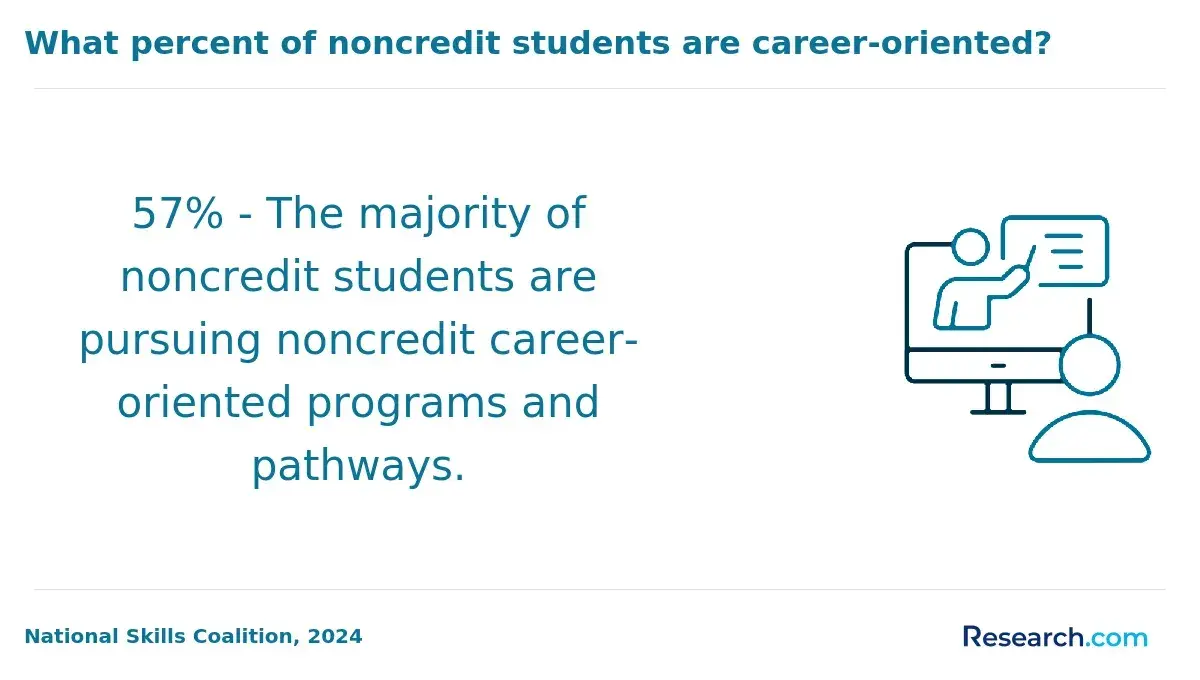
AI technologies have become central to modern online education by enhancing interactivity and personalizing learning experiences for bioinformatics students. These innovations improve accessibility and instruction quality, enabling learners to engage more deeply with complex content.
Below are key features that define AI-powered virtual classrooms in online bioinformatics programs.
- Adaptive Learning Platforms with Personalized Feedback Systems: These platforms tailor course materials to each student's pace and comprehension, providing targeted feedback that helps address knowledge gaps quickly and effectively.
- AI-Powered Virtual Laboratories for Biology Education: Students gain hands-on experience through simulated experiments and real dataset analyses using tools like Jupyter notebooks, promoting practical skill development aligned with current bioinformatics workflows.
- AI Chatbots for On-Demand Support: These virtual assistants offer immediate answers outside traditional instructor hours, facilitating continuous active learning and personalized guidance based on individual questions.
- Automated Assessment and Dynamic Content Generation: AI streamlines grading and adapts instructional materials, freeing instructors to focus on personalized competency assessments and improving course quality.
- Collaborative AI Tutors and Live Study Groups: Regular interactive sessions foster community learning while supporting efficient coursework completion through AI-driven personalization.
Prospective students seeking accessible and innovative bioinformatics programs can explore options such as easy PhD programs, which increasingly integrate these AI-enhanced virtual classrooms to support learner success.
What Technology Do You Need for an Online Bioinformatics Degree?
Having the right technology setup is essential for success in modern online bioinformatics programs. Up-to-date hardware and specialized software are critical for managing large biological datasets and running complex computational analyses smoothly.
To support students, the following tools, equipment, and software should be prepared before starting an online bioinformatics degree technology requirements curriculum.
- Reliable computer (laptop or desktop): A recent model with at least 8-16 GB RAM, a multi-core processor like Intel i5 or Ryzen 5, and a solid-state drive (SSD) is necessary. These specifications ensure smooth operation of data analysis tools and virtual labs, as tasks such as genome assembly or running statistical analyses in R or Python demand substantial processing power.
- High-speed internet connection: A stable broadband connection of at least 25 Mbps is essential for downloading large datasets, streaming lectures, and accessing cloud-based bioinformatics software. Interruptions or slow speeds can disrupt coursework and teamwork in a virtual bioinformatics program software tools environment.
- Webcam and microphone: Clear audio and video are vital for participating in live discussions, presentations, and collaborative group work, enhancing communication in remote classes and projects.
- Linux or UNIX environment (or emulator): Many bioinformatics applications are optimized for Linux. Using Ubuntu directly or via Windows Subsystem for Linux allows students to run essential command-line tools and bioinformatics pipelines like BLAST or Nextflow, which may not be available on Windows or Mac systems.
- Essential software: This includes R and RStudio for statistical analysis and visualization, Python and Jupyter Notebook for scripting and machine learning, Git for version control supporting project collaboration, and database management tools like MySQL or PostgreSQL for coursework involving biological databases.
- Cloud storage: Platforms such as Google Drive, Dropbox, or university-provided options are needed for securely backing up projects, sharing data, and collaborating on documents within online bioinformatics degree technology requirements.
Preparing these resources helps students not only complete assignments efficiently but also reflects the technology stack used in real-world bioinformatics research and industry roles.
Those interested in exploring professions with high earning potential might consider reviewing the highest-paying college majors as complementary information when evaluating online bioinformatics programs.
How Long Does It Take to Finish an Online Bioinformatics in 2027?
Program length is a crucial consideration for prospective students, especially those balancing work or personal commitments. Online bioinformatics degree timelines vary widely depending on the chosen pace and program design.
Below is an overview of typical completion durations for these degrees, highlighting different enrollment options and pacing models.
- Full-Time Online Track: Designed for students who can devote significant time each term, this option often allows completion within 12 to 18 months. Accelerated formats, such as those offered by select universities, enable finishing faster by taking heavier course loads.
- Part-Time Enrollment: Ideal for working professionals or those with other obligations, part-time tracks usually span 2 to 3 years. These flexible schedules reduce course loads per term, extending program length but enabling better work-life balance.
- Flexible Pacing Programs: Many programs now provide a mix of accelerated and extended pathways where students choose their pace. This adaptive structure caters to varying schedules, ranging from roughly 15 months up to 3 years depending on commitments.
Can You Work Full-Time While Completing an Online Bioinformatics Degree?
Balancing a full-time job while pursuing an online bioinformatics degree is a common concern among prospective students due to the demanding nature of the field, which involves programming, data analysis, and biology. Understanding key factors that affect this balance can clarify how to manage work and study effectively.
Several elements play a crucial role in how feasible it is to juggle both commitments:
- Flexible Scheduling: Programs offering self-paced or asynchronous courses allow students to learn on their own time, accommodating irregular work hours. Conversely, synchronous classes with fixed times may be harder to attend alongside full-time jobs.
- Workload Management: Many online bioinformatics degrees recognize working professionals by structuring course demands realistically. Prioritizing assignments and spreading work evenly over weeks often helps reduce stress.
- Employer Support: Access to flexible hours, study leave, or understanding supervisors greatly eases combining work and education, providing essential breathing space.
- Time Management Skills: Clear boundaries and effective prioritization are vital. Breaking study sessions into focused intervals and planning ahead help maintain progress without burnout.
When I asked a student who completed an online bioinformatics degree while working full-time about her experience, she described it as challenging yet rewarding.
She shared, "The toughest part was balancing late-night study sessions with early work shifts, but staying organized was my lifeline." Her routine often involved weekend deep-dives into complex data analysis, while weekdays required quick review sessions during breaks.
Despite the fatigue, she emphasized that determination and a supportive work environment made completing the degree possible and fulfilling.
How Do Online Bioinformatics Degree Programs Help with Internships?
Online bioinformatics degree programs actively support students in securing and completing these opportunities, ensuring practical skill development despite geographic limitations.
These programs employ various strategies to facilitate internships and practicum experiences, including:
- Partnership Networks: Collaborations with research labs and organizations worldwide provide remote, project-based internships. Students engage in genomics, data analytics, and machine learning projects without the need to relocate.
- Mentorship Programs: Faculty and industry professionals offer consistent guidance and feedback, helping students navigate challenges and optimize their learning throughout the internship.
- Curated Internship Listings: Dedicated directories and job boards focus exclusively on remote bioinformatics roles, streamlining the search process and tailoring options to students' skills and interests.
- Virtual Learning Tools: Online platforms deliver training modules, project templates, and recorded tutorials, enabling flexibility and ensuring students can balance internships with other commitments.
- Placement Assistance and Credentials: Support services include recommendation letters, certificates, and career advice, strengthening students' resumes and enhancing their employability post-graduation.
What Is the Average Tuition Cost of an Online Bioinformatics Program?
Knowing the cost of tuition is crucial for students planning to pursue an online bioinformatics degree, as it affects budgeting and overall value. Understanding these expenses helps set realistic financial expectations and compare programs effectively.
Below is a breakdown of key tuition-related information prospective students should consider.
- Average Tuition Per Year: Graduate tuition for in-state students at public universities averages around $14,310 annually, while out-of-state students pay about $31,871. Undergraduate rates are slightly lower, with approximately $11,811 for in-state and $35,593 for out-of-state students.
- Per-Credit Costs: Tuition often depends on the credit hour. For example, the University of Maryland Global Campus charges about $544 per in-state credit and $659 for out-of-state, whereas the University of Missouri's online rate is a flat $1,168.70 per credit regardless of residency.
- Public vs. Private Institutions: Private universities typically have higher tuition, with some graduate courses exceeding $1,900 per credit hour. This difference can significantly impact the total cost of completion.
- Residency Impact: While many public schools offer discounted rates for residents, some online programs adopt a uniform tuition fee for all students, simplifying payment but sometimes increasing costs for locals.
- Additional Fees: Beyond tuition, students should budget for technology charges, mandatory university fees ranging from $100 to $300 per term, and occasional lab or course-specific fees, especially in science-oriented courses.
When asked about the average cost, a student currently enrolled in an online bioinformatics program shared that navigating tuition fees was initially daunting.
He explained, "I wasn't sure how variable the costs could be, especially comparing in-state and out-of-state rates." He appreciated the clarity gained from breaking down per-credit fees and additional expenses, which helped him plan his finances better.
"The biggest challenge was balancing these costs with work and family commitments, but knowing exactly how the fees add up made it manageable."
His story highlights the importance of understanding tuition details to make informed decisions about online study in bioinformatics.
What Is the Average Salary for Someone with an Online Bioinformatics Degree in 2027?
Understanding potential earnings is a critical factor when evaluating the value of an online bioinformatics program. Knowing salary expectations helps prospective students balance the costs of tuition and time investment against future financial benefits.
The following bullet list highlights key insights into bioinformatics salary 2025 by experience level, offering a clear picture of earning potential in this field.
- Average Entry-Level Salary: Graduates with a bachelor's degree in bioinformatics often begin their careers as bioinformatics technicians or analysts. Starting salaries commonly range from $65,000 to $80,000 annually, with variations influenced by geographic location and employer size.
- Mid-Career Salary Growth: As skills and experience increase, especially with a master's degree, the average salary reaches approximately $103,000 per year. The top 10% of professionals can command salaries up to $147,000, reflecting strong career progression.
- Salary by Industry: Professionals employed in biotechnology, pharmaceuticals, and major tech hubs tend to earn higher salaries. Advanced expertise in machine learning and big data analytics further enhances compensation, with some salaries surpassing the national average.
- Regional and Sector Variations: Salaries also depend on region, with tech and pharmaceutical giants in urban centers offering premium pay. This accounts for a significant portion of the higher-end salary spectrum for bioinformatics scientists.
For those researching average bioinformatics scientist salary expectations, the U.S. market shows robust demand and competitive pay. These figures align with data from North Carolina State University, which reports an average estimated salary near $103,868 annually for bioinformaticians based on recent job postings.
Choosing an online bioinformatics degree from well-regarded institutions, including non profit accredited colleges, can influence both educational quality and career opportunities, further impacting salary outcomes and career growth.
Which Industries Hire Graduates From Online Bioinformatics Programs?
Graduates of online bioinformatics programs gain versatile skills that prepare them for diverse professional fields. This degree equips students with expertise in computational biology, data analysis, and programming, making them competitive candidates across various sectors.
Below is an overview of the key industries hiring online bioinformatics graduates.
- Biotechnology and Pharmaceuticals: These sectors actively seek bioinformatics professionals to develop data pipelines, analyze genomic sequences, and support drug discovery and development projects. Strong computational skills are essential for roles involving large datasets and precision medicine initiatives.
- Healthcare: Healthcare organizations, including clinical laboratories and hospitals, employ bioinformatics specialists to interpret genetic information and contribute to improved patient outcomes. The demand for bioinformatics careers in healthcare and biotech continues to grow as personalized medicine advances.
- Academic and Government Research: Research institutions hire bioinformaticians to work on large-scale projects related to genomics, evolutionary biology, and population health. These roles often involve analyzing complex datasets to support scientific discoveries and public health efforts.
- Information Technology and Data Science: Employers in IT leverage bioinformatics graduates' skills in data management and algorithm development to improve software tools for biological data analysis and healthcare applications.
According to platforms like Indeed and ZipRecruiter, labor trends show hundreds of remote bioinformatics job openings in the US, highlighting the growing need for professionals with these skills.
Many students choose from national accredited online schools to gain practical experience with real-world datasets, boosting their competitiveness in industries hiring online bioinformatics graduates.
What Graduates of Online Bioinformatics Programs Say About Their Degree
- Lane: "Pursuing an online bioinformatics degree allowed me to learn at my own pace, balancing my job and studies effectively. The program was affordable compared to traditional routes, making it a smart investment in my future. Today, I confidently work in genomics research thanks to the solid foundation I built during my coursework."
- Amy: "The flexibility of an online bioinformatics degree gave me the opportunity to deepen my knowledge without sacrificing my family time. The in-depth curriculum and practical approach truly enhanced my data analysis skills, which directly contributed to my promotion. Considering the reasonable cost of attendance, it was a decision well worth making."
- Daniela: "Opting for an online bioinformatics degree was a professional game-changer; it expanded my understanding of computational biology noticeably. Despite initial doubts, the structured yet self-driven learning environment suited my schedule perfectly. Factoring in the modest tuition fees, the degree opened doors to advanced career roles in biotech companies."
Other Things You Should Know About Bioinformatics Degrees
In 2027, employers generally value online bioinformatics degrees, especially those from accredited programs. Recognition largely depends on accreditation status and the reputation of the institution. Employers also look for practical skills and experience, so complementing the degree with relevant projects or internships can enhance job prospects.
An online bioinformatics degree can be an effective pathway for professionals in biology, computer science, or related fields seeking to shift careers.
The flexible format allows many to study while continuing work in their current field or gaining skills that are directly applicable to bioinformatics roles.
This makes it a practical option for career changers aiming to enter biotechnology, pharmaceuticals, or healthcare analytics.
References
- Dr. Omics Education; https://dromicsedu.com/blog-details/kickstart-your-career-with-a-bioinformatics-internship-what-you-need-to-know
- Bioinformatics https://www.bbk.ac.uk/courses/postgraduate/bioinformatics
- No-boundary thinking for artificial intelligence in bioinformatics and education https://pmc.ncbi.nlm.nih.gov/articles/PMC10800434/
- AI applications in bioinformatics https://accscience.com/journal/AIH/special_issues/AIinBioinformatics
- Online Master of Science in Biotechnology: Bioinformatics https://www.umgc.edu/online-degrees/masters/biotechnology-bioinformatics
- Opportunities and considerations for using artificial intelligence in bioinformatics education - PubMed https://pubmed.ncbi.nlm.nih.gov/40900913/
- Studying Bioinformatics: Is it Worth it? https://www.datascienceblog.net/post/commentary/studying-bioinformatics-is-it-worth-it/
- Bioinformatics Salary Guide 2025: What to Expect? https://www.biotecnika.org/2025/03/bioinformatics-salary-guide-2025-what-to-expect/
- Bioinformatics Salary: Entry-level And Senior Averages - Cemp https://cempeducation.com/news/bioinformatics-salary/
- Thoughts on switching from Biology to Bioinformatics https://www.biostars.org/p/188038/


