2027 Is a Geoscience Online Degree Worth It?

Co-Founder and Chief Data Scientist
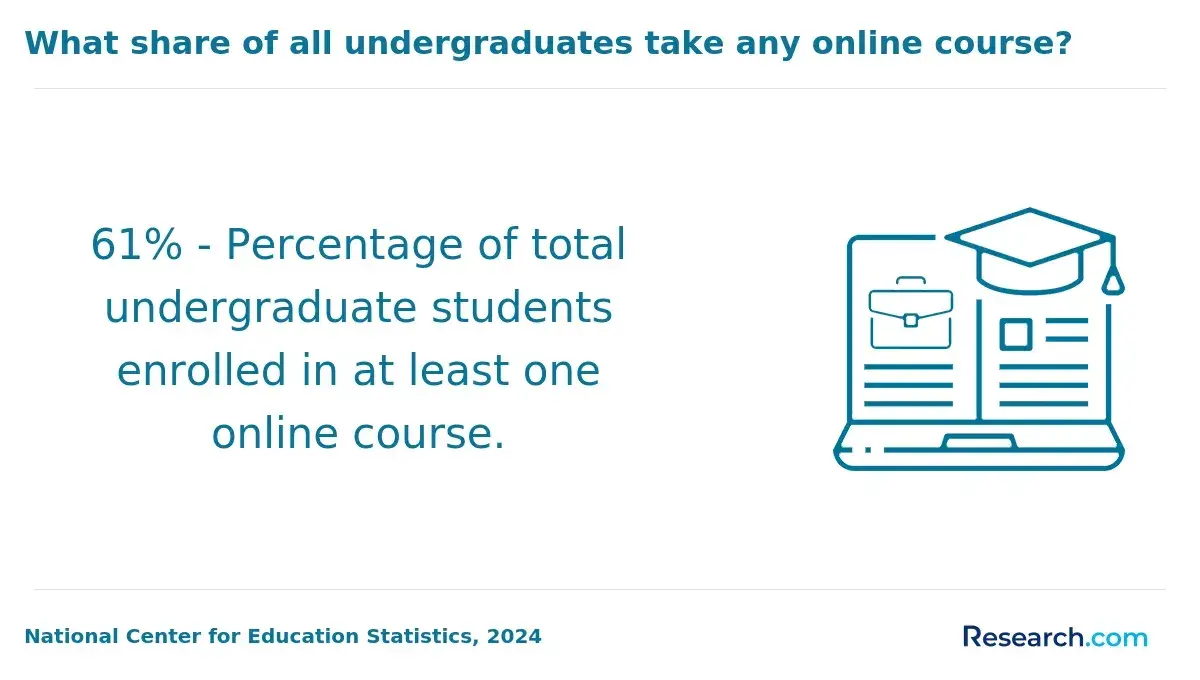
Online education has surged in popularity, with enrollment increasing by over 30% in the past five years, making degrees in fields like geoscience more accessible than ever. Many students are drawn to online geoscience programs due to their flexibility and the opportunity to balance studies with work or personal commitments.
This article aims to help prospective students decide if an online geoscience degree is worth pursuing by examining cost, program accreditation, job market demand, and employer attitudes. Understanding these factors will provide a clearer picture of the degree's value in launching or advancing a career in geoscience.
Key Benefits of Online Geoscience Degree
- Online geoscience programs offer flexible schedules and asynchronous learning, accommodating working professionals and non-traditional students seeking to advance without disrupting their careers.
- Geoscience skills remain in demand for sectors like environmental consulting and energy, with a projected 5% job growth through 2030, emphasizing strong career relevance.
- Accredited online degrees provide rigorous training in data analysis and field techniques, ensuring practical expertise that supports long-term employability and diverse opportunities.
Who Should Choose an Online Geoscience Degree Program?
Online learning has become a viable alternative for many students due to its ability to offer flexibility without reducing academic quality. This adaptability appeals to individuals balancing varied personal and professional responsibilities. Below are the groups best suited for pursuing an online geoscience degree program.
Working Professionals: These learners are often employed in geoscience or related environmental fields and benefit from programs that accommodate their busy schedules, allowing them to advance their skills without leaving their jobs.
Military Personnel and Remote Learners: Those stationed abroad or living far from educational institutions can continue their education uninterrupted through remote access, making online courses an ideal solution during deployments or in isolated locations.
Career Changers: Individuals transitioning from other fields gain the flexibility to acquire foundational and advanced geoscience knowledge on a timeline that fits their existing commitments.
Parents and Caregivers: Those with family duties find asynchronous coursework especially helpful, as it enables them to study when it suits their unique schedules and responsibilities.
High satisfaction rates reported by diverse adult learners demonstrate the strength of flexible online formats in supporting varied life circumstances.
What Are the Pros and Cons of an Online Geoscience Degree?
Online geoscience programs have grown popular as they offer students and working professionals the flexibility to balance education with other responsibilities. Advances in technology now allow comprehensive remote learning in a field once heavily reliant on in-person study, making these degrees more accessible.
Pros of an Online Geoscience Degree
- Flexible scheduling: Online geoscience degree flexibility and scheduling is a major advantage. Programs enable students to complete coursework around work or family commitments, with options to study from any location, such as Southern New Hampshire University's online program, which supports even deployed military personnel.
- Career-ready technical skills: Many online degrees focus on industry-relevant skills like GIS, coding, and remote sensing. These skills enhance employment opportunities in environmental consulting, resource exploration, and government roles where technology-driven data analysis is critical.
- Affordability and ROI: Some degrees deliver strong long-term value. For example, the University of Florida's online geology degree boasts a 20-year net ROI of $430,000 and an affordable tuition of $6,381 annually, making it a cost-effective path to well-paying jobs.
- Accessibility for nontraditional students: Online formats expand access for those unable to relocate or attend campus, broadening educational opportunities for diverse learners.
Cons of an Online Geoscience Degree
- Limited fieldwork opportunities: Practical, hands-on field experience is a cornerstone of geology, but difficult to replicate online. While virtual labs and kits exist, some essential skills may develop less fully than in on-campus programs.
- Perceptions of online degrees: Despite growing acceptance, some employers or academic institutions remain cautious about fully online science degrees, especially those emphasizing fieldwork, which can affect career outcomes.
- Technical and self-management challenges: Online learning demands reliable technology and strong self-discipline. Students new to independent study may struggle with time management and proactively seeking help.
- Lower graduation rates in some programs: Some online geoscience degrees report lower completion rates, reflecting challenges learners face in rigorous STEM curricula and affecting overall job market competitiveness for graduates.
Students interested in efficient degree options might explore 1 year masters degrees to further enhance their career prospects in geoscience and related fields.
How Do AI-Enhanced Virtual Classrooms Work in Online Geoscience Programs?
AI technologies have become central to modern online education by enhancing how geoscience students engage with complex scientific material. They improve the learning experience through tailored instruction and interactive tools that address individual needs. Here are key features of AI-powered virtual learning environments used in online geoscience programs:
- Adaptive Learning Tools: These tools customize coursework and simulations based on student performance data, creating personalized learning pathways that boost comprehension and retention. This approach supports AI-driven simulations in online geoscience education by adapting content to real-time progress.
- Immersive Collaboration: Virtual environments enable geoscience students to work together on spatial data analysis and geospatial visualization projects, fostering teamwork on complex Earth science problems involving large datasets.
- AI-Driven Feedback: Assessment systems provide immediate, detailed feedback on coding exercises and data interpretation, allowing students to quickly identify and address knowledge gaps.
- Virtual Field Experiences: These incorporate practical applications such as climate modeling and seismic imaging, giving students hands-on opportunities to apply machine learning to real-world geoscience challenges.
- Python Integration: Computational tools embedded in virtual classrooms let instructors demonstrate data preprocessing and model development interactively, making abstract concepts tangible.
For those exploring educational options, understanding these innovations is key-especially when searching for the easiest associates degree to get that still offers cutting-edge learning experiences.
What Technology Do You Need for an Online Geoscience Degree?
Success in online geoscience programs depends heavily on having the right technology setup that can handle demanding digital tasks. Modern coursework requires powerful hardware and specialized software to analyze large datasets, run simulations, and collaborate effectively in virtual environments. Below is a list of essential tools, equipment, and software students need to prepare before enrolling in an online geoscience program.
- Reliable computer (Laptop or Desktop): A robust machine with at least an Intel Core i7 12th Gen or AMD Ryzen 7 5000 series processor, 16GB RAM (32GB recommended), and a dedicated graphics card such as NVIDIA RTX 3070 or AMD Radeon RX 6750M+ is vital. This setup ensures smooth operation of geospatial software, statistical modeling, and data visualization, which are integral to most geoscience tasks. Tablets by themselves usually lack the processing power needed for these activities.
- Storage: At least 512GB NVMe SSD storage is needed to accommodate large datasets, GIS layers, satellite imagery, and software packages, though 1TB is recommended for better flexibility. These files often reach gigabytes in size, so fast and ample storage prevents slowdowns and data loss during projects.
- Display: A 15.6" Full HD (1920x1080) or higher-resolution screen is recommended to comfortably view detailed maps and complex spatial data. A larger or sharper display aids multitasking and helps students analyze intricate visualizations with greater accuracy.
- Internet connection: A stable high-speed connection with at least 5Mbps download, 1Mbps upload, and low latency under 100ms is essential. This ensures seamless access to online lectures, quick download of large file sets, and smooth participation in virtual labs and group collaborations.
- Software: Key programs include ArcGIS Pro, Python, and Microsoft Office. Python is important for automating data workflows and building custom models, while ArcGIS Pro serves as the industry standard for geospatial analysis. Most programs provide access to these, but ensuring your hardware meets the system requirements is critical for effective use. Having awareness of the computer requirements for online geoscience programs will prevent technical interruptions.
- Antivirus software: Reliable antivirus protection is necessary to safeguard sensitive research data and maintain uninterrupted access to digital resources. Security software helps protect against malware that could compromise project files or personal information.
Understanding the geoscience software and hardware needed for online courses helps students stay prepared for the technical demands of their studies. For those seeking advanced degrees, exploring doctoral programs online no dissertation is a valuable option that often involves similar technology standards.
How Long Does It Take to Finish an Online Geoscience in 2027?
Understanding the length of an online geoscience degree is crucial for students balancing education with work or other commitments. Completion times differ widely depending on program design, course pacing, and student dedication. Below is an overview of typical timelines for completing geoscience degrees online.
- Bachelor's Degree (Standard Pace): Usually requiring about 120 credits, these programs take around four years to complete when attending full time. Many follow traditional semester or accelerated seven to eight-week course formats, allowing some schedule flexibility.
- Accelerated Bachelor's-Master's Pathway: Certain universities offer combined programs enabling students to earn both degrees within approximately five years. This option shortens total study time by integrating graduate-level courses during the bachelor's track.
- Master's Degree: Typically completed in two years or less, most online master's programs offer flexible scheduling with accelerated options. Some schools enable completion in as little as three semesters, catering to working professionals.
- Part-Time Enrollment: Students balancing jobs or other responsibilities often take longer due to reduced course loads. Many programs accommodate part-time pacing with multiple start dates throughout the year to support individualized timing.
Can You Work Full-Time While Completing an Online Geoscience Degree?
Balancing full-time work with an online geoscience degree is a frequent concern among students aiming to advance their careers without interrupting their employment. Managing these dual demands requires understanding several key factors that influence one's ability to succeed. Here are some important considerations when working full-time while enrolled in an online geoscience program:
- Flexible Scheduling: Many programs allow students to progress at their own speed, offering part-time or full-time study options. This adaptability helps professionals tailor their coursework around busy work schedules.
- Asynchronous Coursework: Access to lectures and assignments on your own time eliminates the need for mandatory live sessions, a crucial feature for those with irregular work hours or shift changes.
- Intense Short-Term Workload: Courses are often compressed into 7- or 8-week segments, demanding focused study bursts that require strong planning to avoid exhaustion.
- Employer Support: Some companies provide tuition aid or flexible hours, making it easier to balance responsibilities without sacrificing job performance.
- Effective Time Management: Using tools like calendars and setting boundaries helps juggle daily tasks and prevent burnout.
How Do Online Geoscience Degree Programs Help with Internships?
Internships are essential for gaining practical experience and preparing for a career in geoscience. They bridge academic knowledge with real-world applications, providing crucial hands-on opportunities. Online geoscience programs use various strategies to help students access and complete internships successfully:
- Career Services Support: Dedicated staff connect students to curated internship listings and career resources, guiding them through applications and professional development.
- Partnership Programs: Collaborations with organizations such as NASA and the U.S. Geological Survey offer remote and on-site internships, expanding opportunities beyond geographic limits.
- Virtual Placement Coordination: Online systems help monitor internship progress and maintain communication between students, employers, and faculty, ensuring a structured experience.
- Mentorship and Networking: Programs often pair students with industry mentors and provide virtual networking events to foster professional relationships and skill-building.
- Integrated Practicum Courses: Some programs embed practicum projects or research assignments within coursework, allowing students to gain supervised experience with flexible scheduling.
What Is the Average Tuition Cost of an Online Geoscience Program?
Understanding tuition costs is essential for anyone planning to pursue an online geoscience degree, as it significantly influences budgeting and financial decisions. Knowing these expenses upfront helps students align their education goals with their financial capacity. Below are important details about tuition and associated costs for online geoscience programs.
- Average Tuition Per Credit: Public universities typically charge between $265 and $384 per credit for in-state students, while private institutions can be higher, averaging about $516 per credit. Rates may vary widely depending on residency and school type.
- Annual Tuition Estimates: Full-time study, usually around 30 credits annually, can cost between $7,950 and $11,520 at public schools, with private colleges charging upwards of $15,480. This range helps gauge total yearly financial commitment.
- Public vs. Private Institutions: Public universities generally offer more affordable tuition, especially for residents, whereas private schools often have steeper fees but may provide more scholarships and financial aid options.
- In-State vs. Out-of-State Rates: Some programs maintain uniform rates regardless of residency, but others impose higher costs for out-of-state students, sometimes exceeding $700 per credit.
- Additional Fees: Beyond tuition, expect costs such as technology, lab fees, and materials, which can add several hundred to over a thousand dollars annually to your budget.
- Examples: Southern New Hampshire University charges about $342 per credit for online geoscience courses, while Arizona State University's rate is closer to $580 per credit.
What Is the Average Salary for Someone with an Online Geoscience Degree in 2027?
Understanding potential earnings is essential when evaluating an online geoscience program, as salary benchmarks help gauge return on investment. Accurate salary expectations also assist students in comparing programs and planning their careers effectively. Below are key insights into geoscience salary trends and variations to consider.
- Average Entry-Level Salary: Entry-level geoscience roles typically start between $51,890 and $73,000 annually, varying by job role and location. Common positions like geologists and environmental scientists tend toward the lower end, while engineering roles may offer higher starting pay.
- Mid-Career Salary Growth: As professionals gain experience, salaries often increase significantly, with engineering geologists and research scientists earning approximately $99,000 to $101,000 per year. Senior roles requiring advanced degrees can exceed $120,000, reflecting specialized skills and leadership responsibilities.
- Salary by Industry: Industry influences earning potential notably; those employed in oil and gas extraction or private engineering services generally earn more than peers in academia or government. These sectoral differences affect average geoscience hourly wage by location and job function.
- Regional Salary Variation: Geographic location plays a critical role in compensation levels. For example, Wisconsin's median geoscience salary was $74,380 as of 2023, below the national median. States like Wyoming and California often report higher wages, showing regional salary disparities linked to demand and cost of living.
- National Geoscience Salary: The median annual wage for geoscientists in the United States was $99,240 as of May 2024, with the average hourly wage around $45.17. This aligns with overall labor market trends for skilled science and engineering occupations.
Prospective students should assess whether a program's curriculum and accreditation adequately prepare them for these salary ranges. Choosing from the most affordable online universities that accept financial aid can also improve the financial feasibility of earning an online geoscience degree while maximizing long-term benefits.
Which Industries Hire Graduates From Online Geoscience Programs?
An online geoscience degree offers versatile training that prepares graduates for a broad range of professional fields. This flexibility is reflected in the diverse industries hiring online geoscience graduates to fulfill critical roles requiring earth science expertise. Below is an overview of key sectors actively recruiting geoscience majors:
- Environmental Consulting: Firms specialize in site assessments, remediation projects, and environmental compliance. These roles demand knowledge of environmental regulations and field investigation protocols, making environmental consulting jobs for geoscience majors highly accessible and in demand.
- Government and Research: Agencies and research institutions employ geoscientists for data analysis, scientific investigation, and project management. These positions often emphasize regulatory knowledge and support public policy development related to natural resources and environmental protection.
- Energy Sector: Oil, gas, and renewable energy companies recruit geoscientists for exploration and resource evaluation. This industry values skills in geospatial technology and subsurface analysis, which are integral to maintaining efficient and sustainable energy production.
- Geotechnical Engineering: Transportation and infrastructure development projects require geoscientists to assess soil and rock properties. Salaries in this field range from $101,200 to $156,900 annually, reflecting the specialized nature of this work.
- GIS and Geospatial Technology: The growing need for spatial data analysis in infrastructure and environmental planning has expanded opportunities. Professionals skilled in mapping software and GIS applications are increasingly sought after across industries.
- Environmental Science: Consulting and remediation firms offer roles with hourly rates between $25 and $75, depending on expertise and specialization. These positions leverage the transferable competencies gained through geoscience programs, including data analysis and regulatory understanding.
The versatility of geoscience degrees allows graduates to shift across sectors, contributing expertise in environmental assessment, hydrogeological analysis, and technical documentation. To explore career options aligned with your interests, consider investigating popular high paying trade jobs that value geoscience skills and knowledge.
What Graduates of Online Geoscience Programs Say About Their Degree
- Louie: "The flexibility of the online geoscience degree allowed me to learn at my own pace, balancing work and study without stress. Considering the average attendance cost is often lower than traditional programs, it was a financially smart decision that truly paid off in advancing my career. I feel confident that this experience has prepared me well for the challenges in the field. "
- Zamir: "Pursuing an online geoscience degree gave me the opportunity to deeply reflect on my career goals while accessing quality education remotely. The cost savings compared to on-campus programs were significant, which made this path more accessible and less overwhelming financially. It's been a rewarding journey that has enriched my understanding and broadened my professional network. "
- Matthew: "The professional structure of the online geoscience degree program challenged me to stay disciplined and engaged despite a busy schedule. The investment was reasonable, especially when you factor in travel and accommodation savings, which made the return on investment compelling in my transition to a better role. It's a credential that truly enhanced my expertise and marketability. "
Other Things You Should Know About Geoscience Degrees
Employers increasingly respect online geoscience degrees, as accreditation standards continue to rise. Graduates who display strong skills and relevant experiences typically find that their online degree is valued. It is crucial for prospective students to ensure their program is accredited and offers practical experiences.
In 2027, online geoscience graduates can explore diverse job opportunities in sectors like environmental consulting, natural resource management, and geospatial technology. Despite any potential skepticism about online degrees, the demand for skilled professionals in geoscience continues, reinforced by growing environmental and sustainability concerns.
References
- 5 Ways to Successfully Work While Studying Online in 2025 | Distancelearningportal https://www.distancelearningportal.com/articles/249/how-to-work-while-studying-online.html
- Transforming geoscience with AI https://www.seequent.com/transforming-geoscience-with-ai/
- Student Internships | EarthScope Consortium https://www.earthscope.org/education/student-internships/
- Get Hired for the Best Fully Remote Jobs https://www.workingnomads.com/remote-geoscience-jobs
- Best Online Geoscience Courses and Programs | edX https://www.edx.org/learn/geosciences
- Online Geology Undergraduate Tutors Spires™ | What Jobs Can I Get With A Degree In Geology? https://spires.co/online-geology-tutors/undergraduate/what-jobs-can-i-get-with-a-degree-in-geology
- Can I Work Full-Time While Earning an Online Degree? https://www.athens.edu/online-degree-completion-programs-working-adults/can-i-work-full-time-while-earning-an-online-degree/
- Environmental Geoscience Degree Cost https://und.edu/programs/environmental-geoscience-bs/cost.html