
2027 Is a Neuroscience Online Degree Worth It?

Co-Founder and Chief Data Scientist
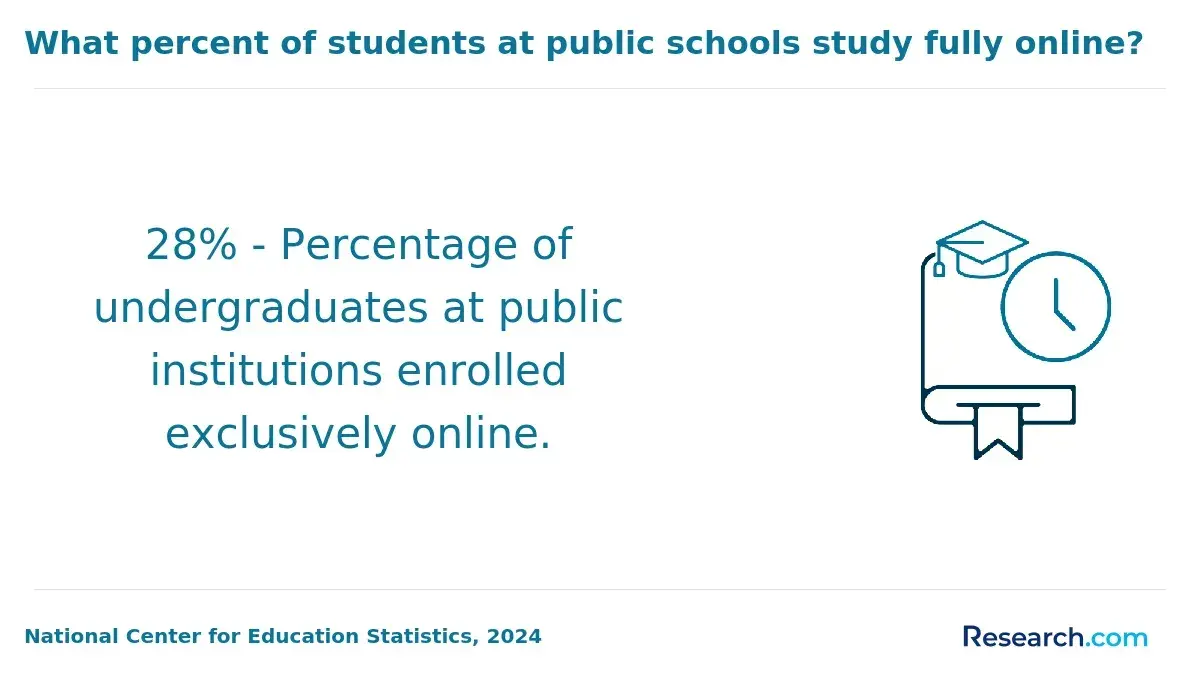
Online education has grown rapidly, with over 35% of college students now enrolled in at least one online course, making an online neuroscience degree an increasingly popular choice. Neuroscience, a fast-evolving field with expanding research and healthcare applications, attracts students seeking flexible learning options without sacrificing quality.
This article helps students decide if an online neuroscience degree is worth it by examining key factors such as cost, flexibility, program accreditation, job-market trends, and how employers view online credentials in this specialized field.
Key Benefits of Online Neuroscience Degree
- Online neuroscience degrees offer flexible scheduling and accessible coursework, allowing students to balance studies with work or personal commitments effectively.
- Programs often focus on interdisciplinary skills, preparing graduates for careers in research, healthcare, or technology sectors with growing demand.
- Graduates report strong long-term outcomes, with neuroscience-related jobs expected to grow 9% through 2031, reflecting solid career prospects.
Who Should Choose an Online Neuroscience Degree Program?
Online learning offers a convenient solution for many students by providing access to course materials anytime and allowing study around diverse schedules. This flexibility is especially valuable for individuals balancing work, family, or geographic challenges. The following groups find an online neuroscience degree particularly well-suited to their needs and ambitions.
- Working professionals: Healthcare and science staff, including nurses and therapists, benefit from online neuroscience programs as they can continue employment while enhancing their expertise in brain science and neurological conditions.
- Science communicators and patent specialists: Those involved in scientific writing, marketing, or intellectual property gain critical neuroscience knowledge that supports their careers, all without disrupting their daily responsibilities.
- Pre-professional students: Individuals preparing for medical or graduate study use online neuroscience to strengthen their academic background and deepen their understanding before entering highly competitive fields.
- Career changers and advancement seekers: Those aiming to shift into neuroscience-related roles or stand out professionally appreciate how online study offers targeted learning with the flexibility to fit their evolving goals.
What Are the Pros and Cons of an Online Neuroscience Degree?
Online neuroscience programs have grown in popularity because they offer flexibility and allow students and professionals to advance their careers while managing other commitments. These programs provide access to quality education without geographic limitations.
Pros of an Online Neuroscience Degree
- Flexibility and Accessibility: Online neuroscience degrees enable students to study from any location, supporting working adults and those in remote areas. Over 40% of college students took at least one online course recently, reflecting the demand for such flexible options.
- Career-Relevant Curriculum: Programs often include courses in neural imaging, genomics, and research methods, providing practical skills for neuroscience careers. For instance, Arizona State University's online neuroscience degree offers hands-on research training involving EEG and fMRI technologies.
- Strong Job Market: The Bureau of Labor Statistics predicts a 9% growth in medical scientist roles, including neuroscientists, signaling healthy opportunities in healthcare, tech, and research fields.
- Flexible Online Neuroscience Programs Career Opportunities and Job Market Competition: Many students choose online neuroscience degree paths balancing rigor and job prospects in a competitive market, making informed decisions about their education and career goals.
Cons of an Online Neuroscience Degree
- Limited Hands-On Lab Experience: Neuroscience often requires lab work that can be difficult to replicate online. Some programs offer virtual labs or require on-campus visits, but these may not fully substitute for in-person practice.
- Self-Discipline Required: Successful online learning demands strong motivation and time management as students must maintain progress without regular classroom structure.
- Networking Limitations: Building professional relationships can be tougher online, where fewer opportunities exist to interact closely with peers and faculty, which is critical in neuroscience fields.
- Online Neuroscience Degree Rigorous Coursework and Research Requirements: The intensive coursework and research in online neuroscience degree programs can challenge even highly motivated students, emphasizing the need for dedication and effective study habits.
Students interested in accelerated options can explore accelerated adult degree programs online to potentially shorten their path while maintaining program quality.
How Do AI-Enhanced Virtual Classrooms Work in Online Neuroscience Programs?
AI technologies have become central to modern online education, significantly enhancing the learning experience for students in neuroscience programs. These tools create an AI-powered virtual neuroscience classroom experience that fosters more engagement and tailored instruction. Below are key features of AI-powered virtual learning environments used in online neuroscience programs.
- Adaptive Learning Tools: These systems track a student's progress and adjust content difficulty, pace, or style accordingly. For example, if a student struggles with neural network modeling, they receive targeted tutorials and practice problems to reinforce understanding.
- Enhanced Collaboration: AI-powered discussion boards and project groups match students with peers who share complementary skills or research interests. This improves teamwork in group projects and case studies essential to neuroscience education.
- AI-Driven Feedback: Automated grading tools provide instant, detailed feedback on assignments like coding exercises or lab simulations. This timely information helps students quickly identify and address knowledge gaps.
- Virtual Assistance: AI chatbots offer round-the-clock academic support by answering questions about course material or technical issues, ensuring continuous help for students.
These advancements contribute to personalized learning in online neuroscience programs, offering flexibility and responsive support that enhance student success. For those exploring the field, researching certification jobs that pay well can provide additional career insight.
What Technology Do You Need for an Online Neuroscience Degree?
Having the right technology setup is essential for success in modern online neuroscience programs because the field heavily relies on data-driven methods and remote access to specialized tools. Reliable hardware and software are critical for engaging fully with interactive content, virtual labs, and collaborative activities that define the learning experience today.
Below is a list of specific technology tools and equipment students should prepare before enrolling in an online Neuroscience degree program.
- Modern Computer (Laptop or Desktop): A powerful computer with at least 8GB of RAM and a recent operating system is necessary for accessing course materials and running neuroscience-specific software. Tasks like brain imaging simulations or analyzing neural datasets in Python or MATLAB need more computing power than basic word processing.
- Reliable High-Speed Internet Connection: Stable, high-speed internet supports streaming lectures, participating in live discussions, uploading assignments, and downloading large datasets. An unstable connection can interrupt virtual labs or synchronous group work, which are common in online neuroscience courses.
- Webcam and Microphone: High-quality audiovisual equipment is vital for synchronous sessions, group presentations, oral exams, and virtual office hours. Clear communication during live interactions enhances learning and engagement with faculty and peers.
- Statistical and Data Analysis Software: Programs such as SPSS, R, Python with neuroscience libraries like Brian2 or NEURON, and MATLAB are often required for analyzing experimental data and modeling neural processes. Mastery of these tools supports the software and hardware for virtual neuroscience courses.
- Virtual Lab Platforms or Simulation Software: Tools like Labster or Neuroanatomy VR allow students to practice experimental design and analysis remotely. These simulate hands-on experiences with neuroanatomy models and cognitive neuroscience concepts in a controlled, risk-free environment.
- Cloud Storage Solutions: Services such as Google Drive or Dropbox enable secure backup of assignments, research notes, and facilitate collaboration on group projects, ensuring data safety and teamwork efficiency.
Investing in the right technology supports the data-heavy nature of neuroscience studies, positioning students to excel academically and develop practical skills. For those curious about the financial commitment involved in advanced online studies, exploring how much does an online PhD cost may provide useful insight into overall educational costs.
How Long Does It Take to Finish an Online Neuroscience in 2027?
Program length significantly influences how quickly students can advance their careers or pursue further education. Online neuroscience degree timelines vary widely due to flexible formats, pacing options, and course structures tailored to individual needs. Below is a breakdown of typical completion times for various online neuroscience programs.
- Bachelor's Degree (Standard Track): Usually spans two to four years depending on full-time or part-time enrollment. Most students follow a traditional four-year path, with course loads structured semester-wise to balance study and other commitments.
- Accelerated Bachelor's Track: Some universities offer accelerated programs allowing students to finish in about three years. These pathways often leverage continuous eight-week courses or heavier course loads to shorten duration.
- Graduate Certificates: These programs typically last six months to two years, depending on whether students enroll full-time or part-time. Many are offered asynchronously, providing maximum flexibility for working professionals.
- Master's Programs: Usually completed within one to two years, combining part-time options and accelerated pacing. Students can often select between synchronous or asynchronous classes to fit their schedules.
Can You Work Full-Time While Completing an Online Neuroscience Degree?
Juggling full-time employment while pursuing an online neuroscience degree is a frequent concern for many students. Balancing work, coursework, and personal life demands intentional planning and understanding what factors influence success.
Below are key considerations that impact managing full-time work alongside online neuroscience studies.
- Flexible Scheduling: Programs offering part-time or full-time pacing allow students to customize their workload. Asynchronous courses provide freedom to complete tasks anytime, which helps accommodate varying work shifts.
- Course Structure: While some classes are fully asynchronous, deadlines and required interactive activities like discussions remain. These commitments require discipline to meet on time without falling behind.
- Workload Intensity: Expect to spend 10-15 hours weekly per course on readings, labs, and exams. Understanding this helps prevent overcommitment and supports effective study planning.
- Employer Support: Flexible office hours, leave for exam preparation, or remote work can ease pressures. Open communication about academic needs often improves employer cooperation.
- Time Management Skills: Using planners, setting priorities, and creating designated study areas are essential strategies. Consistency and clear boundaries between work and study time boost efficiency.
How Do Online Neuroscience Degree Programs Help with Internships?
Internships are vital for gaining practical experience and preparing students for careers in neuroscience by allowing them to apply classroom knowledge and build essential skills. Online neuroscience degree programs have developed effective methods to help students secure and complete these valuable placements.
Below are key ways these programs support internship success:
- Centralized Internship Listings: Many programs provide curated directories and job boards featuring neuroscience internship opportunities, including remote options, making it easier for students to find relevant positions aligned with their interests.
- Mentorship Programs: Students are paired with faculty or industry professionals who offer guidance on research projects and career development, fostering personalized support even in virtual environments.
- Virtual Workshops and Training: Online seminars and skill-building sessions cover lab techniques, data analysis, and effective scientific communication, helping students meet professional standards alongside hands-on work.
- Placement Coordination and Tracking: Administrative teams assist with internship logistics, track progress, and ensure compliance with program requirements, providing a seamless experience despite geographic distances.
What Is the Average Tuition Cost of an Online Neuroscience Program?
Understanding the tuition costs of an online neuroscience program is essential for students planning their studies and future careers. Accurate knowledge of these expenses helps with budgeting and selecting the most cost-effective path.
Below are important tuition-related details prospective students should consider.
- Average Tuition Per Year: For undergraduate neuroscience programs in 2025, in-state students at traditional universities typically pay around $12,513 annually, while out-of-state students face much higher costs, averaging $45,156. These figures provide a baseline for comparison against online options.
- Public vs. Private Institutions: Public universities generally offer more affordable tuition rates, especially for residents; private schools and some online providers often charge significantly more, sometimes exceeding $45,000 per year.
- Lower-Cost Online Options: Many online neuroscience programs offer competitive pricing, with some schools like National University and Kennesaw State charging under $5,000 annually, making them financially accessible choices.
- Additional Fees: Online learners frequently encounter extra costs such as technology fees-for example, Liberty University charges $349 per semester-and course-specific fees, which should be factored into overall expenses.
- Graduate Tuition Rates: For graduate neuroscience-related degrees, in-state tuition averages $14,018 annually, while out-of-state students pay closer to $33,946, reflecting the premium on advanced education.
What Is the Average Salary for Someone with an Online Neuroscience Degree in 2027?
Understanding the potential earnings is essential when evaluating an online neuroscience program. Knowing the salary ranges helps prospective students assess the return on investment and plan for specialization or further graduate study.
Below are key insights into the average salary for neuroscience degree graduates in the United States 2025, detailing entry-level figures, mid-career growth, and industry influences.
- Average Entry-Level Salary: Graduates with a bachelor's degree in neuroscience, whether earned online or on-campus, typically start with a median salary of approximately $42,090. Entry-level roles such as research assistants and laboratory technicians commonly fall within this range, although salaries may be higher in regions with a high cost of living or certain specialized fields.
- Mid-Career Salary Growth: Professionals advancing to roles requiring graduate degrees, including medical scientists, see median annual earnings around $99,770, with a mean of $111,430 based on recent labor statistics. Mid-career salaries notably increase for data scientists, speech-language pathologists, and research scientists, who earn between $91,000 and $112,000 annually.
- Salary by Job Title: Neuroscientists, often holding doctoral credentials, can earn mean salaries exceeding $286,000; however, such roles are less common for holders of bachelor's or master's degrees obtained online. Clinical roles like nurse practitioners and clinical psychologists with neuroscience backgrounds typically earn $100,000 to $120,000 or more.
- Salary by Industry and Region: Biotechnology, pharmaceuticals, and urban centers tend to offer the highest salaries, while academic and nonprofit sectors may have lower pay but provide benefits like job security and research opportunities. Regional cost variations heavily influence starting and advanced salaries.
Choosing an accredited program is crucial to maximize neuroscience degree salary range by job title 2025 and overall career potential. Those seeking a cheap online degree should prioritize institutions recognized for quality and market value to ensure these salary prospects.
Which Industries Hire Graduates From Online Neuroscience Programs?
Graduates with an online neuroscience degree enter a highly adaptable job market, equipped to work across diverse professional fields. This versatility allows them to pursue careers in numerous industries, where the depth of understanding in brain science and human behavior is highly valued.
Below are key sectors that actively hire these graduates, showcasing the demand for neuroscience expertise in various roles.
- Healthcare and Clinical Services: Hospitals, outpatient clinics, and rehabilitation centers recruit neuroscience graduates as behavioral and mental health counselors, speech-language pathologists, and physical therapists. These roles are crucial due to strong job growth projections-19% for mental health counselors and 18% for speech-language pathologists from 2023 to 2033, according to the U.S. Bureau of Labor Statistics.
- Biotechnology and Pharmaceuticals: Neuroscience degree jobs in healthcare and technology are evident in biotech firms and pharmaceutical companies, which employ graduates as medical scientists, clinical laboratory technologists, and research associates. These positions support neurological drug development, clinical trials, and other lab-based research.
- Technology & Artificial Intelligence: The intersection of neuroscience and AI is expanding rapidly. Tech companies seek data scientists and AI trainers with neuroscience backgrounds, as data scientist roles have a projected growth of 36% over the next decade. Graduate expertise is key to advancing brain-inspired algorithms and neurotechnology.
- Academia, Research, and Science Communication: Universities and research institutes hire graduates as research scientists, neuroimaging technicians, and science communicators. Their work advances basic brain research and public education.
- Public Health & Consulting: Neuroscience graduates also support community health initiatives, policy development, and ergonomics as epidemiologists, health education specialists, and human factors consultants.
Many students consider combining neuroscience studies with other fields through recognized international dual degree programs to further expand their career options within industries that hire neuroscience graduates.
What Graduates of Online Neuroscience Programs Say About Their Degree
- Fisher: "Pursuing my online neuroscience degree was a game-changer loved how the flexible pace let me balance work and study effectively. The interactive modules made complex concepts much more understandable, and completing the program significantly boosted my confidence and job prospects. Considering the average cost was reasonable, it was definitely worth the investment. "
- Cairo: "The online neuroscience program offered a deep, reflective learning experience that matched my professional pace without overwhelming me. The affordability compared to traditional programs allowed me to advance my education without financial strain, and the knowledge gained has been invaluable in my research career. Looking back, the decision felt both prudent and empowering. "
- Austin: "Enrolling in an online neuroscience degree enabled me to strategically enhance my expertise without disrupting my career. The streamlined course structure and lower tuition costs relative to in-person degrees made the learning journey efficient and cost-effective. This program truly opened doors to advanced roles and collaborations in my field. "
Other Things You Should Know About Neuroscience Degrees
In 2027, employers increasingly recognize and accept online neuroscience degrees, especially those from accredited institutions. These programs often offer the same curriculum as their in-person counterparts, ensuring graduates are equally knowledgeable and skilled. However, researching specific employer preferences remains essential, as criteria may vary.
In 2027, an online neuroscience degree can serve as a solid foundation for graduate studies, provided the degree is from an accredited institution. It is vital to ensure that the program offers a comprehensive curriculum and opportunities for research or practical experience to strengthen graduate school applications.
Accreditation is vital for an online neuroscience degree to be recognized by employers in 2027. Programs from accredited institutions often meet industry standards and enhance employability. Always verify with the program and relevant accreditation bodies to ensure the degree is acknowledged by potential employers.
References
- Can I Work Full-Time While Earning an Online Degree? https://www.athens.edu/online-degree-completion-programs-working-adults/can-i-work-full-time-while-earning-an-online-degree/
- Neuro-Learning: How Neuroscience Is Shaping eLearning Technologies https://elearningindustry.com/neuro-learning-how-neuroscience-is-shaping-elearning-technologies
- Lessons Learned in Developing Virtual Neuroscience Labs https://pmc.ncbi.nlm.nih.gov/articles/PMC11256381/
- Educational Neuroscience Meets AI: A Framework for Secondary Science Teaching https://mje.ife.edu.mt/index.php/pub/article/view/121
- Online Psychology & Neuroscience Internships https://www.oxfordscholastica.com/online-summer-internships/psychology-neuroscience/
- Working full-time 35 hours while studying full-time online https://www.thestudentroom.co.uk/showthread.php
- Online Neuroscience Certificate Program | Penn LPS Online https://lpsonline.sas.upenn.edu/academics/certificates/neuroscience
- Resources for Aspiring Neuroscientists https://www.massgeneral.org/neurology/education-and-training/youth-resources


