
2027 Is a Space Studies Online Degree Worth It?

Co-Founder and Chief Data Scientist
Online education has seen remarkable growth, with over 40% of U.S. college students taking at least one class online. Many are now exploring space studies online degrees, drawn by flexible schedules and access to emerging space industry knowledge. The expanding space sector is projected to grow significantly, increasing interest in specialized academic programs.
This article helps students assess if an online space studies degree is worth their investment by exploring key aspects like cost, flexibility, accreditation, job-market trends, and how employers view these credentials. Understanding these factors is essential for making an informed decision about this unique educational path.
Key Benefits of Online Space Studies Degree
- Online space studies programs offer flexible schedules and asynchronous learning, accommodating working professionals and remote students without sacrificing academic rigor.
- Graduates can pursue roles in aerospace, research, and technology sectors where a 5% job growth rate is expected over the next decade.
- Programs emphasize practical skills, including satellite technology and planetary science, enhancing long-term career prospects in a rapidly evolving industry.
Who Should Choose an Online Space Studies Degree Program?
Online learning has become an increasingly practical choice for many students, offering the flexibility to balance education with work, family, and other commitments. This adaptability makes it especially attractive to individuals with diverse personal and professional circumstances.
Here are the key groups who benefit most from pursuing an online space studies degree:
- Working professionals and military personnel: The flexible schedules of online programs allow those employed full-time or with erratic hours-such as military members-to continue their education without interrupting their careers. These programs often recognize adult learners and service members as ideal candidates due to this convenience.
- Learners in remote or underserved regions: Students living far from specialized institutions can access advanced space studies coursework and engage with global academic communities without relocating, making higher education more accessible.
- Career changers and lifelong learners: Individuals transitioning into the space sector from other fields find online formats valuable for building foundational knowledge and connecting with peers from varied backgrounds, supporting ongoing personal growth.
- Individuals seeking interdisciplinary expertise: Space studies attracts those interested in combining science, engineering, policy, and ethics. Online curricula crafted by industry leaders and former NASA professionals effectively support this broad learning approach.
What Are the Pros and Cons of an Online Space Studies Degree?
Online space studies programs have become a popular choice for students and professionals seeking flexibility and career advancement without interrupting their current jobs or relocating. These programs offer tailored learning paths that accommodate busy schedules and diverse personal commitments.
Pros of an Online Space Studies Degree
- Flexible Scheduling: Online space studies degrees provide asynchronous coursework, allowing students to complete assignments and attend lectures at convenient times. This flexibility supports the professional demands faced by individuals in the fast-changing space industry.
- Specialized Curriculum: Many programs offer customizable tracks, such as space entrepreneurship, planetary exploration, or space law, enabling students to align their education with specific career goals. For example, American Military University offers concentrations in space operations and astronomy.
- Remote Access to Research Tools: Students often gain hands-on experience through remote-controlled observatories and simulation software, making it possible to engage in research projects from anywhere. This enhances learning despite physical distance from campus labs.
- Cost Savings: Eliminating expenses for commuting, housing, or relocation can make online degrees more affordable, widening access for many learners pursuing the benefits of online space studies degree programs.
Cons of an Online Space Studies Degree
- Limited Hands-On Experience: Certain advanced laboratory tasks or spacecraft integration work may require on-site visits, which online programs cannot always provide. This challenge is one of the notable challenges of earning a space studies degree online.
- Networking Challenges: Virtual classes may reduce opportunities for peer collaboration and industry networking, which are vital in a field that thrives on teamwork and professional connections.
- Self-Discipline Required: Flexibility comes with the need for strong time management. Students lacking independent learning skills might struggle to keep pace with assignments and deadlines.
- Employer Perceptions: Although accredited online degrees are widely respected, some employers still favor candidates with traditional or hybrid education, especially for roles demanding extensive in-person teamwork or lab work.
Prospective students interested in fast-tracked options can explore 12 month master's programs as a potential pathway within the landscape of online space studies education.
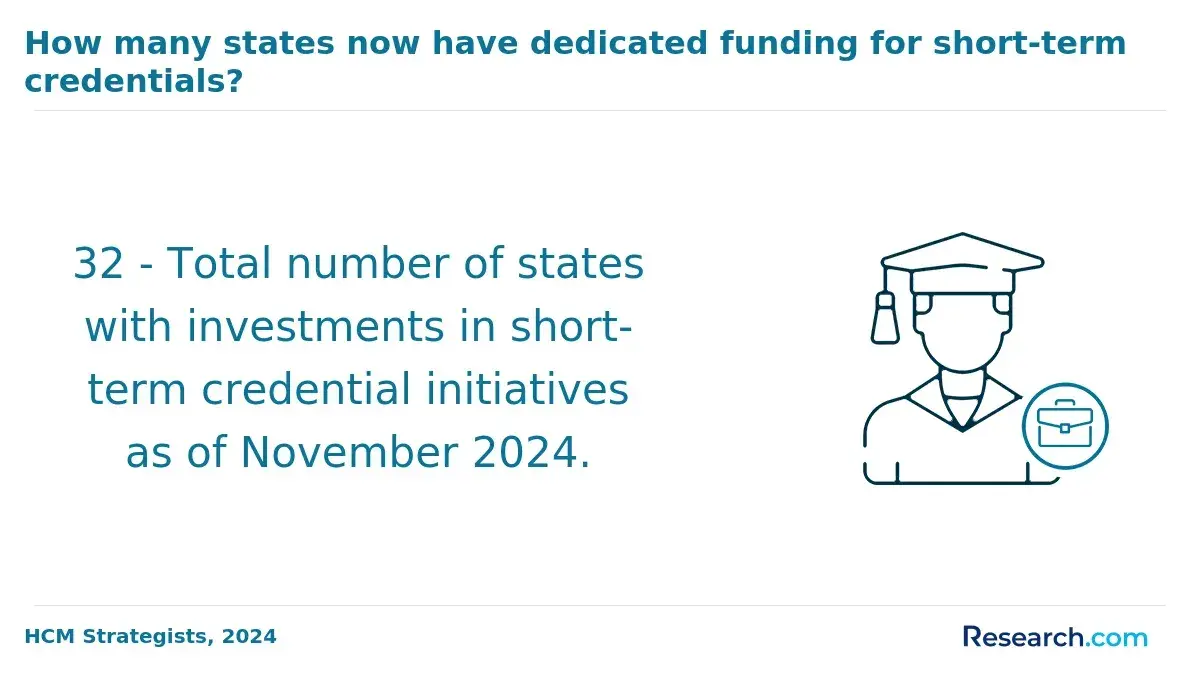
How Do AI-Enhanced Virtual Classrooms Work in Online Space Studies Programs?
AI technologies have become central to modern online education by offering highly personalized and engaging learning experiences. For space studies students, these innovations significantly enhance understanding through immersive, interactive tools.
Below are key features illustrating how AI-powered virtual classroom tools for space studies create dynamic, effective learning environments:
- Immersive 3D Simulations: AI generates detailed virtual environments, enabling students to conduct interactive simulations such as satellite operations and rocket launches. This hands-on practice eliminates the need for costly physical equipment while providing risk-free experimentation.
- Adaptive Learning Paths: AI continuously analyzes student progress and adjusts the content and difficulty level, promoting faster mastery and increased confidence. Studies show learners achieve up to 4x faster progress using these tools.
- Collaborative Virtual Projects: Real-time, cross-disciplinary teamwork is facilitated in virtual spaces, mirroring the globally connected nature of modern space industries and encouraging practical mission planning and satellite design skills.
- AI-Driven Feedback and Support: Platforms track performance to offer instant feedback and identify improvement areas, while AI tools assist with research and troubleshooting to prepare students for complex space exploration challenges.
These interactive AI learning experiences in online space degree programs represent a transformative approach to education, supporting deeper engagement and more effective skill-building.
For students interested in exploring quick courses that pay well, advanced AI-driven tools enhance accessibility and outcomes in this emerging field.
What Technology Do You Need for an Online Space Studies Degree?
Having the right technology setup is essential for success in modern online space studies programs because much of the learning depends on reliable digital tools and platforms. Without meeting specific technology requirements for online space studies programs, students may face difficulties accessing course content and participating fully in virtual activities.
To help you prepare, here is a list of key tools, equipment, and software recommended before enrolling in an online space studies program:
- Reliable Computer (Laptop or Desktop): A modern computer with enough processing power and memory is crucial for running simulation software, managing large astronomy datasets, and completing data analysis tasks. This equipment supports activities like working with astronomical images and performing orbital mechanics simulations.
- High-Speed Internet Connection: A consistent, high-speed internet connection is needed for streaming lectures, uploading assignments, and participating in mandatory live discussions or chat sessions. This meets the internet and computer needs for virtual space degree study and ensures smooth communication and uninterrupted access.
- Webcam and Microphone: Clear audio and video tools are required for virtual conferences, oral presentations, and group projects. These devices enhance communication skills, an important focus of space studies programs.
- Scientific Calculator or Simulation Tools: Some coursework requires precise calculations in topics such as rocket propulsion and orbital dynamics. Specific scientific calculators or simulation applications may be recommended or required to complete virtual labs and exercises.
- Specialized Software: Depending on the institution, students may need software like MATLAB for data analysis, Stellarium for astronomy labs, or interfaces to remote telescopes. For example, American Public University offers experience with images from a fully online, remote-controlled 24-inch telescope observatory.
- Standard Office Suite: Word processing, spreadsheet, and presentation software are essential for preparing lab reports, research papers, and projects efficiently.
- Backup Storage (Cloud or External Drive): Reliable backup solutions help safeguard assignments and research data, preventing loss due to technical failures or accidents.
Ensuring you have these technology basics in place allows full engagement with course materials and activities, meeting the expectations set by many programs.
To explore options for starting your journey, consider researching the most affordable online associate's degree programs as a foundation in related fields before advancing in space studies.
How Long Does It Take to Finish an Online Space Studies in 2027?
Understanding the length of an online space studies program is crucial for prospective students balancing education with other commitments. Program durations vary widely depending on pacing, format, and individual schedules. Below is an overview of typical completion timelines for these degrees:
- Accelerated master's programs: Designed for students seeking faster completion, these options often allow finishing in about 15 months. They usually feature intensive 8-week course sessions and flexible start dates to accommodate a quicker pace.
- Part-time master's study: Popular among working professionals, part-time pathways can take up to three years. Students benefit from asynchronous coursework and multiple enrollment periods, providing flexibility but extending overall duration.
- Bachelor's degrees: Typically require between 2 to 4 years to complete, depending on previous credits and chosen course load. Many programs offer modular scheduling and options to accelerate through summer or intensive sessions.
- Flexible pacing options: Weekly deadlines and asynchronous learning empower students to progress at their own speed. This adaptability means completion times can shorten with dedicated effort or extend due to personal obligations.
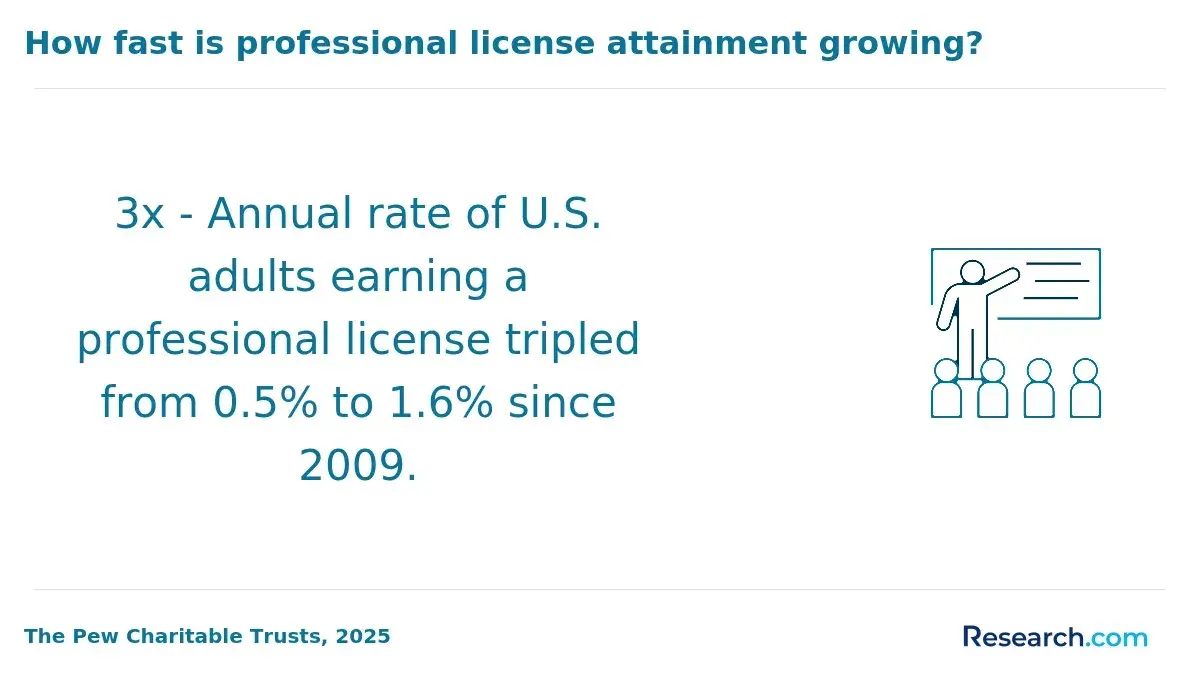
Can You Work Full-Time While Completing an Online Space Studies Degree?
Balancing full-time work with online study is a major concern for many considering an online space studies degree. Understanding key factors that affect this balance can help students manage their commitments effectively.
Several elements influence whether working while studying is practical:
- Flexible Scheduling: Many programs offer asynchronous classes, allowing students to access materials and complete tasks on their own time. This flexibility is vital for those with varying work hours, enabling study during evenings or weekends.
- Program Pacing: Some courses are self-paced, letting students advance as their schedule permits, while others have fixed weekly deadlines. Knowing these requirements helps in planning study time without overwhelming your work commitments.
- Workload Demands: Space studies involve rigorous assignments and collaboration, requiring disciplined time management to keep up without burnout.
- Employer Support: Access to tuition assistance or flexible work hours can ease pressure, allowing better integration of study and professional duties.
- Personal Time Management: Establishing a routine, prioritizing tasks, and dedicating consistent blocks for study are essential strategies for success.
I spoke with a graduate who balanced a full-time job while earning her online space studies degree. She described nights spent juggling coursework after long workdays and the challenge of coordinating group projects across time zones.
Despite the fatigue, she emphasized how establishing a strict study schedule was key to staying on track. "There were moments I questioned if I could keep up," she reflected, "but the sense of progress and flexibility in the program kept me motivated."
Her experience illustrates that with persistence and smart planning, working full-time alongside an online space studies degree is achievable.
How Do Online Space Studies Degree Programs Help with Internships?
Internships play a crucial role in space studies by offering essential hands-on experience and helping students prepare for careers in this dynamic field. Online space studies programs actively assist students in securing and completing internships through innovative support systems and partnerships.
These programs use a variety of approaches to ensure meaningful internship experiences, including:
- Career Services Support: Dedicated advisors guide students in finding internships matching their skills and interests, assist with applications, and provide ongoing mentorship throughout the internship period.
- Virtual Placement Coordination: Digital platforms enable efficient matching of students with remote or local opportunities, overcoming geographical barriers and expanding access to top organizations and projects.
- Industry Partnerships: Collaborations with space agencies, private companies, and research institutions connect students with real-world projects like mission planning and space medicine research.
- Flexible Scheduling and Tracking: Self-paced coursework and internship timelines help students balance responsibilities, while online tools monitor progress and academic compliance.
- Networking Opportunities: Programs facilitate connections with professionals and peers through virtual events and collaborative research, building valuable industry relationships.
What Is the Average Tuition Cost of an Online Space Studies Program?
Understanding tuition costs is essential for students considering an online space studies degree, as it guides budgeting and helps evaluate the overall return on investment. This can prevent surprises and support better financial decisions. Below is a breakdown of the main tuition-related factors students should consider when exploring these programs:
- Average Tuition Per Year: Most online space studies master's programs cost between $5,500 and $7,500 annually, making them relatively affordable compared to many graduate degrees.
- Public vs. Private Institutions: Public universities generally offer lower tuition, especially for in-state students, although many online programs apply the same tuition rate regardless of residency status.
- Cost Per Credit: Taking Florida Tech as an example, tuition runs at about $687 per credit, with the total program cost close to $22,660.
- Additional Fees: Students should expect extra charges such as technology fees ranging from $150 to $300 yearly, plus costs for books, supplies, and personal expenses that can add several hundred dollars annually.
A student pursuing such an online degree shared their perspective: "Managing the tuition was definitely a challenge at first, especially since I wasn't sure how much the hidden fees would add up. I appreciated that the program offered a flat rate for online learners—it made planning easier."
She continued, "Balancing work with studies meant every dollar counted, so I budgeted carefully for materials and tech fees. Despite the financial juggling, I feel investing in this degree is worthwhile for my future. Talking through the costs openly helped me stay motivated and committed throughout the process."
What Is the Average Salary for Someone with an Online Space Studies Degree in 2027?
Understanding potential earnings is a critical factor when evaluating the value of an online space studies degree. Knowing the average salary with an online Space Studies degree helps prospective students make informed decisions about their educational investment.
Below are key salary insights based on recent labor market data for space science professionals and related roles in the United States:
- Average Entry-Level Salary: Graduates entering the field often start with salaries ranging from approximately $59,600 to $93,700 annually. Aerospace engineers with a Bachelor of Science in space studies typically earn around $93,700 per year, while technicians and support roles usually see lower starting pay near $60,000.
- Mid-Career Salary Growth: Individuals with several years of experience and advanced degrees can expect significant increases in earning potential, with median salaries between $122,000 and $153,000. These figures reflect specialized technical roles or managerial positions within the industry.
- Salary by Industry and Region: The space industry offers varied pay scales depending on the employer and location. High-cost states like California and Alaska report average salaries exceeding $350,000 for senior professionals. Overall, the space studies degree salary in the United States is influenced heavily by the employer's sector and geographic region.
- High-Level Space Science Roles: According to ZipRecruiter data, senior space scientists and engineers earn approximately $305,000 annually on average, illustrating the potential financial rewards available for those reaching expert or leadership positions.
- Educational Investment and Financial Aid: Prospective students should consider tuition and living expenses when calculating return on investment. Exploring options such as FAFSA accredited online schools can help reduce costs while pursuing an online degree in space studies.
Which Industries Hire Graduates From Online Space Studies Programs?
An online space studies degree offers versatile training that equips graduates with a blend of technical skills and policy knowledge applicable across multiple fields. This prepares candidates for a wide range of professional roles in industries growing alongside the space sector's rapid expansion.
The following list outlines key industries actively hiring graduates with space studies backgrounds:
- Government and Defense Sectors: The largest employers include NASA, the U.S. Space Force, and related agencies. Graduates fill roles in mission operations, technical support, and space operations officer positions. These organizations prize the interdisciplinary education delivered by space studies programs, whether completed online or on campus.
- Private Aerospace and Technology Companies: Aerospace companies hiring space studies graduates is common, with opportunities in spacecraft design, satellite systems development, and mission control operations. Firms seek aerospace engineers and systems operators who understand complex space technologies, driving demand in this competitive market.
- Data Analysis and Research Roles: Increasingly, organizations require professionals to analyze satellite data, interpret space mission results, and support remote sensing initiatives. Skills gained in space studies programs are valuable in harnessing large datasets for practical applications.
- Policy and Consulting Firms: Graduates work as space policy analysts who influence regulations and international treaties governing space activities. This niche sector values candidates who appreciate both technical and geopolitical dimensions of space exploration.
Students interested in space industry careers are advised to explore options at nationally accredited colleges online to ensure their education meets industry standards and supports career growth.
What Graduates of Online Space Studies Programs Say About Their Degree
- Barry: "Choosing to pursue my online space studies degree transformed my career trajectory. The flexible pacing allowed me to balance work and study effortlessly, and the affordable tuition, which averaged around $15,000, made it accessible without sacrificing quality. I now feel fully equipped to contribute meaningfully in the aerospace industry. "
- Robin: "The online space studies program was a reflective journey that deepened my understanding of the cosmos while fitting perfectly into my busy life. The learning experience was rich and engaging, and knowing I could access materials anytime helped me absorb complex concepts thoroughly. Considering the cost-effectiveness compared to traditional programs, it was truly worth every penny. "
- Maurice: "Pursuing an online space studies degree was a strategic investment for my future. The coursework was challenging but manageable at my own pace, and the reduced expenses compared to campus-based options meant I avoided heavy student debts. It has opened doors to new roles and expanded my professional network in ways I hadn't anticipated. "
Other Things You Should Know About Space Studies Degrees
A 2027 online space studies degree focuses on policy, science, and exploration within space, offering a broad understanding of space operations. In contrast, an aerospace engineering degree is more technical, concentrating on designing and building aircraft and spacecraft, appealing to those wanting careers in engineering roles.
Graduates with an online space studies degree can pursue careers in aerospace agencies, space research organizations, satellite communications, and space policy institutions. Roles often include mission planning, data analysis, space technology development, and education. A degree in space studies provides a broad interdisciplinary foundation that supports both technical and administrative career paths in the space sector.
References
- Master's in Space Studies Degree Online & On Campus https://und.edu/programs/space-studies-ms/index.html
- AI in space exploration: It's already happening https://www.ie.edu/uncover-ie/ai-in-space-exploration-school-of-science-and-technology/
- AI technologies for education: Recent research & future directions - ScienceDirect https://www.sciencedirect.com/science/article/pii/S2666920X21000199
- Space Science and Technology https://psl.eu/en/education/master-s-degree-space-science-and-technology
- Studies https://spacetech.agh.edu.pl/studies
- 5 Tips for Studying an Online Degree Whilst Working Full Time- Online https://www.ukstudyonline.com/5-tips-for-studying-an-online-degree-whilst-working-full-time/
- Space Operations, ME | Fully Online Master's Degree https://online.uccs.edu/program/online-masters/space-operations-me
- Online College Pros & Cons: Is Online College Worth It? | B&SC https://www.bryantstratton.edu/blog/degree-insights/online-college-pros-cons/
- The Ultimate Guide to NASA High School Internships (2025-2026) https://www.collegeessayguy.com/blog/nasa-high-school-internships
- Space Internship Opportunities for College Students - SSERD https://www.sserd.org/internship/


