
2027 Is Information Technology Management a Hard Major? What Students Should Know

Co-Founder and Chief Data Scientist
The major of information technology management often stirs debate about its difficulty due to its blend of technical and business coursework. A 15% growth in IT management jobs over the next decade highlights the field's expanding importance. Despite its challenges, many students find the major manageable with the right study habits and resources.
This article explores key aspects such as course rigor, workload expectations, and necessary skills like problem-solving and communication. It also examines factors influencing difficulty, including prior experience and individual learning styles, helping prospective students decide if this path suits their strengths and career goals.
Key Benefits of Information Technology Management as a Major
- Information technology management develops critical problem-solving and leadership skills, aiding career changers to transition effectively into tech-driven roles.
- It supports full-time workers by offering flexible learning options and practical knowledge that apply directly to workplace challenges.
- Traditional undergraduates gain a specialized, marketable skill set, boosting confidence through hands-on projects and real-world applications.
Where Does Information Technology Management Rank Among the Hardest College Majors?
Information technology management generally ranks as a moderately difficult major in national college rankings. It tends to have a lighter workload and fewer lab or practicum hours than majors like engineering or chemistry, which are known for demanding extensive study time-often over 18 hours per week-and lower average GPAs.
In contrast, students pursuing information technology management typically face a less intense schedule and maintain average GPAs above 3.2. The program requires a balance of technical understanding and business skills, but it does not usually demand the same depth of programming or heavy analytical focus found in pure STEM majors. These factors contribute to its middle-tier placement on difficulty lists.
Perceptions of difficulty vary widely depending on the institution and curriculum focus. Some universities offer technical tracks emphasizing programming and data analytics that can increase the challenge for students less comfortable with math or coding. Conversely, programs concentrating on management and leadership aspects may be more accessible to those with strong communication skills.
Compared to majors like engineering, physics, or computer science, information technology management tends to be easier, yet it is often considered tougher than business administration, marketing, or communications. Ultimately, how hard the major feels depends on individual strengths, interest in technology, and academic background rather than an absolute ranking.
What Factors Make Information Technology Management a Hard Major?
Certain academic and skill-related demands make the information technology management major challenging for many students. Its difficulty stems from the need to blend advanced technical knowledge with practical business skills, requiring consistent effort and diverse abilities.
- Academic rigor of Information Technology Management programs: Students must master a broad curriculum covering operating systems, software development, cybersecurity, data networks, project management, and business communication. Many universities require at least 42 credit hours of major-specific coursework, often including substantial written and oral communication assignments alongside a minor in business, engineering, or another technical field.
- Workload and project demands in IT Management degree: The time commitment is extensive, with degree programs typically requiring around 120 credits and roughly 40 specialized courses integrating IT and business concepts. Capstone projects demand practical application of learned skills to solve complex real-world problems, requiring diligent time management and advanced problem-solving capabilities.
- Technical and analytical complexity: Mastery of network security, database management, systems analysis, and data analytics is essential. Beyond memorization, students must analyze and synthesize complex technical concepts while understanding how to align IT strategies with organizational objectives.
- Field-specific demands: Success requires developing both hard and soft skills, including project management, leadership theory, and risk assessment. These multifaceted requirements challenge students to balance technical proficiency with effective team and risk management skills.
Prospective students interested in accelerated paths may consider exploring the fastest online programs for working adults that offer flexible options accommodating the demands of this rigorous major.
Who Is a Good Fit for a Information Technology Management Major?
Understanding the ideal student profile is crucial for those considering an information technology management major, as the program demands a mix of technical proficiency and strategic thinking. Recognizing the best skills for IT management students can significantly improve their ability to succeed in this dynamic field.
- Analytical Thinkers: These students excel at breaking down complex systems and data, enabling them to solve problems efficiently. Their ability to think critically aligns well with coursework that combines technical and managerial challenges.
- Strong Communicators: Effective communication skills help students articulate technical concepts to diverse audiences, fostering collaboration within teams and bridging gaps between IT and business stakeholders.
- Organized Multitaskers: Managing multiple projects and priorities is common, so students with solid organizational skills navigate the program's workload and deadlines more effectively.
- Continuous Learners: The rapid evolution of technology requires students who embrace ongoing education and adapt to new tools and best practices within the field.
- Collaborative Problem Solvers: A collaborative mindset supports teamwork and aligns with the qualities of successful information technology management majors, cultivating leadership abilities and strategic insight.
For those curious about what's the easiest degree to get, understanding the personal traits and the best skills for IT management students can help clarify whether this challenging yet rewarding major is the right fit.
Breakdown of Public Fully Online Title IV Institutions

How Can You Make a Information Technology Management Major Easier?
Information technology management can be a demanding major due to its combination of technical skills and business knowledge. However, employing focused strategies can significantly reduce stress and improve academic success.
- Develop strong study habits: Regularly reviewing materials and engaging in study groups or using flashcards enhances retention of complex concepts and prepares you for exams.
- Practice effective time management: Utilize planners, prioritize tasks by urgency, and divide large projects into smaller steps to avoid last-minute pressure.
- Build foundational skills early: Strengthening core knowledge in computing, project management, and communication supports understanding of advanced subjects throughout the program.
- Utilize academic resources: Make use of tutoring, faculty office hours, and online tools to clarify difficult topics and receive support on assignments.
- Apply real-world learning: Pursue internships, simulations, or hands-on projects to connect theory with practice and boost problem-solving skills.
Are Admissions to Information Technology Management Programs Competitive?
Admissions to information technology management programs vary in competitiveness but can be quite selective, especially at prestigious universities. High-demand schools like Carnegie Mellon and New York University report acceptance rates as low as 8-12%, largely due to limited spots and a large pool of applicants. Conversely, many online and less selective universities have much higher acceptance rates, sometimes near 100%, making admissions less challenging depending on the institution's reputation and capacity.
Several factors shape admission selectivity, including GPA requirements-typically a minimum of 2.0 for undergraduates and around 3.0 for graduate-level core courses. Applicants often need prior coursework in IT, math, or business, while relevant work or internships can strengthen graduate applications. Highly sought-after programs face more competition due to extensive student demand and limited enrollment, whereas open-enrollment and online options tend to be more accessible to a wider range of applicants.
Is an Online Information Technology Management Major Harder Than an On-Campus Program?
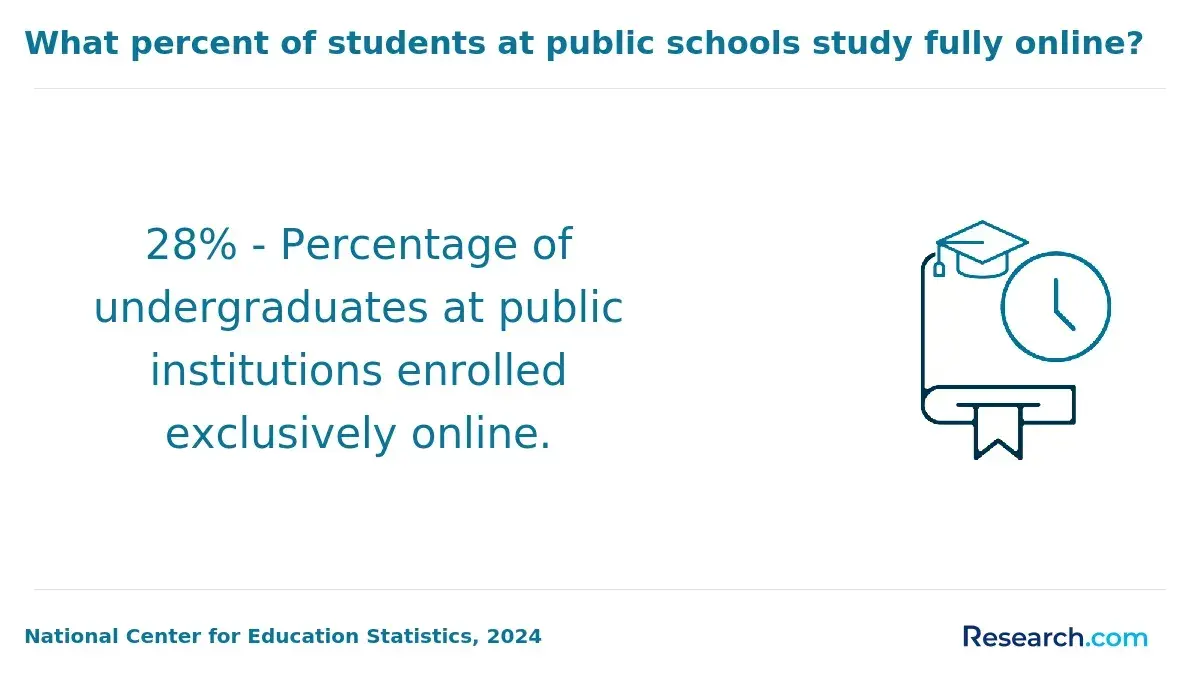
An online information technology management major is not universally harder or easier than an on-campus program; the difficulty depends on various elements related to individual student strengths and learning preferences. Differences in delivery and experience create unique challenges that affect how students engage with course material and manage their studies.
Below are key contrasts between online and on-campus IT management programs highlighting academic expectations, pacing, interaction, and learning environment, which are central when considering online information technology management degree difficulty and challenges of on-campus vs online IT management programs:
- Academic Expectations & Workload: Both formats maintain rigorous coursework and assessments, but online students must be highly self-motivated to manage schedules and meet deadlines without the structure of in-person classes.
- Pacing: Online students benefit from flexible pacing, allowing study around other commitments, but this requires strong time management; on-campus programs follow fixed schedules.
- Interaction & Support: On-campus learners experience frequent face-to-face interaction facilitating immediate feedback, whereas online students rely on forums, email, and scheduled video calls, which can delay personalized communication.
- Learning Environment: Campus-based students enjoy dedicated academic spaces, while online learners often face distractions and encounter more technical difficulties that impact study habits.
Ultimately, the challenges of on-campus vs online IT management programs often come down to adapting to each format's distinct demands. Discipline, comfort with technology, and preference for direct interaction can influence which mode feels more manageable.
For students exploring career prospects with this major, understanding what 4 year degree pays the most can also inform their educational choices.
Are Accelerated Information Technology Management Programs Harder Than Traditional Formats?
Accelerated information technology management programs are generally harder than traditional formats due to condensed timelines that require faster course pacing and more intense workloads. This compressed structure leads to quicker content coverage and less downtime, intensifying the overall student experience.
Below is a comparison highlighting the challenges of accelerated information technology management programs versus traditional ones:
- Course pacing and content density: Accelerated programs cover the same core material in significantly shorter periods, often in five- to eight-week blocks, compared to a fifteen-week semester in traditional tracks.
- Workload management: Accelerated formats demand strong time management and rapid mastery of concepts, often suiting self-directed learners, while traditional formats provide more gradual workloads better suited for those needing a steady pace.
- Academic expectations and skill demands: Both formats require equivalent competency levels, but accelerated programs expect students to progress quickly, increasing the pressure to demonstrate mastery promptly.
- Learning retention and stress levels: The faster pace and denser schedule in accelerated programs can elevate stress and challenge retention, whereas traditional programs allow more time for review and academic support, lowering stress.
- Flexibility and scheduling structure: Traditional programs offer more day-to-day flexibility and routine; accelerated formats often rely on asynchronous or online elements that, while flexible, may reduce direct engagement, complicating retention.
Ultimately, the differences in accelerated vs traditional IT management degree difficulty boil down to individual learning styles and workload management capabilities. Students considering accelerated degree paths should also explore opportunities at accredited online schools that accept financial aid to find programs matching their needs.
Can You Manage a Part-Time Job While Majoring in Information Technology Management?
Managing a part-time job while majoring in information technology management is possible but depends on several factors. The demanding course load, which often ranges from 12 to 18 credit hours per semester, translates to about 24 to 36 hours of academic work weekly, including lectures, labs, and projects.
Flexibility in work schedule, disciplined study habits, and careful credit selection are crucial for maintaining this balance. Students with strong time management skills and access to supportive resources tend to handle both responsibilities more effectively.
Students balancing work and study often rely on disciplined routines and prioritize manageable credit loads to accommodate the technical intensity of their coursework. Information technology management frequently involves hands-on labs and group projects, which can increase workload unpredictably, especially during exam periods or capstone projects.
Flexible jobs, such as remote positions or campus roles, allow students to adapt to peak academic demands. Additionally, utilizing campus or online academic support helps mitigate the challenge of balancing job commitments with intensive study requirements. This combination of factors shapes how students experience the feasibility of working part-time during their degree program.
What Jobs Do Information Technology Management Majors Get, and Are They as Hard as the Degree Itself?
Career paths for information technology management majors vary widely in difficulty, responsibility, and required skills. While some jobs match the rigor of the degree itself, others may feel less demanding or present challenges in other ways depending on the nature of the role.
These differences in job demands are important for students considering careers for information technology management majors, as the level of difficulty often reflects the specific responsibilities and expertise required.
- Cybersecurity specialist or manager: This role involves safeguarding organizational data and systems from cyber threats, managing compliance, and responding to security incidents. It is often as demanding as the major itself, requiring continuous learning due to the rapidly evolving threat landscape.
- IT project manager: Overseeing cross-functional teams to ensure technology projects meet business goals, this position emphasizes leadership, multitasking, and communication over deep technical knowledge. It is demanding in a different way but still requires a solid grasp of IT principles.
- Cloud engineer or architect: Responsible for designing, managing, and securing cloud infrastructure, this job can meet or exceed the degree's rigor, especially when handling large-scale implementations with complex security needs.
- Systems architect: This role plans and constructs enterprise IT systems aligned with strategic objectives. It blends technical expertise with business strategy, often matching the job difficulty to the degree's comprehensive demands.
- Data analyst or scientist: Using analytical and modeling skills to interpret datasets and generate insights, this role may be less stressful day-to-day but requires strong technical and statistical abilities, making the challenge different but significant.
According to labor data, many information technology management job difficulty levels correspond with competitive salaries often exceeding $100,000 and robust growth prospects. Graduates should also consider factors like work environment and employer expectations when assessing potential careers.
Those seeking affordable education options to enter these fields may find value in exploring the cheapest online colleges for working students to balance quality and cost effectively.
Do Information Technology Management Graduates Earn Higher Salaries Because the Major Is Harder?
There is no clear link between the difficulty of an information technology management major and higher salaries. Salary growth tends to depend more on the specific skills graduates gain, how those skills meet market needs, and the demand for IT management roles rather than the academic challenge itself.
Employers value the ability to lead complex IT projects and teams, but tougher coursework does not guarantee better pay. Instead, compensation correlates with job responsibilities, leadership experience, and the strategic value provided by the role. Academic rigor alone is not a direct factor driving salary differences.
Several elements influence earnings for information technology management graduates. Industry demand plays a major role, with computer and information systems managers earning a median salary of around $171,200 in 2024. Entry-level managers might start at about $73,000, while seasoned professionals can reach over $146,000.
Salaries also vary by location; cities like San Francisco and Austin often offer annual pay above $120,000. Additionally, advanced certifications and relevant leadership experience can significantly enhance earning potential, regardless of the perceived difficulty of the degree program.
What Graduates Say About Information Technology Management as Their Major
- Omar: "Pursuing information technology management was definitely challenging, but the learning experience was incredibly rewarding. The coursework pushed me to develop both technical and leadership skills, which have opened doors in my career that I didn't expect. Though the cost of attendance was a concern-averaging around $20,000 a year-the investment has paid off in job opportunities and personal growth. "
- Ronan: "Looking back, information technology management felt tough at times, especially juggling technical classes with management principles. However, this major perfectly bridged my interest in tech and business, giving me a unique edge in the workforce. With tuition costs averaging $18,000 annually, I appreciate how the knowledge gained outweighs the expense, making it a worthwhile pursuit. "
- Brooks: "Information technology management was a demanding major that required consistent effort and adaptability, but it was far from impossible. The real-world skills I acquired have made a lasting impact on both my career trajectory and problem-solving approach. Considering the average cost of around $22,000 per year, I see the education as a solid investment rather than just an expense. "
Other Things You Should Know About Information Technology Management Degrees
Hands-on experience is vital in information technology management. Many programs incorporate internships, labs, or project-based courses that allow students to apply theoretical concepts to real-world situations. This practical experience helps students develop critical technical skills and understand workplace dynamics, making them better prepared for post-graduate employment.
Certifications are not always required but can significantly enhance a graduate's credentials. Popular certifications like PMP (Project Management Professional), CompTIA Security+, or ITIL (Information Technology Infrastructure Library) demonstrate specialized knowledge and can improve job prospects. Many employers value certifications as proof of expertise beyond the academic degree.
References
- Is Information Technology IT a Hard Major | IT Basic Skills https://www.cambridgehealth.edu/information-technology/it-training/is-information-technology-it-a-hard-major/
- How to Prepare for a Career in Information Technology | ITI college https://iticollege.edu/blog/career-in-information-technology/
- Top 10 jobs for IT majors and who’s hiring https://joinhandshake.com/blog/students/top-jobs-for-it-majors/
- Is Management Information Systems a Good Major? | UMGC https://www.umgc.edu/blog/management-information-systems-good-major
- Are Online IT Degrees Worth It? | University of Phoenix https://www.phoenix.edu/articles/it/are-online-it-degrees-worth-it.html
- What is a Technology Management Master’s Degree? https://www.ndnu.edu/what-is-technology-management-degree/
- IT Degree Salary: How Much Do IT Managers and Other Professions Make? - Bay Atlantic University - Washington, D.C. https://bau.edu/blog/it-degree-salary/
- Is Information Technology a Hard Major? Unveiling the Truth - CollegeRanker https://www.collegeranker.com/is-information-technology-a-hard-major/
- Online vs. On Campus: Which Grad School Format Is Right for You? https://www.utrgv.edu/accelerated/articles/general/online-vs-on-campus-which-grad-school-format-is-right-for-you/index.htm
- Online Degree vs. Traditional | University of Arkansas Grantham https://www.uagrantham.edu/blog/pros-cons-online-degree-vs-traditional-university/


