2027 Most In-Demand Liberal Arts Master's Specializations

Co-Founder and Chief Data Scientist
Shifts in workforce credentialing and evolving employer expectations now drive a nuanced evaluation of liberal arts master's specializations. Instead of relying on popularity or salary data alone, students must assess how concentrations align with labor-market relevance, career-path durability, and skill transferability.
Demand fluctuates based on regional industry composition, role specificity, and regulatory pressures, distinguishing short-term hiring trends from sustainable career resilience. Specializations that integrate applied skills, certification readiness, and interdisciplinary connections can enhance access to growth roles, managerial advancement, and meaningful experiential learning.
This analysis focuses on in-demand liberal arts master's pathways, factoring in curriculum rigor, faculty expertise, and alumni outcomes to guide strategic specialization choices that support both immediate opportunities and long-term professional adaptability.
Key Things to Know About the Most In-Demand Liberal Arts Master's Specializations
- Specializations like digital humanities demand strong technical skills, limiting applicants without prior coding experience but aligning graduates with data-driven cultural institutions expanding rapidly.
- Employers increasingly favor interdisciplinary candidates in ethics and public policy, reflecting workforce needs for versatile problem-solvers who can address complex societal issues within evolving regulatory environments.
- Programs with heavy research components often require longer completion times and greater financial investment, which may deter mid-career students seeking immediate role transitions in competitive job markets.
What Makes a Liberal Arts Master's Specialization "In Demand"?
An in-demand liberal arts master's specialization is typically defined by the intersection of labor-market need, the cultivation of specialized skills, and its alignment with emerging or enduring professional roles within liberal arts fields. Demand fluctuates depending on geographic region, employer type, industry sector, the pace of technology adoption, and regulatory frameworks.
Specializations that prepare students for roles with sustained relevance-such as those addressing communication dynamics, educational leadership, or cultural analysis-tend to be more strategically valuable than those driven by ephemeral hiring spikes.
According to labor market trends for liberal arts master's degrees, prospective students should focus on areas where employer expectations include advanced analytical and interpersonal competencies tied to real-world challenges.
Relying solely on demand as a decision factor can be misleading, as high job-posting volume, enrollment popularity, and broad salary claims may not capture the nuance of career fit or long-term value.
Demand-driven program marketing often emphasizes trendiness rather than depth, so students must critically evaluate curriculum rigor, opportunities for experiential learning, certification and licensure alignment, faculty expertise, and traceable alumni achievements.
These factors ensure skills gained are transferable within and across evolving roles rather than narrowly focused. The rising emphasis on interdisciplinary competencies and adaptability, as noted in recent workforce analyses, underscores the importance of a comprehensive evaluation beyond headline demand.
Working professionals, career changers, and advancement-focused learners benefit most from choosing a highly demanded specialization when it clearly maps onto specific employer requirements and pathways for sustained growth. These learners should weigh how advanced study integrates with evolving workplace technologies and expectations rather than assume demand guarantees advancement.
For those seeking a focused timeline, exploring resources on 1 year PhD programs online free may complement their strategic planning by providing alternative routes for credential enhancement alongside liberal arts mastery.
The 10 Most In-Demand Liberal Arts Master's Specializations
The evolving demands of the labor market increasingly favor liberal arts master's specializations that offer versatile, interdisciplinary skill sets aligned with technological advances, policy shifts, and complex social dynamics.
Graduates who integrate analytic capabilities with cultural literacy, strategic communication, or ethical frameworks are positioned to adapt to roles that transcend traditional boundaries.
Employer needs emphasize the ability to interpret data contextually, navigate global interdependence, and address regulatory or social challenges with creative problem-solving and policy insight.
- Data Analytics and Digital Humanities: Emphasize combining quantitative analysis with cultural interpretation, addressing the growing requirement for professionals who can extract meaningful insights from complex datasets while understanding social impacts. This specialization prepares graduates for roles where data informs policy, media, or historical research.
- Human Centered Design and Innovation: Equips learners to apply creative strategies for enhancing user experience and product development. This skill set responds to the increasing emphasis on socially responsible innovation, integrating ethical considerations into technology and design.
- International Relations and Global Policy: Addresses the complex regulatory and diplomatic challenges amplified by globalization. Graduates with expertise in geopolitical strategy and international development find demand in government and non-governmental sectors navigating cross-border issues.
- Environmental Studies and Sustainability: Prepares practitioners for urgent climate-related roles where policy, science, and advocacy intersect. Rising hiring trends reflect the need for sustainability-focused professionals across public, private, and nonprofit organizations.
- Educational Leadership and Curriculum Development: Targets those shaping institutional learning outcomes amidst evolving educational technologies and methodologies. The stable demand arises from higher education and specialized training sectors adapting to shifting pedagogical needs.
- Cultural and Social Anthropology: Trains graduates to provide essential cultural competence for market research, urban development, and organizational diversity efforts, responding to workforce demands for nuanced understanding of social behavior and community dynamics.
- Philosophy, Ethics, and Technology Policy: Meets rising employer interest in responsible AI use, digital privacy, and regulatory frameworks. Ethicists and policy analysts fill critical roles guiding technology governance and compliance.
- Media Studies and Digital Content Creation: Addresses the exponential growth of digital media consumption. Professionals skilled in multi-platform storytelling and analytics are increasingly needed to produce and manage content effectively.
- Social Work and Community Development: Responds to expanded societal needs for resilient community programs and policy implementation. The increase in social service positions is a direct consequence of shifting demographic and health challenges.
A prospective student weighing these options reflected on their search process, initially attracted to data analytics for its strong growth projections but uncertain about long-term fit given their creative interests. After comparing program curricula and job market evidence, they leaned toward human centered design, appreciating its combination of innovation and social impact.
Yet, they remained hesitant, concerned about program faculty depth and practicum availability, illustrating the complex balance candidates face between employer demand signals and personal alignment within these competitive liberal arts specializations.
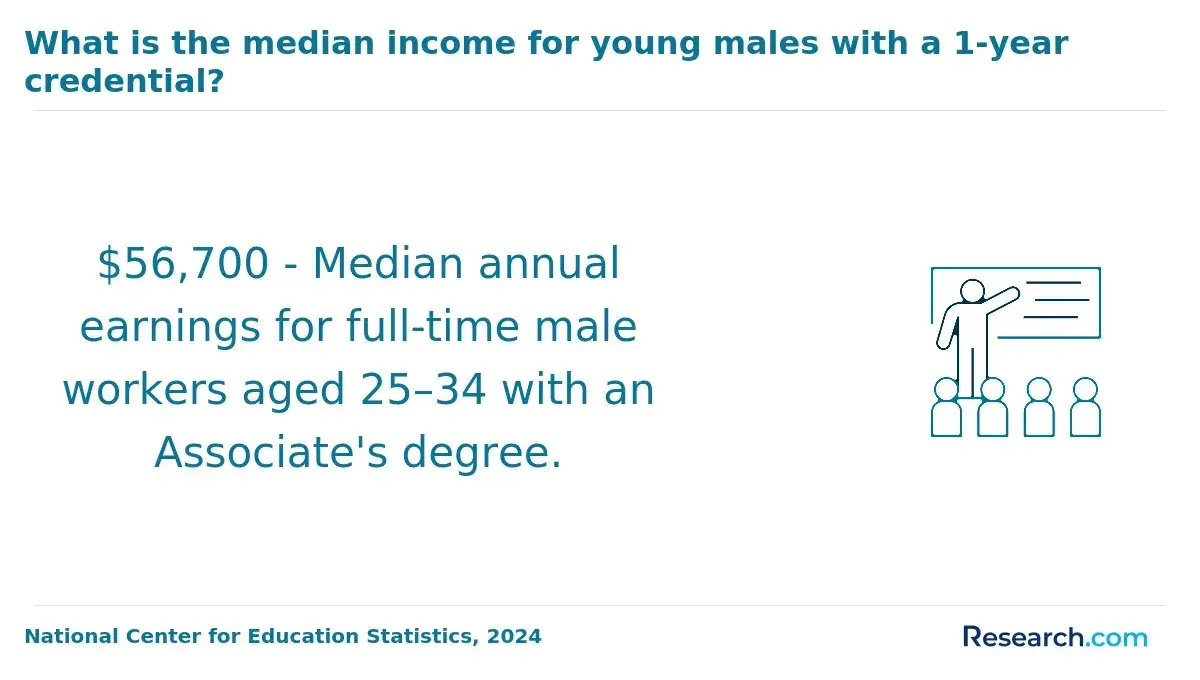
Which Liberal Arts Master's Specializations Lead to the Highest-Paying Careers?
Part-time liberal arts master's courses are carefully designed to balance academic rigor with flexibility, recognizing that many students juggle professional and personal commitments alongside study.
Variations in course structure across institutions significantly shape how students manage workload, engage with material, and apply learning in real-world contexts.
- Modular Scheduling: Courses are often divided into shorter, focused modules rather than semester-long classes. This format allows students to concentrate on fewer subjects at a time, which can improve retention and reduce cognitive overload, but it also means pacing pressure intensifies during active modules.
- Blended Learning Formats: Many programs combine asynchronous lectures with scheduled synchronous discussions or workshops. This hybrid approach offers flexibility in accessing content while preserving opportunities for real-time interaction, critical for developing analytical and communication skills vital in liberal arts fields.
- Reduced Course Load Per Term: By spreading credits over multiple terms, part-time students handle fewer courses simultaneously, enabling deeper engagement with complex theoretical concepts and research without overwhelming weekly demands. However, this extended timeline may challenge sustained momentum and integration of knowledge across modules.
- Applied Assignments and Capstones: Emphasis on project-based work and integrative capstone courses helps students translate abstract liberal arts theories into pragmatic outputs aligned with career goals. This structure encourages practical skill application but requires consistent effort over time, blending academic inquiry with professional relevance.
- Flexible Deadlines with Academic Rigor: Part-time programs often allow deadline extensions or rolling submissions to accommodate working students, but they maintain strict academic standards. This equilibrium supports diverse learning paces while ensuring credential value and preparedness for workplace expectations.
Recent data from the National Center for Education Statistics highlights that over 40% of graduate students in humanities and social sciences opt for part-time enrollment, reflecting demand for adaptable program designs that do not compromise intellectual depth or career preparation.
Which Liberal Arts Master's Specializations Offer the Best Job Growth?
Evaluating which liberal arts master's specializations offer the best job growth requires looking beyond current popularity to factors like employment projections, shifting employer needs, and the impact of industry transformation.
Specializations connected to emergent fields-such as human-centered technology or digital humanities-tend to leverage transferable skills that apply across multiple sectors, enhancing long-term versatility. The U.S. Bureau of Labor Statistics (2024) anticipates faster-than-average growth in roles blending social science expertise with technological fluency, underscoring the value of cross-disciplinary competencies.
Assessment should also consider skills shortages driven by regulatory changes or technological disruptions and whether programs embed credentialing that matches evolving market expectations, providing a more grounded forecast than popularity alone.
However, relying solely on job growth when selecting liberal arts master's specializations can be misleading due to regional labor differences, cyclical hiring trends, and potential role saturation in widely sought areas.
Prospective students must gauge if their specialization offers clear pathways for immediate employment through internships or portfolio development while also supporting upward mobility over time.
Many employers now expect practical experience or certifications alongside academic credentials, which some programs may not adequately provide. For working professionals balancing commitments, it is crucial to verify that a specialization aligns with both near-term entry and sustainable career progression within high-demand fields, including top career paths with liberal arts master's degrees.
Exploring these tradeoffs can avoid overemphasis on growth statistics that may not reflect the full range of workforce realities or personal circumstances.
Programs related to emerging digital-focused disciplines often intersect with fields like public policy or ethics, where practical application and credentialing strongly influence employment outcomes, much like the structure found in a game design degree.
Which Liberal Arts Master's Specializations Are Best for Career Changers?
Specializations in liberal arts that best suit career changers typically offer clear pathways for leveraging transferable skills such as critical thinking, communication, and project management.
Fields like organizational leadership, digital humanities, and communication often incorporate foundational coursework designed to reskill students while minimizing prerequisite barriers, making the transition more accessible.
Programs that include applied learning components-internships, practicums, or capstone projects-enable students to acquire practical experience relevant to entry-level or mid-career roles, thereby improving employability in new sectors.
According to the U.S. Bureau of Labor Statistics (2024), roles demanding interdisciplinary competencies cultivated through such programs are projected to grow by 12%, emphasizing the value of these adaptable specializations.
Choosing a specialization based primarily on market demand can carry significant risks, especially for those without prior exposure to the field. Steep technical requirements, insufficient industry context, and credentialing hurdles often complicate smooth entry, while networking gaps may put career changers at a disadvantage compared to candidates with direct experience.
The missing application of relevant prior knowledge can lengthen the adjustment period, requiring more time and resources before achieving job readiness. Thus, assessing the practical fit of a specialization relative to existing skills, realistic prerequisite completion, and employer expectations is crucial to avoid costly misalignments and increased competition in saturated areas.
One graduate initially hesitated between digital humanities and organizational leadership after a decade in retail management. They questioned whether their communication and coordination skills would translate effectively in a more research-oriented specialization.
After consulting faculty and alumni, they prioritized a program with embedded internships and fewer technical prerequisites, selecting organizational leadership. This choice allowed them to apply existing skills while gaining targeted experience through a non-profit internship.
Although the decision involved recalibrating original ambitions, the practical alignment with career objectives and hands-on opportunities ultimately eased their transition into a public policy role, underscoring the importance of adaptable specializations and applied learning in successful mid-career shifts.
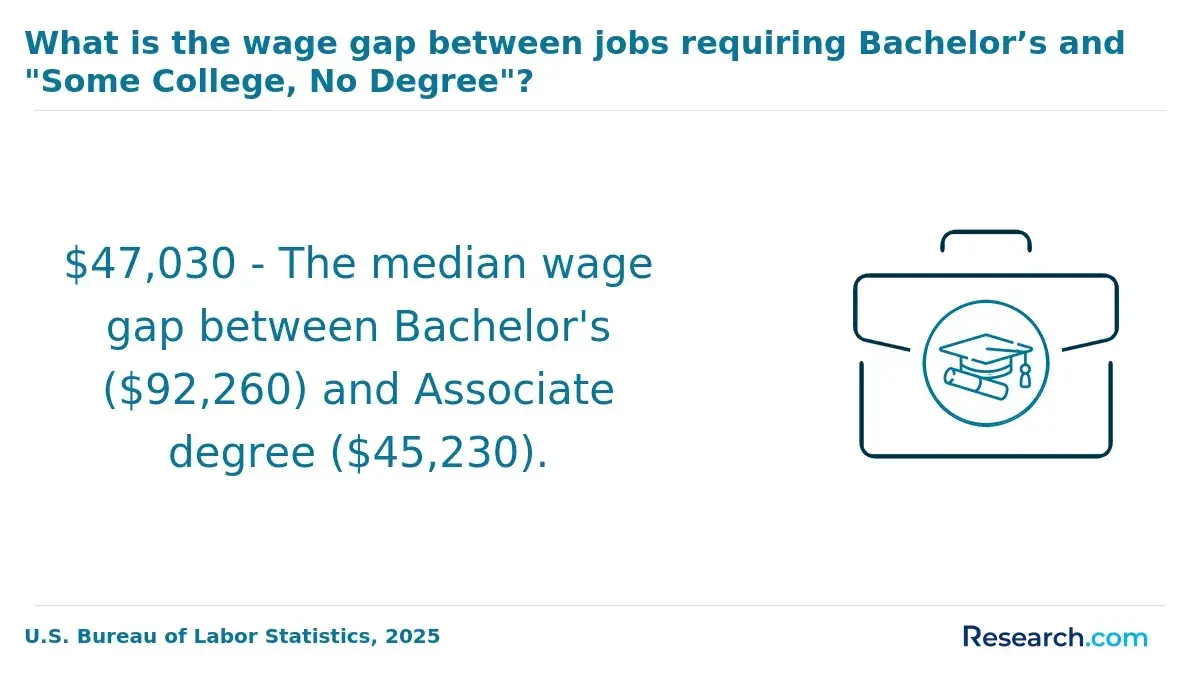
Which Liberal Arts Master's Specializations Are Best for Working Professionals?
Working professionals evaluating liberal arts master's specializations should focus on how closely a program aligns with current job functions or targeted career paths, its employer relevance, and the development of applied skills.
Specializations offering competencies in leadership, communication, and strategic thinking are especially valuable, as the 2024 Workforce Development Trends Report by the National Association of Colleges and Employers shows graduates with such skills enjoy a 25% higher likelihood of promotion within two years.
Other practical considerations include schedule compatibility and how well the specialization supports advancement without requiring a career break. Selecting a specialization that integrates with one's role maximizes return on investment by emphasizing skills transferable across industries and addressing real workplace challenges, thus fitting working professionals' needs for both growth and continuity.
Certain liberal arts master's degrees lend themselves better to working adults due to flexible delivery modes like online, hybrid, or asynchronous formats, which allow course completion without disrupting employment.
Programs featuring project-based assignments connected to current job responsibilities or offering internships with flexible scheduling better sustain employment while enhancing practical expertise. Certifications or licensures that align with these programs can add tangible value, making them more relevant and marketable.
This practical approach is evident in areas highlighted by the social media university courses that reflect increasing employer demand and modern learning modalities suitable for balancing work and study commitments.
However, working professionals must consider trade-offs related to specializations with clinical, research-intensive, or field-placement requirements. While such programs may offer strong labor-market value, their rigid schedules and heavy experiential components can strain those balancing full-time jobs.
The result is a need to weigh immediate educational benefits against the feasibility of maintaining employment, underscoring why many prioritize programs with asynchronous options and practical applicability tailored for working professionals in the United States.
Employer Confidence in Online vs. In-Person Degree Skills, Global 2024

How Do Online and Flexible Liberal Arts Master's Specializations Compare?
Online liberal arts master's specializations primarily deliver content through fully digital platforms, often in asynchronous formats that prioritize individual pacing and schedule flexibility. This model can limit cohort cohesion, real-time faculty engagement, and access to immersive experiences like internships or practicums that are commonly embedded in traditional or hybrid formats.
Flexible programs, by contrast, blend online, in-person, and accelerated tracks, affording varied sequencing and interaction levels that can better accommodate different learning styles and career trajectories.
Such approaches may also better align with employer expectations for applied skills and project-based learning, which are critical in cultural studies, history, or related fields where experiential components substantively enhance employability.
Flexibility in delivery does not inherently equate to educational quality or employer value. The rigor of curriculum design, institutional accreditation, and integration of hands-on learning opportunities hold greater significance in demonstrating competency to prospective employers.
While flexible formats may offer richer mentorship and career services access, online programs often contend with uneven student support beyond academic advising, as noted in recent national data.
Additionally, the technological demands and structure of online versus flexible pathways influence the development of communication, collaboration, and critical thinking skills that top employers in liberal arts-related roles increasingly prioritize. Selecting programs based solely on format rather than these substantive factors can undermine long-term career prospects.
For working professionals and career changers, flexible liberal arts master's specializations provide necessary adaptability to balance employment and education but require deliberate assessment of workload intensity, networking opportunities, and program pacing.
Maintaining employment during study can limit the feasibility of on-site residencies or intensive seminars which may be essential for certain career-enhancing experiences.
The decision to pursue a flexible pathway should therefore consider not only immediate convenience but also the capacity to engage deeply with program elements that foster enduring professional growth, given the evolving demands in competitive cultural, educational, and nonprofit sectors.
What Skills Do Students Learn in In-Demand Liberal Arts Master's Specializations?
In-demand liberal arts master's specializations are structured to develop skill sets reflecting current labor-market demands and institutional curriculum design that targets employer expectations.
These programs go beyond traditional concentration titles by embedding applied, analytical, and interdisciplinary capabilities relevant to evolving professional contexts.
- Advanced Analytical Reasoning: Students engage deeply with qualitative and quantitative research methods, strengthening the ability to interpret complex data sets and synthesize diverse perspectives. This analytical rigor is developed through coursework, field research, and capstone projects.
- Technical and Digital Literacy: Many programs integrate digital tools such as data visualization software, content management systems, and domain-specific coding languages. This technical proficiency is essential for adaptability in technology-intensive environments, particularly in sectors like digital humanities, social research, and media.
- Leadership and Ethical Judgment: Coursework and practicum experiences cultivate skills in project management, collaborative teamwork, and ethical decision-making. Employers increasingly seek professionals who can lead diverse teams effectively while navigating complex organizational and regulatory landscapes.
- Effective Communication: Mastery in crafting compelling narratives and facilitating cross-cultural dialogue is emphasized, often through simulation exercises or client-facing projects. These communication skills remain critical across fields such as public policy, education, and nonprofit sectors, directly impacting employability and career progression.
- Specialized Field Knowledge: Targeted expertise-such as intercultural competence in global studies or sustainability frameworks in environmental humanities-ensures graduates meet niche demands and deepen their professional relevance within specific career trajectories.
A 2024 survey by the National Association of Colleges and Employers found that 78% of employers prioritize candidates with strong critical thinking and communication skills, underscoring how these competencies remain fundamental for liberal arts graduates' market value.
What Are the Admissions Requirements for Popular Liberal Arts Master's Specializations?
Admissions requirements for popular liberal arts master's specializations serve as both an initial eligibility screen and a reflection of how tightly programs align with specialized skills or career trajectories.
These prerequisites vary considerably across disciplines, underscoring the importance of matching an applicant's academic background and professional intentions to the nuances of each specialization.
Graduate program prerequisites for liberal arts master's degrees therefore not only filter candidates but also signal the expected depth of preparation.
- Prerequisite Academic Background: Most programs require a relevant undergraduate degree or completion of foundational coursework tailored to the specialization. For example, humanities and social sciences tracks emphasize analytical and writing proficiency, often requesting portfolios or writing samples.
- Relevant Work Experience: Programs focused on public policy, arts administration, or community engagement tend to prefer applicants with professional or volunteer experience aligned to the field. This real-world exposure complements academic work and demonstrates practical readiness, which academic metrics alone may not capture.
- Standardized Testing Policies: Reflecting evolving accessibility and predictive validity concerns, over 60% of liberal arts master's programs surveyed in 2024 have made GRE scores optional or eliminated them. Despite this trend, some highly selective or research-intensive programs maintain testing requirements.
- Personal Statements and Letters of Recommendation: Applicants must articulate clear motivations and career goals aligned with their chosen specialization. Letters typically emphasize critical thinking and relevant competencies, functioning as qualitative endorsements that help differentiate candidates within competitive pools.
- Licensure and Fieldwork Eligibility: Applied specializations such as social work or education often require clinical clearances, background checks, or technical competencies. These criteria reflect professional standards and regulatory obligations, adding complexity to admissions beyond academic qualifications.
Careful consideration of these elements is crucial in evaluating program fit and navigating admissions strategy. Prospective students seeking the quickest cheapest masters degree should weigh how each program's prerequisites align with their background and long-term career goals when assessing their options.
How Should Students Compare Cost, Financial Aid, and ROI by Liberal Arts Specialization?
When comparing online liberal arts master's curriculums, students should prioritize how well the program aligns with their career goals and the evolving demands of the job market. A key factor is curriculum quality, encompassing the depth of specialization offerings and relevance to current employer expectations.
For example, programs integrating emerging skills such as data analysis, digital literacy, or interdisciplinary methodologies better prepare graduates for high-growth roles, as seen in degrees like the MS in data analytics.
Course sequencing and structure critically influence learning retention and practical application. Programs that move cohesively from foundational theories to applied projects, including internships, capstones, or research collaborations, offer indispensable experiential learning that many employers now require. Sequenced applied learning also mitigates common risks of skill decay post-graduation.
Faculty expertise matters significantly as well. Students should evaluate whether instructors remain active researchers or industry professionals connected to their fields.
Such faculty provide real-world insights that bridge theoretical knowledge with practice, enriching students' understanding of contemporary professional challenges and expanding networking opportunities.
Accreditation or alignment with relevant professional standards ensures academic rigor and may facilitate certification or licensure pathways crucial in certain liberal arts specializations.
Career relevance remains paramount. As per a 2024 National Association of Colleges and Employers report, 68% of employers emphasize graduate programs that integrate adaptability with both soft skills and technical competence.
Prospective students should assess how curriculums cultivate transferable competencies like critical thinking, communication, and project management alongside subject mastery, crucial for sustainable employability.
Comparing programs through this multi-dimensional lens enables students to select curriculums that not only impart knowledge but foster versatile, market-ready graduates with long-term career resilience.
Cost versus ROI for liberal arts master's programs requires nuanced assessment beyond tuition sticker price, especially in light of specialization-specific demands and outcomes.
Evaluating cost and return on investment (ROI) for liberal arts master's degrees cannot be separated from specialization-specific factors including program design, labor-market alignment, and a student's career stage. This nuanced approach avoids simplistic tuition-versus-earnings calculations, emphasizing instead the holistic financial and career impacts of each pathway.
- Tuition Structures and Associated Fees: Different specializations impose varying tuition rates, but hidden costs like mandatory course materials, technology fees, or practicum charges can disproportionately affect total expenses. Programs requiring extended fieldwork or internships may add travel or accommodation costs, impacting affordability and timing of degree completion.
- Financial Aid and Employer Support: Aid eligibility often depends on the specialization's categorization; some fields attract targeted scholarships or assistantships, while others have limited funding options. Employer tuition reimbursement policies may cap annual contributions or exclude certain programs.
- Completion Time and Opportunity Costs: Specializations with demanding practicum or certification requirements can lengthen program duration, increasing the opportunity cost of foregone wages or employment. Conversely, accelerated programs may reduce exposure but at the risk of compressed learning intervals and lower applied experience.
- Credentialing and Certification Expenses: Some liberal arts specializations lead toward professional certification that entails additional exam fees, preparatory courses, or renewal costs. These downstream investments affect both immediate financial planning and longer-term career mobility and earning potential.
- Labor Market Alignment and Salary Signals: Short-term salary data can misrepresent long-term ROI, especially for fields with fluctuating demand or emerging roles. Students should analyze labor market trends critically, balancing initial wage prospects with broader career adaptability and growth opportunities inherent in the specialization.
What Do Graduates Say About Their Liberal Arts Master's Specializations?
- Callen: "Completing my master's in philosophy gave me a solid foundation in critical thinking, but I quickly learned that employers within academia tend to prioritize publication records and teaching experience over degrees alone. To stand out, I invested time in adjunct teaching and developing a portfolio of published essays, which ultimately opened doors to a full-time role. It's a demanding path, but balancing research with practical experience proved essential in this field."
- Koen: "After finishing my master's in communications, I was pleasantly surprised by the flexibility my degree provided. Many companies valued my portfolio and internship experiences more than formal certifications. This helped me land a remote position fairly quickly, although I realized salary growth can plateau without additional specialized training or management experience. For me, gaining real-world experience and adapting to evolving media trends made the biggest difference."
- Owen: "The master's in history was intellectually rewarding but navigating career options was tricky. Licensure wasn't a major factor, but competing against candidates with museum internships or grant projects was tough. I pivoted toward cultural heritage consulting and found that building networks and acquiring project management skills helped bridge gaps between academic knowledge and practical application. This adaptability made the transition smoother than I expected."
Other Things You Should Know About Liberal Arts Degrees
Prospective students often face a tradeoff between highly specialized programs and those that promote interdisciplinary study. Specialized tracks can lead to deeper expertise valued by certain employers but may limit career mobility if industry demands shift.
Interdisciplinary programs offer adaptability and broader skill sets, which can be advantageous in evolving job markets, yet they may lack the focused mastery some employers expect for niche roles. Prioritizing specialization is advisable if you have a clear career trajectory; if not, interdisciplinary flexibility can safeguard against unpredictable job market changes.
Workload intensity and research requirements can vary significantly by specialization, impacting your time management and work-life balance. Specializations oriented toward applied fields like cultural resource management often require substantial fieldwork or internships, while those focused on theory or criticism may demand extensive independent research and writing.
Understanding these demands early helps match your personal and professional circumstances. For busy professionals, programs emphasizing practical projects over theoretical research are often more manageable and aligned with workplace skills.
Employers increasingly evaluate graduate specialization in relation to the specific skills and knowledge needed in their sectors. Some specializations, such as digital humanities or public policy, align strongly with emerging job roles and come with clearer advancement pathways, while others may be appreciated mainly in academic or niche nonprofit sectors.
Selecting a specialization with recognizable, market-relevant credentials can reduce barriers to progression and promotions. Therefore, assessing the practical relevance of coursework and skill application in your target industry is key to maximizing employer appeal.
In 2027, in-demand liberal arts master's programs equip graduates with critical thinking, communication, and research skills, fostering adaptability across various fields. Structured through interdisciplinary approaches and capstone projects, these programs prepare students for roles in industries like education, consulting, and non-profit management.
References
- Online MBA Specializations Comparison: Key Differences https://www.onlinecu.in/blog/cu/how-do-online-mba-specializations-compare.php
- Liberal Arts Master's degrees https://universitycompare.com/courses/degrees/masters/liberal-arts
- Top 7 Careers for Liberal Arts Degree Majors | National Society of High School Scholars https://www.nshss.org/resources/blog/blog-posts/top-7-careers-for-liberal-arts-degree-majors/
- Graduate School Options for Liberal Arts Majors https://www.bentley.edu/news/graduate-school-options-liberal-arts-majors
- The return on investment from a liberal arts degree https://www.luminafoundation.org/resource/roi-of-liberal-arts-colleges/
- Liberal Arts Admissions | Top Colleges & Essay Guidance | BrighterPrep https://www.brighterprep.com/liberal-arts-college-application-help
- Do Liberal Arts Colleges Pay Off? What the Data Say | American Enterprise Institute - AEI https://www.aei.org/education/do-liberal-arts-colleges-pay-off-what-the-data-say/
- Six Advantages of Liberal Arts Colleges - Ivy Experience https://myivyexperience.com/education-library/college-essays-and-applications/six-advantages-of-liberal-arts-colleges/
- 8 Amazing Top-Paying Careers Open to Liberal Studies Majors https://liberalartsedu.org/blog/8-top-paying-careers-open-to-liberal-studies-majors/
- Is College Worth It? A Comprehensive Return on Investment Analysis - FREOPP https://freopp.org/whitepapers/is-college-worth-it-a-comprehensive-return-on-investment-analysis/