
2027 Online Business Development Degree Programs Costs: Tuition & Fees

Co-Founder and Chief Data Scientist
The real question is not just whether an online Business Development degree fits your schedule. It is whether the total cost makes sense for your career goals, current income, borrowing limits, and expected salary growth.
Online programs can reduce commuting, housing, and campus-related expenses, but they are not automatically inexpensive. Students still need to compare tuition, mandatory fees, credit requirements, residency rules, textbooks, software, and financial aid eligibility. A lower advertised tuition rate may also become less attractive if transfer credits are limited or if the program adds technology, graduation, or residency fees.
This guide explains what students can expect to pay for an online Business Development degree, what tuition usually includes, why prices vary, how online programs compare with traditional campus programs, and which aid options may help lower out-of-pocket costs. It is designed for working adults, transfer students, first-time undergraduates, and professionals weighing whether a business-focused online credential is worth the investment.
Key Points About Online Business Development Degree Costs
- Average tuition for online Business Development degrees ranges from $15,000 to $45,000, depending on institution type and program length.
- Costs vary due to factors like accreditation, credit hours, and additional fees for technology or materials.
- Investing in such degrees can yield higher earning potential and networking opportunities in competitive markets.
What Is the Average Cost of an Online Business Development Degree?
The cost of an online Business Development degree in 2025 depends heavily on the institution, degree level, tuition model, and number of credits required. For bachelor’s programs, total tuition generally ranges from $7,454 to $63,185. That wide span is why students should compare full program cost, not only the per-credit price shown on a school’s website.
Public institutions are usually less expensive than private colleges, especially for students who qualify for in-state tuition. Public universities charge about $40,536 on average for an online bachelor’s degree for in-state students, while private colleges average $63,185 for the full program. Some public schools are much lower, with yearly tuition rates as low as $4,770.
Per-credit pricing also varies. Public institutions average around $337 per online credit hour, while private schools average about $516. Because bachelor’s degrees often require many credits, even a modest per-credit difference can substantially change the final bill.
Online business programs, including Business Development programs, are often less expensive than on-campus options. They can save students up to roughly $4,295 annually. For example, yearly tuition for online public school business degrees averages $7,454, while comparable on-campus programs can exceed $11,749 per year.
- Best-case affordability: A student who attends a lower-cost public program, transfers credits, and avoids campus fees may keep costs near the lower end of the range.
- Higher-cost scenario: A student attending a private institution, entering with few transfer credits, or paying additional fees may spend much closer to the upper end.
- Most important comparison: Look at total program cost after transfer credits and aid, not tuition alone.
What Is Typically Included in the Tuition for an Online Business Development Degree?
Tuition for an online Business Development degree usually covers instruction and access to the core academic systems needed to complete the program. However, schools differ in how they package fees, digital materials, advising, and career services. Before enrolling, students should ask for a complete cost breakdown in writing.
Most programs include the following academic and support components:
- Virtual classroom access: Tuition typically includes access to the learning management system used for live sessions, recorded lectures, assignments, discussion boards, quizzes, exams, and instructor communication.
- Academic support services: Many programs include online advising, tutoring, writing support, digital library access, and career guidance connected to business development, sales strategy, entrepreneurship, account management, and related fields.
- Technology support: Technology fees may cover help desk services, secure login systems, online testing tools, communication platforms, and digital course access.
- Instructional materials: Some programs include digital readings, case studies, simulations, or open educational resources. Textbooks, paid databases, software licenses, and specialized business tools may still cost extra.
- Administrative services: Tuition or required fees may support registration, student records, transcript services, academic planning, and online student services.
- Possible separate charges: Graduation fees, proctoring fees, residencies, workshops, certification exam preparation, and some course materials may not be included in standard tuition.
A useful rule is to separate tuition-included services from student-paid add-ons. This helps avoid underestimating the real cost of attendance, especially in programs that advertise a low per-credit rate but add multiple required fees.
What Factors Influence the Cost of Pursuing an Online Business Development Degree?
The cost of an online Business Development degree is shaped by more than tuition. Institution type, residency rules, transfer credit policies, program length, mandatory fees, and the school’s reputation all affect what students actually pay.
The biggest cost drivers include the following:
- Type of institution: Private universities and highly ranked schools typically charge more than public or regional institutions. Tuition can sometimes exceed $2,000 per credit hour at premium institutions, compared with under $400 at more affordable public options.
- Residency status: Some public universities still charge different rates for in-state and out-of-state online students. Others use a flat online tuition rate regardless of residency. This single policy difference can change the total price substantially.
- Credit-hour requirements and program length: Bachelor’s degrees usually require about 120 credits, while master’s programs range between 30 and 49 credits. The more credits required, the more important the per-credit rate becomes.
- Transfer credit policy: Accepted transfer credits can reduce both time and tuition. Students with prior college coursework, military training, professional certifications, or associate degrees should confirm how many credits will apply before enrolling.
- Mandatory fees: Online programs may add technology fees, student service fees, proctoring fees, graduation fees, or course-specific charges. These fees can be reasonable, but they should be included in any affordability comparison.
- Faculty quality and school reputation: Programs with well-known faculty, strong employer relationships, advanced student services, or a recognized brand often charge higher tuition. That premium may be worthwhile for some students, but it should be weighed against expected career outcomes.
- Residency or in-person requirements: Some online programs require short campus visits, workshops, or professional development experiences. Travel and lodging can add costs that are not reflected in tuition.
Students comparing graduate options may also want to review 1 year master's programs online, since accelerated formats can affect both total tuition and opportunity cost.
Are Online Business Development Programs Cheaper Than Traditional Programs?
In many cases, online Business Development programs are cheaper than traditional on-campus programs, especially when students can avoid commuting, relocation, housing, parking, and some campus-based fees. The tuition comparison also favors online study in many business programs.
Annual tuition and fees for an online business bachelor’s degree average around $7,547, compared with about $12,047 for on-campus programs. After financial aid, the average net price drops to $4,256 for online students and $6,586 for students attending on campus.
The lower cost is partly tied to reduced physical-campus overhead. Online programs do not need to support the same classroom usage, residential facilities, or campus infrastructure for each learner. Flexible asynchronous courses can also allow schools to serve more students without requiring everyone to attend at a fixed time and place.
However, online does not always mean cheaper. Students should check for technology fees, online course fees, proctored exam fees, and out-of-state tuition policies. A high-cost online program can still exceed the price of a local public campus option, especially if the student qualifies for in-state tuition and can commute.
- Online may be cheaper if: You keep working, avoid relocation, transfer credits, and choose a low-fee program.
- Campus may be competitive if: You qualify for strong in-state pricing, receive institutional aid, or need in-person networking and recruiting access.
- The best comparison: Compare net price after aid, not sticker price.
Students who are also evaluating ease, flexibility, and completion difficulty can review what's the easiest online degree to get? as part of a broader program-fit comparison.
Are There In-state and Out-of-state Tuition for Online Business Development Programs?
Yes. Some online Business Development and related business programs charge different tuition rates for in-state and out-of-state students, while others use one flat rate for all online learners. This policy is especially important at public universities.
For example, the University at Albany sets undergraduate online tuition at $3,535 per semester for state residents, while non-residents pay $4,240. That difference can add up across multiple semesters, particularly for students completing most or all of a bachelor’s degree at the same institution.
Other schools use flat-rate pricing. Rutgers School of Business-Camden charges $672 per credit for both in-state and out-of-state learners in its online Bachelor of Business Administration program. For students outside the school’s home state, this type of pricing can make cost planning much simpler.
Students should also check whether regional tuition agreements apply. Programs such as the Western Undergraduate Exchange may allow eligible students from nearby states to pay reduced tuition. Private institutions and some public universities increasingly use flat-rate tuition for online programs to attract students nationally and simplify billing.
- Ask before applying: “Will I pay in-state, out-of-state, or flat online tuition?”
- Confirm fee treatment: Some schools charge the same tuition but different fees depending on residency or program status.
- Check residency rules early: Residency classification can require documentation and may not change automatically after enrollment.
Which Schools Offer the Most Affordable Business Development Degree Programs?
The most affordable online Business Development degree options are usually found at schools with low per-credit tuition, generous transfer credit policies, flat-rate online pricing, and limited mandatory fees. Students should also confirm accreditation, because a low-cost program is less useful if credits do not transfer, employers do not recognize the credential, or the program does not qualify for aid.
Some students compare Business Development programs with broader business administration, business management, entrepreneurship, or leadership programs because these majors can lead to similar roles. If cost is the main concern, an online degree in business may provide a wider set of affordable options while still covering relevant business development skills.
Among low-cost online business administration degrees in the US, the following examples stand out for combining affordability with business-related coursework:
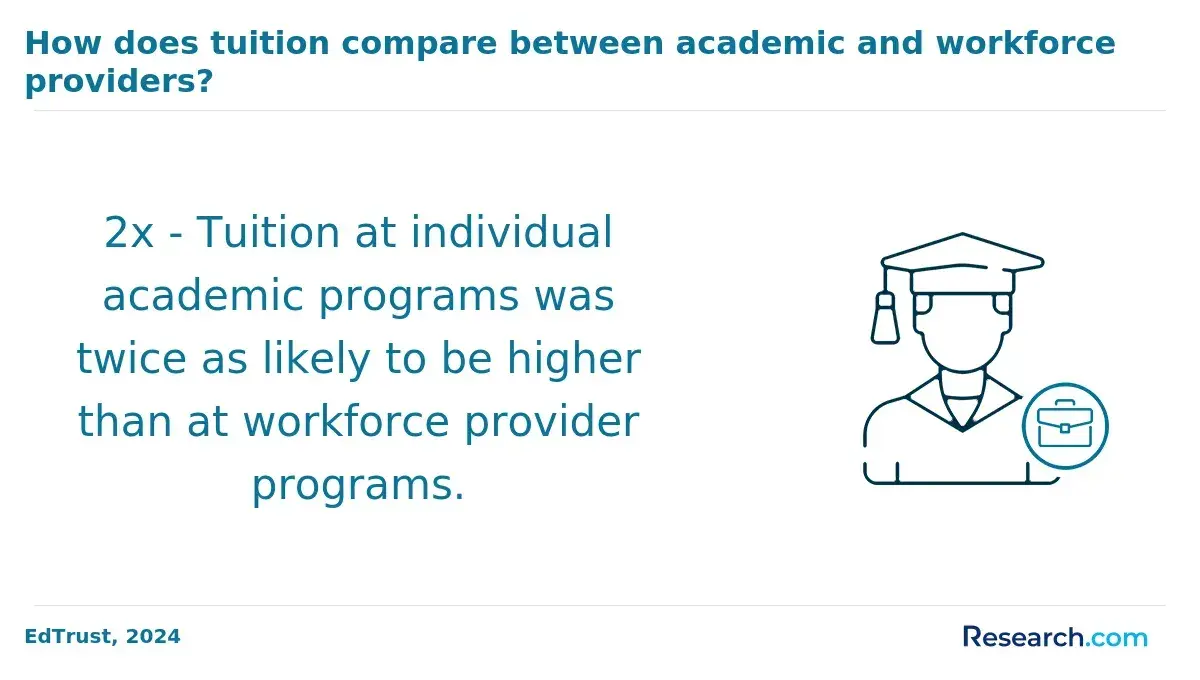
- Ashworth College: Ashworth College offers a self-paced online business management degree with a total cost of approximately $1,199 to $1,499. Its per-credit tuition is about $99, making it one of the lowest-cost options for students seeking a business credential.
- Sam Houston State University: Sam Houston State University offers an AACSB-accredited online MBA focused on core business disciplines. The program charges $320 per credit hour and combines affordability with networking opportunities for online learners.
- Arkansas Tech University: Arkansas Tech University offers an online MBA with concentrations in Business Leadership and Entrepreneurship at $396 per credit hour. Its accreditation and pricing may appeal to students seeking a cost-conscious graduate business option.
Affordable does not always mean best for every student. Before choosing the cheapest program, compare graduation requirements, course availability, faculty access, career services, transfer credit limits, and total cost after aid. Students researching lower-cost pathways can also review how much does an associate's degree cost to understand how associate-level study may affect the cost of a later bachelor’s degree.
Which Schools Offer the Most Expensive Business Development Degree Programs?
The most expensive online Business Development and related business programs are often offered by institutions with strong name recognition, extensive student support, experienced faculty, specialized curricula, or broader professional networks. These features can be valuable, but students should decide whether the added cost is likely to improve their career outcome enough to justify the price.
Among the highest tuition online business programs California and New York universities tend to be well represented, although other states also offer costly options. Notable examples include:
- Arizona State University Online: Arizona State University Online costs approximately $24,780 per year at the bachelor’s level. The price reflects its position as a major research institution, access to recognized faculty, and a curriculum focused on advanced business development strategies.
- Portland State University: Portland State University charges around $19,380 annually for online business programs. Students may benefit from faculty expertise, established industry partnerships, and broader student resources.
- UMass Global: UMass Global costs about $15,000 per year and offers student support, career development services, and a curriculum designed for business leadership preparation.
Other schools, such as the University of Maryland Global Campus, charge close to $14,970 annually and may offer specialized curricula and access to experienced instructors. Students in higher-cost programs are often paying for more than course content. They may also be paying for advising, brand recognition, mentorship, employer connections, alumni networks, and structured career support.
A higher price can be reasonable if the program helps a student earn a promotion, change fields, or access stronger job opportunities. It can be risky if the student must borrow heavily without a clear plan for repayment. Students comparing shorter or alternative pathways can review fast school programs that pay well.
How Long Does It Take to See a Return on an Online Business Development Degree?
For many students, the return on an online Business Development degree depends on how much they pay, how much they borrow, and whether the credential leads to higher earnings. A lower-cost program can produce a faster return, but career growth matters just as much as tuition.
Most graduates of online business programs recoup their educational expenses within about 18 to 24 months. This return is tied to an average salary increase of roughly 19-20% during the first year after graduation, often equal to around $13,000 more annually. Business graduates also earn a median salary near $71,000, compared with $66,000 for all bachelor’s degree holders.
The timeline can be shorter for students who avoid borrowing, receive employer tuition assistance, transfer credits, or already work in a business role where a degree can support promotion. It can be longer for students who take on significant loans, pause work while studying, or enter lower-paying entry-level roles after graduation.
- Faster ROI scenario: A working professional earns a promotion, uses employer reimbursement, and pays little interest on loans.
- Slower ROI scenario: A student pays high tuition, borrows most of the cost, and enters a role with modest starting pay.
- Key calculation: Compare annual salary increase with annual loan payments and lost income, if any.
Because over half of online business graduates avoid borrowing, many students may shorten their payback period by choosing lower-cost programs, using aid, and continuing to work while enrolled. Career path also matters: graduates moving into leadership roles often see faster salary growth than those starting in entry-level positions.
Are Online Business Development Students Eligible for Financial Aid?
Online Business Development students in the U.S. are generally eligible for financial aid if they attend an accredited institution and meet enrollment and eligibility requirements. Aid eligibility may depend on citizenship or legal residency, degree status, enrollment intensity, satisfactory academic progress, and whether the program participates in federal aid programs.
Students who want federal assistance must complete the Free Application for Federal Student Aid (FAFSA). The FAFSA is used to determine eligibility for federal grants, loans, and work-study, and many schools also use it when awarding institutional aid.
- Federal Student Aid: Eligible students may qualify for Pell Grants, Direct Subsidized and Unsubsidized Loans, and Federal Work-Study programs. These funds can help cover tuition, fees, and approved education-related costs.
- Scholarships: Merit- and need-based scholarships for business majors range from $1,000 to $5,000 annually. Options may include university awards, private scholarships from professional organizations, and diversity-focused grants.
- Employer tuition assistance: Many employers offer tuition support programs covering up to 80% of tuition costs, especially when the degree connects directly to an employee’s role or advancement path.
Students should verify that their program is offered by a nationally accredited university, because accreditation is often required for federal financial aid and may also affect credit transfer, employer reimbursement, and graduate school admission.
Before accepting aid, students should distinguish between gift aid and debt. Grants and scholarships generally do not need to be repaid, while loans do. Borrow only what is needed after comparing tuition, fees, books, software, and personal living expenses.
Are Online Business Development Programs Expected to Increase in the Coming Years?
Online Business Development programs are likely to remain in demand as students seek flexible ways to build business, sales, strategy, entrepreneurship, and leadership skills without relocating or leaving the workforce. Cost will continue to be a major deciding factor, especially for working adults comparing online study with traditional campus enrollment.
Tuition for online Business Development programs has generally been lower than for on-campus counterparts because online delivery can reduce certain institutional overhead costs. Many universities price these programs competitively to reach a broader group of students. Per-credit rates often vary between $300 and $700, although additional fees may apply.
Looking ahead, tuition for online business programs is expected to increase moderately, influenced by technology upgrades, course design improvements, and expanded student support. However, this growth is likely to stay below the inflation rate because competition in online education continues to pressure schools to keep pricing accessible.
Students should not assume that waiting will make a program cheaper. Instead, they should monitor tuition guarantees, locked-in rates, transfer credit policies, scholarships, and employer reimbursement plans. These factors may have a greater effect on total cost than small year-to-year tuition changes.
What Students Say About The Cost of Pursuing Online Business Development Programs
- : "Pursuing my online Business Development degree was a game-changer for my career. Considering the average cost of attendance is quite reasonable compared to traditional programs, it felt like a smart investment. The skills I'm gaining are already opening doors to new job opportunities. — Kimi"
- : "I was initially cautious about the cost of getting an online Business Development degree, but the return on investment has been impressive. Balancing affordability with quality education allowed me to grow professionally without breaking the bank, and I feel more confident tackling challenges in my current role. — Brittany"
- : "Completing my online Business Development program required financial commitment, but the overall cost was manageable and justified by the career benefits. Reflecting on the journey, the degree has provided me practical knowledge and a network that are invaluable in the business world. — Shaylo"
Other Things You Should Know About Business Development Degree Program Costs
Yes, scholarships are available to help with the costs of online Business Development degree programs in 2027. Many universities offer merit-based and need-based scholarships, and you can also find external scholarships specifically for business studies. Be sure to check each program’s financial aid offerings.
In 2027, online Business Development degree programs may charge additional fees for practicum or internship experiences. These fees can vary depending on the institution and the nature of the placement. Students need to verify specific costs with their chosen program to plan their budget effectively.
In 2027, online Business Development degree programs may require students to spend approximately $500 to $1,000 per year on textbooks and materials. However, costs can vary significantly depending on the specific program and courses involved. Some institutions may offer options for digital textbooks, which could reduce expenses.
References
- Online MBA vs. In-Person: Which Is Better for You? - Boston University Questrom https://www.bu.edu/questrom/blog/online-mba-vs-in-person/
- +10 Best Business Development Training & Courses in 2025 - with Certification | The BD School https://www.thebdschool.com/blog/business-development-training-courses
- How to Find Scholarships or Financial Aid for an Online MBA Degree https://www.lsib.co.uk/2022/answers.aspx
- Smart Tips for Choosing an Online Business Degree https://ibu.ca/blog/choosing-online-business-degree-key-factors/
- Financial Aid Options https://rce.csuchico.edu/online-bsba/tuition-financial-aid
- BS, Major in General Business - Online and Distance Degrees - UA Online | The University of Alabama https://online.ua.edu/degrees/bs-major-in-general-business/
- Three factors influencing the cost of creating online courses » ReadyTech https://readytech.io/news-and-views/blog/business-and-finance/three-factors-influencing-the-cost-of-creating-online-courses
- How To Control Startup Costs For Your Online Course Business https://finmodelslab.com/blogs/startup-costs/online-courses
- How Much Does it Cost to Develop an Online Course in 2025? | SkildLabs https://skildlabs.com/how-much-does-it-cost-to-develop-an-online-course-in-2021/


