2027 Online Game Design Degree Programs Costs: Tuition & Fees

Co-Founder and Chief Data Scientist
Choosing an online game design degree is not just an academic decision; it is a cost-benefit decision. Tuition, software, hardware, fees, and financing terms can affect whether a program is affordable now and whether the degree makes sense after graduation.
This guide explains what students can expect to pay for an online game design degree, what tuition usually covers, which factors make some programs more expensive than others, and how online costs compare with campus-based options. It also covers in-state versus out-of-state pricing, affordable and high-cost schools, return on investment, and financial aid options so prospective students can compare programs with fewer surprises.
Key Points About Online Game Design Degree Costs
- Average tuition for online game design degrees ranges from $15,000 to $45,000, varying by institution type and program length.
- Costs depend on factors like accreditation, technology fees, and access to specialized software or hardware.
- Investing in these programs often leads to competitive salaries and skill development tailored to the expanding gaming industry.
What Is the Average Cost of an Online Game Design Degree?
The average tuition for an online game design bachelor's degree in 2025 typically falls between $38,000 to $77,000. That range is a useful planning benchmark, but actual costs vary widely by school type, residency policy, credit requirements, and whether the program is housed in a public university, private college, or specialized art and design institution.
Most bachelor's programs require about 120 credits. Based on per-credit rates ranging from $314 and $1,463, total tuition can run from approximately $37,680 to $175,560. This is why students should compare total program cost, not just the advertised per-credit price.
Public universities are often less expensive, especially for in-state students. Many charge between $7,000 and $22,000 annually. Private universities and specialized art colleges tend to cost more. Full Sail University, for example, charges upwards of $26,417 per year, while the Academy of Art University can exceed $148,000 for the full degree.
Compared with related online degrees in computer science, animation, or graphic design, game design tuition is usually similar at public and broad-access institutions. It can become notably more expensive at art-focused schools that emphasize portfolio development, studio-style coursework, production pipelines, and specialized faculty expertise.
For budget-conscious students, schools such as Southern New Hampshire University and Champlain College may be worth comparing because they offer online game-related programs near the lower end of the cost spectrum. Still, affordability should be evaluated alongside accreditation, curriculum quality, portfolio outcomes, career support, and the total cost of required technology.
What Is Typically Included in the Tuition for an Online Game Design Degree?
Tuition for an online game design degree usually pays for instruction, access to the online learning environment, academic support, and some course materials. It does not always cover everything a student needs to complete projects, build a portfolio, or participate fully in technical courses.
Before enrolling, students should request a written cost breakdown from the school. The most important question is not only “What is tuition?” but “What will I still need to pay for after tuition?”
- Course instruction and faculty access: Tuition covers scheduled coursework, assignments, feedback, and communication with instructors in areas such as game design theory, animation, scripting, programming, level design, storytelling, digital art, and production methods.
- Online learning systems: Students typically receive access to the learning management system, virtual classrooms, discussion boards, collaboration tools, file submission platforms, and other systems used to complete online coursework.
- Academic support: Many programs include advising, tutoring, library access, technical help desk support, and career services. The depth of these services varies, so students should check whether support is available outside standard business hours.
- Some instructional materials: Digital textbooks, readings, tutorials, templates, or design assets may be included. However, specialized or premium tools may require separate purchases or subscriptions.
- Portfolio and project feedback: Strong programs often build portfolio development into coursework. Students should confirm whether portfolio review, capstone support, or project mentorship is included in tuition or charged separately.
Common expenses not included in tuition may include a high-performance computer, upgraded graphics hardware, drawing tablets, VR devices, external storage, software licenses, course-specific lab fees, exam or proctoring fees, graduation fees, and optional professional certifications. These costs matter because game design coursework can be more technology-intensive than many other online majors.
What Factors Influence the Cost of Pursuing an Online Game Design Degree?
The cost of an online game design degree depends on more than tuition. Program length, school type, residency rules, technology requirements, and transfer-credit policies can all change the final amount a student pays.
- Type of institution: Public universities are often less expensive than private colleges, although this is not always true for out-of-state students. Total program costs can range from approximately $39,600 at Southern New Hampshire University to $200,280 at Sacred Heart University.
- Residency status: Some public universities charge different rates for in-state and out-of-state students, even in online programs. George Mason University lists $65,640 for in-state and $182,880 for out-of-state students.
- Credit-hour requirements: Many bachelor's programs require around 120 credits. A small difference in per-credit tuition can become a large difference across an entire degree.
- Per-credit tuition: Published rates vary widely, from $314 at Lamar University to $1,669 at Sacred Heart University. Students should multiply the per-credit rate by the total required credits and then add fees.
- Program length: Taking longer to finish can increase costs through additional fees, technology subscriptions, and opportunity costs. Accelerated formats may reduce time in school but can be harder to balance with work.
- Transfer credits and prior learning: Some schools accept transfer credits, portfolio-based credit, military training, or work experience. These policies can reduce the number of credits a student must pay for.
- Technology and software requirements: Game design students may need hardware capable of running game engines, design software, animation tools, and rendering applications. These expenses can be significant and are not always included in tuition.
- Student support and reputation: Higher-cost programs may include stronger career services, industry-connected faculty, production-based coursework, alumni networks, or specialized facilities. Students should verify whether those benefits are relevant to their goals before paying a premium.
A smart comparison looks at total cost of attendance, not just tuition. Students should ask each school for tuition, mandatory fees, software costs, equipment requirements, transfer-credit rules, and expected time to completion. For additional perspective on credentials that can support career advancement, see this guide to highest paid certifications.
Are Online Game Design Programs Cheaper Than Traditional Programs?
Online game design programs are often cheaper than traditional campus-based programs, but the savings depend on the school. The largest differences usually come from housing, commuting, campus fees, and residency pricing rather than tuition alone.
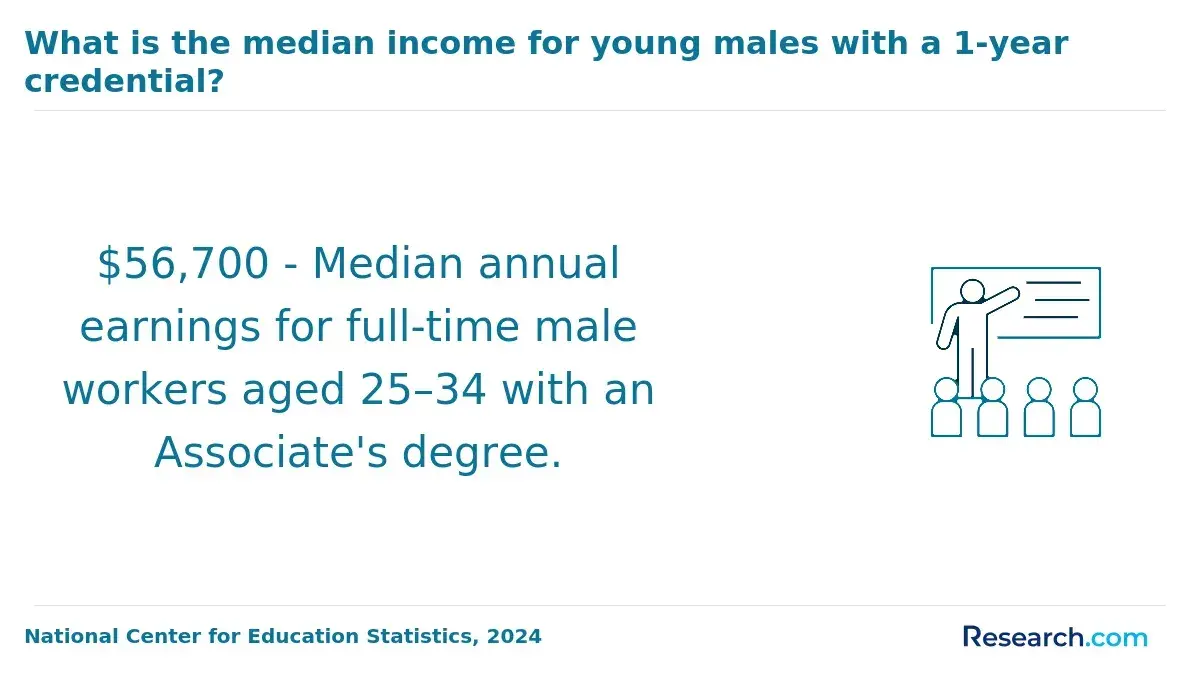
For the 2025 academic year, accredited online game design programs typically charge between $7,000 to $22,000 per year, with some full bachelor's programs totaling $40,000-$65,000. By comparison, on-campus game design bachelor's degrees can range from $93,960 to $200,280, and annual tuition at leading universities often exceeds $24,000.
Online programs can reduce or eliminate costs tied to relocation, parking, meal plans, campus housing, and daily transportation. They also allow many students to continue working while enrolled, which can reduce borrowing. However, online learners may need to buy their own equipment, while campus students may have access to labs, studios, motion capture tools, or high-end workstations.
The better choice depends on the student’s learning style and career goals. Online programs may be a strong fit for self-directed students who need flexibility and can build a portfolio independently. Campus programs may appeal to students who want in-person studio collaboration, access to specialized equipment, and face-to-face networking.
Students comparing options should review the full cost of attendance for both formats and ask what resources are included. A lower tuition price is helpful only if the program still provides the instruction, feedback, tools, and portfolio support needed for entry into game-related roles. For students comparing broader degree pathways, this resource on what is the easiest masters degree to get online may offer additional context.
Are There In-state and Out-of-state Tuition for Online Game Design Programs?
Some online game design programs charge the same tuition to all students, while others keep separate in-state and out-of-state rates. The policy depends on the institution, especially whether it is public or private.
Many private colleges and some public universities use a flat online tuition rate regardless of where the student lives. This makes budgeting easier because residency does not change the advertised rate. Flat-rate pricing is common in fully online programs designed for students nationwide.
Other public universities apply traditional residency rules to online students. George Mason University, for example, offers lower tuition for Virginia residents than for out-of-state learners in its online BFA in Computer Game Design. Students should not assume that “online” automatically means one national tuition price.
Regional tuition agreements may also affect cost. Some schools participate in tuition compacts that reduce rates for students from participating states. These discounts can be valuable, but eligibility rules vary and may not apply to every program or delivery format.
Before applying, students should confirm three details directly with the school: whether online students pay in-state and out-of-state rates, whether residency can be reclassified after enrollment, and whether any regional tuition discounts apply to the specific game design program.
Which Schools Offer the Most Affordable Game Design Degree Programs?
The most affordable online game design programs tend to combine moderate tuition, flexible scheduling, transparent fees, and policies that help students reduce required credits. Low tuition is important, but students should also evaluate accreditation, software requirements, transfer-credit rules, and portfolio development.
Examples of more affordable and accessible online game design-related programs include the following:
- Southern New Hampshire University (SNHU): SNHU offers an online Bachelor of Science in Game Programming and Development at a flat tuition rate of about $9,600 per year for all students, regardless of residency. The fully online format is designed for students who need scheduling flexibility.
- Baker College: Baker College offers an online Bachelor of Science in Game Software Development with a practical focus on game technology skills. Tuition runs approximately $12,460 annually, making it a lower-cost option for students seeking a development-oriented pathway.
- Walsh University: Walsh University features an accelerated online Bachelor of Science in Game Development with a total program cost close to $18,000. The program can be completed within 12 to 24 months and may include cost-saving options such as credit for prior learning and flexible payment plans.
Students looking for the lowest total price should calculate more than tuition. Transfer credits, prior learning credit, required software, hardware expectations, and the number of terms needed to graduate can all change the real cost. Learners planning future graduate study may also want to compare undergraduate costs with resources on cheap online master's programs.
Which Schools Offer the Most Expensive Game Design Degree Programs?
The most expensive game design programs are often offered by private institutions, art and design colleges, or universities with specialized faculty, production-focused curricula, and extensive student resources. A higher price can be justified for some students, but only if the program’s outcomes, portfolio support, and career connections match the student’s goals.
Examples of higher-cost game design programs include the following:
- Savannah College of Art and Design (SCAD): SCAD offers online undergraduate and graduate programs with tuition around $37,575 per year for undergraduates and $38,475 per year for graduate students, placing it among the higher-tuition game design schools.
- Lindenwood University: Lindenwood University offers an online Bachelor of Arts in Game Design costing approximately $19,100 per year. It is less expensive than some high-end art and design schools but still represents a significant investment.
- Michigan State University: Michigan State University offers a graduate certificate in serious game design and research, with out-of-state tuition near $40,384 per year. This is a shorter, specialized credential rather than a full degree.
Students considering an expensive program should ask specific questions before enrolling: What portfolio work will I graduate with? What software and production methods will I learn? What career services are available to online students? Are instructors active in the field? What are the total costs after fees and technology requirements?
Expensive programs may offer strong value when they provide rigorous feedback, credible credentials, relevant projects, and meaningful professional networks. They may offer weaker value if the price is high but the curriculum is generic, career support is limited, or students must pay substantial additional costs for required tools. Students comparing career-focused pathways may also find this guide to fastest degrees that pay well useful when weighing time, tuition, and earning potential.
How Long Does It Take to See a Return on an Online Game Design Degree?
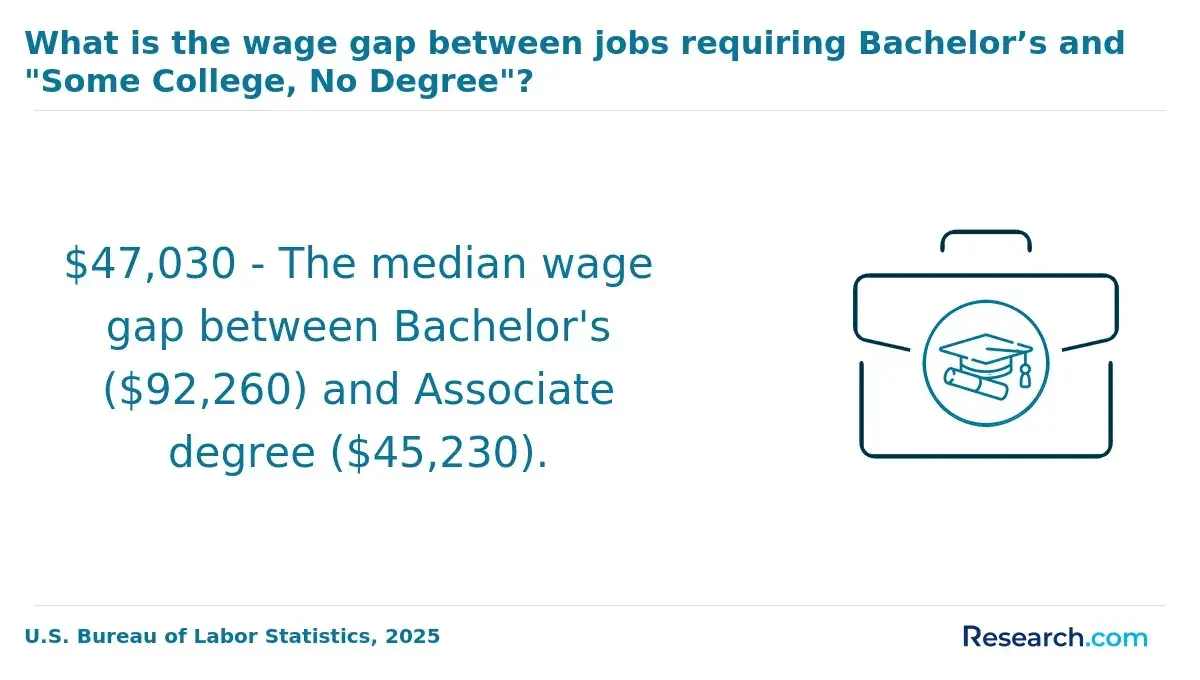
The return on an online game design degree depends on tuition paid, borrowing, starting role, salary growth, and whether the graduate enters a game-related job soon after completion. With total tuition often between $38,000 and $77,000, students should model several outcomes before enrolling.
Graduates who move into higher-paying roles may recover their education costs more quickly. Some game design career paths report salaries around $99,060, which could suggest a potential return within one to two years for students who paid lower tuition and borrowed modestly. That estimate should be treated cautiously because not every graduate starts in a high-paying role.
Entry-level jobs can produce a longer payback period. Quality assurance testers earn about $40,700 annually, while level designers and junior developers earn near $58,500 and $65,700 respectively. Graduates who begin in these positions may still see long-term value, but the financial return may take longer, especially with student loan payments.
Students should evaluate ROI using realistic assumptions:
- Total debt: A lower tuition program can improve ROI if it still provides a strong portfolio and employable skills.
- Monthly loan payments: Loan repayment affects cash flow and can extend the practical break-even point.
- Career path: Related fields such as web development and animation, with median salaries of $92,750 and $99,060, may improve earning potential for graduates with transferable technical and creative skills.
- Location and employer type: Salaries can vary by region, studio size, remote-work availability, and industry segment.
- Portfolio quality: In game design, demonstrable work often matters as much as the credential. Students should prioritize programs that help them produce polished, relevant projects.
The safest financial approach is to choose the least expensive accredited program that still offers the curriculum, technical depth, faculty feedback, and portfolio outcomes needed for the student’s target role.
Are Online Game Design Students Eligible for Financial Aid?
Online game design students are generally eligible for financial aid when they enroll in an accredited degree-granting institution that meets U.S. Department of Education requirements. Eligibility usually begins with completing the Free Application for Federal Student Aid (FAFSA).
Federal financial aid for eligible online degree students may include grants, loans, and work-study opportunities. Non-degree bootcamps, short courses, and non-credit programs typically do not qualify for federal aid, although some may offer payment plans, private financing, or employer-sponsored options.
- Federal grants: Need-based aid such as the Pell Grant can help reduce tuition costs and may provide several thousand dollars annually for eligible students. Students must complete the FAFSA and enroll in an eligible accredited program.
- Federal student loans: Loans can make tuition more manageable upfront, but they must be repaid with interest. Students should borrow only what they need and compare repayment obligations with expected entry-level earnings.
- Institutional scholarships: Many schools offer merit-based, need-based, portfolio-based, or diversity-focused scholarships for game design and digital media students. Awards may range from a few hundred dollars up to full tuition, depending on the school and program.
- Employer tuition assistance: Working professionals may qualify for tuition reimbursement if the coursework is relevant to their current role or career path. Employer policies vary, and some require the employee to remain with the company for a set period.
- Payment plans: Some institutions allow students to spread tuition payments across a term. This can reduce the need for borrowing but does not lower the total cost.
Students should verify that their specific program, not just the school, is eligible for aid. They should also ask whether scholarships apply to online learners, whether aid covers part-time enrollment, and whether required software or equipment can be included in the cost of attendance. For students comparing accredited online education options, this list of the top school for trade skills online may provide additional context.
Are Online Game Design Programs Expected to Increase in the Coming Years?
Costs for online game design programs are expected to rise moderately in line with broader higher education inflation trends. However, the pace of increase may vary by institution, and competition among online providers may lead some schools to limit tuition growth or expand financial aid.
Current annual tuition for online game design degrees varies widely. Public universities are generally more affordable for in-state students, while private colleges often charge higher rates. On average, annual tuition ranges from $10,000 to $25,000, although some programs may exceed this depending on school prestige, curriculum depth, faculty resources, and student services.
Students should also expect technology-related costs to remain an important part of the budget. Game design programs often require software, updated hardware, storage, and tools that may change as industry workflows evolve. Even if tuition increases slowly, equipment and software expenses can still affect total cost.
To manage future price increases, prospective students should ask schools whether tuition is locked in after enrollment, whether fees can change each year, and whether institutional scholarships are renewable. Payment plans, transfer credits, prior learning credit, and part-time enrollment can also help students control costs as tuition evolves.
What Students Say About The Cost of Pursuing Online Game Design Programs
-
: "The online Game Design degree cost was a key factor in my decision to enroll, and professionally, it's paying off. Though some programs can be pricey, I chose one with reasonable tuition that positioned me well for a competitive job market. This degree has given me the foundation needed to excel and grow in the gaming industry.
— Owen"
-
: "Reflecting on my journey through the online Game Design program, the cost was a manageable barrier that opened the door to a fulfilling creative career. While it wasn't the cheapest path, the balance of cost and quality education made it a smart investment. The knowledge I gained has boosted my confidence and marketability, proving the value of finishing the degree.
— Koen"
-
: "Pursuing my online Game Design degree was a game-changer for my career. Considering the average cost of attendance was surprisingly affordable compared to traditional programs, I found the investment truly worthwhile. Now, as a junior designer, I'm seeing firsthand how the skills I gained justify every dollar spent.
— Callen"
Other Things You Should Know About Game Design Degree Program Costs
Tuition costs for online game design degrees in 2027 vary significantly among universities. Factors influencing costs include the institution's reputation, geographical location, and academic resources offered. Online programs from prestigious universities generally have higher tuition fees, reflecting their comprehensive curriculum and advanced technology.
Financial aid options in 2027 include federal and state grants, scholarships, and student loans. Many universities offer specific scholarships for game design students. Additionally, work-study opportunities may be available, allowing students to offset tuition while gaining industry experience.
References
- Admissions : Campus Tuition | Full Sail University https://www.fullsail.edu/admissions/tuition
- Cost of Online College vs. Traditional | Champlain College Online https://online.champlain.edu/blog/cost-of-online-education-vs-traditional-education
- Three factors influencing the cost of creating online courses » ReadyTech https://readytech.io/news-and-views/blog/business-and-finance/three-factors-influencing-the-cost-of-creating-online-courses
- Online B.S. in Game Development https://www.walsh.edu/game-development-accelerated.html
- Game Development Degree Online https://www.snhu.edu/online-degrees/bachelors/bs-in-game-programming-and-development
- Online Games Multiplayer — Top 10 Factors Affecting Making cost and complexity. https://medium.com/@amol346bhalerao/online-games-multiplayer-top-10-factors-affecting-making-cost-and-complexity-72fa829e071a
- Game Design Degree | Bachelor of Game Development https://www.cgspectrum.com/courses/game-design-program