
2027 Online vs On-Campus General Studies Degree Programs: Pros & Cons

Co-Founder and Chief Data Scientist
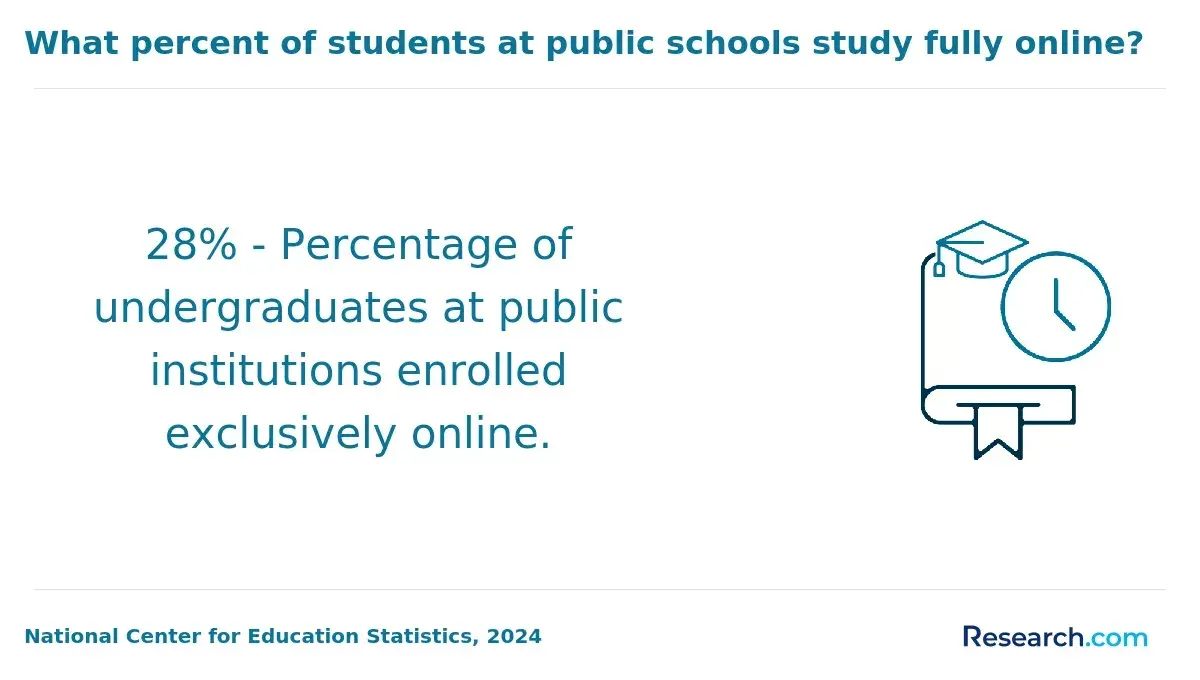
Online general studies degrees have seen a sharp rise in enrollment, with recent data showing a 12% increase in fully online students across US colleges. This surge reflects a growing demand for flexible learning options amid evolving career and lifestyle needs.
Comparing online and on-campus general studies programs reveals key differences in flexibility, cost, learning methods, and career impact. Understanding these factors enables prospective students to make informed decisions aligned with their goals. This article provides a clear evaluation of the advantages and disadvantages of each delivery mode to guide those considering a general studies degree.
Key Benefits of Online vs On-Campus General Studies Degrees
- Online general studies degree programs offer greater flexibility, allowing students to balance work and family obligations, with 70% of online learners citing scheduling convenience as a top benefit.
- Students in online programs often pay 15-20% less in tuition and fees compared to on-campus alternatives, making higher education more affordable for many.
- On-campus general studies programs provide valuable in-person networking opportunities, with 65% of students reporting stronger connections to faculty and peers that enhance their academic and career prospects.
Are online vs. on-campus general studies programs structured the same way?
The structure of online and on-campus General Studies degree programs differs mainly in the delivery methods and student interactions within the learning environment. Both aim to provide comprehensive education, but the experiences vary significantly depending on the format chosen.
Below is a comparison of key structural elements that distinguish online from on-campus General Studies programs:
- Course Delivery: Online programs rely on digital platforms for lectures, assignments, and assessments, allowing students to access materials remotely at any time. In contrast, on-campus courses require physical attendance, providing direct access to classrooms, laboratories, and in-person instruction.
- Class Schedules: Online programs generally offer more flexibility with asynchronous coursework that students can complete around their work or personal commitments. On-campus programs follow fixed schedules with mandatory class times, requiring regular attendance and adherence to a traditional academic calendar.
- Interaction and Collaboration: Online students communicate through forums, email, and video calls, which enables participation from any location but may limit spontaneous conversations. On-campus students engage in face-to-face discussions, group projects, and immediate feedback opportunities, fostering a more dynamic classroom interaction.
- Learning Environment: Online formats suit self-motivated learners comfortable with technology and independent study. Conversely, on-campus settings offer a structured routine and immediate access to campus resources, which benefits those who prefer direct support and in-person engagement.
Are admission requirements the same for online vs on-campus general studies degree programs?
Most colleges and universities maintain consistent academic standards for both online and on-campus general studies programs, ensuring students receive comparable education quality. However, institutions may differ in how they assess applicants' readiness for online learning, particularly concerning technology skills and self-motivation.
When examining general studies online program prerequisites, it is important to consider the following criteria:
- Academic Qualifications: Both online and on-campus programs typically require a high school diploma or equivalent such as a GED. Minimum GPA requirements are generally aligned; however, online programs often provide more flexibility for non-traditional students with lower GPAs if they demonstrate other strengths.
- Work Experience: Admission usually does not require prior work experience for either format. Nevertheless, many online programs tend to value professional experience more, especially for adult learners returning to education.
- Application Materials: Standard documents like transcripts, personal statements, and sometimes letters of recommendation are expected for both types of programs. Online applicants might also need to provide additional details about their technology access or learning preferences.
- Standardized Tests: An increasing number of schools have adopted test-optional policies applicable to both on-campus and online admissions. Still, some traditional on-campus programs may require SAT or ACT scores, particularly for first-time college students.
- Technology Readiness: Unlike on-campus programs, online programs often require proof of reliable internet access and basic computer skills, reflecting the need for self-directed learning in a digital environment.
The perception of online general studies degrees has improved, with employers recognizing their equal value compared to traditional formats. For those seeking a cost-effective and flexible path, exploring the quickest associate degree online options can offer additional guidance.
Do online general studies students receive the same academic support as on-campus students?
Universities have significantly expanded their academic support systems to ensure that online general studies students receive resources and assistance comparable to those offered to on-campus peers. Advances in technology and a commitment to flexible learning have driven institutions to develop virtual platforms that provide comprehensive support regardless of student location.
Below is a comparison of the main types of academic support services typically available to both online and on-campus general studies students:
- Tutoring Services: On-campus students often access face-to-face tutoring at physical centers, while online learners use virtual platforms offering live video sessions, chat, or asynchronous feedback. Both formats aim to strengthen understanding and improve academic performance in core subjects.
- Career Counseling: Career support includes resume workshops, job search guidance, and mock interviews. On-campus students benefit from in-person fairs and networking, whereas online students access webinars, virtual career fairs, and personalized video consultations, all providing crucial preparation for the job market.
- Library Access: Physical libraries serve on-campus students, while online learners utilize digital collections, research databases, and e-books remotely. Many universities offer 24/7 online research help and interlibrary loans to ensure equitable access to scholarly materials.
- Faculty Interaction: On-campus students engage through classroom discussions and office hours; online students connect via email, discussion boards, and live video sessions. Institutions often emphasize regular feedback and virtual office hours to maintain strong student-instructor relationships.
- Academic Advising: Both groups receive guidance on course selection and degree planning; on-campus advising occurs in person, while online students schedule appointments via video or phone to ensure timely support.
How long does it take to complete an online vs an on-campus general studies degree?
The time it takes to complete a general studies degree can vary widely depending on whether the program is online or on-campus, as well as factors such as student pace and the flexibility of scheduling. These differences can significantly influence how quickly a student finishes their degree requirements.
Key distinctions include:
- Online general studies degree: These programs commonly require around 120 credit hours but offer much more flexibility in pacing and scheduling. Many online students can proceed at their own speed, with options for accelerated completion or self-paced study, sometimes finishing in as little as 18 to 36 months. This flexibility is especially beneficial for those balancing work, family, or other commitments, and transfer credits can further shorten the timeline.
- On-campus general studies degree: Traditional on-campus degrees usually follow a fixed four-year timeline based on full-time enrollment and a set academic calendar. Course offerings are typically limited to fall and spring, with fewer accelerated options. Students often progress alongside their cohort, which can restrict the ability to speed up or extend the program based on individual circumstances.
Both formats accept transfer credits and prior learning assessments that may reduce time to graduation; however, the adaptability of online programs tends to allow motivated students to complete their degrees faster.
In speaking with a professional who completed an online general studies degree, he shared how balancing a full-time job and family initially felt overwhelming. "I wasn't sure if I could keep up with coursework and still meet my responsibilities," he recalled. By leveraging the program's self-paced structure, he was able to manage his schedule strategically and accelerate where possible. "Some semesters I took heavier course loads when work was less demanding, and other times I slowed down without feeling pressured."
Ultimately, he completed the degree in about three years, faster than many expected, crediting the flexible pacing as key to his success. Reflecting on the experience, he described it as a rewarding challenge that required discipline but also allowed him to tailor the journey to his life's demands.
Are online general studies programs cheaper than on-campus ones?
Online general studies programs tend to be more affordable than their on-campus counterparts, primarily due to differences in tuition, fees, and associated expenses such as housing and commuting. The average cost of online general studies degree programs is significantly lower, making them an attractive option for many students seeking flexible and budget-conscious education paths.
To better understand these savings, here is a breakdown of key cost factors influencing the overall price differences between online and on-campus formats.
- Tuition and Fees: Online general studies tuition vs on-campus programs often shows clear savings, with online tuition rates averaging around $37,984 for a degree, compared to over $100,000 for many traditional in-person programs. Per-credit costs are generally lower online, although some public institutions may have similar rates for both formats, so comparing by school is essential.
- Living Expenses: Online students avoid costs related to room and board, meal plans, and commuting, which can add over $10,000 annually in savings. Since online learners can stay at home or live more affordably, this factor substantially reduces the total program cost compared to on-campus attendance.
- Technology Costs: While online programs require investments in a reliable computer and internet access, these expenses are usually minor compared to campus living costs. Additionally, digital textbooks often reduce material expenses for online learners.
- Financial Aid Availability: Both online and on-campus students can qualify for federal financial aid, but institutional scholarships may be less common for online learners. Prospective students should confirm available aid to maximize savings.
- Flexibility and Accelerated Completion: Online formats typically allow more flexible scheduling and faster degree completion options, helping students reduce costs by balancing work and study or earning credit for prior learning.
For older adults interested in pursuing further education, there are specialized programs that cater to lifelong learners, such as degrees for 60 year olds, highlighting the growing accessibility and affordability of online education for diverse demographics.
What are the financial aid options for online vs on-campus general studies programs?
Both online and on-campus students pursuing General Studies degree programs may qualify for a variety of financial aid options, but eligibility and accessibility often vary depending on whether the program is delivered online or in person, as well as the policies of the institution. Understanding these differences is essential for making informed decisions about funding your education.
Here is a comparison of the main financial aid options available to both online and on-campus General Studies students:
- Federal Aid (FAFSA): Students enrolled part-time or full-time at accredited institutions can apply for federal financial aid, including Pell Grants, federal loans, and work-study opportunities, by completing the FAFSA. While federal loans are generally available to both online and on-campus students, Pell Grant amounts are adjusted for part-time status, and graduate students typically qualify only for loans, not grants.
- State Aid: Many state grant and scholarship programs support residents attending in-state schools and often extend to online students whose programs are based at qualifying institutions. However, some state aid may restrict eligibility for fully online or out-of-state programs, so confirming the specific state policies is important.
- Scholarships and Grants for On-campus General Studies Students: Institutional scholarships and grants tend to favor on-campus learners, with many awards requiring full-time or in-person enrollment. Online students may receive a smaller share of these funds despite their growing enrollment, making it crucial to research institutional policies thoroughly.
- Employer Tuition Reimbursement: Many employers provide tuition assistance regardless of study format, with online programs often offering more flexibility for working professionals. Some employers, however, might prefer accredited on-campus programs or have specific institutional requirements.
- Private Student Loans: Private lenders usually base eligibility on creditworthiness and institutional accreditation, without regard to whether the program is online or on-campus. Both types of students can use private loans to cover gaps in funding.
Importantly, online general studies programs often have lower tuition and fees than on-campus options, making the total cost of attendance potentially more affordable even though institutional scholarships may be less accessible. Prospective students should weigh these costs alongside available aid to find the best fit for their needs. For students considering advanced education, exploring the highest paying master's degrees can provide insight into long-term career and financial benefits.
Are online general studies programs as credible as on-campus ones?
The credibility of both online and on-campus general studies programs largely hinges on three key factors: accreditation, faculty qualifications, and curriculum standards. Accredited institutions, whether delivering education virtually or in traditional classroom settings, are required to meet stringent benchmarks established by regional or national accrediting bodies.
For instance, well-known universities like the University of Central Florida and Texas Tech University offer regionally accredited online general studies degrees, ensuring the academic rigor mirrors that of their on-campus equivalents. Typically, the same qualified faculty members who teach in person also lead online courses, and curricula are intentionally designed to achieve consistent learning outcomes across both formats. This alignment guarantees that students receive comparable quality education regardless of whether they study online or on campus.
Employers, academic institutions, and licensing authorities are increasingly recognizing online general studies degrees as equivalent to on-campus ones, particularly when these degrees come from accredited schools. According to a 2023 survey by the Society for Human Resource Management, 83% of employers regard online degrees as credible as traditional degrees if the institution holds proper accreditation.
Graduates of online programs report similar career advancement and salary prospects to their on-campus peers. Additionally, advances in virtual learning platforms and growing partnerships with industry have further bolstered the reputation of online education. These innovations not only enhance student engagement but also provide practical skills and real-world experience, thereby reinforcing the credibility and value of online general studies degrees for today's learners.
Do employers prefer online vs on-campus general studies degrees?
Employer attitudes toward online versus on-campus general studies degrees have evolved considerably over the past decade. Initially, many hiring managers viewed online degrees with skepticism, often questioning the rigor and credibility of such programs. However, surveys now reveal a significant shift: by 2018, a majority of HR professionals acknowledged that online learning could be as effective as traditional education.
Crucial to this acceptance are factors such as the reputation of the university and the program's accreditation status, which consistently influence employer trust regardless of delivery format. Employers increasingly prioritize candidates' proven skills and practical experience above the mode of education, signaling that the quality of the institution and the credentials it offers carry more weight than whether a degree was earned online or on campus.
The growing acceptance of online general studies degrees correlates with evolving workplace norms, particularly the rise of remote and hybrid work models. In this context, employers value self-motivation, time management, and digital communication skills-qualities often fostered in online learners.
Despite some lingering concerns about hands-on training in certain fields, many employers now recognize that graduates of reputable online programs can bring competencies suited to modern job requirements. The landscape continues to shift, with online education seen not as a lesser alternative but as a flexible pathway that aligns well with contemporary professional demands and workforce dynamics.
Reflecting on this trend, a professional who completed her general studies degree entirely online shared her experience securing employment. She noted that during interviews, employers were more interested in her portfolio of relevant projects and her ability to manage deadlines remotely than in the fact that her degree was online. She emphasized how her online education helped her develop critical organizational skills and adaptability, which employers found valuable in hybrid work settings.
According to her, the challenges of balancing coursework with family responsibilities strengthened her discipline and communication, traits she believes made her stand out in the hiring process. Her story underscores the idea that while degree format matters less, the practical skills and personal growth achieved through online study are key drivers of employment success.
Do Online vs on-Campus General Studies Program Graduates Earn the Same Salaries?
Salary comparisons between online and on-campus general studies graduates are increasingly shaped by factors such as employer perceptions, academic support, and individual career paths, rather than the learning format alone. As a result, the on-campus vs online general studies degree salary comparison reveals that differences in earning potential often depend more on these aspects than on where the degree was obtained.
Understanding the main influences behind salary outcomes can help prospective students make informed decisions about their education path. The following key trends and factors currently affect the average salary for online general studies graduates as well as their on-campus peers:
- Employer Perception: Most employers in the U.S. now regard accredited online degrees as equivalent to traditional on-campus credentials. However, some industries may still show a slight preference for degrees earned on campus due to concerns about program rigor or the institution's reputation.
- Cost and Financial Flexibility: Online programs generally cost about 64% of on-campus tuition, allowing graduates to enter the workforce with less student debt. This financial advantage can improve salary negotiations indirectly by reducing financial stress after graduation.
- Networking and Career Services: On-campus students often have better access to networking events, career fairs, and faculty connections, which can lead to stronger initial job placements and higher starting salaries. Online learners may need to proactively engage with virtual resources, which vary widely by program quality.
- Schedule Flexibility and Work Experience: The flexibility of online programs allows students to work while studying, giving them valuable real-world experience that can increase earning potential. Those who effectively combine work with study often improve their marketability after graduation.
- Academic Support and Program Reputation: High-quality online general studies programs are closing the gap in academic advising, tutoring, and mentorship compared to on-campus offerings, leading to more equal employer acceptance and readiness for the job market.
- Field of Work and Specialization: Salary outcomes are heavily influenced by the chosen career path rather than degree format. Graduates pursuing fields like business, technology, or education typically earn higher salaries regardless of whether their degree was earned online or on campus. For more details on top program providers, see the top non profit accredited universities.
How do you decide whether an online vs on-campus general studies program is right for you?
Choosing between an online and an on-campus general studies program depends on your personal learning preferences, lifestyle, and professional goals. Each format brings distinct benefits, so understanding your unique needs is essential before making a decision.
Consider these important aspects when deciding which program format aligns with your circumstances:
- Learning style: If you benefit from structured environments and face-to-face interaction, on-campus programs might be more effective. Conversely, online programs often cater to self-motivated learners comfortable managing deadlines independently, making them ideal for those who prefer asynchronous study.
- Flexibility needs: Online general studies degrees offer greater flexibility, allowing you to study from any location and often on your own schedule. This flexibility is particularly valuable for working adults balancing jobs, family, and other responsibilities who are searching for the best online general studies degree for working adults.
- Budget: Online programs can reduce expenses related to commuting, housing, and campus fees, potentially lowering overall costs. Nevertheless, tuition can vary significantly-some online options may cost as much as on-campus options. For those focused on affordability, exploring the cheapest online bachelors programs can provide additional financial options.
- Networking opportunities: On-campus students often have more direct access to peers, faculty, and campus organizations, which facilitates relationship-building and career networking. While online programs provide virtual networking, some students find it harder to establish the same depth of professional connections.
- Access to campus resources: On-campus programs grant immediate access to libraries, academic support, clubs, internships, and cultural events. Online learners generally rely on digital resources and may miss out on hands-on experiences and the social aspects of campus life.
Here's What Graduates of Online vs On-Campus General Studies Programs Have to Say About Their Degree
- Raelyn: "Completing my general studies degree entirely online was a game-changer for me. Balancing work and family commitments felt manageable thanks to the flexibility of the program. It allowed me to acquire valuable skills and knowledge without compromising my schedule, which helped me secure a stable position in education administration shortly after graduation. The online format also boosted my self-discipline and time management, preparing me for future career advancements. I highly recommend this path to anyone needing a flexible yet rigorous education option. "
- Tristen: " Attending the on-campus general studies program gave me much more than just a degree; it immersed me in a vibrant community of learners and mentors that fueled my passion for social work. The face-to-face interactions, group projects, and campus events helped me develop strong communication skills and networks that opened doors to internships and job opportunities. Reflecting on my journey, I'm grateful for the personal growth and direct support that guided me toward making a real impact in my community. It truly shaped me both professionally and personally. "
- Zahra: " The hybrid general studies program struck the perfect balance between flexibility and engagement. I appreciated the mix of online coursework with in-person sessions, which catered to my learning style and need for social interaction. This format enabled me to continue working while gaining hands-on experience through local community projects critical factor in landing a role in nonprofit leadership after graduation. The program enhanced my professional skills while keeping me connected with peers and instructors, fostering a supportive environment that encouraged continuous growth. "
Other Things You Should Know About Online & On-Campus General Studies Degree Programs
In 2027, online general studies programs offer flexibility and accessibility, allowing students to learn at their own pace from any location. They often provide a wider array of course options and enable learners to balance education with personal and professional commitments, enhancing inclusivity and adaptability.
Yes, online general studies programs can present challenges such as limited direct interaction with peers and instructors, possible feelings of isolation, and the need for strong self-discipline and time management skills. Access to hands-on resources may also be more limited compared to on-campus programs.
On-campus general studies programs foster interpersonal skills through face-to-face interactions. They offer opportunities for networking and collaboration with peers and faculty. Access to campus facilities, hands-on experiences, and spontaneous discussions enhance learning, providing a comprehensive educational experience that extends beyond academic content.
References
- AS in General Studies (Online and On Campus) - Fisher College https://www.fisher.edu/academics/undergraduate-programs/as-in-general-studies
- Online General Studies, Bachelor of Science (B.S.) https://www.jbu.edu/online-undergraduate/degree-programs/general-studies/
- The Surprising Cost of Online Education: Why 83% of Online Degrees Aren’t More Affordable https://www.nexford.edu/insights/the-surprising-cost-of-online-education-why-83-of-online-degrees-arent-more-affordable
- Online vs. On Campus: Which Grad School Format Is Right for You? https://www.utrgv.edu/accelerated/articles/general/online-vs-on-campus-which-grad-school-format-is-right-for-you/index.htm
- Bachelor of General Studies https://degree.astate.edu/online-programs/undergraduate/general-studies/bachelor/
- Earn your General Studies, A.S. Online https://threeriverscollegefoundation.org/academics/degrees-certificates/general-studies/general-studies-online/
- How Employers View Online Degrees and Distance Learning Programs https://londongatecollege.com/how-employers-view-online-degrees-and-distance-learning-programs/
- How Credible Are Online Degrees? And are they worth it? https://potomac.edu/are-online-degrees-taken-seriously-by-employers/
- Online degree costs vs traditional degrees: which is more affordable? https://collegeonline.io/blogs/online-degree-costs-vs-traditional-degrees
- Online Degree vs. Traditional | University of Arkansas Grantham https://www.uagrantham.edu/blog/pros-cons-online-degree-vs-traditional-university/


