2027 Online vs On-Campus Sports Management Degree Programs: Pros & Cons

Co-Founder and Chief Data Scientist
The rising popularity of online sports management degree programs reflects a broader shift in higher education, with recent data showing that over 40% of U.S. college students are now enrolled in at least one online course. This trend demands a careful examination of how online and on-campus formats compare.
This article explores the advantages and disadvantages of both delivery methods, focusing on key factors such as flexibility, cost, quality of learning experience, and career outcomes. Understanding these differences will help prospective students make informed decisions aligned with their educational and professional goals.
Key Benefits of Online vs On-Campus Sports Management Degrees
- Online sports management degree programs offer flexible scheduling, allowing 65% of students to balance work and study more effectively compared to traditional formats.
- Students in online sports management courses save an average of 40% on commuting and housing costs, making higher education more financially accessible.
- On-campus sports management programs provide direct access to internships and networking events, with 78% of graduates reporting better career opportunities due to campus connections.
Are Online vs. On-Campus Sports Management Programs Structured the Same Way?
The structure of online and on-campus sports management degree programs differs significantly, affecting how courses are delivered, scheduled, and how students interact with faculty and peers. These differences shape the overall learning experience, even though both formats cover the same core curriculum required by accrediting bodies.
Below is a comparison of key structural elements between online and on-campus sports management programs that highlight these differences in scheduling, course delivery, and student engagement.
- Course Delivery: Online programs typically use learning management systems like Blackboard or Canvas to provide recorded lectures, videos, digital readings, and interactive exercises. These courses may be fully asynchronous or include live virtual sessions, while on-campus programs rely on face-to-face classes, in-person group work, and immediate feedback from instructors.
- Class Schedules: Online sports management programs offer flexibility, allowing students to access materials and complete assignments on their own schedules, which benefits working professionals and non-traditional students. On-campus programs require attendance at scheduled class times, creating routine but limiting flexibility for those with other commitments.
- Interaction and Collaboration: Online students engage through discussion boards, virtual group projects, and occasional live video meetings, fostering community in a digital format but lacking real-time interaction. On-campus students experience direct engagement, spontaneous conversations, and networking opportunities by being physically present with peers and faculty.
- Student Demographics and Experience: Online programs attract a diverse student body, including working adults and individuals from various regions due to accessibility and flexibility. On-campus programs generally serve traditional full-time students seeking an immersive, social college experience.
- Program Capacity and Scheduling: Online courses can accommodate larger enrollments without physical space limits, sometimes exceeding 30 students per section. On-campus programs are limited by classroom resources, usually providing smaller, more intimate cohort sizes.
Are Admission Requirements the Same for Online vs On-Campus Sports Management Degree Programs?
Colleges and universities maintain consistent academic standards for both online and on-campus sports management degree programs to ensure comparable quality and rigor. However, the methods for assessing an applicant's readiness sometimes differ, especially to evaluate preparedness for online learning and self-directed study.
Below is a comparison of key similarities and distinctions in admission requirements between these two program types, highlighting important points for prospective students considering sports management online vs campus admission requirements.
- Academic Qualifications: Both online and on-campus programs typically require a high school diploma or equivalent for undergraduate admission, and a bachelor's degree for graduate studies, with minimum GPAs ranging from 2.0 to 3.3 depending on the institution and degree level. Some schools maintain identical GPA standards for both formats to uphold academic integrity.
- Work Experience: Graduate programs often prefer applicants with prior experience in the sports industry, but relevant internships, volunteer roles, or athletic participation can substitute for formal employment in either format. Online options may place greater emphasis on self-motivation and professional experience, reflecting the independent nature of remote study.
- Application Materials: Transcripts, letters of recommendation, and statements of purpose are standard across both formats. Online programs may additionally require supplementary questionnaires or modules to assess digital engagement and readiness for virtual learning environments.
- Standardized Tests: Some universities ask for SAT or ACT scores for undergraduate applicants whose GPAs fall below a threshold, regardless of program delivery mode. Graduate programs might waive testing for candidates with strong academic credentials or significant professional experience.
- Technology Readiness: Unlike campus-based programs, online sports management program eligibility often includes demonstrating basic technological proficiency and reliable internet access to ensure students can successfully navigate virtual coursework and communication.
Understanding the difference between online and on-campus sports management program eligibility is crucial for applicants to select the path that best fits their situation and goals. For those seeking flexibility, programs offering a fast bachelors degree online in sports management can provide accelerated options without compromising admission standards.
Do Online Sports Management Students Receive the Same Academic Support as On-Campus Students?
Universities have significantly expanded their academic support systems to ensure that online sports management students receive resources and assistance comparable to those available to on-campus peers. Advances in technology and thoughtful program design now deliver essential services that support academic success and career readiness across both formats.
Below is a comparison of the main academic support services typically offered to sports management students in online and on-campus learning environments:
- Tutoring Services: Both online and on-campus students have access to tutoring, with online options often available through virtual platforms, email, or on-demand sessions. This flexibility helps students balance coursework with other commitments while mastering challenging material.
- Career Counseling: Career services assist both groups with resume building, interview preparation, and internship placement. Online students typically connect with advisors via video calls or chat, benefiting from digital networking events that link them with industry professionals nationwide.
- Library Access: Full access to digital libraries and research databases is provided to all students. Online learners can request digital copies and receive remote research help, ensuring equal opportunities for completing academic projects.
- Faculty Interaction: On-campus students meet faculty face-to-face, while online students engage through video conferencing, discussion boards, and live sessions. These interactions foster mentorship and support that contribute to comparable educational outcomes.
- IT and Technical Support: Robust IT support is available for online students, with 24/7 helplines and troubleshooting guides to resolve technical issues promptly, ensuring uninterrupted learning.
How Long Does It Take to Complete an Online vs an On-Campus Sports Management Degree?
The time it takes to complete a sports management degree varies considerably depending on whether the program is delivered online or on-campus. Factors such as student pace, personal commitments, and scheduling flexibility also play a crucial role in determining the length of study. Below is a comparison of average completion times and flexibility for online and on-campus sports management degrees to help prospective students understand their options.
Online sports management degree programs typically require around 120 credits and usually take three to four years for full-time students to graduate. Many online programs offer asynchronous courses, allowing students to study at their own pace, take heavier course loads, or enroll year-round, which can lead to faster completion. Some institutions even provide accelerated calendars that enable students to finish in less than three years, making online degrees a flexible option for those balancing work or family responsibilities.
On-campus sports management degrees generally follow a traditional semester structure and take about four years of full-time study to complete. The fixed class schedules and requirement for in-person attendance often reduce flexibility, which can be challenging for students with outside commitments. Although some schools offer summer courses or accelerated terms, the campus residency and set class times typically mean a more rigid and predictable timeline toward graduation.
Additionally, hybrid programs combining online and on-campus courses give students a hybrid experience, offering both structure and flexibility. This blend can sometimes speed up completion by utilizing accelerated online modules alongside campus-based classes, providing an alternative route that balances convenience and face-to-face interaction.
Are Online Sports Management Programs Cheaper Than On-Campus Ones?
When comparing an online sports management degree cost comparison to that of on-campus programs, tuition and associated fees tend to be lower for online students. While on-campus options include significant additional expenses such as housing and meal plans, online programs primarily charge for instruction and technology, often resulting in a more affordable total cost.
Several key factors influence the financial differences between on-campus and online sports management degrees, and understanding these can help prospective students evaluate their options effectively.
- Tuition and Fees: Online sports management programs generally offer reduced tuition rates compared to on-campus programs, sometimes by thousands of dollars per year. For example, the average tuition for an online bachelor's in sports management is about $10,476 annually, with net prices often closer to $5,928 after financial aid.
- Living Expenses: One of the biggest savings for online students comes from avoiding costs related to campus housing, meal plans, and commuting. These living expenses can add several thousand dollars annually for on-campus enrollees, substantially increasing the total cost of their degree.
- Technology Costs: Online students may encounter additional fees for necessary software, higher bandwidth internet, or virtual learning platforms. However, these costs are typically minor when compared to the savings on room, board, and transportation.
- Financial Aid Availability: While on-campus programs may provide more institutional scholarships, online students remain eligible for federal aid and many school-specific grants. It is important for all prospective students to complete the FAFSA to maximize available financial support.
- Flexibility and Scheduling: Online programs often allow students to maintain employment while studying, which can offset educational expenses and reduce student debt. This flexibility is a significant advantage not always offered by on-campus formats.
- Employer Perception and Career Outcomes: Accredited online degrees are increasingly recognized as equivalent to on-campus credentials by employers. Graduates from either format typically have similar salary and advancement prospects, although on-campus students might benefit more from networking opportunities.
For those interested in exploring other options that cater to unique groups, such as older learners, there are also programs for older adults online which provide additional flexibility and affordability while pursuing a degree.
What Are the Financial Aid Options for Online vs On-Campus Sports Management Programs?
Both online and on-campus students pursuing sports management degrees may qualify for various financial aid options, but eligibility and accessibility often differ depending on the program format and the institution's policies. Understanding these distinctions can help prospective students better navigate the aid landscape and plan their education funding accordingly.
The main financial aid options for sports management students, including those considering financial aid for online sports management programs, vary in availability and requirements between online and on-campus learning environments.
- Federal Financial Aid: Both online and on-campus students at accredited institutions are eligible for federal aid such as Pell Grants, Direct Loans, and FAFSA-based assistance. However, online students might encounter different application deadlines or minimum enrollment criteria based on their program's guidelines.
- State Aid: State financial aid often favors residents attending in-state or on-campus programs, which can limit availability for online students enrolled at out-of-state institutions. While some states are extending eligibility to online learners, it remains essential to check specific state education agency policies before applying.
- Scholarships and Grants: Institutional scholarships and private grants are offered to both online and on-campus sports management students, though many awards are designated for on-campus attendance or target particular student groups. Those interested in scholarships and grants for on-campus sports management degrees may find more opportunities, while online programs with lower tuition might provide fewer institutional scholarships. Private scholarships, however, generally remain accessible regardless of program format.
- Employer Tuition Reimbursement: This benefit applies to students in both formats and is often more attractive for working professionals seeking flexible online programs. Since policies vary by employer, applicants should confirm eligibility with their human resources department.
- Private Student Loans: Private loans are available to students enrolled in accredited programs online or on-campus. Because online programs typically have lower attendance costs, students might borrow less overall compared to traditional formats.
Students exploring funding options might also consider some of the fast masters degrees that offer flexibility alongside potential financial aid opportunities.
Are Online Sports Management Programs as Credible as On-Campus Ones?
Accreditation, faculty qualifications, and curriculum standards are essential factors underpinning the credibility of both online and on-campus sports management programs. Accrediting organizations like the Commission on Sport Management Accreditation (COSMA) apply consistent standards across both formats, ensuring online degrees undergo rigorous external quality reviews comparable to traditional programs.
Faculty in online sports management courses typically hold similar academic credentials and possess industry experience on par with their on-campus counterparts, with many programs utilizing the same instructors for both delivery methods. The curriculum remains aligned in core areas such as sports marketing, event management, and ethics, reinforcing the academic equivalence of online offerings when provided by reputable, accredited institutions.
Perceptions among employers, academic institutions, and licensing bodies have shifted alongside advances in online education. Survey data reflects a growing acceptance of online sports management degrees from accredited schools as equal in value to those earned on campus, especially when issued by well-known universities. However, some employers still emphasize the advantages of on-campus programs in fostering networking opportunities and hands-on experience.
Innovations in virtual learning-like interactive simulations and live case studies-combined with partnerships with professional sports organizations, are narrowing this gap by enhancing engagement and practical learning. These developments, together with the cost-effectiveness and scheduling flexibility of online programs, are increasingly positioning online graduates for comparable career and salary outcomes to their on-campus peers.
Do Employers Prefer Online vs On-Campus Sports Management Degrees?
Employer attitudes toward online versus on-campus sports management degrees have noticeably shifted in recent years, placing less emphasis on the degree's delivery mode and more focus on factors such as university reputation, program accreditation, and the specific skills demonstrated by candidates. Surveys from respected institutions indicate that a significant majority of business leaders-around 83% according to Northeastern University value online degrees from reputable institutions just as highly as traditional on-campus degrees.
However, some divergence remains, particularly in the U.S., where only about 28% of employers explicitly state that they regard online and in-person business degrees as equally valuable. Despite this reluctance in some quarters, many employers are increasingly recognizing the quality and rigor of online programs, especially as graduates display strong leadership, technical proficiency, and adaptability traits highly prized in sports management roles.
Other critical hiring considerations often outweigh the online versus on-campus debate, with employer surveys underscoring the importance of accreditation and institutional reputation as top priorities. The growing normalization of remote and hybrid work environments has also played a key role in reducing stigma around online education, as employers now expect graduates to be comfortable in digital and flexible work settings regardless of degree format.
Still, on-campus sports management programs may offer unique networking opportunities and more immediate access to internships, which remain important in a competitive job market. Ultimately, employers seek candidates who can connect their academic achievements with real-world experience, certifications, and demonstrated competencies tailored to the sports management industry's demands.
Do Online vs On-Campus Sports Management Program Graduates Earn the Same Salaries?
Salary comparisons between online and on-campus sports management graduates are increasingly shaped by various factors beyond the format of learning itself. Career ambitions, work experience, and networking opportunities now play a more significant role in earnings than whether a degree is earned online or on-campus. To better illustrate these influences, here are the key salary trends and factors affecting outcomes for sports management graduates, regardless of learning mode.
Below are major considerations impacting the average salary for online sports management degree graduates compared to their on-campus counterparts:
- Employer Perception and Accreditation: Employers in the U.S. generally view accredited online and on-campus sports management degrees similarly if the program is reputable. Skills, professional experience, and school reputation often outweigh the mode of study in hiring decisions, minimizing salary differences based solely on format.
- Networking and Internship Access: On-campus programs may offer stronger in-person networking and internship opportunities, which can enhance starting salaries. However, growing virtual networking events and internship support from online programs help to narrow this gap for motivated students.
- Career Path and Specialization: Salary varies widely by specialization within sports management. For example, sports marketing managers earn a median salary of $161,000, far above athletic coaches at $46,000. Such differences are far more impactful than whether a degree was earned online or on-campus.
- Work Experience and Flexibility: Online learners often benefit from the ability to work while studying, applying new knowledge in real-time and potentially increasing earnings after graduation. This flexibility can enable faster degree completion and workforce advancement.
- Cost and Return on Investment: Online sports management degrees usually cost less, averaging about $23,600 with financial aid for bachelor's programs. This lower cost, combined with the possibility of working during study, can lead to a better overall financial outcome post-graduation.
For students evaluating options, it helps to also review top schools and programs. Many prospective learners consult lists of top universities to ensure educational quality regardless of delivery method.
How Do You Decide Whether an Online vs On-Campus Sports Management Program Is Right for You?
Choosing between online and on-campus sports management programs depends largely on your personal learning preferences, lifestyle, and long-term professional goals. Each format offers distinct advantages and potential drawbacks that can influence your educational experience and future career.
Before you decide, consider these key factors to determine which program aligns best with your needs and aspirations:
- Learning Style: If you excel in face-to-face discussions and hands-on group projects, an on-campus sports management degree may better suit you. Online programs often demand strong self-motivation and comfort with digital platforms, as interaction tends to be more asynchronous.
- Flexibility Needs: Online degrees provide significant scheduling flexibility, allowing you to balance studies with work or family responsibilities. On-campus programs require a fixed timetable and physical attendance, which may be less convenient for those needing a more adaptable schedule.
- Budget: Tuition and associated costs often differ, with online programs generally more affordable due to lower fees and eliminated commuting or relocation expenses. For example, the cost savings can be substantial when comparing online options with traditional campus programs, especially in the context of the best online sports management programs in the US.
- Networking Opportunities: On-campus students benefit from direct interaction with faculty, peers, and industry professionals, enhancing their professional network and access to internships. While online students may use virtual networking tools, these may not fully replicate the advantages offered by in-person connections.
- Access to Campus Resources: Physical presence on campus grants access to extensive facilities, extracurricular activities, and support services vital for an immersive college experience. Although some online programs offer remote advising and career support, the resources available may be more limited compared to traditional study.
By weighing these factors, you can better compare online vs on-campus sports management degree benefits to select the program that best complements your lifestyle and career objectives. For those exploring different career paths, understanding options like trade school jobs salary can also provide valuable context in planning your future.
Here's What Graduates of Online vs On-Campus Sports Management Programs Have to Say About Their Degree
- Jada: "Completing my sports management degree entirely online gave me the flexibility to continue working full-time while studying. It was challenging at first to balance everything, but the interactive virtual sessions and access to career resources made it easier than I expected. I landed a role as a program coordinator with a regional sports league right after graduation, which has been incredibly rewarding. The digital networking opportunities helped me connect with professionals nationwide, expanding my career potential beyond my local area. I appreciate how the online format fostered my independence and discipline, crucial traits for success in this field. "
- Arnold: "My experience studying sports management on campus was transformative in so many ways. Being physically present allowed me to engage deeply with professors and peers, which enriched my learning through real-time discussions and hands-on projects. I volunteered with our university's sports events, gaining practical experience that helped me secure a job as an athletic director shortly after graduating. The sense of community and collaboration developed in this environment truly enhanced my personal growth and professional network. Reflecting on my experience, the on-campus environment was instrumental in developing my leadership skills and confidence. "
- Ronald: " The hybrid sports management degree offered the perfect blend of flexibility and face-to-face interaction. I was able to attend campus seminars and workshops that complemented the online coursework, which helped me stay engaged and motivated. This format prepared me for the evolving nature of the sports industry, combining traditional management knowledge with digital tools. After graduating, I advanced quickly in my career working with a sports marketing firm, where adaptability and communication across different platforms are key. The hybrid program challenged me to be proactive in both virtual and physical learning environments, expanding my professional development. "
Other Things You Should Know About Online & On-Campus Sports Management Degree Programs
Online sports management programs in 2027 often utilize virtual simulations, webinars with industry professionals, and case study analyses to ensure practical skill development. While on-campus programs may offer more direct access to facilities and teams, online programs provide flexibility and diversified resources for skill acquisition.
Yes, on-campus programs typically facilitate more direct networking through campus events, guest speakers, and internships. Physical presence allows students to build relationships with faculty, peers, and local sports organizations, enhancing job prospects after graduation.
References
- What Can You Earn? Sports Management Degree Salary Insights https://onlinesportmanagement.ku.edu/community/sports-management-degrees-how-much-money-can-you-make
- Tuition & Financial Aid | MS in Sports Management | UF Online https://sm.hhp.ufl.edu/admissions-requirements/tuition-aid/
- Financial Aid - Professional MBA Online in Sports Management | FIU College of Business https://business.fiu.edu/academics/graduate/online-professional-mba-sports-management/financial-aid/
- The Problem With Exclusively Online Degree Programs https://tcf.org/content/commentary/the-problem-with-exclusively-online-degree-programs/
- Balancing Academics and Athletics: How Online School Empowers Aspiring Athletes - Cambridge Home School Online https://cambridgeschoolonline.com/balancing-academics-and-athletics-how-online-school-empowers-aspiring-athletes/
- How Do Employers View An Online Sports Management Degree? - Sports Management Degree Guide https://www.sports-management-degrees.com/faq/how-do-employers-view-an-online-sports-management-degree/
- Cost of Online College vs. Traditional | Champlain College Online https://online.champlain.edu/blog/cost-of-online-education-vs-traditional-education
- Online Remote Learning vs On-Campus Courses: Fremont University | Cerritos, California https://fremont.edu/online-college-vs-on-campus-pros-and-cons/
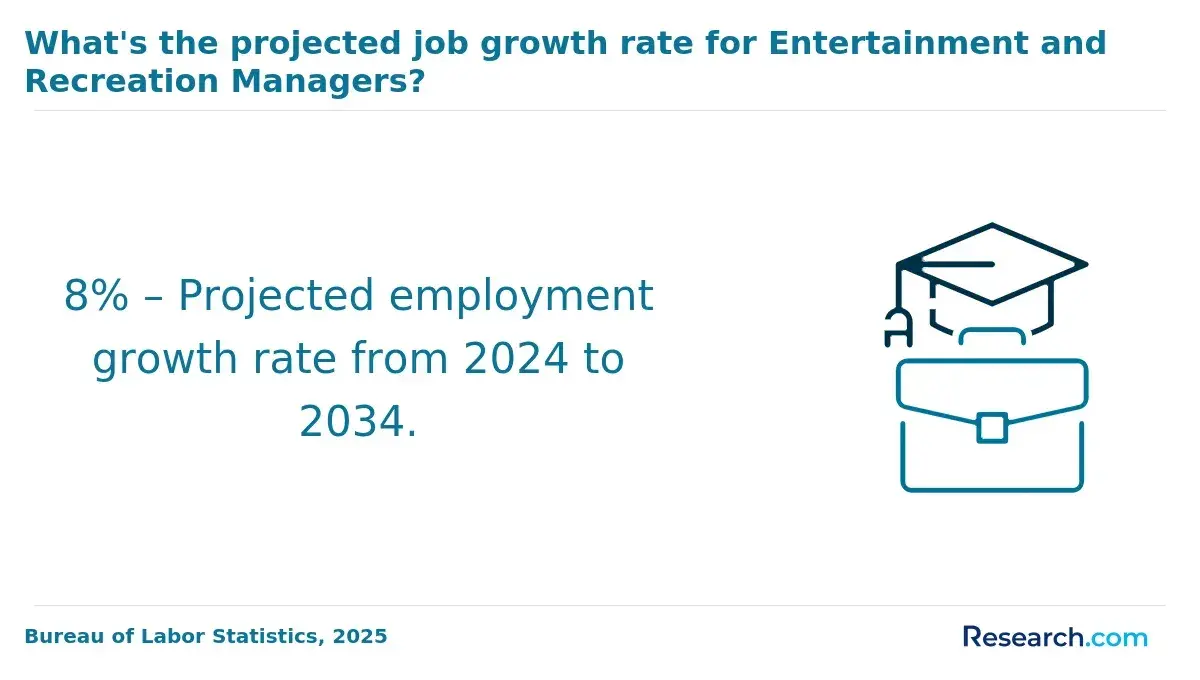
- Bureau of Labor Statistics. (2025). Employment Projections: 2024-2034. U.S. Department of Labor. https://www.bls.gov/ooh/
- PayScale. (2026). Athletic Director salary in 2026. https://www.payscale.com/research/US/Job=Athletic_Director/Salary
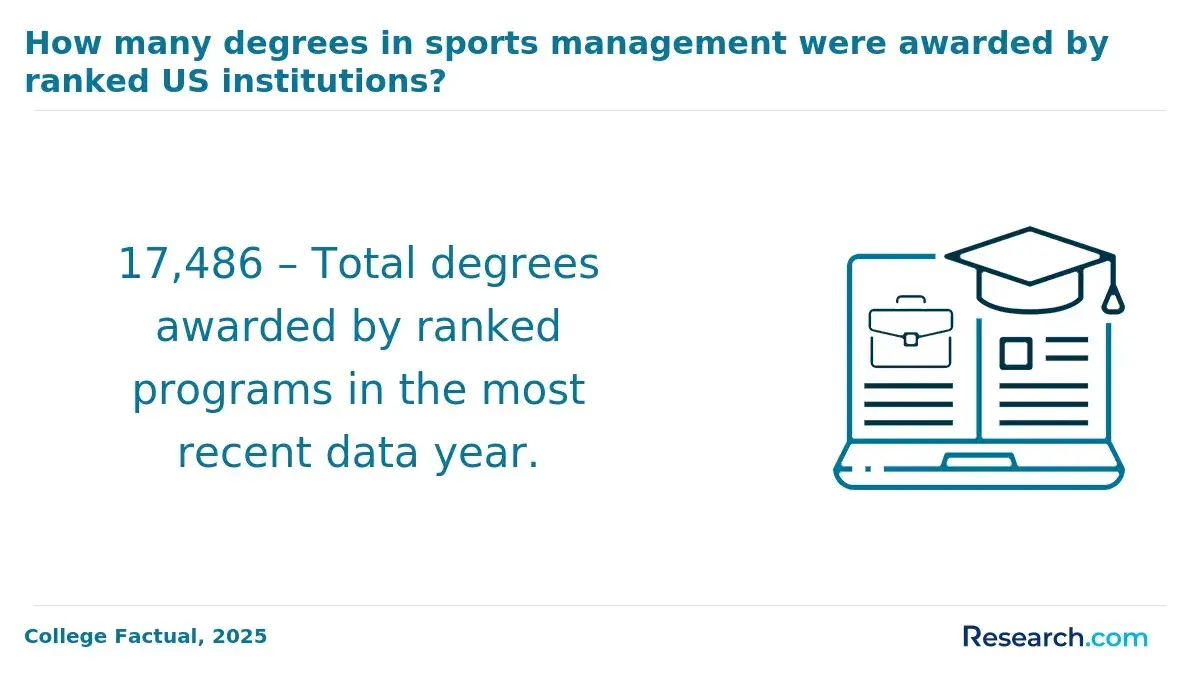
- College Factual. (2025). 2025 Best Sports Management Schools. https://www.collegefactual.com/majors/parks-recreation-fitness/health-and-physical-education/sports-management/rankings/top-ranked/
- Bureau of Labor Statistics. (2025). Occupational Outlook Handbook: Entertainment and Recreation Managers. https://www.bls.gov/ooh/management/entertainment-and-recreation-managers.htm