
2027 Part-Time vs. Full-Time Educational Leadership Degree Programs

Co-Founder and Chief Data Scientist
Choosing between part-time and full-time educational leadership degree programs poses a significant challenge for many students who must balance work, finances, and academic goals. Recent studies show that nearly 45% of educational leadership students enroll part-time, indicating a growing demand for flexible learning options that accommodate professional and personal responsibilities.
This article explores key differences between part-time and full-time study formats in educational leadership programs. It examines workload intensity, time commitment, and career impact, providing insights to help prospective students determine which pathway aligns best with their individual needs and long-term objectives.
Key Benefits of Part-Time vs. Full-Time Educational Leadership Degree Programs
- Part-time programs enable working professionals to apply leadership concepts immediately, enhancing career development through real-time experience integration.
- Flexible scheduling supports better work-life balance, allowing students to manage personal responsibilities alongside academic commitments effectively.
- Spreading tuition payments over a longer period aids financial planning, reducing the burden of upfront costs common in full-time study.
How Are Part-Time Educational Leadership Programs Structured Compared to Full-Time Programs?
Choosing between part-time vs full-time educational leadership programs requires understanding their distinct structures, as scheduling can influence study pace and the overall academic journey. Different formats affect how students balance coursework, work, and personal commitments, shaping their learning experience.
Part-Time Program
- Course Load: Typically 1-2 courses per semester, allowing for a lighter weekly workload.
- Time Commitment: Around 10-15 hours per week are generally devoted to classes and assignments, enabling better work-life balance.
- Scheduling Flexibility: Often offers evening, weekend, or hybrid class formats tailored for working professionals.
- Online Availability: Includes asynchronous and online components to accommodate varying schedules.
Full-Time Program
- Course Load: Enrolls students in 3-5 courses per semester, requiring more intensive study.
- Time Commitment: Typically demands 30-40 hours weekly dedicated to classes, projects, and study.
- Scheduling: Primarily daytime classes with fewer schedule accommodations compared to part-time options.
- Online Availability: Some full-time programs have started offering online courses but remain largely traditional.
Considering differences in educational leadership program structure comparison, prospective students can align their choice with personal obligations and professional goals. For those seeking quicker entry into leadership roles but limited by time, part-time study offers flexibility without sacrificing depth. Additionally, exploring alternatives such as 6 month certificate programs for high paying jobs might provide complementary pathways in education careers.
How Long Does It Take to Earn a Part-Time vs Full-Time Educational Leadership Degree?
Knowing how long it takes to earn an educational leadership degree helps students plan both their academic paths and career goals effectively. The duration varies, especially between part-time and full-time study formats, impacting how quickly one can enter or advance in the field of leadership in education. For instance, students weighing the duration of part-time educational leadership programs will find that these options offer flexibility but extend completion time.
Full-time educational leadership degree completion time is generally shorter, as students typically take heavier course loads and complete required credits faster. Each approach has benefits, and factors such as transfer credits, program structure, or accelerated courses can further influence the total time needed.
- Full-time: generally completes the program in about two years, involving 9 to 12 credit hours each semester for faster progress.
- Part-time: usually requires 3 to 4 years, with 3 to 6 credit hours per semester allowing students to balance work and study.
- Accelerated options: available in some programs, these can reduce completion time by up to 25% through intensive courses or year-round scheduling.
For students seeking the easiest associate degree to obtain, this context highlights how program format directly affects duration and workload considerations. According to data from the National Center for Education Statistics, part-time graduate students typically take 50% longer than full-time students to graduate, demonstrating the importance of aligning study format with personal and professional commitments.
Are Admission Requirements Different for Part-Time vs Full-Time Educational Leadership Programs?
Are admission requirements different for part-time vs. full-time educational leadership programs? While they share many core expectations, key distinctions reflect the different demands and structures of each format.
- GPA Expectations: Both part-time and full-time programs generally require a minimum undergraduate GPA around 3.0. However, some schools may admit part-time students with slightly lower GPAs, recognizing the flexibility and professional context of these programs.
- Prerequisite Coursework: Full-time programs often expect applicants to have completed foundational courses in education or leadership before starting. Part-time programs commonly allow concurrent completion of prerequisites due to their extended timelines.
- Professional Experience: Part-time educational leadership programs typically place greater emphasis on relevant work experience, often requiring 2-3 years of teaching or administrative background. Full-time options may be more accessible to candidates with less experience but strong academic records.
- Standardized Tests: Requirements for GRE or similar tests vary widely. Full-time applicants are more frequently asked to submit these scores, while part-time applicants often find these requirements waived or optional.
- Supporting Documents: Both formats require letters of recommendation and personal statements. Part-time applicants might also need to describe how they will balance job responsibilities with academic demands, emphasizing the practical nature of their enrollment.
Prospective students weighing admission criteria for part-time educational leadership programs versus full-time educational leadership program entry requirements should consider their own professional experience and academic preparation. Additionally, those seeking career advancement may explore lucrative masters degrees to maximize their return on investment.
How Do Tuition Fees Differ for Part-Time vs Full-Time Educational Leadership Programs?
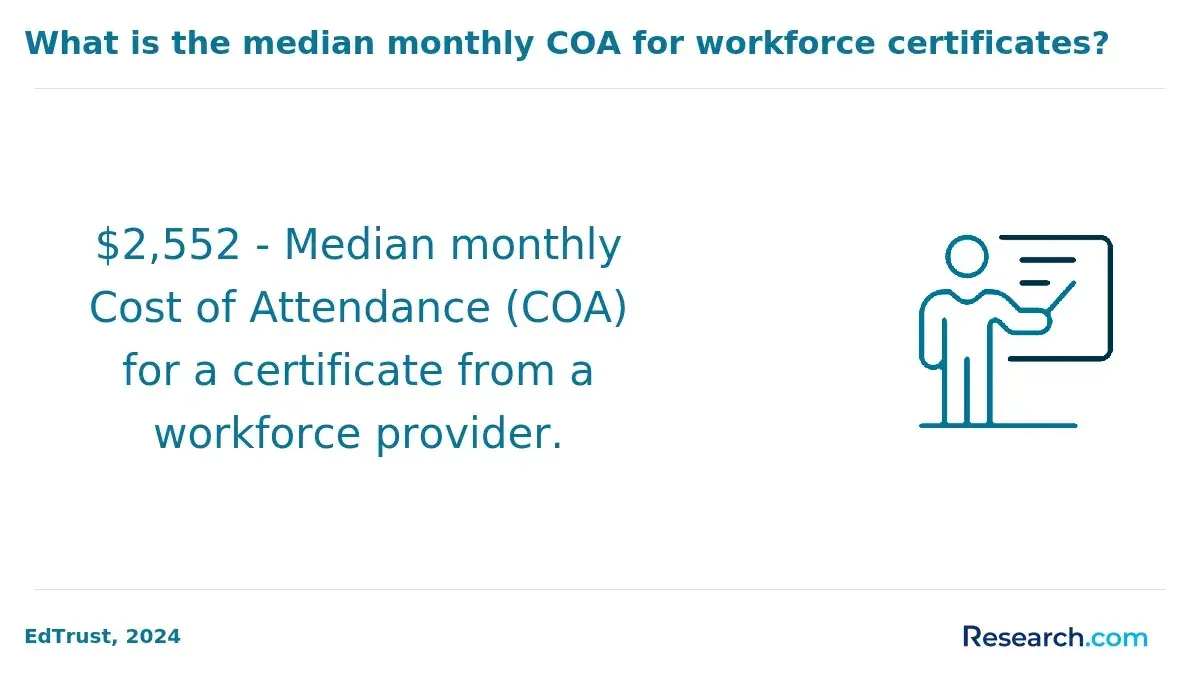
Tuition costs for part-time and full-time educational leadership programs differ mainly because of how universities bill students based on their enrollment status. Full-time students usually pay a fixed tuition amount per semester or year, often resulting in a larger upfront expense. Conversely, part-time students pay per credit hour, enabling them to spread payments across semesters but potentially paying more over time due to extended enrollment.
- Per-credit rates: Both formats often charge similar tuition per credit, but part-time students only pay for courses they register for each term, offering more payment flexibility.
- Overall program cost: Full-time students tend to pay a lump sum upfront but may finish faster, whereas part-time study prolongs the program duration, possibly increasing cumulative expenses.
- Financial aid: Full-time enrollees typically have access to broader financial aid options, including larger grants and loans, while part-time students might face stricter eligibility and lower aid limits.
- Additional fees: Recurring fees such as technology and activity charges often apply each semester, meaning part-time students might incur these multiple times throughout their extended studies.
- Enrollment intensity impact: Because part-time students remain enrolled longer, accumulated fees and tuition can surpass the cost of a full-time program despite lower per-semester payments.
A graduate of a part-time educational leadership program shared her experience, noting that managing tuition payments alongside a full work schedule was challenging yet rewarding. She recalled, "Paying per credit helped me avoid overwhelming debt at once, but I didn't fully anticipate how semester fees would add up over the years."
Balancing financial planning with life demands required careful budgeting, and although the duration was longer, the flexible pacing allowed her to stay engaged without sacrificing job responsibilities. Reflecting on her journey, she emphasized that understanding all cost factors early on made a significant difference in navigating the financial aspects of part-time study.
Which Educational Leadership Degree Program Format Offers More Online or Hybrid Course Options?
Part-time educational leadership degree programs generally provide more online and hybrid course options than full-time programs. This is because they are designed for working professionals needing flexible schedules. Below is an overview of how these formats typically structure course availability based on several key factors:
- Program Design: Part-time programs emphasize flexibility, often including asynchronous online classes and weekend sessions to accommodate students balancing jobs and personal life.
- Institutional Policies: Full-time programs usually schedule core courses during weekday daytime hours on campus, targeting students with full availability for in-person study.
- Student Demographics: Part-time students tend to be mid-career professionals, prompting universities to offer hybrid and virtual learning to meet their needs without compromising rigor.
- University Course Tailoring: Schools blend online lectures, hybrid seminars, and virtual group projects in part-time formats, reducing on-site requirements while maintaining academic standards.
These approaches enable part-time students to engage with coursework on their own schedules, contrasting with the more traditional, in-person focus typical of full-time educational leadership degrees.
Can Educational Leadership Students Switch Between Part-Time and Full-Time Enrollment?
Students pursuing educational leadership degrees can typically switch between part-time and full-time enrollment, although each institution enforces specific guidelines. Usually, changing status requires approval from an academic advisor or program coordinator to make sure the student's curriculum remains on track. Students need to carefully assess factors such as financial aid eligibility, which may be affected by altering enrollment status.
Additionally, course offerings might be limited by semester availability or capacity, influencing scheduling options. Understanding these elements helps students make informed decisions about their study load.
Most programs require that students maintain good academic standing before changing enrollment status. This process often involves formal approval, ensuring the course load stays manageable.
Financial aid may decrease or be lost if shifting from full-time to part-time, and vice versa, which can impact overall educational expenses. Limited course sections and seating can restrict flexibility, while switching to part-time enrollment frequently lengthens time to graduation significantly. Students should discuss these implications with their advisors to balance academic progress and life responsibilities effectively.
When I spoke with a recent graduate who transitioned from part-time to full-time enrollment in an educational leadership program, he shared that the switch brought both relief and new challenges. Initially juggling work and classes part-time felt overwhelming, but shifting to full-time allowed him to focus more intently and finish faster.
He described the process as "a bit daunting" due to paperwork and aligning schedules but rewarding once approved. The graduate emphasized how the change improved his momentum and deepened his engagement with coursework despite the increased intensity.
How Do Online, Hybrid, and Campus Educational Leadership Program Delivery Formats Affect Part-time vs. full-time learning?
Delivery format significantly shapes students' learning experiences by influencing flexibility and engagement, especially when comparing part-time and full-time study. Part-time learners often require more flexible schedules, whereas full-time students may seek structured environments to maintain focus and pace.
- Scheduling Flexibility: Online educational leadership program formats provide the greatest scheduling flexibility, enabling part-time students to balance work and personal commitments efficiently. Full-time students may benefit from asynchronous options online but often prefer hybrid or campus formats for set class times and routines.
- Workload Management: Campus and hybrid formats support immersive, intensive learning ideal for full-time students with concentrated schedules. Part-time learners leaning toward online courses can spread their workload over longer periods, easing weekly demands and stress, as research highlights better stress management among part-time online students.
- Accessibility and Engagement: On-campus settings enhance direct interaction with faculty and peers, fostering engagement for full-time students. Hybrid approaches blend online accessibility with in-person connection, accommodating various learning speeds, while online delivery is essential for remote access though it may reduce peer networking for part-time learners.
- Learning Pace and Progress: Online programs allow self-paced study, often suiting part-time students extending completion timelines. In contrast, hybrid vs full-time educational leadership degrees typically follow fixed semester schedules that support accelerated progress for full-time students.
- Student Support Services: Full-time on-campus students benefit from immediate academic support and advising, boosting retention and success. Part-time online learners may face delays but increasingly gain from digital tools like virtual advising, aiding their progress effectively.
Students exploring options should also consider programs indexed in lists of accredited online colleges no application fee to find affordable, flexible pathways in Educational Leadership.
Do Employers Prefer Full-Time Educational Leadership Degrees Over Part-Time Degrees?
Employers do not universally prefer full-time educational leadership degrees over part-time degrees; their preference largely depends on key factors such as perceived rigor, time management skills, and professional experience. Full-time programs are often viewed as more intensive due to the concentrated commitment required, which some employers associate with a stronger focus on academic and leadership development.
Conversely, part-time studies showcase a candidate's ability to balance multiple responsibilities, indicating strong time-management skills. Additionally, part-time students typically gain valuable ongoing professional experience, which can enhance practical leadership capabilities. These considerations influence how employers assess the value of educational credentials and candidate readiness.
Industry-specific preferences further complicate employer views on the value of part-time vs full-time educational leadership degree value. For example, K-12 school districts may prioritize candidates who demonstrate concurrent work experience gained during part-time studies, as this reflects real-world leadership application.
In contrast, higher education institutions might place greater emphasis on academic achievements often associated with full-time programs. Trends indicate increasing acceptance of part-time degrees, especially with the rise of hybrid and online programs. Employers now recognize the flexibility and effective outcomes of these formats, which align with evolving workforce needs and opportunities for online certification programs that pay well.
Is a Part-Time or Full-Time Educational Leadership Degree More Worth It for ROI?
Return on investment (ROI) plays a vital role when deciding between part-time and full-time educational leadership degree programs. It weighs total expenses-including tuition, fees, and potential lost wages-against expected salary gains and career progress following graduation. Full-time programs generally require 2 to 3 years, while part-time options may take 4 to 6 years, affecting both financial outlay and earning potential during study.
Full-time studies usually involve higher upfront costs but allow quicker advancement into leadership positions, boosting early salary prospects. Conversely, part-time students can keep earning while enrolled, reducing immediate income loss but extending the duration before promotions and raises occur. This trade-off impacts overall ROI depending on personal circumstances and goals.
- Upfront Cost and Duration: Full-time studies have higher immediate tuition and shorter completion times, resulting in faster access to higher-paying roles. Part-time paths spread costs over more years but allow working students to maintain income.
- Opportunity Cost: Full-time candidates forfeit income during full study, whereas part-time learners balance ongoing earnings with delayed degree completion.
- Salary Growth: Graduates from full-time programs often experience a 15%-20% salary boost within two years, while part-time graduates may see slower progression due to extended timelines.
- Long-Term ROI: Returns depend on individual career ambitions, initial financial stability, and the ability to invest time or money upfront.
How Do You Decide Between a Part-Time and Full-Time Educational Leadership Degree Program?
Choosing the right educational leadership program format is essential to align academic goals, career plans, and personal life. The decision shapes your workload, financial demands, and overall experience.
- Time availability: Full-time study demands a significant weekly commitment, often 12-15 credit hours per semester. Part-time options offer more flexibility, allowing you to balance work and school over an extended period.
- Financial resources: Full-time programs may result in higher upfront costs and potential income loss. Part-time enrollment spreads tuition fees and helps maintain steady employment.
- Career goals: If rapid advancement or a career shift is the aim, full-time immersion is beneficial. Part-time study suits those prioritizing steady career progression alongside education.
- Learning style: Full-time formats provide an immersive experience, while part-time requires strong self-discipline to manage studies alongside other responsibilities.
- Program duration: Part-time students generally take longer to graduate, which might increase overall expenses despite lower immediate costs.
- Flexibility: Part-time programs often accommodate work schedules better, whereas full-time study demands consistent, focused attendance.
What Graduates Say About Their Part-Time vs. Full-Time Educational Leadership Degree
- Jaxon: "Choosing a part-time educational leadership degree allowed me to continue working while advancing my education without overwhelming my finances. The cost was manageable, and the experience enriched my leadership skills, enabling me to take on new responsibilities at work. I appreciate how this program was designed with busy professionals in mind. "
- Gunnar: "The full-time educational leadership program was intense but deeply transformational. Despite the higher tuition compared to part-time options, it was an investment that accelerated my career advancement and personal development. Looking back, every dollar spent was worth the expertise and network I acquired. "
- Allan: "Pursuing my part-time educational leadership degree was a rewarding challenge that perfectly balanced with my work schedule. Although the average cost of attendance was a considerable investment, the practical skills I gained have significantly boosted my career growth and confidence as a school administrator. I'm grateful for the flexible learning approach that made this possible. "
Other Things You Should Know About Educational Leadership Degrees
In 2027, factors influencing the choice between part-time and full-time educational leadership programs include career commitments, financial considerations, and personal obligations. Part-time programs offer flexibility for working professionals, while full-time programs may provide immersive experiences but require a larger time commitment. Evaluating these factors can guide prospective students in making an informed decision.
Full-time educational leadership students typically manage a heavier course load each semester, which demands more immediate time commitment and concentration. Part-time students take fewer courses per semester, allowing them to balance degree work with professional and personal responsibilities. Both formats require strong time management skills, but part-time study generally spreads the workload over a longer period.
References
- Educational Leadership https://inside.ewu.edu/educgrad/leadership-online/
- Pros & Cons: Full Time vs. Part Time PhD https://www.alliant.edu/blog/pros-cons-full-time-vs-part-time-phd
- MA Educational Leadership and Management https://www.lincolnbishop.ac.uk/courses/ma-ed-leader
- EdD vs. PhD in Education: Choosing the Right Program - School of Education https://drexel.edu/soe/resources/career-path/edd-vs-phd/
- Educational Leadership https://www.loyola.edu/school-education/academics/graduate/educational-leadership/
- How Many Years Is a Master’s Degree in Education? https://www.nec.edu/news/how-many-years-is-a-masters-degree-in-education
- Online Doctor of Education in Educational Leadership: FAQs https://www.arcadia.edu/majors-and-programs/online-doctorate-educational-leadership/faq/
- Educational Leadership (M.Ed.): Application Requirements https://www.jmu.edu/grad/programs/all-programs/education-leadership.shtml
- Flexible Hybrid Learning Models | Higher Education Strategy https://edutech.global/flexible-hybrid-learning-models-in-higher-education/
- Part-Time vs. Full-Time Education: Choosing the Right Path for You https://moldstud.com/articles/p-part-time-vs-full-time-education-choosing-the-right-path-for-you


