
2027 Questions to Ask About Online Digital Media Degree Programs Before You Enroll

Co-Founder and Chief Data Scientist
Choosing an online digital media degree program can be overwhelming, with over 30% of students unsure about career prospects after graduation. Many prospective students face challenges assessing program quality, cost, and real-world applicability. This uncertainty often leads to enrollment in programs that lack proper industry alignment or fail to prepare graduates for licensure and employment.
According to recent data, digital media employment is projected to grow by 13% over the next decade, increasing demand for graduates with practical skills.
This article outlines key questions to ask about program outcomes, curriculum relevance, accreditation, and expenses to help students make informed decisions before enrolling.
Key Benefits of Enrolling in Online Digital Media Degree Programs
- Online digital media programs offer flexible schedules, accommodating students who balance work, family, and studies, with 70% of enrollees citing this as a primary benefit.
- Lower tuition and eliminated commuting costs can reduce overall expenses by up to 40%, making digital media degrees more accessible.
- Flexible pacing helps maintain work-life balance, aiding 65% of students in managing professional and personal responsibilities while completing their degrees.
Is the Online Digital Media Degree Program Accredited?
Accreditation plays a crucial role in evaluating online digital media degree programs, ensuring that the education provided meets recognized quality standards. This impacts degree recognition by employers, eligibility for licensure or certifications, and the transferability of credits for further study. According to the National Center for Education Statistics, over 85% of U.S. college students attend accredited institutions, emphasizing the importance of choosing accredited digital media programs online to safeguard career prospects.
Common accrediting bodies for these programs include regional agencies like the Higher Learning Commission and the Middle States Commission on Higher Education, although some programs may also have endorsements from specialized organizations such as the Accrediting Council on Education in Journalism and Mass Communications. Prospective students seeking online digital media degree accreditation should verify the status carefully by consulting official databases like those of the U.S. Department of Education or the Council for Higher Education Accreditation. It's important to confirm that the online program itself-not just the institution-is accredited. Asking directly for accreditation proof and the name of the accrediting body can also help.
Prioritizing accredited programs supports smoother licensure processes and better career outcomes, especially compared to non-accredited alternatives. Those interested in related fields may also explore accredited online MBA programs as an additional avenue to enhance their credentials and marketability.
What Are the Admission Requirements for Online Digital Media Programs?
Admission requirements play a critical role in helping prospective students assess their eligibility and readiness for online digital media programs. Meeting these standards supports academic success and ensures that students are well-prepared for the demands of the curriculum.
Below are the common admission requirements for those considering enrollment in digital media degrees:
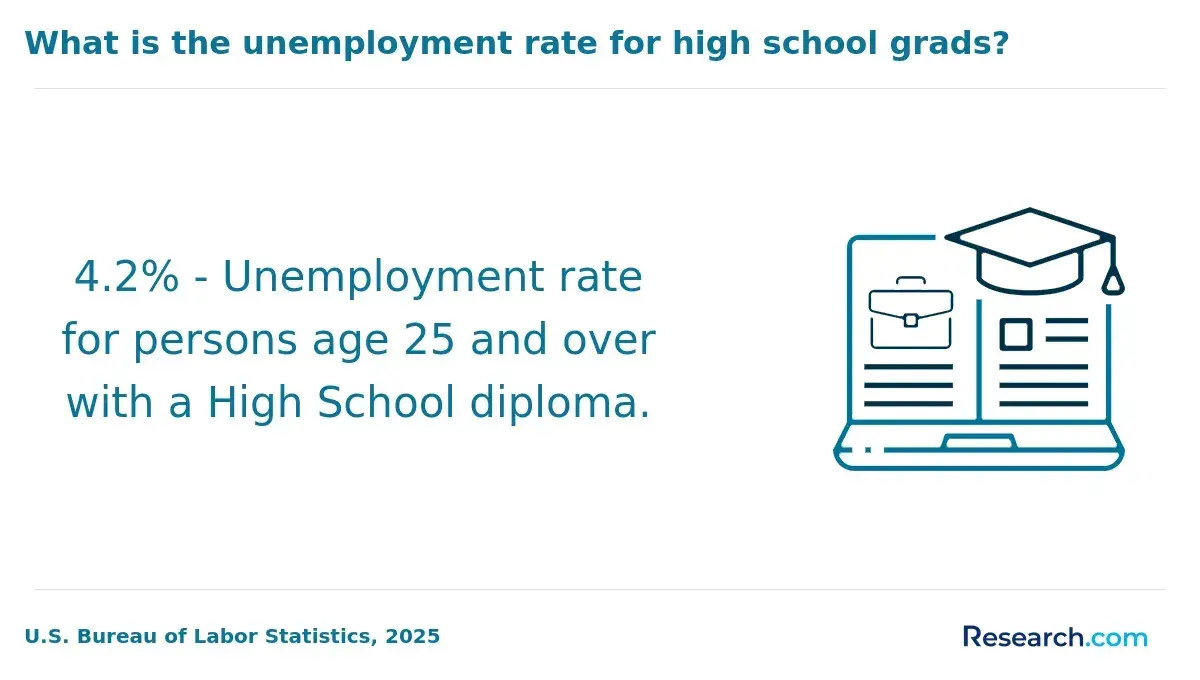
- High school diploma or equivalent: This verifies that applicants have attained the basic academic preparation necessary for undergraduate-level study in digital media programs.
- Transcripts: Official records of previous academic performance help admissions committees evaluate a candidate's suitability and preparedness for the program's coursework.
- Portfolio of work: Applicants often need to submit a portfolio showcasing their creative skills and relevant digital media experience, which demonstrates practical abilities essential for success in the field.
- Standardized test scores: Although less frequently required today, some programs may request ACT or SAT scores to measure general academic aptitude and readiness.
- Personal statement or essay: This component allows applicants to express their motivation, career goals, and communication skills, giving insight into their fit for the program.
- Letters of recommendation: References from educators or professionals provide an external perspective on the applicant's character, work ethic, and potential.
Careful attention to online digital media program admission criteria is essential for prospective students to align their qualifications properly and make informed enrollment decisions. For those exploring related fields, reviewing requirements for online psychology programs can offer useful comparison points in terms of admissions and academic expectations.
What Classes Do You Take in an Online Digital Media Program?
Knowing the specific classes offered by an online digital media program helps students select a degree that matches their career aims and skill needs. Nearly 60% of graduates secure employment within six months after completing essential, practical coursework, highlighting the impact of curriculum choices on job prospects.
Below is an outline of the typical types of classes included.
- Core courses: These foundational classes cover subjects such as graphic design, multimedia creation, storytelling techniques, and web development. They equip students with the essential technical abilities and creative thinking required to excel in various digital media roles.
- Electives: Elective courses provide opportunities to specialize in areas like animation, digital marketing, video production, or managing social media platforms. This allows students to customize their education based on personal interests and targeted career paths.
How Long Does It Take to Complete an Online Digital Media Degree?
Knowing how long an online digital media degree takes helps students plan their educational journey and manage their career expectations. The length of study impacts tuition costs and the timeframe for entering the job market. Below is an overview of common program durations to guide prospective students.
- Full-time program: Typically completed in around four years, this option follows a standard academic pace similar to on-campus degrees. Students enrolled full time usually benefit from a steady progression without extending their study period.
- Part-time program: Part-time students often take five to six years to finish, as they balance coursework with other responsibilities. Reduced course load per semester means a longer commitment but more flexibility.
- Accelerated program: Designed for highly motivated learners, accelerated tracks can be completed in two to three years. These programs offer condensed courses and year-round schedules, requiring a heavier weekly study investment.
- Programs with practical components: Degrees including internships or project-based experiences may take additional time. While these enrich learning and enhance resumes, the extra commitments can extend the completion timeline beyond standard durations.
Does an Online Digital Media Program Require Internships or Practicums?
Many online digital media programs include internships or practicums, though requirements vary by institution. These practical experiences may occur at companies, nonprofit organizations, or media outlets, either in-person or virtually, and usually last from several weeks to a full semester. They play a crucial role in helping students translate theory into practice, building valuable skills, industry connections, and portfolio materials, which often increase job market competitiveness.
Additionally, some certifications in digital media mandate documented hands-on training, making these experiences essential for licensure preparation. Approximately 64% of students in this field engage in internships during their studies, highlighting the growing emphasis on experiential learning.
Can You Get Licensed with an Online Digital Media Degree?
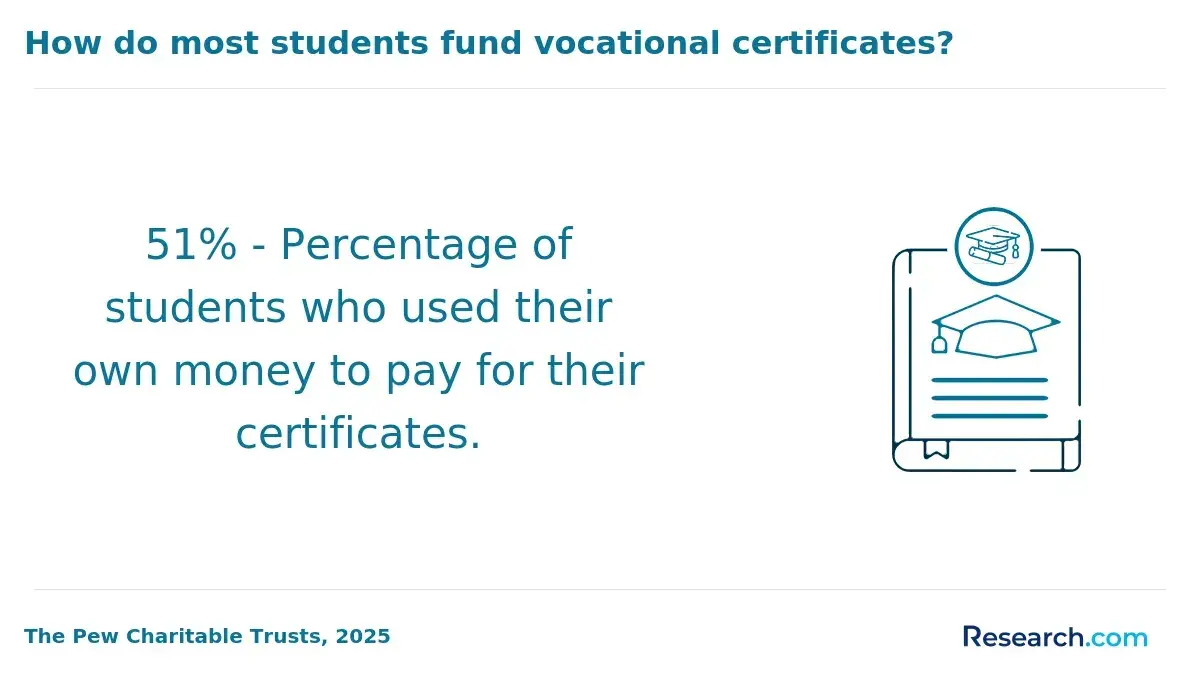
Graduates of online digital media degree programs typically do not require professional licensure to enter most areas of the field. Unlike professions such as nursing or law, digital media careers prioritize portfolios, practical experience, and technical skills over mandatory state or national licenses. However, some specialized roles-like broadcast engineering or specific multimedia production certifications-offer voluntary or industry-recognized credentials that can enhance a candidate's employability. Online programs often structure their curriculum to include preparation for relevant certifications and software proficiency exams, integrating practical training and portfolio development to help students meet these industry demands.
This alignment with licensure preparation is an important factor for those investigating online digital media degree licensing options. Licensure remains a key consideration for prospective students comparing online programs because many employers value candidates who hold recognized certifications, even when they are not legally required. About 40% of digital media employers reportedly place importance on professional certification alongside formal degrees, which can influence hiring decisions and salary negotiations. Prospective students should inquire whether an online degree program offers support for certification exams, access to internships, and a curriculum that reflects current industry tools and trends to ensure strong career readiness.
For those interested in advanced business education, combining digital media skills with an online executive MBA can further enhance leadership opportunities within the sector. Understanding how to get licensed with a digital media degree can give applicants a competitive edge in this evolving industry.
How Much Do Online Digital Media Programs Cost?
For students evaluating online programs, factoring in all expenses is crucial to making an informed decision and maintaining financial stability throughout their studies. The average tuition per credit hour for online digital media programs generally ranges from $250 to $600, reflecting differences in institution prestige, resources, and geographic location.
Typical costs for affordable online digital media programs include the following:
- Tuition per Credit: This is often the largest expense and is charged based on the number of credit hours taken. Rates vary significantly between institutions, with some offering lower costs for fully online curricula or accelerated options.
- Mandatory Fees: Programs usually require additional fees that support technology infrastructure, access to digital labs, and administrative services. These fees may be assessed per semester or as a program-wide flat rate and can impact the total cost noticeably.
- Course Materials and Software: Students typically need to purchase specialized software licenses or equipment, such as graphic tablets or video editing tools. Textbooks and digital materials specific to media coursework are also important expenses to consider.
- Technology and Connectivity: Reliable hardware like a computer meeting program specifications and high-speed internet are often necessary for completing online assignments and collaboration. These costs, while sometimes overlooked, are essential for full participation.
- Financial Aid and Payment Options: Many students offset these expenses through scholarships, payment plans, or financial aid packages. It's important to review all costs early to avoid unexpected financial burdens during the course of study.
Prospective students seeking a comprehensive outlook on the average cost of online digital media degree programs should explore options thoroughly to identify an ideal balance between affordability and program quality. For those interested in pursuing an online bachelor's degree in this field, understanding these cost elements will help guide effective planning and decision-making.
What Financial Aid Is Available for Online Digital Media Students?
Understanding the financial aid options available for online digital media students is crucial for making well-informed decisions about enrollment and managing educational expenses. Nearly 85% of U.S. undergraduate students benefit from some form of financial aid, underscoring its importance in increasing access and affordability. This trend is equally relevant for those exploring scholarships and grants for digital media degree programs, which can significantly reduce costs.
Prospective students should carefully evaluate their financial aid opportunities before committing to a program to maximize benefits and minimize debt. Key types of financial aid available include:
- Federal Grants: These grants are awarded primarily based on demonstrated financial need and do not require repayment. They often cover tuition and essential educational supplies, providing substantial relief for eligible students.
- Scholarships: Scholarships for digital media degree programs are frequently merit-based, rewarding academic excellence, community involvement, or achievements within the digital media field. These awards enhance affordability without increasing student debt.
- Federal Student Loans: Loans are accessible to qualified students and come with relatively low interest rates and flexible repayment options. While they help bridge funding gaps, borrowers should consider long-term repayment commitments.
- Work-Study Programs: Offering part-time jobs within educational institutions or related sectors, these programs allow students to earn income while gaining relevant experience, helping to offset educational expenses.
- Institutional Aid: Some online programs provide their own grants or scholarships based on merit or financial need, adding another layer of support for online digital media students.
Each financial aid category has specific eligibility rules that affect out-of-pocket costs. Early and thorough research into available options is essential to secure adequate funding. For those interested in pursuing an easiest online degree with maximized financial support, reviewing these opportunities can be especially beneficial.
What Jobs Can You Get With an Online Digital Media Degree?
Knowing career paths helps prospective students align their education with market demands and personal goals. The U.S. Bureau of Labor Statistics estimates a 13% growth in multimedia artist and animator jobs from 2022 to 2032, signaling strong opportunities in digital media fields.
Below are common roles for graduates of online digital media programs.
- Digital Content Creator: Develops engaging multimedia materials for websites, social media, and marketing campaigns. This role offers growth into senior creative positions by mastering storytelling and software tools.
- Social Media Manager: Oversees brand presence across platforms, analyzes audience engagement, and implements marketing strategies. The degree provides skills to adapt to evolving digital trends and effectively communicate with diverse audiences.
- Graphic Designer: Designs visual assets like logos, advertisements, and user interfaces. Graduates can advance by refining technical skills and understanding user experience principles.
- Multimedia Specialist: Combines audio, video, and graphic design to produce interactive content. This position benefits from knowledge of emerging technologies and digital marketing basics.
- Web Developer: Builds and maintains websites, focusing on functionality and design. A digital media degree supports advancement by integrating coding skills with creative design knowledge.
What Is the Average Salary for Online Digital Media Graduates?
Knowing salary potential is crucial for students assessing online digital media programs, as it helps them gauge the financial benefits of their education. Current data shows that average salaries in this field generally fall between $45,000 and $75,000 annually, with employment for multimedia artists and animators expected to grow by 8% from 2022 to 2032.
Several factors contribute to this variation in earnings.
- Level of education: Higher degrees like a master's or obtaining specialized certifications often open doors to leadership roles and complex projects, resulting in increased salaries.
- Specialization: Expertise in fields such as UI/UX design, animation, or video production can raise earning potential, as certain skills are currently more sought after in the market.
- Experience: Starting salaries for recent graduates tend to be modest, but advancing industry experience and building a strong portfolio can significantly boost income over time.
- Geographic location: Salary ranges differ across regions with urban centers and technology hubs usually offering higher pay reflecting the local cost of living and concentration of jobs.
- Work setting: Freelancers may face fluctuating income streams, whereas those employed by agencies, corporations, or government entities often enjoy steadier earnings along with benefits.
What Graduates Say About Enrolling in an Online Digital Media Degree
- Kylian: "I was initially drawn to the online digital media degree because of its affordability-costing much less than traditional programs, it fit perfectly within my budget. The flexibility of the coursework allowed me to balance my job and studies, and now I'm thriving in a marketing agency where my skills shine daily. The investment truly paid off, and I couldn't be happier with the outcome. "
- Riley: "Choosing to enroll in the online digital media program was a thoughtful decision influenced by both cost and convenience. While the tuition was reasonable, what stood out most was the comprehensive curriculum and engaging virtual environment. Looking back, this program gave me the confidence and knowledge necessary to move into freelance creative work with a stable income stream. "
- Diem: "The decision to pursue an online digital media degree was driven by the relatively low cost compared to on-campus options, which made professional development more accessible. The structure of the program was rigorous but enjoyable, offering real-world projects that enhanced my portfolio. Since graduating, I've secured a position in digital content creation, and my new skills have opened doors I never imagined. "
Other Things You Should Know About Digital Media Degrees
In 2027, students in online digital media programs should be proficient with design software such as Adobe Creative Cloud, animation tools like Blender, and video editing platforms including Premiere Pro or Final Cut Pro. Familiarity with basic coding, UX/UI principles, and emerging AI tools will also be beneficial.
Online digital media programs typically include resources such as virtual career fairs, alumni networks, and access to professional mentors. Some programs may facilitate collaborations through group projects or discussion forums. These opportunities help students build connections essential for internships and job placements in the competitive media industry.
References
- What Can You Do With a Digital Media Degree? 10 Career Paths | Sessions College https://www.sessions.edu/notes-on-design/what-can-you-do-with-a-digital-media-degree/
- Certificate in Digital Marketing & E-commerce - Grow with Google https://grow.google/certificates/digital-marketing-ecommerce/
- Accreditation https://www.digitalmediadesignacademy.co.uk/accreditation
- Certificate in Digital Media Design | DkIT https://www.dkit.ie/courses/certificate-in-digital-media-design
- Why Pursue an Online Degree in Social Media Marketing? | Lindenwood https://online.lindenwood.edu/blog/why-pursue-an-online-degree-in-social-media-marketing/
- Search thousands of courses and degrees by leading Australian universities https://www.open.edu.au/courses/degrees/bachelor-digital-media
- Online BA in Digital Media Influence | UT San Antonio Online https://online.utsa.edu/programs/undergraduate/digital-media-influence/
- Digital Media https://online.champlain.edu/degrees-certificates/bachelors-digital-media
- Online Minor in Art (Digital Media) - Enroll Today! https://nevadaonline.unr.edu/academics/undergraduate/minors/art-digital-media
- Best Digital Media Courses & Certificates [2025] | Coursera Learn Online https://www.coursera.org/courses


