
2027 Questions to Ask About Online Leadership Degree Programs Before You Enroll

Co-Founder and Chief Data Scientist
Choosing an online leadership degree program can be challenging amid varying accreditation standards and uncertain career outcomes. Recent data shows a 15% increase in enrollment for leadership-related degrees over the past five years, reflecting growing demand for formal management skills in the workforce. However, nearly 30% of graduates report difficulty securing relevant roles immediately after completion. This disconnect underscores the need for careful program evaluation.
This article explores critical questions to ask about online leadership programs, focusing on accreditation, licensure readiness, cost transparency, and post-graduation support, helping prospective students make informed decisions with clear career goals in mind.
Key Benefits of Enrolling in Online Leadership Degree Programs
- Online leadership degrees offer flexible schedules, enabling students to balance studies with work or family commitments, which is essential as 63% of adult learners prioritize flexibility.
- Cost savings are significant, with online programs often reducing expenses related to commuting, housing, and materials compared to traditional campuses.
- Enrolling online supports better work-life balance, allowing learners to apply leadership concepts directly in their careers while managing personal responsibilities effectively.
Is the Online Leadership Degree Program Accredited?
Accreditation plays a vital role in the value of an online leadership degree program because it influences degree recognition, eligibility for professional licensure, and long-term career prospects. Research indicates that graduates from accredited online programs are significantly more likely to obtain relevant licensure and secure leadership roles within their industries. Typically, accredited online leadership programs are reviewed by regional agencies recognized by the U.S. Department of Education, such as the Higher Learning Commission and the Middle States Commission on Higher Education. Some programs, especially those with a business focus, may also hold specialized accreditation from organizations like the Accreditation Council for Business Schools and Programs (ACBSP). Considering online leadership degree accreditation not only ensures academic quality but also helps institutions meet industry standards necessary for career advancement.
Prospective students should verify accreditation by checking the school's official website and confirming details on recognized accrediting agencies' online portals. This step protects your investment and future opportunities by avoiding programs lacking clear and recognized accreditation. Reviewing accreditation is essential as it also impacts access to financial aid, eligibility for certifications, and meeting prerequisites for leadership licensure in many sectors. Those interested in other fields might also explore options like the online slp master's programs. Ensuring your program is among the accredited online leadership programs gives assurance that your education is rigorous and respected.
What Are the Admission Requirements for Online Leadership Programs?
Prospective students evaluating online leadership programs benefit from carefully reviewing admission criteria to gauge their eligibility and prepare competitive applications. These requirements ensure that candidates possess the essential skills and background needed for rigorous graduate-level study, supporting successful academic and career outcomes.
Below are key admission requirements for online leadership programs to consider when comparing options and understanding requirements to enroll in leadership programs online:
- Completed application form: Applicants must submit detailed personal and academic information, allowing programs to assess backgrounds and motivations for leadership studies.
- Official transcripts: Verification of previous academic achievements is essential, typically requiring at least a bachelor's degree from an accredited institution. Transcripts confirm foundational knowledge necessary for advanced coursework.
- Standardized test scores: Some programs ask for GRE or GMAT results to evaluate analytical, verbal, and quantitative skills. These scores help gauge preparedness for the curriculum's rigor.
- Letters of recommendation: Academic or professional references provide insight into an applicant's leadership potential and character, supporting admissions decisions with external validation.
- Statement of purpose: A written essay outlining career goals and reasons for pursuing leadership studies helps programs understand applicants' commitment and alignment with program objectives.
- Relevant work experience: Practical experience in leadership roles is often preferred or required, demonstrating maturity and real-world exposure important for graduate leadership studies.
Those seeking efficient educational pathways may also explore related options like a social work degree fast track to complement leadership skills. Recognizing specific admission criteria for online leadership degrees streamlines decision-making and enhances alignment with professional goals.
What Classes Do You Take in an Online Leadership Program?
Evaluating the curriculum of an online leadership program is crucial for choosing one that aligns with your career ambitions. Since over 70% of employers value leadership experience supported by practical coursework, understanding course content helps gauge program effectiveness.
Typical classes in these programs generally fall into several categories:
- Core courses: These classes cover fundamentals such as organizational behavior, communication strategies, ethical decision-making, and strategic planning. They cultivate essential management skills and critical thinking vital for leadership roles across industries.
- Electives: Electives let students specialize in areas like project management, human resources, or healthcare leadership, tailoring their education to specific career paths and industries.
- Practical components: While not formal internships, these include case studies, simulations, and capstone projects designed to bridge theory and real-world leadership challenges. They develop problem-solving skills and situational awareness crucial for effective decision-making.
When I asked a student enrolled in an online leadership degree about the classes, he described how balancing diverse subjects was both demanding and rewarding. "Some courses pushed me out of my comfort zone, like ethical dilemmas and strategic simulations," he said, emphasizing how these exercises made abstract concepts feel tangible. He also mentioned needing to manage his time carefully due to varying assignment types and pacing. "It was a challenge at first, but seeing how these classes connect to real leadership situations helped me stay motivated." This firsthand perspective highlights the dynamic nature of coursework that prepares students for leadership responsibilities.
How Long Does It Take to Complete an Online Leadership Degree?
Knowing how long an online leadership degree takes helps students plan their education and career effectively. Program duration affects financial investment, scheduling flexibility, and timing for entering or advancing in the workforce.
Below are typical timelines and variations you may encounter when pursuing an online leadership degree:
- Full-time study: Most bachelor's leadership degrees completed full-time typically require about four years. This option suits students able to dedicate standard academic loads each semester for timely graduation.
- Part-time enrollment: Studying part-time extends completion to five or six years. This path allows balancing work or personal commitments but requires more long-term planning and patience.
- Accelerated programs: Some programs offer condensed courses or year-round sessions enabling finish times as short as two to three years. These options demand a faster pace and greater time commitment.
- Practical components: Internships, capstone projects, or clinical hours may add extra months but provide crucial hands-on experience. Students should consider these when evaluating program length and career readiness.
- Other influencing factors: Transfer credits, course load per term, program structure, and individual pacing preferences can significantly affect how long it takes to graduate. Evaluating these elements helps tailor education plans to personal circumstances.
Does an Online Leadership Program Require Internships or Practicums?
Many online leadership programs include internships or practicums, though the requirements differ based on the institution and degree level. These experiential components are designed to help students translate leadership theories into practical skills by working with real organizations, often boosting career readiness and licensure eligibility. Some programs facilitate local placements, while others offer virtual options, accommodating various student circumstances. Knowing whether a program mandates such hands-on experiences can be critical, especially for those aiming for roles that require tested management abilities or professional certification. Research shows students who complete practicums or internships enjoy a 15% higher employment rate after graduation, highlighting their importance in leadership education.
When I spoke with a graduate of an online leadership program about her internship experience, she shared how challenging it was to balance remote practicum hours with work and family commitments. She described navigating unfamiliar organizational environments and the learning curve of applying classroom concepts in real time. Despite initial stress, she found the mentorship from faculty and onsite supervisors invaluable, especially as it helped her build confidence in managing teams. Reflecting on it, she said the practicum was "the defining part of my degree," providing insights and skills that couldn't be gained solely from coursework. Her story underscores how internships or practicums can transform theoretical knowledge into practical leadership competence.
Can You Get Licensed with an Online Leadership Degree?
Graduates of online leadership degree programs can obtain professional licensure, but this depends largely on the career path they pursue. Leadership degrees by themselves typically do not result directly in licensure, as leadership skills are often part of broader fields like social work, counseling, or education, which have their own licensure requirements. Most states mandate that candidates complete an accredited educational program, pass relevant exams, and accumulate supervised work experience. Many online leadership programs align their curricula with these requirements, incorporating practicum or internship opportunities designed to meet supervised practice hours.
For students researching online degrees, understanding online leadership degree licensure requirements is essential to ensure the program supports licensure pathways.
Licensure is a crucial factor for prospective students when evaluating online leadership programs because it affects their ability to work professionally and their job prospects. According to the U.S. Bureau of Labor Statistics, professions involving leadership roles that require licensure are projected to grow by 8% through 2031, demonstrating a strong demand for qualified licensed professionals. Students should consider whether a program offers exam preparation and supervised practice opportunities.
For those exploring additional educational options in adjacent fields, programs such as a library degree may offer alternative paths. Knowing how to get licensed with an online leadership degree can help students select programs that effectively prepare them for success in their careers.
How Much Do Online Leadership Programs Cost?
For prospective students, knowing the full cost of online leadership programs is essential when comparing options and planning finances. Tuition and additional expenses can differ significantly, making it important to break down typical costs clearly. On average, tuition for online leadership degree programs ranges from $300 to $1,200 per credit hour, which can result in total program costs between $10,000 and $40,000.
Costs to consider include the following:
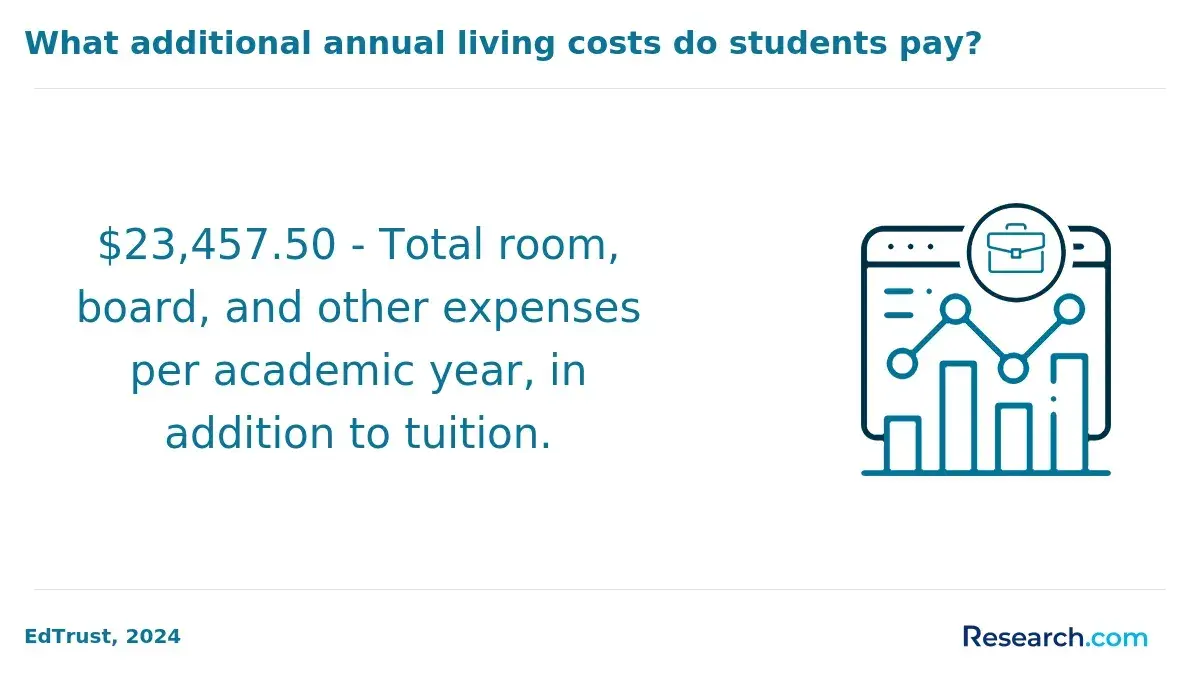
- Tuition per credit: This is usually the largest expense and covers instruction and access to the online platform. Rates vary by institution and program length, affecting the total cost of your degree.
- Technology fees: Many programs charge fees for online services and software needed for coursework. These fees differ widely and may be assessed per term or per credit.
- Registration and administrative fees: These one-time or recurring charges cover processing of student records and enrollment management. They can add several hundred dollars to your overall costs.
- Course materials and textbooks: Costs for required textbooks, software, or other materials may not be included in tuition. These expenses vary by program and can impact affordability.
- Assessment and graduation fees: Some programs impose fees for final exams, portfolio reviews, or graduation processing. These charges are often due near the program's completion.
- Flat-rate tuition options: Certain programs offer a fixed tuition per term, which can be more cost-effective for students taking heavier course loads.
- Financial aid and employer reimbursement: Many programs allow access to scholarships, grants, or employer-paid tuition benefits, which can significantly reduce the overall financial burden.
Exploring affordable online leadership degree tuition options can help you choose a program that fits your budget and career goals. Additionally, reviewing data on degrees that pay well can provide insight into the potential return on investment after graduation.
What Financial Aid Is Available for Online Leadership Students?
Understanding financial aid options is essential for prospective students considering online leadership programs as it directly impacts the affordability of higher education. Nearly 85% of undergraduates in related fields take advantage of financial aid, underscoring its role in making leadership degrees more accessible. Exploring available funding sources can help reduce overall costs and improve the return on investment.
Key types of financial aid available to online leadership students include:
- Federal grants: These are typically need-based awards that do not require repayment. Eligibility is determined by submitting the Free Application for Federal Student Aid (FAFSA), and grants can significantly offset tuition and fees.
- Scholarships: Offered by a variety of organizations based on merit, leadership potential, or other criteria, scholarships usually do not require repayment. They can vary widely in amount and are an important resource for students pursuing online leadership degree financial aid options.
- Federal student loans: Available through government programs with fixed interest rates and deferment options, federal loans require FAFSA completion and sometimes credit checks. While they do need to be repaid, they offer flexible repayment plans compared to private loans.
- Work-study programs: These provide part-time employment opportunities to students with demonstrated financial need, helping to offset education-related expenses while gaining valuable work experience.
- Employer tuition assistance: Some employers offer tuition reimbursement or assistance for employees pursuing continuing education. Typically, students need to provide proof of enrollment and maintain satisfactory academic progress to qualify.
Careful evaluation of these options prior to enrolling enables students to make informed decisions about affordability and financial planning throughout their leadership studies. Those comparing programs should also explore resources available for scholarships and grants for online leadership programs to maximize their funding opportunities. For those considering a range of options, researching various online degree programs can help identify programs that align with both career goals and financial aid availability.
What Jobs Can You Get With an Online Leadership Degree?
Knowing the career possibilities linked to an online leadership degree is essential for students to make informed decisions about their education and future. Employment in management-related fields is projected to grow by 8% over the next decade, reflecting steady demand for leadership skills. The following outlines typical roles graduates can pursue.
- Project Manager: Oversees planning, execution, and completion of projects across industries. Leadership degrees equip students with skills in organization and team coordination, critical for advancing to senior management roles.
- Human Resources Manager: Manages recruitment, employee relations, and compliance with labor laws. Graduates learn strategic decision-making and communication skills that facilitate workforce development and conflict resolution.
- Operations Supervisor: Coordinates daily activities to optimize efficiency in businesses or nonprofits. The degree's emphasis on problem-solving and process improvement supports career progression into higher operational leadership positions.
- Business Consultant: Advises organizations on improving performance and solving complex challenges. Leadership training prepares graduates to analyze issues critically and drive change effectively.
What Is the Average Salary for Online Leadership Graduates?
Evaluating salary potential is essential for prospective students choosing an online leadership program, as it impacts long-term financial security and the value of their educational investment. Leadership roles tied to these degrees typically report median annual salaries near $85,000, with average wage increases around 3% to 5% each year due to rising demand. Several factors influence these salary outcomes:
- Level of education: Higher degrees like a master's in leadership or business administration usually result in better pay than bachelor's credentials, reflecting the advanced skills and knowledge acquired.
- Specialization: Focusing on specific sectors such as healthcare leadership or nonprofit management can lead to varying salary ranges, depending on industry needs and complexity of responsibilities.
- Experience: Practical leadership expertise and demonstrated management abilities generally enhance earning potential, rewarding proven competency in supervisory roles.
- Geographic location: Earnings differ widely by region, with metropolitan areas and places with higher living costs often offering increased compensation to attract qualified leaders.
- Work setting: Salaries fluctuate based on whether graduates work in private companies, government agencies, or nonprofits, as budget priorities and funding models differ across sectors.
Considering these elements helps students make better-informed decisions about which programs align best with their career and financial goals.
What Graduates Say About Enrolling in an Online Leadership Degree
- Cadence: "The affordability of the online leadership degree was a big factor in my decision. At around $15,000 total, it was a manageable investment compared to traditional programs. The flexible schedule allowed me to balance work and study efficiently, and since graduating, I've noticed a clear boost in my management skills and confidence at work."
- Gian: "I enrolled in the online leadership program after careful consideration of both cost and content quality. Given that the average price hovers near $15,000, it felt like a smart financial choice without compromising education. The immersive coursework challenged me intellectually, and the degree has opened up new career paths and promotional opportunities I hadn't imagined before."
- Madeline: "Choosing this online leadership degree was a strategic move. The cost was reasonable for the depth of material offered, roughly fifteen thousand dollars, which was less than many comparable in-person programs. The experience was professionally enriching, and it significantly enhanced how I lead my team, ultimately advancing my career in leadership roles."
Other Things You Should Know About Leadership Degrees
In 2027, expect online leadership programs to incorporate advanced interactive platforms like Virtual Reality (VR) for immersive learning experiences, AI-driven analytics for personalized learning paths, and robust Learning Management Systems (LMS) backed by machine learning to enhance real-time collaboration and feedback.
Online leadership programs often provide virtual networking events, discussion boards, and alumni groups to help students connect with peers and industry professionals. Many programs assign faculty mentors or advisors who offer guidance related to career goals and academic progress. While in-person networking may be limited, these virtual opportunities aim to build valuable professional relationships.
In 2027, employer perception of online leadership degrees is increasingly positive. Many employers recognize that these programs equip students with relevant skills using digital tools, and value the flexibility and self-discipline online degrees require. As technology advances, online degrees are becoming more comparable to traditional ones in terms of credibility and acceptance.
References
- EdD Salary - How much can you make with a Doctor of Education (EdD) degree? (2025 Update) https://www.onlineeddprograms.com/faqs/edd-salary
- Advantages of Online Learning for Leadership Development: What Our Research Says https://www.ccl.org/articles/leading-effectively-articles/advantages-of-online-learning-for-leadership-development/
- Online Leadership & Management Certification Course | Wharton https://executiveeducation.wharton.upenn.edu/for-individuals/all-programs/leadership-and-management-certificate-online/
- Whole Leaders For The Whole World https://oru.edu/academics/online/undergraduate/bs-in-leadership-studies.php
- Leadership Degree Jobs Available | The University of Olivet https://www.uolivet.edu/what-can-you-do-with-a-leadership-degree/
- Organizational Leadership Degree Salary Guide https://online.maryville.edu/online-bachelors-degrees/organizational-leadership/careers/organizational-leadership-degree-salary-guide/
- Online Leadership, MA https://online.uccs.edu/program/online-masters/leadership-ma
- Best Leadership Courses & Certificates Online [2025] | Coursera https://www.coursera.org/courses
- Organizational Leadership (Online) https://graduateprograms.brown.edu/graduate-program/organizational-leadership-online-scm
- How Will I Do an Internship In An Online Educational Leadership Degree Program? https://www.educational-leadership-degrees.com/faq/how-will-i-do-an-internship-in-an-online-educational-leadership-degree-program/


