
2027 Return on Investment (ROI) of a General Studies Degree Program

Co-Founder and Chief Data Scientist
Many prospective students question whether investing in a general studies degree will lead to meaningful career advancement or financial gain. This uncertainty is valid given that employment outcomes vary widely; for example, the U. S. Bureau of Labor Statistics reports that only 65% of graduates with general studies degrees secure jobs related to their field within five years. As costs and time commitments grow, understanding the potential return on investment becomes critical. This article examines the economic and career benefits of general studies programs, helping readers assess whether such degrees provide strong post-graduation value for diverse professional paths.
Key Things to Know About General Studies Degree ROI
- Graduates with a general studies degree earn a median annual salary of approximately $48,000, offering competitive entry-level earnings across various fields.
- This degree provides flexible skills, enhancing career advancement opportunities in sectors such as education, administration, and business management.
- Long-term salary growth is supported by adaptability, with many graduates experiencing steady employment and job stability across diverse industries.
How Is ROI Calculated for a General Studies Degree Program?
Return on investment (ROI) in higher education quantifies the financial benefits a student gains compared to the time and money spent earning a degree. It helps individuals evaluate how a general studies degree stacks up against its costs and the time commitment required. Calculating return on investment for general studies degree programs involves analyzing several essential financial and career-related factors.
Key elements considered when measuring ROI of general studies programs include the following:
- Tuition and fees: This factor covers all expenses paid for the degree, including tuition, textbooks, administrative fees, and other costs necessary to complete the program.
- Opportunity cost: The income a student foregoes by attending school instead of working full-time during their studies. This lost potential wage is crucial in evaluating the true cost of the degree.
- Time to completion: The duration required to finish the program affects when graduates start earning a salary increase. Longer programs delay income growth and increase total costs.
- Post-graduation salary outcomes: Average starting salaries and expected salary progression after graduation help estimate the financial return from the degree over time.
- Career advancement potential: The impact of the degree on promotion opportunities, job stability, and long-term earnings plays a vital role in assessing its ROI.
For those exploring further education options with strong ROI, researching affordable and specialized alternatives, such as online BCBA programs, can offer insight into balancing cost with career benefits.
How Much Does a General Studies Degree Program Cost?
Accurately assessing the total cost of a general studies degree is vital when evaluating its return on investment, especially since average student debt for bachelor's degree recipients in the U.S. surpasses $30,000. A range of expenses beyond tuition influences the financial outcomes graduates can expect.
Key factors affecting the ROI of a general studies program include:
- Tuition and fees: This core expense varies substantially depending on whether the institution is public, private, or online, making it the largest component of total costs.
- Books and materials: Semesterly purchases such as textbooks, software, and essential course supplies contribute noticeably to overall expenses.
- Living or relocation expenses: Students relocating or living off-campus must factor in rent, utilities, and everyday costs, which can significantly increase financial burdens.
- Opportunity cost: Income lost while dedicating time to full-time study often goes overlooked but is critical in understanding the true cost of education.
- Hidden or indirect costs: Fees for technology, campus services, or transportation may quietly raise the total cost beyond initial estimates.
When speaking with a graduate of a general studies degree program, he shared how unexpected challenges impacted his financial perspective. "I underestimated how much moving to a different city would add to my expenses," he said, describing the stress of balancing bills alongside coursework. He also reflected on the lost wages during his studies, saying, "Working full-time wasn't possible, so I had to adjust my lifestyle a lot." Despite these hurdles, he emphasized that careful budgeting and seeking affordable resources helped manage the overall cost and maintain focus on the long-term benefits of the degree.
What Financial Aid Is Available for General Studies Degree Programs?
Financial aid reduces the initial expenses of a general studies degree, easing financial pressure and increasing long-term return on investment by lowering debt. Nearly 85% of undergraduates benefit from some form of aid, which can significantly decrease the overall cost of their education and improve financial outcomes.
Common financial aid options that support affordability and ROI include:
- Scholarships: Awarded based on merit or need, scholarships do not require repayment and directly reduce tuition, allowing students to graduate with less debt and better financial prospects.
- Grants: Typically need-based and non-repayable, grants lower educational costs, making degrees more affordable and improving the student's financial position after graduation.
- Federal loans: These loans usually have favorable interest rates and flexible repayment plans, enabling manageable borrowing that can boost ROI if used responsibly despite increasing debt.
- Employer tuition assistance: Some employers reimburse tuition expenses, which cuts down the amount students pay out of pocket and connects educational investment to career advancement, enhancing ROI.
- Fellowships: Though less frequent for general studies undergraduates, fellowships provide financial support or stipends that reduce personal expenses without adding debt, supporting academic focus.
How Long Does It Take to Complete a General Studies Degree?
The duration required to finish a general studies degree significantly impacts its return on investment by influencing opportunity cost, time before entering the workforce, and cumulative educational expenses. Graduates who complete their degree more quickly can start earning sooner, reducing financial strain and enhancing overall value.
Several factors play a role in determining how long the process takes and affect the financial benefits:
- Enrollment status: Full-time study often leads to faster completion but may limit work opportunities and increase immediate costs, whereas part-time students typically balance education with employment, extending the time to graduate.
- Program format: Choosing online or accelerated courses can speed up progress, minimizing disruption to income streams and lowering living and tuition expenses.
- Transfer credits: Previously earned credits from other schools or programs can reduce required coursework, shortening the duration and lessening tuition fees.
- Internship and thesis requirements: While these add to the total time needed, they often enhance job prospects and salary potential by providing practical experience and portfolio work.
- Scheduling flexibility: Programs offering evening, weekend, or self-paced classes help students juggle jobs and studies, which can either speed up or slow the path depending on individual circumstances and commitments.
When I spoke with a graduate of a general studies degree about how long it took her, she reflected on the balancing act she faced. "Maintaining a full-time job while attending evening classes meant I stretched my program out longer than I initially expected," she shared. Her experience showed how practical demands and personal responsibilities can extend the timeline, yet she also highlighted the satisfaction gained from steady progress: "Even though it took me nearly four years, I never felt like I had to compromise my work income, which was crucial for managing expenses."
She emphasized how the flexibility of her program allowed her to adapt her pace when life events arose, noting that "the ability to pause or slow down without penalty gave me confidence to stick with it." Her story illustrates how time to completion varies widely but can still lead to a rewarding outcome when managed thoughtfully.
Is ROI Higher for Online or On-Campus General Studies Programs?
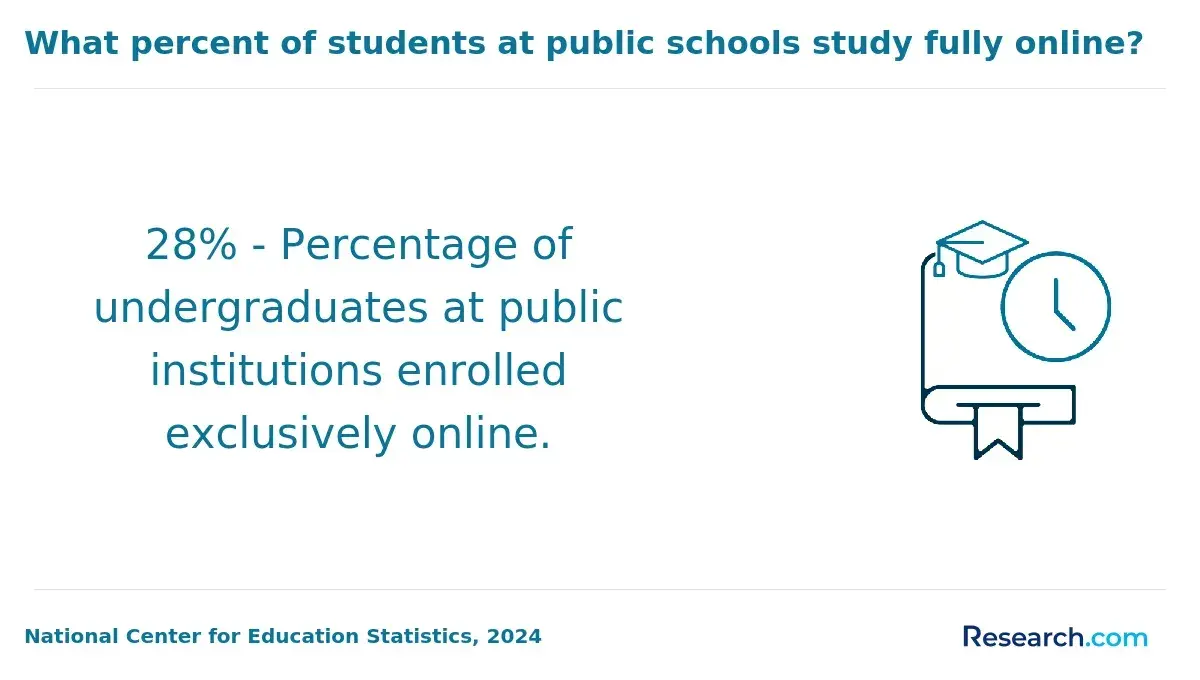
The return on investment (ROI) for online versus on-campus general studies degree programs varies significantly due to differences in cost, flexibility, and career outcomes. Over 30% of college students have taken at least one online course in recent years, reflecting a shift toward more accessible education. These factors influence whether the comparative ROI for on-campus versus online general studies programs favors one format over the other.
Key comparison points include:
- Tuition and fees: Online programs generally cost less in tuition and related fees, reducing upfront expenses, though prices can vary widely depending on the institution.
- Opportunity cost: Students enrolled in online degrees often balance working while studying, which lowers lost income and financial strain compared to full-time on-campus study.
- Time to completion: Flexible online formats may enable quicker progression through coursework, allowing students to enter the workforce sooner and improve the return on investment of online general studies degree options.
- Networking and career services: On-campus programs provide more immediate access to job fairs and alumni connections, which can support career growth but often require more time and geographic commitment.
- Employer perception: While acceptance of online degrees is increasing, some employers continue to favor traditional on-campus degrees for specific roles and industries.
Prospective students interested in counseling or related fields may explore affordability through an online counseling degree, illustrating the growing relevance of well-priced online program options.
What Is the Average Salary After Earning a General Studies Degree?
Post-graduation salary is a key driver of return on investment (ROI) for students pursuing a general studies degree, as income directly affects the time needed to recover educational costs. The average salary for general studies graduates typically falls between $40,000 and $60,000 annually, which can vary based on several factors. Considering typical earnings after general studies degree completion helps individuals weigh the financial benefits against program expenses and time commitments.
Several variables influence salary outcomes and thus impact ROI:
- Industry: Graduates entering sectors like business or healthcare often receive higher starting pay compared to those in education or community services, affecting overall earnings potential.
- Geographic location: Salaries vary widely by region, with metropolitan areas generally offering greater compensation due to higher living costs and demand for talent.
- Prior experience: Relevant work experience or internships can increase starting salaries, providing an improved financial return on the degree.
- Specialization: Focusing on concentrations such as communications or management within general studies may open doors to better-paying roles.
- Career level: Progression into managerial or specialized positions commonly leads to higher salaries over time, boosting long-term ROI.
Prospective students evaluating the ROI of a general studies degree can also consider alternative programs, such as an online executive MBA, to potentially enhance their salary outlook and career trajectory.
Does a General Studies Degree Lead to Promotions?
Promotions contribute significantly to the return on investment (ROI) of a general studies degree by increasing salary, expanding job responsibilities, and enhancing career mobility. These advancements often reflect how well the degree supports career growth beyond entry-level roles.
A key workforce trend fostering career advancement with a general studies degree is the rising emphasis on credential-based promotions. Employers increasingly prioritize formal education alongside experience when considering candidates for higher positions, making even broad degrees valuable in unlocking promotional opportunities for general studies graduates.
Several factors highlight how a general studies degree may positively impact promotion potential and overall ROI.
- Credential requirements: General studies degrees frequently meet or exceed the formal educational criteria needed for promotion in administrative, management, or support roles, positioning graduates for advancement.
- Leadership preparation: The degree's broad curriculum cultivates leadership and critical thinking skills, equipping students to handle increased responsibilities and qualify for supervisory positions.
- Employer support: Many organizations offer tuition assistance programs that encourage degree completion, which indirectly support internal promotion policies by enhancing employees' qualifications.
- Combined experience and education: Promotions tend to favor candidates who pair relevant work experience with a degree, making a general studies credential a valuable complement that boosts candidacy during promotion decisions.
- Adaptability: The interdisciplinary nature of general studies fosters flexibility and problem-solving abilities, qualities prized in evolving job markets and important for long-term career growth.
For individuals evaluating their options, understanding what bachelors degree should I get can help clarify how a general studies degree aligns with their career advancement goals.
Which Industries Offer the Best ROI for General Studies Graduates?
The return on investment (ROI) for graduates with a general studies degree varies widely across industries due to differences in salary levels, career progression opportunities, and the demand for versatile skills. Some fields better capitalize on the broad knowledge and adaptable skillset general studies graduates bring, resulting in stronger financial and career returns.
Industries that tend to offer the strongest ROI for general studies graduates typically reward communication, critical thinking, and flexibility. These sectors also provide stable employment and clear promotion paths. Below are some of the best industries for ROI with a general studies degree, along with insights into why they offer high-paying careers for general studies graduates.
- Healthcare Administration: This field values organizational and interpersonal skills. As healthcare systems expand, there is steady demand and salary growth, making it a solid choice for long-term career advancement.
- Financial Services: Banking, insurance, and financial analysis roles prioritize analytical and communication abilities. These jobs offer competitive compensation and career progression for graduates with adaptable skillsets.
- Government and Public Policy: Public administration jobs provide secure employment and consistent promotion opportunities, rewarding graduates with strategic thinking and broad knowledge.
- Education and Training: Communication and leadership skills are essential here, supporting steady career growth and the opportunity to influence future professionals.
- Marketing and Communications: This sector values creative problem-solving and excellent writing skills, often offering dynamic roles with strong pay potential.
For those seeking the easiest bachelor degree to get online with promising ROI potential, consider exploring general studies programs designed for flexibility and broad applicability, detailed further at easiest bachelor degree to get online.
Does Accreditation Affect ROI for a General Studies Degree?
Accreditation in general studies programs involves an official evaluation by a recognized agency to confirm that the program maintains established educational standards. This validation is important because it assures employers and licensing bodies that the degree meets quality benchmarks, which can enhance the degree's perceived value in the job market. An increasing number of employers prefer candidates with accredited degrees, reflecting a broader trend toward valuing verified academic credentials for hiring and promotion decisions. Moreover, attending an accredited program often enables eligibility for professional licensure, a critical factor for career progression in many fields.
The long-term return on investment of a general studies degree can be significantly affected by its accreditation status. Graduates from accredited programs generally experience greater employer trust and improved career prospects. Accreditation also facilitates access to federal financial aid and scholarships, lowering the overall educational cost burden. Additionally, it simplifies credit transfers between institutions, supports eligibility for licensing exams, and enhances career mobility by opening doors to diverse job opportunities and professional certifications.
Is a General Studies Degree Worth It?
The financial return of a general studies degree hinges on factors like tuition costs, time needed to graduate, and expected salary after completion. Affordable programs that offer faster paths to a degree generally improve return on investment by limiting debt and allowing quicker entry into the job market. However, median salaries for graduates with this degree often fall between 10% and 20% below the average earnings of those holding bachelor's degrees in more specialized fields. Additionally, the potential for career advancement may be limited, since this degree provides broad knowledge rather than training for specific professions.
Whether pursuing a general studies degree is a smart financial move depends on multiple considerations. Industry demand for versatile skills versus specialized expertise can impact job prospects and salary. Online and in-person formats vary in cost and accessibility, while availability of financial aid or employer tuition reimbursement can reduce the overall burden. Ultimately, this degree is best suited for individuals seeking flexibility or planning to enhance their credentials later, whereas those aiming for targeted careers might find specialized degrees more advantageous.
What Graduates Say About The ROI of Their General Studies Degree
- Augustus: "I was initially drawn to the general studies degree because of its flexibility and relatively moderate cost compared to specialized programs, which made it a smart long-term investment. Considering the average attendance cost of around $20,000 to $30,000, I found the ROI to be excellent as it opened doors to various career opportunities I hadn't considered before. Today, I'm thriving in a management role that values my broad skill set, and I genuinely believe this degree was worth every penny. "
- Antonio: "Choosing to pursue my general studies degree online was a practical decision that balanced cost and convenience, especially since online programs tend to be more affordable without sacrificing quality. Reflecting back, the approximately $15,000 cost felt justified as I gained critical thinking and communication skills valuable across industries. Completing my degree has notably enhanced my professional credibility, enabling me to transition smoothly into a career in project coordination with confidence."
- Julian: "As a part-time student juggling work and family, the affordability and broad curriculum of a general studies degree were decisive factors given that the total expenditure typically falls in the mid-range tuition bracket. Professionally, this degree expanded my understanding of different disciplines, significantly boosting my problem-solving abilities and making me a more adaptive employee. While the cost was a commitment, the career progression and personal growth I experienced affirm that it was a worthy investment. "
Other Things You Should Know About General Studies Degrees
In 2027, a general studies degree can affect ROI through its flexibility in career paths, fostering critical thinking, communication skills, and adaptability. These skills are valued in various industries, potentially leading to diverse job opportunities, which can result in a positive financial return over time.
The electives selected within a general studies degree shape potential career outcomes and earning opportunities. Choosing courses related to in-demand fields like business, technology, or health can improve ROI by aligning skills with job market needs. Strategic elective choices help tailor the degree to specific employer requirements or personal career goals.
References
- Is General Studies a Good Major? Is It Worth it? | Goodwin University https://www.goodwin.edu/enews/is-general-studies-a-good-major/
- Rize Math: Realizing the ROI of Program Sharing https://www.rize.education/blog/the-roi-of-program-sharing
- Top 10 Highest Paying Jobs With General Studies Degree 2025 | Nexford University https://www.nexford.edu/insights/highest-paying-jobs-with-general-studies-degree
- Accreditation and financial ROI | Woolf News & Updates https://woolf.university/news/accreditation-and-financial-roi
- Is a General Studies Degree Worth It? https://abound.college/finishcollege/advice/is-a-general-studies-degree-worth-it/
- The University Courses With The Highest Return On Investment - Here Student Living https://herestudents.com/the-university-courses-with-the-highest-return-on-investment/
- Is College Worth it? | Return on Investment Analysis of College Degree https://educationdata.org/college-degree-roi
- Bachelor's in General Studies https://www.ccis.edu/degrees/general-studies-bachelor
- Online Bachelor's Degree: General Studies https://www.umgc.edu/online-degrees/bachelors/general-studies
- General Studies Program - University of Arkansas at Pine Bluff https://uapb.edu/academics/university-college/general-studies-program/


