
2027 How to Verify Accreditation for General Studies Degree Programs

Co-Founder and Chief Data Scientist
Many prospective students face uncertainty about whether general studies degree programs hold proper accreditation, which affects eligibility for federal financial aid and acceptance by employers. Nearly 40% of students in interdisciplinary programs struggle to verify if their school meets recognized standards. Without confirmed accreditation, graduates risk investing time and money in degrees that lack academic credibility or professional recognition.
This article explains how to identify legitimate accreditation for general studies degrees, helping readers ensure their chosen program supports their educational and career goals while maintaining recognized institutional quality standards.
Key Benefits of Accredited General Studies Degree Programs
- Accreditation guarantees academic quality by ensuring programs meet national educational standards, enhancing the credibility of general studies degrees among institutions and students.
- It enables eligibility for federal and state financial aid, making general studies degrees more accessible and affordable for many learners.
- Employers and licensing boards often recognize only accredited degrees, increasing graduates' opportunities for employment and professional certification.
What Does Accreditation Mean for General Studies Degree Programs?
Accreditation in higher education is a rigorous process where independent agencies evaluate programs like general studies to ensure they meet established standards for curriculum quality, faculty expertise, and institutional resources. Regional accreditors such as the Higher Learning Commission and Middle States Commission are commonly responsible for accrediting general studies programs. According to the U.S. Department of Education, more than 7,000 accredited institutions serve millions of students, highlighting the importance of accreditation for students assessing general studies degree program accreditation benefits. Choosing an accredited program helps students identify institutions committed to academic excellence and recognized legitimacy.
The implications of accreditation extend beyond initial selection, affecting how programs maintain educational quality over time. Accredited general studies programs undergo continuous review to align with evolving academic and professional expectations, which supports consistent teaching standards and relevant curriculum content. This process assures students that their coursework and degree hold value in academic circles and career settings, reinforcing how accreditation impacts general studies career readiness. Prospective students seeking flexible paths might also explore options like an accredited bcba degree, which exemplifies how accreditation safeguards educational quality across diverse disciplines.
What Types of Accreditation Should a General Studies Degree Program Have?
Evaluating accreditation types is essential for confirming the academic quality and legitimacy of general studies degree programs. This understanding guides prospective students on credit transferability, financial aid eligibility, and career prospects. Below are key accreditation types to consider when researching these programs.
- Institutional Accreditation: This assesses the entire college or university to ensure it meets nationwide educational standards. Institutional accreditation strongly influences whether credits from a general studies program will transfer between schools and impacts a student's eligibility for federal financial aid.
- Programmatic Accreditation: Also called specialized accreditation, this focuses on specific programs within an institution. It enhances recognition within particular fields, providing graduates with improved standing among employers and professional peers, especially in program areas aligned with career goals.
- Regional vs. National Accreditation: Regional accrediting agencies for general studies programs are often viewed as more prestigious, leading to better credit acceptance and employer recognition than national accreditation, which typically emphasizes vocational or career-focused training.
- Licensure-Related Accreditation: Some general studies degrees hold accreditations linked to licensure or professional practice requirements, which are vital for students aiming to enter regulated professions. These credentials help ensure the program prepares students appropriately for licensure exams and work standards.
In addition to these broad accreditation types, students interested in counseling or similar fields may explore cacrep accredited programs, which meet rigorous counseling education standards.
How Can You Verify If a General Studies Degree Program Is Accredited?
Verifying accreditation is crucial to ensure a general studies degree program meets quality standards, qualifies for federal financial aid, and is recognized by employers or licensing bodies. Confirming accreditation can also affect the transferability of credits and your long-term career opportunities.
Here are key steps to verify accredited general studies degree programs:
- U.S. Department of Education Database: Use the official database to search for institutions and programs with recognized accreditation. This federal resource lists all colleges and universities accredited by agencies approved to grant federal financial aid eligibility.
- Council for Higher Education Accreditation (CHEA): Review CHEA's directory to confirm the accrediting agency overseeing the general studies program is legitimate. CHEA focuses on recognized accreditors committed to maintaining academic quality and accountability.
- Direct School Confirmation: Contact the admissions or registrar's office at the institution offering the program. Ask specifically which accrediting bodies oversee the school and the general studies program to ensure it holds recognized accreditation.
- Programmatic Accreditation Checks: Some programs carry specialized accreditation in addition to regional institutional approval. Verify any additional endorsements from professional or educational organizations that enhance credibility.
Prospective students exploring executive mba programs online can use similar verification steps to confirm recognized accrediting agencies for general studies degrees and other fields.
What Red Flags Indicate a General Studies Program May Not Be Accredited?
Identifying warning signs of unaccredited general studies programs is crucial to safeguarding your academic reputation, qualifying for financial aid, and ensuring future career success. Several indicators can help you spot programs that may lack proper accreditation.
- Claims of Lifetime Accreditation: Legitimate accrediting organizations conduct continuous evaluations, so permanent or lifetime accreditation promises are unrealistic. Programs making such claims may be misleading students about their oversight quality.
- Unrecognized Accrediting Agencies: Genuine accreditation usually comes from agencies acknowledged by the U.S. Department of Education or the Council for Higher Education Accreditation (CHEA). Programs accredited by unknown entities may not meet established educational standards, possibly diminishing your degree's value.
- Exceptionally Low Tuition: While affordability matters, tuition rates far below the norm may reflect inadequate program management or a lack of institutional oversight, pointing to accreditation concerns.
- Vague or Misleading Descriptions: When a program emphasizes quick completion or easy admission over academic rigor and provides unclear information about accreditation, it may be avoiding transparency about its true status.
Verifying accreditation through official government or CHEA websites before enrollment helps ensure your general studies degree is recognized by employers and valid for advanced education or professional licensing.
Are Online General Studies Degree Programs Accredited?
Online general studies degree programs can indeed be accredited, which affirms their adherence to established academic standards essential for quality education, financial aid access, and recognition by employers and licensing bodies. Accreditation agencies assess online programs with the same rigor as campus-based ones, focusing on criteria such as instructional quality, measurable learning outcomes, faculty credentials, and institutional oversight.
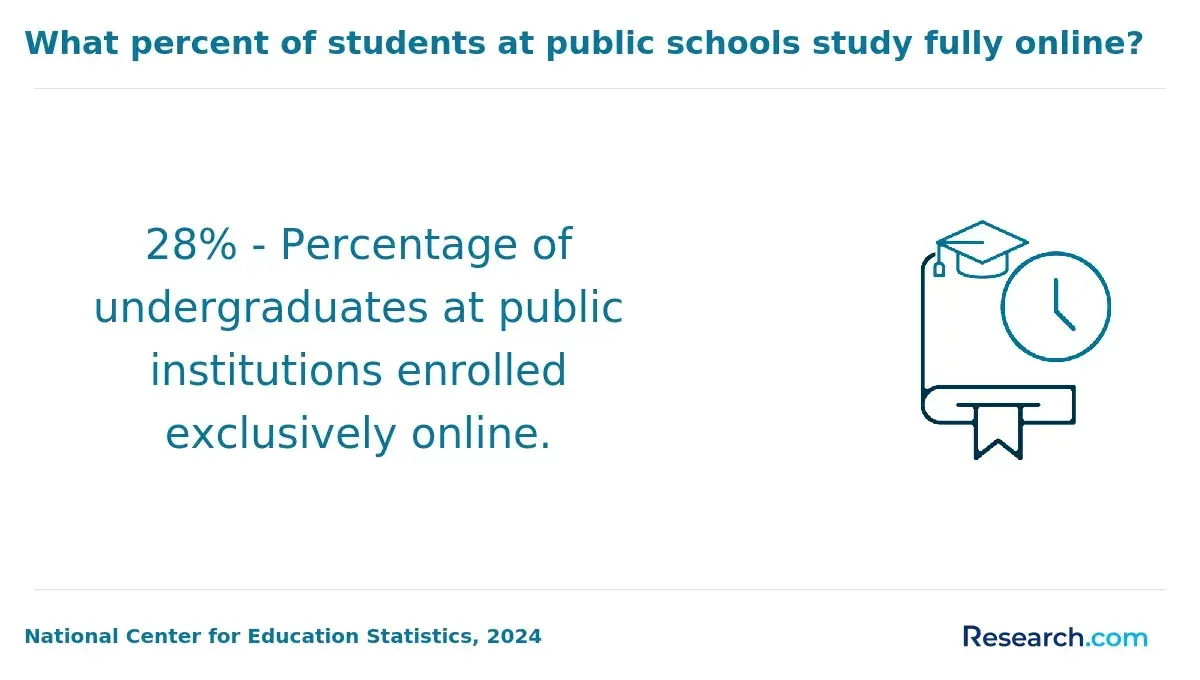
In the 2019-2020 academic year, approximately 37% of undergraduate students enrolled in at least one online course, underscoring the importance of confirming program accreditation. Students are advised to verify that their chosen program is accredited by agencies recognized by the U.S. Department of Education or the Council for Higher Education Accreditation (CHEA) to ensure transferability of credits and broader acceptance of their degrees.
When speaking with a graduate of an online general studies degree program about their experience, he shared that navigating the verification of accreditation was initially daunting but essential for his peace of mind. "I was concerned about whether my degree would be respected by employers and if I'd qualify for federal aid," he recalled. He emphasized how researching the program's accreditation status gave him confidence during enrollment and later helped when applying for jobs. The process involved checking the accrediting agency's credentials and reviewing course quality, which reassured him that his online degree held the same value as a traditional one. Overall, he described the journey as "challenging but rewarding," stressing the importance of diligence in choosing a credible, accredited program to avoid future complications.
Does Accreditation Affect Licensure Eligibility for General Studies Careers?
For students aiming to enter licensed or regulated general studies careers, choosing an accredited program is essential to meet professional standards. The following points outline how accreditation influences licensure eligibility.
- Professional Exam Qualification: Accreditation ensures that a program's curriculum aligns with the content and competency requirements set by licensing bodies. Without this alignment, graduates may be ineligible to take necessary licensure exams.
- Licensing Board Recognition: Many state and regional boards require candidates to hold degrees from accredited institutions before granting permission to sit for exam or obtain credentials. This makes accreditation a mandatory step in the licensure process.
- Employer and Regulatory Acceptance: Accredited degrees are often preferred or required by employers and regulatory agencies. Candidates with non-accredited credentials may face hiring restrictions or limited career advancement opportunities.
- Program Limitations Without Accreditation: Students in non-accredited programs might be excluded from federal financial aid, potentially impacting their ability to finish their education. Additionally, they often encounter extra requirements such as supplementary coursework or alternative pathways to meet licensure demands.
Maintaining accreditation status is therefore a crucial factor that directly affects a graduate's professional licensure prospects and career trajectory within general studies fields.
Will Credits From an Accredited General Studies Program Transfer to Another School?
Credits from an accredited general studies program are crucial for students who change schools, pursue advanced degrees, or relocate, as their transferability can significantly impact academic progress and expenses. Several key factors influence whether these credits will be accepted by another institution.
- Institutional Accreditation Type: Credits earned from programs accredited by recognized regional or national agencies usually carry more weight and are more readily accepted by other colleges and universities, as they ensure a consistent standard of education quality.
- Course Equivalency and Curriculum Alignment: Transfer approval depends largely on how well the original general studies courses align with the receiving school's curriculum. Even accredited credits may be declined if course content or learning outcomes differ significantly.
- Receiving School Transfer Policies: Each institution applies its own guidelines on accepting transfer credits, including minimum grade requirements, caps on transferable credit amounts, and specific criteria for general studies courses.
- Limits on Transfer Credits: Many schools impose maximum limits on the number of general studies credits that can transfer, which can affect how much of a student's prior work counts toward their new degree.
When I spoke with a graduate of a general studies degree program about credit transfer, she shared that her experience was a mix of optimism and frustration. She recalled spending weeks preparing detailed course descriptions and syllabi to help advisors determine equivalency. "It wasn't just about showing a transcript," she said; "I had to prove the content matched their requirements." Despite challenges, her persistence paid off-most credits transferred, but some required retaking. She advised future students to keep thorough records and remain patient throughout the process, emphasizing that even with an accredited degree, transfer is never automatic but can be navigated successfully.
Does a General Studies Program Need Accreditation to Qualify for Financial Aid?
Accreditation plays a crucial role in determining eligibility for federal, state, and institutional financial aid, with nearly 80% of aid recipients attending accredited institutions. This status ensures students can access important funding sources. The following points highlight key financial considerations linked to accreditation.
- Federal Aid Eligibility: Students enrolled in accredited programs qualify for Title IV federal student aid, which includes Pell Grants, Direct Loans, and work-study options. Without accreditation, these significant funds remain inaccessible, increasing students' financial burden.
- State and Military Benefits: Many states require accreditation for state-sponsored grants and military education benefits such as the GI Bill. This requirement guarantees that public and veteran resources support credible educational programs.
- Institutional Scholarships: Colleges often limit scholarships and grants to students in accredited programs to maintain academic integrity and regulatory compliance. Attending an unaccredited program can mean losing access to these aid opportunities.
- Cost Implications: Without accreditation, students may face higher out-of-pocket expenses since federal, state, military, and institutional aid are typically unavailable. Confirming accreditation helps manage educational costs effectively.
How Does Program Accreditation Influence Employability in General Studies Fields?
Accreditation is a critical consideration for students pursuing degrees in general studies fields who want to enhance their career prospects and gain credibility with employers. Over 85% of employers show a preference for hiring graduates from accredited programs, underscoring its importance in job market success. The following points highlight key ways accreditation influences employability benefits of accredited general studies programs.
- Employer Recognition: Accredited programs are widely recognized for delivering a standardized, quality curriculum that equips students with relevant skills. Employers trust graduates from such programs, which often results in better hiring opportunities.
- Professional Credibility: Accreditation confirms that a degree meets national educational standards, boosting a graduate's credibility. This assurance can be crucial during recruitment or promotions, signaling to employers the candidate's competence.
- Certification and Licensure Eligibility: Many advanced certifications and professional licenses require applicants to hold degrees from accredited programs. Without this accreditation, graduates may be ineligible for important career advancement opportunities, limiting their long-term growth.
- Job Market Competitiveness: In a crowded job market, graduates from accredited programs typically hold an advantage. Their qualifications are easier to verify, viewed as more reliable by human resource departments, and help improve chances of standing out among applicants.
For students aiming to maximize academic and professional value, confirming program accreditation remains essential. This step not only assures quality education but also aligns with career goals within the broad scope of general studies. Those interested in advancing their leadership skills further might explore opportunities such as an online phd organizational leadership, which also emphasizes accredited career pathways.
Do Graduates From Accredited General Studies Programs Earn Higher Salaries?
Accreditation often influences earnings potential for graduates from general studies programs because it serves as a signal of quality and credibility to employers. Data from educational labor statistics show that individuals with degrees from accredited programs earn approximately 15-20% higher salaries than those from non-accredited programs. Several factors contribute to this wage disparity.
- Employer Preference: Many employers prioritize candidates with credentials from accredited programs, viewing accreditation as proof of rigorous academic standards and comprehensive training. This often results in better initial salary offers and job opportunities for those graduates.
- Higher-Level Eligibility: Accreditation can affect eligibility for advanced roles, as some employers require accredited degrees for leadership or specialized positions. This requirement limits opportunities for graduates without accredited credentials, impacting salary growth.
- Industry Recognition: Degrees from accredited programs tend to be better recognized within professional networks, enhancing a graduate's resume and career mobility. Such recognition contributes to improved job prospects and higher compensation over time.
- Long-Term Advancement: Continued career progression, including access to professional certifications and licensure, often depends on having an accredited academic background. This availability supports sustained salary increases throughout a graduate's career.
Prospective students researching a general studies degree should verify accreditation status to ensure academic credibility and eligibility for financial aid, as well as to improve salary outcomes. Exploring options like a easiest online degree may provide flexible pathways while maintaining necessary accreditation standards.
What Graduates Say About Their Accredited General Studies Degree
- August: "Completing an accredited general studies degree truly opened doors for me. I made it a point to research the institution's accreditation status through official educational websites, ensuring my credits would be recognized. Knowing the program met rigorous standards gave me confidence, and since graduating, I've noticed employers value my degree more seriously. "
- Lauren: "When I first considered enrolling in a general studies degree, I was unsure about the accreditation's importance. After checking databases like the Council for Higher Education Accreditation, I realized it was essential for transferring credits and pursuing further education. Reflecting now, earning an accredited degree has been instrumental in advancing my career and professional credibility. "
- Cesar: "As a working professional, verifying the accreditation of the general studies program before enrolling was a critical step for me. I contacted alumni and reviewed the school's accreditation status on official platforms to ensure the degree's legitimacy. This diligence paid off-my accredited degree has significantly enhanced my job prospects and professional standing. "
Other Things You Should Know About General Studies Degrees
Accreditation status for general studies degree programs is typically reviewed every 5 to 10 years, depending on the accrediting agency. Regular reviews ensure the programs meet established quality standards and maintain educational integrity.
Regional accreditation is generally regarded as more rigorous and widely accepted for academic transfer and graduate study purposes within the United States. While national accreditors may accredit specialized or vocational schools, students pursuing general studies degrees should prioritize institutions accredited by one of the six regional agencies. This helps guarantee broader recognition by employers and other educational institutions.
In 2027, students should request an official letter from the institution confirming accreditation, a copy of their accreditation certificate, or check the listing on recognized accrediting agency websites. Additionally, the program should be listed in the U.S. Department of Education's Database of Accredited Postsecondary Institutions and Programs.
References
- Understanding Fake Degrees and Credential Fraud in Higher Ed https://evolllution.com/programming/credentials/understanding-fake-degrees-and-credential-fraud-in-higher-ed
- Avoid Fake-Degree Burns By Researching Academic Credentials https://www.ftc.gov/business-guidance/resources/avoid-fake-degree-burns-researching-academic-credentials
- What is the difference between accredited and recognised degree course? https://augstudy.com/guide/course-guide/accredited-recognized-degree-course/
- General Studies https://online.missouri.edu/degrees-programs/mu/arts-and-sciences/general-studies/bgs
- Accreditation in Higher Education and Why It Matters https://www.apu.edu/articles/accreditation-in-higher-education-and-why-it-matters/
- Check if your university or college can award a degree https://www.gov.uk/check-university-award-degree
- Accreditation Explained: Guidelines for Global Verification https://www.motaword.com/blog/understanding-accreditation-how-to-verify-institutions-globally
- Verifying Accreditation for Online Degree Programs - Higher Ed Guide https://higheredme.com/verifying-accreditation-online-degree-programs-and-status-checks/
- What is Program Accreditation? https://blog.spol.com/what-is-program-accreditation
- What Is College Accreditation? How to Check If a School Is Legit https://abound.college/finishcollege/advice/accreditation-why-is-it-so-important/


