
2027 Weekly Start Online Degrees vs Self-Paced Accelerated General Studies Degree Programs

Co-Founder and Chief Data Scientist
Deciding between weekly start online degrees and self-paced accelerated general studies programs presents challenges for students balancing education with work and life demands. Recent data shows that nearly 60% of online general studies students prefer flexible scheduling options to manage employment and family responsibilities. Choosing the right format significantly impacts completion rates and career outcomes.
This article explores the key differences in pacing, structure, and support between these two models. It provides clear guidance to help prospective students select the program that aligns best with their learning style, schedule constraints, and long-term goals.
Key Benefits of Weekly Start Online Degrees vs Self-Paced Accelerated General Studies Degree Programs
- Weekly start online degrees offer continuous enrollment, allowing students to begin courses anytime, enhancing scheduling flexibility without waiting for traditional semester dates.
- Self-paced accelerated general studies programs reduce time to completion, often cutting degree length by up to 50%, which lowers tuition costs and related expenses.
- Students in both formats report higher retention rates, with 68% completing their degrees within a planned timeframe, indicating improved academic success and engagement.
How are weekly start online degrees and self-paced accelerated general studies programs structured?
Choosing between a weekly start online degree program and a self-paced accelerated general studies degree format requires understanding how each structure impacts your learning experience and scheduling flexibility. These key differences influence how students allocate time, meet deadlines, and progress through coursework. Below is a detailed comparison to help prospective students evaluate which format best suits their needs.
Weekly Start Online Degrees
- Course Pacing: Structured schedules with new courses starting weekly or every few weeks, promoting steady progress.
- Term Length: Fixed durations typically ranging from 6 to 12 weeks per course, maintaining a consistent pace.
- Assignments and Deadlines: Regular weekly deadlines for assignments and exams ensure continuous engagement and accountability.
- Time Commitment: Recommended 10 to 15 hours per week focused on reading, assignments, discussions, and assessments.
Self-Paced Accelerated Degrees
- Course Pacing: Learners progress independently without fixed start dates, allowing faster completion for motivated students.
- Term Length: Variable, often enabling course completion in 3 to 6 weeks depending on effort and prior knowledge.
- Assessments: Flexible evaluation methods such as competency-based or mastery exams offered on demand instead of scheduled tests.
- Time Commitment: Varies widely; requires strong self-discipline as students set their own study schedules and deadlines.
According to recent analyses, weekly start programs encourage higher retention through scheduled engagements, while self-paced programs best serve those seeking flexibility. Students exploring options like AI degrees online should carefully assess these structural factors to align educational goals with their personal learning styles and time availability.
Are weekly start online general studies programs easier to get into vs self-paced accelerated programs?
Admissions ease is an important factor for students choosing between weekly start online degree programs and self-paced accelerated general studies programs, as it impacts enrollment flexibility and access. According to a report by the Online Learning Consortium, weekly start programs typically admit about 15% more students due to rolling admissions, highlighting a growing trend toward holistic evaluation in online education.
Key admissions differences include the following:
- GPA Expectations: Weekly start online degree admissions ease is partly driven by broader GPA criteria, often accepting students with GPAs around 2.0 or higher. Self-paced accelerated general studies enrollment requirements usually call for a stronger academic record, with minimum GPAs between 2.5 and 3.0.
- Prerequisite Coursework: Weekly start programs may allow concurrent enrollment in foundational courses, providing more flexibility. In contrast, accelerated formats often require completion of prerequisites before enrollment to ensure readiness for the fast pace.
- Standardized Testing: Both program types often waive standardized test requirements, reflecting a shift toward holistic admissions approaches in online learning.
- Application Process: Weekly start programs have rolling admissions that accommodate continuous application submissions, while accelerated programs tend to have more defined application deadlines, aligning with cohort start dates.
- Additional Factors: Some accelerated programs emphasize readiness assessments or interviews to match student capabilities with program intensity.
These distinctions allow students to consider their unique learning preferences and preparedness. For those exploring options in related fields, resources about online engineering schools may provide additional insights into admissions trends and program structures.
How long does a weekly start online degree take to complete vs a self-paced accelerated general studies degree?
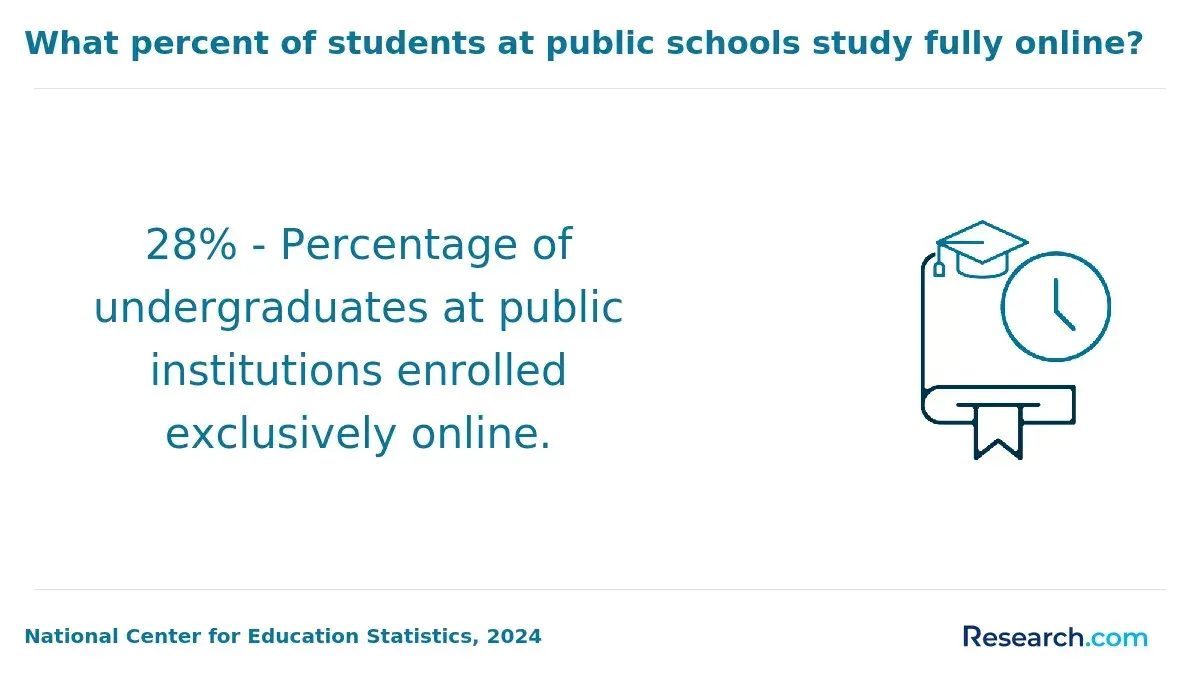
Completion time plays a vital role in shaping students' academic plans, financial commitments, and career goals. With over 60% of online learners prioritizing speed and flexibility, understanding how degree formats influence graduation timelines is essential. Comparing weekly start online degrees to self-paced accelerated general studies programs reveals distinct differences in how students progress and finish their studies.
- Term Length: Weekly start programs follow set academic terms, generally lasting several months, which provide a structured pace for course completion. By contrast, self-paced accelerated general studies do not adhere to fixed terms, allowing students to complete coursework more quickly or spread it out as needed.
- Pacing Control: Students in weekly start programs follow a predetermined schedule with deadlines, offering less flexibility. Self-paced models empower learners to dictate their study rhythm, which can significantly shorten or lengthen completion time depending on individual motivation.
- Credit Load: Weekly start formats usually recommend a standard credit load each term, encouraging steady progress. In self-paced programs, students decide how many credits to take on simultaneously, enabling an accelerated path for those able to handle heavier course loads.
- Transfer Credits: Both degree options typically accept transfer credits from previous coursework, which can reduce the total time required to graduate. The impact depends on how many credits are accepted and applied toward the degree.
- Enrollment Flexibility: Weekly start degrees offer multiple enrollment points throughout the year but require students to begin new terms at scheduled intervals. Self-paced general studies often provide continuous enrollment, allowing learners to begin or pause studies whenever needed without waiting for a new term start.
A professional who recently completed a self-paced accelerated online general studies degree shared that balancing work and personal life was challenging but manageable due to the flexibility. "I didn't have to wait for term start dates, which helped me jump into classes whenever I could fit them in," he explained. However, he noted the importance of self-discipline: "Without fixed deadlines, staying on track required constant effort and planning."
The freedom to advance quickly when motivated made his educational journey feel personalized, yet he admitted moments of stress when course demands intensified. This firsthand experience highlights how self-paced formats can offer both opportunity and challenge in managing degree completion time.
How flexible are weekly start online degrees vs self-paced accelerated general studies programs?
Flexibility is essential for students juggling work, family, and other responsibilities while pursuing higher education. Weekly start online degree programs feature fixed schedules and frequent start dates, while self-paced accelerated general studies programs offer learners control over course timing and speed. Comparing these formats highlights how each supports different needs for managing time and progress.
- Scheduling Control: Weekly start programs follow a structured weekly agenda with set deadlines, limiting adjustments to individual timetables. Self-paced formats give students the freedom to organize study time based on personal availability.
- Pacing Speed: Self-paced programs allow students to speed up or slow down their progress, potentially finishing faster. Weekly start courses typically maintain a steady pace defined by weekly tasks and assessments.
- Start Dates: Students can begin weekly start programs every week throughout the year, providing regular entry points. Self-paced studies generally open enrollment at any time, offering flexibility to start immediately.
- Assignment Deadlines: Weekly start degrees require meeting firm deadlines each week, while self-paced options are more forgiving, often allowing extensions or flexible submission times.
- Instructor Interaction: Weekly start courses encourage ongoing engagement with instructors and peers through scheduled sessions. Self-paced formats usually offer limited real-time interaction, focusing on independent learning.
- Ability to Pause: Pausing coursework is common in self-paced programs, accommodating interruptions or changing schedules. Weekly start programs rarely provide this option without affecting course progression.
Are self-paced accelerated general studies degrees harder than weekly start online programs?
The level of difficulty students perceive when choosing between self-paced accelerated and weekly start online general studies programs can significantly impact their success and motivation. Since each format demands different skills and habits, understanding these nuances helps learners pick a path aligned with their strengths. Below is a comparison of key factors influencing difficulty.
- Workload Intensity: Accelerated self-paced programs condense material into shorter periods, often creating bursts of intense study that demand sustained focus. Conversely, weekly start programs spread assignments over time, offering a steadier rhythm that can prevent burnout.
- Pacing Expectations: Without fixed deadlines, self-paced learners must independently set and meet goals, which can challenge those who struggle with time management. Weekly start formats provide a consistent schedule with weekly milestones, helping students maintain regular progress.
- Self-Discipline Required: Students in self-paced accelerated courses rely heavily on personal motivation since external structures are minimal. In contrast, weekly start students receive frequent prompts and deadlines that can encourage discipline through routine.
- Assessment Structure: Accelerated formats often require completing large chunks of content quickly, increasing stress during exams or projects. Weekly start programs usually divide assessments into smaller, manageable units, facilitating incremental learning and review.
- Instructor Interaction: Weekly start courses typically offer more scheduled opportunities to engage with instructors and peers, supporting problem-solving and feedback. In self-paced settings, communication may be less regular, placing greater responsibility on students to seek help.
Reflecting on her experience, a graduate of a weekly start online general studies degree recalled that having set deadlines provided valuable structure, particularly when balancing work and family commitments. She mentioned, "The regular check-ins and clearly defined weekly goals kept me accountable and motivated."
Although the workload was consistent, she noted it was manageable and helped her build confidence over time. She found that the steady pace prevented feeling overwhelmed, unlike stories she'd heard about accelerated tracks. Her perspective underscores how the weekly start format can offer a supportive environment, especially for those who benefit from routine and external motivation.
How does grading differ between weekly start online vs self-paced accelerated general studies programs?
Grading methods significantly influence students' experiences with workload, academic pressure, and how they track their progress in online degree programs. These factors are crucial when choosing between weekly start and self-paced accelerated general studies formats. Below is a comparison of key grading aspects in both program types.
- Assessment Frequency: Weekly start programs feature consistent, regular assessments such as weekly quizzes and assignments, keeping students steadily engaged. In contrast, self-paced accelerated programs have fewer assessments that occur less often but cover larger sections of material, allowing more flexibility in scheduling.
- Mastery Requirements: Weekly start formats demand ongoing understanding with continuous evaluations throughout the course. Self-paced accelerated formats emphasize mastering entire modules before moving forward, focusing on competency rather than incremental progression.
- Pacing of Evaluations: Fixed deadlines characterize weekly start programs, promoting a steady study rhythm aligned with cohorts. Self-paced accelerated programs offer flexible submission timelines, giving students autonomy to complete work at their own speed within broader timeframes.
- Feedback Timing: Students in weekly start programs usually receive quick and regular feedback after each assignment, aiding timely improvements. In self-paced accelerated programs, feedback may come after completing full modules and can take longer due to less frequent submissions.
- Grading Flexibility: Weekly start grading is typically rigid, following predetermined schedules and criteria. Self-paced accelerated grading allows more adaptability, often incorporating mastery-based assessments that prioritize understanding over deadlines.
How does tuition compare between weekly start online and self-paced accelerated general studies programs?
Tuition models play a crucial role in choosing online degree programs, influencing both short-term affordability and total educational costs. Understanding how tuition structures work can help students make informed decisions aligned with their financial and scheduling needs.
- Pricing Structure: Weekly start programs usually charge tuition per credit hour at a fixed rate each term, providing consistent expenses per course. Self-paced accelerated programs often use a flat-rate tuition or subscription model, allowing unlimited coursework within a set timeframe.
- Time-to-Completion: Self-paced formats enable faster degree completion by allowing students to progress at their own speed. Weekly start programs follow scheduled terms, which may extend total time if courses are taken sequentially.
- Cost Predictability: Weekly start tuition is more predictable due to regular term billing, while self-paced programs can vary in cost depending on how quickly a student advances.
- Course Intensity: Accelerated programs demand more intense study to maintain pace, which may not suit all learners. Weekly start courses often have a steadier workload spread over the term.
- Additional Fees: Weekly starts may include course-specific fees like technology or resource charges that add to the overall cost. Such fees are less common or bundled in flat-rate self-paced models.
- Transfer Credits and Prior Learning: Both formats can reduce tuition costs significantly by applying credits earned elsewhere, decreasing the number of required courses and tuition paid.
Do weekly start online general studies degrees offer more instructor support than self-paced accelerated programs?
Instructor support and academic guidance significantly influence student success in online associate or bachelor's degree programs. Effective communication with instructors enhances comprehension, motivation, and timely progress. The level of support varies notably between different program formats, impacting the overall learning experience.
Below is a comparison of key aspects of instructor support in weekly start online and self-paced accelerated general studies programs.
- Instructor Availability: Weekly start online degree instructor support includes more frequent office hours and fixed times for direct engagement, allowing students regular access to instructors. Self-paced accelerated programs often have limited scheduled availability, focusing on flexibility instead.
- Response Times: Weekly start programs typically offer faster feedback, with question responses within 24 to 48 hours. In contrast, self-paced accelerated general studies student assistance usually comes with longer response windows ranging from 48 to 72 hours or more.
- Structured Interaction: Courses with weekly starts use scheduled live lectures, discussion boards, and group projects to create consistent interaction. Self-paced formats rely more on independent study and automated checkpoints, offering less structured instructor contact.
- Live Communication Opportunities: Students in weekly start formats benefit from regular live virtual meetings, whereas self-paced programs rarely provide synchronous sessions, prioritizing flexibility over real-time interaction.
- Academic Advising Touchpoints: Weekly start courses include more frequent academic advising, guiding students closely through their progress. Self-paced formats tend to offer less frequent advising, placing more responsibility on students to manage their paths.
- Student Independence: Self-paced accelerated courses assume a high level of self-motivation and autonomy for managing studies, while weekly start programs provide a more guided and structured environment.
Students seeking consistent instructor involvement may prefer weekly start online degrees, especially within general studies fields. Those valuing flexible timing might opt for accelerated self-paced programs. For those considering associated fields, exploring options such as the most affordable accredited online psychology degrees can provide additional pathways aligned with personal schedules and support preferences.
Do employers prefer weekly start online or self-paced accelerated general studies degrees?
Employer perception of online general studies degree programs can greatly influence graduates' career outcomes. How employers view the rigor, structure, and relevance of these programs often informs their hiring decisions. Understanding these preferences helps prospective students choose formats that align with workforce expectations.
- Program Rigor and Structure: Weekly start online programs typically offer fixed schedules with regular deadlines, which employers often associate with greater discipline and rigor. This format may better demonstrate a candidate's ability to meet consistent expectations and handle structured learning environments.
- Completion Timelines: Self-paced accelerated general studies degrees allow learners to finish faster by working independently. Employers may view this flexibility as a sign of strong motivation, but some might question how this pace affects depth and consistency of learning.
- Time Management Skills: Weekly start online degree employer preference tends to favor applicants who show proven time management within set frameworks. These programs help signal accountability and reliability through steady progress.
- Adaptability and Initiative: Self-paced accelerated degrees can highlight a learner's adaptability and self-direction, qualities valued in dynamic work environments. Yet, limited peer interaction in this format may provide fewer opportunities to showcase teamwork skills.
- Collaboration Experience: Weekly start formats often emphasize cohort interactions and group projects, allowing students to develop and demonstrate real-world collaborative abilities employers seek in new hires.
- Workforce Alignment: Degrees that include applied learning and reflect current industry skills tend to hold more value. Both weekly start and self-paced programs have merits, but employer preference frequently centers on a balance between soft skills and academic achievement.
Prospective students considering online study options may also explore affordable EDD programs to compare costs and program features. Choosing a format aligned with employer expectations can improve career prospects in competitive fields.
Is there a salary difference between weekly start online vs self-paced accelerated general studies degrees?
Studies show that understanding salary outcomes is vital for students exploring online degree options, with accelerated programs often enabling graduates to enter the workforce sooner. For those considering online bachelor's or associate degrees, salary differences between weekly start online degrees and self-paced accelerated general studies degree programs can influence long-term financial returns.
- Employer Perception: Weekly start online degrees often follow structured timelines similar to traditional programs, which may be viewed as more rigorous by employers. This familiarity can enhance confidence in the credential's validity during salary negotiations.
- Time-to-Completion: Self-paced accelerated general studies programs allow students to finish faster, potentially enabling earlier career advancement and salary increases. However, some employers may question the depth of learning if the pace appears too rapid.
- Skills and Competencies: Regular deadlines in weekly start programs help maintain consistent skill development, while self-paced students must be highly self-motivated to achieve similar outcomes. Demonstrable practical skills remain a key factor in salary potential regardless of format.
- Career Advancement Opportunities: Graduates finishing degrees sooner may leverage quicker promotions or job changes. Weekly start programs' steady progression can aid in building professional networks, though accelerated formats minimize time away from the job market.
- Return on Investment: Balancing tuition costs against potential earnings is critical. The choice between formats should factor in personal learning style, program cost, and long-term earning potential, including certifications that complement the degree.
For students researching credentials, exploring what certifications can I get online alongside degree options may further improve salary outcomes. Considering the salary comparison weekly start online degrees versus self-paced accelerated general studies salary outcomes involves evaluating both immediate and long-term financial benefits.
What Graduates Say About Their Weekly Start Online Degrees vs Self-Paced Accelerated General Studies Degrees
- Michael: "Choosing the weekly start online general studies degree was a game-changer for me. The structured schedule helped me stay on track, and the tuition was manageable with the monthly payment plan provided. Since graduating, I've secured a promotion that wouldn't have been possible without this degree's practical insights."
- Kara: "I opted for the self-paced accelerated general studies program because I needed flexibility due to my unpredictable work hours. Although it was an upfront investment, I managed costs by applying for scholarships and employer tuition assistance. This degree accelerated my path to career advancement, allowing me to adapt quickly to new industry demands."
- Benjamin: "Reflecting on my experience with the weekly start online general studies degree, I appreciate how immediately I could begin. The cost aligned with the national average attendance fee, and I balanced expenses with savings and part-time work. Professionally, the credentials opened doors in management roles that I previously thought were out of reach."
Other Things You Should Know About General Studies Degrees
Weekly start online degrees provide structured, regular start dates enhancing discipline, whereas self-paced programs allow students to tailor their learning schedule fully. This flexibility accommodates diverse personal commitments, learning speeds, and educational goals for students pursuing 2027 studies in various environments.
Student interaction tends to be more structured and frequent in weekly start online programs due to set deadlines and cohort-based progress. In contrast, self-paced accelerated programs offer limited scheduled interaction, placing more responsibility on students to initiate communication with instructors or peers. This may affect collaboration opportunities and the overall sense of community within each format.
References
- Student Handbook and Policies | Online Education https://accelerate.academy/policies-and-handbook/
- Pros and Cons of Online Learning | National University https://www.nu.edu/blog/weighing-the-pros-and-cons-of-online-vs-in-person-learning/
- Self-Paced Learning: Insider Advice Students Need to Succeed https://www.rasmussen.edu/student-experience/college-life/self-paced-learning-advice/
- Picture an Online Degree at Your Own Pace https://www.snhu.edu/about-us/newsroom/education/picture-an-online-degree-at-your-own-pace
- Accelerated Online Programs for Busy Professionals: Success Stories https://www.indwes.edu/articles/2025/09/accelerated%20online%20programs%20for%20busy%20professionals%20success%20stories
- CBE: Competency-Based Education | East Texas A&M https://www.etamu.edu/cbe/
- Affordable Online College Courses | Pearson Accelerated https://www.pearsonaccelerated.com/students/online-courses.html
- How To Choose Between Online Vs. Traditional Education Programs | PLNU https://www.pointloma.edu/resources/accelerated-undergraduate/how-choose-between-online-vs-traditional-education-programs
- Self-Paced Online Degree Programs https://www.umassglobal.edu/why-umassglobal/flexible-ways-to-learn/self-paced


