
2027 Return on Investment (ROI) of a Mechanical Engineering Degree Program

Co-Founder and Chief Data Scientist
Many prospective students face uncertainty when deciding if investing in a mechanical engineering degree will yield sufficient financial returns. The average student debt for engineering graduates exceeds $30,000, raising concerns about long-term repayment. Despite this, mechanical engineers enjoy a strong job market, with the U.S. Bureau of Labor Statistics projecting a 7% employment growth rate through 2031.
This article explores the return on investment of a mechanical engineering program, analyzing costs, earning potential, and career prospects. It will help readers make informed decisions about pursuing this degree by comparing educational expenses with expected benefits in the workforce.
Key Things to Know About Mechanical Engineering Degree ROI
- Graduates with a mechanical engineering degree earn a median annual salary of approximately $90,000, significantly higher than in many other STEM fields.
- Mechanical engineering offers versatile career paths across industries such as aerospace, automotive, and energy, enhancing job flexibility and security.
- Long-term salary growth averages 3-5% annually, driven by advancing technical skills and supervisory roles, supporting sustained career advancement.
How Is ROI Calculated for a Mechanical Engineering Degree Program?
Return on investment (ROI) in higher education evaluates the financial benefits students receive from completing a degree relative to the costs and time committed. It serves as a useful tool for prospective students to compare the value of a mechanical engineering degree against its price and duration.
Several critical factors contribute to calculating ROI for a mechanical engineering degree program:
- Tuition and fees: This includes all direct educational expenses such as tuition, books, and supplies. Lower costs reduce the initial investment, making the degree more financially accessible and improving ROI.
- Opportunity cost: The income a student forgoes by studying rather than working represents a significant component. Considering lost wages adjusts the true cost of the degree and influences ROI assessments.
- Time to completion: The length of the degree program impacts opportunity costs and delays entry into the workforce. Shorter completion times generally enhance ROI by accelerating career earnings.
- Post-graduation salary outcomes: Starting salaries and early-career pay for mechanical engineering graduates greatly affect ROI. Higher salaries facilitate quicker recovery of education expenses and contribute to a positive return.
- Career advancement and long-term earnings: Mechanical engineering offers potential for promotions and salary growth over time, which boosts lifetime earnings and significantly enhances ROI beyond initial income.
Calculating return on investment for mechanical engineering degrees requires considering these factors together to estimate the overall financial benefit. For those interested in alternative accelerated options in education, exploring EdD degrees may provide insights into fast-track pathways.
How Much Does a Mechanical Engineering Degree Program Cost?
Accurately assessing the return on investment for a mechanical engineering degree requires a clear picture of the total cost involved. With graduate student debt averaging over $30,000 nationally, understanding these expenses aids in making informed financial decisions.
Several primary cost factors influence this investment.
- Tuition and fees: The most significant expenditure, tuition can vary greatly depending on whether the school is public or private and if the student qualifies for in-state rates.
- Books and materials: Engineering programs often require costly textbooks, specialized software, and lab equipment that add up throughout the course.
- Living or relocation expenses: Housing, meals, transportation, and potentially moving closer to campus or internship sites contribute substantially to overall costs.
- Opportunity cost: Full-time study typically means forgoing income, whether by reducing work hours or leaving a job, which can have a notable financial impact.
- Hidden or indirect costs: Additional fees for exams, certifications, and travel to conferences or internships can increase the total investment in the degree.
When speaking with a mechanical engineering graduate about the question, "how much does a mechanical engineering degree program cost?", he shared how managing these financial demands was as challenging as the coursework. He recalled the stress of balancing a part-time job to offset living expenses while keeping up with demanding classes.
Unexpected fees, like registration for professional exams and occasional travel for industry networking, kept stretching his budget. Despite these hurdles, he emphasized that understanding all facets of the cost ahead of time helped him plan better and ultimately feel confident about the degree's value relative to its expense.
What Financial Aid Is Available for Mechanical Engineering Degree Programs?
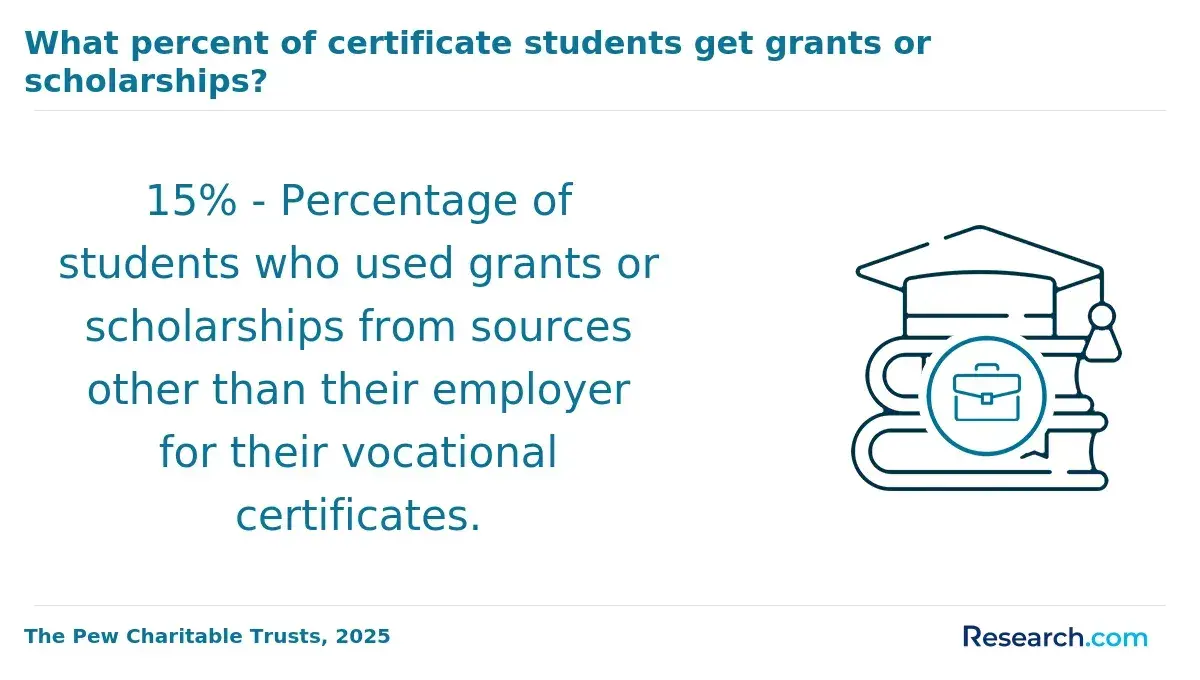
Financial aid can significantly reduce the initial expenses of pursuing a mechanical engineering degree, helping students limit debt and improve their long-term return on investment. Recent data shows that about 70% of graduate students depend on some form of financial support to afford rising tuition and living costs.
Below are common financial aid options that enhance affordability and promote a stronger financial outcome:
- Scholarships: These awards, based on merit or financial need, cut down the overall cost without the requirement of repayment, directly lowering debt load and boosting ROI.
- Grants: Typically awarded for need, grants also do not require repayment and can cover tuition and related expenses, helping students avoid taking out loans.
- Fellowships: Competitive and often research-focused, fellowships provide stipends and tuition coverage, allowing students to concentrate on advanced study while improving career prospects and long-term earnings.
- Employer tuition assistance: Many employers offer programs to reimburse tuition, enabling students to earn degrees while working and minimizing out-of-pocket costs, which enhances ROI by reducing borrowing.
- Federal loans: Though requiring repayment, these loans generally offer lower interest rates and flexible terms compared to private loans, aiding in responsible debt management and maintaining a favorable ROI.
How Long Does It Take to Complete a Mechanical Engineering Degree?
The time to complete a mechanical engineering degree significantly affects its return on investment by influencing opportunity costs, total expenses, and when graduates can start earning. The longer the duration, the more tuition and living costs accumulate alongside lost income, reducing net financial benefits.
Various factors affect this timeline and, consequently, impact overall ROI. Consider these key influences:
- Enrollment status: Full-time students typically finish faster, entering the workforce sooner. Part-time enrollment extends study time, delaying salary growth and increasing costs.
- Program format: Online or accelerated options speed up completion by offering flexible scheduling or condensed coursework, enabling quicker access to earning potential.
- Transfer credits: Applying previous coursework can shrink required semesters, lowering expenses and shortening time to degree.
- Internship and thesis: Practical experiences may lengthen the program but boost employability and long-term earnings, potentially offsetting initial delays.
- Scheduling flexibility: Availability of courses and personal commitments can either accelerate or slow degree progress depending on how well students can manage their time.
I recently spoke with a mechanical engineering graduate who shared her reflections on the length of the program. She noted that while she initially aimed to complete her degree in four years, unforeseen family responsibilities and the desire to undertake a demanding senior thesis extended her studies to five years.
Although the extra year meant more tuition, she stressed that the depth gained from her thesis project and the connections made during internships were invaluable. "It wasn't just about finishing quickly," she said, "but making sure I was really prepared for the field." Her experience illustrates how the time taken to earn the degree, though sometimes longer than planned, can translate into stronger career opportunities and satisfaction.
Is ROI Higher for Online or On-Campus Mechanical Engineering Programs?
The delivery format of a mechanical engineering degree can significantly influence return on investment through differences in tuition costs, flexibility, and career outcomes. Online enrollment in engineering programs has grown by more than 15% annually, reflecting a shift toward remote learning and new opportunities for students balancing work and study. This growth impacts how prospective students evaluate program cost-effectiveness and long-term gains.
Key factors to consider in the online vs on-campus mechanical engineering ROI comparison include:
- Tuition and fees: Online programs often have lower tuition and fewer associated costs, reducing upfront expenses and improving cost effectiveness compared to on-campus options.
- Opportunity cost: The flexibility of online study usually allows students to remain employed full-time, maintaining income and career momentum during their degree.
- Time to completion: On-campus programs may enable faster completion due to structured schedules, while online students often study part-time, potentially extending the timeline.
- Networking and career services: In-person programs typically offer richer networking opportunities and direct access to career resources, which can enhance job placement and earning potential.
- Employer perception: Although some employers have historically favored on-campus degrees, perceptions of online credentials are improving, especially from accredited programs.
For students weighing these factors, understanding how an online mechanical engineering program fits into their personal and professional goals is crucial. Interested readers might also explore related fields such as an accelerated social work degree online for insights on online program structures and ROI.
What Is the Average Salary After Earning a Mechanical Engineering Degree?
Post-graduation salary plays a critical role in determining the return on investment (ROI) of a mechanical engineering degree, as it affects how quickly graduates can repay education costs and accumulate wealth. The average mechanical engineering salary in the US typically ranges from $65,000 to $95,000 annually, varying by experience and location.
Several factors influence these salary outcomes and consequently the degree's ROI:
- Industry: Mechanical engineers working in high-demand sectors such as aerospace or energy generally earn higher salaries compared to those in manufacturing or education, impacting long-term financial benefits.
- Geographic location: Salary levels tend to be higher in urban centers and regions with a strong engineering presence like California, Texas, or the Northeastern U.S., although higher living costs in these areas may affect real income.
- Experience level: Mechanical engineer salary by experience level varies significantly; entry-level salaries are lower, while those with more years of experience or managerial roles typically enjoy greater earnings, enhancing ROI over time.
- Specialization: Professionals focusing on advanced fields like robotics or renewable energy can access increased earning potential and career growth opportunities.
- Prior experience: Internships and hands-on work before graduation often lead to better job offers, faster salary growth, and improved ROI.
For students also exploring related affordable educational paths, there are options like the cheapest online psychology degree, which can offer different but valuable career returns.
Does a Mechanical Engineering Degree Lead to Promotions?
Promotions are a critical factor in evaluating the return on investment of a mechanical engineering degree, as they typically bring salary increases, expanded responsibilities, and enhanced career mobility. These advancements contribute significantly to both the financial and professional benefits that justify the time and cost of earning the degree.
A growing trend in the workforce is the emphasis on credential-based promotions, where formal education increasingly determines eligibility for higher-level roles and leadership positions, particularly in technical fields such as engineering.
Here are some key ways a mechanical engineering degree can influence promotion opportunities and thus improve ROI:
- Credential requirements: Many employers require a mechanical engineering degree as a minimum qualification for advanced roles, ensuring candidates meet technical standards needed for increased responsibilities.
- Leadership preparation: The degree equips professionals with skills necessary for project management and leadership, making them more competitive for supervisory and management positions.
- Employer support: Organizations often provide tuition assistance programs, encouraging employees to obtain degrees like mechanical engineering that prepare them for career advancement.
- Experience synergy: While experience is essential, combining it with a mechanical engineering degree strengthens promotion prospects by demonstrating both practical knowledge and formal education.
- Internal promotion policies: Many companies favor candidates with formal degrees when considering promotions, linking educational attainment directly to career advancement.
Considering the strong connection between educational credentials and promotions, working professionals evaluating mechanical engineering degree career advancement will find that this credential can markedly improve their position in the job market. For those interested in exploring other high paying degrees, mechanical engineering remains a top option with clear ROI benefits.
Which Industries Offer the Best ROI for Mechanical Engineering Graduates?
The return on investment (ROI) for a mechanical engineering degree varies widely by industry due to differences in salary levels, prospects for career progression, and demand for specialized skills. Industries that consistently offer the strongest ROI combine competitive compensation, clear promotion pathways, and steady needs for technical expertise.
Here are several industries known for providing robust mechanical engineering career ROI by industry:
- Aerospace: High salaries and continuous innovation drive demand for mechanical engineers in aerospace. The complexity and safety-critical nature of aircraft and spacecraft technology ensure sustained opportunities for skilled professionals.
- Automotive manufacturing: This sector offers steady advancement and emphasizes efficiency and environmental improvements. Mechanical engineers often progress into managerial or design specialist roles, reflecting solid long-term earning potential.
- Energy (renewable and traditional): Expanding opportunities in wind, solar, and energy storage technologies support strong job stability and attractive salary growth, making this a promising area for mechanical engineering graduates.
- Industrial machinery and manufacturing: Innovation, automation, and maintenance needs in this sector create demand for engineers who can move quickly into technical leadership or operations management roles.
For those exploring options, mechanical engineering is also well suited to individuals seeking fast online degrees that pay well. Considering the top industries for mechanical engineering graduates ROI as part of your career planning can help maximize the value of your education investment.
Does Accreditation Affect ROI for a Mechanical Engineering Degree?
Accreditation signifies that a mechanical engineering degree program meets established quality standards set by recognized organizations, ensuring the curriculum is current, comprehensive, and aligned with industry needs. This formal validation enhances the program's credibility, often making graduates more attractive to employers who increasingly prioritize candidates from accredited programs when hiring or promoting.
Moreover, accreditation directly impacts eligibility for professional engineering licensure exams, a requirement in many states that is crucial for advancing technical careers. These factors collectively shape the degree's return on investment by improving job prospects and future earnings potential.
Beyond immediate employment benefits, accreditation also strengthens long-term ROI by guaranteeing smoother credit transfers and access to federal financial aid, which can decrease educational costs and time to graduation. Employer confidence in accredited degrees fosters greater career mobility and often leads to higher starting salaries or better advancement opportunities.
Additionally, completing an accredited program is typically mandatory for taking the professional engineering exam, opening doors to licensed practice and expanded professional roles. As a result, accreditation plays a pivotal role in maximizing the financial and career returns of earning a mechanical engineering degree.
Is a Mechanical Engineering Degree Worth It?
The return on investment for a mechanical engineering degree hinges on several financial and professional factors. The cost of tuition, fees, and living expenses often requires a multi-year commitment, typically four years, which can delay income generation.
Graduates generally benefit from competitive starting salaries, with median annual wages near $75,000 for early-career mechanical engineers, according to recent data. Career growth prospects and the possibility of higher earnings through specialization or advanced education further contribute to the degree's overall value.
Whether pursuing this degree is worthwhile varies based on individual circumstances. Strong industry demand in sectors like manufacturing, technology, and energy supports positive employment outcomes, especially for those with financial aid or flexible program options.
Conversely, candidates facing high debt burdens or difficulty entering the workforce may find the return less favorable. Ultimately, assessing personal goals alongside market trends and educational format choices is essential for determining if the investment aligns with one's career aspirations and financial situation.
What Graduates Say About The ROI of Their Mechanical Engineering Degree
- Kristy: "Choosing to pursue a mechanical engineering degree on a traditional campus was a significant investment, considering the average cost can exceed $40,000 per year. However, I viewed it as a long-term ROI, knowing the skills and connections gained would propel my career forward. Today, as a practicing engineer, I'm confident the degree was well worth every penny, opening doors to exciting projects and leadership roles."
- Alba: "Opting for an online mechanical engineering program was a flexible choice that balanced cost and career growth. With tuition averaging less than traditional routes, the investment felt manageable and indeed worth it, especially as the field's demand continues to grow. Completing this degree has given me the credibility and expertise needed to advance remotely in a competitive industry."
- Nancy: "As a part-time student in mechanical engineering, I often reflected on the costs versus the benefits, knowing the average attendance fees could be steep. Nonetheless, this degree has been a game-changer in my professional journey, enhancing my technical proficiency and opening up higher-paying opportunities. Balancing work and study was tough, but the career impact has made it unquestionably worthwhile."
Other Things You Should Know About Mechanical Engineering Degrees
Throughout 2027, participating in continuing education programs is known to enhance the ROI of a mechanical engineering degree. These programs often provide specialized skills, making graduates more competitive in the job market and potentially leading to higher salaries, thereby improving overall ROI.
Gaining internships or cooperative education (co-op) experience while studying mechanical engineering significantly improves ROI by providing practical skills and industry connections. Students who complete internships tend to secure higher-paying jobs faster after graduation, reducing the time needed to recoup educational expenses. Work experience also helps in developing professional networks that can lead to better career opportunities.
Yes, the geographic location of where graduates work greatly affects their ROI. States with a strong manufacturing or technology presence typically offer higher salaries for mechanical engineers. However, these areas also often have higher living costs, which can offset salary gains. Prospective students should consider both salary potential and local expenses when evaluating ROI.
References
- 10 Highest Paying Mechanical Engineering Jobs 2025 | Nexford University https://www.nexford.edu/insights/highest-paying-mechanical-engineering-jobs
- Mechanical Engineering BS Salary Guide | University of Bridgeport https://www.bridgeport.edu/news/bachelors-in-mechanical-engineering-salary-guide/
- Faculty of Mechanical Engineering https://wm.pwr.edu.pl/en/candidates/studies/mechanical-engineering
- The Most Popular College Degrees Ranked by Return on Investment (ROI) After 5 Years in the Workforce - StudentChoice.org https://www.studentchoice.org/news/the-most-popular-college-degrees-ranked-by-return-on-investment-roi-after-5-years-in-the-workforce/
- Engineering Scholarships for College Students https://blog.iefa.org/2023/08/03/engineering-scholarships-2/
- Mechanical Engineering https://apply.wseiz.pl/en_GB/courses/course/17-bsc-mechanical-engineering
- is doing mechanical engineering at uni even worth it? https://www.thestudentroom.co.uk/showthread.php


