2027 What Can You Do with a Sports Management Master's Degree? Careers, Salaries & Growth

Co-Founder and Chief Data Scientist
Many aspiring professionals face uncertainty about career prospects after earning a sports management master's degree. Despite the industry's growth, 27% of graduates report difficulty finding roles aligned with their qualifications within the first year. The sports management workforce is expected to grow 10% from 2022 to 2032, outpacing average job market expansion. However, navigating program choices, costs, and the wide array of potential careers demands strategic insight.
This article explores degree structures, admission requirements, salary expectations, and labor market trends. It further compares learning formats and highlights essential certifications, helping readers make informed decisions tailored to their long-term goals and finances.
Key Things to Know About What You Can Do with a Sports Management Master's Degree
- Admission typically requires a bachelor's degree with relevant experience; programs offer flexible formats including online and on-campus, allowing students to balance studies with work commitments.
- Graduates pursue roles in athletic administration, marketing, and event management, with median salaries around $65,000 and growth aligned with the expanding sports industry.
- Long-term earning potential rises significantly with experience and certifications; comparing programs by cost, accreditation, and alumni success helps identify best ROI opportunities.
What Are the Admission Requirements for a Sports Management Master's Program?
Preparing the necessary prerequisites is crucial for a smooth admission process into a sports management master's program. Meeting academic, experiential, and documentation requirements ensures applicants demonstrate readiness for advanced study in this competitive field. According to the U.S. Bureau of Labor Statistics, demand for managerial positions in sports is projected to grow 9% from 2022 to 2032, highlighting strong opportunities for graduates. Key admission components often include the following:
- Undergraduate Degree: Applicants typically must hold a bachelor's degree from an accredited institution, often in a related area such as business, sports science, or communications. This foundational knowledge supports success in specialized graduate coursework.
- GPA Threshold: Many programs require a minimum cumulative GPA-frequently around 3.0 on a 4.0 scale-though some schools may waive this based on professional experience or other qualifications. Maintaining a competitive GPA can strengthen applications for competitive programs focused on requirements for enrolling in a sports management graduate degree.
- Standardized Tests: GRE or GMAT scores may be requested but are increasingly optional. Admission committees use these scores to evaluate quantitative and verbal skills, so applicants should verify specific program policies.
- Supplemental Materials: Letters of recommendation, usually two or three, provide insights into the applicant's potential and work ethic. Personal statements or statements of purpose offer a chance to explain career goals and motivation. Some schools also request writing samples to showcase analytical or communication skills.
- Field-Specific Prerequisites: Prior coursework in economics, marketing, or ethics may be required, depending on program focus. Relevant work experience in sports, event management, or related sectors can significantly enhance an application.
Prospective students looking for financial options should also explore the most affordable online msw programs, which may provide useful insights into cost-efficient graduate education models that could apply to sports management studies.
What Is the Minimum GPA Requirement for a Sports Management Master's Program?
Prospective students often wonder about the minimum GPA requirements when applying to a sports management master's program, especially since the average GPA needed to enter a sports management graduate degree can influence acceptance. Understanding these academic expectations is crucial, as they vary widely and impact admission prospects. Employment in sports management is expected to grow by 9% over the next decade, making it a promising field. Below are key factors related to GPA requirements and admissions considerations.
- Typical GPA Range: Programs generally require a minimum GPA between 2.75 and 3.0 on a 4.0 scale, reflecting baseline academic standards for graduate study in sports management.
- Program Variability: GPA criteria differ depending on program prestige, whether the institution is public or private, and the specific sports management specialization.
- Holistic Admissions: Many schools evaluate applications holistically, considering work experience, letters of recommendation, and personal statements alongside GPA.
- Alternative Strengths: Applicants with GPAs below the expected minimum can enhance their applications with strong professional achievements or test scores.
- Flexible Admissions Review: Some programs recognize diverse backgrounds, allowing a lower GPA to be offset by compelling personal narratives and relevant experience.
For students exploring degree options, various institutions offer pathways with different admission standards. Those considering easiest online degrees might find flexible admissions policies worth exploring as part of their academic planning.
How Much Does a Sports Management Master's Degree Cost and How Can You Finance It?
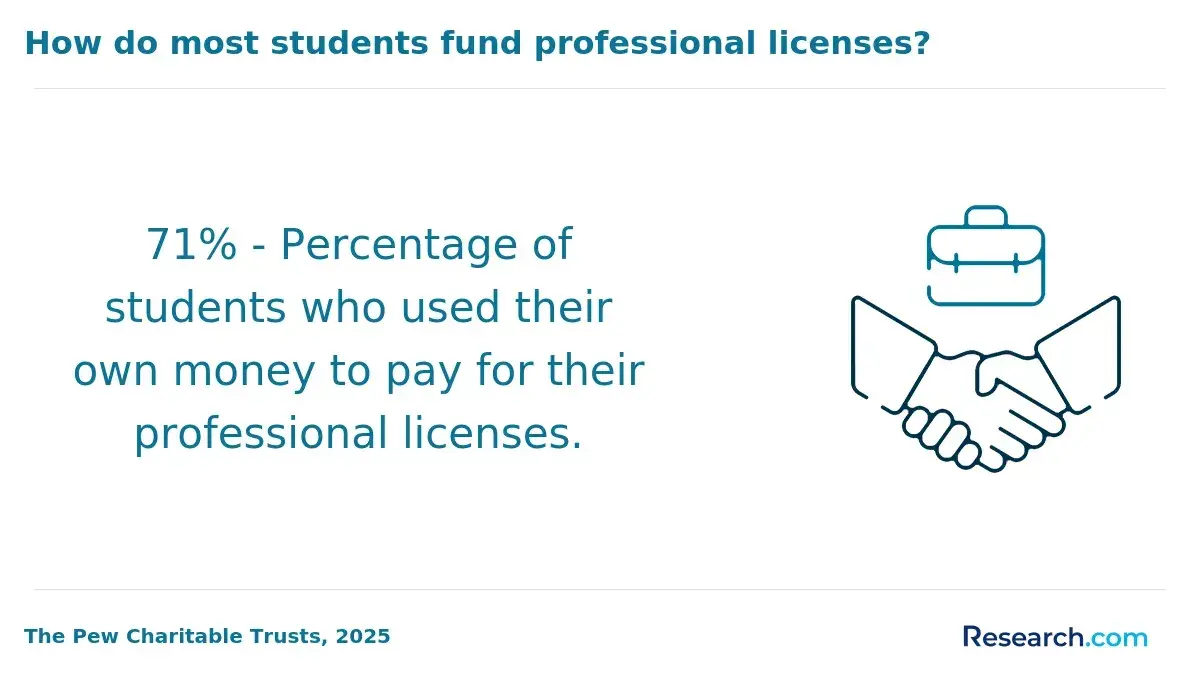
Careful financial planning is essential when preparing for a master's degree in sports management. Knowing tuition costs, additional fees, living expenses, and foregone income helps candidates forecast their budget and assess the financial feasibility of enrollment. The following points highlight key cost factors and funding options to consider.
- Tuition and Fees: Public universities generally charge between $15,000 and $30,000 annually, while private institutions often exceed $40,000. Online programs typically reduce ancillary costs but still require budgeting for technology and course materials.
- Living and Opportunity Costs: Expenses like housing, transportation, and daily living add to overall costs. Full-time study may also mean lost wages that should be included in financial calculations.
- Funding Resources: Scholarships, fellowships, and graduate assistantships are key funding avenues. Employer tuition reimbursement can support working students, and federal student loans remain an option with careful debt management.
- Debt Reduction Strategies: Prioritizing in-state public schools, applying early for fellowships, and seeking teaching or research assistantships with tuition waivers can lower debt. Part-time or online enrollment may allow students to continue earning while studying.
- Assessing Return on Investment: Comparing program costs to average salaries in specific sports management roles helps determine if the degree is a wise financial choice; positions in sports analytics, for instance, often offer strong growth and compensation.
A graduate I spoke with remembered the challenge of balancing full-time work and study while managing tuition payments. "I applied for a graduate assistantship, which covered most of my tuition and gave me valuable experience," they shared. They emphasized that careful budgeting and exploring all funding options were crucial to success. "It wasn't easy, but the investment opened doors in my career that I couldn't have reached otherwise," the graduate concluded, highlighting the importance of planning and perseverance in financing a sports management master's degree.
How Long Does It Take to Earn a Sports Management Master's Degree?
Knowing how long it takes to complete a sports management master's degree is crucial for planning both academically and financially. The average duration of a sports management master's program in the US varies with enrollment status, course load, and program format. Here are the key factors that impact program length:
- Full-Time Enrollment: Typically, full-time students complete the program in 1.5 to 2 years by earning 30 to 36 credit hours, including coursework and practicum or internship commitments.
- Part-Time and Online Programs: These flexible options often extend completion to 3 to 4 years, as students take fewer credits each term. The online format also allows students to adjust pacing according to individual needs, which benefits working professionals or those with family responsibilities.
- Accelerated Programs: Designed for faster completion, some accelerated tracks enable finishing in as little as 12 months but require a more intensive course load and may have selective admissions.
- Combined Bachelor's/Master's Pathways: Dual-degree or fast-track options shorten the total commitment by roughly a year, allowing students to earn both degrees more efficiently.
- Transfer Credits: Accepting prior graduate credits or relevant work experience can reduce required courses, shortening overall program time.
- Thesis vs. Non-Thesis Track: Choosing a thesis often adds several months due to research demands, whereas non-thesis tracks focus on practical coursework and internships.
- Internship or Practicum Requirements: These hands-on experiences can influence timing, especially if scheduled after coursework rather than concurrently.
For those weighing intense study options, examining programs like the 1 year executive mba online can provide insight into accelerated timelines. Prospective students should consider these time frames carefully when exploring sports management master's programs to balance career goals and life commitments effectively.
What Career Paths Are Available with a Sports Management Master's Degree?
Understanding the career opportunities for graduates of a sports management master's program provides valuable insight into the potential professional paths available. This degree prepares students for a range of roles across multiple sectors, enabling growth from entry-level positions to leadership roles. The following points highlight key career pathways where these skills are in demand.
- Industry-Specific Management: Careers often begin in roles such as team management, athletic administration, or event coordination. Over time, professionals can advance to positions like athletic director or general manager, overseeing larger operations within sports organizations.
- Marketing and Sales: Sports marketing and sales roles leverage skills in promotion, branding, and fan engagement. These positions exist both within sports franchises and in related agencies focusing on advertising and sponsorships.
- Government and Nonprofit Sectors: Graduates may engage in community outreach, program development, and public health initiatives that promote physical activity, often working with government bodies or nonprofit organizations to support social goals.
- Academic and Research Roles: Opportunities include sports education, coaching, and research positions within universities or independent institutions, focusing on advancing knowledge and training in the field.
- Private Sector and Technology: This includes careers in sports technology companies, media, and analytics firms, where business acumen and data skills help drive innovation and strategic decisions.
A graduate I spoke with shared that navigating the transition into sports management was initially challenging, especially when competing with candidates holding industry experience. However, the master's program provided practical insights and networking opportunities that made securing a role in sports marketing significantly easier. They emphasized how the curriculum's combination of business fundamentals and sports-specific training sharpened their ability to contribute immediately, accelerating early career growth and opening doors that might otherwise have remained closed.
What Is the Average Salary for Sports Management Master's Degree Holders?
Salary expectations for professionals with a sports management master's degree vary according to experience level, location, employer type, and sector. Compensation generally increases as individuals move from entry-level to senior positions, with private organizations often offering higher starting salaries than public or nonprofit entities. Geographic factors also play a significant role, especially in metropolitan areas with prominent sports industries where pay rates tend to be elevated. Besides base salary, total earnings frequently include bonuses, benefits, and equity stakes, which enhance compensation packages.
Below are the key salary insights summarized.
- Entry-Level Salaries: Starting salaries typically fall between $45,000 and $60,000 annually. Those employed by private sports teams or organizations often earn more than their counterparts in public or nonprofit sectors.
- Mid-Career Earnings: After gaining experience, professionals usually receive salaries ranging from $65,000 to $90,000. Urban centers with large sports markets, like New York and Los Angeles, offer compensation at the upper end of this scale.
- Senior-Level Compensation: Executives such as athletic directors and sports marketing managers can expect to earn between $100,000 and $150,000 or higher. These roles often include performance-based bonuses and profit-sharing arrangements that increase overall remuneration.
- Master's Degree Salary Boost: Holding a master's degree typically results in a 10% to 20% higher salary compared to a bachelor's degree, reflecting enhanced leadership and analytical abilities within the industry.
- Additional Compensation Elements: Total income is frequently supplemented by bonuses linked to performance, health benefits, retirement plans, and potential equity shares, especially in private or startup sports organizations.
What Professional Certifications Complement a Sports Management Master's Degree?
Several professional certifications can significantly enhance the value of a sports management master's degree, improving career prospects and salary potential. Below are key certifications to consider, along with strategic advice on their timing relative to your academic journey and career development.
Here are the most valuable credentials that complement Certified Sports Management Professional courses and related degrees:
- Certified Sports Manager (CSM): Offered by Sports Management Worldwide, this credential requires a combination of education and significant professional experience in sports management. Candidates must pass an exam emphasizing industry knowledge and ethical practices. Renewal demands continuing education credits every three years. It is highly regarded by sports agencies, teams, and event management firms, making it ideal for those targeting operational or managerial roles.
- National Association of Sports Officials (NASO) Certification: This certification supports careers in sports officiating and event oversight. Eligibility depends on officiating experience and passing a written exam. Maintenance includes periodic re-evaluation and ongoing training. It is particularly valuable for those aiming at regulatory or officiating positions within sports events.
- Certified Sports Marketing Professional (CSMP): Offered through the Sports Marketing Association, this designation focuses on skills in sponsorship, branding, and digital marketing. Candidates must demonstrate relevant work experience and pass a comprehensive exam. Renewal requires ongoing education every two years. Employers in marketing agencies and major sports franchises prefer this credential.
Strategically, pursuing certifications during or immediately after completing your master's program offers the best chance to integrate academic knowledge with credentialing requirements. This approach often facilitates internships or entry-level roles that support exam preparation. Alternatively, earning certifications after gaining industry experience can better position you for leadership or specialized functions. For students concerned about program costs, researching the cheapest masters degrees may reveal options that optimize your investment in professional development and credentials.
What Are the Top Industries Hiring Sports Management Master's Degree Graduates?
For prospective students pursuing a sports management master's degree, understanding which industries actively employ graduates can help shape career planning. This knowledge assists in aligning internships, networking, and coursework with sectors offering the strongest job prospects. Below is a ranking of key industries by employment size and growth potential, highlighting roles, employer profiles, and valuable skills or certifications.
- Professional, Scientific, and Technical Services: This sector is one of the largest employers of sports management graduates, featuring roles such as athletic directors, event coordinators, and sports marketing managers. Employers tend to be medium to large firms, where certifications in project management or digital marketing enhance job competitiveness.
- Spectator Sports Industry: Graduates often fill front office positions with professional teams, leagues, and stadium operations. Employers range from nonprofits to major franchises, requiring familiarity with sports law and facility management. The U.S. Bureau of Labor Statistics projects employment growth here to outpace the average through 2031, fueled by rising fan engagement and sponsorship revenues.
- Sports and Recreation Instruction: This growing field includes work in community programs, health clubs, and youth sports. The employers are often smaller organizations valuing candidates skilled in exercise science and regulatory compliance to maintain safety standards.
- Emerging Sectors: Esports and Sports Analytics: Technological advances have opened opportunities in esports organizations and data-driven sports decision-making. Proficiency in data analysis, specialized software, and knowledge of digital platforms are essential for success in these innovative areas.
- Focused Preparation: Students aiming for these industries should pursue targeted internships and build professional networks within their chosen fields. Coursework emphasizing business analytics, sports legal issues, and digital media can significantly improve employment prospects.
What Are the Highest-Paying Jobs for Sports Management Master's Degree Holders?
Choosing career paths with strong earning potential is a key consideration for those pursuing a master's in sports management. High salaries often align with roles that demand extensive experience, advanced skills, and sometimes additional certifications or degrees. Geographic location and the type of employer, such as collegiate programs versus professional leagues, also strongly impact compensation levels. Below is an overview of several top-paying roles typically accessible with this graduate credential.
- Athletic Director: These leaders manage sports programs within educational institutions or professional organizations, overseeing budgets, staff, and compliance with regulations. Salaries typically range from $80,000 to $150,000, with the highest income in NCAA Division I schools or major leagues. Experience managing teams coupled with relevant certifications enhances earnings in this role.
- Sports Marketing Director: Responsible for developing marketing strategies to increase brand visibility, these directors require strong digital marketing, sponsorship negotiation, and brand management skills. Median salaries generally fall between $90,000 and $140,000, particularly in large sports markets. Earning credentials like the Certified Sports Marketing Professional (CSMP) can provide a competitive advantage.
- General Manager: Tasked with player contracts, team operations, and long-term strategic planning, general managers in professional sports command the highest salaries, often exceeding $200,000. Expertise in negotiation and sports law is vital, and combining a master's degree with legal qualifications or extensive experience positions candidates for top-tier compensation.
- Sports Agent: Agents represent athletes in negotiating contracts and endorsements, earning variable but potentially very high income through commissions. Success in this role requires professional licensure, certification, and strong networking abilities to secure lucrative deals.
- Event Manager for Major Sports Events: These professionals coordinate large sports events through logistics and vendor negotiation. Salaries range from $70,000 to $130,000, often higher for global events such as the Olympics or World Cup. Prior experience and certifications in event management typically increase compensation prospects.
What Is the Job Outlook and Employment Growth for Sports Management Professionals?
Prospective students considering a master's degree in Sports Management should understand the job outlook for sports management professionals in the US to gauge potential career opportunities. Employment growth projections for sports management careers indicate a positive trend, with demand influenced by various economic, technological, and demographic factors.
- Faster-Than-Average Employment Growth: The U.S. Bureau of Labor Statistics projects that jobs in sports management-such as agents, athletic directors, and event coordinators-will grow slightly faster than the national average for all occupations, reflecting strong ongoing demand.
- Economic Drivers: Increased consumer spending on sports and fitness activities fuels job growth, supported by rising interest in live sporting events and expanding media coverage, which broaden the scope of available roles.
- Technological Advances: Innovations like digital marketing and data analytics are reshaping the sector, creating new opportunities while automation threatens some routine administrative tasks, highlighting the need for strategic skills.
- Demographic Shifts: A growing youth population and an aging demographic focusing on wellness and recreational sports contribute to expanding employment prospects.
- Globalization and Policy Changes: International sports agreements and evolving labor regulations present both challenges and opportunities, influencing how sports management professionals navigate the global market.
For those comparing program formats, options including an online construction management program offer flexibility that can complement a career transition into sports management. Evaluating these projections alongside program features helps align educational investments with long-term career goals.
What Skills and Competencies Does a Sports Management Master's Program Develop?
Prospective students pursuing a master's degree in Sports Management should understand the essential skills cultivated throughout the program, as these competencies shape career readiness and versatility across multiple sectors.
- Technical Expertise: Students develop proficiency in data analysis, financial oversight, marketing tactics, and the application of sports analytics tools, enabling them to handle complex operational tasks effectively.
- Research and Evaluation: Instruction in research methodologies and project assessment equips graduates with analytical skills critical for evidence-based decision-making and program optimization.
- Leadership and Communication: Emphasis on leading teams, clear interpersonal dialogue, and persuasive communication prepares students to navigate diverse organizational environments and collaborate efficiently.
- Critical Thinking and Problem-Solving: Graduates learn to analyze situations from multiple perspectives and devise innovative solutions, enhancing adaptability beyond the sports industry.
- Experiential Learning: Internships, case studies, simulations, and collaborative projects provide practical contexts to apply theoretical concepts, bridging classroom knowledge with real-world scenarios.
- Transferable Competencies: The cultivated skill set is relevant not only in sports but also in event coordination, business development, and nonprofit management, broadening career options.
- Employer Priorities: Leadership ability, interpersonal skills, and quantitative analysis are consistently highlighted by employers as vital attributes for driving success and innovation within sports organizations.
What Graduates Say About Their Sports Management Master's Degree
- Sally: "Applying for admission to the sports management master's program was initially overwhelming, but diving into official academic catalogs really helped clarify the curriculum and prerequisites. I also appreciated learning how to identify properly accredited institutions, which made me confident in choosing the right school. This approach gave me a solid foundation and peace of mind throughout my studies."
- Nicholas: "Reflecting on my journey, I found that navigating the landscape of accredited sports management programs demanded careful research and patience. Utilizing federal education resources was crucial to understanding degree requirements and staying compliant with academic standards. Overall, the experience reinforced the importance of thorough preparation before and during enrollment."
- Jaxon: "My enthusiasm for sports management grew as I explored a variety of accredited institutions offering master's degrees online. Relying on official catalogs and accrediting agencies not only streamlined my application process but also ensured I was on the right track academically. This transparency made the entire experience rewarding and motivating."
Other Things You Should Know About Sports Management Degrees
In 2027, a sports management master's degree offers growth opportunities in various sectors such as team management, sports marketing, and event coordination. With the sports industry continuously expanding, it provides avenues for leadership roles, enhancing career progression within sports organizations and related businesses.
Both online and on-campus sports management programs offer credible education, but the choice depends on personal circumstances. Online degrees provide flexibility for working professionals or international students, while on-campus programs may offer stronger networking opportunities and access to practical experiences such as internships. Accreditation and faculty expertise are key factors to consider regardless of the format.
Top sports management programs are often housed within universities known for strong business and athletic departments. Schools such as the University of Massachusetts Amherst, University of Florida, and Ohio University are widely recognized for their comprehensive curriculum and industry connections. Prospective students should evaluate program content, alumni network, and hands-on opportunities when selecting a school.
The prerequisites for enrolling in a sports management master's program typically include a bachelor's degree in a related field, such as business or kinesiology, and possibly GMAT or GRE scores. Each institution may have specific GPA requirements and additional documentation like recommendation letters.
References
- How to Apply https://www.usfca.edu/arts-sciences/programs/graduate/sport-management/how-to-apply
- Admissions Requirements https://www.barry.edu/en/academics/business/sport-management-ms/admissions-requirements
- Why you shouldn’t study a Master’s in Sports Management https://sportmadness.club/en/why-you-shouldnt-study-a-masters-in-sports-management/
- Sports Management Salary Stats - What You’ll Earn (2023) https://sportsmanagementdegrees.net/salary/
- What can you do with a sports management degree? - AISTS https://aists.org/what-can-you-do-with-a-sports-management-degree/
- Sports Management Salary Guide https://www.allbusinessschools.com/sports-management/salary/
- Career Outlook For Sports Management - Sports Management Degree Hub https://www.sportsmanagementdegreehub.com/career-outlook-for-sports-management/
- What are the career options after a master's degree in sports management? - INSEEC https://www.inseec.com/en/guides/career-path-guide/what-are-the-career-options-after-a-masters-degree-in-sports-management/
- What Can I Do with an MBA in Sports Management? https://go.tiffin.edu/blog/what-can-i-do-with-a-masters-in-sports-management/
- MS in Sport Management, Online | Georgia Southern https://www.georgiasouthern.edu/degrees/masters-in-sport-management-online