
2027 Certified Nurse Aide (CNA) License Education Requirements in Nebraska

Co-Founder and Chief Data Scientist
Nebraska's healthcare sector demands skilled Certified Nurse Aides (CNAs), with employment projected to grow 12% over the next decade, surpassing the national average. This growth reflects a rising need for compassionate professionals to support an aging population. The value of pursuing a CNA license in Nebraska lies not only in job stability but also in the opportunity to make a tangible difference in patient care. Success requires more than training; it demands understanding the precise education pathways that align with state standards and regulatory frameworks.
This article, crafted by experts in career planning, explores the specific education requirements to obtain a CNA license in Nebraska. Readers will find clear, up-to-date information tailored to their goals, ensuring informed decisions in navigating the licensing process. By challenging assumptions about entry barriers, the discussion empowers future CNAs to strategically plan their path forward.
Key Things to Know About CNA License Education Requirements in Nebraska
- Nebraska mandates completion of a state-approved CNA training program with at least 75 hours of combined classroom and clinical instruction, ensuring comprehensive hands-on experience.
- Applicants must pass a competency evaluation exam that includes both written and practical skills tests, reflecting the state's commitment to patient safety and quality care.
- The high demand for CNAs in Nebraska's healthcare sector underscores the strategic value of obtaining licensure promptly to access a growing workforce market.
- What are the education requirements to become a CNA in Nebraska?
- What subjects are taught in CNA classes in Nebraska?
- What steps are required to get a CNA license in Nebraska?
- How long does it take to receive a CNA license in Nebraska?
- How often do you need to renew your CNA license in Nebraska?
- What continuing education is required for CNAs in Nebraska?
- What are the best strategies for professional development as a CNA in Nebraska?
- Can out-of-state CNAs transfer their license to Nebraska?
- Which employers hire newly certified nurse aides in Nebraska?
- What is the average salary for CNAs in Nebraska?
- How can CNAs in Nebraska advance to higher nursing roles?
What are the education requirements to become a CNA in Nebraska?
Formal education and training form the backbone of competent healthcare provision, especially for Certified Nurse Aides (CNAs) in Nebraska. Through structured programs, CNAs gain the essential skills and knowledge needed to navigate complex healthcare environments, ensuring both patient safety and quality care. This foundation fosters confidence and professionalism across acute hospitals, long-term care, and assisted living facilities. Below are the key education components shaping the journey of aspiring CNAs in Nebraska.
- Age and Language Proficiency: Candidates must be at least 16 years old and capable of communicating fluently in English or a commonly spoken language within healthcare settings. This requirement promotes clear and effective interaction with patients and staff, which is indispensable in urgent or sensitive situations.
- State-Approved Training Program: Enrolling in a Nebraska CNA training program approved by the state is mandatory. These programs, lasting around 76 hours, blend classroom learning with practical sessions, aligning with the strict criteria of Nebraska CNA training programs to ensure comprehensive preparation.
- Clinical Training Experience: Hands-on clinical practice is indispensable, exposing students to real-life scenarios that deepen their understanding of patient care. This immersive experience builds both competence and empathy, which are crucial in delivering nuanced care tailored to individual needs.
- Competency Exams: Success requires passing both written and practical exams. These assessments guarantee that only those with verified knowledge and skills can join the Nebraska Nurse Aide Registry, upholding professional standards.
For those curious about long-term career prospects beyond becoming a CNA, exploring what is a salary for nurse practitioner by state provides valuable insights into advanced nursing opportunities.
What subjects are taught in CNA classes in Nebraska?
Certified Nurse Aide training programs in Nebraska are carefully structured to provide students with both the essential theoretical knowledge and practical skills required for competent patient care. Designed to prepare candidates for real-world healthcare environments, these programs balance classroom learning with supervised clinical practice. Below is an outline of the key subjects emphasized in the CNA course curriculum in Nebraska.
- Basic Nursing Skills: This foundational subject teaches everyday patient care tasks such as bathing, feeding, dressing, toileting, and mobility assistance. Mastery of these skills is crucial for ensuring patients' comfort and dignity while supporting their independence.
- Anatomy and Physiology: Understanding the human body and its systems-especially musculoskeletal, cardiovascular, and respiratory-is vital. This knowledge enables nurse aides to identify normal versus abnormal conditions and communicate effectively within the healthcare team.
- Infection Control: Training includes essential protocols like proper hand hygiene, use of personal protective equipment, cleaning procedures, and isolation techniques to prevent healthcare-associated infections. Protecting patients and staff alike hinges on strict adherence to these practices.
- Communication Techniques: Effective verbal and nonverbal communication with patients, families, and medical personnel is emphasized. Skills such as active listening and accurate documentation greatly enhance patient care quality and safety.
- Patient Safety Procedures: Educational focus here covers fall prevention, safe body mechanics for lifting and transfers, emergency protocols, and hazard recognition. These procedures minimize harm and foster a secure care environment.
- Personal Care Skills: Instruction on daily living activities such as grooming, oral care, and skin care supports patient well-being and self-esteem, particularly important in long-term care settings.
- Nutrition and Hydration: Candidates learn about balanced diets, feeding techniques, monitoring intake, and managing dietary restrictions. Proper nutrition is central to recovery and overall health.
- Recognizing and Reporting Changes in Patient Condition: Students are taught to observe subtle or sudden changes in mental or physical status and report them promptly, enabling timely interventions.
- Rights and Ethics: This covers legal obligations, patient confidentiality, respect for rights, and professional conduct to ensure ethical caregiving.
- End-of-Life Care: Some CNA programs include compassionate care approaches for terminally ill patients and support for their families during the dying process, highlighting the emotional sensitivity required in these critical moments.
Those pursuing CNA certification may also consider career paths with growth potential such as a psychiatric nurse practitioner, reflecting the diverse opportunities in healthcare.
What steps are required to get a CNA license in Nebraska?
Completing the licensing process for Certified Nurse Aides in Nebraska is not merely a formality; it represents a commitment to maintaining rigorous standards that protect patient well-being and uphold the integrity of healthcare. This process serves as a critical filter, ensuring only those with verified skills and ethical standing enter the profession. The following steps define the pathway to becoming a licensed CNA in Nebraska:
- Eligibility and Application: Candidates must be at least 16 years old and have a high school diploma or GED. Enrollment in a state-approved CNA training program is required to build foundational knowledge necessary for competent patient care.
- State-Approved Training Program: This involves completing a minimum of 75 hours of instruction that combines theory with hands-on clinical experience under the supervision of a Registered Nurse, fostering practical proficiency and critical thinking.
- Background Check: A thorough criminal background check safeguards the vulnerable populations CNAs serve, reinforcing trustworthiness and professional accountability.
- CNA Competency Exam: Passing the written (or oral) and clinical skills exam is essential to demonstrate mastery of both knowledge and practical abilities, validating readiness for real-world challenges.
- State Certification Application: Submission of training and exam documentation along with fees to the Nebraska Nurse Aide Registry formalizes the candidate's certified status within the state healthcare system.
- Registration and Renewal: Certified CNAs must maintain active registration by evidencing employment or retesting every two years, which ensures ongoing competence and adaptation to evolving care standards.
How long does it take to receive a CNA license in Nebraska?
The timeline for becoming a licensed Certified Nurse Aide (CNA) in Nebraska is not a fixed journey. It fluctuates depending on several factors such as the length of the training program chosen, the scheduling of required exams, and the time the state takes for processing paperwork.
These variables often challenge the straightforward notion that certification simply follows a set series of steps completed in a predictable timeframe. Navigating these obstacles requires a candidate to remain adaptable and mindful of external conditions beyond their control.
Typically, completing a CNA training program in Nebraska can range from approximately five to sixteen weeks. Following training, candidates must pass both a written and practical skills exam, after which successful applicants await their official registry listing. This final step usually takes up to 30 days post-exam.
However, the process can be delayed if testing dates are limited or background checks take longer to complete. Some programs offer accelerated paths that can shorten training to as little as five or six weeks, but such speed may not accommodate all candidates' circumstances. Transfers from other states introduce additional steps, including supplementary coursework and application requirements, further extending the timeline.
An experienced Nebraska CNA from a local training school shared his insights about this process: "The academic part was intense but clear-cut, yet the waiting afterward felt the longest." He reflected how scheduling the skills exam around work meant flexibility was key.
"Applying for the license took longer than I expected-almost a month just for processing. Patience was crucial." His story highlights how the process, while structured, intersects with real-life unpredictability, making the journey toward certification a unique experience for each individual.
How often do you need to renew your CNA license in Nebraska?
Maintaining an active CNA license is more than a formality; it safeguards the standards of care and professional competency expected in Nebraska's healthcare settings. The renewal process is designed to verify that certified nursing assistants stay current with regulations and continue practicing under proper supervision. This ongoing validation helps protect both patients and CNAs in a rapidly evolving healthcare environment. Below are the critical points about the CNA license renewal Nebraska process:
- Renewal Frequency: CNA licenses in Nebraska require renewal every two years, a timeline that balances administrative efficiency with the need for regular professional evaluation.
- Renewal Deadlines: Unlike many states, Nebraska does not impose a strict deadline for submitting renewals before expiration. However, staying proactive prevents lapses in registry status that can affect employment opportunities.
- Renewal Fees: There is no fee when renewing your CNA certification Nebraska on time. Yet, if the license becomes inactive for more than two years, retaking the competency exam may be necessary, underscoring the importance of timely renewal.
- Work Requirements: To qualify for renewal, CNAs must have completed at least 8 hours of supervised paid work performing nursing duties in the past 24 months. This practical engagement ensures that skills remain sharp and relevant.
- Continuing Education: Nebraska does not mandate continuing education for CNAs at renewal, emphasizing active work experience over classroom hours in demonstrating ongoing competency.
- Registry Updates: It is essential for CNAs to keep their registry details, such as contact information, current to facilitate verification by employers and regulatory bodies.
For those considering further professional advancement, exploring direct entry MSN NP programs can provide a valuable path beyond CNA certification.
What continuing education is required for CNAs in Nebraska?
Continuing education plays a critical role in helping certified nurse aides (CNAs) maintain their skills, adapt to changes in healthcare, and provide the highest standard of patient care in Nebraska. As medical protocols evolve, so must the competencies of those on the front lines of caregiving. Reflecting on the unique approach Nebraska takes to CNA competency, here are essential points about the continuing education landscape for these professionals.
- Active Practice Over Formal Hours: Nebraska does not require CNAs to complete a set number of continuing education hours for renewal. Instead, CNAs must demonstrate active employment by working in a paid nursing aide role at least one shift within a 24-month period, emphasizing practice-based skill retention rather than classroom learning.
- Competency Evaluations for Reactivation: Those inactive for over 24 months face more than mere renewal. They must pass a Nebraska-approved competency evaluation, combining skills demonstrations and written or oral tests, ensuring only qualified aides regain active status.
- Voluntary Education and Skill Enhancement: Though not mandatory, many CNAs opt for additional training through employers or community colleges. This ongoing development can open doors to career advancement and deeper patient care expertise, moving beyond minimum state requirements.
- Flexible Learning Formats: Nebraska itself does not dictate acceptable continuing education formats, allowing aides to pursue online or in-person courses to fit their professional goals. This flexibility supports diverse learning preferences and can complement hands-on experience effectively.
- Recordkeeping and Documentation: While formal continuing education hours are not mandated, maintaining documentation of active employment and any voluntary training is wise. Clear records support seamless verification during registry renewal or reactivation processes.
For CNAs considering further education pathways, exploring options such as easiest neonatal nurse practitioner online programs can inspire growth beyond foundational roles.
What are the best strategies for professional development as a CNA in Nebraska?
Continuous professional development is key to sustaining a competitive edge in Nebraska's evolving healthcare landscape. CNAs are encouraged to pursue targeted certifications and skill-enhancement workshops, attend industry conferences, and join local professional networks that enable knowledge sharing and mentorship opportunities. These initiatives not only bolster clinical proficiency but also foster leadership qualities critical for career advancement.
Exploring supplementary roles can further diversify a CNA’s skill set. For instance, acquiring additional training may open pathways to complementary healthcare professions, such as how to become a medical assistant in Nebraska. This integrated approach ensures that practitioners remain adaptable, informed, and aligned with both current and future industry requirements.
Can out-of-state CNAs transfer their license to Nebraska?
Nebraska does allow out-of-state Certified Nurse Aides (CNAs) to transfer their licenses through a process called reciprocity or endorsement. However, this pathway is not automatic; CNAs must hold an active, unencumbered certification in good standing from their original state.
Nebraska requires a verification of good conduct and completion of a minimum one-hour training focused on Nebraska-specific abuse, neglect, and misappropriation standards. Unlike some states, Nebraska does not require fingerprinting or employer involvement in the application process.
The transfer involves submitting an Interstate Endorsement application, providing proof of current certification and identity, and completing the required Nebraska-specific training. There are fees mainly related to that training, but no additional competency exams are required. The whole process usually takes a few weeks, provided all documents are complete and accurate.
When I spoke with a certified nurse aide who graduated from a Nebraska program, she shared that while the process seemed straightforward on paper, navigating the nuances of submitting all the correct documents initially felt daunting. She mentioned, "Even though I was familiar with the training, completing the Nebraska-specific abuse course helped me understand local expectations better."
Reflecting on out-of-state colleagues, she emphasized the importance of patience and attention to detail during the endorsement process, noting it can be a welcome opportunity to deepen one's professional understanding rather than just a bureaucratic hurdle.
Which employers hire newly certified nurse aides in Nebraska?
Newly certified nurse aides in Nebraska have diverse opportunities in healthcare environments that require hands-on patient care and support for licensed nurses. The demand for entry-level CNAs spans various types of facilities committed to delivering quality long-term and acute care, reflecting the state's ongoing healthcare needs.
- Nursing Homes and Long-Term Care Facilities: CNAs in these settings assist residents with daily living tasks, monitor vital signs, and provide companionship to those needing continuous care. These facilities favor new graduates because they offer structured training and mentorship, essential for building foundational skills.
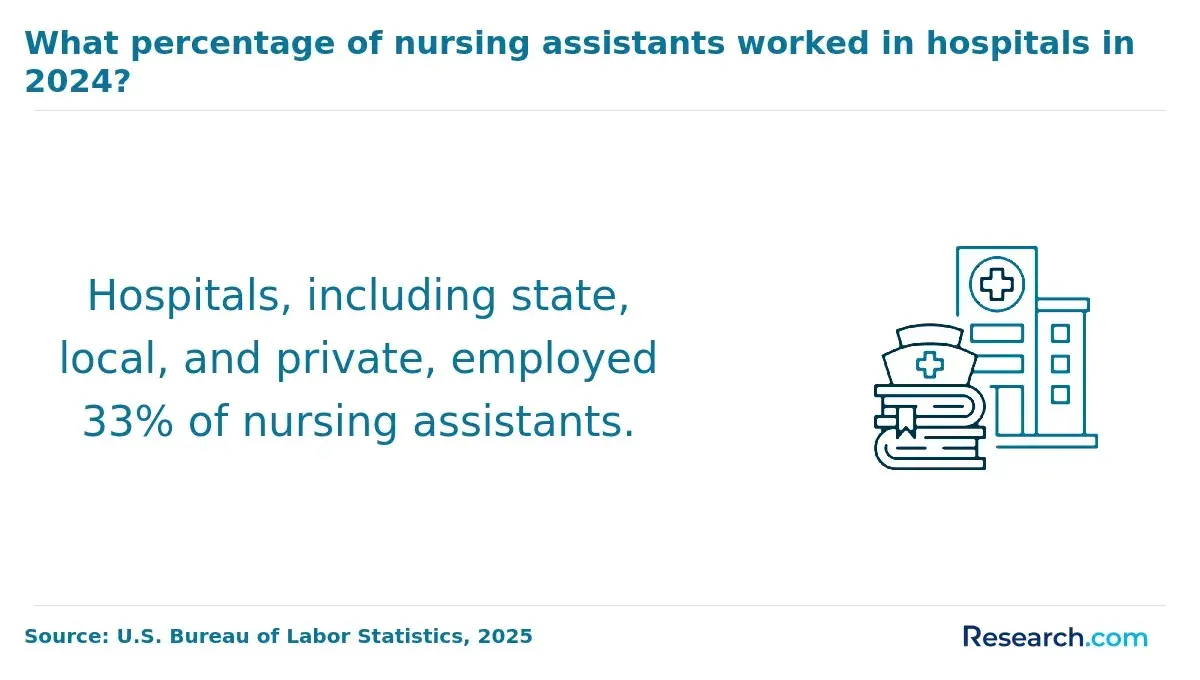
- Hospitals: Hospitals across Nebraska, including major metropolitan areas, employ CNAs to support nursing staff with patient hygiene, vital monitoring, and hourly rounds. Entry-level CNAs benefit from comprehensive orientation and potential career growth within the hospital system.
- Assisted Living Communities: CNAs help residents maintain independence by assisting with daily activities, medication reminders, and mobility support. The lower acuity level in these facilities allows new CNAs to gain confidence and refine their abilities in a nurturing environment.
- Home Health Agencies: Providing in-home personal care and companionship, CNAs in these agencies often operate with minimal supervision, offering flexible weekday schedules and competitive wages that appeal to those seeking balance alongside clinical experience.
- Rehabilitation Centers: CNAs support patients recovering from injuries or surgeries by assisting with mobility exercises and daily living activities under professional supervision. The dynamic nature of rehabilitation exposes CNAs to a variety of patient conditions and therapeutic methods, promoting professional growth.
What is the average salary for CNAs in Nebraska?
Certified nurse aide earnings Nebraska fluctuate notably with experience, work setting, and geographic location. These salary variations shape career decisions and influence how CNAs evaluate job opportunities to maximize their professional growth. Grasping this complex landscape offers a practical edge for those navigating the healthcare field. Below are crucial points revealing the dynamics behind the average CNA salary in Nebraska:
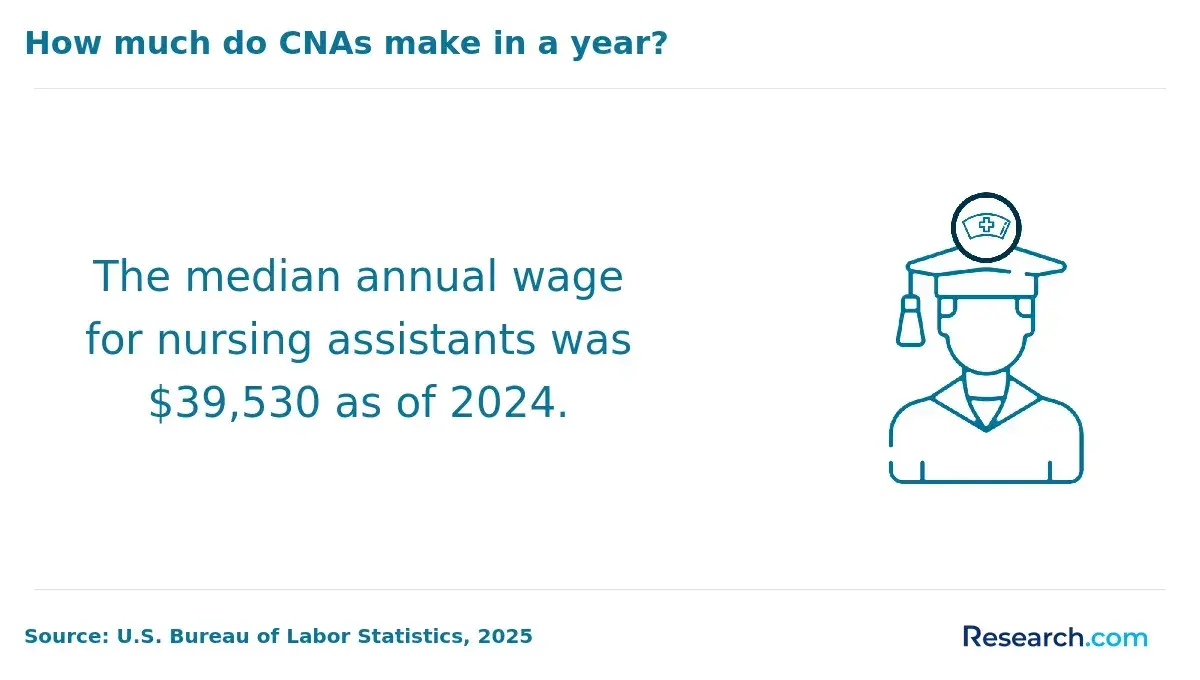
- Average Hourly and Annual Earnings: The median wages for CNAs hover around $17.34 per hour, translating to roughly $36,077 annually. Though slightly below the national average, these figures highlight Nebraska's placement in the broader market and set realistic expectations for newcomers.
- Pay Variation by Experience Level: Entry-level CNAs may start near $13.19 per hour, but earnings rise steadily with experience, reaching approximately $22 per hour at the top percentile. This growth underscores the critical value of accumulating hands-on skills over time.
- Geographic Pay Differences: Compensation in urban centers like Omaha differs largely from more rural areas. Omaha CNAs average $16.88 hourly, but wages can fluctuate widely based on local demand and facility type, illuminating how location influences certified nurse aide earnings Nebraska.
- Facility Type and Work Setting Impact: Hospitals, nursing homes, and home health agencies offer divergent pay scales; differences up to $9,600 annually exist depending on complexity and care intensity. Understanding these distinctions aids CNAs in targeting roles aligned with financial goals.
- Additional Earning Factors: Beyond base pay, factors like overtime, night shifts, and bonuses can significantly augment income streams - elements that should be factored into a holistic salary assessment.
For those considering advancement within healthcare, exploring the ranking of cheapest online psychiatric nurse practitioner programs offers insight into efficient educational pathways that complement CNA experience and open new financial vistas.
How can CNAs in Nebraska advance to higher nursing roles?
Many certified nurse aides (CNAs) in Nebraska leverage their foundational healthcare experience as a critical stepping stone toward more advanced nursing careers. This progression often demands additional education, certification, and extensive clinical training to develop the skills necessary for higher responsibilities and improved earnings. Understanding these pathways can empower CNAs to strategically plan their career advancement. Here are common routes CNAs take to elevate their nursing roles in Nebraska:
- Medication Aide (CMA): CNAs can complete an approved medication aide course requiring about 40 hours of classroom and clinical training to gain certification. This credential permits medication administration in certain settings and generally leads to a modest salary increase.
- Licensed Practical Nurse (LPN): By enrolling in a state-approved practical nursing program, usually lasting around 12 months, and passing the NCLEX-PN exam, CNAs can become LPNs. This role offers a significant salary boost compared to CNA positions.
- Registered Nurse (RN): Pursuing an associate or bachelor's degree in nursing (2-4 years) followed by passing the NCLEX-RN exam allows advancement to RN status, which commands substantially higher wages and broader career options.
- Specialized Nursing Roles: After becoming an RN, nurses may obtain certifications in specialized fields such as critical care or geriatrics, often supported by employer tuition assistance, leading to leadership roles and higher salaries.
- Healthcare Management and Education: With advanced degrees and experience, CNAs can transition into administrative, educational, or case management positions, which typically offer even greater compensation and professional influence.
- Apprenticeship and Employer-Sponsored Pathways: Programs offered by healthcare employers provide on-the-job training, tuition support, and job placement guarantees, enabling CNAs to advance while maintaining employment.
What do CNAs in Nebraska say about their career?
- David: "Completing the certified nurse aide program at Lincoln Healthcare Academy was a pivotal moment in my life. The hands-on training prepared me thoroughly for working in local schools, where I began my career supporting students with special needs. I find great fulfillment in knowing that my role contributes directly to their well-being and academic success. Nebraska's tight-knit communities make this work especially rewarding because you see the impact every day in familiar faces. The stability of this career path also gives me confidence in my professional future."
- Chen: "Attending Omaha Nursing Institute introduced me to the complexities and rewarding challenges unique to providing care in Nebraska's rural schools. Starting as a certified nurse aide in this environment allowed me to develop adaptability and cultural sensitivity, particularly when assisting children from diverse backgrounds. This role has fostered tremendous personal growth, as I witness firsthand the positive influence healthcare professionals can have on young lives. I'm proud to be part of a profession that supports my community in such a meaningful way."
- Aisha: "My training at Bellevue CNA School was robust and career-focused, equipping me with skills that propelled me into a certified nurse aide position within a local academic institution. I appreciate how Nebraska's healthcare sector offers strong opportunities for advancement, encouraging continual professional development. This job challenges me intellectually and emotionally, as I balance compassion with practical care. Being able to serve children while advancing my nursing qualifications has made this career path both exciting and sustainable."
Related Articles for Nearby States
- 2027 Certified Nurse Aide (CNA) License Education Requirements in Kansas
- 2027 Certified Nurse Aide (CNA) License Education Requirements in South Dakota
- 2027 Certified Nurse Aide (CNA) License Education Requirements in Iowa
- 2027 Certified Nurse Aide (CNA) License Education Requirements in Colorado
- 2027 Certified Nurse Aide (CNA) License Education Requirements in Missouri
- 2027 Certified Nurse Aide (CNA) License Education Requirements in Wyoming
- 2027 Certified Nurse Aide (CNA) License Education Requirements in Minnesota
- 2027 Certified Nurse Aide (CNA) License Education Requirements in Oklahoma
- 2027 Certified Nurse Aide (CNA) License Education Requirements in North Dakota
- 2027 Certified Nurse Aide (CNA) License Education Requirements in Illinois
References
- NHCLC | Nurse Aide and Medication Aide https://nehca.org/NEHCA/NEHCA/Educate/DCS.aspx
- Exploring Career Pathways: From Nurse Aide to Advanced Healthcare Roles - WeCareOnlineClasses https://wecareonlineclasses.com/exploring-career-pathways-from-nurse-aide-to-advanced-healthcare-roles/
- How to Get Certified in Other States as a Traveling CNA - Marvel Medical Staffing https://marvelmedstaff.com/how-to-transfer-license-as-a-traveling-cna/
- How To Become A Certified Nursing Assistant (CNA) https://enrollatquality.com/become-cna-omaha/
- CNA Refresher Online Courses | Omaha https://www.methodistcollege.edu/nursing/certificates/certified-nursing-assistant/refresher
- Certified Nurse Assistant (CNA) Salary by State | 2025 https://nurse.org/education/CNA-salary/
- CNA Certification Requirement By State https://www.registerednursing.org/certified-nursing-assistant/certification/
Other Things You Should Know About Certified Nurse Aide (CNA) License Education Requirements in Nebraska
In 2027, to become a CNA in Nebraska, applicants must complete a state-approved training program, which includes at least 75 hours of instruction, and pass a competency exam. This training emphasizes practical skills essential for patient care. Once completed, individuals can apply for certification through the Nebraska Department of Health and Human Services.
In Nebraska, CNA training programs in 2027 focus on practical skills such as taking vital signs, assisting with daily living activities, infection control, and basic nursing care. These skills are crucial for providing daily support to patients and ensuring high-quality healthcare service. Completion of state-approved training is necessary before taking the certification exam.
In Nebraska, CNAs must complete 12 hours of in-service continuing education every year to maintain their certification. The training covers topics relevant to safe and effective patient care, ensuring CNAs remain well-equipped to perform their roles in various healthcare settings.


