
2027 Certified Nurse Aide (CNA) License Education Requirements in Ohio

Co-Founder and Chief Data Scientist
Ohio's healthcare sector is expanding rapidly, with employment for Certified Nurse Aides projected to grow faster than the national average by 2028. This demand highlights the value of obtaining a CNA license in the state, as it opens pathways to stable employment and career advancement in patient care. The evolving medical landscape suggests increasing opportunities for CNAs to specialize and integrate advanced skills, aligning with future workforce needs.
This article, prepared by experts in career planning, explores the education requirements necessary to earn a CNA license in Ohio. It offers clear, actionable insights to help prospective students navigate certification efficiently and position themselves for success in this growing field.
Key Things to Know About CNA License Education Requirements in Ohio
- Ohio requires completion of a state-approved CNA training program with at least 75 hours, including 16 hours of clinical practice, reflecting a standard that ensures hands-on patient care readiness.
- CNA candidates must pass the Ohio Nurse Aide Competency Exam, which combines written and practical tests, a requirement that maintains workforce quality amid growing elderly populations.
- Future education trends suggest integrating telehealth and digital skills into CNA programs to prepare for evolving healthcare technologies, aligning with Ohio's expanding long-term care services.
- What are the education requirements to become a CNA in Ohio?
- What subjects are taught in CNA classes in Ohio?
- What steps are required to get a CNA license in Ohio?
- How long does it take to receive a CNA license in Ohio?
- How often do you need to renew your CNA license in Ohio?
- What continuing education is required for CNAs in Ohio?
- How do the roles and training of CNAs differ from Medical Assistants in Ohio?
- Can out-of-state CNAs transfer their license to Ohio?
- Which employers hire newly certified nurse aides in Ohio?
- What is the average salary for CNAs in Ohio?
- How can CNAs in Ohio advance to higher nursing roles?
What are the education requirements to become a CNA in Ohio?
Formal education and training form the backbone of a competent healthcare workforce, especially for Certified Nurse Aides (CNAs) in Ohio. These foundational steps equip trainees with the essential technical skills and professional mindset needed to deliver safe patient care in a rapidly evolving clinical environment. As healthcare demands grow, evolving Ohio CNA training and certification requirements aim to prepare aides for both current responsibilities and future challenges.
Below is an outline of the typical minimum education and training requirements mandated by the Ohio Department of Health for aspiring CNAs.
- High School Diploma or GED: Possessing at least a high school diploma or General Education Development certificate ensures candidates have the basic literacy and numeracy skills critical for understanding medical terminology and following care protocols.
- Minimum Age Requirement: Applicants must be at least 16 years old, reflecting the maturity necessary to handle patient care responsibilities and adhere to professional standards in healthcare settings.
- State-Approved Nurse Aide Training Program: Completion of a federally compliant, Ohio Department of Health-approved nurse aide training and competency evaluation program, typically no less than 75 hours, combines classroom instruction with practical skills development essential for competent caregiving.
- Clinical Training Component: At least 16 hours of supervised clinical experience immerses candidates in real-world healthcare environments, fostering hands-on skills and confidence critical to effective patient interaction and safety.
- Criminal Background Check and Health Screenings: Candidates must successfully clear background checks and comply with immunization requirements, including tuberculosis testing, to protect vulnerable patient populations and uphold healthcare facility regulations.
- State Competency Examination: Passing the Ohio state-written and skills examination validates a candidate's readiness to be listed on the Nurse Aide Registry, authorizing legal practice within the state's healthcare system.
In parallel with these requirements, future developments may integrate advanced digital learning and simulation technologies to better prepare CNAs for emerging roles. For those exploring related healthcare careers, information on highest paying nurse practitioner jobs may provide valuable insight into progressive opportunities beyond CNA certification.
What subjects are taught in CNA classes in Ohio?
Certified Nurse Aide (CNA) training programs in Ohio are carefully structured to equip students with the essential knowledge and hands-on skills needed to provide quality patient care. These programs emphasize both theoretical understanding and practical application to prepare candidates for the responsibilities they will face in healthcare settings.
Here are key subjects commonly taught in Ohio CNA classes that form the foundation of a comprehensive nurse aide training curriculum Ohio.
- Program Overview and Professional Role: This subject introduces students to the structure of CNA training and the critical roles nurse aides play in patient care. It also covers ethical standards and legal responsibilities, helping students grasp the importance of professionalism and teamwork.
- Communication and Interpersonal Skills: Effective communication techniques, including verbal and non-verbal methods, are taught to ensure respectful and clear interactions with patients, families, and healthcare teams. Special focus is given to communicating with residents who have cognitive or speech impairments, crucial for compassionate care.
- Infection Control: Students learn universal precautions, proper hand hygiene, and the use of personal protective equipment to minimize infection risks. This area is vital for maintaining a safe environment for both patients and healthcare workers.
- Safety and Emergency Procedures: Training includes fall prevention, fire safety, proper equipment use, and responding to medical emergencies. Knowledge of safe body mechanics and emergency restraint techniques reduce risks and promote resident safety.
- Basic Nursing and Personal Care Skills: Practical skills like bathing, feeding, grooming, transferring, and toileting are taught to assist with daily living activities. Students also learn to monitor and report changes in patient conditions accurately.
- Resident Rights and Advocacy: This subject emphasizes respecting residents' autonomy, dignity, and privacy, alongside complying with legal mandates against abuse and neglect. Advocacy training supports ethical treatment and patient empowerment.
- Mental Health and Social Services: CNA students explore the psychological and emotional needs of residents, including dementia care and coping strategies for behavioral changes. Understanding these topics promotes holistic care and improved resident well-being.
- Restorative Services: Instruction covers rehabilitation principles such as mobility assistance and maintaining range of motion, helping residents regain independence and prevent decline.
- Observation, Reporting, and Documentation: Accurate documentation and reporting of resident status support effective communication within healthcare teams and ensure legal compliance, a critical skill in all care environments.
As healthcare evolves, future CNA education may integrate advanced technologies and expanded curricula to enhance these core subjects further. This continuous progress ensures Ohio's nurse aide training curriculum remains relevant and robust. For students interested in exploring specialized nursing fields beyond traditional roles, learning what are the career paths for a forensic nurse? can offer insight into diverse opportunities.
What steps are required to get a CNA license in Ohio?
Completing the CNA licensing process in Ohio is fundamental to ensuring that nursing aides are fully prepared to deliver high-quality, safe patient care that meets both state regulations and professional standards. This process not only guarantees competency but also helps build public trust in healthcare providers.
Below are the primary steps involved in obtaining a CNA license in Ohio, reflecting a blend of current requirements and an eye toward future healthcare trends.
- Meet Eligibility Requirements: Candidates must be at least 16 years old, possess a high school diploma or GED, and maintain good physical health with updated immunizations. These criteria are essential for ensuring readiness to handle the physical demands of nursing care safely.
- Complete a State-Approved Training Program: Enrolling in an Ohio Department of Health-approved Nurse Aide Training and Competency Evaluation Program offers extensive classroom instruction and clinical hours. This blend prepares candidates to adapt to evolving patient care technologies and protocols.
- Pass Health Screenings and Background Checks: Physical exams, TB tests, and clean criminal records establish a foundation of safety for patients and healthcare environments, aligning with growing public expectations for accountability.
- Pass the Ohio Nurse Aide Competency Exam: The two-part exam, including written and practical components, confirms practical skills and knowledge. Future trends suggest increased integration of digital resources and simulations in testing for enhanced assessment accuracy.
- Apply for Certification and Registry Listing: Successful candidates apply to be listed on the Ohio Nurse Aide Registry, a critical public verification tool. This registry supports transparency and aids employers in identifying qualified professionals.
- Maintain Certification through Renewal: CNAs must document recent paid healthcare work every two years to renew certification, promoting ongoing skill relevance. Emerging continuing education models may incorporate virtual reality and AI-driven training to facilitate this process.
How long does it take to receive a CNA license in Ohio?
The total timeline to receive a certified nurse aide (CNA) license in Ohio varies widely due to factors such as the length of the training program, exam scheduling, and state processing times. These elements can either streamline or prolong the path to licensure depending on individual circumstances and external constraints, making it difficult to pinpoint a precise duration applicable to all candidates.
Typically, CNA training programs in Ohio take about two to three weeks when attended full-time, covering required classroom and clinical hours. Following training, candidates must pass both a written (or oral) exam and a practical skills test, which may be scheduled weeks apart depending on local availability. After successfully passing the exams, the Ohio Department of Health processes the application to add the candidate to the Nurse Aide Registry. This state processing step can add additional waiting time, especially if background checks or immunization records require extra verification. Delays in exam availability or administrative processing can extend the timeline beyond the common one to two months.
When speaking with a certified nurse aide from Ohio who graduated from a local school, he reflected on his own experience and noted that "while the formal training itself felt intensive yet contained within a few weeks, the wait for exam scheduling and license approval tested my patience." He mentioned encountering scheduling challenges that pushed exam dates back by several weeks and highlighted the importance of promptly completing background check requirements. "The administrative side took longer than expected, but staying organized and proactive helped me navigate it," he said. Overall, he found the journey rewarding despite the uncertainties, appreciating how the process ultimately confirmed his readiness to begin working in healthcare.
How often do you need to renew your CNA license in Ohio?
Renewing your certified nurse aide (CNA) license in Ohio is a critical step in maintaining your professional certification and ensuring you remain competent to provide quality patient care. The renewal process supports adherence to evolving healthcare standards and helps CNAs stay active and qualified in their roles.
Below are key details that outline the Ohio nurse aide registry renewal requirements.
- Renewal Frequency: CNAs in Ohio must renew their certification every two years, aligning with national standards for Medicare- and Medicaid-certified facilities. This regular renewal cycle reflects ongoing efforts to uphold consistent quality across healthcare providers.
- Renewal Deadline: Renewal deadlines are personalized, based on the expiration date found on each CNA's certification. It's the responsibility of the CNA to monitor this date and complete the renewal process ahead of expiration to avoid interruptions in certification status.
- Renewal Fee: While specific renewal fees are not fixed or widely published, CNAs should consult the Ohio Department of Health or Nurse Aide Registry for current fee information, as costs may change with administrative updates.
- Work Hour Requirement: To maintain active certification, CNAs must demonstrate at least seven and a half consecutive hours or eight hours total within a 48-hour period of compensated nursing or nursing-related work during the prior 24 months. This ensures that CNAs have recent hands-on experience, reinforcing practical competencies.
- Continuing Education: Ohio does not mandate a specific number of continuing education hours for CNAs. Instead, they are expected to meet federal in-service training standards, which often address important topics like infection control and patient safety, typically provided by their employer.
- Documentation and Submission: Renewal documentation is generally submitted by employers who report CNAs' work hours to the Ohio Nurse Aide Registry. Those who do not meet the work requirement must complete additional training and pass a competency evaluation to regain certification.
Looking ahead, the renewal process may evolve with technology, potentially enabling more streamlined digital tracking of work hours and continuing education. For those interested in advancing beyond CNA roles, exploring the best accelerated nurse practitioner online programs can be a strategic next step in healthcare careers.
What continuing education is required for CNAs in Ohio?
Continuing education for CNAs is vital for maintaining certification and ensuring high-quality patient care in Ohio's healthcare settings. As healthcare practices evolve, staying informed through ongoing learning helps nurse aides adapt to new protocols and technologies. Embracing future trends, these requirements also position CNAs to meet increasing demands for specialized skills and knowledge.
Below are the primary Ohio CNA continuing education requirements that support these goals.
- Annual In-Service Education: Ohio mandates 12 hours of annual in-service training to ensure CNAs remain current. This ongoing education refreshes essential skills and reinforces safety measures aligned with state healthcare updates.
- Approved Training Topics: Continuing education must cover areas like infection control, communication, resident rights, and emergency response. Such focus not only enhances day-to-day care but prepares CNAs for emerging healthcare challenges.
- Acceptable Course Formats: CNAs may fulfill requirements through in-person classes, on-the-job training, or approved online modules. This flexibility supports diverse learning preferences while meeting state approval, encouraging the integration of innovative educational technologies.
- Recordkeeping and Documentation: Maintaining accurate proof of completed hours is essential. CNAs must keep certificates or transcripts for at least three years to comply with audits and renewal processes, reinforcing professional accountability.
- Compliance and Renewal: Failure to complete the 12-hour annual requirement could jeopardize certification status. This regulatory measure underscores the importance of consistent engagement in continuing education, a trend likely to grow in rigor.
Those interested in expanding their healthcare career might explore options like the easiest neonatal nurse practitioner online program to get into, which reflects the rising accessibility of advanced nursing education pathways.
How do the roles and training of CNAs differ from Medical Assistants in Ohio?
While both CNAs and Medical Assistants contribute significantly to patient care, they follow distinct training paths and occupy different roles in healthcare settings in Ohio. CNAs focus primarily on direct patient care involving daily living activities and physical support, whereas Medical Assistants combine clinical responsibilities with administrative tasks. Training programs for Medical Assistants incorporate a blend of medical terminology, basic clinical procedures, and office management skills. This integrated approach prepares candidates for a role that extends beyond bedside care. For professionals exploring alternative healthcare careers, learn how to become a medical assistant in Ohio.
Can out-of-state CNAs transfer their license to Ohio?
Ohio does allow certified nurse aides (CNAs) from other states to transfer their license through a process called "reciprocity" or "endorsement." This option is available for CNAs holding an active, unexpired certification in good standing from another state. To qualify, applicants must pass identity verification, have a clean criminal background check, and obtain official certification verification from their original state registry. Under reciprocity, CNAs do not need to retake Ohio's state exam or complete additional training, reflecting Ohio's recognition of out-of-state certification standards.
The transfer process involves completing Ohio's Nurse Aide Registry Request for Reciprocity Form and submitting it along with necessary identification and certification documentation. There are no processing fees, and the state typically takes several weeks to review applications. While fingerprinting isn't required, accuracy and promptness in submitting documents can speed up the timeline.
An Ohio certified nurse aide I spoke with, who graduated from a local CNA training program, shared her experience transferring a license from another state. She recalled, "The biggest challenge was waiting for the original state's registry to complete their verification, which took a bit longer than expected." However, she appreciated that Ohio waived fees and did not require retesting, describing the process as "fairly straightforward once the paperwork was done right." Her story highlights how clear communication and preparation ease transitions for out-of-state CNAs aiming to work in Ohio's growing healthcare system.
Which employers hire newly certified nurse aides in Ohio?
Newly certified nurse aides in Ohio find opportunities in diverse healthcare environments where they deliver direct patient care and support licensed nursing staff. The demand for entry-level CNAs remains strong across various settings, fueled by a growing need for quality long-term and acute care services.
- Hospitals: CNAs assist patients with daily activities, monitor vital signs, and support mobility under nurses' supervision. Hospitals often hire new CNAs to maintain staffing levels in busy acute care units, where consistent patient support is critical.
- Nursing Homes and Long-Term Care Facilities: These settings employ CNAs to provide essential care such as bathing, dressing, feeding, and toileting for residents needing ongoing assistance. Newly certified CNAs are in demand here to meet staffing regulations and uphold high standards of care.
- Assisted Living Communities: CNAs help maintain resident independence by offering medication reminders, help with meals, hygiene support, and light housekeeping. These communities seek compassionate new aides who can adapt to the personalized needs of a residential care environment.
- Home Health Agencies: CNAs deliver care directly in clients' homes, focusing on personal care, health monitoring, and companionship. The flexibility and growing preference for in-home care open doors for new CNAs seeking varied schedules and autonomous work.
- Rehabilitation Centers: CNAs support patients recovering from surgery or illness through physical therapy assistance, progress monitoring, and personal care. These centers value new CNAs who contribute to continuity of care during recovery phases.
What is the average salary for CNAs in Ohio?
Salaries for certified nurse aides (CNAs) in Ohio vary widely based on experience, employment setting, and geographic location. This variation makes it essential for CNAs to understand salary trends as they plan their career paths or evaluate job offers within the state. Insight into these pay differences can help navigate advancement opportunities and optimize earning potential.
Here are some key salary insights for CNAs in Ohio:
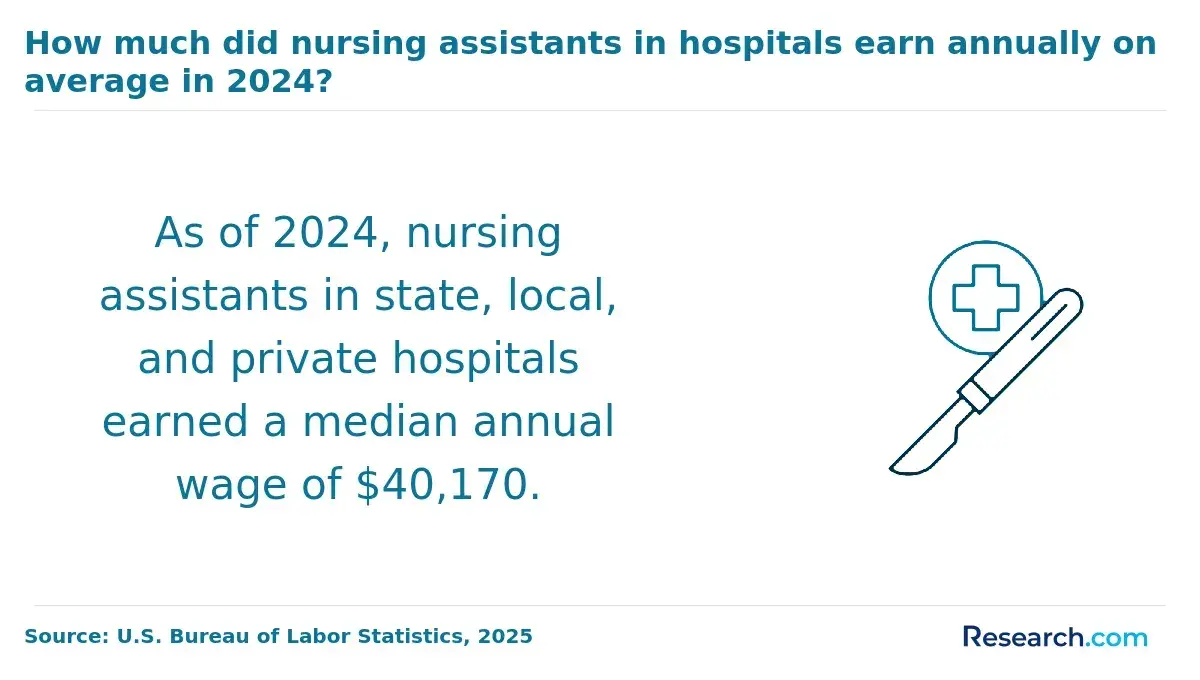
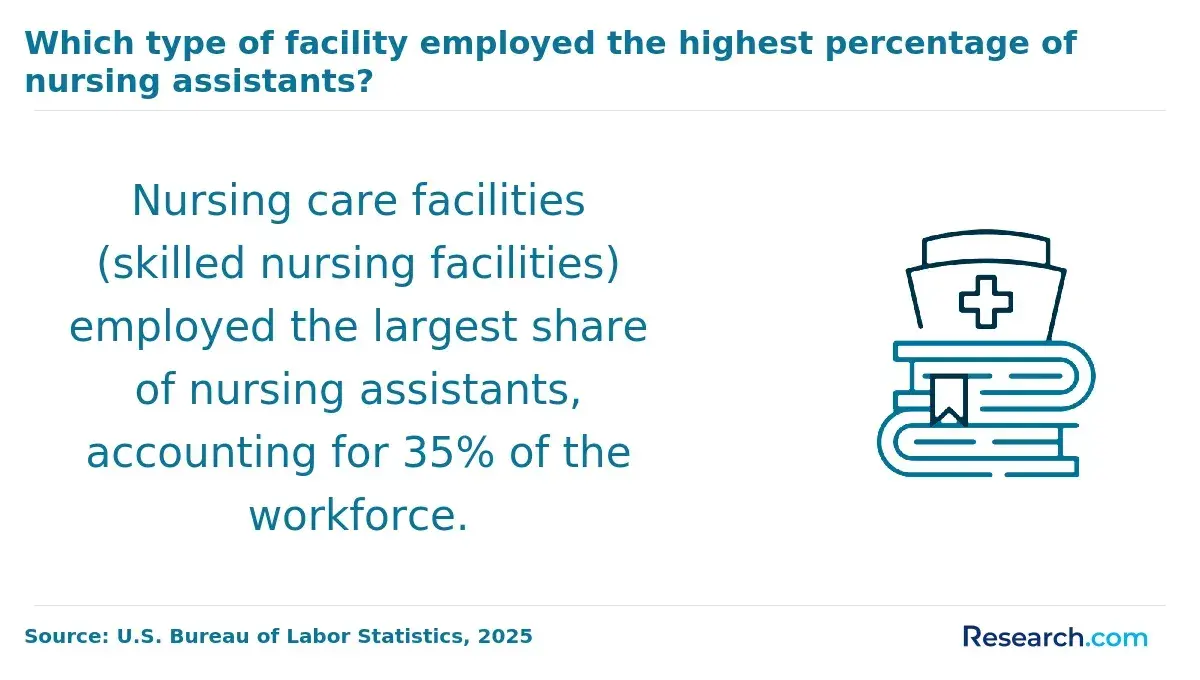
- Average Hourly and Annual Pay: CNAs in Ohio generally earn around $17.29 per hour or approximately $35,972 annually. Other sources indicate a slightly higher average, between $18.87 and $20.25 per hour, with yearly earnings reaching close to $39,840.
- Pay Variation by Experience Level: Experience significantly influences wages, with entry-level CNAs earning closer to $18.63 hourly, while seasoned professionals with over ten years can command rates above $22 per hour.
- Differences Across Healthcare Facilities: Compensation differs by employer type; hospital and government facilities typically offer higher salaries compared to nursing homes, assisted living communities, or home health agencies, which tend to pay less.
- Regional Pay Trends Within Ohio: Urban centers like Cleveland, Columbus, and Cincinnati provide elevated wages due to higher demand and living costs, whereas rural areas offer lower pay but may have less competitive job markets.
- Additional Factors Influencing Earnings: Overtime, shift differentials, bonuses, and benefits such as health insurance enhance total compensation. Advancing education and certifications can open doors to higher salaries and broader roles, making it worthwhile to explore options including what are the cheapest online psychiatric nurse practitioner programs.
How can CNAs in Ohio advance to higher nursing roles?
Many Certified Nurse Aides (CNAs) in Ohio leverage their foundational healthcare experience as a stepping stone toward more advanced nursing careers. Progressing in nursing generally requires additional education, certification, and clinical training to meet higher professional standards.
The following are common career advancement paths for CNAs in Ohio that highlight the necessary education, training duration, and potential salary benefits.
- Advanced Nursing Assistant (ANA) Certificate: CNAs can enroll in an ANA program that builds clinical skills and judgment, often completed within one semester. This certification can lead to higher salaries, starting around $23,000 and increasing up to $40,000 with further training.
- Specialization Tracks: Programs like the Nursing Assistant Career Advancement Program offer focused training in areas such as dementia and end-of-life care, often lasting weeks to months. Specializations typically come with wage increases and enhance career opportunities without immediate nursing school entry.
- Medication Aide Certification: Completing coursework to become a Medication Aide, usually within weeks or months, allows CNAs to administer medications under supervision and gain increased responsibilities with higher pay.
- Licensed Practical Nurse (LPN) Program: A full-time, one-year program that includes clinical rotations and licensure exams, leading to median salaries between $48,000 and $52,000. CNA experience can satisfy some prerequisites.
- Registered Nurse (RN) Degree: Pursuing an ADN or BSN takes two to four years and requires passing the NCLEX-RN exam. RNs earn median salaries from $65,000 to $80,000, with accelerated tracks available for CNAs.
- Medical Assistant and Allied Health Roles: Training lasting 9-12 months allows CNAs to transition into medical assistant roles, offering broader clinical duties and salaries between $30,000 and $45,000.
What Do CNAs in Ohio Say About Their Career?
- Completing my CNA program at the Columbus Care Academy was a turning point in my life. The instructors were incredibly supportive and hands-on, which made me feel fully prepared to start working right away. Beginning my career as a certified nurse aide in a local school setting has allowed me to combine my passion for healthcare with my love for helping younger students thrive. Ohio's community resources provide a strong network that supports ongoing professional education and growth. I truly feel proud contributing to the well-being of children and inspiring their health awareness. Blayre
- Going through the CNA training at Lakeview Nursing Institute gave me valuable insight into patient care and sparked a deep interest in pediatric health services. Starting as a certified nurse aide in an academic institution allowed me to witness firsthand how critical compassionate care is in a young person's development. Ohio's unique blend of urban and rural schools presents memorable challenges and rewarding opportunities that have broadened my clinical skills. This career has fueled my personal growth and strengthened my commitment to serve my local community with dignity and empathy. Caelinne
- The program at Cleveland Healthcare Academy was well-structured and gave me everything I needed to pursue my career confidently. Working as a certified nurse aide in a local school environment in Ohio has opened doors for me professionally, including chances to attend workshops and certifications that enhance my skills. The stability of healthcare roles here really stands out, especially in schools where staffing consistency impacts student care quality. This profession has deepened my understanding of the importance of attentive care, and I am motivated every day by seeing the positive difference I make in students' lives. Ryle
Related Articles for Nearby States
- 2027 Certified Nurse Aide (CNA) License Education Requirements in Indiana
- 2027 Certified Nurse Aide (CNA) License Education Requirements in Kentucky
- 2027 Certified Nurse Aide (CNA) License Education Requirements in West Virginia
- 2027 Certified Nurse Aide (CNA) License Education Requirements in Pennsylvania
- 2027 Certified Nurse Aide (CNA) License Education Requirements in Michigan
- 2027 Certified Nurse Aide (CNA) License Education Requirements in Illinois
- 2027 Certified Nurse Aide (CNA) License Education Requirements in Virginia
- 2027 Certified Nurse Aide (CNA) License Education Requirements in Tennessee
- 2027 Certified Nurse Aide (CNA) License Education Requirements in North Carolina
- 2027 Certified Nurse Aide (CNA) License Education Requirements in Missouri
References:
- CNA (STNA) Classes & Programs in Ohio https://www.registerednursing.org/certified-nursing-assistant/programs/ohio/
- CNA License Renewal Guide – Clipboard (Professional) https://workers.clipboardhealth.com/hc/en-us/articles/32804421847703-CNA-License-Renewal-Guide
- How to Get Recertified with an Expired Ohio CNA Certification https://www.pchslive.com/articles/how-to-get-recertified-with-an-expired-stna-certification/
- How to Get Certified in Other States as a Traveling CNA - Marvel Medical Staffing https://marvelmedstaff.com/how-to-transfer-license-as-a-traveling-cna/
- Certified Nurse Aide | CNA classes | STNA course | Stark State College https://www.starkstate.edu/academics/programs/certified-nurse-aide-cna/
- Nurse Aide Registry Requirements https://odh.ohio.gov/know-our-programs/nurse-aide-registry/resources/nurseaideregsitryrequirements
- Exploring Career Pathways: From Nurse Aide to Advanced Healthcare Roles - WeCareOnlineClasses https://wecareonlineclasses.com/exploring-career-pathways-from-nurse-aide-to-advanced-healthcare-roles/
- Tri-C Certified Nursing Assistant (CNA): Cleveland, Ohio https://www.tri-c.edu/workforce/health-care-training/certified-nursing-assistant.html
- Nurse Aide Certificate (CNA) | Columbus State Community College https://www.cscc.edu/academics/departments/nursing/nurse-aide-stna.shtml
- How Much Do STNA Make in Ohio - Med-Cert Training Center https://mymedcert.com/how-much-do-stna-make-in-ohio/
Other Things You Should Know About Becoming a Certified Nurse Aide (CNA) in Ohio
The key components of the 2027 CNA License Education Requirements in Ohio include completing a state-approved training program comprising at least 75 hours, which includes both classroom instruction and clinical practice. Students must also pass a state competency exam to become certified.
The 2027 CNA license education requirements in Ohio include completing a state-approved nurse aide training program and passing the Ohio nurse aide competency exam. Training must comprise at least 75 hours, with a mix of classroom instruction and clinical practice.
In 2027, the Ohio Department of Health mandates that aspiring CNAs must complete a minimum of 75 hours of training, which includes 16 hours of hands-on clinical training. This is a crucial part of the program to ensure practical competence.


