
2027 Health Sciences Degree Salary by State

Co-Founder and Chief Data Scientist
Choosing a health sciences degree opens doors to a wide range of careers in healthcare, public health, and research. But one factor that often influences where graduates choose to work is salary, and pay can vary dramatically depending on the state.
This article breaks down the health sciences degree salary by state, highlighting where graduates earn the most and where wages tend to be lower. Whether you are a student exploring career options or a professional considering a shift into healthcare, understanding these salary differences can help you plan strategically.
In this guide, you will know which states offer the best earning potential, how cost of living impacts real income, and where opportunities might align best with your personal and professional goals.
What are the benefits of getting a health sciences degree?
- A health sciences degree can lead to roles in healthcare administration, public health, health education, research, and clinical support.
- The median salary for health sciences professionals is around $50,000–$70,000 annually, with higher pay in specialized or management roles.
- Many programs are available online, allowing students and career shifters to balance education with work and family commitments.
- This degree can serve as a foundation for graduate study in nursing, public health, healthcare management, or other advanced fields.
What can I expect from a health sciences degree?
A health sciences degree is a versatile program designed to prepare students for a wide range of careers in healthcare, public health, and research. Unlike specialized degrees that train students for a single profession, health sciences programs provide a broad foundation in subjects like biology, anatomy, healthcare systems, and health policy. This degree can lead to roles such as health educator, clinical research coordinator, healthcare administrator, or public health specialist, with opportunities available in hospitals, government agencies, nonprofits, and private organizations.
The average salary for professionals with a health sciences degree typically falls between $50,000 and $70,000 annually, though earnings can vary by state, role, and experience. Many universities now offer the option to complete this degree online, giving students and career changers the flexibility to pursue higher education while managing work and personal responsibilities. This combination of breadth, adaptability, and strong job outlook makes it an attractive pathway into healthcare.
Where can I work with a health sciences degree?
Graduates with a health sciences degree find opportunities across many sectors because of the program’s broad focus on health, wellness, and administration. Many work in healthcare delivery settings such as hospitals, clinics, and long-term care facilities, where they may support patient services, coordinate programs, or assist with healthcare management.
Others build careers in public health, contributing to community wellness initiatives, disease prevention campaigns, and health policy development through government agencies, nonprofits, and international organizations. For those interested in research, universities, pharmaceutical companies, and clinical research organizations also provide rewarding pathways.
In addition to traditional healthcare roles, health sciences graduates are increasingly sought after in industries that intersect with health. Opportunities exist in insurance companies, where professionals manage claims or wellness programs, and in corporate health and wellness departments, helping businesses promote healthier workforces.
Graduates may also work with technology and data-driven companies, applying health informatics to improve patient care systems. This wide range of options makes the degree attractive to both recent students and career shifters seeking stable and meaningful work.
How much can I make with a health sciences degree?
Graduates with a health sciences degree can expect competitive salaries, though earnings vary based on the role, location, and level of experience. On average, entry-level professionals such as health educators and community health workers earn between $48,000 and $55,000 per year, while clinical research coordinators and health informatics specialists see salaries closer to $60,000 to $70,000 annually.
With several years of experience, many graduates move into supervisory or management roles, where salaries range from $75,000 to $95,000, particularly in large healthcare systems or research institutions.
Geography also plays a key role in determining pay. Graduates in high-paying states like California, Maryland, and Washington, D.C. often earn between $90,000 and $110,000, reflecting both high demand and the cost of living. By comparison, states with smaller healthcare markets, such as Mississippi, Arkansas, and West Virginia, typically offer salaries closer to $62,000 to $70,000. Overall, the degree provides steady earning potential and clear pathways for salary growth through advanced positions or further education.
- What is the average salary for health sciences degree holders in the U.S.? Average Salary
- What is the average bachelor’s in health sciences salary by state? Salary by State
- How do health sciences salaries compare to other healthcare degrees? How do health sciences salaries compare to other healthcare degrees?
- What are the highest-paying states for health sciences graduates? High-Paying States
- Which states offer the lowest salaries for health sciences careers? Low-paying States
- Does the cost of living affect health sciences salaries by state? Cost of living
- Which states offer the best pay for public health educators? Which states offer the best pay for public health educators?
- What states have the fastest salary growth in health sciences? Salary Growth
- What are the highest-paying jobs with a health sciences degree? Highest-Paying Roles
- How do salaries increase with experience in health sciences careers? How do salaries increase with experience in health sciences careers?
- What additional certifications can boost my health sciences career? What additional certifications can boost my health sciences career?
What is the average salary for health sciences degree holders in the U.S.?
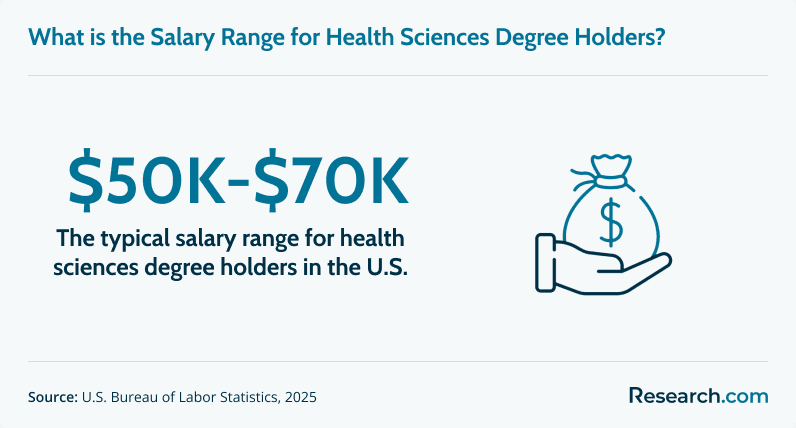
The average salary for health sciences degree holders in the U.S. typically ranges from $50,000 to $70,000 per year, depending on the role, education level, and location.
Here’s a breakdown:
- Associate degree in health sciences: Around $40,000–$50,000 annually (entry-level roles such as medical assistants, lab techs).
- Bachelor’s degree in health sciences: Average $55,000–$65,000 annually (health educators, clinical research coordinators, public health specialists).
- Master’s in health sciences or related field: Average $70,000–$90,000+, especially in administrative, informatics, or management positions.
- Doctoral/Professional path (e.g., physical therapy, physician assistant, occupational therapy): Salaries often exceed $90,000–$120,000+ depending on specialization.
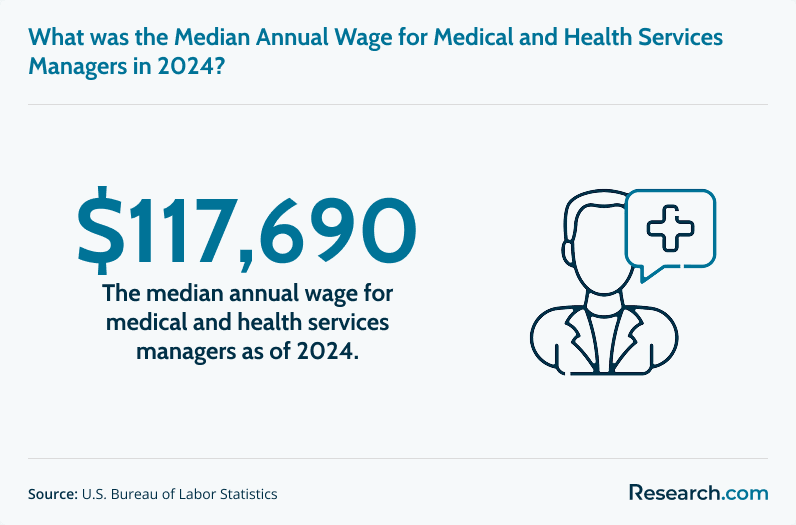
According to the U.S. Bureau of Labor Statistics (BLS), many health science–related jobs (like medical and health services managers) earn a median annual wage of about $110,680 (2023 data), which pulls the overall average higher when advanced roles are included.
For those interested in maximizing earning potential, exploring some of the highest paid non-physician jobs in healthcare can provide helpful direction. Roles such as physician assistants, nurse anesthetists, occupational therapists, and medical and health services managers are often among the top earners, offering strong salaries and growth opportunities without requiring medical school.
What is the average bachelor’s in health sciences salary by state?
The average salary for graduates with a bachelor’s degree in health sciences varies widely by state, largely depending on cost of living, demand for healthcare workers, and the presence of major medical institutions. To better understand trends, you can explore the health science average salary across regions.
High-Paying States
Graduates earn the highest salaries in states with strong healthcare systems, biotech industries, and higher costs of living. California and Washington, D.C. lead the nation, with average salaries ranging from $100,000 to $110,000. Close behind are Maryland, Massachusetts, New Jersey, and New York, where salaries typically fall between $85,000 and $95,000. These states are home to world-class hospitals, public health agencies, and research institutions that drive pay upward.
Mid-Range States
A large group of states offer moderate but competitive salaries, averaging $75,000 to $82,000. These include Texas, Colorado, North Carolina, Illinois, Virginia, and Pennsylvania. Graduates in these areas benefit from growing healthcare markets paired with more manageable costs of living. States like Oregon and Washington also fall into this range, offering solid pay that stretches further compared to coastal hubs.
Lower-Paying States
At the bottom of the scale are Mississippi, Arkansas, West Virginia, South Dakota, Alabama, and Kentucky, where salaries average $62,000 to $70,000. While paychecks are smaller, the lower cost of living in these regions helps balance the income gap. Additionally, these states often face shortages in healthcare workers, which can translate into more opportunities for new graduates to enter the workforce quickly.
Overall, a bachelor’s in health sciences opens doors to competitive salaries across the U.S., but where you choose to work can make a significant difference in your earning potential and lifestyle.
Average Health Science Degree Salary by State
| STATE | AVERAGE SALARY |
| California | $110,000 |
| District of Columbia | $105,000 |
| Maryland | $95,000 |
| Massachusetts | $95,000 |
| New Jersey | $94,000 |
| New York | $90,000 |
| Washington | $90,000 |
| Oregon | $88,000 |
| Colorado | $88,000 |
| Virginia | $87,000 |
| Hawaii | $85,000 |
| Georgia | $85,000 |
| Minnesota | $85,000 |
| Connecticut | $85,000 |
| Nevada | $84,000 |
| Delaware | $84,000 |
| North Carolina | $83,000 |
| New Hampshire | $83,000 |
| Rhode Island | $82,000 |
| Illinois | $82,000 |
| New Mexico | $82,000 |
| Pennsylvania | $81,000 |
| Texas | $80,000 |
| Nebraska | $80,000 |
| Wisconsin | $80,000 |
| Missouri | $79,000 |
| North Dakota | $79,000 |
| Utah | $79,000 |
| Michigan | $78,000 |
| Minnesota | $78,000 |
| Louisiana | $78,000 |
| Vermont | $77,000 |
| Maine | $77,000 |
| Kansas | $76,000 |
| Oklahoma | $75,000 |
| Arizona | $75,000 |
| Indiana | $75,000 |
| Ohio | $75,000 |
| South Carolina | $74,000 |
| Kentucky | $73,000 |
| Tennessee | $73,000 |
| West Virginia | $72,000 |
| Alabama | $72,000 |
| South Dakota | $70,000 |
| Arkansas | $70,000 |
| Mississippi | $68,000 |
| Montana | $68,000 |
| Idaho | $68,000 |
| Wyoming | $67,000 |
| Alaska | $67,000 |
How do health sciences salaries compare to other healthcare degrees?
A bachelor’s degree in health sciences generally leads to solid entry-level salaries between $50,000 and $65,000, but it tends to pay less than more specialized healthcare degrees. For example, nursing graduates (BSN) step into higher-paying roles right away, while public health bachelor’s salaries are more in line with health sciences unless followed by a master’s (MPH), which significantly boosts earnings.
Healthcare administration also offers higher earning potential, especially at the master’s level where salaries surpass $110,000. Specialized allied health fields—such as physical therapy, occupational therapy, physician assistant studies, and speech-language pathology—consistently outpace general health sciences in pay, though they require graduate education. For instance, comparing medical assistant vs physician assistant salary highlights just how much specialization can influence earning power. Finally, medical laboratory and imaging sciences typically fall just above health sciences salaries, averaging around $66,000–$70,000.
In short, a health sciences degree is most valuable as a flexible gateway into healthcare, ideal for students who plan to pursue graduate or professional paths that lead to higher salaries.
What are the highest-paying states for health sciences graduates?
While national averages provide a good baseline, salaries for health sciences degree can vary significantly from state to state. The states offering the highest pay are often those with a high demand for healthcare professionals and a higher cost of living. Based on data for various health science roles, the top-paying states include:
| STATE | SALARY RANGE |
| California | $70,000–$110,000 |
| District of Columbia | $85,000–$105,000 |
| Maryland | $80,000–$95,000 |
| Massachusetts | $75,000–$95,000 |
| New York | $70,000–$90,000 |
| Oregon | $74,000–$85,000 |
| Washington State | $72,000–$85,000 |
| Georgia | $70,000–$92,000 |
Health sciences graduates earn the most in states where demand for healthcare professionals intersects with high living costs and strong institutional presence. California and Washington, D.C. consistently lead the nation in salaries, driven by robust healthcare systems and elevated costs of living.
Maryland and Georgia stand out because they host major federal health agencies like the NIH and the CDC, which create high-paying opportunities in public health and research. Exploring roles such as health services manager salary also shows how these states provide lucrative career paths within healthcare administration. Meanwhile, Oregon and Washington offer strong salaries relative to their cost of living, making them attractive destinations for health sciences professionals compared to the more expensive East Coast hubs.
Which states offer the lowest salaries for health sciences careers?
The states that typically offer the lowest salaries for health sciences graduates are those with a lower cost of living, smaller healthcare markets, and fewer large research institutions. While these areas may not pay as much as coastal or urban hubs, they often balance lower wages with more affordable housing and living expenses.
| STATE | SALARY RANGE |
| Mississippi | $50,000–$62,000 |
| Arkansas | $52,000–$64,000 |
| West Virginia | $53,000–$65,000 |
| South Dakota | $54,000–$66,000 |
| Alabama | $55,000–$67,000 |
| Kentucky | $55,000–$68,000 |
Graduates in Mississippi, Arkansas, and West Virginia earn the lowest salaries for health sciences careers, largely due to rural economies and smaller healthcare infrastructures. South Dakota, Alabama, and Kentucky follow closely, offering modest wages but a lower cost of living to offset income differences.
While these states may not match the earning power of places like California or Massachusetts, they often provide more opportunities for career growth in underserved communities where healthcare professionals are in high demand. For students considering a flexible pathway, pursuing an accelerated health sciences online degree can help them enter the workforce faster and potentially move into higher-paying regions or roles.
Does the cost of living affect health sciences salaries by state?
The cost of living plays a crucial role in shaping health sciences salaries across the United States. In high-cost states such as California, New York, Massachusetts, and Washington, D.C., employers raise salaries to remain competitive, often offering paychecks well above $100,000. However, much of that income is offset by steep housing and living expenses.
By contrast, states with a lower cost of living, including Mississippi, Arkansas, and West Virginia, tend to offer lower average salaries, often in the $60,000 to $70,000 range. Despite the smaller paychecks, professionals in these regions may enjoy greater financial comfort since everyday expenses are significantly lower.
It’s also important to note that demand influences pay as well—states like Maryland and Georgia, home to major health agencies such as the NIH and CDC, can offer higher-than-expected salaries even though their overall cost of living is more moderate.
For those considering relocation or career advancement, researching the highest paying jobs in health science can offer useful insight into which roles provide the best returns in different regions. Jobs such as physician assistants, healthcare administrators, and physical therapists often rank high in salary potential, especially in states experiencing strong demand for healthcare professionals.
Which states offer the best pay for public health educators?
Certain U.S. states consistently offer top salaries for public health educators (also known as health education specialists). Public health educators are considered part of the health sciences field. A health sciences degree often covers areas like community health, public health education, and wellness promotion, preparing graduates for roles that focus on improving population health.
For students interested in advancing quickly into specialized roles, exploring the fastest online health information management degree programs can open pathways that complement public health education and expand career opportunities. Public health educators work in schools, nonprofit organizations, government agencies, and healthcare systems to design programs, teach healthy behaviors, and support disease prevention.
Here’s the latest data, including averages and key insights, from reputable sources:
States like Washington, Maryland, and New Jersey offer some of the highest salaries for public health educators, and several factors explain this trend.
First, the cost of living in these areas is significantly higher, which naturally drives wages upward to attract and retain qualified professionals. Second, these states are home to major healthcare systems, research institutions, and public health agencies that increase the demand for skilled educators.
For example, Maryland hosts the National Institutes of Health (NIH), which boosts opportunities and pay for public health roles. Similarly, New Jersey and Washington have strong healthcare infrastructure and expanding public health initiatives, creating a competitive market that pushes salaries above the national average.
What states have the fastest salary growth in health sciences?
States with the fastest salary growth for health sciences professionals are those experiencing surges in public and private sector investment, expanding research and healthcare infrastructures, and rising local demand for population health services. Here’s a breakdown based on the latest data:
- Maryland/Washington D.C. Area: Maryland, especially the NIH “DNA Valley” corridor near D.C., has seen a 19% increase in life sciences and health jobs from 2017 to 2022, above the national average of 16%. Wages grew in step due to federal agency inflows and biotech industry expansion
- Massachusetts: Continued growth in higher education, public health infrastructure, and research academic roles, especially in epidemiology and health administration, has supported strong wage gains in recent years
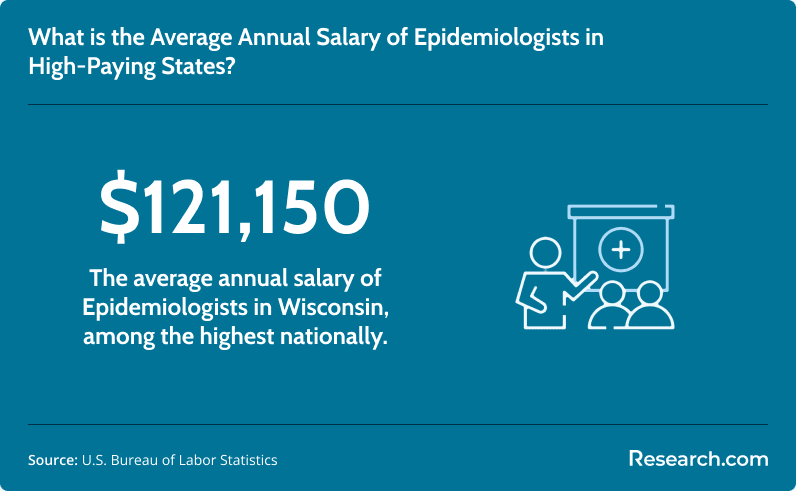
- Wisconsin: Epidemiologists in Wisconsin earn among the highest pay nationally, with average annual salaries hitting $121,150, which is a sign of strong investment in public health as well as rising compensation
- California: Though already a high-pay market, health sciences roles, particularly in health informatics and public health nursing, continue to see wage growth above inflation, driven by tech integration and public health demand
- Georgia: Atlanta’s CDC headquarters and growing public health programs have helped push wage gains for health educators, epidemiologists, and health policy staff, with salaries rising in line with increasing federal and local investment
- Connecticut and Rhode Island: Though smaller markets, these New England states have expanded public health staff wages—Connecticut health educators earn around $71,460, and Rhode Island public health professions average over $111,000—reflecting systematic inflation-adjusted salary growth.
Understanding how salary trends vary by region can also help professionals evaluate long-term career prospects. For example, individuals interested in leadership or administrative roles often ask how much do hospital administrators make, and salaries can range widely depending on state demand and cost of living. In high-growth regions like Massachusetts or Maryland, hospital administrators may earn well above the national average, benefiting from both competitive compensation and expanding healthcare systems.
What are the highest-paying jobs with a health sciences degree?
With a health sciences degree, graduates can pursue a wide range of careers, but some roles consistently stand out for offering the highest salaries.
The highest-paying jobs with a health sciences degree fall into three main categories. Clinical roles, such as physician assistants and occupational therapists, command strong salaries because they involve direct patient care and are in constant demand.
Administrative and management positions, like healthcare administrators and informatics managers, also pay well since they require leadership skills and the ability to oversee complex healthcare systems. Exploring health informatics careers salary can give graduates a clearer picture of how much earning potential exists in this fast-growing specialty.
Finally, research and technology-focused careers, including biomedical engineers, epidemiologists, and biostatisticians, offer competitive pay as healthcare continues to rely heavily on innovation, data analysis, and advanced medical technologies.
Here are the top-paying jobs:
| Job Title | Average Salary (U.S.) |
| Physician Assistant (PA) | $126,000 |
| Biomedical Engineer | $101,000 |
| Healthcare Administrator | $104,000 |
| Epidemiologist (Senior Level) | $100,000 |
| Occupational Therapist | $93,000 |
| Health Informatics Specialist / Manager | $95,000 |
| Biostatistician | $97,000 |
| Genetic Counselor | $92,000 |
How do salaries increase with experience in health sciences careers?
Salaries in health sciences careers generally rise steadily with experience, reflecting increased expertise, leadership responsibilities, and demand for seasoned professionals. While exact figures vary by role, the trend is clear across clinical, administrative, and research positions.
In health sciences, experience not only boosts technical proficiency but also opens doors to advanced certifications, supervisory positions, and leadership opportunities. For example, a public health educator might begin around $50,000, move to $70,000–$80,000 with 5 to 10 years of experience, and surpass $100,000 after transitioning into a director or policy advisor role. Similarly, a healthcare administrator may start in the $60,000 range but eventually exceed $120,000 after years of leading larger teams and managing multimillion-dollar budgets.
This pattern also applies in nursing pathways. Licensed Practical Nurses (LPNs) who pursue additional training, work in specialized settings, or transition into supervisory roles often see meaningful salary increases over time. In fact, some of the highest paid LPN jobs are found in long-term care administration, home health leadership, and specialty clinical support roles—especially in regions with strong demand for hands-on patient care.
What additional certifications can boost my health sciences career?
Earning supplemental credentials can strategically enhance your professional profile and elevate earning potential. Pursuing targeted certifications—such as those focusing on clinical data management, patient coding, or reimbursement techniques—equips you with specialized skills that complement a broad health sciences background. Many professionals are now diversifying their expertise by enrolling in affordable medical billing and coding certificate online programs, which offer industry-recognized qualifications and a competitive edge in the job market.
Here's What Graduates Have to Say About Their Health Science Degree Salary
- Jasmine: "Getting my health sciences degree opened doors I didn’t even know existed. I started as a community health worker, earning around $50,000, but within a few years I transitioned into a health informatics role making over $70,000. The flexibility of the program let me balance work and study, and now I feel like I’m making a real impact while also supporting my family comfortably. It’s been worth every step."
- Sophia: "I was a career shifter from retail, and honestly, I was nervous about going back to school. What surprised me most was how many industries value this degree—hospitals, research centers, even corporate wellness programs. I now work in healthcare administration, earning close to $80,000 a year, and I finally feel like I’m doing work that matters. The stability has given me peace of mind"
- David: "I chose an online health sciences program because I needed flexibility while raising two kids. It was challenging at times, but the payoff has been incredible. I landed a job as a clinical research coordinator making $68,000 right after graduation, with room to grow. Knowing I can provide more for my family while doing meaningful work makes all the effort worthwhile."
Key Findings
- The average salary for health sciences degree holders in the U.S. is around $65,000 per year, with room for growth depending on specialization and experience.
- Entry-level roles, such as community health workers, typically start at about $48,000 annually, while more advanced positions can exceed $90,000.
- Healthcare administrators with a health sciences background earn a median salary of about $80,000 per year.
- States like California and Massachusetts rank among the highest-paying, often offering salaries above $75,000 for graduates.
- Lower-paying states, including Mississippi and Arkansas, report average salaries closer to $55,000 for degree holders.
- Graduates who specialize in health informatics or clinical research coordination can earn salaries between $70,000 and $85,000, significantly higher than general health sciences roles.
References:
- Bureau of Labor Statistics. (2023). Occupational employment and wages, May 2023: Health educators (SOC 21-1091). U.S. Department of Labor.
- Bureau of Labor Statistics. (2024) Health information technologists and medical registrars: Occupational outlook handbook. U.S. Department of Labor.
- Bureau of Labor Statistics. (2024). Medical and health services managers: Occupational outlook handbook. U.S. Department of Labor.
- Bureau of Labor Statistics. (2024). Physician assistants: Occupational outlook handbook. U.S. Department of Labor.
- Health Workforce Research Center on Long-Term Care. (2024). 2024 Annual Report.
- O*NET Online. (n.d.). Health sciences. In ONET Online.
Other Things You Should Know About Health Science Degree Salary
The cost of living, state demand for health professionals, and state healthcare funding influence salary differences for health sciences degree holders in 2027. States investing more in healthcare tend to offer higher salaries to attract skilled professionals.
In 2026, the job outlook for health sciences degree holders is positive, with increasing demand for healthcare professionals due to an aging population and evolving healthcare needs. This demand is expected to fuel steady job growth across various positions, including health administrators, public health educators, and clinical research coordinators.


