
2027 How Long Does It Take to Be a Teacher in South Carolina?

Co-Founder and Chief Data Scientist
Becoming a teacher in South Carolina typically requires around four to five years of post-secondary education, culminating in a bachelor's degree and state certification. South Carolina reports a growing demand for qualified educators, with employment in teaching projected to increase by 6% over the next decade.
This growth, coupled with competitive salaries and opportunities for advancement, makes teaching an appealing career choice in the state. Challenging the assumption that teaching is a fallback profession, many find it rewarding both intellectually and financially.
This article, prepared by career planning experts, explores the precise timeframe to become a certified teacher in South Carolina and guides readers through the necessary steps and requirements.
Key Things to Know About How Long It Takes to Be a Teacher in South Carolina
- Completing a Bachelor’s degree with a teacher preparation program typically takes four years, aligning with South Carolina’s requirement for a strong academic foundation.
- Passing the Praxis exams and applying for state certification can add several months, reflecting the rigorous standard to ensure quality educators amid teacher shortages.
- Alternative certification routes can shorten the timeline to about one to two years, but require simultaneous classroom experience, emphasizing practical teaching skills over purely academic progress.
- How long does it take to earn a teaching degree in South Carolina?
- How long does teacher certification take in South Carolina?
- Do career changers take less time to become teachers in South Carolina?
- Do advanced degrees shorten the teacher certification process in South Carolina?
- Are online programs speeding up the process of becoming a teacher in South Carolina?
- Do elementary and secondary teachers have different timelines in South Carolina?
- What professional development opportunities are available for teachers in South Carolina?
- How long is the probationary teaching period in South Carolina?
- How much does it cost to complete the education requirements in South Carolina?
- How long after certification can you get hired as a teacher in South Carolina?
- How does a teacher's salary in South Carolina increase over the career timeline?
How long does it take to earn a teaching degree in South Carolina?
The length of time to become a teacher in South Carolina is influenced by various factors, including the type of education program, whether students attend full-time or part-time, and any previously earned college credits. This variability makes the path unique for each individual, requiring careful consideration of personal circumstances and academic planning. Below is a traditional timeline for earning a bachelor’s degree in education, which provides a clear framework to understand how long it takes to complete a teaching degree in South Carolina programs:
- General Timeline: Four Years Full-Time: Most programs require about 120–131 credit hours and are designed to be completed within four years of full-time study.
- Foundational Coursework: The initial two years concentrate on general education requirements like composition, mathematics, and introductory education courses.
- Professional Education Courses: The third and fourth years focus on specialized education topics such as pedagogy, curriculum design, and classroom management.
- Field Experiences: Candidates must complete 100–150 hours of clinical teaching or practicum placements integrated throughout their studies to gain practical insight.
- Student Teaching Internship: The final year includes a semester-long student teaching internship lasting at least 12 weeks, with a minimum of 10 days spent independently managing a classroom.
This traditional four-year framework aligns with many state-approved teacher preparation programs. Students who want to explore what can I do with education associate degree can follow this standard route or consider other pathways, but the bulk of candidates follow this approach for its comprehensive preparation for certification and full-time teaching roles.
How long does teacher certification take in South Carolina?
The timeframe for earning South Carolina teacher certification varies considerably depending on whether candidates pursue a traditional or alternative route, as well as their prior education level. For many undergraduate students, the timeline aligns closely with completing a bachelor’s degree and an approved teacher preparation program, while others with existing degrees can accelerate the process through alternative certification pathways. Navigating this timeline requires a clear understanding of each step involved in the South Carolina teacher certification timeline.
- Bachelor’s Degree and Teacher Preparation Program: Typically, full-time students spend four years completing a state-approved undergraduate program. Those with a prior bachelor’s in another field often enter an alternative certification program lasting one to two years.
- Professional Program Admission: Traditional candidates apply to the Professional Program in their junior year to begin essential upper-level coursework and practical field experiences prerequisite to certification.
- Student Teaching Internship: A full-time, one-semester student teaching placement is mandatory, usually lasting 12 to 16 weeks during the senior year, providing an immersive classroom experience critical for skill development.
- Background Checks and Clearance: Fingerprinting and background screening by the South Carolina Department of Education and law enforcement must be completed prior to student teaching, with fees around $160. These checks can extend the timeline by several weeks.
- Certification Exams: Candidates must pass content and pedagogy Praxis exams, often scheduled in the senior year. Preparation and scheduling can add weeks or months to the certification timeline.
- Application Submission and Processing: After completing educational and exam requirements, a $105 application fee is submitted. Processing times vary but may take several weeks, especially during high-volume periods.
- Receiving Initial Certificate: Successful applicants are granted a three-year Initial Certificate, beginning an induction period where teachers complete the ADEPT evaluation to earn a renewable Professional Certificate.
While the entire process often spans four to five years for traditional students, alternative candidates frequently complete certification within one to two years. For anyone curious about how long does it take to get teacher certification in South Carolina, understanding these stages is crucial for accurate expectation setting. Furthermore, those interested in expanding their credentials might explore a masters in library science online cheap, which offers flexible, affordable graduate-level options.
Do career changers take less time to become teachers in South Carolina?
Alternative certification pathways in South Carolina are designed to accelerate the transition for professionals moving into teaching by reducing traditional barriers and offering flexible routes. These programs challenge the notion that teaching preparation must be lengthy and rigid, enabling career changers to step into classrooms faster while still meeting quality standards.
- Teach While Completing Coursework: Candidates often serve as full-time instructors while finishing their required education courses, bypassing unpaid student teaching phases and gaining immediate classroom experience alongside a salary.
- Waived or Modified Requirements Based on Prior Education: Programs evaluate prior academic credits and professional background, sometimes waiving additional coursework, especially if candidates demonstrate sufficient subject mastery, thus trimming education time.
- Accelerated Master’s Degree Options: Some pathways facilitate concurrent or fast-tracked graduate studies, enabling candidates to earn advanced degrees alongside teaching duties without prolonging certification timelines.
- Streamlined Application and Onboarding: Alternative routes offer a more direct hiring process post-acceptance, allowing candidates to hold teaching positions while completing remaining certification tasks, expediting entry into the profession.
- Credit for Industry Experience: Especially for career and technical education, professional experience can substitute traditional requirements, permitting work-based certification over several years and fast-tracking employment in high-demand fields.
- Flexible Program Structures: Online and adaptable scheduling options support working professionals’ needs, enabling progress toward certification without pausing careers.
When I spoke with a teacher from South Carolina who transitioned from a business career, he reflected on how the alternative certification path dramatically shortened his timeline. “Coming from outside education, the biggest shock was how quickly I was expected to lead a classroom,” he recalled. “The support was there, but balancing teaching with coursework was intense.” Graduating locally meant he understood his community’s needs, which added urgency to his preparation.
He also described navigating state requirements as initially complex but appreciated that prior work experience was recognized, allowing him to focus on pedagogy rather than foundational knowledge. “It wasn’t easy,” he admitted, “but starting to teach within months made me feel that the change was possible without sacrificing my family’s financial stability.” His journey underscored that the alternative routes are not shortcuts in quality, but smartly designed pathways respecting diverse backgrounds and life circumstances.
Do advanced degrees shorten the teacher certification process in South Carolina?
Holding a master’s or doctoral degree can notably influence the teacher certification timeline in South Carolina by unlocking accelerated pathways. These advanced qualifications often allow candidates to bypass traditional hurdles, leading to a shorter route into the classroom compared to those holding only a bachelor’s degree. Below are some of the ways advanced degrees can shorten the teaching certification process:
- Waiving Prerequisite Coursework: Graduate degree holders may have completed overlapping coursework, enabling state programs to waive certain prerequisites and reduce time spent in academic preparation.
- Eligibility for Alternative Certification Programs: South Carolina’s alternative certification routes, like PACE, permit candidates with advanced degrees to teach while completing certification, significantly compressing the usual timeline.
- Reduced Student Teaching Requirement: Graduate programs require fewer field hours, and relevant teaching experience can even substitute for the typical 12-week internship, allowing faster entry into teaching roles.
- Faster Advancement to Professional Certificate: Advanced degrees can expedite progression from initial to professional certificates, which is essential for long-term employment and higher salary potential.
Are online programs speeding up the process of becoming a teacher in South Carolina?
Flexible online teacher preparation programs are reshaping how quickly aspiring educators can enter classrooms in South Carolina. By offering adaptability that traditional programs lack, these digital pathways provide unique opportunities to streamline certification and teaching readiness.
- Self-Paced Coursework: Many programs allow candidates to move through lessons at their own speed, bypassing rigid semester schedules. This flexibility lets motivated students complete requirements faster, avoiding delays tied to fixed academic calendars.
- Condensed Program Formats: Certain online tracks are intentionally shorter than standard degree programs. With timelines sometimes reduced from four years to less than one, candidates can accelerate eligibility to apply for certification and begin teaching sooner.
- Concurrent Teaching and Coursework: Some alternative certification models enable candidates to teach in public schools while finishing their online coursework. This "earn while you learn" approach offers practical experience and income immediately, rather than postponing classroom involvement until certification completion.
- Rolling Admissions and Multiple Start Dates: Frequent enrollment cycles remove waiting periods between application and study start. Candidates often begin their training as soon as they are ready, minimizing idle time and compressing total certification duration.
- Accessibility for Career Changers and Working Adults: Online programs remove geographic and scheduling barriers, opening doors for professionals balancing jobs or family commitments. This inclusivity can hasten entry into teaching by fitting preparation around complex life demands.
A teacher from South Carolina who graduated from a local university shared her reflections on this shift. Facing the challenge of balancing a full-time job and family, she found the traditional path daunting. “I wasn’t sure I could commit to a fixed schedule, and waiting for the semester starts only pushed my goals back,” she explained. Choosing an online certification program allowed her to take classes at night and weekends, completing coursework ahead of typical timelines. “It wasn’t just faster; it was a lifeline. I could apply what I learned immediately while teaching part-time in a nearby school.” Her experience highlights how online options don’t just speed up certification—they create space for aspiring teachers to adapt their journey, making the path to the classroom uniquely their own.
Do elementary and secondary teachers have different timelines in South Carolina?
The timeline to become an elementary or secondary teacher in South Carolina largely overlaps, as both require a bachelor’s degree with an approved teacher preparation program, student teaching, and passing state certification exams. Typically, it takes about four years to complete the degree, including education coursework and field experience. Both pathways culminate with passing a pedagogy assessment like the Praxis Principles of Learning and Teaching and subject-specific Praxis exams tailored to the grade level intended for teaching.
The primary difference lies in subject specialization for secondary teachers, who must complete more in-depth coursework in their chosen subject area, sometimes extending program length slightly. This specialization may demand additional classes or prerequisites not required for elementary education majors. Despite these nuances, most candidates finish between four and five years, after which they earn an Initial Certificate, moving to a Professional Certificate after an induction and evaluation process unique to South Carolina’s certification system.
What professional development opportunities are available for teachers in South Carolina?
South Carolina provides robust avenues for ongoing professional growth, including state-sponsored mentoring, extensive induction programs, and skill-specific workshops that target classroom management, curriculum innovation, and leadership. These initiatives are strategically designed to help educators refine their practice and adapt to evolving educational challenges. Additionally, partnerships with higher education institutions offer pathways for earning advanced endorsements and certifications that support both career progression and subject specialization, such as exploring how to become a PE teacher in South Carolina.
How long is the probationary teaching period in South Carolina?
The probationary teaching period in South Carolina generally spans two academic years for new educators entering public schools. This timeframe is consistent across both elementary and secondary education levels, as the state’s regulations do not differentiate probationary timelines based on grade level. Unlike other states where local school districts may impose their own probationary durations, South Carolina maintains a uniform standard statewide, ensuring equitable expectations and conditions for all new teachers regardless of location. This consistency challenges the common belief that local districts hold significant sway over early teaching contracts and highlights the state's commitment to a streamlined approach in the probationary teaching requirements in South Carolina. During this period, teachers undergo evaluations focusing on their instructional ability, classroom management, and overall effectiveness, although they have yet to receive the full protections that come with a continuing contract status.
Upon completing this initial two-year period, teachers may qualify for continuing contract status, often considered equivalent to tenure in South Carolina. Advancing beyond probation requires educators to demonstrate satisfactory performance through annual evaluations that assess teaching competence and professional responsibilities. This process is designed to align with statewide standards rather than district-specific preferences, emphasizing a balanced approach that values both rigorous scrutiny and timely career progression. Achieving continuing contract status grants teachers enhanced job protections, including due process rights related to contract renewal and dismissal, which is a significant shift from the probationary phase. It’s important for aspiring teachers to understand that while this path may seem relatively brief compared to the national norm, which often requires longer probationary periods, it reflects South Carolina’s intention to support effective educators swiftly. For those seeking further insights on affordable educational pathways, exploring the ranking of most affordable online degrees in education can provide valuable context and opportunities.
How much does it cost to complete the education requirements in South Carolina?
Costs for completing teacher education in South Carolina can shift dramatically based on factors like the type of program, institution choice, and residency status. These variables shape not only the financial burden but also access to diverse pathways that influence long-term career prospects and readiness. A deeper look into these expenses offers a clearer picture beyond the surface numbers.
- Bachelor’s and Master’s Tuition and Fees: Annual tuition at public universities typically ranges from $12,000 to $13,000 for in-state students, while private institutions can exceed $25,000. These fees often include foundational coursework critical for educators, fueling career growth through comprehensive training that aligns with South Carolina teacher education tuition fees expectations.
- Alternative Certification Programs: For those considering accelerated pathways, alternative certification costs vary but generally remain lower than traditional degrees. These programs focus on practical teaching skills and can fast-track licensure, offering a cost-effective option that challenges traditional training timelines.
- Testing, Application, and Background Check Fees: Essential to the certification process, these fees—ranging roughly from $25 to $75—cover exams and necessary checks. Although seemingly minor, they represent critical investments toward meeting credentialing standards and maintaining ethical hiring practices.
- Additional Education Resources: Costs such as study materials, workshops, or continuing education can accumulate but usually remain manageable. Committing to resources like an online bachelors degree in early childhood education requirements supports specialized knowledge, enhancing both skill sets and career flexibility.
How long after certification can you get hired as a teacher in South Carolina?
The time it takes to get hired as a teacher in South Carolina after certification varies widely due to multiple interconnected factors. While some candidates secure jobs within weeks, others may face longer waits, sometimes needing to hold out for the next hiring cycle. This variability reflects the complex landscape shaping employment opportunities beyond just completing a South Carolina teacher education program length.
- Hiring Seasons: The bulk of recruitment happens from March through July to prepare for the new school year, so those certified closer to or during this window often find spots faster.
- Subject Demand: Teachers certified in high-need areas like math, science, special education, and English as a Second Language are snapped up more quickly, sometimes within days of certification due to chronic shortages.
- Geographic Location: Rural districts with urgent vacancies or incentives usually hire faster, whereas urban districts may have a slower process caused by higher applicant volume.
- Alternative Certification Pathways: Those completing programs like South Carolina Teachers of Tomorrow can start job searching right after meeting assessment requirements, often ahead of traditional routes.
- Application Efficiency: Prompt submission of required paperwork and maintaining up-to-date profiles, as encouraged by districts such as Greenville County Schools, sharply reduces delays.
- Networking and Connections: Building professional relationships and attending local job fairs help uncover unadvertised openings, accelerating hiring chances.
- Background Checks: Fingerprinting and criminal record reviews add days or weeks, affecting when candidates can officially begin teaching.
For those curious about what is the easiest teaching degree or concerned about how long does it take to get a teaching degree in South Carolina, the reality is that timeline considerations extend well beyond academic preparation and involve navigating these practical employment factors.
How does a teacher's salary in South Carolina increase over the career timeline?
Teacher salary progression in South Carolina is intricately linked to both years of service and ongoing professional development, reflecting a blend of experience and educational advancement. This dual emphasis challenges the notion that longevity alone guarantees substantial salary growth, inviting a closer look at the layered factors shaping compensation over a career.
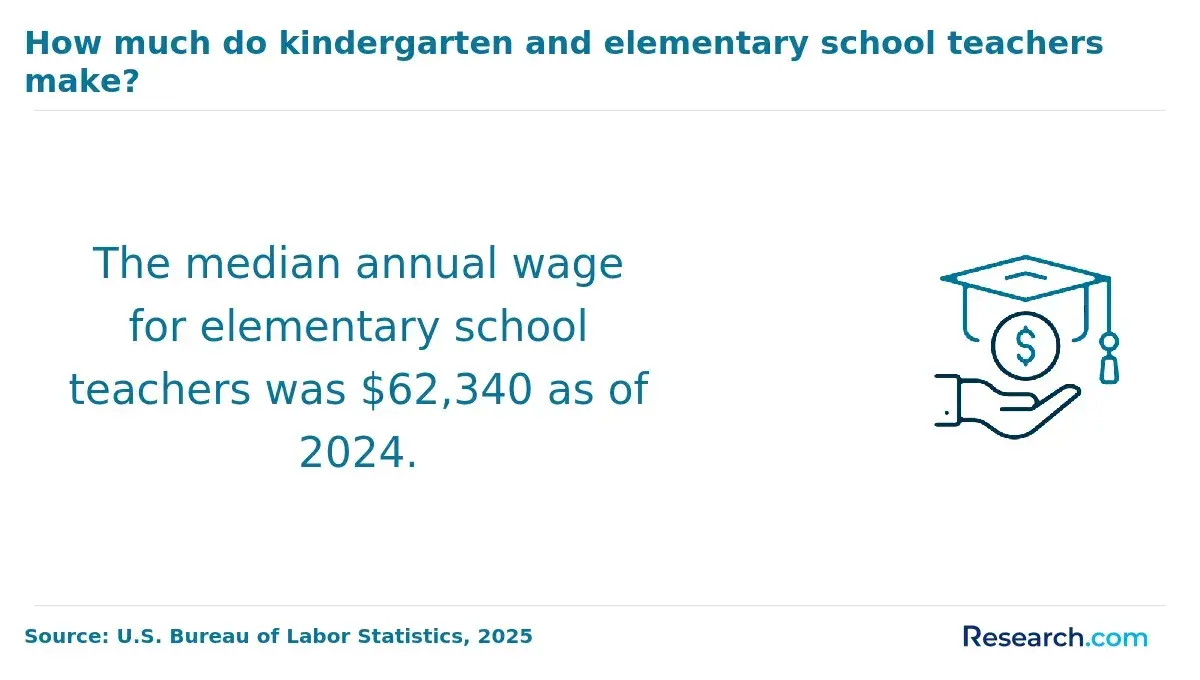
- Years of Experience: Each additional year typically results in a step increase, with the state minimum salary schedule covering up to 28 years. Starting salaries for first-year teachers with a bachelor’s degree begin at $47,500, rising annually with added experience.
- Educational Attainment: Advanced degrees significantly boost pay, with teachers holding a master’s degree earning nearly $3,000 more than the previous year’s base, emphasizing the premium placed on higher education.
- District Variations: Some districts exceed state minimums, offering up to 40 salary steps and higher starting salaries—Charleston County, for example, now starts teachers at $56,200 with plans to reach $64,000.
- Leadership Roles and Incentives: Promotions and National Board Certifications yield considerable supplements, including annual bonuses of $5,000 to $7,500, rewarding specialized expertise and leadership.
- Longevity and Professional Development Bonuses: Additional incentives such as longevity bonuses or stipends for approved training encourage retention and lifelong learning within the profession.
What Do Teachers in South Carolina Say About Their Career?
- Pursuing my teaching credential through the Charleston Leadership Academy was one of the best decisions of my life. The program’s emphasis on community engagement helped me connect deeply with my students and their families right from the start. Beginning my career at a local school here in South Carolina has given me a fulfilling sense of purpose and stability. The support from fellow educators and the chance to shape young minds in such a vibrant cultural setting fuels my passion every day. Nick
- Completing my studies at the Upstate Educators Institute opened so many doors for me professionally. South Carolina’s dedication to ongoing teacher development means I’m never stagnant—I’m constantly improving and growing in my role. Facing the unique challenges of teaching in a state with such diverse communities and rural areas keeps me innovative and adaptable. The joy of seeing students thrive and knowing I contributed to their success is incredibly rewarding on a personal and professional level. Lorena
- Starting my teaching career in a local South Carolina school after finishing my program at Palmetto Scholars Academy was an eye-opening experience. The rich environmental and cultural resources here provide a dynamic backdrop for learning that enriches my classroom every day. Beyond just teaching academics, I feel like I am making a positive impact on the community by inspiring young people. South Carolina offers unique opportunities to grow as an educator while truly giving back to the place you call home. Jonnar
Related Articles for Nearby States
- 2027 How Long Does It Take to Be a Teacher in Georgia?
- 2027 How Long Does It Take to Be a Teacher in North Carolina?
- 2027 How Long Does It Take to Be a Teacher in Florida?
- 2027 How Long Does It Take to Be a Teacher in Tennessee?
- 2027 How Long Does It Take to Be a Teacher in Alabama?
- 2027 How Long Does It Take to Be a Teacher in Virginia?
- 2027 How Long Does It Take to Be a Teacher in Kentucky?
- 2027 How Long Does It Take To Be A Teacher in Mississippi?
- 2027 How Long Does It Take to Be a Teacher in West Virginia?
- 2027 How Long Does It Take to Be a Teacher in Louisiana?
References:
- How to Apply - South Carolina Department of Education - 09/29/2025 6:20 AM https://ed.sc.gov/educators/certification/apply/
- About Certification in South Carolina | TEACH South Carolina https://southcarolina.teach.org/become/certification/about
- Frequently Asked Questions | South Carolina Teachers of Tomorrow https://www.teachersoftomorrow.org/southcarolina/teacher-resources/frequently-asked-questions/
- Become a Teacher in South Carolina Teacher | Online Teacher Certification https://www.americanboard.org/south-carolina/
- South Carolina Teacher Certification Guide | All Education Schools https://www.alleducationschools.com/teacher-certification/south-carolina/
- Educator Rights & Teacher Tenure https://www.thescea.org/resource-library/educator-rights-teacher-tenure
- South Carolina Legislature Online - Search https://www.scstatehouse.gov/query.php
- Overview and Expectations | Coastal Carolina https://www.coastal.edu/scoess/studentsupportandengagement/informationforteachercandidates/clinicalexperiences/overviewandexpectations/
Other Things You Should Know About How Long it Takes to be a Teacher in South Carolina
By 2026, to become a fully certified teacher in South Carolina, candidates must complete a bachelor’s degree in education, undergo a state-approved educator preparation program, pass the Praxis exams, complete student teaching, and apply for certification through the South Carolina Department of Education.
To become a teacher in South Carolina, you must pass the Praxis exams. The required tests usually include the Praxis Core Academic Skills for Educators and Praxis Subject Assessments, relevant to the specific subject area you plan to teach.


