
2027 How to Become a Caregiver: Certification Requirements in Georgia

Co-Founder and Chief Data Scientist
Georgia’s demand for caregivers is rising, with employment expected to grow 23% by 2030, well above the national average. The state requires completion of a certified training program and passing a competency exam to earn caregiving certification. This credential not only ensures compliance with state regulations but also enhances job prospects and earning potential. Pursuing a caregiver career in Georgia offers job stability and growing opportunities due to the aging population.
This article, prepared by experts in career planning, outlines each certification step clearly and pragmatically. It provides essential guidance to help aspiring caregivers navigate Georgia’s certification process efficiently and confidently.
Key Things to Know About Becoming a Caregiver in Georgia
- Complete a state-approved training program of at least 75 hours that covers basic nursing skills, emergency procedures, and patient care ethics.
- Pass the Georgia Nurse Aide Competency Exam, which includes both written and practical skills assessments, to receive official certification.
- Renew certification every 24 months by completing continuing education and maintaining active employment to stay compliant with Georgia’s caregiver workforce standards.
- What education is required to become a certified caregiver in Georgia?
- How many training hours are required for caregiver certification in Georgia?
- What topics are covered in caregiver training programs in Georgia?
- Is there a state exam for caregiver certification in Georgia?
- How do you apply for caregiver certification in Georgia?
- How much does it cost to get caregiver certification in Georgia?
- How often do you need to renew caregiver certification in Georgia?
- What continuing education is required for caregivers in Georgia?
- What is the salary for certified caregivers in Georgia?
- What jobs can you get with caregiver certification in Georgia?
- What are the career advancement opportunities for caregivers in Georgia?
What education is required to become a certified caregiver in Georgia?
Meeting the education requirements for caregiver certification in Georgia is a critical step to ensure competent and professional caregiving services across the state. These standards set the foundation for ethical practice and effective support of vulnerable populations. To fulfill Georgia caregiver training and competency standards, candidates must complete several key education requirements:
- Bachelor’s Degree: A minimum of a bachelor’s degree from a regionally accredited institution is necessary, preferably in education, ESOL, or a related field recognized by the Georgia Professional Standards Commission.
- Approved Educator Preparation Program: Completion of a Georgia Professional Standards Commission-approved preparation program is mandatory, either through specialized certification in ESOL or an endorsement track combined with elementary, secondary, or special education.
- Valid Georgia Teaching Certificate: Holding or qualifying for at least a Level Four Georgia Teaching Certificate is required to demonstrate professional educator status within the state.
- ESOL Endorsement Coursework: Candidates seeking to add ESOL endorsement must complete specific graduate-level coursework, typically involving 9 to 12 credit hours covering critical topics like applied linguistics and cultural diversity.
- Ethical Disclosure and Affirmation: Applicants must submit documentation affirming their professional ethics and background, including confirmation of tort liability insurance as part of certification protocols.
Meeting these education requirements for caregiver certification in Georgia is essential for maintaining high professional standards. For those exploring related fields, understanding the structure of education programs helps in planning informed career steps. For example, prospective caregivers interested in healthcare administration might find valuable insights by reviewing the medical billing and coding job description, which offers a detailed profile of related certification and training pathways.
How many training hours are required for caregiver certification in Georgia?
Training hours are essential to equip caregivers with both theoretical knowledge and practical skills for safe, effective client care. Georgia mandates specific training durations tailored to different caregiving roles to ensure compliance with state and federal standards. In Georgia, caregiver certification training hours vary by role and include both classroom instruction and supervised practice. The breakdown is as follows:
- Personal Care Assistants (PCAs): 40 total hours divided into 20 hours before client service, focusing on basic caregiving skills like safety and infection control, and 20 hours completed within six months, emphasizing advanced care such as dementia and vital signs monitoring.
- Home Health Aides (HHAs): 75 hours including a minimum of 16 hours of supervised practical training. Coursework covers communication, emergency protocols, and personal care tasks, preparing HHAs for both medical and non-medical duties.
- Companion Caregivers: Required 8 hours annually focusing on state-specific topics such as HIPAA compliance and elder abuse awareness to maintain current knowledge of regulations and best practices.
- Personal Care Home Staff: An initial minimum of 24 hours plus 16 hours of yearly continuing education, ensuring ongoing competency in caregiving and regulatory compliance.
- Certified Nursing Assistants (CNAs): Completion of a federally compliant, state-approved program usually comprising 75 hours of classroom and clinical training, followed by passing a state competency exam.
What topics are covered in caregiver training programs in Georgia?
Effective caregiver training in Georgia builds both the skills and confidence needed to provide compassionate, safe care tailored to diverse client needs. The curriculum is designed around practical content that prepares caregivers for the challenges faced in home care and healthcare settings. Understanding caregiver training topics in Georgia helps prospective caregivers focus on core competencies essential for certification and ongoing professional development.
- Personal Care Skills: Training includes assisting with bathing, dressing, grooming, feeding, ambulation, and safe transfer techniques, ensuring caregivers support Activities of Daily Living while preserving client dignity.
- Infection Control: Emphasizes hand hygiene, personal protective equipment use, and universal precautions to minimize infection risks to both clients and caregivers in home and healthcare environments.
- Safety Procedures & Home Management: Covers fall prevention, emergency preparedness, hazard-free environment maintenance, and disaster response to create safe living spaces for clients.
- Basic First Aid and Emergency Response: Focuses on recognizing medical emergencies, providing first aid, and determining when to engage emergency services; CPR may require an additional certification.
- Nutrition and Hydration: Educates on balanced meal preparation, hydration monitoring, dietary restrictions, and spotting signs of malnutrition or dehydration in clients.
- Observation, Reporting, and Documentation: Trains caregivers to monitor vital signs, detect health changes, and communicate effectively with supervisors and healthcare professionals.
- Communication Skills: Provides strategies for clear and empathetic communication with clients, families, and medical teams, including approaches for clients with dementia or speech impairments.
- Patient Rights and Confidentiality: Instructs on respecting client autonomy, privacy, informed consent, and compliance with HIPAA to protect confidential information.
- Caring for Clients with Special Conditions: Offers guidance on managing chronic illnesses, behavioral issues, and end-of-life care with suitable adaptations.
- Elder Abuse Prevention: Raises awareness of various abuse types and teaches appropriate response protocols and reporting requirements.
The Georgia caregiver certification course content reflects these comprehensive topics, ensuring caregivers meet state standards and are prepared for real-world demands. To further enhance career prospects, consider additional credentials like CBCS or CPC certification for career growth.
Is there a state exam for caregiver certification in Georgia?
Many states require formal exams for caregiver certification to ensure workers have the necessary skills and knowledge to provide safe, competent care. These exams typically include both written and practical components, helping maintain consistent care standards and protect vulnerable populations.
In Georgia, a state exam is required only for more advanced caregiver roles such as Certified Nursing Assistants (CNAs) and Home Health Aides (HHAs). The certification process for these roles involves passing a state-administered competency exam that includes both a written test and a practical skills demonstration. The written portion evaluates knowledge of key caregiving principles, including patient safety, infection control, communication, and emergency procedures. The skills exam tests hands-on abilities like personal care, mobility assistance, and measuring vital signs.
For entry-level caregivers such as companion caregivers and private-duty homemakers, Georgia does not require a formal state exam. Instead, certification is based on completing state-approved training—typically 8 hours in the first year, with annual renewals. Personal Care Home staff must complete specific training hours but are not required to pass an exam if trained through licensed facilities. This system allows Georgia to ensure caregivers meet competency standards appropriate to their responsibilities, with testing reserved for roles demanding higher skill and oversight.
How do you apply for caregiver certification in Georgia?
Following the correct steps to apply for caregiver certification in Georgia is essential to meet state regulations and avoid delays during processing. Caregiver certification protects both the caregiver and care recipients by ensuring compliance with legal and professional standards throughout the training and approval stages.
- Review Eligibility Requirements: Applicants must be 18 or older, have a high school diploma or GED, and meet role-specific criteria, including residency restrictions for paid Medicaid caregivers.
- Gather Required Documents: Collect proof of education, valid ID, and any necessary Medicaid or medical documentation before applying.
- Complete State-Approved Training: Enroll in an approved training program with hours depending on your role—40 hours for PCAs and 75 hours for HHAs—with required continuing education annually.
- Submit the Application: Fill out the official caregiver certification application and send it to the Georgia Department of Community Health or designated providers.
- Undergo Background Checks: Complete fingerprinting and criminal background reviews to ensure safety for care recipients.
- Participate in Pre-Service Training and Evaluation: Attend any mandatory sessions, such as IMPACT training for foster caregivers, and complete family evaluations if applicable.
- Pass Competency Exams (If Required): Successfully complete written and practical exams to demonstrate caregiver skills.
- Obtain Certification and Registration: After approval, receive your certification and register with the relevant state agencies to become eligible for employment and Medicaid programs.
- Maintain Certification with Continuing Education: Fulfill annual training requirements (8–16 hours) to keep your certification active.
A caregiver from Georgia who graduated from a local training program shared, “The process was detailed and sometimes overwhelming, especially gathering all the required documents and scheduling the fingerprinting appointment.” She noted how completing the state-approved training was both challenging and rewarding, giving her confidence in her caregiving skills. “Passing the competency exam made it official—it felt like all the hours spent preparing truly counted.” Reflecting on the background check, she said, “Waiting for clearance was nerve-wracking because I wanted to start helping people as soon as possible.” Overall, she found that following each step carefully helped her stay organized and focused, and she encourages new applicants to be patient and thorough throughout the process.
How much does it cost to get caregiver certification in Georgia?
Caregiver certification in Georgia requires an upfront financial commitment that varies by program type and role. Knowing the typical costs helps prospective caregivers budget their training expenses and avoid surprises during the process. Factoring in all fees ensures a clearer path toward obtaining necessary credentials and launching a caregiving career.
- Training Program Tuition: Entry-level courses typically range from $99 to $138.98, with advanced or bundled options costing up to $238.97. Certified Nursing Assistant (CNA) programs, which demand more hours, often have higher tuition, sometimes reaching several hundred dollars.
- Textbooks and Materials: These may be included in tuition but can add $20 to $75 if purchased separately; online courses generally bundle these materials digitally, lowering this cost.
- Application Fees: Most programs do not charge extra application fees, but if applicable, they usually remain under $50.
- Background Check Fees: All certifications require a background check, generally costing between $40 and $50, depending on the provider and county.
- Exam Fees (if applicable): Certain roles like CNAs require a certification exam costing about $112, while other caregiving roles may include competency tests within the training fees.
- State-Specific Continuing Education: Ongoing education is mandatory after certification, with annual costs ranging from $30 to $100 depending on provider and role, such as PCAs or HHAs.
- Factors Affecting Costs: Costs vary based on training providers—community colleges, private schools, or online programs—with online options often more affordable. Geographic location, delivery method, and optional bundles also influence the total cost, as can employer sponsorship or limited financial aid availability.
For those comparing career investment, it helps to weigh caregiver certification costs against other healthcare credentials, such as a bachelors degree vs medical billing and coding certificate salary comparison, considering time and financial commitment as part of planning.
How often do you need to renew caregiver certification in Georgia?
Certification renewal in Georgia plays a key role in keeping caregiver skills sharp and ensuring compliance with state regulations. This ongoing process helps maintain a professional standard for those providing care, confirming they stay active in the field and meet all legal obligations. Caregivers must demonstrate recent practical experience to remain on the registry and qualified to work in licensed facilities.
In Georgia, Certified Nurse Aides (CNAs) must renew their certification every two years. Eligibility requires having worked at least eight paid hours under a registered nurse’s supervision within the past 24 months. The renewal process includes submitting an application and proof of employment, like a paystub or W-2, and notably, no fees are required. If certification lapses for over three years, completing state-approved nurse aide training is mandatory before recertification.
What continuing education is required for caregivers in Georgia?
Continuing education is a vital component for caregivers in Georgia to maintain professional skills, uphold quality standards, and comply with state regulations. Annual training ensures caregivers stay current on best practices and legal requirements, ultimately safeguarding the well-being of those under their care.
- Personal Care Assistants (PCAs): 8 hours annually covering topics such as safety, infection control, elder abuse reporting, client rights, and hands-on care techniques.
- Home Health Aides (HHAs): 12 hours annually focusing on hospice care, dementia care, medication reminders, and chronic illness management.
- Companion Caregivers and Private-Duty Homemakers: Eight hours annually including basic caregiving skills, HIPAA compliance, and safety.
- Certified Nurse Aides (CNAs): Annual refresher training required as per federal guidelines and Georgia Board of Nursing regulations, covering care skills and patient safety.
- Assisted Living Staff: Initial training within 60 days of hire, plus ongoing education on emergency procedures and disease-specific care.
One caregiver who graduated from a local Georgian program shared that while completing the mandatory continuing education was initially daunting, the structured approach helped him feel more confident and competent in his role. He reflected, “Keeping up with the yearly training meant juggling work with coursework, but the online format made it manageable and allowed me to immediately apply what I learned. Meeting the state requirements wasn’t just about compliance; it truly enhanced my ability to provide safe, compassionate care.” His story underscores how continuing education is more than a regulatory hurdle—it’s an evolving process that enriches both caregiver and client experiences.
What is the salary for certified caregivers in Georgia?
Salaries for certified caregivers in Georgia depend on key factors such as geographic location, type of employer, and the caregiver’s certification and experience level. Urban centers like Atlanta generally offer higher wages than rural areas. Employers range from private home care agencies to nursing facilities and hospitals, each with varying pay scales. Certification and specialized skills usually lead to better compensation, making it vital for career growth.
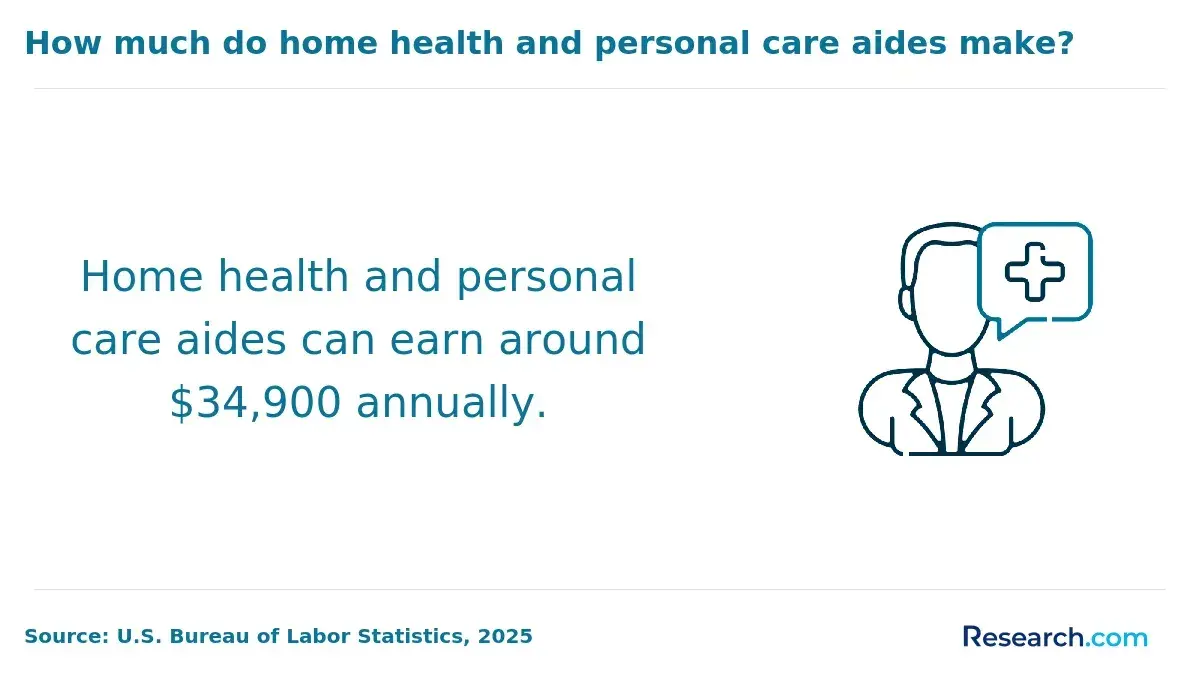
- Statewide Average Salary: Certified caregivers in Georgia earn about $39,457 annually as of September 2025, with most salaries between $36,335 and $43,240. This is a moderate increase compared to uncertified caregivers in the state.
- Hourly Wage in Atlanta: In Atlanta, the average hourly wage for certified caregivers is $16.71, ranging from $14.81 to $18.27, with top earners reaching up to $20 per hour or $41,830 annually.
- Comparison to General Caregiver Pay: The average hourly rate for uncertified caregivers in Georgia is $13.12, equivalent to about $27,285 annually, showing that certification can lead to a notable wage increase.
- Family Caregivers (Medicaid Programs): Family caregivers involved in Georgia’s Medicaid Structured Family Caregiving or Community Care Services Program typically earn between $9.50 and $15 per hour, with monthly payments from $1,200 to $2,400, depending on care requirements.
- Live-In Caregivers: Live-in certified caregivers can expect higher pay, approximately $85,982 annually, reflecting the round-the-clock nature of this role and often including room and board.
For those considering advancing in the care field, exploring options such as online training for medical billing and coding can open additional career pathways and increase earning potential beyond typical caregiver pay rates in Georgia.
What jobs can you get with caregiver certification in Georgia?
Caregiver certification in Georgia unlocks access to a variety of certified caregiver positions that offer both entry-level and specialized roles within healthcare and support services. This credential prepares you to work in diverse environments, meeting increasing demand driven by the state’s aging population. Common jobs available with caregiver certification in Georgia:
- Home Health Aide: Provides personal care and basic health-related assistance in clients’ homes, helping with tasks like bathing, dressing, and medication reminders, primarily serving seniors or individuals with disabilities.
- Personal Care Attendant (PCA): Assists clients with daily activities such as grooming, meal preparation, and mobility, often offering companionship and monitoring health changes in private residences.
- Certified Nursing Assistant (CNA): Works under nurses’ supervision in hospitals or long-term care facilities, supporting patient hygiene, transfers, and vital sign measurements.
- Residential Care Aide: Supports residents in group homes or assisted living facilities by helping with routines, ensuring safety, and engaging in recreational activities.
- Hospice Aide: Delivers compassionate end-of-life care in homes or hospice centers, focusing on patient comfort and symptom management.
- Companion/Sitter: Provides non-medical supervision and companionship to clients at risk of isolation, often with flexible scheduling.
- Homemaker/Housekeeper: Maintains clients’ living environments by performing household chores like laundry and meal prep, essential for those with physical limitations.
- Personal Support Worker (PSW): Offers both physical assistance and emotional support in various settings, including community care, helping with mobility and personal hygiene.
To support your career plans, consider exploring whether does financial aid pay for medical billing and coding programs might also complement your healthcare skills alongside direct caregiving roles. Combining these skills enhances your flexibility in the healthcare job market.
What are the career advancement opportunities for caregivers in Georgia?
Certified caregivers in Georgia can leverage their certification toward advanced roles and specialized fields by acquiring additional credentials and targeted training programs. Opportunities include supervisory positions, roles in specialized care settings, and pathways to allied health professions. For instance, some professionals explore further studies to transition into roles such as occupational therapy; see how to become an occupational therapist in Georgia. Strategic professional development, mentorship, and continuous skill enhancement are key factors that enable caregivers to expand their career portfolios and assume higher responsibility positions within the healthcare industry.
What Do Caregivers in Georgia Say About Their Career
- Completing my caregiver certification at Savannah Technical College opened so many doors for me. Starting my career working with staff and students in a local school gave me a real sense of purpose and belonging. The program’s hands-on approach prepared me for the unique challenges of serving Georgia’s diverse student population. Watching kids gain confidence and thrive is incredibly rewarding, and I can genuinely say this career has changed my life for the better. Manuel
- Growing professionally through the caregiver program at Georgia Piedmont Technical College was a transformative experience. It gave me the foundation to begin working in an academic setting, where I quickly realized how much impact a compassionate caregiver can have on the wellbeing of young people. Being part of Georgia’s vibrant community has allowed me to connect deeply with students and contribute to a healthier school environment. This career is not just a job; it’s an opportunity to continuously grow and make a meaningful difference. Hazel
- The opportunity to train at Columbus State University equipped me with skills tailored to the specific needs of Georgia’s schools and communities. Starting as a caregiver in a local school was challenging yet fulfilling, especially knowing that my work supports students amidst Georgia’s unique cultural landscape. Professionally, this career path offers stability and growth, but what truly motivates me is the daily impact I have on young lives. I’ve developed both personally and professionally in ways I never expected. Dennis
Related Articles for Nearby States
- 2027 How to Become a Caregiver: Certification Requirements in South Carolina
- 2027 How to Become a Caregiver: Certification Requirements in Florida
- 2027 How to Become a Caregiver: Certification Requirements in Alabama
- 2027 How to Become a Caregiver: Certification Requirements in Tennessee
- 2027 How to Become a Caregiver: Certification Requirements in North Carolina
- 2027 How to Become a Caregiver: Certification Requirements in Mississippi
- 2027 How to Become a Caregiver: Certification Requirements in Kentucky
- 2027 How to Become a Caregiver: Certification Requirements in Virginia
- 2027 How to Become a Caregiver: Certification Requirements in Louisiana
- 2027 How to Become a Caregiver: Certification Requirements in West Virginia
References:
- Georgia Caregiver Training Course - Earn a Free Certification https://caredemy.us/product/georgia-caregiver-training/
- Caregiver Programs | Georgia Department of Human Services Division of Aging Services https://aging.georgia.gov/programs-and-services/home-community-based-services/caregiver-programs
- Georgia Caregiver Training Requirements for Senior Care – Professional Association of Caregivers https://professionalassociationofcaregivers.org/2019/12/01/georgia-caregiver-training-requirements-for-senior-care/
- Caregiver Training | Office of the Commissioner of Insurance and Safety Fire https://oci.georgia.gov/safety-fire-reporting-education/caregiver-training
- How to Become a Certified Caregiver in Georgia - Freedom Care https://freedomcare.com/how-to-become-a-certified-caregiver-in-georgia/
- Georgia Caregiver Training | myCNAjobs.com https://www.mycnajobs.com/caregiver-training/georgia/
- To further enhance career prospects, consider additional credentials like https://research.com/careers/medical-coding-and-billing-exams-CBCS-vs-CPC-certification
- Average Caregiver Salary in Tbilisi, Georgia for 2025 https://worldsalaries.com/average-caregiver-salary-in-tbilisi/georgia/
- Certified Caregiver Salary in Du Pont, Georgia | Salary.com https://www.salary.com/research/salary/posting/certified-caregiver-salary/du-pont-ga
- How to Become a Paid Family Caregiver: A Step-by-Step Guide https://careforth.com/blog/how-to-become-a-paid-caregiver-for-a-family-member-6-steps-to-uncovering-financial-assistance-options-for-family-caregivers/
Other Things You Should Know About Becoming a Caregiver in Georgia
In 2027, to work as a caregiver in Georgia, you need to complete a criminal background check, have relevant training or certification (like a CNA license), and for some positions, be certified in First Aid and CPR. Some roles might require additional state-approved training.
In 2027, while certification is not always mandatory for all caregiving roles in Georgia, obtaining a certification can enhance job prospects and align with employer preferences. Certain services, especially those funded through Medicare or Medicaid, may require certified caregivers to meet state regulations.
In Georgia, caregiver certifications must be renewed every two years. The renewal process involves meeting specific continuing education requirements, which ensure caregivers maintain current skills and knowledge relevant to their duties. Failure to renew may affect your eligibility to work.


