
2027 How to Become a Caregiver: Certification Requirements in Indiana

Co-Founder and Chief Data Scientist
Becoming a caregiver in Indiana is not one single credential path. The right route depends on where you want to work, who you want to serve, and whether the role is non-medical companion care, home health aide work, CNA-related care, Medicaid waiver support, or family caregiving. That distinction matters because Indiana requirements can differ by employer, agency type, funding source, and care setting.
This guide explains how caregiver certification works in Indiana, including education expectations, training hours, competency testing, application steps, costs, renewal, continuing education, salary ranges, and job options. It is designed for adults considering a first healthcare role, family members who want to become paid caregivers, and current aides who want to strengthen their credentials or move into higher-responsibility positions.
Quick answer: How do you become a certified caregiver in Indiana?
In Indiana, the fastest answer is this: decide which caregiver role you want, complete the training required for that role, pass any required competency evaluation, clear background and registry checks, and apply through the correct state, employer, or agency process. For Home Health Aide and related aide roles, Indiana commonly requires a state-approved training program with 75 hours of instruction and supervised practical experience. For some non-medical private-pay caregiver jobs, Indiana does not set the same universal training-hour requirement, but employers and Medicaid waiver programs may require specific training, competency checks, and documentation.
Demand is a major reason many people are exploring this field. Indiana’s aging population is contributing to a rising need for certified caregivers, and employment in this sector is expected to grow by over 15% through 2030. Certification can help job seekers show employers that they understand safe care, infection control, resident rights, documentation, and emergency response—not just companionship.
Key Things to Know About Becoming a Caregiver in Indiana
- Requirements depend on the caregiving role. Home Health Aide, CNA-related, Medicaid waiver, child care, direct support, and private-pay caregiver roles do not always follow the same process.
- Many aide pathways require structured training. State-approved training commonly includes 75 hours of classroom and hands-on preparation so caregivers can demonstrate safe, competent care.
- Competency matters as much as coursework. Indiana caregiver pathways often require a written assessment, a skills demonstration, employer competency checks, or agency-based testing before a worker can provide unsupervised care.
- Background screening is part of the process. Most regulated settings require criminal background checks, fingerprinting, abuse registry checks, or employer screening before hiring.
- Certification can improve job access. As Indiana faces caregiver workforce shortages, formal preparation can make applicants more competitive for home care, long-term care, hospice, and Medicaid-funded support roles.
- What education is required to become a certified caregiver in Indiana?
- How many training hours are required for caregiver certification in Indiana?
- What topics are covered in caregiver training programs in Indiana?
- Is there a state exam for caregiver certification in Indiana?
- How do you apply for caregiver certification in Indiana?
- How much does it cost to get caregiver certification in Indiana?
- How often do you need to renew caregiver certification in Indiana?
- What advanced certifications can elevate your healthcare career in Indiana?
- What continuing education is required for caregivers in Indiana?
- What is the salary for certified caregivers in Indiana?
- What jobs can you get with caregiver certification in Indiana?
What education is required to become a certified caregiver in Indiana?
Indiana caregiver education requirements are best understood by role. A non-medical companion caregiver may enter the field through employer training, while a Home Health Aide or CNA-related worker usually needs more formal preparation. In practice, most employers want caregivers who can read care plans, document services accurately, follow safety procedures, communicate with families and nurses, and recognize signs that a client’s condition is changing.
For many caregiver jobs, a high school diploma or GED is treated as the baseline education credential. Postsecondary coursework is not always required, but classes in health science, aging services, psychology, human services, or medical terminology can help applicants understand care environments more quickly.
| Education or preparation factor | What it means in Indiana | Why it matters for applicants |
| High school diploma or GED | Common minimum education expectation for many caregiver and aide roles | Shows basic academic readiness for documentation, safety instructions, and employer training |
| State-approved caregiver or aide training | Often required for HHA, CNA-related, or regulated care roles | Builds practical skills for personal care, infection control, transfers, and emergency response |
| Health-related coursework | Helpful but not always mandatory | Can strengthen readiness for long-term care, home health, hospice, and clinical support jobs |
| Employer or agency orientation | Frequently required before direct client work | Explains agency policies, documentation rules, client-specific needs, and reporting procedures |
| Ongoing learning | Needed in many regulated roles and strongly recommended in private-pay care | Keeps caregivers current on dementia care, safety, infection control, and client rights |
Education also affects mobility. A caregiver who starts in private home care may later decide to pursue a CNA or Home Health Aide pathway to access more clinical settings. Someone who prefers administrative healthcare work may compare caregiving with roles such as medical billing and coding careers, where the work is less hands-on but still depends on healthcare-specific training and credentials.
Who should choose a caregiver certification path?
- Choose caregiving if you want direct contact with clients, enjoy helping with daily routines, can handle physical and emotional responsibilities, and are comfortable following care plans.
- Consider a different healthcare path if you prefer desk-based work, dislike unpredictable schedules, or want a role that does not involve bathing, transfers, toileting, or end-of-life support.
- Plan for advancement early if you want to move from companion care into CNA, HHA, hospice aide, rehabilitation support, nursing, therapy, or healthcare administration.
How many training hours are required for caregiver certification in Indiana?
The training-hour requirement in Indiana depends on the type of caregiver work. This is where many applicants get confused. A non-medical caregiver who works in a private home is not always subject to the same state training-hour rules as a Home Health Aide or aide working through a regulated agency. However, employers may still require training before assigning clients.
For Home Health Aide and similar state-approved aide training pathways, applicants commonly complete 75 hours of coursework and supervised hands-on experience. Programs often combine classroom instruction, practical labs, and clinical or supervised care practice. By contrast, Indiana does not set state-mandated initial or ongoing training hours for all non-medical caregivers working in private-pay settings.
| Caregiver pathway | Training-hour expectation | What to verify before enrolling or applying |
| Home Health Aide pathway | At least 75 hours through a state-approved program | Confirm the program is accepted for Indiana HHA requirements and includes supervised practical training |
| Non-medical private-pay caregiver | No universal Indiana-mandated initial or ongoing hour requirement | Ask the employer what orientation, skills checks, background screening, and annual training are required |
| Medicaid waiver caregiver or provider staff | Requirements may vary by waiver program and agency | Confirm program-specific training, documentation, billing, and competency rules before accepting clients |
| Employer-based caregiver role | May include agency onboarding, online modules, competency tests, and client-specific training | Ask whether training is paid, how long it takes, and whether it leads to a recognized credential |
Even where state law does not require a set number of hours for every non-medical caregiver, training is still important. Caregivers regularly handle fall risks, dementia behaviors, infection exposure, mobility assistance, medication reminders, nutrition concerns, and emergency situations. Industry experts often recommend 6 to 12 hours of annual ongoing training for non-medical caregivers so skills remain current, even when the training is not legally mandated.
- Do not assume “no state hours” means “no training.” Employers may have stricter standards than the minimum state requirement.
- Check the funding source. Medicaid waiver programs may add requirements that do not apply to private-pay companion care.
- Ask about proof of completion. A certificate from an employer orientation is not always the same as state-recognized aide certification.
What topics are covered in caregiver training programs in Indiana?
Strong caregiver training prepares workers for the realities of home care, assisted living, long-term care, hospice, and disability support. The goal is not simply to memorize rules. Caregivers must learn how to protect safety, preserve dignity, communicate concerns, and provide personal assistance without causing harm.
Indiana caregiver training programs commonly cover the following topics:
- Caregiver role and scope of practice: What caregivers may do, what they must not do, how to follow a care plan, and when to report concerns to a supervisor or nurse.
- Resident and client rights: Privacy, dignity, choice, informed consent, respectful communication, and protection from abuse, neglect, and exploitation.
- Infection control: Hand hygiene, personal protective equipment, cleaning procedures, exposure prevention, and safe care during illness.
- Personal care assistance: Bathing, dressing, grooming, toileting, oral care, incontinence care, and respectful support with activities of daily living.
- Nutrition and hydration: Meal support, safe feeding practices, fluid intake, diet restrictions, and warning signs related to poor nutrition or dehydration.
- Basic nursing-related skills: Measuring vital signs when allowed, observing changes, documenting care, and communicating health concerns promptly.
- Emergency procedures and first aid: How to respond to falls, choking, sudden illness, fire, severe confusion, and other urgent situations.
- Fire and home safety: Hazard reduction, evacuation planning, safe equipment use, oxygen safety when applicable, and fall-prevention practices.
- Communication skills: Active listening, family communication, professional boundaries, conflict de-escalation, and teamwork with nurses or case managers.
- Abuse and neglect reporting: Recognizing physical, emotional, financial, and neglect-related warning signs and following mandatory reporting procedures.
- Dementia and cognitive impairment care: Redirection, routine building, behavior support, wandering risk reduction, and communication with clients who have memory loss.
- Skin care and pressure sore prevention: Repositioning, skin observation, hygiene, moisture management, and prompt reporting of changes.
- Household support: Light housekeeping, safe food handling, laundry, environmental organization, and maintaining a clean care space.
- Documentation and confidentiality: Accurate service records, incident notes, privacy rules, and professional communication standards.
- Cultural awareness: Respecting language, religion, family structure, personal routines, disability status, and individual preferences.
These topics are practical because caregiver mistakes can directly affect health and safety. Applicants who prefer specialized administrative training rather than hands-on care may want to compare caregiver preparation with medical biller and coder requirements, which also involve healthcare rules but focus on records, reimbursement, and coding accuracy.
Is there a state exam for caregiver certification in Indiana?
For Indiana aide pathways that require formal certification or registry listing, candidates generally complete a competency evaluation after finishing the required training. This evaluation is designed to show that a caregiver can apply classroom knowledge in real care situations.
Indiana requires a competency exam for caregiver certification in applicable aide pathways. Candidates typically complete a state-approved training program lasting four to eight weeks before taking an exam overseen by the Indiana State Department of Health. The exam has two major parts: a written test and a skills demonstration.
| Exam component | What it measures | Examples of content |
| Written test | Knowledge of safe and ethical caregiving | Basic first aid, medication management, hygiene, infection control, care plans, patient rights, ethics, and emergency procedures |
| Skills demonstration | Ability to perform care tasks correctly | Assistance with daily living, mobility support, transfers, client safety, and emergency responsiveness |
| Compliance checks | Eligibility to work with vulnerable clients | Background checks, fingerprinting, abuse registry review, and employer documentation |
Non-medical caregiver roles may not always require the same state exam, but many agencies still use competency evaluations, online tests, skills checklists, or supervised shifts before a caregiver works independently. Applicants should ask whether the assessment leads to state registry eligibility, employer-only approval, or a private certificate.
How do you apply for caregiver certification in Indiana?
The application process is easier when you first identify the exact role you want. “Caregiver” can mean home health aide, CNA, personal care attendant, direct support professional, family caregiver, hospice aide, or companion caregiver. Each path may use different paperwork, portals, background checks, and training rules.
- Choose your target role. Decide whether you want private-pay home care, HHA work, CNA-related employment, Medicaid waiver services, child care, direct support, or family caregiving.
- Confirm eligibility. Check age, legal work authorization, employer requirements, and any role-specific rules. Some programs may require applicants to be 18 or 21 years old.
- Complete the required training. For a Home Health Aide path, this may mean a state-approved course with at least 75 hours of classroom and supervised practical instruction.
- Pass the competency evaluation. Complete the required written exam, skills demonstration, employer assessment, or program-specific competency test.
- Collect required documents. Keep copies of identification, training completion records, exam results, licenses if applicable, and insurance documentation when required.
- Complete background screening. Expect criminal background checks, fingerprinting, and abuse registry checks for many caregiving jobs.
- Submit the correct application. Depending on the pathway, you may apply through the Indiana Department of Health Gateway, the Family and Social Services Administration portal, a Medicaid waiver provider process, or an employer system.
- Attend required information sessions. Some programs, such as CHOICE respite care or waiver-related services, may require orientation before approval.
- Complete home or family assessments if needed. For certain family caregiver arrangements, an Area Agency on Aging care manager may review the care recipient’s eligibility and the home situation.
- Track renewal and training deadlines. Many caregivers must complete ongoing education or work-hour requirements to remain active and employable.
Questions to ask before you start a caregiver program
- Is this program accepted for the Indiana caregiver role I want?
- Does completion make me eligible for a state registry, or is it only an employer certificate?
- Are background checks, fingerprinting, and exam fees included in tuition?
- Does the program include hands-on skills practice or only online lessons?
- Will this training qualify me for Medicaid waiver work, HHA roles, or only private-pay care?
- How long does the application process usually take after training is complete?
- What happens if I fail the written exam or skills demonstration?
Indiana caregivers often describe the process as manageable but paperwork-heavy. One recently certified caregiver noted that the most challenging parts were identifying the right documents, meeting deadlines, navigating state portals, and completing fingerprinting. The most helpful support came from instructors who explained the exam format and walked students through the administrative steps. The lesson for applicants is clear: choose a program that prepares you for both the care work and the certification process.
How much does it cost to get caregiver certification in Indiana?
The cost of caregiver certification in Indiana varies by provider, role, delivery format, and whether the program includes exam preparation, background checks, or continuing education. Online caregiver certificates are usually less expensive than longer in-person aide programs, but lower cost is not automatically better. The credential must match the job you want.
| Cost item | Typical amount stated for Indiana caregiver pathways | What to check |
| Training tuition | Online caregiver certification courses typically range from $59 for basic programs to about $139 for comprehensive training; bundled packages with management certifications can reach nearly $239 | Whether the program is accepted by employers or state-regulated settings |
| Textbooks or materials | Many programs include digital materials; printed or supplemental guides usually cost under $30 per course | Whether materials are required or optional |
| Application or registration fee | Commonly between $25 and $50 when charged | Whether the fee is separate from tuition |
| Background check | Typically $20 to $40 in Indiana | Whether the school, employer, or applicant pays |
| Certification or exam fee | Certified Nursing Assistant exams can add $75 to $100; some non-medical caregiver exams are included in program cost | Retake fees and skills-test scheduling rules |
| Renewal or continuing education | Often between $20 and $50 annually when fees apply | Whether your role requires annual training or biennial renewal |
To control costs, compare the total price—not just tuition. A low-cost course may become more expensive if it excludes the exam, background check, printed materials, or continuing education. Applicants who want to pair direct care with administrative healthcare skills may also explore medical billing and coding classes as a separate credential option.
How to avoid overpaying for caregiver training
- Verify recognition before paying. Ask employers or the relevant state agency whether the program qualifies you for the job you want.
- Compare total cost. Include tuition, exam fees, background checks, supplies, transportation, and unpaid clinical time.
- Ask about employer-paid training. Some agencies may train new hires or reimburse training after employment.
- Do not buy the biggest bundle automatically. Management certificates may not help if your first goal is entry-level home care work.
- Keep receipts and completion records. You may need them for employment, renewal, or reimbursement.
How often do you need to renew caregiver certification in Indiana?
Renewal rules depend on the credential. For Indiana Certified Nurse Aides, certification must be renewed every two years. During that two-year period, CNAs must complete at least eight hours of nursing-related work. Indiana does not charge a fee to renew CNA certification, and renewal is handled through the state’s Online Licensing System.
If a CNA certification has been lapsed for more than eight months, additional verification steps may apply before the aide can return to active status. Caregivers in other roles should not assume the CNA renewal cycle applies to them. Home health, Medicaid waiver, child care, direct support, and private-pay caregiver roles may have different employer or agency expectations.
Renewal checklist for Indiana caregivers
- Know whether your credential is state-issued, registry-based, employer-issued, or private.
- Track your renewal date and work-hour requirements.
- Save proof of employment, training, competency tests, and continuing education.
- Use the correct state or employer system for renewal.
- Act before your credential lapses, especially if your job depends on active status.
What advanced certifications can elevate your healthcare career in Indiana?
Caregiver certification can be a first step rather than an endpoint. Many Indiana caregivers use entry-level experience to decide whether they want to specialize in dementia care, hospice, rehabilitation support, disability services, medication assistance where permitted, leadership, or a more clinical healthcare profession.
| Advanced direction | Best fit for | Why it may help |
| Dementia or memory care training | Caregivers working with clients who have Alzheimer’s disease, dementia, or cognitive decline | Improves communication, safety monitoring, routine planning, and behavior support |
| Hospice or palliative care training | Caregivers comfortable supporting clients and families during serious illness or end-of-life care | Builds skill in comfort care, emotional support, and interdisciplinary teamwork |
| Rehabilitation support training | Caregivers who enjoy mobility assistance, exercise support, and recovery-focused care | Can support work with clients recovering from surgery, injury, or hospitalization |
| Direct support professional training | Caregivers interested in disability services and community-based support | Prepares workers for client-specific plans, independence goals, and agency standards |
| Therapy or clinical career preparation | Caregivers considering longer-term healthcare education | Provides patient-care experience that may clarify future goals |
Caregivers who are drawn to therapeutic work can compare this path with resources on how to become an occupational therapist in Indiana. Occupational therapy requires a much more advanced education route, but caregiving experience can help prospective students understand patient needs before committing to graduate-level training.
What continuing education is required for caregivers in Indiana?
Continuing education requirements in Indiana vary by caregiver category. Some workers have annual state or agency requirements, while private-pay caregivers may not have a formal state mandate. Still, ongoing learning is one of the clearest ways to reduce risk, improve client care, and remain competitive with employers.
| Caregiver category | Continuing education requirement | Common training topics |
| Home Health Aides | 12 hours of continuing education each year, plus 3 hours of dementia care training annually | Communication, infection control, emergency safety, vital signs, nutrition, transfers, medication assistance, and client needs |
| Personal Service Agency caregivers | Requirements vary by agency and often include annual competency assessments | Online modules, skills refreshers, policy training, and tests with a typical passing score of 85% or higher |
| Direct Support Professionals | Agency-specific training overseen by the Division of Disability and Rehabilitative Services | Client rights, disability support, behavior plans, safety, documentation, and provider-specific standards |
| Child caregivers | At least 12 hours annually of Division of Family Resources-approved education, plus required orientation before employment | Child development, safety, first aid, CPR, and abuse prevention |
| Private-pay caregivers | No state-mandated continuing education requirement | Voluntary training in dementia care, fall prevention, emergency response, infection control, and communication |
Many caregivers find annual training difficult to fit around work and family schedules, but it can pay off in confidence. Lessons on emergency procedures, dementia care, and infection control are especially useful because they apply directly to common situations in home and facility-based care.
What is the salary for certified caregivers in Indiana?
Certified caregiver pay in Indiana depends on role, location, employer, funding source, schedule, experience, and whether the position includes live-in care, specialized support, or Medicaid-funded services. Salary outcomes are not guaranteed, but the figures below show how compensation can vary across caregiver roles.
| Indiana caregiver role or pay category | Reported pay details | What affects earnings |
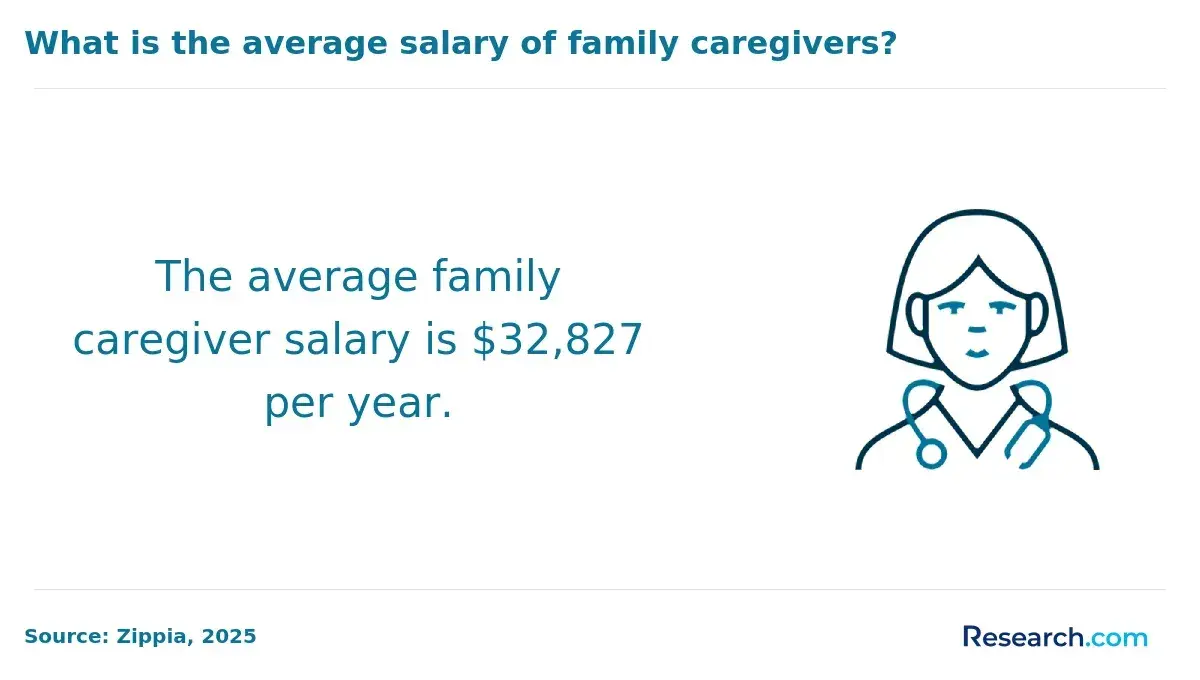
| Family Caregiver | Average hourly wage of $14.78; annual salaries range from $27,100 to $34,300; top earners make up to $37,586 | Program eligibility, care hours, agency policies, and whether the caregiver is paid through a formal program |
| Live-In Caregiver | Average hourly pay of $21.38; annual average of $44,478; experienced caregivers earn up to $71,367 | Live-in schedule, client needs, overnight responsibilities, and employer type |
| Specialized Medicaid Attendant Care | Competitive wages between $19 and $20 per hour; some roles include $1,000 sign-on bonuses | Medicaid waiver rules, agency contracts, client acuity, and staffing demand |
| Statewide in-home caregiving comparison | Approximately $19.56 per hour, equal to around $3,390 monthly for full-time workers | Market rate, city, experience, private-pay demand, and agency placement |
| Structured Family Caregiving programs | Daily reimbursement rates from $77.54 to $131.44; agencies typically allocate 50-70% as tax-free income to caregivers | Care recipient eligibility, assessed level of need, agency participation, and program rules |
Although Indiana ranks 50th nationally for live-in caregiver pay, the role can still provide stable work for caregivers who find the right setting, develop specialized skills, and choose employers carefully. Caregivers who want to broaden their healthcare options may compare direct care work with affordable billing and coding classes, especially if they want a future role that is more administrative than physical.
Ways certified caregivers may improve earning potential
- Gain experience with dementia, hospice, rehabilitation, or complex personal care.
- Work for agencies that serve Medicaid waiver or specialized care clients when eligible.
- Maintain active credentials and complete continuing education on time.
- Document reliability, attendance, and client outcomes for performance reviews.
- Compare total compensation, including bonuses, mileage, paid training, benefits, and schedule stability.
What jobs can you get with caregiver certification in Indiana?
Caregiver certification can qualify Indiana workers for several direct-care roles in homes, long-term care communities, hospice programs, disability services, and healthcare support settings. The best job depends on whether you prefer one-on-one home care, facility work, medical supervision, companionship, or specialized client populations.
| Job title | Typical responsibilities | Best fit for |
| Home Health Aide | Assists with daily living activities and basic health-related tasks in a client’s home under appropriate supervision | Caregivers who want home-based work with more structured care plans |
| Personal Care Attendant | Helps with grooming, dressing, mobility, toileting, meal support, and medication reminders | Workers who want direct support roles in private homes or assisted living settings |
| Residential Care Aide | Supports residents in group homes, assisted living communities, or residential programs | Caregivers who prefer team-based environments and routine client interaction |
| Hospice Aide | Provides comfort-focused personal care and emotional support for terminally ill clients | Caregivers with strong compassion, patience, and comfort around end-of-life care |
| Companion Caregiver | Offers social interaction, safety monitoring, errands, light household help, and non-medical support | Applicants who want less clinical responsibility and more relationship-based care |
| In-Home Caregiver | Combines personal care, home support, meal help, and client-specific assistance | Workers seeking flexible in-home caregiver positions in Indiana |
| Certified Nursing Assistant | Supports nurses with personal care, mobility, observation, and basic care tasks in hospitals or nursing homes | Caregivers who want more clinical exposure and a potential path toward nursing |
| Memory Care Aide | Supports clients with dementia through routines, safety checks, redirection, and specialized communication | Caregivers interested in cognitive impairment and long-term senior care |
| Rehabilitation Support Worker | Assists clients recovering from injury, surgery, or illness with mobility and exercise support under professional direction | Caregivers interested in recovery-focused care and therapy-adjacent work |
If you are comparing healthcare credentials by timeline, caregiving can often be a faster entry point than many administrative or clinical programs. For perspective, review how long it takes to become a certified medical coder and biller from home and compare that with Indiana caregiver training and certification steps.
Common mistakes to avoid when becoming a caregiver in Indiana
| Mistake | Why it can hurt you | Better approach |
| Assuming all caregiver jobs have the same requirements | You may complete the wrong training or miss a required exam, registry, or background check | Start by identifying the exact role and employer type you want |
| Choosing a course based only on price | A cheap certificate may not qualify you for HHA, CNA-related, Medicaid waiver, or agency roles | Verify recognition before enrolling and compare total costs |
| Ignoring hands-on practice | Online-only study may not prepare you for transfers, bathing, fall prevention, or emergency response | Choose training with skills demonstrations or supervised practice when your target role requires it |
| Waiting until the last minute to renew | A lapsed credential can interrupt employment or trigger extra verification steps | Track deadlines, work hours, and continuing education requirements throughout the year |
| Assuming salary numbers are guaranteed | Pay varies widely by city, shift, client needs, funding source, and employer | Compare hourly pay, benefits, mileage, bonuses, training pay, and schedule consistency |
| Overlooking emotional demands | Caregiving can involve grief, dementia behaviors, family stress, and physical fatigue | Ask employers about supervision, support, respite, safety protocols, and difficult-client procedures |
What Do Caregivers in Indiana Say About Their Career
Caregivers often describe the work as meaningful but demanding. The role can provide stability, purpose, and daily human connection, yet it also requires patience, physical stamina, emotional boundaries, and a willingness to keep learning.
- After completing a certified caregiver program at Ivy Tech Community College, I felt more prepared to support students in a local school setting. The hands-on portions helped me understand how to respond to different needs with confidence, and the work has shown me how much consistent care can affect a child’s day. Indiana’s focus on community support is one reason I find the career worthwhile, and the stability helps me plan for my family while continuing to build my skills. Hannah
- I earned my certified caregiver credentials through Vincennes University, and my first role in a school changed how I think about care. Supporting students through academic, social, and personal challenges has taught me the value of patience and empathy. The work connects closely with Indiana’s community values, and it has strengthened both my professional abilities and my commitment to creating inclusive spaces for children. Shawn
- Graduating from Ball State University's caregiver training program helped me see how important mental health awareness is in Indiana schools, especially in areas where resources differ by region. I started in an academic setting and quickly learned that caregivers contribute to both physical safety and emotional well-being. The professional development options have encouraged me to pursue leadership opportunities, and I value the balance of stability and growth in this field. Raven
How to choose the right Indiana caregiver certification program
The best caregiver program is not always the fastest or cheapest. It is the one that matches your job goal, satisfies the relevant Indiana or employer requirements, and prepares you for real client care.
- Define your target job first. Decide whether you want non-medical home care, HHA work, CNA-related employment, hospice, disability support, child care, or family caregiving.
- Check state or program recognition. Make sure the training is accepted for the role, registry, employer, or Medicaid waiver pathway you plan to use.
- Compare format carefully. Online lessons may be convenient, but some roles need in-person skills practice or supervised clinical experience.
- Review the full cost. Include tuition, materials, background checks, exams, transportation, missed work, and renewal fees.
- Ask about job placement support. Programs connected to agencies, long-term care employers, or home health providers may help you move into work faster.
- Evaluate schedule fit. Four- to eight-week programs may be manageable for some students, while working adults may need evening, weekend, or hybrid options.
- Confirm continuing education expectations. Know what you must do after certification to remain eligible for work.
Current trends affecting caregiver careers in Indiana
Several forces are shaping caregiver work in Indiana. The most important is population aging, which is increasing the need for home-based support, long-term care staff, respite care, and family caregiver programs. At the same time, workforce shortages are pushing employers to compete for reliable caregivers and invest more attention in training, retention, and scheduling flexibility.
Technology is also changing the job. Caregivers may use electronic visit verification, mobile documentation apps, remote monitoring tools, online training modules, and digital scheduling systems. These tools do not replace caregiving, but they make documentation accuracy and basic digital comfort more important.
Employer expectations are also rising. Even when a state rule does not mandate a specific course for every non-medical caregiver, agencies often want proof of training in infection control, dementia care, emergency procedures, abuse reporting, and client rights. Caregivers who can document their training and pass competency checks may have more options than applicants relying only on informal experience.
Related Articles for Nearby States
- 2027 How to Become a Caregiver: Certification Requirements in Ohio
- 2027 How to Become a Caregiver: Certification Requirements in Illinois
- 2027 How to Become a Caregiver: Certification Requirements in Kentucky
- 2027 How to Become a Caregiver: Certification Requirements in Michigan
- 2027 How to Become a Caregiver: Certification Requirements in Wisconsin
- 2027 How to Become a Caregiver: Certification Requirements in Missouri
- 2027 How to Become a Caregiver: Certification Requirements in Tennessee
- 2027 How to Become a Caregiver: Certification Requirements in Iowa
- 2027 How to Become a Caregiver: Certification Requirements in West Virginia
- 2027 How to Become a Caregiver: Certification Requirements in Minnesota
References:
- Indiana Department of Health: How Do I Become a HHA https://www.in.gov/health/ltc/aide-training-and-certification/hha/how-do-i-become-a-hha/
- Indiana Caregiver Online Training Course and Free Certification https://caredemy.us/product/indiana-caregiver-training/
- Indiana Caregiver Training Requirements - CareAcademy https://careacademy.com/state-requirements/indiana-state-requirements/
- How To Become a Paid Caregiver for a Family Member in Indiana https://www.abbycare.org/blog/how-to-become-a-paid-caregiver-for-a-family-member-in-indiana
- Step-By-Step Guide to Becoming a Caregiver in Indiana — Paid.Care https://paid.care/guides/how-to-become-a-caregiver-in-indiana
- Indiana Caregiver Training and Certification for Home Care - CaregiverList.com https://www.caregiverlist.com/indiana/caregiver-training-certification
- The 40 Best Caregiver Training Programs - Freedom Care https://freedomcare.com/caregiver-training/
- Training and Certification for Senior Caregivers https://www.regencyhcs.com/blog/training-and-certification-for-senior-caregivers
- HHA Certification | American Caregiver Association https://americancaregiverassociation.org/hha-certification/
- Caregiver Training University https://www.caregivertraininguniversity.com/
Key Insights
- Indiana caregiver certification is role-specific. Requirements for HHAs, CNAs, Medicaid waiver caregivers, direct support professionals, child caregivers, and private-pay caregivers can differ significantly.
- For many aide pathways, 75 hours of approved training is central. Applicants pursuing Home Health Aide or similar regulated roles should verify that their program meets Indiana expectations before enrolling.
- Non-medical caregiver work may have fewer state-mandated training hours, but employers still screen carefully. Background checks, competency evaluations, annual training, and agency policies can determine whether you are hired.
- Costs are usually manageable but vary by credential. Online caregiver courses may range from $59 to about $139, while exam fees, background checks, materials, and renewal costs can increase the total.
- Renewal and continuing education protect employability. Indiana CNAs renew every two years and need at least eight hours of nursing-related work, while HHAs complete 12 hours of continuing education each year plus 3 hours of dementia care training.
- Salary depends heavily on setting and specialization. Reported caregiver pay ranges from $14.78 per hour for family caregiver roles to $21.38 per hour for live-in caregiver roles, with specialized Medicaid attendant care rates between $19 and $20 per hour.
- The best next step is to choose your target job first. Once you know whether you want home health, companion care, hospice, memory care, disability support, or family caregiving, you can select the correct training, exam, application process, and renewal plan.
Other Things You Should Know About Becoming a Caregiver in Indiana
In 2027, Indiana requires caregivers to complete a state-approved training program followed by passing a competency exam. While CPR certification is not mandatory, it is recommended for those working in more specialized care environments. Additional requirements may include background checks and continuing education.
In 2027, caregivers in Indiana must undergo a comprehensive background check, including a criminal history review and sex offender registry check, conducted by the Indiana State Department. This is to ensure the safety and trustworthiness of individuals entering the caregiving profession.


