
2027 How to Become a Caregiver: Certification Requirements in South Dakota

Co-Founder and Chief Data Scientist
South Dakota faces a growing demand for caregivers, with the population aged 65 and older expected to increase by 45% by 2030. Pursuing a career as a caregiver in this state offers job stability and competitive wages in a sector essential to community health. Certification requirements include completing state-approved training and passing a competency evaluation.
This article, prepared by experts in career planning, outlines the specific certification steps, training options, and employment opportunities. Readers will find clear strategies to navigate the certification process smoothly and understand how to launch a successful caregiver career in South Dakota’s expanding healthcare market.
Key Things to Know About Becoming a Caregiver in South Dakota
- Complete a state-approved training program with at least 75 hours of instruction, including 16 hours of supervised on-the-job training.
- Pass the competency evaluation exam required by South Dakota's Department of Health to demonstrate essential caregiving skills.
- Maintain certification by completing annual continuing education to address evolving healthcare protocols and ensure high-quality care delivery.
- What education is required to become a certified caregiver in South Dakota?
- How many training hours are required for caregiver certification in South Dakota?
- What topics are covered in caregiver training programs in South Dakota?
- Is there a state exam for caregiver certification in South Dakota?
- How do you apply for caregiver certification in South Dakota?
- How much does it cost to get caregiver certification in South Dakota?
- How can caregiver certification facilitate a transition to advanced healthcare roles?
- How often do you need to renew caregiver certification in South Dakota?
- What continuing education is required for caregivers in South Dakota?
- What is the salary for certified caregivers in South Dakota?
- What jobs can you get with caregiver certification in South Dakota?
What education is required to become a certified caregiver in South Dakota?
Meeting the education requirements is essential for entering the caregiving profession in South Dakota, ensuring caregivers are prepared and qualified. Below is a clear outline of the education requirements needed to pursue South Dakota caregiver certification training programs.
- Minimum Educational Attainment: Caregivers must have at least a high school diploma or GED equivalent to demonstrate basic literacy and numeracy skills necessary for the role.
- Completion of a State-Approved Preparation Program: Prospective caregivers are required to finish a state-approved training or preparation program, which can be part of formal education or offered separately by accredited institutions.
- South Dakota Indian Studies Course: As of July 1, 2025, all new certified caregivers must complete a three-credit-hour course in South Dakota Indian Studies from a regionally accredited institution, earning a grade of C or higher to ensure cultural awareness.
- Official Transcripts Submission: Applicants need to submit official transcripts directly from their educational institutions to the South Dakota Department of Education as proof of completed coursework and education level.
- Bachelor’s Degree for Specialized Roles: Certain advanced caregiving positions, especially those linked with educational support or therapy, require a bachelor’s degree in a relevant field.
With the demand for caregivers expected to grow significantly, understanding these education requirements for caregivers in South Dakota is crucial. For those interested in expanding into related healthcare fields, examining careers in medical billing and coding may provide additional opportunities and insights.
How many training hours are required for caregiver certification in South Dakota?
In South Dakota, caregiver certification training hours vary by role, with some requiring both classroom and hands-on instruction. Below is a clear breakdown of these requirements and relevant steps:
- Certified Nurse Aide (CNA): Requires 75 hours of state-approved training combining classroom education and supervised clinical practice. Candidates must pass a state competency exam to become certified. Annually, CNAs complete 12 hours of continuing education focused on abuse prevention, residents’ rights, and elderly or disabled care.
- Home Health Aide (HHA): Requires 75 hours of comprehensive training covering infection control, client rights, ADLs, safety, and dementia care. Although South Dakota does not specify classroom versus practical hours, training programs typically blend both to ensure competency in real-world care.
- Medication Aide (MA): Requires 100 hours of training, reflecting medication administration responsibilities. This includes annual continuing education of 8 hours covering medication administration, residents’ rights, and general care topics.
- Personal Care Aide (PCA): No state-mandated training hours; requirements vary by agency. Many agencies provide agency-specific training to meet client care standards.
What topics are covered in caregiver training programs in South Dakota?
Caregiver training in South Dakota is vital for delivering high-quality care that meets diverse client needs while building caregiver confidence. These programs combine practical skills with an understanding of legal and ethical responsibilities, ensuring caregivers are well-prepared for their roles. Knowing the core topics covered in South Dakota caregiver education requirements helps aspiring caregivers select comprehensive training programs.
- Personal Care Skills: Techniques for assisting with bathing, grooming, dressing, toileting, and mobility to support clients’ hygiene and dignity.
- Medication Management: Safe administration, documentation, monitoring, and understanding side effects of medications to maintain client health.
- Nutrition and Meal Preparation: Guidance on balanced meal planning, dietary restrictions, hydration, and safe food handling.
- Mobility Assistance: Safe transferring, use of adaptive equipment, and strategies to prevent falls and promote independence.
- Infection Control: Practices for hand hygiene, use of protective equipment, and cleaning to minimize infection risks.
- Emergency Response: Recognizing medical emergencies, providing basic first aid and CPR, and knowing when to seek professional help.
- Dementia and Alzheimer’s Care: Strategies for handling memory loss, confusion, behavioral changes, and improving communication.
- Effective Communication: Building rapport, active listening, clear instructions, and managing difficult conversations with empathy.
- Safety Procedures and Home Modifications: Identifying hazards, implementing safety measures, and adjusting home environments to protect clients.
- Patient Rights and Confidentiality: Respecting client autonomy, privacy laws, and compliance with regulations like HIPAA.
- Stress Management and Self-care: Techniques to manage caregiver stress, prevent burnout, and maintain personal well-being.
- South Dakota-Specific Resources: Information on Medicaid guidance, community support, and local agencies for ongoing education and assistance.
As South Dakota’s caregiver training programs grow, understanding these core topics ensures caregivers provide competent, compassionate support while fulfilling state requirements. For additional related knowledge, see job tasks for medical billers and coders.
Is there a state exam for caregiver certification in South Dakota?
Many states require caregivers to pass a certification exam to confirm they possess essential skills and knowledge, ensuring safe and effective care for clients. This exam helps uphold professional standards by assessing competencies like personal care, safety, communication, and client rights.
In South Dakota, caregiver certification does require passing a state-approved exam following completion of a training program. The exam generally includes both a written multiple-choice section and a practical skills demonstration. The written portion covers topics such as basic caregiving skills, infection control, emergency procedures, and communication techniques. The skills demonstration evaluates hands-on tasks like assisting with daily living activities and proper use of personal protective equipment. For Certified Nursing Aides (CNAs), there are additional specific exam requirements, including at least 75 hours of training followed by a state competency test with written and skills components.
Certification is not granted solely by completing training or work experience; passing the exam is mandatory. The South Dakota Department of Health oversees this process, and exam formats may vary depending on the training provider, with options for in-person or online testing. Prospective caregivers should consult approved programs for up-to-date exam details and preparation resources.
How do you apply for caregiver certification in South Dakota?
Following the precise steps to apply for caregiver certification in South Dakota is critical to meet all legal requirements and avoid delays in your approval. Proper adherence ensures you gain the credentials needed to work safely and effectively while aligning with state regulations.
- Verify Eligibility: Be at least 18 years old, possess a high school diploma or GED, and pass a criminal background check.
- Select an Approved Training Program: Enroll in a state-approved course lasting 4 to 12 weeks, available online or in person through the South Dakota Department of Health’s list.
- Gather Required Documentation: Prepare valid identification (e.g., South Dakota driver’s license or passport) and a recent passport-style photograph that meets state standards.
- Complete Training Coursework: Finish required training covering caregiving skills, hygiene, communication, and safety; some certifications, like CNA, require a minimum of 75 hours.
- Submit the Application: Use the South Dakota Department of Health online portal or your training provider’s system to apply; specialized roles may require patient application completion first.
- Undergo a Background Check: Submit fingerprint cards and authorization forms to local law enforcement, pay related fees, and comply fully to avoid denial.
- Register for and Pass the Certification Exam: If applicable, pass the state-approved exam specific to your program, such as the CNA exam administered by Headmaster.
- Maintain Certification: Complete required ongoing training or renewals to keep your certification active in South Dakota.
South Dakota caregivers working privately may find fewer formal mandates, but completing recognized training and background checks remains preferred by employers. For specialized caregiving roles, additional application steps and documentation tied to patient applications apply.
A caregiver from South Dakota who graduated from a local school reflected on the process as both challenging and rewarding. “The toughest part was coordinating the background check and submitting all the forms correctly,” she said. “I had to resubmit a photo once because it didn’t meet the state’s standards, which felt frustrating at first, but the training really prepared me well for the exam.” She mentioned how knowing the exact steps and keeping close contact with her training provider helped her stay on track. “Even though it took a few weeks longer than I expected, passing the certification exam and getting approved was a proud moment that made all the effort worthwhile.”
How much does it cost to get caregiver certification in South Dakota?
Knowing the caregiver certification cost in South Dakota helps prospective caregivers budget properly and choose affordable caregiver training programs South Dakota offers. Costs can vary widely depending on the course format, certification type, and additional fees, making it important to understand the typical expenses involved in certification.
- Training Program Tuition: Online caregiver certification courses typically range from $99 to $189, with the American Caregiver Association's National Caregiver Certification Course available for $99. In-person programs like the 12-week Certified Nursing Aide (CNA) course at Avera in Yankton may cost around $925.
- Textbooks and Study Materials: While many online programs include digital materials at no extra cost, in-person CNA courses often require textbooks costing between $20 and $50.
- Certification Application or Exam Fees: For general certification, exam fees are often included in tuition, but CNA candidates in South Dakota may pay $75 to $115 for state exam application and testing fees, depending on the provider and retake needs.
- Background Check Fees: Most employers require background checks costing $20 to $40, though some offer to cover this expense.
- Membership or Registry Fees: Optional professional memberships, such as with the American Caregiver Association, cost about $50 annually and can improve job prospects.
Costs can be affected by the type of certification pursued and the training provider’s format, with online programs generally more affordable than in-person classes. South Dakota’s state and employer requirements may also influence the total expenses, as CNA certification requires state-approved training and a competency exam. For individuals exploring related healthcare fields, an introduction to medical billing and coding can complement caregiving skills and broaden employment opportunities.
How can caregiver certification facilitate a transition to advanced healthcare roles?
Earning caregiver certification provides a strong foundation to build upon for professionals seeking career advancement within the healthcare industry. Expertise developed through direct patient care, adherence to regulatory standards, and demonstrated compassion can open doors to specialized roles that demand higher levels of clinical knowledge and leadership. Many caregivers choose to leverage their hands-on experience as a stepping stone toward more advanced careers. For example, some professionals pursue additional certifications that allow them to transition into roles such as an occupational therapist – explore our guide on how to become an occupational therapist in South Dakota for further guidance.
How often do you need to renew caregiver certification in South Dakota?
Caregiver certification renewal in South Dakota ensures professionals maintain up-to-date skills and comply with current state regulations. This process protects patient safety and care quality by requiring periodic review and validation of caregiver credentials. It also ensures caregivers remain qualified under evolving healthcare standards, avoiding lapses in certification that could affect employment.
In South Dakota, caregiver certification must be renewed every two years. Certified Nursing Assistants (CNAs) need to renew their registration biennially and can initiate renewal up to 90 days before expiration. Renewal includes verification of training and work experience but also involves specific fees depending on the certification type. For Long-Term Care certification, training renewal fees range from $49.00 to $65.00 based on the course format chosen, and special provisions apply if coursework was completed out of state.
What continuing education is required for caregivers in South Dakota?
Continuing education plays a vital role in maintaining and enhancing the skills of caregivers in South Dakota, ensuring high-quality care for clients and compliance with professional standards. It helps caregivers stay current with best practices, regulatory changes, and emerging care topics, which is crucial in delivering safe and ethical care in a rapidly evolving field.
- Certified Nursing Assistants (CNAs): Required to complete at least 12 hours of in-service training annually if employed in Medicare/Medicaid-certified nursing facilities; topics include infection control, resident rights, communication, and dementia care.
- Occupational Therapy Assistants (OTAs): Must earn 12 continuing competency hours annually related to occupational therapy practice.
- Nursing Facility Administrators: Obliged to complete 40 hours of continuing education every two years focusing on healthcare or business administration.
- Home Care Aides and Private Duty Caregivers: No state-mandated continuing education requirements, but 8 hours of annual training is widely recommended by industry experts to improve caregiving skills and knowledge.
A caregiver from South Dakota, who graduated from a local training school, shared that fulfilling continuing education requirements often involves balancing work with various online and in-person courses. He noted, “While the state doesn’t require ongoing training for home care aides, I found the recommended courses invaluable for staying confident and up to date, especially with topics like emergency procedures and dementia care.” He described initial challenges navigating the available education options, but felt supported by local employers and training providers offering flexible scheduling. This proactive approach to education helped him maintain certification and provide better care, reflecting the importance of continuous learning in the caregiving profession, even beyond formal state mandates.
What is the salary for certified caregivers in South Dakota?
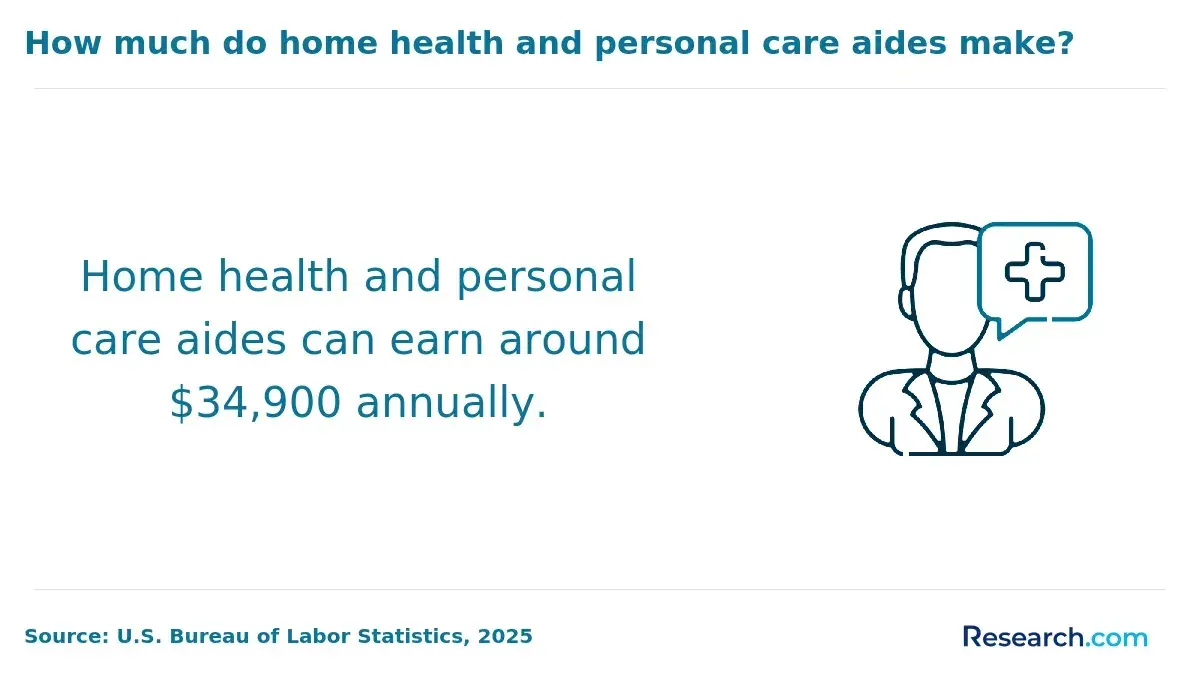
Certified caregiver pay rates in South Dakota are influenced by several important factors, including geographic location, the type of employer, and the caregiver’s level of certification and specialization. Urban areas like Sioux Falls and Rapid City typically offer higher wages due to demand and competition, whereas rural regions may pay less but have fewer job openings. Additionally, employers such as home care agencies or senior living facilities often pay differently, with those requiring advanced skills rewarding caregivers with better compensation.
- Average Annual Salary: Approximately $37,179 per year as of September 2025, with some sources estimating a range between $37,440 and $38,480.
- Salary Range: Most certified caregivers earn between $34,237 and $40,743 annually, depending on experience and location.
- Hourly Wage: About $18.06 on average, reflecting hourly pay in various care settings.
- Lower and Higher Pay: Entry-level or rural positions may start around $36,400 per year, while specialized or experienced caregivers can earn up to $39,520.
- National Comparison: South Dakota’s caregiver salary is modest compared to the national median, which was $28,692 in 2023, but certified roles in the state tend to offer higher pay.
- Employer Impact: Organizations like Home Instead and Good Samaritan in Sioux Falls offer salaries between $35,360 and $40,040, highlighting employer variation.
To enhance earning potential, caregivers should consider pursuing additional certifications and targeting positions in larger cities or reputable agencies. For those interested in expanding their healthcare career options, exploring related fields through a medical billing and coding program could be beneficial.
What jobs can you get with caregiver certification in South Dakota?
Caregiver certification in South Dakota opens the door to a range of rewarding employment opportunities in healthcare and support services. Certified caregivers bring crucial assistance to seniors, individuals with disabilities, and others in need, making their skills highly sought after across the state. Exploring caregiver jobs in South Dakota reveals diverse roles tailored to different client needs and work environments.
- Home Health Aide: Assists clients at home with daily activities such as bathing, dressing, and medication reminders. Typically employed by home care agencies or private employers, they help individuals maintain independence.
- Personal Care Attendant: Provides non-medical help like hygiene support, meal preparation, and companionship. These attendants work in home care settings, assisted living, or adult day care programs.
- Certified Nursing Assistant (CNA): Works under licensed nursing staff in nursing homes or hospitals, assisting with patient care, vital signs, and mobility. Additional certification beyond basic caregiver training is required for this role.
- Residential Care Aide: Supports residents in group homes or assisted living with routines, safety checks, and social activities. They ensure a safe, supportive environment alongside a caregiving team.
- Hospice Aide: Offers comfort care and emotional support to terminally ill patients at home or hospice centers. This role focuses on easing patient and family needs during end-of-life care.
- Companion Caregiver: Provides social interaction and supervision for clients needing less intensive personal care. This job helps reduce isolation, particularly for seniors.
- Live-In Caregiver: Lives with the client to provide 24-hour support for those with significant care needs or medical challenges. Continuous supervision is a key responsibility.
- Certified Medication Aide: Administers prescribed medications and monitors side effects, working mainly in assisted living or skilled nursing facilities. This position demands specialized certification in addition to caregiver credentials.
The variety of certified caregiver employment opportunities in South Dakota allows professionals to find positions that suit their skills and schedules, whether they prefer part-time, full-time, or shift work. For those interested in expanding their healthcare qualifications, exploring online schools for medical billing and coding can offer additional career pathways beyond caregiving.
What Do Caregivers in South Dakota Say About Their Career
- Completing the caregiver certification at Mitchell Technical College was an eye-opening journey that truly prepared me for the challenges of working in local schools. Starting my career in a nearby academic institution allowed me to connect deeply with students who often face unique social and cultural hurdles in South Dakota’s rural communities. I’ve grown not only professionally but also personally, learning the value of patience and empathy every day. The support I receive from my community fuels my passion to contribute positively to the well-being of young people across our region. Terri
- My experience finishing the caregiver program at Lake Area Technical Institute introduced me to practical, hands-on learning that made stepping into a caregiving role seamless. Beginning work in a local school setting showed me the vital role caregivers play in creating safe and supportive environments for students to thrive. South Dakota’s unique cultural landscape has enriched my understanding of diversity and has helped me develop skills to address varied needs thoughtfully. I feel proud knowing my work promotes stability and growth, both for the students and my own career path. Alexis
- Attending Western Dakota Technical College opened doors to professional development opportunities I hadn’t anticipated before. Working as a caregiver in a nearby school gave me insight into how deeply the culture and environment of South Dakota influence our daily interactions and caregiving strategies. There’s a rewarding challenge in adapting to these factors while maintaining a strong focus on student welfare and academic support. This career has enabled me to build a meaningful connection with the community and envision long-term growth options within education. Hunter
Related Articles for Nearby States
- 2027 How to Become a Caregiver: Certification Requirements in North Dakota
- 2027 How to Become a Caregiver: Certification Requirements in Nebraska
- 2027 How to Become a Caregiver: Certification Requirements in Minnesota
- 2027 How to Become a Caregiver: Certification Requirements in Wyoming
- 2027 How to Become a Caregiver: Certification Requirements in Iowa
- 2027 How to Become a Caregiver: Certification Requirements in Montana
- 2027 How to Become a Caregiver: Certification Requirements in Colorado
- 2027 How to Become a Caregiver: Certification Requirements in Kansas
- 2027 How to Become a Caregiver: Certification Requirements in Wisconsin
- 2027 How to Become a Caregiver: Certification Requirements in Missouri
References:
- South Dakota Caregiver Training & Certification for Home Care - CaregiverList.com https://www.caregiverlist.com/south-dakota/caregiver-training-certification
- South Dakota | Training for HHA Certification https://www.nevvon.com/state-regulations/south-dakota/
- South Dakota Caregiver Training Software | Online Compliance https://www.learn2care.us/state-training-requirements/south-dakota/
- For those interested in expanding into related healthcare fields, examining https://research.com/careers/medical-billing-and-coding-salary-requirements
- Caregiver Education and Resources https://dhs.sd.gov/ltss/caregiver-resources
- South Dakota Caregiver Training & Free Certification https://caredemy.us/product/south-dakota-caregiver-training/
- Family Caregiving | SDSU Extension https://extension.sdstate.edu/tags/family-caregiving
- Caregiver Education and Wellness - Trualta https://www.dhs.sd.gov/en/ltss/caregiver-education-wellness
- Caregiver Salaries in South Dakota | CompTool https://comptool.com/salaries/south-dakota/healthcare/caregiver/
- How Much Do Caregivers Make: Caregiver Salary by State https://www.care.com/c/average-in-home-caregiver-salary-by-state/
Other Things You Should Know About Becoming a Caregiver in South Dakota
To become a certified caregiver in South Dakota in 2027, you must complete a state-approved training program, pass a competency exam, and undergo a background check. Depending on the program, training may last several weeks, and certification ensures you meet professional standards for caregiving.
In South Dakota in 2027, the costs associated with caregiver certification may vary, but generally include application fees, exam fees, and possibly training program fees if not sponsored by an employer. Prospective caregivers should budget around $100 to $300 for initial certification expenses.
Yes, CPR certification is often required for caregivers in South Dakota. It is a standard part of the training process, ensuring that caregivers are prepared to handle emergencies effectively. Typically, this certification is obtained through approved training courses within the state.


