
2027 How to Become a Mechanic in Kansas: Requirements & Certification

Co-Founder and Chief Data Scientist
Nearly 15% of automotive repair shops in Kansas report difficulty finding qualified mechanics, highlighting a growing workforce shortage in the state’s automotive service industry. This shortage can lead to longer wait times for vehicle repairs and increased operational strain on existing technicians. For individuals considering a career as a mechanic in Kansas, understanding the necessary education, certification requirements, and employment opportunities is crucial.
This article, prepared by experts in career planning, provides a comprehensive guide to navigating the pathway toward becoming a skilled mechanic in Kansas, helping readers address the challenges posed by the current labor market conditions.
Key Things to Know About Becoming a Mechanic in Kansas
- Kansas projects a 6% job growth rate for automotive service technicians and mechanics from 2022 to 2032, aligning with steady national demand.
- The median annual salary for mechanics in Kansas is approximately $37,000 to 48,000.
- Most accredited mechanic training programs in Kansas span 6 to 12 months, offering a blend of classroom instruction and hands-on apprenticeships to meet industry standards.
- What are the steps to become a mechanic in Kansas?
- What training and education options are available in Kansas?
- Do you need certifications to work as a mechanic in Kansas?
- How long does it take to become a mechanic in Kansas?
- How much does it cost to become a mechanic in Kansas?
- What job opportunities are available for mechanics in Kansas?
- Can HVAC Certification Enhance Your Automotive Career in Kansas?
- Can mechanics transition to related technical careers in Kansas?
- How Can Mechanics Develop Essential Business Skills in Kansas?
- What are the future job market trends for mechanics in Kansas?
- What additional technical certifications can diversify your career options in Kansas?
- How much do mechanics make in Kansas?
- What tools and skills do mechanics need to succeed?
- What are the career growth opportunities for mechanics in Kansas?
- What are the pros and cons of becoming a mechanic in Kansas?
- What do mechanics say about their careers in Kansas?
What are the steps to become a mechanic in Kansas?
Build a Solid Educational Foundation
Start with a high school diploma or GED, focusing on courses like math, electronics, and auto shop if available. These subjects lay the groundwork for understanding automotive systems and prepare you for more advanced training.
Explore Specialized Automotive Programs
Kansas offers a variety of options to sharpen your skills, from two-year associate degrees to shorter technical certificates. We found institutions like Flint Hills Technical College and Butler Community College provide hands-on training that bridges theory with real-world experience. Wichita State University Tech stands out with programs covering everything from basic automotive technology to alternative fuel systems and advanced electronics.
Consider Certification to Boost Credibility
Although Kansas doesn’t require a state license to work as a mechanic, earning certifications like ASE can dramatically improve your job prospects. These credentials demonstrate expertise and commitment, often requiring a mix of education and on-the-job experience. Manufacturer-specific training programs, such as WSU Tech’s MOPAR® CAP LOCAL, open doors to specialized roles servicing Fiat/Chrysler vehicles right after graduation.
Gain Practical Experience Through Apprenticeships
Hands-on learning with experienced technicians accelerates your growth and hones your problem-solving skills. Apprenticeships allow you to apply classroom knowledge in real settings, building confidence and industry connections.
Stay Ahead with Emerging Technologies
The automotive field is evolving rapidly, especially with electric and alternative fuel vehicles gaining ground. Pursuing programs focused on these areas, like WSU Tech’s Alternative Fuel Vehicle Maintenance, positions you at the forefront of innovation and keeps your skills relevant in a changing market.
What training and education options are available in Kansas?
Exploring automotive education in Kansas reveals a variety of paths tailored to different ambitions and timelines. Whether you seek a hands-on certificate or a full degree, the state’s programs are built to equip you with practical skills and industry credentials.
Here are the options you can find in the area:
- WSU Tech offers robust kansas automotive technology degree programs, including Associate of Applied Science degrees and Technical Certificates, both Kansas Promise eligible for financial aid. Their curriculum covers traditional and alternative fuel vehicles, preparing students for electric and hybrid markets.
- Butler Community College provides an accelerated Automotive Technician Certificate completed in nine months, emphasizing hands-on training and preparation for ASE certification automotive schools in Kansas, covering specialties like brakes, engine repair, and HVAC.
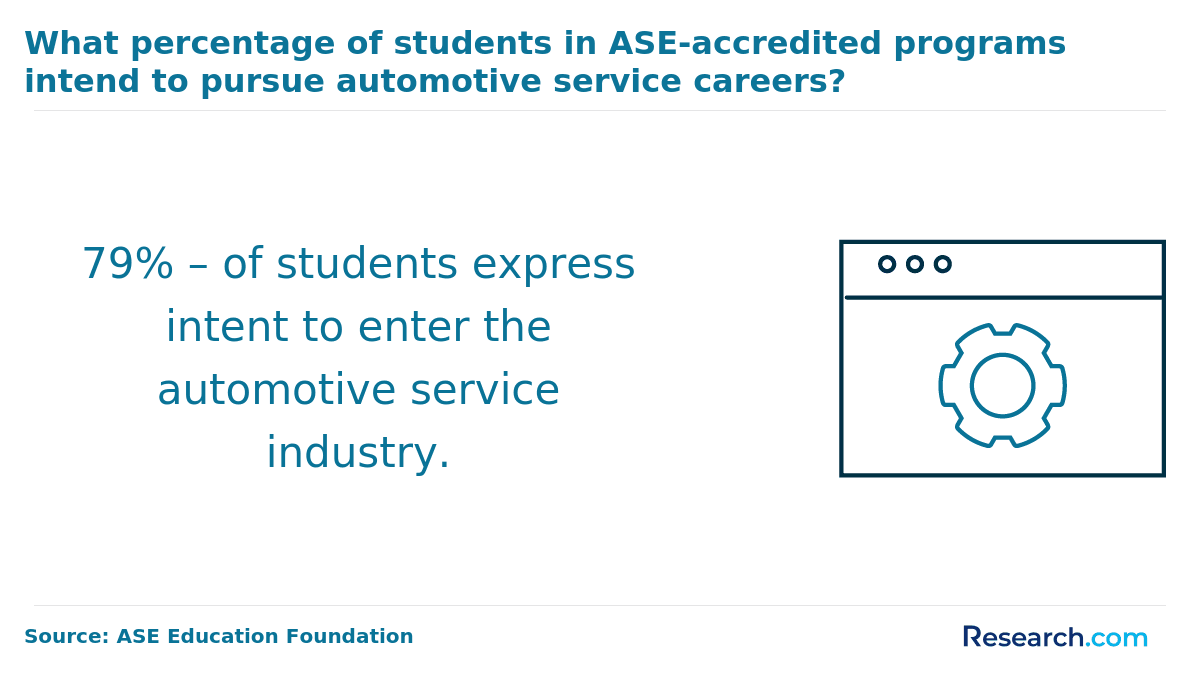
- MCC-Longview’s automotive programs hold Master Automotive Service Technology (MAST) accreditation from the ASE Education Foundation, a top-tier credential ensuring graduates meet rigorous industry standards.
- Johnson County Community College offers shorter courses focused on maintenance and minor repair skills, ideal for quickly boosting technical knowledge.
- Specialized programs at Peaslee Tech target specific systems, such as their ENGINE REPAIR module, ideal for those wanting focused expertise.
- Many programs incorporate real-world internships, like those at Butler Community College, giving students valuable workplace experience.
- WSU Tech’s MOPAR CAP LOCAL program allows students to earn OEM credentials for Fiat/Chrysler vehicles, along with ASE certifications highly respected across the automotive industry.
For those curious about career outcomes, it’s worth researching the highest paying trade school jobs to understand the financial potential of these pathways.
Do you need certifications to work as a mechanic in Kansas?
In Kansas, the path to becoming a mechanic is open and flexible, with no legal licensing hurdles to jump through. This freedom means you can dive right into hands-on work, relying on your skills and knowledge to advance.
There are no strict mechanic certification requirements in Kansas, so you won’t need a state-issued license to start working professionally. That said, many employers still value credentials like ASE certification, which can boost your employability and show mastery in specific automotive areas.
Without a mandatory license, the emphasis shifts to gaining solid training, often through technical schools or community colleges. These programs build your foundation in everything from engine repair to electrical systems. For those curious about the financial side, costs for certificates or degrees vary, but financial aid options can help ease the investment.
Choosing to pursue certification and specialized education can open doors in Kansas’s evolving automotive scene, especially with emerging fields like alternative fuel vehicle maintenance. For anyone wondering about the long-term benefits, ASE credentials often translate to better job prospects and higher wages.
If you’re exploring career possibilities, we also find it worth checking out real data on the auto mechanic job salary to understand how certification and training impact earnings in this field.
Master Automobile Technicians are among the most common advanced specialties in the field.
How long does it take to become a mechanic in Kansas?
Becoming a mechanic in Kansas can take from nine months to two years, depending on the chosen path and commitment level. The journey often involves hands-on training, certification, and real-world experience that shape a skilled professional ready for the evolving automotive industry.
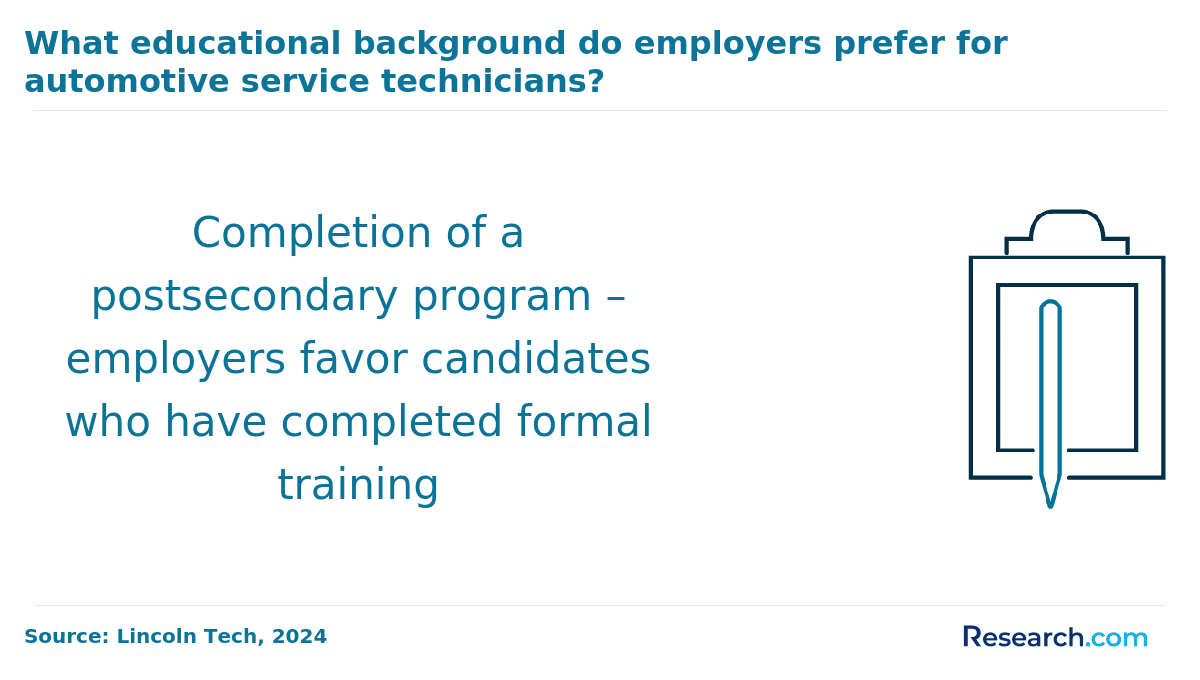
Many aspiring mechanics start with technical programs at community colleges or trade schools. These programs balance classroom theory with practical skills, often accredited by recognized bodies to ensure industry relevance. For those eager to enter the workforce quickly, accelerated certificate options provide intensive, focused training in less than a year.
A common route involves completing a program like Butler Community College’s nine-month certificate, which immerses students in essential automotive systems. Others may choose a longer associate degree or part-time study, stretching the timeline up to two years. Apprenticeships offer a more gradual approach but require patience to accumulate the experience necessary for certification.
Certification from national organizations, though not mandated by Kansas, is highly valuable for career advancement. It combines education with practical work experience, making graduates more attractive to employers.
One Kansas mechanic shared with us the challenge of balancing evening classes with a part-time job while mastering complex diagnostics. Completing the program brought a sense of accomplishment and opened doors to a rewarding career, proving that persistence pays off.
Choosing full-time study or programs with internship opportunities can accelerate learning and increase job prospects. For those transitioning from other fields, credits for prior experience may shorten the path. Staying current with automotive technology ensures readiness for the demands of modern repair work and a competitive edge in the job market.
How much does it cost to become a mechanic in Kansas?
Starting your journey as a mechanic in Kansas can cost around $2,268 for a basic certificate program, but the adventure involves more than just tuition. Exploring the full range of expenses helps you prepare for this hands-on career shift.
Here’s our breakdown of the key costs to consider when planning your path:
- Tuition: Basic automotive technology certificates typically cost about $2,268 for in-state students; completing all three certificate levels can reach $5,724.
- Tools and Equipment: Expect to invest between $1,500 and $3,000 for quality tools essential to your trade.
- Textbooks and Materials: Budget roughly $500 to $800 annually for manuals, textbooks, and course supplies.
- Certification Exams: ASE tests come with a $47 fee per exam plus a $34 registration charge, with multiple exams usually required.
- Uniforms: Work attire for programs may cost between $100 and $200.
- Transportation and Housing: Consider additional expenses if relocating or commuting to your chosen program.
Remember, choosing community colleges often means more affordable tuition and flexible program options compared to private schools. If you’re curious about career prospects beyond just costs, exploring the mechanical engineering job description might open up additional opportunities in related technical fields.
By weighing these factors carefully, you can navigate the cost of mechanic school in Kansas with confidence and set your course toward a rewarding automotive career.
What job opportunities are available for mechanics in Kansas?
Automotive Technicians
Kansas offers robust opportunities for automotive technicians, especially in urban centers like Lenexa where companies such as UPS are actively hiring. These roles involve diagnosing and repairing vehicles in well-equipped shops, though mechanics often face the challenge of working with greasy parts in sometimes awkward positions. One mechanic shared that navigating the initial job search was a test of resilience, as balancing hands-on skill demonstrations with interviews required both confidence and adaptability. For those curious about training paths, we advise exploring what is the best automotive mechanic trade school that can provide essential guidance for entering this field.
Diesel Mechanics
In Kansas’ agriculturally rich environment, diesel mechanics find demand repairing tractors, combines, and other heavy machinery. These positions offer a hands-on, dynamic work environment that supports the backbone of the state’s farming industry. The appeal lies in the blend of technical challenge and the satisfaction of maintaining vital equipment, with many diesel mechanic jobs currently hiring now across the state. This sector suits those who enjoy working outdoors and managing large, complex machinery.
Industrial Maintenance Technicians
Industrial maintenance roles, such as those at Owens Corning in Kansas City, emphasize plant equipment upkeep and troubleshooting. These positions often require a blend of mechanical skill and experience with fabrication, welding, and even plumbing. One Kansas mechanic reflected on this career path as a journey from entry-level uncertainty to mastering intricate mechanical systems, highlighting the importance of ongoing learning. The hourly pay for these specialized roles can reach $38.88, surpassing typical automotive technician salary range Kansas averages, making it an attractive option for experienced professionals.
On-Farm Mechanics
For mechanics interested in a rural setting, on-farm positions at dairies like Hildebrand Farms Dairy combine mechanical work with agricultural support. These roles are vital for ensuring smooth farm operations and high animal care standards. The blend of mechanical troubleshooting and farm tasks offers a unique work-life rhythm, often praised for its community-oriented environment and steady demand.
Entry-Level Positions
Kansas currently holds over 140 entry-level mechanic positions, making it a fertile ground for new entrants eager to build skills and experience. These jobs are gateways to diverse career paths across automotive, diesel, industrial, and agricultural sectors. Aspiring mechanics will find that starting here involves hands-on training and certifications aligned with industry standards, paving the way for advancement and specialization.
Most automotive mechanics are aged 40+ years.
Can HVAC Certification Enhance Your Automotive Career in Kansas?
Expanding your skill set by pursuing HVAC certification can provide a competitive edge within Kansas’s automotive industry. With modern vehicles integrating advanced climate control systems, mechanics with HVAC expertise are better equipped to address emerging diagnostic and repair challenges, thereby complementing traditional automotive skills. This dual specialization not only broadens your technical proficiency but also opens opportunities in both automotive and dedicated HVAC service sectors, contributing to increased job versatility and potentially higher earning potential. For detailed guidance on this career pathway, explore our article on how to get HVAC license in Kansas.
Can mechanics transition to related technical careers in Kansas?
Mechanics in Kansas often develop a versatile skill set that can facilitate transitions into related technical fields. Leveraging diagnostic expertise, familiarity with electrical systems, and hands-on problem solving can enable mechanics to explore roles in technical maintenance or specialized repair sectors. For instance, skills acquired on modern vehicle systems may complement pursuits in electrical trades, opening pathways to roles that require an understanding of both mechanical and electrical components. Individuals interested in diversifying their career could research how to become an electrician in Kansas to gauge potential overlaps and opportunities in complementary fields.
How Can Mechanics Develop Essential Business Skills in Kansas?
Mechanics looking to expand their career beyond technical proficiency can benefit from acquiring business management skills. Incorporating elements such as financial planning, marketing, and customer relationship management is crucial when aiming to manage or own a repair business. Pursuing specialized training or certifications in these areas can provide a competitive edge. For guidance on structured business education opportunities, consider exploring the top business schools in Kansas to supplement technical expertise with essential entrepreneurial insights.
What are the future job market trends for mechanics in Kansas?
Recent analyses indicate that the automotive repair sector in Kansas is expected to evolve significantly in the coming years. Shifts toward electric and hybrid technologies, increased integration of digital diagnostic tools, and a persistent workforce shortage are driving demand for technically adaptable mechanics. Industry observers note a gradual rise in positions that require advanced troubleshooting skills and ongoing education to manage emerging vehicle systems. Additionally, as manufacturers continue to innovate, career diversification—including roles in specialized technical fields—offers promising avenues for professionals looking to broaden their expertise. For insights into complementary technical career pathways, please review Kansas ultrasound technician requirements.
What additional technical certifications can diversify your career options in Kansas?
Diversifying your technical skillset by pursuing complementary certifications can enhance long-term career resilience. Expanding beyond core automotive training may open alternative pathways and mitigate risks associated with market fluctuations. Candidates can explore certifications in emerging technology areas or related technical fields that leverage diagnostic and mechanical expertise. Cross-training can offer a competitive edge by broadening professional versatility and adapting to evolving industry demands. For instance, professionals interested in exploring diverse technical roles may consider reviewing how to become a radiology technician in Kansas as a potential career diversification strategy.
How much do mechanics make in Kansas?
Exploring how much mechanics make in Kansas reveals a range shaped by experience, location, and employer type. Whether you’re starting out or aiming higher, the numbers offer a clear picture of what to expect.
Per our research, the average mechanic salary in Kansas typically falls between $37,820 and $48,880 annually. Hourly wages vary from $22.42 to $25.83, with some sources noting overtime pay that can push total earnings beyond $50,000. Entry-level positions start near $23,540, while seasoned technicians, especially those with specializations like diesel or aircraft mechanics, can earn upwards of $60,000.
Where you work in Kansas matters. Urban centers like Wichita and Kansas City generally provide higher pay due to demand and living costs, while rural areas tend to offer less. Employer type also influences earnings—dealerships and specialized service providers usually pay more than small independent shops.
- Entry-level annual salary around $23,540
- Average annual salary range $37,820–$48,880
- Experienced and specialized mechanics earning over $60,000
- Hourly wages between $22.42 and $25.83
For those curious about boosting their income, pursuing certifications like Automotive Service Excellence (ASE) or manufacturer-specific credentials can make a significant difference. Specializing in diesel or hybrid vehicles is another promising path. Keep in mind that exploring related fields, or even considering an online mechanical engineering degree, could open doors to higher salaries and new opportunities.
Understanding how much do auto mechanics make in Kansas helps you strategically plan your career and training, especially if you want to thrive in this dynamic trade.
What tools and skills do mechanics need to succeed?
To thrive as a mechanic, you’ll need to develop proficiency with a variety of diagnostic and repair tools, along with critical problem-solving abilities. Here are some of the key tools and skills that form the foundation of a successful automotive mechanic’s toolkit:
- Hands-on experience with diagnostic equipment such as OBD-II scanners to accurately identify vehicle issues.
- Strong understanding of engine systems, electrical components, and brake mechanisms to perform effective repairs.
- Ability to interpret technical manuals and automotive schematics for precise troubleshooting.
- Skill in using hand tools and power tools safely and efficiently during repairs and maintenance.
- Familiarity with computerized systems and software used in modern vehicles.
- Attention to detail for inspecting vehicle components and ensuring quality workmanship.
- Effective communication skills to explain repairs and maintenance needs to customers clearly.
- Adaptability to learn new technologies as automotive designs and repair techniques evolve.
- Time management to handle multiple repair jobs while maintaining high standards.
We believe that mastering these tools and skills will position you to navigate the dynamic automotive landscape in Kansas with confidence and professionalism.
What are the career growth opportunities for mechanics in Kansas?
Expanding Skillsets Through Specialized Training
Mechanics in Kansas benefit from a variety of specialized training programs that help them advance beyond general automotive repair. Pursuing certifications in areas like diesel engines, hybrid vehicles, or automotive electronics can open doors to higher-paying roles and niche markets. These specialties not only boost expertise but also increase demand from employers seeking skilled technicians capable of handling modern vehicle technology.
Apprenticeships and On-the-Job Experience
Apprenticeships remain a vital pathway for mechanics to gain hands-on experience while learning directly from seasoned professionals. We discovered that Kansas offers numerous opportunities through local repair shops and dealerships, allowing trainees to build practical skills that accelerate career progression. This real-world training often leads to supervisory roles or positions in diagnostic and advanced repair areas.
Certifications That Elevate Careers
National certifications, such as those offered by the National Institute for Automotive Service Excellence (ASE), carry significant weight in the Kansas job market. Holding multiple ASE credentials signals professionalism and technical mastery, often translating to better job prospects and salary increases. For mechanics aiming to lead teams or specialize in complex systems, these certifications are essential milestones.
Pathways to Management and Ownership
Experienced mechanics with strong business acumen can transition into management roles or even open their own repair shops. Kansas’s supportive small business environment encourages entrepreneurial ventures, allowing skilled mechanics to leverage their technical knowledge into successful enterprises. Leadership positions often reward not just mechanical expertise but also customer service and operational skills.
Continuous Learning and Technological Adaptation
The automotive industry is rapidly evolving, with electric vehicles and advanced diagnostics reshaping daily work. Mechanics in Kansas who embrace continuous learning and stay updated on emerging technologies position themselves as indispensable assets. Engaging in workshops, online courses, or manufacturer-specific training ensures career longevity and relevance in a competitive landscape.
What are the pros and cons of becoming a mechanic in Kansas?
Working as a mechanic in Kansas invites a mix of practical rewards and notable challenges. The landscape offers intriguing opportunities alongside some hurdles worth weighing carefully. We sum up the job's pros and cons in the state as follows:
Pros
Mechanics in Kansas benefit from steady demand fueled by the state’s reliance on personal vehicles across both urban and rural areas. This consistent need supports job stability and a wide array of employment options, from small local shops to larger service centers. Kansas’ relatively affordable cost of living means that wages can stretch further, providing a comfortable lifestyle even at entry-level salaries. Additionally, opportunities for skill advancement and specialization exist, allowing mechanics to increase their earning potential over time. The hands-on nature of the work keeps the daily routine dynamic and engaging, appealing to those who enjoy problem-solving and technical challenges.
Cons
On the flip side, mechanics often face physically demanding work environments, including exposure to noise, grease, and sometimes hazardous materials. The profession can require long hours or weekend shifts, especially in smaller shops striving to meet customer demands. Entry-level pay may be modest, and without further certifications or experience, career growth can plateau. Competition in urban centers might be higher, potentially limiting initial job prospects. Finally, mechanics must stay current with evolving automotive technologies, which necessitates continual learning and investment in training.
What do mechanics say about their careers in Kansas?
"Participating in the Kansas Vocational Training Program gave me hands-on experience that classroom learning alone couldn’t provide. Working directly on engines and diagnostics helped me build confidence and practical skills essential for a successful career in automotive mechanics." – Jaden
"The Kansas State Mechanics Initiative offered not only technical knowledge but also connections within the local industry. Practicing the trade through their workshops made me appreciate the craftsmanship behind every repair and the satisfaction of solving real problems." – Mark
"Joining the nonprofit program focused on automotive skills allowed me to learn in a supportive environment where practicing actual repairs was encouraged from day one. This approach helped me develop a strong work ethic and a deeper understanding of vehicle systems." – Edward
Related Articles for Nearby States
- 2027 How to Become a Mechanic in Nebraska: Requirements & Certification
- 2027 How to Become a Mechanic in Oklahoma: Requirements & Certification
- 2027 How to Become a Mechanic in Missouri: Requirements & Certification
- 2027 How to Become a Mechanic in Colorado: Requirements & Certification
- 2027 How to Become a Mechanic in Iowa: Requirements & Certification
- 2027 How to Become a Mechanic in Arkansas: Requirements & Certification
- 2027 How to Become a Mechanic in Texas: Requirements & Certification
- 2027 How to Become a Mechanic in South Dakota: Requirements & Certification
- 2027 How to Become a Mechanic in Wyoming: Requirements & Certification
- 2027 How to Become a Mechanic in Minnesota: Requirements & Certification
References:
- Auto Mechanic Schools. Kansas. Auto Mechanic Schools.
- Johnson County Community College. Automotive Technology. Johnson County Community College.
- PGMDE Support Portal. Can I shorten my training scheme?PGMDE Support Portal.
- Washburn Tech. Auto Repair School | Car Mechanic School In Kansas. Washburn Tech.
Other Things You Should Know About Becoming a Mechanic in Kansas
In 2027, aspiring mechanics in Kansas must complete a high school diploma or GED, attend an accredited technical or vocational program specializing in automotive repair, and pass the ASE certification exams. Although apprenticeships are beneficial, they are not compulsory for certification.
In 2027, an apprenticeship is not required to become a mechanic in Kansas. However, participating in an apprenticeship can provide valuable hands-on experience and may enhance your employability in the automotive industry.
To become a mechanic in Kansas in 2027, you typically need a high school diploma or GED. Additionally, completing a certified automotive technology program at a vocational school, community college, or technical institute enhances your skills and job prospects. This foundational education is vital for understanding vehicle systems and repair techniques.


