
2027 How to Become an Ultrasound Technician in Kansas

Co-Founder and Chief Data Scientist
With over 25% growth projected in sonography jobs by 2030 in Kansas, ultrasound technician roles offer both stability and opportunity. The state's expanding medical sector fuels demand for skilled professionals who combine technology and patient care. Pursuing this path can lead to competitive salaries and meaningful work in diverse clinical environments.
This guide equips readers with practical steps to launch a successful ultrasound technician career in Kansas, turning uncertainty into a clear roadmap toward a fulfilling profession.
Key Things to Know About Becoming an Ultrasound Technician in Kansas
- Complete an accredited diagnostic medical sonography program. Kansas offers various options, including community colleges and universities with specialized ultrasound training.
- Obtain certification through the American Registry for Diagnostic Medical Sonography (ARDMS) to increase job prospects; certified technicians earn an average salary of $65,000 to $75,000 annually in Kansas.
- Gain clinical experience through internships or externships required in most programs, ensuring hands-on skills crucial for employment in Kansas healthcare facilities.
- What education is required to become an ultrasound technician in Kansas?
- What specialties can ultrasound technicians choose from in Kansas?
- Which certification exams are required to become an ultrasound technician in Kansas?
- Is a license required to practice as an ultrasound technician in Kansas?
- What to expect during ultrasound technician clinical training in Kansas?
- How much does it cost to become an ultrasound technician in Kansas?
- What is the average salary for ultrasound technicians in Kansas?
- Can ultrasound technicians in Kansas expand their careers by exploring adjacent healthcare roles?
- What is the job outlook and demand for ultrasound technicians in Kansas?
- What are the career advancement steps for ultrasound technicians in Kansas?
- What are the common challenges ultrasound technicians face in Kansas?
- How can ultrasound technicians in Kansas stay updated with emerging technology?
What education is required to become an ultrasound technician in Kansas?
Exploring the path to become an ultrasound technician in Kansas reveals a blend of rigorous academics and hands-on experience designed to prepare you fully for this technical field. Dive into the core educational requirements that shape this exciting career.
- Minimum Degree Requirement: At least an Associate of Science in Diagnostic Medical Sonography from an accredited institution is essential, with options for bachelor’s degrees and post-degree certificates available.
- Accreditation Requirement: Enrollment in a program accredited by the Commission on Accreditation of Allied Health Education Programs (CAAHEP) is essential to ensure a quality education and eligibility for the ARDMS certification exam, which is preferred by many employers.
- Prerequisite Coursework: Completion of prerequisite classes such as College Algebra, English or Communication, Human Anatomy and Physiology, Medical Terminology, and Physics with grades of “C” or better is mandatory.
- Minimum College Credits: Competitive applicants usually need between 50 and 60 college credits earned at accredited institutions before entering certificate programs.
- Grade Point Average: Maintaining a GPA of 2.5 or above on a 4.0 scale is required for program qualification.
- Clinical Training/Internship: Extensive clinical rotations or internships, like the 21-month program at the University of Kansas Medical Center, provide immersive hands-on experience.
- Observation Hours (Recommended): While not obligatory, observation hours with a registered sonographer before application are strongly encouraged to gain real-world insights.
- Certification Exam Eligibility: Graduates from accredited programs can sit for the ARDMS Sonography Principles & Instrumentation exam, which greatly enhances job prospects even if not required by the state.
This combination of academic achievement and practical experience defines accredited ultrasound technician programs in Kansas. For those curious about expanding their horizons, exploring how a can rad tech become radiologist shows the continuous opportunities for growth within the medical imaging field.
What specialties can ultrasound technicians choose from in Kansas?
Ultrasound technicians in Kansas have access to a fascinating array of specialties that reflect the state’s diverse medical demands. These options allow professionals to focus their skills on areas ranging from blood flow assessment to fetal health tracking. The following overview highlights some of the key ultrasound technician specialties in Kansas, each offering unique expertise and clinical experiences.
- Abdominal Sonography: Concentrates on imaging vital abdominal organs like the liver and kidneys, crucial for diagnosing digestive and urinary disorders.
- Sonography Specialties in Kansas: This variety lets technicians explore multiple dimensions of sonographic imaging suited to their interests and career goals.
- Obstetric and Gynecologic Sonography: Focuses on monitoring pregnancies and female reproductive health, making it a central component of vascular and obstetric sonography Kansas programs.
- Vascular Sonography: Specializes in evaluating blood flow and vascular conditions, with many Kansas training paths offering in-depth clinical rotations in this dynamic area.
- Breast Sonography: Used to detect abnormalities such as tumors and cysts, supported by hands-on training at specialized imaging centers.
- Neurosonography: Emphasizes brain and nervous system imaging in neonates and infants, typically integrated into advanced clinical education.
- General Sonography: Provides foundational skills across multiple organ systems and soft tissue imaging, essential for certification and versatile practice.
Those interested in navigating these ultrasound technician specialties in Kansas can find accredited programs that offer strong clinical experiences and prepare them well for national registry exams.
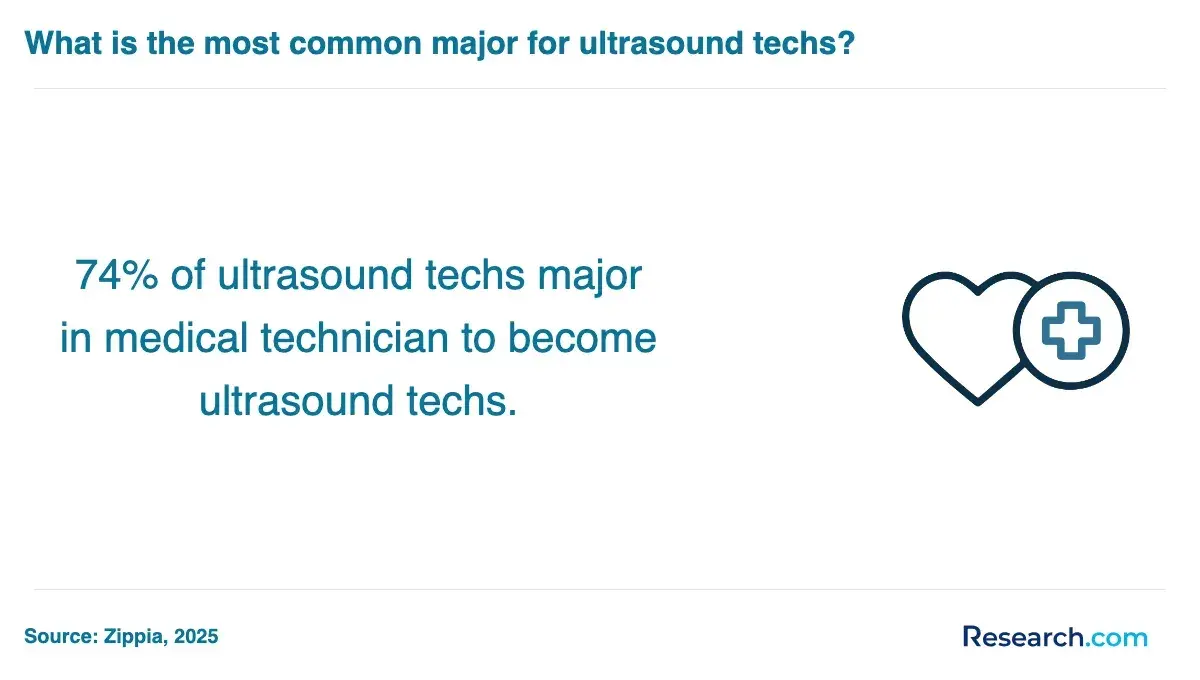
For guidance on pursuing this career path, exploring a career in radiology might help clarify opportunities and next steps. These specialty options often align with the undergraduate majors students choose, making it useful to understand which fields of study most commonly lead to careers as ultrasound technicians.
Which certification exams are required to become an ultrasound technician in Kansas?
Certification exams form the gateway to a successful career as an ultrasound technician in Kansas, ensuring candidates meet rigorous standards of knowledge and patient safety. Employers and state organizations strongly favor or require these credentials as proof of a technician’s expertise and reliability. Let’s explore the key exams that shape this professional path.
Sonography Principles & Instrumentation (SPI) Exam
Administered by the American Registry for Diagnostic Medical Sonography, this foundational exam tests ultrasound physics, equipment use, and imaging techniques. Candidates typically must graduate from a CAAHEP-accredited program to qualify. Passing the SPI is essential before attempting any specialized ARDMS exams.
ARDMS Specialty Exams
After the SPI, candidates choose from specialties like Abdomen, Obstetrics and Gynecology, or Vascular Technology, each focusing on clinical skills and sonographic procedures specific to that field. Completion of an accredited program—often offered by institutions such as KU Medical Center or Fort Hays State University—is required. Kansas does not impose extra rules beyond national standards for these exams.
Registered Diagnostic Medical Sonographer (RDMS) Credential
Earning this credential means successfully passing the SPI along with at least one specialty exam, marking one as a qualified professional recognized widely across Kansas healthcare settings.
American Registry of Radiologic Technologists (ARRT) Sonography Certification
The ARRT’s RT(S) credential focuses on patient care, sonographic procedures, and imaging. Eligibility involves completing an ARRT-approved educational program and meeting ethical guidelines. While less prevalent than ARDMS certifications, it remains an acceptable alternative for some employers.
Cardiovascular Credentialing International (CCI) Exams
Targeting cardiac and vascular sonography, CCI offers credentials like Registered Cardiac Sonographer and Registered Vascular Specialist. Candidates must fulfill education and clinical experience requirements. In Kansas, CCI certifications sometimes supplement ARDMS qualifications for specialized roles.
Passing these certifications not only boosts your professional credibility but also aligns your skills with Kansas’s expectations for safe, high-quality sonographic practice. This step significantly broadens job prospects and satisfies nearly all local employers’ preference for certified ultrasound technicians.
Is a license required to practice as an ultrasound technician in Kansas?
No state license is required to work as an ultrasound technician in Kansas, which sets it apart from states with strict licensure mandates. This regulatory approach emphasizes national certification and accredited education rather than state-level licensing, shaping how employers evaluate candidates and how technicians navigate their careers. Understanding this framework allows aspiring sonographers to focus on the credentials that truly matter in the Sunflower State.
Kansas does not have a dedicated licensure law or regulatory agency specifically for ultrasound technicians, also known as diagnostic medical sonographers. Instead, the state relies on national credentials such as ARDMS, ARRT, or CCI. Completing a CAAHEP-accredited program qualifies students to take national exams, including the ARDMS SPI test and specialty certifications, which are widely expected by employers.
I spoke with an ultrasound technician from Kansas who graduated from a local accredited program and shared his experience navigating this path. Early on, he was unsure whether a state license was necessary, but quickly realized that national certification carried more weight. “Passing the ARDMS exams felt like stepping through the real doorway,” he said, reflecting on the preparation and investment required. Without a state license to pursue, he focused on mastering the skills and credentials employers truly value, allowing him to build experience, credibility, and a professional reputation efficiently in Kansas.
What to expect during ultrasound technician clinical training in Kansas?
Clinical training is a crucial step for ultrasound technician students in Kansas, offering immersive, hands‑on experiences that link academic knowledge to real patient care. This stage develops both practical skills and professional conduct, ensuring readiness for certification and future healthcare roles.
- Direct Patient Care: Students engage in supervised patient interactions, learning how to position patients correctly and communicate procedures with empathy and professionalism.
- Supervised Use of Imaging Equipment: Trainees operate advanced ultrasound machines under expert guidance, building confidence and technical skill in producing diagnostic images.
- Rotations in Specialty Areas: Clinical rotations cover specialties such as OB/GYN, vascular, abdominal, and cardiac sonography, exposing students to diverse diagnostic challenges.
- Mentorship from Licensed Professionals: Experienced, registered sonographers provide one-on-one coaching, refining both technical abilities and workplace professionalism.
- Program-Specific Clinical Hours: Accredited Kansas programs, including those at universities like KU Medical Center, require completion of extensive clinical hours to meet national competency standards.
- Competency Evaluations: Regular assessments ensure students master safe and accurate execution of diagnostic procedures throughout their training.
- Exposure to Diverse Healthcare Settings: Training occurs in hospitals, specialty clinics, and outpatient centers, broadening understanding of different workflows and patient populations.
- Professionalism and Ethics: Ethical behavior and professional conduct are emphasized and assessed as integral parts of student performance.
- Observation and Shadowing Requirements: Some programs require applicants to complete observation hours and submit reflective papers, deepening awareness of the sonographer’s role.
- Vaccination and Health Requirements: Students must provide proof of current vaccinations, including COVID-19 and flu, to participate in clinical placements.
These comprehensive clinical experiences sharpen technical skills, boost confidence, and prepare students for certification exams like the ARDMS, while also highlighting the key competencies most valued by employers—skills that are often showcased on ultrasound technicians’ resumes.
How much does it cost to become an ultrasound technician in Kansas?
The journey to become an ultrasound technician in Kansas generally costs between $17,800 and $28,200 for a full-time associate’s or certificate program at a public university, covering both tuition and additional expenses. Bachelor’s programs and higher non-resident tuition rates tend to increase this investment. Knowing the key cost components helps you budget effectively for this exciting career path.
- Tuition and Fees: Associate’s or certificate programs in Kansas range from about $16,762 to $22,686 for residents, with non-residents paying up to $59,079; additional campus and course fees add roughly $5,500 at some universities.
- Clinical Training Expenses: Lab fees, required uniforms like scrubs, health insurance, and transportation to clinical sites can add to your costs, especially for externships.
- Certification and Exam Fees: ARDMS exams cost around $250 for the fundamentals test and $275 for each specialty, with total fees potentially exceeding $1,075 if multiple certifications are pursued.
- Licensing or State Fees: Kansas does not require state licensure for ultrasound technicians, but national certification through ARDMS is typically necessary for employment.
- Books and Materials: Textbooks run approximately $618–$818, plus software or simulation tools costing $110–$250, alongside essentials like computers and scanners.
- Living Expenses: Full-time students might spend $10,000–$12,000 annually on housing and meals if living on campus, though costs vary widely with off-campus or commuting options.
Costs differ depending on whether you choose a university, technical school, or community college program, as well as your residency status. Exploring options like online sonography associate's programs and available scholarships can help reduce the total out-of-pocket investment toward becoming an ultrasound technician in Kansas.
What is the average salary for ultrasound technicians in Kansas?
The average annual salary for ultrasound technicians in Kansas is about $98,169, which is slightly higher than the state median but below the national average of $110,000. This creates an exciting balance between competitive local pay and room for growth compared to other states.
- Experience Level: Entry-level sonographers usually earn between $63,680 and $84,850, while seasoned professionals in metro areas can surpass $100,000 annually.
- Education and Certifications: Advanced credentials like RDMS or specialty certifications often result in higher pay by showcasing expertise and versatility.
- Work Setting: Large hospitals pay more than outpatient centers or physician offices, which might offer better work-life balance.
- Geographic Location: Urban areas such as Wichita and Kansas City provide higher salaries compared to rural regions.
- Specialization: Fields like cardiovascular or OB/GYN sonography tend to command premium wages due to specialized skills.
Kansas salaries for ultrasound techs mirror the local demand for healthcare, blending urban opportunities with rural needs in a dynamic employment landscape.

Can ultrasound technicians in Kansas expand their careers by exploring adjacent healthcare roles?
Ultrasound technicians develop a robust clinical skill set that can be effectively transferred to complementary healthcare specialties. Leveraging expertise in diagnostic imaging and patient care, professionals have opportunities to diversify into roles that emphasize interdisciplinary care coordination and advanced clinical practices. For example, by pursuing additional certifications or targeted educational programs, technicians can transition into fields such as midwifery—opening new career avenues and broadening their impact within the state’s healthcare landscape. To explore a related pathway and assess the synergy between ultrasound technology and patient-centered care, consider learning more about how to become a nurse midwife in Kansas.
What is the job outlook and demand for ultrasound technicians in Kansas?
Ultrasound technician jobs in Kansas are set to surge by a striking 15% from 2023 to 2033, outpacing the national growth of 10%. This sparkling outlook reflects a dynamic landscape full of opportunities for those eager to explore this vital field.
- Population Growth and Aging: Kansas’s increasing and aging population drives up demand for diagnostic imaging, as older adults need more frequent and specialized screenings.
- Healthcare Expansion: New clinics, hospitals, and outpatient centers opening across the state create fresh positions for ultrasound technicians eager to join expanding healthcare teams.
- Technological Advancements: Cutting-edge ultrasound tools like 3D imaging and portable devices unlock specialized roles, challenging technicians to stay at the forefront of innovation.
- Preventive Care Trends: Growing focus on early detection through non-invasive ultrasound screenings fuels the need for skilled sonographers adept at monitoring health before symptoms arise.
- Regional Demand Variations: While Kansas’s urban hubs offer more job openings and better wages, rural areas face technician shortages, presenting adventurous professionals with unique incentives and opportunities.
One ultrasound technician from Kansas, who graduated from a local school, shared how she felt stepping into a field buzzing with demand yet dotted with its own challenges. She recounted navigating job offers from both city hospitals and rural clinics, weighing the excitement of advanced technology against the rewarding but sometimes lonely work in rural communities.
“Every day brings something new,” she said, reflecting on the steep learning curve and the joy of providing crucial care where it’s needed most. Her experience underscores the vibrant, evolving nature of sonography careers in Kansas—a path filled with growth, innovation, and meaningful connections.
What are the career advancement steps for ultrasound technicians in Kansas?
Ultrasound technicians in Kansas can expand their career horizons through specialization, advanced certifications, and stepping into leadership roles. These pathways unlock greater expertise and a wider range of job opportunities in a thriving healthcare market. Exploring sonography specialization opportunities in Kansas is a key step toward deepening clinical skills and professional growth.
- Specialization: Focusing on areas like OB/GYN, vascular, or cardiac sonography allows technicians to work in specialized clinical environments. Completing targeted clinical rotations or extra coursework enhances expertise and career options.
- Advanced Certifications: Earning credentials from the American Registry for Diagnostic Medical Sonography (ARDMS), Cardiovascular Credentialing International (CCI), or the American Registry of Radiologic Technologists (ARRT) significantly boosts professional credibility and job prospects.
- Higher Education: Obtaining a bachelor’s or master’s degree in diagnostic medical sonography or related fields opens doors to supervisory roles and specialized clinical positions. This level of education supports further advancement in Kansas healthcare settings.
- Leadership Roles: Experienced sonographers can advance to supervisory, administrative, or management positions, overseeing departments and guiding teams within hospitals or clinics.
- Education and Training: Skilled technicians may become program instructors or clinical trainers, shaping the next generation of ultrasound professionals through teaching and mentorship.
- Research or Technology Development: Some sonographers apply their clinical knowledge to innovate medical imaging technologies or participate in research projects, often found in academic or industry roles.
Career advancement for ultrasound technicians in Kansas not only raises earning potential but also expands how professionals impact patient care and medical imaging. For those seeking to navigate these pathways, consulting the ranking of the best ultrasound technician certification programs can provide valuable guidance. Furthermore, understanding these career advancement steps also sheds light on how educational attainment influences salary levels, which is important for planning long-term growth in Kansas.
What are the common challenges ultrasound technicians face in Kansas?
Navigating the challenges for ultrasound technicians in Kansas reveals the resilience and adaptability needed for this dynamic profession. Knowing these hurdles equips sonographers with practical strategies to maintain both their well-being and professional growth amid demanding conditions.
- Physical Strain and Ergonomics: Repetitive scanning and prolonged standing often lead to musculoskeletal discomfort, making ergonomics a vital focus to prevent chronic injuries.
- Emotional Stress: Handling sensitive medical situations, especially in obstetrics and oncology, exposes sonographers to emotionally charged moments that can escalate stress levels.
- Workload and Staffing Shortages: High patient volumes and limited breaks challenge technicians to manage fatigue while maintaining quality care throughout busy shifts.
- Certification and Continuing Education Requirements: Balancing the demand to keep certifications current alongside full clinical workloads requires careful planning and commitment.
- Technology Adaptation: Constant updates in ultrasound machines and digital systems call for ongoing learning and flexibility within fast-paced environments.
- Job Market Competition: Regional differences affect job availability, with competitive positions often demanding strong credentials and experience.
Facing sonographer burnout in Kansas is possible by embracing awareness and proactive preparation. For those curious about how to start a career as a medical sonographer, understanding these realities sharpens focus for success in this rewarding and evolving field.
How can ultrasound technicians in Kansas stay updated with emerging technology?
Staying current with emerging technologies is pivotal for ultrasound technicians in Kansas. Professionals can enhance their skills through accredited courses, industry-sponsored workshops, and specialized training programs that focus on innovative imaging modalities and diagnostic techniques. Leveraging these opportunities enables technologists to integrate cutting-edge advancements with patient-care practices, thereby maintaining competitive expertise. For additional guidance on career progression and advanced qualifications, explore how to become a radiology technician in Kansas.
What do ultrasound technicians in Kansas say about their career?
- Completing my ultrasound technician program at Wichita State University was a game-changer for my career. The hands-on experience, combined with knowledgeable instructors, really prepared me to step confidently into my role at a local academic institution. Working in Kansas allows me to be part of a community that values healthcare education and student well-being, which is deeply rewarding. I appreciate how stable the job market is here and how it supports long-term growth. Every day, I feel like I’m making a real difference. Lina
- Starting my career as an ultrasound technician in a school setting in Kansas was both challenging and fulfilling. Having graduated from Johnson County Community College, I found that the program was well-tailored to meet the specific healthcare needs of our region. The cultural diversity and agricultural backdrop of Kansas bring unique cases and learning opportunities that keep my work exciting and meaningful. There’s a strong sense of professional development here, with plenty of workshops and certifications available. It feels great to grow as a technician while positively impacting young people’s health. Josh
- Training at Fort Hays State University gave me the clinical prowess I needed to excel in my role within a local school. Reflecting on my journey, it's clear how much personal growth has come from working closely with students and staff in rural Kansas. The smaller communities allow for genuine connections and a true partnership in health advocacy that I treasure. Kansas’ environment fosters unique ultrasound cases linked to the population’s lifestyle and environmental factors, which adds depth to my skill set. Professionally, the career stability and momentum are unbeatable in this region, making it a smart and fulfilling choice. Anika
Related Articles for Nearby States
- 2027 How to Become an Ultrasound Technician in Nebraska
- 2027 How to Become an Ultrasound Technician in Oklahoma
- 2027 How to Become an Ultrasound Technician in Missouri
- 2027 How to Become an Ultrasound Technician in Colorado
- 2027 How to Become an Ultrasound Technician in Iowa
- 2027 How to Become an Ultrasound Technician in Arkansas
- 2027 How To Become an Ultrasound Technician in Texas
- 2027 How to Become an Ultrasound Technician in South Dakota
- 2027 How to Become an Ultrasound Technician in Wyoming
- 2027 How to Become an Ultrasound Technician in Minnesota
References:
- AlliedTravelCareers.com. (n.d.). Discover Exciting Travel Ultrasound Jobs in Kansas and Apply for your Next Assignment. alliedtravelcareers.com.
- BLS. (2025, August 28). Diagnostic medical sonographers and cardiovascular technologists and technicians. bls.gov.
- HealthJob Editors. (2025, January 3). How to become an ultrasound technician in Kansas. healthjob.org.
- Kettering College. (2024, March 29). Sonography (Ultrasound) program cost - Kettering college. kc.edu.
- KU Medical Center. (n.d.). Costs and financial aid. kumc.edu.
- LinkedIn. (n.d.). Black Health Connect hiring Travel Sonography Tech in Kansas City, KS - $8480/month in Kansas City, KS. linkedin.com.
- Saint Luke’s Health System. (n.d.). School of Diagnostic Medical Sonography. saintlukeskc.org.
- Ultrasound Schools Info. (n.d.). Find Accredited Ultrasound Technician Schools in Kansas. ultrasoundschoolsinfo.com.
- Washburn University. (n.d.). DMS program costs. washburn.edu.
- Zippia. (2025, January 8). Ultrasound Technologist Salary (August 2025). zippia.com.
- Zippia. (2025, January 8). Ultrasound Technologist skills for your resume and career. zippia.com.
Other Things You Should Know About Becoming an Ultrasound Technician in Kansas
To become an ultrasound technician in Kansas by 2026, complete an accredited program, usually 2 years long, obtain a certification from ARDMS, and fulfill state-specific regulations. Continuous professional development is recommended to stay current with technological advances.
In Kansas, while some coursework for ultrasound technician programs may be completed online, hands-on clinical training is essential for certification and employment. You cannot become a certified ultrasound technician solely through online learning in 2027. Programs typically require in-person clinical components to ensure sufficient practical experience.


