
2027 How to Become a Mechanic in Oregon: Requirements & Certification

Co-Founder and Chief Data Scientist
Recent data indicates that Oregon faces a significant shortage of skilled automotive mechanics, with demand expected to grow by over 10% in the next decade. Many individuals interested in this field struggle to understand the necessary steps to enter the profession, including education, certification, and licensing requirements unique to the state.
As such, this article offers a comprehensive overview of how to become a mechanic in Oregon. Prepared by experts in career planning, it aims to guide prospective students and career shifters through the essential qualifications, training options, and industry expectations to successfully launch a career in automotive repair within the state.
Key Things to Know About Becoming a Mechanic in Oregon
- Oregon projects a 7% job growth for automotive service technicians and mechanics from 2022 to 2032, reflecting steady demand in the state’s automotive repair sector.
- The median annual salary for mechanics in Oregon is approximately $47,000, which is slightly above the national median, indicating competitive compensation in the region.
- Typical mechanic training programs in Oregon last between 6 months and 2 years, with many technical colleges offering certifications and associate degrees that meet state requirements for entry-level positions.
- What are the steps to become a mechanic in Oregon?
- What training and education options are available in Oregon?
- Do you need certifications to work as a mechanic in Oregon?
- How long does it take to become a mechanic in Oregon?
- How much does it cost to become a mechanic in Oregon?
- What job opportunities are available for mechanics in Oregon?
- What emerging automotive technologies are reshaping mechanic careers in Oregon?
- What do employers value most when hiring mechanics in Oregon?
- How can business education enhance a mechanic’s career in Oregon?
- What alternative technical careers can you explore in Oregon?
- What continuing education and professional development options are available for mechanics in Oregon?
- How much do mechanics make in Oregon?
- What tools and skills do mechanics need to succeed?
- What are the career growth opportunities for mechanics in Oregon?
- What are the pros and cons of becoming a mechanic in Oregon?
What are the steps to become a mechanic in Oregon?
To become a mechanic in Oregon, you need to follow these steps:
- Complete High School or Equivalent: A foundational requirement is obtaining a high school diploma or an equivalent credential, which qualifies candidates for further technical education.
- Enroll in an Accredited Automotive Technology Program: Oregon offers certificate programs lasting about one year and associate degree programs typically requiring two years. Both combine classroom learning with hands-on vehicle repair experience, which is critical for skill development.
- Obtain Hands-On Training: Automotive repair training programs generally span 6 to 12 months, providing practical exposure essential for real-world application of theoretical knowledge.
- Pass ASE Certification Exams: The National Institute for Automotive Service Excellence (ASE) administers over 40 certification exams across multiple specialties. Passing these exams demonstrates professional competence and is highly valued by employers.
- Apply for Certification through the Oregon Department of Transportation: After successful completion of education and ASE exams, candidates must apply for certification to comply with state requirements, enhancing their credibility in the job market.
- Maintain Certification with Continuing Education: ASE certifications require renewal every two years through continuing education, ensuring mechanics stay updated with evolving automotive technologies and industry standards.
What training and education options are available in Oregon?
Oregon offers a variety of pathways for those seeking to enter the automotive repair field, with options designed to balance accessibility and industry relevance. These programs emphasize both foundational skills and specialized certifications to meet labor market demands.
- Chemeketa Community College in Salem provides open-enrollment courses such as Automotive Chassis Systems and Automotive Electrical Systems that do not require full program admission, ideal for exploratory learners seeking targeted skills in automotive technician training programs.
- Portland Community College offers an Automotive Service Technology program focused on preparing students for ASE certification, a critical credential valued by employers across Oregon’s auto mechanic schools with certification.
- Lane Community College in Eugene emphasizes hands-on training to ready students for ASE exams and entry-level employment, ensuring graduates possess practical, work-ready abilities.
- Southwestern Oregon Community College is initiating a Diesel Mechanic Technology Associate of Applied Science degree in Fall 2025, addressing high demand in sectors like trucking, maritime, and agriculture with specialized curriculum backed by a $100,000 investment from local workforce boards.
- The Oregon Coast Apprenticeship for Industrial Maintenance Mechanics combines paid on-the-job training with classroom instruction, offering a debt-free route to industry-recognized certification in industrial maintenance mechanics.
- State workforce programs, including those funded by the Southwestern Oregon Workforce Investment Board, enhance access through scholarships and job placement, aligning training with evolving industry standards.
For individuals evaluating their career options, exploring these programs can be beneficial, especially given the prominence of the best high demand trades in Oregon’s economy.
Do you need certifications to work as a mechanic in Oregon?
Oregon does not require state-issued licenses for individual mechanics. There are also no strict auto mechanic certification requirements for general automotive repair. So, while repair shops themselves must obtain an Automotive Repair Facility License, individual mechanics can work legally without mandatory credentials. However, certain certifications can greatly impact career advancement and job prospects in this field. In fact, obtaining industry-recognized credentials is a common strategy among professionals seeking to validate their skills and increase their marketability.
The most prominent credential is the Automotive Service Excellence (ASE) certification for mechanics in Oregon. Offered by the National Institute for Automotive Service Excellence, the ASE certification involves passing one or more of 52 specialized tests covering areas such as engine repair, brakes, and electrical systems. Candidates must also demonstrate relevant hands-on experience, ensuring a practical skill set aligned with current industry standards. While voluntary, ASE certification is widely preferred by employers and can lead to better employment opportunities and higher wages.
Additionally, some certifications are mandatory for specific tasks. For example, Environmental Protection Agency (EPA) certification is required for mechanics who handle automotive air conditioning refrigerants, reflecting environmental regulatory compliance. Manufacturer-specific certifications also enhance specialization and are valuable for those working with particular vehicle brands.
Prospective mechanics in Oregon often pursue formal education and training programs to prepare for certification exams. Those interested in exploring detailed auto mechanic career requirements can consult resources like the auto mechanic career requirements guide, which provides comprehensive insights into the profession’s educational and certification pathways.
How long does it take to become a mechanic in Oregon?
Becoming a certified mechanic in Oregon typically requires between 12 to 16 months of focused technical education. This timeframe is based largely on the completion of structured certificate programs that offer practical and theoretical training.
The Automotive Specialist certificate at Rogue Community College serves as a standard example, requiring 53 to 55 credits over four academic terms. Students must meet prerequisite requirements such as pre-algebra, composition, and computing courses before enrolling, ensuring readiness for the program’s demands. These prerequisites, when completed in advance, can streamline the path by eliminating potential delays.
Certification itself involves passing both written and practical exams administered by the Oregon Department of Transportation (ODOT). After successful testing, mechanics are registered in an official state registry and receive identification credentials. Some certifications, like the Certified Test Inspector, require renewal every two years, emphasizing ongoing professional development.
Many mechanics accelerate their career progression by obtaining multiple certifications simultaneously, broadening their qualifications and increasing employability. Apprenticeships also provide alternative avenues by combining on-the-job training with formal education, although specific Oregon details are managed by the state’s Apprenticeship and Training Council.
One Oregon mechanic recalled the challenge of balancing coursework with part-time work while navigating the certification exams. The experience, though demanding, ultimately led to a sense of accomplishment and confidence in entering the workforce with recognized credentials.
How much does it cost to become a mechanic in Oregon?
Becoming an automotive mechanic in Oregon involves program costs ranging from approximately $5,000 to $10,000, depending on the credential and institution. These expenses, combined with additional fees and materials, form the bulk of the financial investment required to enter the field.
Key cost components include:
- Chemeketa Community College’s Automotive Entry Level Technician Certificate costs about $5,000 and can be completed in under a year.
- The Automotive Body Repair Certificate at Chemeketa is roughly $9,500, while the Automotive Machining Certificate is around $10,000.
- Linn-Benton Community College charges a $1,450 tool fee per quarter for three terms during the first year, totaling about $4,350 for tools alone.
- Additional expenses include purchasing professional-grade tools, textbooks, safety equipment, and certification exam fees.
Considering these automotive technician training expenses in Oregon, it is essential for students to budget for these supplementary costs, which are often not included in tuition but are vital for successful program completion and career readiness.
Financial aid options and flexible scheduling, such as Chemeketa’s part-time entry-level certificate, can help mitigate costs. Apprenticeships offering hands-on experience and potential paid work further alleviate financial burdens. For more information on trades with favorable earnings, prospective students can explore what is the quick to learn trade job that pay well.
What job opportunities are available for mechanics in Oregon?
Here are some of the job opportunities available to mechanics in Oregon:
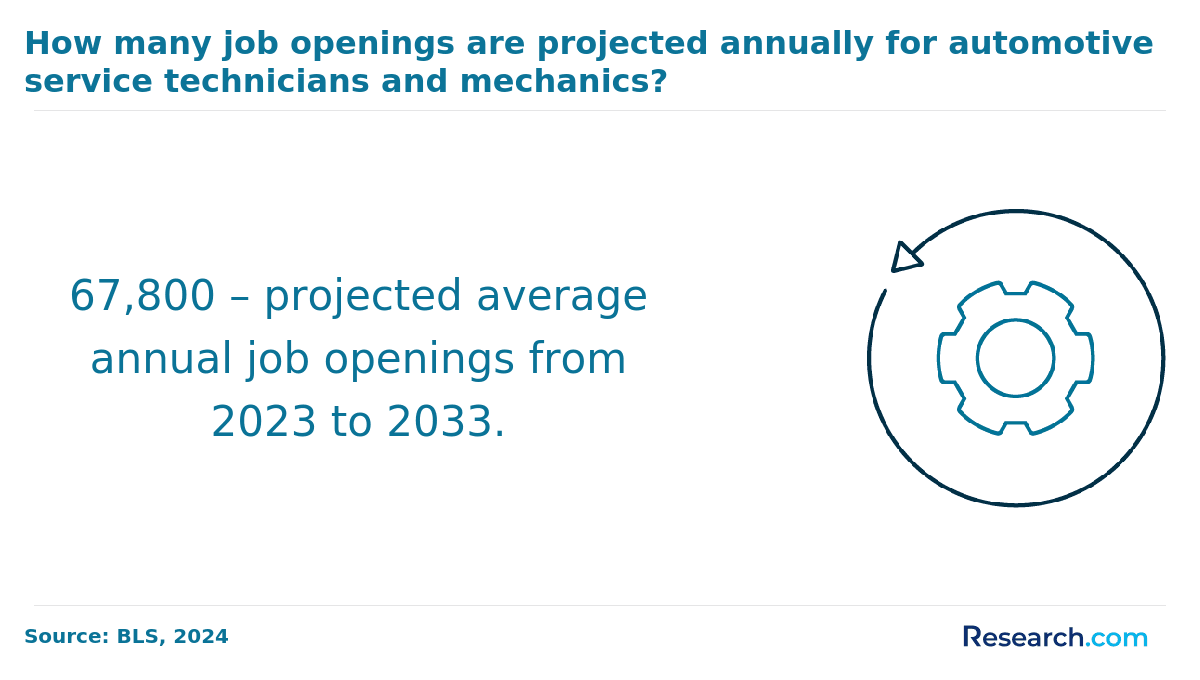
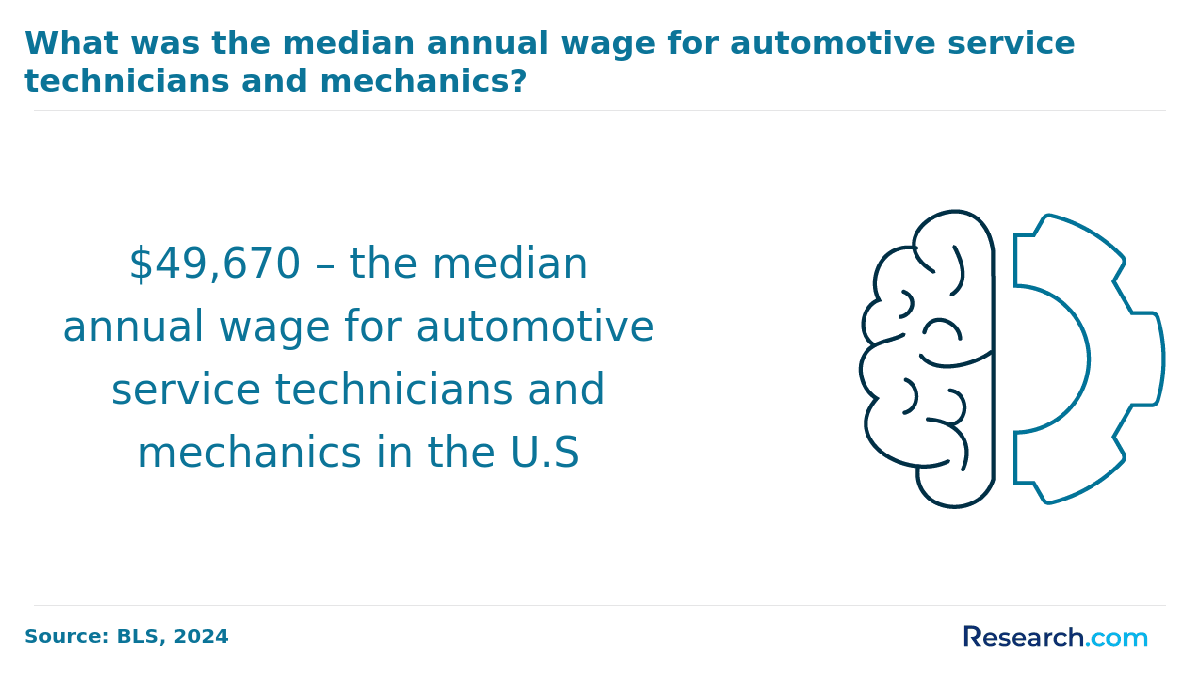
- Automotive Service Technicians and Mechanics: Automotive service technicians and mechanics in Oregon are employed in a variety of settings including independent repair shops, dealerships, and fleet management companies. The state employed about 7,840 professionals in this role in 2022, with projections indicating growth to 8,420 by 2032, reflecting a 7% increase that surpasses the national average. Oregon’s competitive market often offers wages that meet or slightly exceed the national average of $49,670 annually.
- Diesel Mechanics: Diesel mechanics play a critical role in Oregon’s trucking, agriculture, and marine industries by maintaining commercial vehicle fleets and heavy equipment. The demand for diesel mechanics remains strong due to the state’s diverse economic sectors and transportation infrastructure. These specialists support essential operations in rural and industrial regions, where equipment reliability is vital.
- Bus and Truck Mechanics: In metropolitan areas like Portland and Eugene, bus and truck mechanics maintain large commercial vehicles vital to public transportation and logistics. The I-5 corridor’s extensive transportation network relies on skilled technicians to ensure safety and efficiency. Job openings frequently arise from retirements and occupational shifts, providing steady employment opportunities.
- Specialty and Emerging Fields: Mechanics trained in electric vehicle (EV) maintenance and diagnostics are increasingly sought after, especially in urban centers focused on sustainability. Oregon’s emphasis on clean energy creates openings for those specializing in hybrid and alternative fuel vehicles. This sector is expected to expand as EV adoption accelerates statewide.
A mechanic from Oregon recalled the challenge of transitioning from conventional automotive repair to EV specialization, emphasizing the importance of continuous education and certification to stay competitive. Their persistence through retraining opened doors to opportunities in Portland’s growing EV market, illustrating the evolving nature of mechanic jobs in Oregon.
Prospective mechanics should consider programs offered by Oregon community colleges and technical schools to enhance their skills and employability. Resources like the Oregon Employment Department provide valuable labor market information. For those exploring education options, the rankings of the best online trade schools and construction programs can guide decisions on formal training pathways.
What emerging automotive technologies are reshaping mechanic careers in Oregon?
Mechanics in Oregon are increasingly expected to master advanced diagnostic systems and electronic control modules as electric and hybrid vehicles become more prevalent. Adapting to automation, IoT connectivity, and real-time data analysis is essential for staying competitive in a rapidly evolving industry. Professionals are encouraged to engage in continuous technical education and consider cross-training in adjacent specialties, such as learning how to get HVAC license in Oregon, which can complement automotive expertise and enhance career resilience.
What do employers value most when hiring mechanics in Oregon?
Employers in Oregon seek candidates who demonstrate a clear commitment to continuous improvement and a robust technical foundation. They prioritize hands-on expertise with advanced diagnostic tools, effective troubleshooting capabilities, and adherence to evolving safety and environmental standards. In addition, candidates who invest in cross-discipline learning—such as exploring how to become an electrician in Oregon—are viewed favorably for their versatile skill set. Emphasis is also placed on strong communication, sound problem-solving strategies, and a proactive approach to mastering emerging automotive technologies.
How can business education enhance a mechanic’s career in Oregon?
Mechanics who complement technical skills with business education are better positioned to manage repair shops, streamline operations, and make strategic financial decisions. Gaining proficiency in areas such as accounting, marketing, and human resource management can lead to improved customer relations and operational efficiency. This added competence supports career advancement into managerial or entrepreneurial roles. For insights on reputable programs that foster these skills, consider exploring the top business schools in Oregon.
What alternative technical careers can you explore in Oregon?
Considering the evolving technical landscape, evaluating alternative career paths can provide additional perspective for individuals interested in hands-on technical roles. Exploring disciplines beyond automotive repair, such as specialized electronic maintenance, HVAC services, or healthcare technology, may reveal opportunities with competitive growth and stability. For instance, reviewing Oregon ultrasound technician requirements can help assess the distinct certifications, training methods, and industry demands that define another critical technical field.
What continuing education and professional development options are available for mechanics in Oregon?
For experienced mechanics, ongoing education is essential to stay ahead of evolving automotive technologies and industry standards. Professionals can benefit from specialized courses, hands-on workshops, and accredited online programs tailored to advanced diagnostic systems or emerging vehicle technologies such as electric and hybrid models. Additionally, industry conferences and short-term certification programs further support skill enhancement and operational efficiency. Exploring cross-discipline training opportunities—like learning how to become a radiology technician in Oregon—can also broaden technical proficiency and offer valuable insights for long-term career diversification.
How much do mechanics make in Oregon?
Mechanics in Oregon earn hourly wages generally ranging from $27.62 to $29.00, with annual salaries between approximately $49,000 and $58,000, depending on experience and certification. Entry-level automotive mechanics typically make around $49,363 to $51,678 annually, while more experienced or specialized roles can command higher pay.
The average mechanic salary in Oregon is influenced by several factors that can increase earning potential:
- Certification and specialization, such as ASE credentials or skills in diesel and electric vehicles, often lead to wages between $35 and $45 per hour.
- Location within Oregon matters; urban centers like Portland and Eugene tend to offer higher wages compared to rural areas.
- Overtime opportunities contribute significantly, with some mechanics earning over $5,700 annually in extra pay.
- Union membership and public sector jobs usually provide better pay and benefits than private shops.
When considering how much automotive mechanics make in Oregon, it is clear that beyond base pay, strategic choices about specialization, work location, and union involvement can substantially affect total compensation. Mechanics interested in expanding their qualifications might explore further education options including a list of affordable online mechanical engineering degree programs, which can enhance career prospects and income potential.
What tools and skills do mechanics need to succeed?
Success as a mechanic in Oregon depends on a combination of practical skills, regulatory compliance, and ongoing education. Mastery of specific certifications and adherence to state and local requirements are essential for career advancement and legal operation.
Here's what it takes for you to succeed as a mechanic:
- Proficiency in automotive repair techniques, including diagnostics, engine repair, and brake systems, to meet industry standards.
- EPA Section 609 certification for handling automotive air conditioning refrigerants, ensuring compliance with environmental regulations.
- Understanding of business operations, including obtaining an Automotive Repair Facility License and maintaining required liability insurance with minimum coverage of $25,000 per person, $50,000 per accident for bodily injury, and $20,000 for property damage.
- Familiarity with local zoning laws and obtaining a Certificate of Occupancy to comply with building and safety codes.
- Awareness of state updates such as the Oregon Mechanical Specialty Code (OMSC), which impacts shop design and safety protocols, with the next update cycle scheduled for October 2025.
- Participation in apprenticeship programs or trade school training, such as Portland Community College’s Automotive Service Technology program, which prepares students for ASE certification and entry-level roles.
- Commitment to environmental compliance, including proper hazardous material handling and sustainable practices relevant to electric and hybrid vehicles.
- Optional but advantageous ASE certification to enhance professional credibility and job prospects.
What are the career growth opportunities for mechanics in Oregon?
Here's an overview of your career growth opportunities as a mechanic in Oregon:
- Pathways to Employment and Certification: Oregon does not require a state-issued license to work as an automotive mechanic, providing flexibility for entry into the field. However, employers often seek candidates with a high school diploma or GED and prefer certifications such as those from the National Institute for Automotive Service Excellence (ASE), which can enhance job prospects and earning potential.
- Education and Apprenticeship Opportunities: Portland Community College offers an Automotive Service Technology program that combines hands-on training with ASE certification preparation, aligning graduates with industry standards. Additionally, the Oregon Bureau of Labor and Industries supports apprenticeship programs, enabling trainees to gain paid, on-the-job experience while completing formal instruction, creating a practical route to skill development and employment.
- Business Ownership and Regulatory Compliance: Aspiring shop owners must secure appropriate business licenses and a Certificate of Occupancy to comply with local zoning laws. Environmental regulations mandate proper handling of hazardous materials, and shops must carry minimum motor vehicle insurance of $25,000 per person, $50,000 per accident, and $20,000 for property damage, as well as workers’ compensation insurance.
- Impact of Emerging Technologies and Regulations: The increasing adoption of electric vehicles in Oregon is driving demand for mechanics specialized in hybrid and EV repair. Concurrently, the upcoming adoption of the 2025 Oregon Mechanical Specialty Code will update safety and operational standards, requiring mechanics and shop owners to stay informed and adapt to evolving regulatory requirements.
- Career Advancement Strategies: Mechanics can enhance their career growth by pursuing ASE certifications, engaging in state-supported apprenticeships, and specializing in emerging fields like electric vehicle technology. Staying current with regulatory changes and environmental compliance further positions professionals for long-term success in Oregon’s automotive industry.
What are the pros and cons of becoming a mechanic in Oregon?
Pros of Becoming a Mechanic in Oregon
Oregon’s regulatory environment offers notable advantages for aspiring mechanics. The absence of a mandatory state occupational license for individual technicians reduces entry barriers and allows quicker workforce entry with just a high school diploma or GED. This accessibility supports those seeking rapid employment or career shifts.
Certification from the National Institute for Automotive Service Excellence, while optional, is widely recognized and can enhance employability and earning potential. Many employers prefer ASE-certified technicians, reflecting a competitive edge in the job market. Additionally, federally mandated EPA Section 609 certification enables legal work on air conditioning systems, expanding job opportunities.
Training programs like Portland Community College’s Automotive Service Technology provide practical skills and prepare students for certification, aligning education with industry needs. State initiatives such as the Oregon Youth Employment Program offer paid work experiences, helping overcome workforce shortages and facilitating industry entry for younger workers.
Cons of Becoming a Mechanic in Oregon
Despite individual licensing leniency, mechanics aiming to open repair facilities face complex compliance demands. Obtaining an Automotive Repair Facility License and meeting local zoning laws, including Certificates of Occupancy, involve procedural and financial hurdles. Stringent environmental regulations on hazardous waste handling require ongoing diligence to avoid fines or business closure.
Safety compliance, including workers’ compensation and OSHA standards, adds operational costs and administrative responsibilities. The upcoming 2025 Oregon Mechanical Specialty Code will impose updated construction and safety requirements, potentially increasing expenses and requiring continuous adaptation.
While certification is advantageous, it is not required, potentially leading to inconsistent skill levels across the workforce. This variability may affect job security and wage stability for non-certified mechanics in a competitive market.
Here's What Mechanics Have to Say About Their Career in Oregon
- Joining the automotive vocational program in Oregon gave me hands-on experience that textbooks alone couldn't provide. The state-supported workshops helped me build confidence in diagnosing real-world vehicle issues, which has been invaluable in my day-to-day work as a mechanic. Morris
- The nonprofit program I attended focused not just on technical skills but also on professional development, which prepared me well for the challenges of the trade. I appreciated how much time we spent actually working on cars, making the learning practical and directly applicable. Rory
- Oregon’s state automotive initiative offered a balanced curriculum that combined theory with plenty of shop time, allowing me to refine my troubleshooting skills. Practicing the trade in a supportive environment helped me enjoy every step of becoming a skilled mechanic. Elijah
Related Articles for Nearby States
- 2027 How to Become a Mechanic in Washington: Requirements & Certification
- 2027 How to Become a Mechanic in California: Requirements & Certification
- 2027 How to Become a Mechanic in Idaho: Requirements & Certification
- 2027 How to Become a Mechanic in Nevada: Requirements & Certification
- 2027 How to Become a Mechanic in Montana: Requirements & Certification
- 2027 How to Become a Mechanic in Utah: Requirements & Certification
- 2027 How to Become a Mechanic in Wyoming: Requirements & Certification
- 2027 How to Become a Mechanic in Arizona: Requirements & Certification
- 2027 How to Become a Mechanic in Colorado: Requirements & Certification
- 2027 How to Become a Mechanic in New Mexico: Requirements & Certification
References:
- Auto Mechanic Schools. Becoming an Automotive Technician or Mechanic in Oregon.
- Auto Mechanic School Edu. How to Become an Auto Mechanic in Oregon.
- Gyfted. Become a Certified Mechanic in Oregon.
- Finding the Ideal Duration: How Long Should Your Employee Training Be?
- Lane Community College | Industrial Trades, Technologies, Transportation, and Apprenticeship. Automotive Technology Program.
- O*NET OnLine. Oregon Employment Trends | 49-3023.00 - Automotive Service Technicians and Mechanics.
- Portland Community College. Automotive Service Technology.
- Knowledge Anywhere. Finding the Ideal Duration: How Long Should Your Employee Training Be?
Other Things You Should Know About Becoming a Mechanic in Oregon
In 2027, to become a certified mechanic in Oregon, you must complete a postsecondary automotive technology program or an apprenticeship. Next, pass the relevant ASE (Automotive Service Excellence) certification exams. Finally, register with the Oregon Department of Motor Vehicles if you choose to work on emissions systems.
In Oregon, previous experience may allow you to take certification exams sooner or qualify for advanced training programs, potentially accelerating your journey to becoming a certified mechanic in 2027. Here are four questions and answers related to becoming a mechanic in Oregon in 2027: 1. **Question** How do I become a certified mechanic in Oregon in 2027? **Answer** To become a certified mechanic in Oregon in 2027, you typically need to complete a vocational program or apprenticeship, gain hands-on experience, and pass the ASE certification exams. Ensure you meet any state-specific requirements for advanced specializations. 2. **Question** What are the educational requirements for mechanics in Oregon in 2027? **Answer** In 2027, aspiring mechanics in Oregon typically need a high school diploma or GED, followed by enrollment in an accredited automotive technology program. This education provides foundational knowledge and skills required for certification and successful careers. 3. **Question** Are there any new certifications for mechanics in Oregon in 2027? **Answer** As of 2027, Oregon may introduce new certifications, reflecting advancements in automotive technology, such as electric and hybrid vehicle specialization. Check with local industry bodies for the latest updates on certification requirements. 4. **Question** What are the steps to renew mechanic certifications in Oregon in 2027? **Answer** In 2027, renewing mechanic certifications in Oregon involves completing continuing education courses and possibly retaking exams. Renewal requirements may vary depending on the specific ASE certification you hold.
Aspiring mechanics in Oregon in 2027 can access a variety of educational resources, including vocational schools, community college programs, and online courses. Additionally, some certifications offer virtual workshops and hands-on training at accredited facilities.


