
2027 How to Become an HVAC Tech in Oregon

Co-Founder and Chief Data Scientist
Are you unsure how to start a stable, hands-on career in Oregon’s HVAC industry? Confused by training options, licensing steps, or how long it takes to qualify for work?
With over 4,000 HVAC mechanics and installers already employed in Oregon—and growing demand due to the state’s aging infrastructure—now is a great time to enter the field. This guide breaks down every step to becoming an HVAC technician in Oregon, using insights from career planning experts to help you move from uncertainty to a clear, confident career path.
Key Points About Becoming an HVAC Tech in Oregon
- Oregon’s HVAC technician job market is projected to grow 8% from 2022 to 2032, reflecting steady demand in residential and commercial sectors.
- The average annual salary for HVAC techs in Oregon is approximately $53,000, slightly above the national median.
- Oregon offers diverse climate zones, supporting year-round HVAC work, making it a strategic location for career development in this trade.
- What are the educational requirements to become an HVAC Tech in Oregon?
- Which schools in Oregon offer HVAC programs?
- What skills do you need to become an HVAC Tech in Oregon?
- What are the requirements for HVAC licensure in Oregon?
- What is the licensing process for HVAC technicians in Oregon?
- How long does it take to become an HVAC tech in Oregon?
- What additional certifications can boost my HVAC career in Oregon?
- How are emerging technologies impacting HVAC careers in Oregon?
- How can business skills enhance HVAC career growth in Oregon?
- Can HVAC Skills Support Career Transitions to Other Technical Fields?
- Can I Get Financial Assistance for HVAC Training in Oregon?
- Will an HVAC license from Oregon allow you to work in other states?
- How much do Oregon HVAC technicians earn?
- Is there a demand for HVAC technicians in Oregon?
- Is Oregon a good place to work as an HVAC tech?
What are the educational requirements to become an HVAC Tech in Oregon?
Becoming an HVAC technician in Oregon involves meeting specific educational and practical experience requirements designed to ensure workforce competence. These steps provide a structured pathway into the field, reflecting both state regulations and industry standards.
The educational requirements to enter HVAC training programs in Oregon include the following:
- High school diploma or GED: This is the minimum academic credential required to enroll in HVAC programs, aligning with national entry standards.
- Enrollment in an accredited HVAC training program: Typically offered by vocational schools or community colleges, these programs last from six months to two years and cover refrigeration, heating systems, electrical fundamentals, and safety protocols.
- Completion of an apprenticeship: Lasting generally 3 to 5 years under the guidance of licensed professionals, apprenticeships provide essential hands-on experience and are a critical component of Oregon HVAC certification requirements.
Unlike some states, Oregon emphasizes the apprenticeship component as part of the licensing process, ensuring technicians acquire both theoretical knowledge and practical skills. This approach supports a technically proficient workforce capable of addressing HVAC system demands in Oregon’s diverse climate. For those weighing the educational and experiential paths, resources such as HVAC apprenticeship vs certification which is better offer valuable insights into the advantages of each route.
Which schools in Oregon offer HVAC programs?
Several schools in Oregon offer specialized HVAC programs designed to equip students with the technical skills required for a career as an HVAC technician. These programs cover refrigeration, heating systems, ventilation, electrical components, and safety protocols aligned with industry standards. For those researching the best HVAC programs in Oregon, understanding each school’s emphasis and tuition is essential.
The following list highlights key Oregon HVAC training schools, each with unique strengths tailored to different career goals within the HVAC field:
- Central Oregon Community College (COCC): Offers a comprehensive HVAC program focused on residential and commercial heating and cooling systems, including EPA certification preparation. Tuition is approximately $4,000 for in-district students, making it competitive statewide.
- Portland Community College (PCC): Provides an HVAC certificate emphasizing hands-on training with modern equipment, electrical diagnostics, and energy efficiency. The program includes OSHA safety training, addressing compliance demands in Oregon’s growing HVAC sector. Tuition is around $5,200 for the full program.
- Lane Community College: Covers essential HVAC principles, system design, and troubleshooting techniques. The curriculum notably includes green technologies, reflecting Oregon’s commitment to sustainable energy solutions. Tuition averages $4,500 for completion.
For individuals considering the HVAC field, it is also valuable to explore related trades and career paths. Understanding the broader electrical trade can provide insight into potential job markets and salary expectations, which can be reviewed through resources such as the electrician job salary data. This information complements knowledge about Oregon HVAC training schools and helps prospective students make informed decisions about their education and career trajectory.
What skills do you need to become an HVAC Tech in Oregon?
To work successfully as an HVAC technician in Oregon, you must develop a range of technical and practical abilities tailored to the state's regulatory environment and industry demands. Mastery of HVAC systems and related technologies is essential for meeting both performance and safety standards.
The following competencies are critical for HVAC professionals in Oregon:
- System Knowledge: A thorough grasp of heating, ventilation, and air conditioning components and their operation ensures effective installation and maintenance.
- Electrical Proficiency: Expertise in electrical circuits and wiring is necessary due to the complexity of HVAC equipment.
- Refrigerant Handling Certification: Compliance with EPA regulations requires certified skills for the safe use and management of refrigerants.
- Blueprint and Diagram Interpretation: Ability to read and understand technical schematics supports accurate troubleshooting and repair.
- Diagnostic Skills: Competence in identifying system malfunctions through detailed troubleshooting techniques enhances repair efficiency.
- Knowledge of Energy-Efficient Technologies: Familiarity with programmable thermostats and sustainable HVAC solutions aligns with Oregon’s focus on energy conservation.
What are the requirements for HVAC licensure in Oregon?
HVAC technicians in Oregon must fulfill several specific requirements for licensure, ensuring they possess the necessary skills and knowledge to work safely and effectively. These requirements emphasize practical experience, testing, and regulatory compliance.
- Work experience: Applicants must document at least four years of verifiable HVAC installation, maintenance, or repair work within the past ten years, aligning with Oregon Construction Contractors Board standards.
- Examinations: Candidates are required to pass two exams: the business and law exam covering state regulations and contracting laws, and the trade-specific HVAC exam assessing technical proficiency.
- Background check: A comprehensive background check including fingerprinting is mandatory to evaluate criminal history and maintain industry integrity.
- License renewal: Licenses must be renewed every two years, with continuing education credits required to stay updated on evolving codes and technologies.
- Bonding: Oregon does not require a state-mandated bond for HVAC contractors, which differs from several other states.
- EPA certification: Technicians must comply with EPA Section 608 certification to legally handle refrigerants, critical for Oregon’s climate-controlled systems market.
These Oregon HVAC licensing requirements reflect a balanced approach between practical experience and regulatory oversight, ensuring technicians are well-prepared to meet industry demands. For those exploring career options, HVAC is recognized as one of the quick to learn trade jobs that pay well, making it an attractive pathway for many professionals seeking skilled trades. Understanding how to get HVAC license in Oregon is essential for aspiring technicians to navigate these requirements successfully.
What is the licensing process for HVAC technicians in Oregon?
Becoming a licensed HVAC technician in Oregon requires adherence to a structured regulatory framework overseen by the Oregon Construction Contractors Board (CCB) and the Oregon Building Codes Division (BCD). The process ensures that candidates possess the necessary skills and meet state safety and quality benchmarks.
- Application Submission: Candidates must provide a completed application to the CCB along with proof of liability insurance and a surety bond, typically set at $12,500, to guarantee financial responsibility.
- Experience Documentation: Applicants are required to demonstrate at least four years of relevant work experience or apprenticeship in the HVAC field to validate practical competence.
- Specialty Exam: Passing the Oregon HVAC specialty contractor exam, administered by the BCD, is mandatory. This test evaluates knowledge of mechanical codes, safety protocols, and industry standards.
- Fee Payment: After passing the exam, applicants pay licensing fees, which generally approximate $480 for initial certification.
- License Renewal: Licensed HVAC technicians must renew their credentials every two years while completing continuing education to maintain up-to-date industry knowledge.
Oregon currently licenses over 2,000 HVAC contractors, reflecting a moderately regulated market that prioritizes rigorous standards to protect consumers and ensure high-quality workmanship.
When I spoke with an HVAC technician from Oregon about her licensing journey, she emphasized the balance between challenge and reward. “The exam was definitely the most nerve-wracking part,” she shared, “but knowing it was designed to ensure safety made it feel worthwhile.” She also mentioned the importance of securing the surety bond and maintaining insurance as critical steps that initially seemed daunting but ultimately provided peace of mind. “Renewing the license every two years keeps me sharp,” she added, “and the continuing education really helps me stay ahead with new technologies.” Her experience illustrates that while the licensing path demands commitment, it also fosters professional growth and confidence in delivering quality HVAC services throughout Oregon.
How long does it take to become an HVAC tech in Oregon?
The time to become an HVAC technician in Oregon involves a combination of formal education, practical experience, and licensing requirements. Understanding this timeline helps prospective students plan their career path efficiently.
- Formal education (6 months to 2 years): Completion of an HVAC training program, either a certificate or associate degree, covering refrigeration, electrical systems, and heating technologies.
- Supervised work experience (approximately 2 years): A minimum of 4,000 hours of on-the-job training under a licensed HVAC contractor to build hands-on skills and industry competence.
- Licensing exam preparation and application: Time required to study for and pass the Oregon HVAC licensing exam, which assesses knowledge of state codes, safety regulations, and technical skills.
Overall, the Oregon HVAC tech training duration typically spans 2.5 to 4 years, aligning with industry standards that ensure qualified professionals enter the workforce. For those exploring options, a list of best online trade schools can provide flexible educational pathways to expedite training while meeting state requirements.
What additional certifications can boost my HVAC career in Oregon?
Expanding your qualifications beyond standard HVAC licensure can open doors to specialized roles and leadership positions. Consider obtaining certifications in areas such as energy-efficient system design, indoor air quality management, or smart technology integration. These credentials are developed by recognized institutions and signal deep technical proficiency to employers, thereby enhancing your marketability. Furthermore, diversifying your skill set by exploring related trades, such as learning how to get electrician license in Oregon, positions you to meet evolving industry demands and pursue multidisciplinary opportunities.
How are emerging technologies impacting HVAC careers in Oregon?
Technological advancements are redefining operational standards within Oregon’s HVAC industry. The integration of smart sensor networks, IoT solutions, and real-time diagnostics is fostering more efficient system management while promoting sustainable practices. These innovations create specialized career paths and necessitate ongoing technical upskilling, offering professionals long-term growth potential. For those looking to broaden their expertise into related fields, exploring how to become a mechanic in Oregon can further enhance career versatility.
How can business skills enhance HVAC career growth in Oregon?
HVAC professionals who supplement their technical expertise with business management skills can unlock new career opportunities and streamline operational practices. Acquiring targeted business knowledge enables technicians to lead projects effectively, manage budgets, and explore entrepreneurial ventures in the competitive trade market. For those interested in advancing their business acumen alongside technical proficiency, exploring programs offered by the best business schools in Oregon can provide a strategic advantage in career development and financial decision-making.
Can HVAC Skills Support Career Transitions to Other Technical Fields?
HVAC training develops robust problem-solving abilities, technical diagnostics, and a comprehensive understanding of system mechanics that are highly applicable in adjacent industries. Such transferable skills can facilitate transitions into fields like industrial maintenance or facility management, where technical precision and regulatory compliance are paramount. Exploring cross-disciplinary certification paths can also uncover new career opportunities; for example, professionals may benefit from reviewing Oregon education requirements for radiologic technologist to compare specialized educational standards.
Can I Get Financial Assistance for HVAC Training in Oregon?
Aspiring HVAC technicians in Oregon may explore a variety of funding options to offset training costs. Many technical schools and community colleges offer scholarship programs and grants specifically for trade education, while federal and state financial aid opportunities can also help manage tuition and certification expenses. Additionally, apprenticeship programs often provide stipends or on-the-job earnings that reduce overall training costs. For further career diversification options and alternative technical training paths, consider exploring how to become an ultrasound technician in Oregon.
Will an HVAC license from Oregon allow you to work in other states?
Oregon does not recognize HVAC licenses from other states, as there is no formal reciprocity agreement. The Oregon Construction Contractors Board specifies that HVAC certifications issued within Oregon apply exclusively to work conducted in that state. Nationwide, HVAC licensing prerequisites vary widely; some states require candidates to pass trade examinations, while others emphasize documented work experience.
HVAC technicians relocating from Oregon should anticipate completing the licensing process anew in their destination state. This generally involves:
- Applying for the new state’s HVAC license, which often includes passing a state-specific trade exam
- Providing evidence of completed training programs or relevant professional experience
- Fulfilling any additional mandates, such as securing insurance or bonding as required by the state
Due to the absence of interstate licensing reciprocity, professionals moving to states like Washington, California, or Idaho must navigate independent regulatory requirements and cannot rely on Oregon certification for immediate credential recognition.
How much do Oregon HVAC technicians earn?
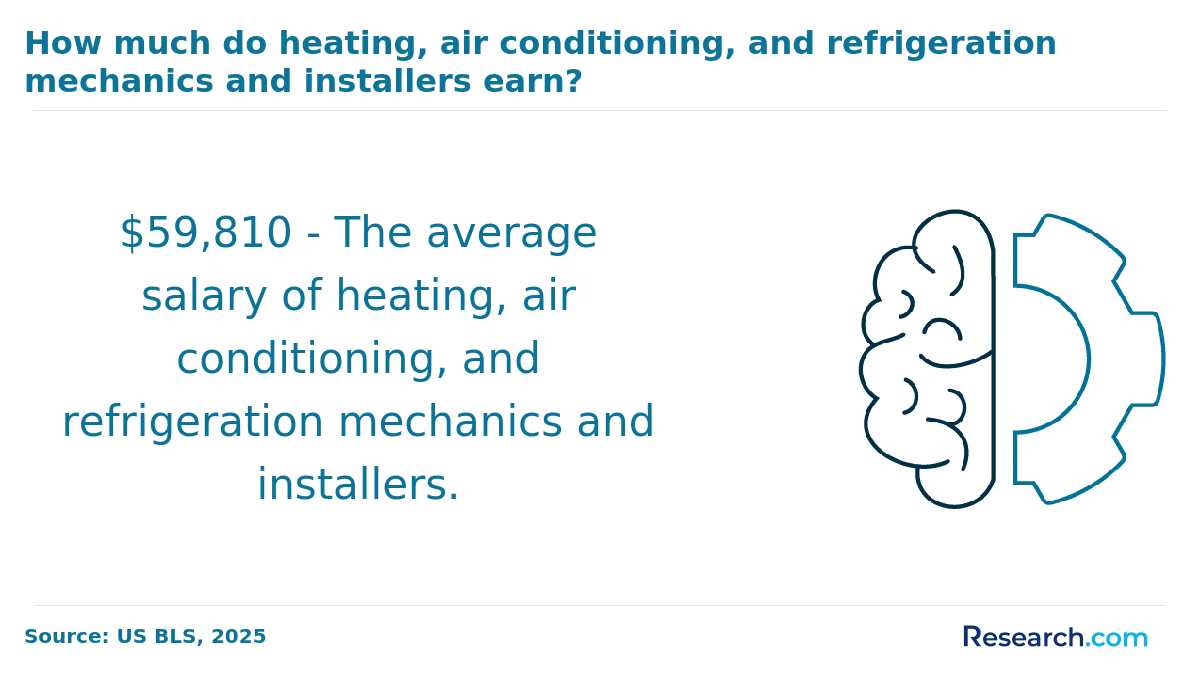
In Oregon, HVAC technicians' yearly salaries generally fall between $45,000 and $65,000, influenced by experience, region, and area of expertise. Entry-level workers typically earn around $40,000 to $50,000 annually. With increased experience, earnings can rise to approximately $60,000 to $70,000. Technicians with specialized knowledge, such as refrigeration, commercial systems, or sustainable energy solutions, often receive higher compensation.
Several elements impact these salary differences:
- Experience: Seasoned technicians and supervisors command greater wages compared to newcomers.
- Specialization: Those skilled in commercial HVAC or eco-friendly technologies tend to have elevated income potential.
- Location: Urban centers like Portland usually offer higher pay due to demand and living costs.
State labor statistics indicate the median hourly wage for HVAC professionals in Oregon ranges from $27 to $32, equating to an annual median salary near $56,000. Pursuing ongoing certifications and training is vital for career advancement and increased earnings in this competitive sector.
Is there a demand for HVAC technicians in Oregon?
The demand for HVAC technicians in Oregon is projected to grow steadily over the next decade, reflecting broader national trends in the trade. According to state labor data, employment for HVAC mechanics and installers in Oregon is expected to increase by approximately 10% through 2030, which is faster than the average growth rate for all occupations. This growth is driven by the need to install, maintain, and repair heating, ventilation, and air conditioning systems in residential, commercial, and industrial buildings. Those researching HVAC technician job demand Oregon will find this growth promising for career stability.
Job opportunities are particularly strong in urban areas such as Portland and Eugene, where new construction and retrofit projects are frequent. Demand varies among HVAC specializations; for instance, technicians skilled in energy-efficient and environmentally friendly systems tend to have more job prospects due to Oregon’s emphasis on sustainability and green building codes. Additionally, specialists in commercial refrigeration systems may find niche opportunities in food processing and retail sectors within the state. For individuals seeking to enter the field, exploring accredited online trade schools can provide accessible pathways to certification and skill development.
The Oregon HVAC industry employment outlook shows sustained growth driven by both new installations and maintenance of increasingly sophisticated systems. Professionals with expertise in green technologies are particularly well-positioned to benefit from this trend, aligning with the state’s environmental priorities and expanding market needs.
Is Oregon a good place to work as an HVAC tech?
Oregon offers a favorable climate for HVAC professionals, supported by steady employment growth and competitive wages. The state’s demand for skilled technicians is influenced by its varied weather patterns and emphasis on energy-efficient systems.
According to the U.S. Bureau of Labor Statistics (BLS) in 2023, Oregon employs around 2,000 HVAC technicians, with job opportunities expected to increase by 10% over the next ten years, surpassing the national growth rate of 8%. This expansion is largely driven by the need for environmentally friendly heating and cooling solutions adaptable to Oregon’s diverse climate.
- Wage Advantage: HVAC technicians in Oregon earn a median salary near $55,000 annually, which is higher than the national median of approximately $50,000, reflecting the state’s demand for skilled labor.
- Cost of Living Considerations: Despite higher wages, the cost of living—especially housing in cities like Portland and Eugene—is significantly above the national average, which may impact overall affordability for workers.
- Regulatory Requirements: Becoming an HVAC technician in Oregon requires completing an approved apprenticeship or training program and passing a state licensing exam, ensuring a qualified workforce but adding extra steps compared to some other states.
- Industry Trends: Oregon’s commitment to green energy initiatives and sustainable building codes fosters continuous demand for technicians proficient in modern, energy-efficient HVAC technologies.
What HVAC Technicians in Oregon Say About Their Careers
Working as an HVAC technician in Oregon has given me incredible job stability. The demand for skilled technicians here is consistently high due to the state's varied climate, and the average salaries are competitive enough to support a comfortable lifestyle. I feel secure knowing there are plenty of opportunities ahead. Ted
The unique challenges of Oregon’s weather keep my work exciting and varied, from coastal humidity to mountain cold snaps. This diversity has sharpened my skills and made every project different. It’s rewarding to solve problems that directly impact people’s comfort in such a dynamic environment. Jesse
Oregon offers some fantastic professional development programs for HVAC technicians, including apprenticeships and certification courses that have helped me advance my career. The support from local trade schools and industry groups has been invaluable in keeping my knowledge up to date and opening doors to new opportunities. Gus
Related Articles for Nearby States
- 2027 How to Become an HVAC Tech in Washington
- 2027 How to Become an HVAC Tech in California
- 2027 How to Become an HVAC Tech in Idaho
- 2027 How to Become an HVAC Tech in Nevada
- 2027 How to Become an HVAC Tech in Montana
- 2027 How to Become an HVAC Tech in Utah
- 2027 How to Become an HVAC Tech in Wyoming
- 2027 How to Become an HVAC Tech in Arizona
- 2027 How to Become an HVAC Tech in Colorado
- 2027 How to Become an HVAC Tech in New Mexico
References:
- Bureau of Labor and Industries (BOLI). (n.d.). Trade details: Apprenticeship. State of Oregon. Bureau of Labor and Industries (BOLI).
- Oregon Metro. (2024). HVAC technician. GovernmentJobs.
- U.S. Bureau of Labor Statistics. (2024, February 21). Heating, air conditioning, and refrigeration mechanics and installers. Occupational Outlook Handbook. U.S. Bureau of Labor Statistics.
- AZ Air Conditioning and Heating. (2023). Why are jobs in HVAC in high demand? AZ Air Conditioning and Heating.
- HVACClasses.org. (2024). HVAC trade schools in Portland, Oregon – Training & certification. HVACClasses.org.
Other Things You Should Know About Becoming an HVAC Tech in Oregon
To work as an HVAC tech in Oregon, you need a Limited Energy Technician license from the Oregon Building Codes Division. Additionally, EPA Section 608 certification is required. These certifications ensure compliance with state and federal regulations for HVAC professionals.
In Oregon, aspiring HVAC techs need a high school diploma or GED before entering the field. Post-secondary training through accredited HVAC programs or apprenticeships is strongly recommended to gain the necessary skills and improve job prospects in 2027.


