
2027 How to Become a Mechanic in South Dakota: Requirements & Certification

Co-Founder and Chief Data Scientist
Rooted in a strong heritage of agriculture, transportation, and manufacturing, South Dakota relies heavily on skilled mechanics to maintain the machinery and infrastructure that power these critical industries. From servicing farm equipment in rural communities to keeping commercial vehicles and industrial systems operating smoothly, mechanics are an essential part of the state’s workforce. In 2022 alone, South Dakota employed approximately 2,340 mechanics—a figure that reflects the vital contribution these tradespeople make to the stability and productivity of the local economy.
In this article, we’ll explore the various career paths available to aspiring and experienced mechanics across South Dakota. We'll take a closer look at the state’s specific industry needs, what employers are looking for, and the steps individuals can take to succeed in this field. Additionally, we’ll examine job outlooks, available training programs, and the long-term potential for building a secure and fulfilling career as a mechanic in the Mount Rushmore State.
Key Things to Know About Becoming a Mechanic in South Dakota
- Mechanics in South Dakota earn an average annual salary of $52,283, offering a solid income for those in the skilled trades and reflecting the value placed on technical expertise in the state.
- Employment for mechanics in South Dakota is expected to rise to approximately 2,600 by 2032, indicating steady demand and strong job stability across various sectors like agriculture, transportation, and manufacturing.
- From 2022 to 2032, mechanic jobs in South Dakota are projected to grow by 11%, outpacing national averages and highlighting the state’s ongoing need for qualified, hands-on professionals in technical roles.
- What are the steps to become a mechanic in South Dakota?
- What training and education options are available in South Dakota?
- Do you need certifications to work as a mechanic in South Dakota?
- How long does it take to become a mechanic in South Dakota?
- How much does it cost to become a mechanic in South Dakota?
- What job opportunities are available for mechanics in South Dakota?
- How much do mechanics make in South Dakota?
- How Can Cross-Training in Electrical Systems Enhance a Mechanic’s Career in South Dakota?
- How Can Business Acumen Enhance a Mechanic's Career in South Dakota?
- What impact do evolving automotive technologies have on mechanic roles in South Dakota?
- What tools and skills do mechanics need to succeed?
- What are the career growth opportunities for mechanics in South Dakota?
- What are the pros and cons of becoming a mechanic in South Dakota?
- Can acquiring additional technical certifications expand career opportunities in South Dakota?
- Can My Technical Expertise Help Me Transition to Other In-Demand Careers in South Dakota?
- What Mechanics Say About Their Careers in South Dakota
What are the steps to become a mechanic in South Dakota?
Becoming a mechanic in South Dakota involves combining education, hands-on experience, and certification to enhance your job prospects and earning potential. Below are the key steps to follow.
Enroll in an Accredited Automotive Program
Start by attending a NATEF-accredited technical college such as Southeast Technical College, Lake Area Technical Institute, or Western Dakota Technical College. These institutions offer associate degrees or certificate programs that blend classroom learning with practical training, preparing you for industry standards.
Gain Work Experience
While studying or after completing your program, seek apprenticeships or entry-level jobs at dealerships, service stations, or repair shops. Practical experience, ranging from one to two years, is essential to develop your skills and meet certification requirements.
Pursue ASE Certification
Obtain Automotive Service Excellence (ASE) certification by passing relevant exams after fulfilling education and work experience criteria. ASE offers multiple specializations such as engine repair, truck equipment, and light repair. Certifications must be renewed every five years and require continuing education.
Consider Specializing in Diesel or Commercial Vehicles
Focusing on diesel engines or commercial vehicles can lead to higher salaries and expanded job opportunities in regions like Sioux Falls. Specialized certifications in these areas are highly valued by employers.
Maintain a Clean Driving Record and Valid License
Most employers require a valid driver’s license and a clean driving record. Keeping these up to date ensures eligibility for many mechanic roles, especially those involving fleet vehicles.
Commit to Ongoing Learning
The automotive field evolves rapidly. Stay current with new technologies and certification renewals to maximize career growth and job security in South Dakota’s automotive industry.
What training and education options are available in South Dakota?
South Dakota offers a variety of specialized training programs for aspiring mechanics, with a focus on both automotive and diesel technology. These programs help students gain practical skills and industry-recognized certifications to boost their career prospects.
- Southeast Technical College in Sioux Falls offers an associate degree and a 2-year diploma in automotive technology, featuring hands-on training in suspension, brakes, transmissions, electrical systems, and engine performance.
- Students at Southeast Tech benefit from specialized courses like Automatic Transmissions, Brake Theory, and Heating and Air Conditioning, preparing them for diverse automotive roles.
- Lake Area Technical Institute provides an 18-month Associate Degree program in automotive technology along with a light duty diesel technology program, supported by accreditation from the Associated Equipment Dealers Foundation (AED) for diesel-focused education.
- Both schools maintain NATEF accreditation, ensuring their programs meet national industry standards and prepare graduates for ASE certification tests.
- Lake Area Tech offers specialized diesel tracks, including options for Ag/Industrial Tractor & Truck, Diesel ButlerMAX, and Diesel THINK BIG Caterpillar, allowing targeted skills development.
- Financial aid opportunities like the Build Dakota Scholarship support students in automotive technology programs, reducing the cost burden and facilitating access to quality training.
- Graduates from these programs enjoy strong employment prospects, with Lake Area Tech reporting a 99% job placement rate and competitive return on investment figures.
For those exploring career options within technical education, South Dakota’s automotive technology programs in South Dakota stand out as practical pathways to enter the trade. Research on trade schools also highlights the value of such focused vocational training in achieving stable and well-paying employment.
Do you need certifications to work as a mechanic in South Dakota?
In South Dakota, there are no formal state requirements for an auto mechanic license requirements South Dakota mandates beyond holding a valid driver’s license and maintaining a clean driving record. This means you can legally begin working as a mechanic without state certification. However, employers typically expect mechanics to have completed accredited training programs or to hold certifications that prove their technical skills.
The most valuable credential in the field is ASE certification requirements for mechanics in South Dakota. While not legally required, ASE certification is a widely recognized industry standard that enhances job prospects, earning potential, and professional credibility. Earning ASE credentials involves passing rigorous exams and having two years of relevant work experience or a combination of training and experience.
To improve your chances of success, pursue formal education through automotive technology programs offered by trade schools like Lake Area Technical College. These programs prepare you for ASE exams and provide hands-on experience. Additionally, gaining early work experience is crucial since many ASE certifications require practical background.
For those interested in specializing, consider roles such as diesel mechanics or bus and truck technicians, which are in high demand and often offer higher pay. To learn more about career paths, including how to become a diesel mechanic, explore resources like how to become a diesel mechanic. Staying current with automotive technologies and networking locally can also improve job opportunities in South Dakota’s competitive market.
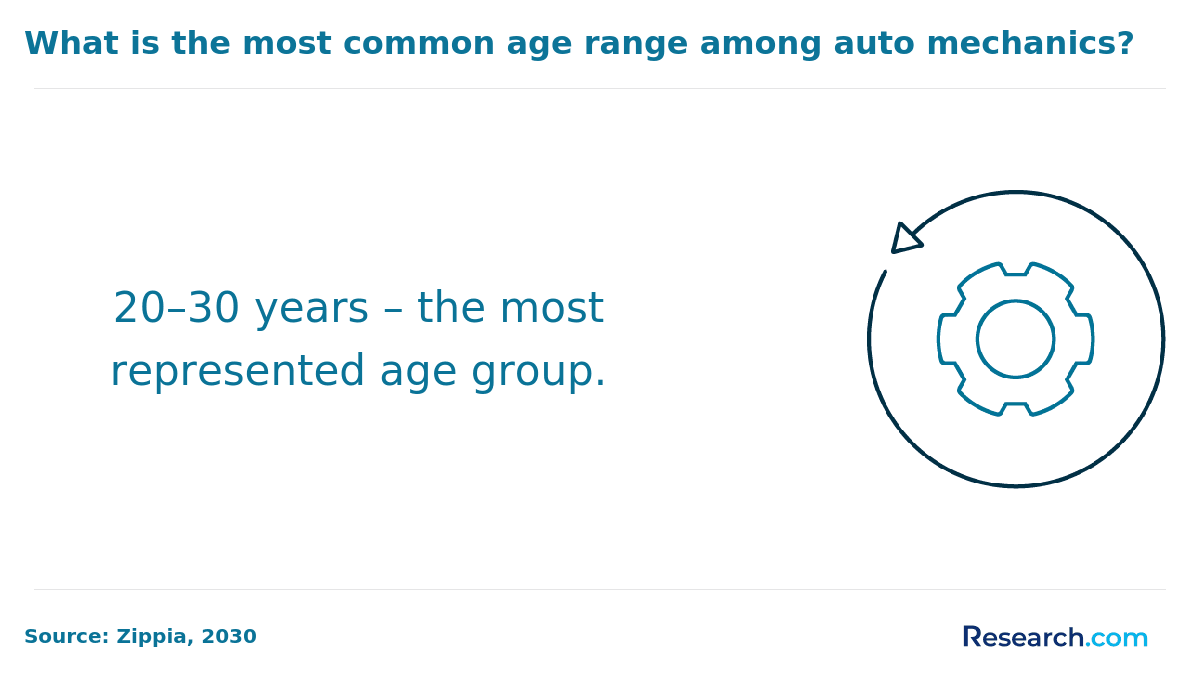
This chart from Zippia shows the distribution of automotive mechanics by age.
How long does it take to become a mechanic in South Dakota?
Becoming a mechanic in South Dakota generally requires between one and two years of education and training, depending on the chosen pathway. Most students start by completing a high school diploma, followed by enrollment in technical programs that combine classroom instruction with hands-on experience.
Certificate and diploma programs typically take about one year to complete, offering focused training in automotive systems and preparing students for industry certifications like ASE. Associate degrees last around two years and provide a broader educational foundation alongside technical skills. Many schools, including Southeast Technical College, integrate multiple certifications into their curricula, allowing students to graduate with valuable credentials that improve job prospects.
Work experience is essential for full ASE certification, often requiring two years on the job; however, completing a recognized technical program can reduce this timeframe. Students can fast-track their careers by selecting intensive certificate programs, leveraging prior experience for credit, or participating in paid internships and work-study opportunities that build real-world skills while earning academic credit.
One South Dakota mechanic recalls the challenge of balancing night classes with an internship, describing how the demanding schedule tested their commitment but ultimately led to confidence and readiness for the workforce. This experience highlights the importance of perseverance and practical exposure in achieving certification and employment.
Legal requirements include holding a valid driver’s license and maintaining a clean driving record, with some employers seeking additional certifications depending on specialization. Costs vary by program, but financial aid options are often available. The state’s automotive industry is steady, offering roles in dealerships, repair shops, and fleet maintenance, with ongoing education recommended to keep pace with advancing technology.
How much does it cost to become a mechanic in South Dakota?
The total cost to become a mechanic in South Dakota typically ranges from $12,000 to $25,000, covering tuition and additional expenses. Factoring in all costs and exploring financial aid options can help manage these expenses effectively.
Key costs to plan for include:
- Tuition for the mechanic training program tuition South Dakota varies; for example, Western Dakota Technical College charges about $255 per credit hour, while Mitchell Technical College rates range from $228 to $243 per credit hour.
- Tools and equipment are essential investments, often costing between $1,000 and $3,000 for basic professional-grade kits required by many programs.
- Textbooks and learning materials typically add $500 to $1,000 over the course of the program.
- Certification exam fees, such as ASE tests, cost around $47 each, with multiple exams usually necessary.
- Housing and transportation expenses vary depending on your location and commute, so budget accordingly if relocation or daily travel is needed.
To reduce costs, consider starting coursework at a community college before transferring to a specialized program, or pursue apprenticeships that allow you to earn while you learn. South Dakota also offers financial aid like the Build Dakota Scholarship, which covers full tuition for qualifying students committed to working in-state after graduation. Income-based aid and employer sponsorships may also be available.
For those seeking career advice, exploring the fastest trade careers to learn with high pay can offer insight into efficient pathways in skilled trades.
What job opportunities are available for mechanics in South Dakota?
Mechanic careers in South Dakota are on the rise, the state expects 2,600 employed mechanics, with around 230 job openings each year, reflecting steady demand across key industries.
Here is the range of job opportunities available for mechanics in South Dakota:
Automotive Technicians
Automotive technicians in South Dakota are in steady demand, especially at dealerships and independent garages. To improve job prospects, mechanics should pursue ASE certifications and brand-specific training, as dealerships often offer sign-on bonuses and competitive pay for master-certified technicians.
One mechanic shared how navigating multiple interviews at dealerships across Sioux Falls required patience but ultimately led to a position with excellent benefits and ongoing training opportunities. For those considering education, understanding the cost of getting an automotive technology degree can be a valuable step toward securing these roles.
Diesel Mechanics
The agriculture and transportation sectors create strong demand for diesel mechanics who maintain trucks, tractors, and heavy equipment. Practical experience with diagnostic tools is essential, and candidates who specialize in diesel systems often find more stable employment.
A South Dakota diesel mechanic recalled how moving to a smaller town helped reduce competition and provided steady work servicing farm equipment, despite initial concerns about relocation.
Heavy Equipment/Construction Mechanics
With construction jobs rising by 5.3% recently, mechanics skilled in heavy equipment repair are increasingly sought after. This specialization offers resilience against economic shifts due to infrastructure projects and agricultural needs. Mechanics willing to work on-site with earthmovers and cranes can expect steady demand in urban and rural areas alike.
Mobile Maintenance Mechanics
Mobile mechanics who provide on-site repairs for fleets and farms fill an important niche in South Dakota’s rural communities. Flexibility and travel readiness can open unique opportunities, as employers value mechanics who can service equipment in remote locations. One mechanic found that building strong relationships with local farms led to repeat contracts and a reliable income stream.
Service Technicians
Service technicians specializing in specific vehicle brands are often employed by dealerships offering brand-specific benefits and training. These roles reward technicians who maintain certifications and keep up with evolving vehicle technology. Staying informed about local job boards and employer openings is key to finding these niche opportunities in South Dakota’s competitive market.
How much do mechanics make in South Dakota?
Mechanics in South Dakota earn an average annual salary of $52,283, with hourly wages ranging from $12.50 to $37.50. Most mechanics fall between the 25th percentile at $19.95 and the 75th percentile at $28.85 per hour, depending on experience and role.
Two cities offer above-average pay. Brandon exceeds the state average by 0.6%, while Mitchell leads with salaries about $528 (1.0%) higher than the statewide average, making them strong locations for higher mechanic earnings.
The average mechanic salary in South Dakota is influenced by factors such as location, skill level, and employer type. Mechanics working in cities like Sioux Falls or Garretson may command higher hourly rates, especially if they specialize in diesel engines, farm equipment, or industrial machinery. Larger dealerships and companies focused on heavy equipment generally offer better pay than small independent shops.
To improve earning potential, consider the following strategies:
- Obtain ASE certifications to increase marketability and access higher-paying roles.
- Specialize in fields like diesel or farm equipment repair, which typically offer better wages.
- Relocate within the state to areas with more active job markets and higher pay.
- Explore related industries such as industrial machinery or hydroelectric equipment maintenance.
- Leverage South Dakota’s low cost of living to maximize take-home income despite lower gross pay.
For those interested in advancing their career beyond traditional roles, pursuing a specialized education can be beneficial. A list of most affordable online mechanical engineering degree programs offers opportunities to gain advanced skills without relocating, opening doors to higher-paying positions in the mechanics field and related technical areas.
This chart from ASE displays the number of ASE-certified professionals by specialty.
How Can Cross-Training in Electrical Systems Enhance a Mechanic’s Career in South Dakota?
Integrating electrical expertise is becoming essential as the automotive industry evolves with the increased adoption of electric and hybrid technologies. Mechanics who develop skills in electrical diagnostics, circuitry, and battery management can address complex issues in modern vehicles, opening new avenues for career progression and diversification. This cross-disciplinary proficiency not only supports the maintenance of advanced vehicle systems but also improves problem-solving capabilities and market appeal. Professionals seeking to expand their competencies may also benefit from exploring how to become an electrician in South Dakota to complement their mechanical training.
How Can Business Acumen Enhance a Mechanic's Career in South Dakota?
Mechanics who blend technical proficiency with strategic business skills can access broader career opportunities, from leadership roles to entrepreneurial ventures. Harnessing abilities in financial management, customer relations, and operational efficiency can differentiate service providers and drive business growth. Pursuing targeted education in business fundamentals enables mechanics to refine their managerial capabilities without compromising technical expertise. For comprehensive insights into business training options, consider exploring programs at top business schools in South Dakota.
What impact do evolving automotive technologies have on mechanic roles in South Dakota?
As vehicles incorporate sophisticated digital systems and automated diagnostics, mechanics are required to expand their technical expertise beyond traditional repair skills. Embracing innovations such as electric and hybrid drivetrains, integrated telematics, and software-driven diagnostics necessitates a commitment to continual learning and adaptation. Professionals must familiarize themselves with manufacturer-specific digital tools, interpret electronic data, and leverage simulation-based training to stay competitive in a transforming industry. For a perspective on career transitions in technical fields, consider reviewing South Dakota ultrasound technician requirements.
What tools and skills do mechanics need to succeed?
To succeed as an automotive mechanic in South Dakota, mastering core technical skills and leveraging local educational resources are essential. Developing a strong foundation in both theory and hands-on practice will enhance job prospects and career growth.
- Gain proficiency in diagnosing and repairing a wide range of vehicle systems, including engines, brakes, transmissions, and electrical components.
- Enroll in accredited technical programs or community college courses that offer automotive technology certifications recognized within the state.
- Develop skills in using modern diagnostic tools and software, as vehicles increasingly rely on computerized systems.
- Stay updated on emerging automotive technologies such as hybrid and electric vehicle maintenance to remain competitive in the evolving market.
- Obtain relevant certifications such as ASE (Automotive Service Excellence) to demonstrate expertise and boost employability.
- Seek apprenticeship or internship opportunities with local garages or dealerships to gain real-world experience and build professional networks.
- Maintain strong problem-solving abilities and attention to detail to effectively address complex mechanical issues.
- Practice clear communication skills to explain repairs and maintenance needs to customers or supervisors.
- Continuously engage in continuing education and training workshops to keep pace with industry changes and regulations.
What are the career growth opportunities for mechanics in South Dakota?
Mechanic careers in South Dakota are showing steady growth, with employment expected to rise 11% by 2032. Here are the career growth opportunities for mechanics in South Dakota:
Apprenticeships and On-the-Job Training
Beginning your career as a mechanic in South Dakota often starts with hands-on experience through apprenticeships or entry-level positions. Seek out local repair shops or dealerships offering structured training programs, which combine paid work with skill development. This approach builds practical expertise while earning, and helps establish industry connections critical for future advancement.
Certification and Licensing
Obtaining certifications such as the Automotive Service Excellence (ASE) credential can significantly enhance your job prospects and earning potential. South Dakota employers value nationally recognized certifications that demonstrate your technical competence and commitment to quality. Pursue certifications aligned with your area of interest, such as engine repair or electrical systems, to specialize and stand out in the competitive job market.
Continuing Education and Skill Development
The automotive industry evolves rapidly with advances in technology and vehicle design. Stay current by enrolling in technical courses or workshops offered by community colleges or vocational schools in South Dakota. Developing skills in diagnostics, hybrid systems, and computerized repair tools will increase your versatility and open doors to higher-paying positions or supervisory roles.
Networking and Professional Associations
Joining local or state automotive associations can provide valuable networking opportunities and access to industry events. Engaging with peers and mentors helps you learn about job openings, emerging industry trends, and potential career pathways. Active participation also signals professionalism to employers and can lead to referrals or recommendations.
Exploring Specializations
Consider focusing on niche areas such as diesel mechanics, collision repair, or fleet maintenance, which tend to have higher demand in South Dakota’s agricultural and transportation sectors. Specializing allows you to command premium wages and may provide more stable employment, especially in rural communities where these skills are essential.
Leveraging Regional Opportunities
Urban centers like Sioux Falls and Rapid City offer more diverse employment options and higher salaries for experienced mechanics. However, rural areas often have less competition and a strong need for skilled technicians, which can translate to job security and community engagement. Evaluate your location preferences carefully to balance salary potential with lifestyle and professional growth.
What are the pros and cons of becoming a mechanic in South Dakota?
Choosing to become a mechanic in South Dakota involves weighing several practical factors related to the local job market, wages, and lifestyle.
Pros
South Dakota offers a relatively stable demand for mechanics, especially in growing urban areas like Sioux Falls and Rapid City, which have expanding automotive service needs. The state's low cost of living means salaries stretch further, providing decent purchasing power even if wages are modest compared to larger states. Technical schools such as Lake Area Technical College provide accessible training programs, allowing aspiring mechanics to gain relevant skills without relocating.
More so, rural communities often face shortages of qualified mechanics, which can translate to strong job security and opportunities for apprenticeships or entry-level positions. The variety of vehicle types, including agricultural and heavy machinery common in the region, allows mechanics to develop diverse expertise.
Cons
Mechanics in South Dakota may encounter limited salary growth compared to national averages, particularly outside major cities. The rural nature of much of the state can restrict the number of available jobs and may require commuting or relocation for better opportunities. Seasonal fluctuations in demand, affected by agricultural cycles and weather conditions, can impact work consistency.
Furthermore, smaller shops might have less access to advanced diagnostic tools or training resources, potentially limiting skill development. Finally, competition for roles in urban centers can be higher, necessitating continual upskilling to remain competitive.
Can acquiring additional technical certifications expand career opportunities in South Dakota?
Expanding your credentials beyond traditional automotive and diesel expertise can open pathways into emerging industrial sectors and increase your marketability. Integrating certifications in related technical fields, such as HVAC technology, provides a competitive edge when servicing modern equipment that often blends mechanical and climate control systems. Professionals who diversify their skill set may access higher-paying roles and more comprehensive maintenance responsibilities, meeting the evolving demands of South Dakota’s diverse industries. For detailed guidance on expanding your technical qualifications, explore our article explaining how to get HVAC license in South Dakota.
Can My Technical Expertise Help Me Transition to Other In-Demand Careers in South Dakota?
Mechanic professionals often accumulate a range of transferable technical proficiencies—including diagnostic skills, attention to detail, and proficiency with evolving digital tools—that can facilitate a smooth transition into other technical fields. Evaluating lateral career opportunities in industries that value precise troubleshooting and operational management may broaden professional horizons while reducing downtime during market shifts. For instance, some skills applicable in mechanics are also sought after in healthcare technology roles. Explore how to become a radiology technician in South Dakota to understand how continuous learning and cross-training can expand your career options while leveraging your existing expertise.
What Mechanics Say About Their Careers in South Dakota
Participating in the South Dakota vocational program gave me hands-on experience that textbooks alone couldn’t provide. Working directly on engines and diagnostics in real workshops helped me gain confidence and practical skills essential for my career. I’m grateful for the steady support from instructors who truly understand the trade. – Jacob
The nonprofit program in Sioux Falls offered me access to tools and mentorship that jump-started my journey as an automotive mechanic. The chance to practice on a variety of vehicles in a supportive environment made learning both challenging and rewarding. It prepared me well for entering the workforce with practical know-how. – Maan
Through the state-sponsored mechanic training, I was able to balance classroom theory with time spent in local garages, sharpening my troubleshooting skills. Being able to apply what I learned in real time helped me appreciate the precision and problem-solving this trade demands. It’s fulfilling to work on something tangible every day. – Casey
Related Articles for Nearby States
- 2027 How to Become a Mechanic in North Dakota: Requirements & Certification
- 2027 How to Become a Mechanic in Nebraska: Requirements & Certification
- 2027 How to Become a Mechanic in Minnesota: Requirements & Certification
- 2027 How to Become a Mechanic in Wyoming: Requirements & Certification
- 2027 How to Become a Mechanic in Iowa: Requirements & Certification
- 2027 How to Become a Mechanic in Montana: Requirements & Certification
- 2027 How to Become a Mechanic in Colorado: Requirements & Certification
- 2027 How to Become a Mechanic in Kansas: Requirements & Certification
- 2027 How to Become a Mechanic in Wisconsin: Requirements & Certification
- 2027 How to Become a Mechanic in Missouri: Requirements & Certification
References:
- ASE (2024). Take a closer look at ASE Certified professionals and their specialties. Retrieved from https://www.ase.com/statistics
- O*NET OnLine (n.d.). South Dakota Employment Trends 49-3023.00 - Automotive Service Technicians and Mechanics. Retrieved from https://www.onetonline.org/link/localtrends/49-3023.00?st=SD
- Zippia (2025). Automotive Mechanic demographics and statistics in the US. Retrieved from https://www.zippia.com/automotive-mechanic-jobs/demographics/
- ZipRecruiter (2025). Mechanic Salary in South Dakota. Retrieved from https://www.ziprecruiter.com/Salaries/Mechanic-Salary--in-South-Dakota#
Other Things You Should Know About Being a Mechanic in South Dakota
Yes, in 2027, aspiring mechanics in South Dakota can enroll in online courses. These courses cover fundamental automotive theories and practical skills, providing a flexible learning option. However, hands-on experience is essential, often achieved through apprenticeships or local workshops.
In South Dakota, previous experience is not mandatory to begin a career as a mechanic in 2027. However, relevant experience can be beneficial as it might accelerate your training or enhance your job prospects. Formal education and certification remain key components of becoming a successful mechanic in the state.


