
2027 How to Become a Physical Education Teacher in Nevada

Co-Founder and Chief Data Scientist
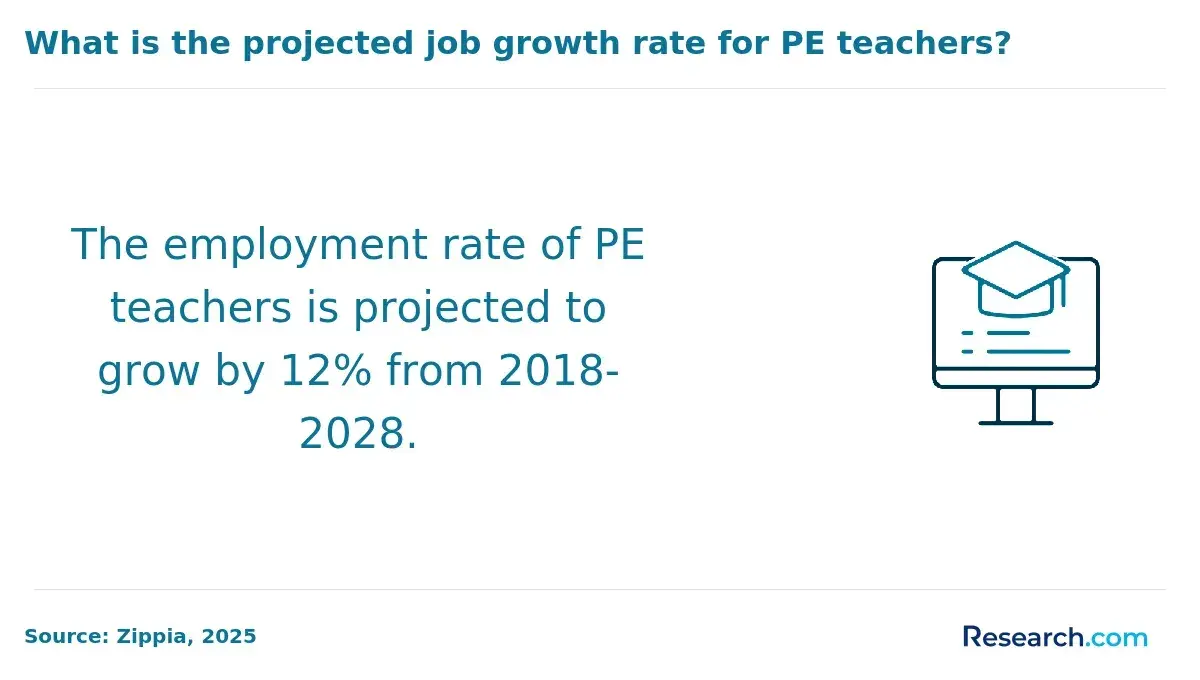
Physical education teachers in Nevada play a crucial role in promoting student health and wellness. According to the Bureau of Labor Statistics, Nevada expects a 12% growth in teaching positions through 2031, highlighting strong demand. The state's focus on fitness and active lifestyles makes a career in physical education both impactful and sustainable. Choosing this profession offers job stability and the opportunity to influence youth development positively across diverse communities.
This article outlines clear steps to become a licensed physical education teacher in Nevada. Developed by experts in career planning, it provides practical guidance on education requirements, certification processes, and job search strategies. Readers will find essential information to navigate their career path efficiently.
Key Things to Know About Becoming a Physical Education Teacher in Nevada
- Earn a bachelor’s degree in physical education or a related field from an accredited institution to meet Nevada’s education requirements.
- Complete a Nevada-approved teacher preparation program and pass the Praxis exams, including the Praxis Physical Education test, to obtain state licensure.
- Fulfill ongoing professional development and renewal requirements to maintain certification, as Nevada’s physical education workforce grows with an increasing focus on student health and fitness.
- What are the education requirements to become a physical education teacher in Nevada?
- What skills are essential for physical education teachers in Nevada?
- Do PE teachers in Nevada need a teaching license?
- How do you get certified as a PE teacher in Nevada?
- Can out-of-state teachers transfer their license to Nevada for PE teaching?
- How long does it take to become a PE teacher in Nevada?
- What are the career advancement opportunities for PE teachers in Nevada?
- How much does it cost to become a PE teacher in Nevada?
- Are there scholarships for physical education teaching students in Nevada?
- Is there demand for physical education teachers in Nevada?
- What is the average salary of a PE teacher in Nevada?
What are the education requirements to become a physical education teacher in Nevada?
Formal education plays a critical role in preparing Nevada's physical education (PE) teachers to create effective, evidence-based programs that promote lifelong fitness and overall student wellness. Ensuring teachers have a deep understanding of both scientific and pedagogical principles equips them to meet diverse student needs effectively.
Below are the foundational education requirements for those aiming to meet Nevada physical education teacher degree requirements.
- Bachelor’s Degree in Physical Education or Related Field: Candidates should earn a bachelor’s degree from an accredited institution, majoring in physical education, kinesiology, exercise science, or a closely related area. This degree offers essential knowledge of exercise physiology, anatomy, and curriculum design necessary for comprehensive PE instruction.
- Completion of a State-Approved Teacher Preparation Program: Prospective teachers must complete a program approved by the Nevada Department of Education, combining academic coursework with supervised field experiences. This prepares them to manage classrooms and apply effective teaching strategies in physical education settings.
- Specialized Coursework in Physical Education: For those focused on elementary physical education, Nevada requires at least 36 semester hours dedicated to physical education coursework alongside 8 semester hours of student teaching. This ensures a strong content foundation and practical teaching experience.
- Student Teaching Experience: All candidates must engage in structured student teaching, gaining hands-on practice in real classrooms under the mentorship of experienced educators. This component is crucial for applying theoretical knowledge in practice.
- Health Education Coursework (Optional Endorsement): Candidates may choose to enhance their credentials with 12 semester hours in health education, enabling them to teach health classes at the elementary level where needed.
For those considering further educational opportunities, a list of the best bachelors in education online programs can provide flexible pathways to meet these education requirements for PE teachers in Nevada.
What skills are essential for physical education teachers in Nevada?
Physical education teachers in Nevada need a robust set of skills to engage students meaningfully, promote lifelong healthy habits, and manage classrooms with diverse learners. These essential skills help teachers meet rigorous state standards and adapt to the varied needs of Nevada’s student population. Below are key competencies every educator should cultivate to excel as a physical education teacher in Nevada.
- Effective Communication: Clear verbal and written communication is crucial for teaching movement skills and fitness concepts to students of varying abilities. This skill also facilitates collaboration with parents, staff, and administrators, ensuring that safety protocols and progress documentation meet Nevada’s educational requirements.
- Leadership and Motivation: Inspiring students to participate actively and reach personal fitness goals requires strong leadership. Teachers must organize lessons effectively, foster teamwork, and model positive attitudes toward physical activity to encourage student engagement.
- Adaptability and Inclusivity: Meeting the needs of students with diverse backgrounds, including English language learners and those with individualized education programs, requires flexibility. Adjusting lesson plans to be culturally responsive and accessible ensures all students can participate safely and confidently.
- Comprehensive Knowledge of Fitness and Health: A deep understanding of exercise science, motor development, and wellness practices allows teachers to design effective, standards-aligned curricula. This expertise supports students in developing motor skills and maintaining a healthy lifestyle.
Developing these essential skills for Nevada physical education teachers is a crucial step toward fulfilling physical education teacher qualifications in Nevada. For those considering this career path, exploring the best rated online teaching degree programs can provide valuable guidance and training to build these competencies.
Do PE teachers in Nevada need a teaching license?
Licensing requirements in Nevada help maintain high teaching standards and consistent student outcomes by ensuring educators have the necessary knowledge, skills, and ethics to teach physical education effectively. These standards protect the quality of instruction across diverse school environments.
In Nevada public schools, physical education teachers must hold a valid teaching license issued by the Nevada Department of Education. For elementary and middle school levels, this includes earning a bachelor’s degree, completing at least 58 semester hours of professional PE coursework, passing state exams, and undergoing a background check.
Licenses are typically valid for three to five years and require renewal through continuing education. High school PE teachers need a secondary teaching license with subject-specific endorsements. Although state law does not explicitly mandate specialized PE licenses for lower grade levels, most public school districts enforce this requirement to meet state standards and ensure quality teaching.
Private, charter, and alternative schools in Nevada often have more flexible hiring policies. Many prefer licensed teachers but are not legally required to do so, allowing them to hire candidates with relevant degrees or professional PE experience without current state licensure. This flexibility creates wider career possibilities for those without state licenses but may affect the consistency of educational quality.
Licensed PE teachers typically have better access to public school jobs where demand for certified educators remains strong, while private sector opportunities may offer entry points for those still working toward licensure or seeking non-traditional roles.
How do you get certified as a PE teacher in Nevada?
Certification ensures that physical education teachers in Nevada are properly prepared to foster student fitness, health, and wellness through effective instruction and professional standards. Meeting certification requirements guarantees that educators possess the necessary knowledge and skills to create quality physical education programs aligned with state expectations. The key steps to obtaining certification as a PE teacher in Nevada include the following:
- Complete a Bachelor’s Degree in Physical Education or Related Field: Earn a bachelor’s degree from an accredited institution, focusing on physical education, kinesiology, or a related discipline. Coursework should cover areas such as anatomy, exercise physiology, sports psychology, and instructional methods specific to physical education.
- Finish a State-Approved Teacher Preparation Program: Enroll in and complete a teacher preparation program approved by the Nevada Department of Education. This includes training in classroom management, teaching strategies, and supervised student teaching experiences to build practical classroom skills.
- Pass Required State Exams: Successfully pass the Praxis “Physical Education: Content and Design” exam that evaluates your expertise in PE content and teaching techniques. You must also meet all basic competency testing mandated by state education regulations.
- Obtain CPR/AED Certification: Acquire and maintain a current CPR/AED certification from an approved provider. This certification is mandatory throughout your employment as a PE teacher.
- Submit Application to the Nevada Department of Education: Provide transcripts, proof of completed requirements, background check clearance, and a $180 application fee. Upon approval, you receive a PE teaching license with a five-year validity, renewable through continuing education.
When I spoke with a PE teacher from Nevada who completed this process after graduating from a local university, he described the journey as challenging but rewarding. “Balancing coursework, student teaching, and studying for the Praxis exam was intense,” he recalled. Navigating the application and background check required patience, but “having the CPR/AED certification ready early helped smooth the final steps.”
He emphasized that the hands-on experience gained during the teacher preparation program was invaluable in building confidence for the classroom. Reflecting on his path, he noted, “The process felt rigorous, but each requirement prepared me better to support student health and fitness.” This firsthand insight highlights the practical effort and dedication behind becoming a certified PE teacher in Nevada.
Can out-of-state teachers transfer their license to Nevada for PE teaching?
Nevada participates in the NASDTEC Interstate Agreement, allowing out-of-state teachers to transfer their teaching license for physical education without needing to retake any exams. However, this is not automatic reciprocity. Teachers must formally apply for a Nevada teaching certificate, submitting their valid out-of-state license as evidence that all required testing has been completed.
Depending on their individual credentials, some applicants may need to complete additional Nevada-specific coursework. In these situations, Nevada issues a Non-Renewable license valid for one year, enabling teachers to work while finishing the required courses. There is no requirement for prior teaching performance proof or extra assessments beyond what was completed in the original state of licensure. This approach streamlines entry while maintaining state standards.
For physical education teachers relocating to Nevada, these regulations offer pragmatic benefits. School districts frequently seek qualified PE instructors, and having a fully certified out-of-state license smooths the transfer process. Teachers who completed alternative certification or have different credential backgrounds might need to show that their preparation aligns with Nevada’s expectations or address any gaps through targeted coursework.
While completing these requirements, teachers can continue teaching with a temporary Non-Renewable license, minimizing career disruption. Additionally, Nevada’s tiered licensing system offers opportunities for expedited approval to Professional licensure for educators with advanced qualifications, such as National Board Certification. This system supports teachers in maintaining their career momentum while ensuring students have qualified PE instruction across Nevada’s growing educational landscape.
How long does it take to become a PE teacher in Nevada?
The time required to become a PE teacher in Nevada depends on your chosen degree program, certification steps, and the practical experience you acquire along the way. Planning ahead can help streamline this process and ensure you meet all state requirements efficiently. Understanding the Nevada physical education teacher certification timeline will give you a clearer view of what to expect.
- Bachelor’s Degree Completion: Typically, earning a bachelor’s degree with a focus on physical education takes around four years of full-time study. This degree must include relevant coursework such as kinesiology, exercise physiology, and motor development to satisfy state prerequisites.
- Professional Studies and Coursework: Nevada requires at least 58 semester hours in specialized physical education studies for elementary and middle school licenses. These credits are usually included within the standard four-year degree when following the prescribed curriculum.
- Supervised Student Teaching: Completing eight semester hours of supervised student teaching offers hands-on classroom experience and generally happens during the final year. This practical component often spans one to two semesters and is essential for skill development and certification.
- Teacher Preparation Program: If your bachelor’s degree lacks teacher preparation, you will need to complete an additional program lasting one to two years. Some universities integrate this with your undergraduate studies, but a separate program can extend your timeline.
- Passing the Praxis II Exam: The Praxis II Physical Education: Content and Design (0095) exam is mandatory, requiring preparation and a passing score for certification. Many candidates complete exam preparation alongside their degree and student teaching experiences.
- Application and Licensure Processing: After meeting education and testing criteria, submitting your application and completing background checks can take several weeks to a few months until you receive your teaching license.
- Continuing Education and Advanced Licensure: To maintain licensure, teachers must complete six continuing education credits every five years. Pursuing a master’s degree and accumulating three years of full-time teaching can lead to a professional license valid for six years.
For those exploring flexible study options, consider looking into the list of most affordable elementary education online programs, which may offer pathways to fulfill some of these academic requirements while managing your own schedule.
What are the career advancement opportunities for PE teachers in Nevada?
Experienced physical education teachers can enhance their careers through various advancement pathways such as coaching roles, administrative positions, and specialized certifications in fitness, health, or sports management. These opportunities not only increase professional responsibilities but also offer the potential for increased salary and influence within educational institutions. For a clear understanding of prerequisites and timelines for further development, consider reviewing how long does it take to become a teacher in Nevada. Pursuing advanced qualifications and additional endorsements can open doors to leadership positions, mentoring roles, and collaborative projects with community sports programs, thereby reinforcing a commitment to educational excellence and student wellness.
How much does it cost to become a PE teacher in Nevada?
The cost of becoming a physical education teacher in Nevada includes several key expenses such as tuition, testing, and certification fees. These costs vary based on educational choices and certification paths but are important to consider when budgeting for your teaching career. Below is a breakdown of the main cost components involved in the process.
- Bachelor’s Degree Tuition: Attaining a bachelor’s degree from an accredited institution is a core requirement. In Nevada, in-state students generally pay between $8,000 and $9,000 annually at public universities, while out-of-state and private school tuition rates are significantly higher.
- Teacher Preparation Program Fees: If your degree does not include a traditional education track, alternative certification programs like iteach Nevada cost around $4,949, with some tracks reaching nearly $6,000 when additional courses are required. These programs cover essential pedagogical training.
- Licensing and Exam Fees: The Nevada physical education teacher license fees begin with a $205 application charge. Candidates must also pass the Praxis II Physical Education exam, which costs approximately $130 to $150 per attempt, with additional charges for endorsements or retakes.
- Books, Materials, and Test Preparation: Textbooks and coursework materials typically total between $500 and $1,000 over your degree program. Optional test prep resources for exams such as the Praxis II can add $40 to $100 more.
- Background Checks and Fingerprinting: Essential for licensure, background checks and fingerprinting usually cost between $50 and $60 and are required before obtaining certification.
For those seeking further education to advance their career, consider exploring options like most affordable masters degrees in teaching online to manage costs while enhancing qualifications.
Are there scholarships for physical education teaching students in Nevada?
Managing the costs of education and certification is a significant challenge for aspiring physical education teachers in Nevada. Fortunately, multiple scholarships and financial aid programs exist to ease this burden and make teacher preparation more accessible.
- Teach Nevada Scholarship (TNS): Covers up to 100% of tuition and fees for eligible students who commit to teaching in Nevada public schools for five years, with an added endorsement requirement.
- Incentivizing Pathways to Teaching (IPT) Stipend: Provides up to $4,800 per semester during the final clinical year, helping with living expenses while requiring a five-year teaching commitment.
- Federal Financial Aid (FAFSA): Pell Grants, loans, and work-study opportunities support many teacher candidates; completing FAFSA is often a prerequisite for other scholarships.
- Teaching Grants and Loan Forgiveness: Programs like the TEACH Grant and Public Service Loan Forgiveness assist educators in reducing debt when teaching in high-need areas.
- Institutional and Local Scholarships: Universities and community organizations offer targeted awards based on academic achievement or geographic criteria, boosting funding options for PE students.
When I spoke with a PE teacher from Nevada who graduated from a local university, she recalled how scholarships made her path manageable. “Applying for the Teach Nevada Scholarship meant a lot of paperwork,” she explained, “but knowing tuition was covered lifted immense stress.” She also valued the IPT stipend during student teaching, which “allowed me to focus completely on the classroom without worrying about rent.” Her experience highlights how combining these supports can turn financial uncertainty into an opportunity to fully engage in teacher training and serve Nevada’s students confidently.
Is there demand for physical education teachers in Nevada?
Several factors influence the demand for physical education teachers in Nevada, including shifts in school enrollment, public health initiatives, and retirement trends among educators. As Nevada’s population grows and schools prioritize student wellness through mandated physical activity, there is an increasing need for qualified PE professionals to support these efforts. Retirements of experienced teachers further contribute to job openings, creating opportunities for new candidates to enter the field.
The demand for physical education teachers in Nevada is strongest within the public school system, especially in large districts like Clark County and Washoe County. These areas consistently have numerous full-time PE teacher job openings in elementary and secondary schools, with salaries reflecting experience and location. Rural districts, such as Lyon and Nye counties, also face challenges in recruiting certified PE teachers and sometimes offer enhanced incentives to attract candidates. Statewide teacher shortages remain significant, with more than 10% of teaching positions unfilled and a portion of teachers lacking full certification, particularly in physical education. This landscape indicates a robust demand for physical education teachers in Nevada, supporting stable employment prospects for those entering the profession.
These trends highlight the favorable job market for aspiring physical education teachers. Those pursuing licensure in Nevada can expect a range of opportunities across urban and rural districts, competitive salaries, and a professional environment emphasizing student health. For individuals considering teaching careers, it’s useful to explore what jobs can you get with education degree programs that align with these needs and help prepare for this growing field in Nevada’s school systems. Here's what jobs can you get with education degree.
What is the average salary of a PE teacher in Nevada?
Physical education teachers in Nevada earn an average salary of approximately $57,484, slightly below the national average of around $60,000. Salary is a critical factor for those pursuing a career in physical education in Nevada, as it affects long-term financial stability and career growth within the state’s specific education context. Understanding the key factors influencing salary can help prospective PE teachers make informed decisions. Below are the primary aspects impacting PE teacher salaries in Nevada.
- Years of Experience: Entry-level teachers start between $43,000 and $47,000, with salaries increasing to $55,000–$65,000 after 10 years. Veteran educators may earn over $70,000 depending on their qualifications and district.
- Education Level: Holding advanced degrees, such as a master’s or higher, typically raises salaries to between $68,000 and $78,000+, as districts reward higher qualifications.
- School Type (Public vs. Private): Public school PE teachers average about $58,403, while private school teachers earn closer to $42,000, reflecting differences in funding and union contracts.
- Geographic Location: Urban areas like Reno offer salaries between $54,153 and $61,311, whereas rural districts often pay at or below the state average due to budget constraints.
Although Nevada’s PE salaries are somewhat below national averages, experienced and highly qualified teachers can attain competitive pay. This reflects both the financial challenges and rewarding potential available within Nevada’s education system for dedicated physical education professionals.
What Do Physical Education Teachers in Nevada Say About Their Career?
- Completing my physical education certification at Desert Springs Academy was truly transformative. The program’s emphasis on integrating Nevada’s outdoor lifestyle into school curricula allowed me to create engaging, hands-on lessons that resonate deeply with my students. Starting my career in a local school here gave me the chance to contribute directly to children's health and happiness while growing professionally in a stable job market. I love that I get to combine my passion for sports and wellness with community pride in this unique environment. Antonio
- My experience pursuing a PE degree at Silver State College opened doors I didn’t expect, particularly in terms of professional growth and career advancement. The support from faculty and access to ongoing training helped me build confidence and skills that are crucial in adapting to Nevada’s diverse student needs. Beginning work at a local school was challenging, but it eventually shaped me into a reflective educator committed to fostering teamwork and resilience in young athletes. Helping students discover their potential here has been rewarding beyond words. Lindsay
- The cultural richness and natural resources of Nevada offer a remarkable setting for a career in physical education. At High Desert Academy, the training emphasized outdoor activities and community involvement, which prepared me well for this state’s unique challenges. Since starting my teaching journey in a local school, I’ve witnessed firsthand how active lifestyles can positively impact student behavior and academic performance. Personally, it’s fulfilling to be part of a movement improving youth wellness amid the beautiful Nevada landscape. Brendan
Related Articles for Nearby States
- 2027 How to Become a Physical Education Teacher in California
- 2027 How to Become a Physical Education Teacher in Oregon
- 2027 How to Become a Physical Education Teacher in Idaho
- 2027 How to Become a Physical Education Teacher in Arizona
- 2027 How to Become a Physical Education Teacher in Utah
- 2027 How to Become a Physical Education Teacher in Washington
- 2027 How to Become a Physical Education Teacher in Montana
- 2027 How to Become a Physical Education Teacher in Wyoming
- 2027 How to Become a Physical Education Teacher in Colorado
- 2027 How to Become a Physical Education Teacher in New Mexico
References:
- How to Become a PE Teacher in Nevada | Requirements for PE Teacher Jobs in NV https://www.peteacheredu.org/nevada/
- Nevada Pathways to a Career in Education https://doe.nv.gov/we-teach-nevada/nevada-pathways-to-a-career-in-education
- How to Become a Teacher in Nevada - Nevada Teachers of Tomorrow https://www.teachersoftomorrow.org/nevada/how-to-become-a-teacher-in-nevada/
- Nevada Alternative Route to Licensure - iteach https://iteach.net/alternative-teacher-certification/nevada-teacher-alternative-route-to-licensure/
- Nevada Teacher Certification Guide | All Education Schools https://www.alleducationschools.com/teacher-certification/nevada/
- For those exploring flexible study options, consider looking into the , which may offer pathways to fulfill some of these academic requirements while managing your own schedule. https://research.com/degrees/most-affordable-online-elementary-education-programs
- Teacher License Reciprocity: State Profiles - Education Commission of the States https://www.ecs.org/teacher-license-reciprocity-state-profiles/
- Can I Teach in Another State? - Passage Preparation https://passagepreparation.com/news-events/reciprocity-can-i-teach-in-a-new-state/
- Supporting CCSD Teachers and Staff- Moderated | I recently applied for the Nevada learning Academy which is a virtual school however I'm coming from outer state and it takes 8 weeks for my teaching ... | Facebook https://www.facebook.com/groups/399660690631383/posts/1720623558535083/
- Nevada State Requirements for Teachers https://www.midwestteachersinstitute.org/state-requirements/nevada-state-requirements-for-teachers/
Other Things You Should Know About Becoming a Physical Education Teacher in Nevada
Nevada does offer alternative certification pathways for individuals aspiring to become physical education (PE) teachers, particularly for those who hold a bachelor’s degree in a field other than education. These programs are designed to address teacher shortages by providing a streamlined route to licensure without completing a traditional teacher preparation program. Candidates typically must complete specific coursework and demonstrate subject matter competency, often through exams or approved training. This approach enables qualified professionals from diverse backgrounds to enter the teaching workforce more quickly while ensuring they meet state standards for teaching PE.
To become a physical education teacher in Nevada in 2027, candidates must obtain a bachelor's degree in physical education or a related field, complete a teacher preparation program, pass the Praxis exams, and apply for a teaching license through the Nevada Department of Education.


