2027 How to Become a Police Officer: Education Requirements in Maryland

Co-Founder and Chief Data Scientist
Becoming a police officer in Maryland offers a meaningful career dedicated to public safety and community service. Recent data shows that Maryland employs over 15,000 sworn officers, reflecting the high demand for trained professionals in law enforcement. The role not only provides job stability but also opportunities for advancement and specialized training. Understanding the specific education requirements is essential for aspiring officers to qualify and succeed.
This article, developed by career planning experts, examines Maryland’s educational pathways and standards. It aims to guide readers through the necessary steps, ensuring clarity about the qualifications needed to enter this vital profession.
Key Things to Know About Becoming a Police Officer in Maryland
- A high school diploma or GED is the minimum educational requirement for entry into Maryland police academies.
- Many departments prefer or require some college coursework, with an associate degree in criminal justice enhancing job prospects.
- Obtaining a bachelor’s degree can provide a competitive edge and is often necessary for advancement into specialized roles or leadership positions within Maryland law enforcement.
- What is the minimum education requirement to become a police officer in Maryland?
- Which majors are most recommended for aspiring police officers in Maryland?
- What subjects are taught in Maryland police academy?
- Can military service replace education requirements for police officers in Maryland?
- How much does it cost to get a police officer education in Maryland?
- Are scholarships available for aspiring police officers in Maryland?
- What certifications benefit a police officer's career development in Maryland?
- Can law enforcement experience transition into legal support careers in Maryland?
- What roles can you get as a police officer in Maryland?
- What is the average salary of police officers in Maryland?
- What education trends are affecting law enforcement careers in Maryland?
What is the minimum education requirement to become a police officer in Maryland?
Meeting the minimum education requirement for Maryland police officer is essential for entry into law enforcement. These requirements create a baseline that agencies cannot undercut, although some may add further criteria.
- High School Diploma: Candidates must have graduated from an accredited high school, ensuring they possess the essential academic competencies needed for report writing and communication in the field.
- GED or High School Equivalency: Applicants can alternatively present a GED certificate accepted by the Maryland State Board of Education, offering an accessible alternative for those who did not complete traditional high school.
While prior law enforcement experience or college coursework is not mandated at the entry level, this minimum threshold ensures that candidates have the foundational skills required for further training. Aspiring officers who understand these basics can plan their careers with greater clarity. For those exploring career options related to law enforcement, it may be helpful to research criminology degree jobs as a way to complement law enforcement training and broaden professional pathways.
Which majors are most recommended for aspiring police officers in Maryland?
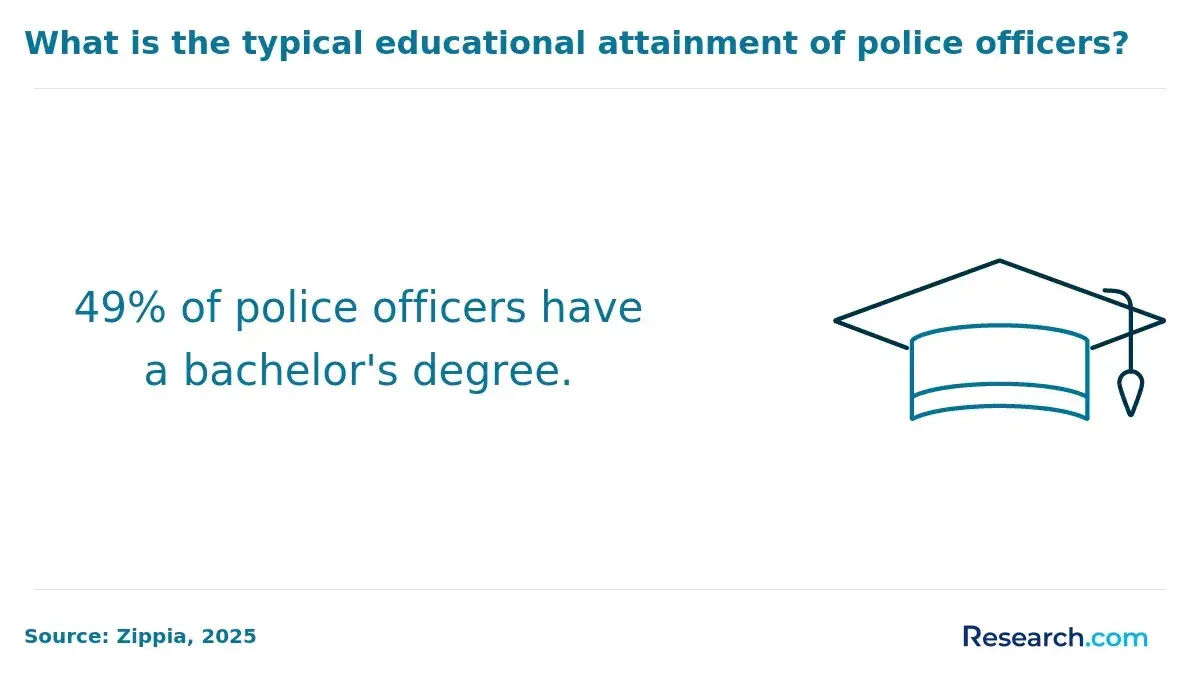
Selecting the best criminal justice major in Maryland is a strategic way for aspiring police officers to enhance their qualifications and access advancement opportunities within law enforcement. The right college major equips candidates with specialized knowledge and skills highly valued by Maryland police departments, improving their competitive edge and prospects for promotion.
- Criminal Justice: This major offers a thorough understanding of policing, criminal law, corrections, and crime prevention. Maryland agencies value graduates for their readiness in entry-level roles and potential for progress in law enforcement careers.
- Criminology: Focusing on the causes and effects of crime, criminology equips students with analytical and research skills useful in investigations and policy development, which are important in Maryland’s law enforcement landscape.
- Psychology: Studying psychology supports skills in communication, crisis negotiation, and interpreting behavior. These abilities are vital for officers managing diverse communities and high-stress situations.
- Sociology: Sociology provides insight into social behavior and community dynamics, supporting Maryland police in community policing efforts that build trust and collaboration with the public.
- Political Science: This major prepares candidates for leadership by covering government structures, public policy, and legal systems, important for understanding law enforcement’s interaction with various agencies.
- Law: Pre-law or legal studies offer foundational knowledge of statutes and constitutional issues, valuable for specialized roles such as detectives or command positions in Maryland.
- Public Administration: A focus on management and policy analysis equips officers with skills necessary for administrative and supervisory roles within Maryland’s police forces.
- Homeland Security / Cybersecurity: With growing digital threats, this concentration readies officers for counterterrorism and cybercrime roles, reflecting Maryland’s demand for expertise near federal agencies and metropolitan areas.
For those exploring recommended police science degrees Maryland offers, pursuing such focused majors ensures strong preparation for a law enforcement career. Additionally, candidates interested in specialized fields can find valuable programs at institutions recognized among the universities with forensic science.
What subjects are taught in Maryland police academy?
Police academy training in Maryland is structured to equip recruits with a comprehensive blend of skills, knowledge, and ethical judgment essential to effective law enforcement. This rigorous preparation ensures officers are ready to face the complexities of modern policing with confidence and professionalism.
- Criminal Law and Procedure: This subject grounds recruits in constitutional and state laws, emphasizing the legal limits and responsibilities critical to upholding justice and protecting citizens’ rights.
- Firearms Training: Instruction covers safe handling and realistic judgment scenarios with service weapons, preparing officers to respond safely and effectively in high-risk situations.
- Defensive Tactics and Officer Survival: Focused on self-defense techniques and use-of-force protocols, this training builds the ability to protect oneself and others while minimizing harm.
- Emergency Vehicle Operations: Practical drills in high-speed and stressful driving teach recruits to navigate emergency responses swiftly and safely.
- Ethics and Professional Conduct: Recruits explore the foundations of police ethics and accountability, reinforcing the importance of trust and integrity in their work.
- Community Policing and Cultural Competency: This area fosters sensitivity toward diverse communities and highlights strategies for building positive, respectful relationships.
- First Aid and Crisis Intervention: Training includes certification in lifesaving skills and compassionate responses to mental health emergencies.
- Patrol Procedures and Criminal Investigations: Practical exercises prepare officers to handle everyday law enforcement duties, from traffic enforcement to crime-solving techniques.
Can military service replace education requirements for police officers in Maryland?
In Maryland, military service is not a statewide substitute for the education requirements to become a police officer, but it can partially fulfill those requirements depending on the law enforcement agency. The Maryland Police Training and Standards Commission sets the minimum education threshold at a high school diploma or GED for all candidates. However, individual departments have discretion to impose additional criteria, such as requiring some college credits or a degree. Many agencies may choose to waive or reduce these higher education requirements for veterans whose military service included roles in military police, security forces, or leadership positions that emphasize skills like crisis management and teamwork. This agency-level flexibility acknowledges the specialized training and discipline veterans bring, while still ensuring that all recruits complete the mandatory police academy to meet Maryland’s professional standards.
Because military service substitutions vary by department, prospective officers with a military background benefit greatly by researching specific agencies’ hiring policies and highlighting relevant experience in their application. The valuation of military service often hinges on how closely the duties performed align with law enforcement functions, which may open doors for candidates who lack traditional college coursework but possess extensive practical training. Veterans in Maryland police agencies may also access supportive resources such as tuition assistance for further education and paid military leave for training, reinforcing the department’s recognition of their service while promoting ongoing professional development.
I recently spoke with a Maryland police officer who graduated from a local academy after serving in the military. He shared that although his military service did not automatically waive his agency’s education requirements, his experience in military police leadership helped him stand out during recruitment. “I had to complete all academy training like everyone else,” he reflected, “but my past in the service gave me confidence and a perspective that instructors and senior officers respected. It wasn't about skipping education; it was about showing how that experience counts when it comes to real police work.” He noted that navigating this balance required patience and a clear focus on meeting both educational and training demands, but ultimately, his military background became a strong asset rather than a shortcut—demonstrating that Maryland values veteran candidates who embrace the full scope of police preparation.
How much does it cost to get a police officer education in Maryland?
The costs associated with police officer education in Maryland vary based on whether a candidate opts for a college degree, community college program, or a dedicated police academy. Each path carries its own financial considerations, which encompass tuition, fees, equipment, and testing expenses. Understanding these costs is essential for careful planning and making informed decisions.
- Community College Tuition: Maryland community colleges charge between $4,000 and $6,000 per year for in-state students pursuing programs like criminal justice, typically lasting two years. Out-of-state tuition may run over $8,000 annually.
- University Tuition: Public four-year colleges in Maryland generally charge in-state undergraduates $9,000 to $12,000 per year, though some institutions recognize academy training and offer discounted rates that lower tuition significantly over time.
- Police Academy Fees: Tuition and mandatory fees for police academies, such as Montgomery College’s Special Police Officer Academy, range from $850 for Maryland residents to $1,250 for non-residents, covering required training hours and certification.
- Uniforms and Equipment: Depending on agency requirements, recruits should budget between $500 and $1,000 for boots, belts, and other necessary gear, reflecting the importance of preparedness in field training.
- Testing and Certification Fees: Expenses for physical, psychological, and written exams vary from $50 to $200 each, with some departments absorbing these costs but others requiring recruits to pay.
- Application Fees: Fees typically fall between $30 and $75, although some partnerships may waive these fees for police applicants, helping to reduce upfront expenses.
- Books and Supplies: Academic materials usually cost from $200 to $500 yearly, supporting coursework in criminal justice and related subjects.
- Background Check and Fingerprinting: Fees for fingerprinting and background investigations are generally $50 to $100, a critical step in the hiring process.
- Additional Training Costs: Pursuing advanced degrees or certifications can add $10,000 to $20,000 in tuition fees, reflecting the greater investment needed for higher-level qualifications.
Those assessing the cost of police academy training in Maryland and related tuition fees for police officer education Maryland should consider how prior experience and training credits may reduce expenses. For professionals researching law enforcement careers highest paying, understanding these financial commitments is a vital part of planning a sustainable and rewarding path forward.
Are scholarships available for aspiring police officers in Maryland?
Scholarships and financial aid can play a crucial role in easing the financial burden associated with pursuing a career in law enforcement in Maryland. With rising tuition and training expenses, these resources help aspiring officers access quality education without overwhelming debt, making the path more attainable and sustainable.
- Maryland Police Officer and Probation Agent Scholarship Program: This state-funded scholarship covers half of the annual tuition and mandatory fees at Maryland public institutions for qualifying residents committed to working in law enforcement or probation for at least five years after graduation.
- Criminal Justice and Law Enforcement Academic Scholarships: Offered by community colleges and universities, these awards support students enrolled in criminal justice or law enforcement programs by covering tuition, books, or related academic expenses, encouraging focused education in policing fields.
- Law Enforcement Association Scholarships: Annual awards from organizations like the Maryland Chiefs of Police Association assist both current officers seeking further education and new students entering the profession, typically providing partial tuition help or one-time financial support.
- Memorial and Honorary Scholarships: Scholarships honoring exemplary leadership or community service recognize candidates who demonstrate a strong commitment to public safety, offering funds that offset costs for advanced training or higher education in law enforcement.
- Community College and University-Based Aid: Specific institutions provide scholarships targeted to students in public safety or criminal justice programs, often requiring Maryland residency or financial need to make training and transfer education more accessible.
- National and Regional Public Service Awards: Beyond state offerings, broad scholarships for public service and law enforcement further expand financial support for Maryland students dedicated to community safety and leadership roles.
One Maryland police officer shared her personal experience navigating scholarships during her education at a local academy. She explained, “Finding the right scholarship wasn’t easy at first, but programs like the Maryland Officer Scholarship made a real difference.” She recalls the relief of not having to juggle multiple part-time jobs while training, as her tuition was partially covered. “It wasn’t just about money; it was a form of encouragement that this career was supported and valued.” Reflecting on the process, she noted how the commitment to work within the state for five years felt meaningful, tying her growth and service to the community that helped her succeed. Through this financial aid, she was able to focus fully on her training and transition more confidently into her role as an officer.
What certifications benefit a police officer's career development in Maryland?
Specialized certifications play a crucial role in shaping the career development of Maryland police officers by enhancing their skills, improving job performance, and increasing their chances for promotions or specialized assignments. Officers who pursue these certifications demonstrate commitment to their profession, which aligns with evolving police officer certification requirements in Maryland and opens doors to leadership opportunities within the force.
- Firearms Training and Annual Qualification: This certification ensures officers maintain proficiency in firearms safety and marksmanship through rigorous initial training and yearly qualification tests. Officers with advanced skills may be selected for specialized units or instructor roles, expanding their career potential.
- Emergency Medical Response (First Aid & CPR): Training in first aid and CPR equips officers to provide immediate medical assistance during emergencies, strengthening their role as vital first responders. This certification enhances community trust and supports officers in community-oriented policing efforts.
- Criminal Investigations: This program covers evidence collection, interviewing, and case management. Officers certified in criminal investigations often advance to detective bureaus or task forces, where analytical abilities and thorough knowledge are highly valued.
- Cybercrime Investigation: With the rise of digital offenses, certifications in cybercrime and digital forensics prepare officers to tackle technology-based crimes effectively. This specialization is increasingly important as departments prioritize modern crime-fighting techniques.
- Crisis Intervention and Mental Health Engagement: Training in crisis intervention equips officers to de-escalate volatile situations and engage effectively with individuals facing mental health challenges. Such expertise is essential for building safer communities and may lead to specialized department roles.
- Leadership and Supervisory Training: Focused on management, ethics, and team coordination, these programs prepare officers for promotion to leadership positions. Completing this training is often a prerequisite for sergeant or lieutenant roles, reflecting a commitment to effective department stewardship.
Maryland police officers must complete ongoing training annually, supporting continual growth and compliance with the Maryland Special Police Officer certificate requirements. Pursuing certifications thoughtfully can guide an officer’s career path toward both technical expertise and leadership. Those interested in broader related fields might explore accredited forensic psychology degrees to complement their law enforcement education and expand their professional opportunities in related disciplines.
Can law enforcement experience transition into legal support careers in Maryland?
Leveraging police experience in related legal support roles can expand professional opportunities without duplicating existing training. Individuals with a background in law enforcement often possess a comprehensive understanding of criminal justice processes, which is highly valued in legal administration and paralegal positions. Transitioning into these fields may involve obtaining targeted certifications and specialized training that build on practical experience. For guidance on exploring this alternative path, consider reviewing our guide on how to become a paralegal in Maryland.
What roles can you get as a police officer in Maryland?
Law enforcement careers in Maryland extend well beyond traditional patrol duties, offering officers numerous paths to specialize according to their skills and interests. These specialized roles not only enhance public safety but also provide meaningful opportunities for growth and impact within the community.
- Patrol Officer: Responsible for responding to calls and patrolling communities, requiring foundational training to enforce laws and maintain safety.
- Detective/Investigator: Conducts detailed crime investigations with specialized training to gather evidence and build cases for prosecution.
- K-9 Unit Officer: Works alongside trained dogs to detect contraband and assist in searches, needing additional K-9 handler certification.
- SWAT Team Member: Handles high-risk incidents through advanced tactical training and physical readiness to manage critical situations.
- Community Outreach Officer: Builds trust by engaging with residents and civic groups, emphasizing communication and cultural skills.
- Traffic Enforcement Officer: Focuses on enforcing vehicle laws and investigating accidents, requiring expertise in traffic safety measures.
- Training Instructor: Trains fellow officers, leveraging certifications and experience to uphold department standards.
What is the average salary of police officers in Maryland?
Police officer salary in Maryland varies significantly based on factors such as location, years of service, education, and rank within the department. Officers working in larger metropolitan areas or holding advanced positions tend to earn higher wages. Furthermore, education influences pay potential, encouraging many to pursue specialized training or degrees to enhance their careers and salary prospects.
- Entry-Level Police Officers: New recruits or those with less than two years of experience typically earn between $51,990 and $56,000 annually, reflecting base pay at the start of their law enforcement careers.
- Mid-Career Police Officers: Officers with five to ten years of service average around $76,880 per year, often having moved into specialized or supervisory roles within the Maryland police officer pay scale.
- Senior Police Officers: Those with over fifteen years of experience or who have advanced ranks such as sergeant or lieutenant can earn up to $102,880 per year, recognizing leadership and longevity.
The statewide average salary sits at approximately $76,880, about 4% above the national average for police officers. For those considering advancement, additional education—especially in criminal justice—can be a key factor. Many explore careers with a criminal justice degree to improve their qualifications. Location also matters: agencies in Baltimore or Montgomery County often offer higher starting wages and faster promotion tracks. Taking into account these aspects helps frame a realistic expectation of earning potential within Maryland’s law enforcement community.
What education trends are affecting law enforcement careers in Maryland?
Evolving education expectations are significantly influencing law enforcement careers in Maryland, reflecting a broader professionalization trend in policing. As agencies adapt to complex social demands, academic preparation and specialized knowledge are becoming critical components of career development in the field.
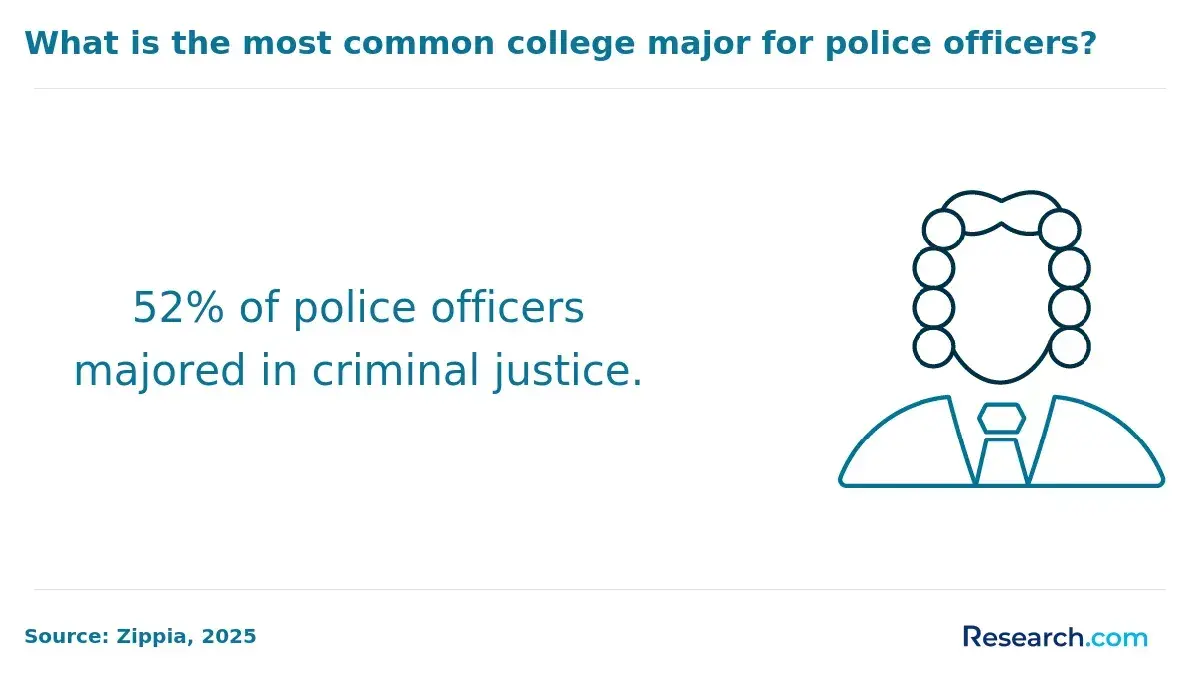
- Growing Preference for College Degrees: Many Maryland agencies now prefer applicants with at least an associate or bachelor’s degree, even though the minimum state requirement is a high school diploma or GED.
- Specialized Majors and Skills: Degrees in criminal justice, cybersecurity, psychology, and social work are highly valued, equipping officers with targeted skills for modern challenges.
- Flexible Hiring Standards Amid Workforce Shortages: Although many agencies lower education thresholds to address recruitment needs, higher education remains a distinct advantage for advancement.
- Rise of Continuing Education and Advanced Training: Officers are encouraged to pursue ongoing education, with training programs offering 850+ hours of instruction and college-level coursework in some academies.
Staying informed about these trends is essential for those pursuing or advancing in Maryland law enforcement careers. Understanding educational expectations empowers candidates to strategically align their qualifications and better meet the evolving demands of policing statewide.
What Do Police Officers in Maryland Say About Their Career
- Completing my training at the Baltimore Police Academy was an eye-opening experience that prepared me extensively for the realities of law enforcement in Maryland. Working as a police officer within a local school setting has given me a unique chance to connect with young people and positively influence their lives. There is a deep satisfaction in helping students feel safe and supported every day, which fuels my passion for this career. Maryland’s diverse communities provide enriching challenges that have enhanced my personal and professional growth. Latoya
- My journey started at the Frederick Community College Police Training Program, and it was clear from day one that Maryland offers a balanced mix of tradition and progressive law enforcement practices. The state's environment encourages officers to engage in continuous professional development, which helped me rise quickly through the ranks. Being part of Maryland’s police force means confronting unique local challenges, from urban areas to rural communities, which keeps my work both meaningful and dynamic. Elliot
- After graduating from the Anne Arundel County Public Safety Academy, I was eager to begin my career. Starting out as a school resource officer in a local academic institution allowed me to witness firsthand the impact of community-oriented policing. Maryland's rich history and cultural diversity provide a rewarding backdrop for my role, and I feel proud knowing my contribution helps create safer spaces for students to thrive. This career has allowed me to develop valuable skills while making a tangible difference every day. Irma
Related Articles for Nearby States
- 2027 How to Become a Police Officer: Education Requirements in Virginia
- 2027 How to Become a Police Officer: Education Requirements in West Virginia
- 2027 How to Become a Police Officer: Education Requirements in Pennsylvania
- 2027 How to Become a Police Officer: Education Requirements in Delaware
- 2027 How to Become a Police Officer: Education Requirements in New Jersey
- 2027 How to Become a Police Officer: Education Requirements in New York
- 2027 How to Become a Police Officer: Education Requirements in Ohio
- 2027 How to Become a Police Officer: Education Requirements in North Carolina
- 2027 How to Become a Police Officer: Education Requirements in Kentucky
- 2027 How to Become a Police Officer: Education Requirements in Connecticut
References:
- Police Academy https://www.pgcc.edu/programs-courses/continuing-education/public-safety-and-security/police-academy/
- Special Police Officer Academy | Montgomery College, Maryland https://www.montgomerycollege.edu/workforce-development-continuing-education/transportation-safety/spo.html
- Maryland-Police-Officer- and-Probation-Agent-Scholarship-Program https://mhec.maryland.gov/preparing/Pages/Maryland-Police-Officer-Scholarship-Program.aspx
- Special Police Officer https://www.ccbcmd.edu/Programs-and-Courses-Finder/ConEd-Program/special-police-officer.html
- AssociateofAppliedScience https://mdsp.maryland.gov/Careers/Pages/AssociateofAppliedScience.aspx
- Law Enforcement & Criminal Justice - Anne Arundel Community College https://www.aacc.edu/programs-and-courses/credit-and-degree-seekers/law-enforcement-and-criminal-justice/
- Security Training Classes Maryland | Call (443) 702-7891 https://www.securitytrainingclasses.com/special-police-officer-full-curriculum/special-police-training/
- 10 Best Criminal Justice Schools in Maryland for 2025 https://legalcareerpath.com/criminal-justice-schools-maryland/
- Best Criminal Justice Schools In Maryland https://www.criminaljusticedegreeschools.com/degree-by-state/maryland/
- Learn About Maryland Police Officer Career Pathways https://www.allcriminaljusticeschools.com/law-enforcement/police-officer-maryland/
Other Things You Need to Know About How to Become a Police Officer in Maryland
As of 2027, Maryland requires police officer applicants to have at least a high school diploma or GED. Potential candidates should ensure they meet this basic educational standard before applying to the academy, but there are no specific prerequisite courses required.
Some Maryland police departments may offer tuition assistance or reimbursement for academy training, depending on the department's policy. Additionally, various scholarships and financial aid options may be available through colleges or external organizations to support aspiring police officers.
Online degrees are increasingly recognized and accepted by many law enforcement agencies in Maryland as part of the education requirements for becoming a police officer. While traditional in-person degree programs are still common, online degrees from accredited institutions are generally considered valid, especially when they meet the state’s educational standards. Aspiring officers should ensure their online program is regionally accredited and aligns with Maryland's criteria for police training eligibility. It is also beneficial to verify with specific police departments, as some may have preferences or additional requirements regarding the type of education accepted.
As of 2027, to become a police officer in Maryland, applicants must have a high school diploma or GED. While some departments might prefer candidates with college credits or a degree, the state mandates completion of the basic police academy training, compliant with the Maryland Police and Correctional Training Commissions' standards.