
2027 How to Become a Police Officer: Education Requirements in Texas

Co-Founder and Chief Data Scientist
Becoming a police officer in Texas offers a promising career with stable job growth, as the state expects a 7% increase in law enforcement jobs over the next decade. It’s a rewarding path for those who want to serve their communities and earn competitive salaries. Understanding the education requirements is key before starting this journey.
This article, prepared by career planning experts, breaks down exactly what’s needed to enter the force in Texas. It will guide readers through the necessary qualifications and help clear up any confusion about the process, making the path to becoming an officer much clearer.
Key Things to Know About Becoming a Police Officer in Texas
- You must have a high school diploma or GED to even apply for a police academy in Texas.
- Many departments now prefer or require some college credits or an associate degree, boosting your chances in a competitive job market.
- After the academy, you’ll need to complete the Texas Commission on Law Enforcement (TCOLE) training, which includes 618 hours of coursework before you can get certified.
- What is the minimum education requirement to become a police officer in Texas?
- Which majors are most recommended for aspiring police officers in Texas?
- What subjects are taught in Texas police academy?
- Can military service replace education requirements for police officers in Texas?
- How much does it cost to get a police officer education in Texas?
- Are scholarships available for aspiring police officers in Texas?
- What certifications benefit a police officer's career development in Texas?
- What roles can you get as a police officer in Texas?
- What is the average salary of police officers in Texas?
- What education trends are affecting law enforcement careers in Texas?
- How can police officers in Texas maintain work-life balance and mental wellness?
What is the minimum education requirement to become a police officer in Texas?
Education plays a key role in shaping well-prepared law enforcement officers, equipping them with essential skills like clear communication, sharp thinking, and solid ethics. Since states have their own standards for training and hiring, the minimum education requirement for a police officer in Texas is unique and tailored to meet local needs. Here’s a quick overview of what you need educationally to get started in Texas law enforcement:
- High School Diploma: The basic requirement involves holding a diploma from an accredited high school, proving proficiency in reading, writing, and math, which are essential for daily police work.
- GED Certificate: For those who didn’t finish high school, a General Educational Development (GED) certificate is accepted statewide, serving as an equal substitute for a diploma.
- Military Service Exception: Texas recognizes at least 24 months of active duty with an honorable discharge as fulfilling the education requirement, valuing the skills and discipline gained through military experience.
These rules come straight from the Texas Commission on Law Enforcement and apply broadly, although some local agencies might ask for a bit more. If you want to understand different career paths in law enforcement, chances are you’ll also want to look at factors like forensic psychology salary, which can influence specialized roles down the line.
Which majors are most recommended for aspiring police officers in Texas?
Picking the right college major can make a big difference when you’re aiming to become a police officer in Texas. The right degree not only builds your knowledge but also boosts your chances for promotions and specialized roles down the line. If you’re exploring criminal justice degree programs in Texas or related fields, here’s a quick rundown of the majors that law enforcement agencies really appreciate.
- Criminal Justice: This is the go-to major for most future police officers. It dives into law enforcement basics, criminal law, and ethics, giving you solid prep for patrol to leadership roles.
- Criminology: Focused on why crime happens and how to prevent it, criminology sharpens your research and analysis skills—perfect if you want to get into investigations or policy work.
- Psychology: Understanding human behavior and crisis intervention is key to modern policing. A psychology background helps you handle tense situations calmly and with empathy.
- Sociology: By studying social behavior and community dynamics, sociology equips you to connect better with people and build trust, which is essential for community policing.
- Political Science: If leadership or policy advocacy interests you, political science offers insights into government and lawmaking processes, useful for climbing ranks or federal work.
- Law (Pre-Law or Legal Studies): Knowing the ins and outs of legal rights and procedures can set you apart, especially if you’re aiming for investigative or administrative positions.
- Public Administration: This major helps you learn how to manage agencies and budgets, ideal for supervisors who want to navigate the complexities of police department operations.
- Homeland Security: Covering topics like terrorism and emergency management, this field is great if you’re interested in specialized law enforcement or federal roles.
For those considering a broader perspective, Texas also offers programs tied to specialized areas such as a forensic science bachelor’s degree online, which can complement many of these majors. Choosing from the best majors for police officers in Texas means setting yourself up for a career that grows with you, opening doors to not just patrol work but also exciting, advanced paths in law enforcement.
What subjects are taught in Texas police academy?
Police academy training in Texas is designed to give recruits the essential skills, knowledge, and judgment they’ll need to work confidently and safely in law enforcement. The program mixes classroom learning with hands-on exercises and intense physical training to prepare officers for the variety of situations they’ll face on the job.
- Criminal Law and Texas Penal Code: Understanding the legal framework helps officers apply laws correctly and respect constitutional rights. This knowledge is key for making lawful arrests and handling criminal offenses properly.
- Firearms Training: Recruits learn safe handling, aiming, and tactical use of firearms, both in theory and on the range. Being skilled with weapons ensures officer and public safety while meeting state requirements.
- Defensive Tactics and Mechanics of Arrest: This covers physical techniques for self-defense and safely restraining suspects. It’s essential for managing confrontations and reducing harm to everyone involved.
- Emergency Vehicle Operations and Police Driving: Officers practice high-speed driving and pursuit tactics to respond quickly while staying safe. Mastery here prevents accidents during critical moments.
- Ethics and Professionalism: Learning about ethical standards prepares recruits to make responsible decisions under pressure and build trust with the community.
- Community Policing and Problem Solving: Communication and conflict resolution skills teach officers how to work effectively with diverse communities, promoting cooperation and safety.
Can military service replace education requirements for police officers in Texas?
In Texas, military service can count toward meeting the education requirements for becoming a police officer, but the specifics vary by department. Many agencies accept military experience as a substitute for some or all college credit hours, with the Texas Department of Public Safety allowing up to 60 semester hours to be replaced by 24 months of active duty, provided the applicant has at least a high school diploma or GED, while Houston’s police force accepts 18 months of honorable active duty in place of 48 college credit hours.
Military police or special forces experience often carries the most weight due to its direct relevance to law enforcement, but service must be verifiable and accompanied by an honorable or general under honorable conditions discharge. Additionally, veterans with qualifying military police or special forces backgrounds may pursue a streamlined path through the Texas Commission on Law Enforcement, which can waive certain college requirements if their training is deemed equivalent, though they must still meet licensing standards such as exams and background checks. This system highlights how Texas values the discipline, tactical skills, and practical knowledge veterans bring to policing.
I chatted with a Texas police officer who graduated from a local academy after serving in the military. He told me, “My military time really helped with some education gaps—they recognized the training I’d already completed, which made the process smoother than I expected.” Still, he emphasized the importance of patience: “Even with all my experience, I had to work through the licensing exams and background checks, which felt like a fresh start. It wasn’t automatic, but the military credit definitely lightened the load.” His story highlights how Texas law enforcement agencies respect military backgrounds but also ensure that every candidate meets the full professional standards required to serve the community well.
How much does it cost to get a police officer education in Texas?
The cost of becoming a police officer in Texas can vary quite a bit depending on the path you choose. Whether you're enrolling in a community college program, pursuing a university degree, or attending a police academy, the expenses add up differently. Let’s break down the typical costs involved in police academy tuition in Texas and other related fees.
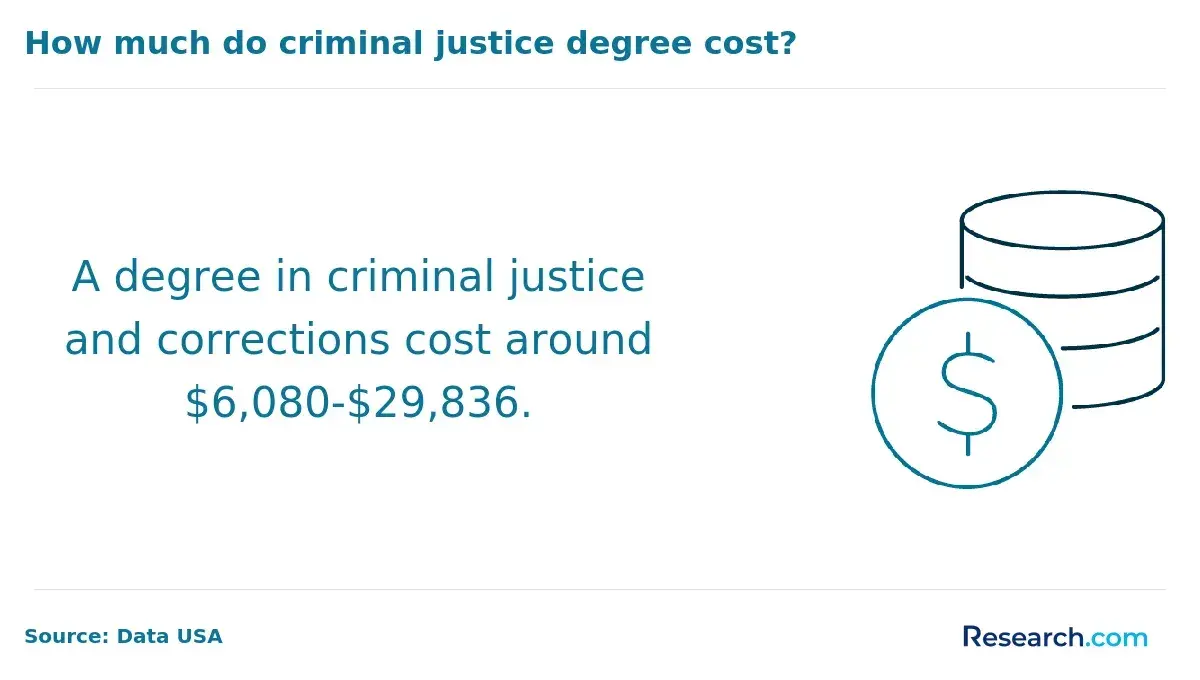
- Community College Tuition: For criminal justice programs, expect to pay around $2,000 to $4,500 per year if you’re an in-district student; out-of-district or out-of-state students usually pay between $4,000 and $8,000 annually.
- University Tuition: A bachelor’s degree in criminal justice at a Texas public university generally costs $8,000 to $12,000 per year for in-state students, with added fees for labs, registration, and services.
- Police Academy Fees: Tuition can range from $2,500 to $5,000 for a full program, depending on the academy's affiliation and location; some departments might even cover this cost if they hire you directly.
- Uniforms and Equipment: Gear like uniforms, duty belts, and boots typically run between $400 and $800 per recruit.
- Textbooks and Materials: Books and training supplies add another $200 to $500 annually.
- Testing and Certification Fees: The Texas Commission on Law Enforcement licensing exam usually costs $25 to $50, though some academies may bundle this with their tuition.
- Additional University Fees: Registration, parking, and technology fees at universities can tack on another $500 to $1,500 per year.
- Program-Specific Fees: Labs and practical training may add $100 to $300 per semester to your bill.
If you want to explore related opportunities, keep in mind some students also look for forensic psychology internships as a way to complement their studies and experience. Planning carefully for these expenses will help you manage the overall investment needed to achieve your law enforcement goals in Texas.
Are scholarships available for aspiring police officers in Texas?
Scholarships and financial aid can really help take the edge off the costs of college courses or police academy training in Texas. For many aspiring police officers, these financial supports make a huge difference in managing tuition, fees, and other education-related expenses without feeling overwhelmed.
- State and Law Enforcement Association Scholarships: These are often geared toward the families of current or former Texas law enforcement officers and provide awards ranging from $500 to $1,000, helping with tuition and academic needs while honoring public service.
- Criminal Justice and Public Service Scholarships: Offered by many Texas colleges, these scholarships support students majoring in criminal justice or related fields based on academic achievement and community involvement, helping cover costs like tuition and textbooks.
- Law Enforcement Organization Awards: Groups like the Texas Association of College and University Police Administrators provide scholarships to full-time campus peace officers pursuing further education, encouraging professional growth with awards typically around $500.
- Community College and University-Based Aid: Many local schools offer scholarships or tuition assistance to criminal justice or police academy students, selected for academic merit, financial need, or leadership potential to ease the path toward degrees or certifications.
- Memorial and Legacy Scholarships: These honor fallen officers by helping their descendants with education expenses, offering up to $1,000 annually and serving as a meaningful tribute to their families’ sacrifices.
Talking with a Texas police officer who graduated from a local academy brought this to life. She remembered struggling to cover tuition during her training but found relief through a regional scholarship aimed at academy students with strong community ties. “Without that support, I honestly don’t know how I would have managed the fees alongside my part-time job,” she shared. The application process was straightforward but required a heartfelt essay about her goals and dedication to service. She emphasized how much receiving that scholarship boosted her confidence, motivating her to push harder through the tough training. It wasn’t just about the money—it was knowing there were people rooting for her success, which made all the difference in starting her career on solid footing.
What certifications benefit a police officer's career development in Texas?
Getting certified in specialized areas really helps Texas police officers sharpen their skills, boost their daily work, and stand out when aiming for promotions. These certifications not only build deeper know-how but also show a serious commitment to their profession, especially when meeting Texas Peace Officer licensing requirements.
- TCOLE Proficiency Certificates: These include Basic to Master Peace Officer levels, each needing more education, service years, and training. The higher the certificate, the better chance an officer has at promotions and top-tier roles.
- Firearms and Tactical Training: Officers learn advanced weapons handling, defensive moves, and how to respond in dangerous moments. Having these creds makes them go-to people during emergencies and prime candidates for tactical teams like SWAT.
- Emergency Medical Response Certification: This equips officers with life-saving skills that are invaluable in accidents or critical situations, especially in rural spots. EMT-trained officers often get priority for supervisory posts or special units.
- Criminal Investigations Certification: This covers gathering evidence, interviewing, and managing cases. Officers with this certification are often seeded for detective or specialized investigation jobs.
- Cybercrime and Digital Evidence Training: With tech crimes rising, knowing how to track online criminal activity and recover digital proof is a hot skill that supports cyber units.
- Crisis Intervention Training: CIT prepares officers to defuse tense situations involving people with mental health issues, making these officers especially valuable to any department.
- Leadership and Supervisory Training (e.g., Law Enforcement Command Officer certification in Texas): Programs like LECOP build leadership chops, positioning officers well for sergeant or higher ranks by focusing on management and influence skills.
For those curious about related educational paths, exploring the best forensic science master’s degrees can also open doors into investigative and specialist roles within law enforcement.
What roles can you get as a police officer in Texas?
Law enforcement careers in Texas go way beyond just patrolling the streets. Officers get to specialize based on what they’re good at or interested in, which makes the work more dynamic and rewarding. Whether you like investigating crimes, working with police dogs, or engaging with the community, there’s a spot for you.
- Patrol Officer: These officers keep neighborhoods safe by responding to calls, enforcing laws, and handling first investigations. They need to finish a Texas-approved law enforcement academy and keep learning throughout their career.
- Detective: Detectives dig deep into crimes by interviewing witnesses and gathering evidence. They usually step up to this after some patrol experience and extra training.
- K-9 Unit Officer: Working with trained dogs, these officers find drugs, explosives, or missing people. They need specialized training in animal handling and scent detection.
- SWAT Team Member: SWAT officers handle high-risk situations like hostage rescues, requiring intense fitness and tactical training.
- Community Outreach Officer: These officers build trust by working closely with residents, focusing on communication and problem-solving skills.
- Traffic Enforcement Officer: They enforce traffic laws and investigate accidents, trained in traffic control and accident reconstruction.
- Training Instructor: Instructors teach new recruits and officers about firearms, law, and ethics, needing certification and expertise.
What is the average salary of police officers in Texas?
The average police officer salary in Texas can vary a lot based on where you work, how long you’ve been on the job, your education level, and your rank. Bigger cities and departments with more funding usually pay more, while smaller towns may offer less. Plus, having higher education or special certifications can bump your pay up even more.
- Entry-Level Police Officers: Starting salaries range from about $27,300 to $57,901 a year, depending on the city or department. Some areas, like Sherman and Dallas-Fort Worth, pay entry-level officers as much as $82,812 annually.
- Mid-Career Police Officers: With 5 to 10 years on the force, you can expect to earn from $54,548 up to $96,612 per year. Departments often have step increases that can push salaries over $100,000 within eight years.
- Senior Police Officers and Supervisory Roles: Sergeants start around $108,150, lieutenants at $121,128, and assistant chiefs can earn up to $160,812, especially in larger urban departments.
Besides base pay, many Texas departments offer extra incentives like monthly bonuses for degrees or special police certifications. In fact, officers with degrees can receive $50 to $200 more each month, and bilingual officers often get pay boosts too. This makes the police officer pay scale Texas-wide more flexible and rewarding, especially if you take advantage of education and skill-building opportunities. If you’re exploring career options, learning about career opportunities with a criminal justice degree can give you a leg up in this field.
What education trends are affecting law enforcement careers in Texas?
Education expectations for law enforcement in Texas are evolving fast, shaping who gets hired and promoted. Today, police work demands more than just academy training—officers increasingly need college credits, specialized knowledge, and ongoing learning to keep up with modern challenges and career growth.
- Growing Preference for College Degrees: Many Texas departments prefer candidates with some college education, and some require at least 12 credit hours or a degree to qualify or advance.
- Impact of Specialized Majors: Degrees in criminal justice, psychology, cybersecurity, and forensic science are highly valued, helping officers tackle new crime trends and technology-driven challenges.
- Rise of Continuing Education: Officers must complete 40 hours of in-service training every two years, covering everything from active shooter response to cultural sensitivity and tech skills.
- Flexible Learning Pathways: Evening and part-time academy options help working adults and non-traditional students enter law enforcement careers.
Staying updated on these education trends is key for anyone aiming to join or move up in Texas law enforcement. With agencies raising their standards and policing becoming more complex, investing in relevant education and training opens more doors and prepares officers for leadership in a rapidly changing landscape.
How can police officers in Texas maintain work-life balance and mental wellness?
Effective work-life balance and mental wellness are critical for sustained performance in law enforcement. Structured shift planning, access to peer support networks, and participation in stress management programs can help mitigate the emotional demands of the role. Integrating physical fitness and mindfulness practices into daily routines contributes to both mental resilience and operational effectiveness. For officers keen on exploring alternative career dynamics during transitional phases, resources detailing how to become a paralegal in Texas may offer additional professional pathways without compromising overall well-being.
What Do Police Officers in Texas Say About Their Career
- Completing the training at the San Antonio Police Academy truly prepared me for the realities of law enforcement in Texas. The curriculum balanced practical skills with community policing values, which was vital when I transitioned to working as a school resource officer. Being on campus every day gave me a real sense of purpose, especially knowing I’m helping create a safe environment where students can thrive. The job stability and support offered here make it clear that this career path is sustainable and fulfilling. Joseph
- Starting my career as a police officer in a local school transformed how I view public service. It’s not just about enforcing laws, but about building relationships that can positively influence young people during critical moments in their lives. Texas’s diverse communities and unique challenges push me to grow professionally and personally every day. The experience has sharpened my leadership skills and deepened my empathy in ways I never expected. Neal
- The opportunity to serve as a police officer in Texas has been a journey of continuous growth and learning. After graduating from the Houston Peace Officer Training Center, I found that the career advancement opportunities here are incredible, especially with the various specialized units available. The cultural richness of Texas means every day on the job brings new challenges and chances to make a real difference. It’s rewarding to see how law enforcement can positively impact both individuals and entire communities. Jerald
Related Articles for Nearby States
- 2027 How to Become a Police Officer: Education Requirements in Louisiana
- 2027 How to Become a Police Officer: Education Requirements in Oklahoma
- 2027 How to Become a Police Officer: Education Requirements in Arkansas
- 2027 How to Become a Police Officer: Education Requirements in New Mexico
- 2027 How to Become a Police Officer: Education Requirements in Kansas
- 2027 How to Become a Police Officer: Education Requirements in Missouri
- 2027 How to Become a Police Officer: Education Requirements in Colorado
- 2027 How to Become a Police Officer: Education Requirements in Mississippi
- 2027 How to Become a Police Officer: Education Requirements in Tennessee
- 2027 How to Become a Police Officer: Education Requirements in Arizona
References:
- Qualifications https://www.dallaspolice.net/joindpd/Pages/Qualifications.aspx
- Police Officer Minimum Requirements | Big Spring, TX https://mybigspring.com/263/Minimum-Requirements
- Requirements https://www.hpdcareer.com/requirements.html
- Pathways to Texas Police Officer | All Criminal Justice Schools https://www.allcriminaljusticeschools.com/law-enforcement/police-officer-texas/
- Texas Police Officer Requirements | Go Law Enforcement https://golawenforcement.com/police-officer-requirements/texas-police-officer-requirements/
- Minimum Qualifications | Garland, TX https://www.garlandpolice.com/492/Minimum-Qualifications
- Police Officer Qualifications | Allen, TX https://www.allenpolice.org/about_allen_pd/join_our_force/police_officer_qualifications.php
- Law Enforcement Academy Program Costs & Dates — TCC https://www.tccd.edu/academics/courses-and-programs/programs-a-z/non-credit/law-enforcement-academy/law-enforcement-academy-costs-dates/
- Law Enforcement Academy - Cost of Attending - SUL ROSS https://www.sulross.edu/law-enforcement-academy-cost-of-attending/
Other Things You Should Know About Being an Police Officer in Texas
In 2027, aspiring police officers in Texas must have at least a high school diploma or GED. While completing college or academy training beforehand is advantageous, applicants can apply without a degree but must eventually meet all specific Texas Commission on Law Enforcement (TCOLE) requirements during training.
In 2027, the minimum age requirement to become a police officer in Texas is 21 years old. Applicants can apply at 20 years of age if they will turn 21 by the time they graduate from the police academy.
Online degrees are increasingly recognized in Texas for aspiring police officers, especially as many law enforcement agencies emphasize accredited education over specific delivery formats. The Texas Commission on Law Enforcement (TCOLE) accepts degrees from accredited institutions, which can include reputable online programs, provided they meet the required curriculum standards. However, candidates should ensure their online degree covers the essential criminal justice coursework relevant to policing. While traditional in-person degrees may still be preferred by some departments, the growing acceptance of online education reflects the evolving landscape of law enforcement qualifications in Texas.


